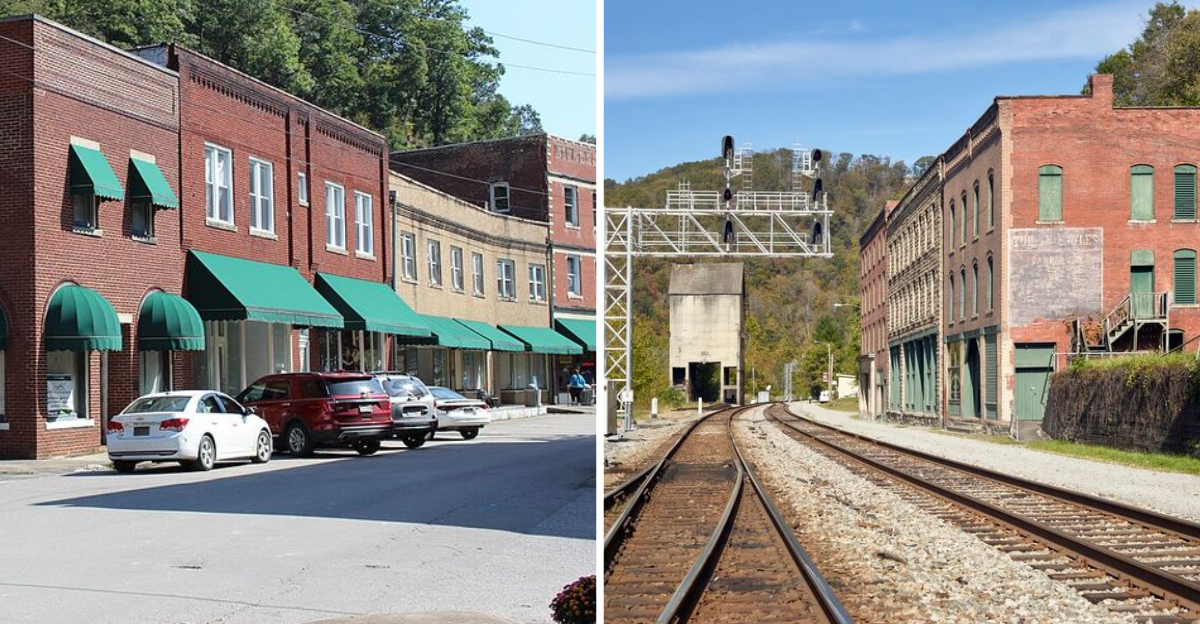
Some towns just feel different. You walk the quiet streets and swear the walls could talk.
This West Virginia town witnessed one of the most dramatic standoffs in American labor history.
Coal miners, fed up with dangerous conditions and company control, finally said enough.
A famous confrontation erupted right on Main Street. Signs of that tense day still mark the brick walls as a reminder.
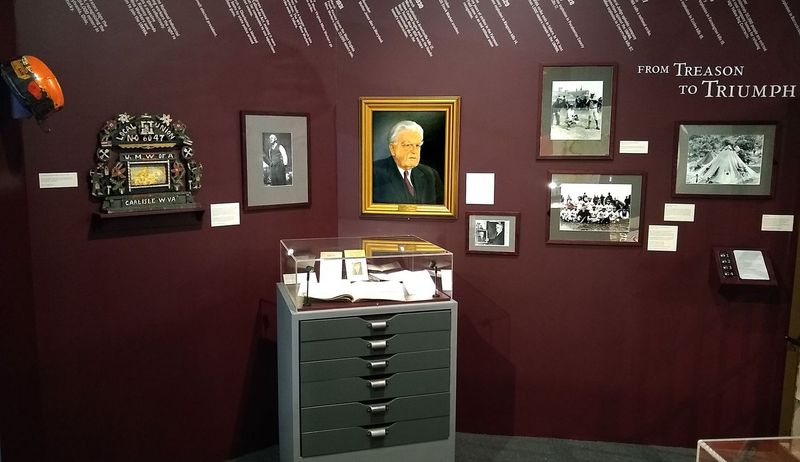
Today, a small museum tells their stories of courage and unity where workers of all backgrounds stood shoulder to shoulder.
It is a living monument to regular folks who refused to back down.
History buffs, this one will give you chills.
The Matewan Massacre: Where Labor History Became Legend
Some places earn their place in history quietly. Matewan earned it with gunfire.
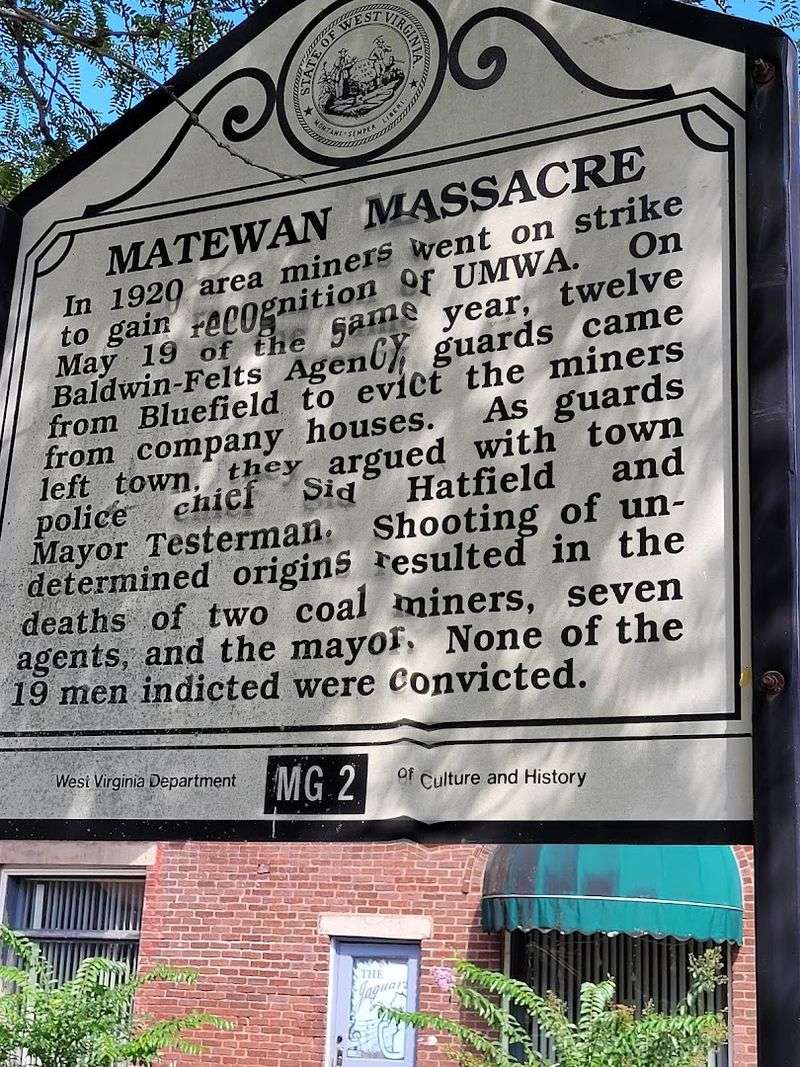
On May 19, 1920, a deadly confrontation erupted on these very streets between striking coal miners and Baldwin-Felts Detective Agency agents sent to evict unionizing families from company housing.
Ten men died that day, including seven detectives, two miners, and Mayor Cable Testerman. The event became known as the Matewan Massacre, and it sent shockwaves through the American labor movement.
Standing on that street today, you feel the weight of what happened here.
The town did not shy away from its past. Instead, it preserved it.
Bullet holes remain visible in downtown brick walls, serving as raw, unpolished reminders of what workers endured simply for the right to organize. Few places in America carry that kind of unfiltered, walk-up-and-touch-it history.
Matewan does not need a museum to make you feel something. The town itself is the exhibit, and it pulls no punches.
National Historic Landmark Status: Recognition Well Earned
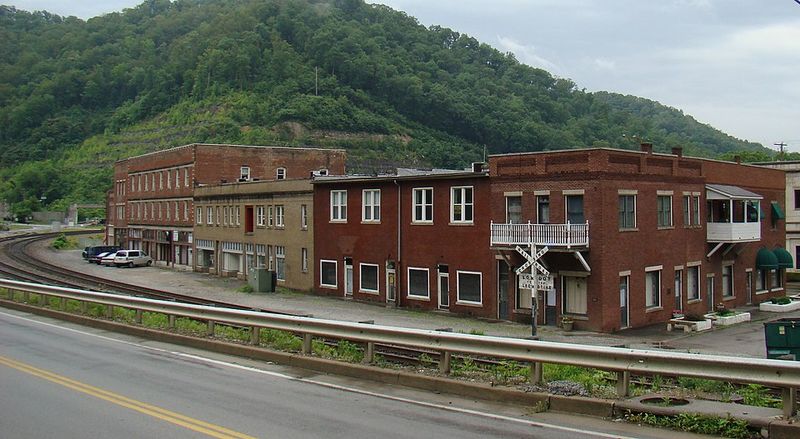
Getting designated a National Historic Landmark is not something that happens easily. The federal government reserves that title for places of truly exceptional significance, and in 1997, the Matewan Historic District earned it.
That recognition was a long time coming.
The designation acknowledges Matewan’s outsized role in American labor organization. For such a small town, that is a remarkable achievement.
It also brought attention and resources that helped fuel preservation and tourism efforts in a region that had been economically struggling for decades.
Walking through a National Historic Landmark feels different than visiting a regular tourist spot. There is a sense that the ground beneath you actually matters to the broader story of the country.
Matewan’s landmark status is not just a plaque on a wall. It is formal acknowledgment that what happened here shaped workers’ rights across the entire United States.
That kind of legacy belongs to every American, not just the 400-something people who call this small river town home today.
West Virginia Mine Wars Museum: Small Building, Massive Story
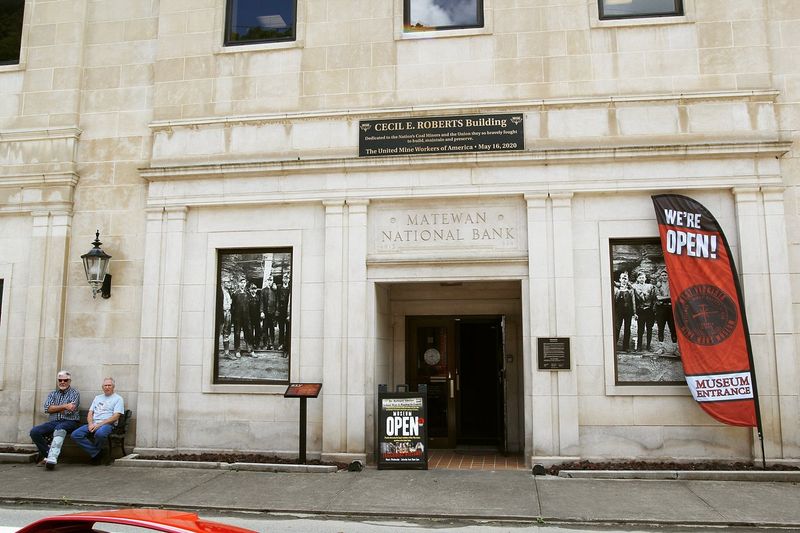
You might walk past the West Virginia Mine Wars Museum without realizing what is inside. The building is modest, tucked into downtown Matewan like any other storefront.
But step through that door and the scope of what you encounter is staggering.
The museum tells the story of the Mine Wars, including the Battle of Blair Mountain in 1921, which stands as the largest armed labor uprising in United States history. That is not a regional footnote.
That is a defining chapter of American democracy, and it started right here in these hills.
Exhibits cover the brutal conditions miners faced, the courage it took to organize, and the human cost of standing up to powerful corporate interests. The storytelling is clear and accessible, never preachy.
It respects the intelligence of visitors while making sure even those unfamiliar with the history can follow along. For anyone even slightly curious about how workers won their rights in this country, this museum is an absolute must-see stop.
Matewan Depot Welcome Center: A Gateway Dressed in History
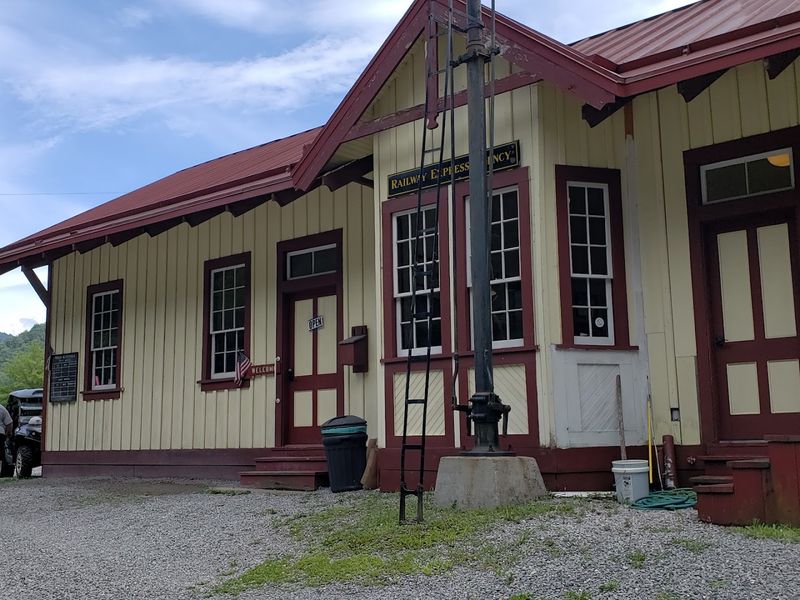
Train depots have a way of anchoring a town’s identity, and Matewan’s is no exception. The Matewan Depot Welcome Center is a Smithsonian-quality replica of the original Norfolk and Western train depot, rebuilt to reflect the look and feel of the 1920s era.
Inside, visitors find information on the Matewan Massacre, the Hatfield-McCoy feuds, and the broader history of Mingo County. It serves as the perfect starting point for anyone new to the area.
The staff are genuinely knowledgeable and happy to point you toward the stories that matter most.
There is something grounding about beginning a visit at a train depot. Trains brought workers to these mountains.
They carried coal out. They connected isolated communities to the wider world.
Starting your Matewan experience here sets the right tone. You leave understanding that this town was never just a quiet backwater.
It was a crossroads, a flashpoint, and ultimately a place where ordinary people did extraordinary things under extraordinary pressure.
Appalachian Resilience: How a Flood-Tested Town Kept Standing
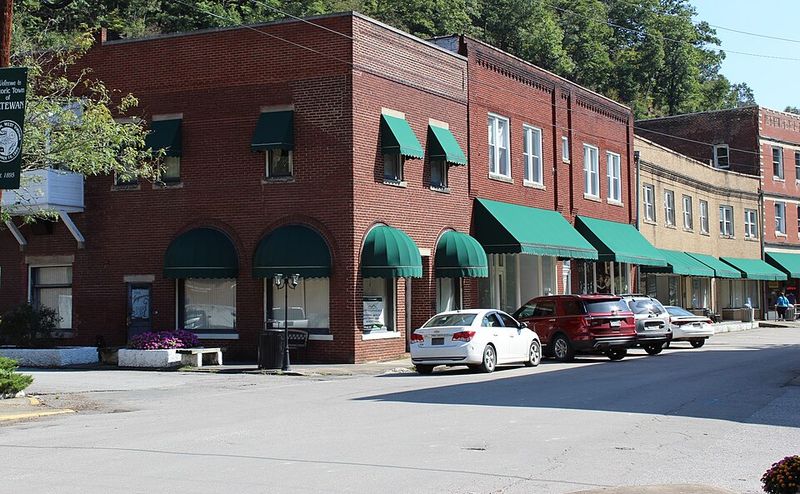
Coal industry downturns hit Matewan hard. Devastating floods hit it harder.
Yet somehow, this town kept finding its footing. That kind of endurance is not accidental.
It is baked into the Appalachian character, shaped by generations of people who learned to rebuild rather than abandon.
Restoration efforts have worked to return downtown Matewan to its 1920s appearance. Walking those streets feels like stepping into a carefully maintained time capsule.
The effort behind that preservation reflects genuine community pride, not just tourism strategy.
Resilience in Matewan is not a talking point. It shows up in restored storefronts, in community-run museums, in a town that refused to let economic hardship erase its identity.
Many small American towns facing similar pressures have faded into anonymity. Matewan chose a different path.
It leaned into its history, honored its people, and built something sustainable from the wreckage of difficult decades. That choice says everything about the spirit of this place and the people who have always called it home.
Sid Hatfield and Mayor Testerman: Local Heroes of the Labor Fight
Not every hero wears a uniform. Sid Hatfield was Matewan’s police chief, a man who chose to stand beside striking miners instead of enforcing the will of powerful coal company interests.
Mayor Cable Testerman stood with him. Both paid dearly for that choice.
Their decision to side with the miners on May 19, 1920 turned an eviction attempt into a defining moment of American labor history. Hatfield became a symbol of resistance throughout the coalfields.
His story spread quickly, inspiring miners across the region to keep organizing despite violent opposition.
Walking through Matewan knowing this history changes how you see every building and every street corner. These were not distant figures in a textbook.
They were local men making impossible choices in real time. Their legacy is woven into the physical fabric of this town.
Matewan honors that legacy not just with markers and museums, but by continuing to tell these stories with honesty, specificity, and deep respect for the people who lived them.
The Hatfield-McCoy Connection: Feuds, Trails, and Mountain Lore
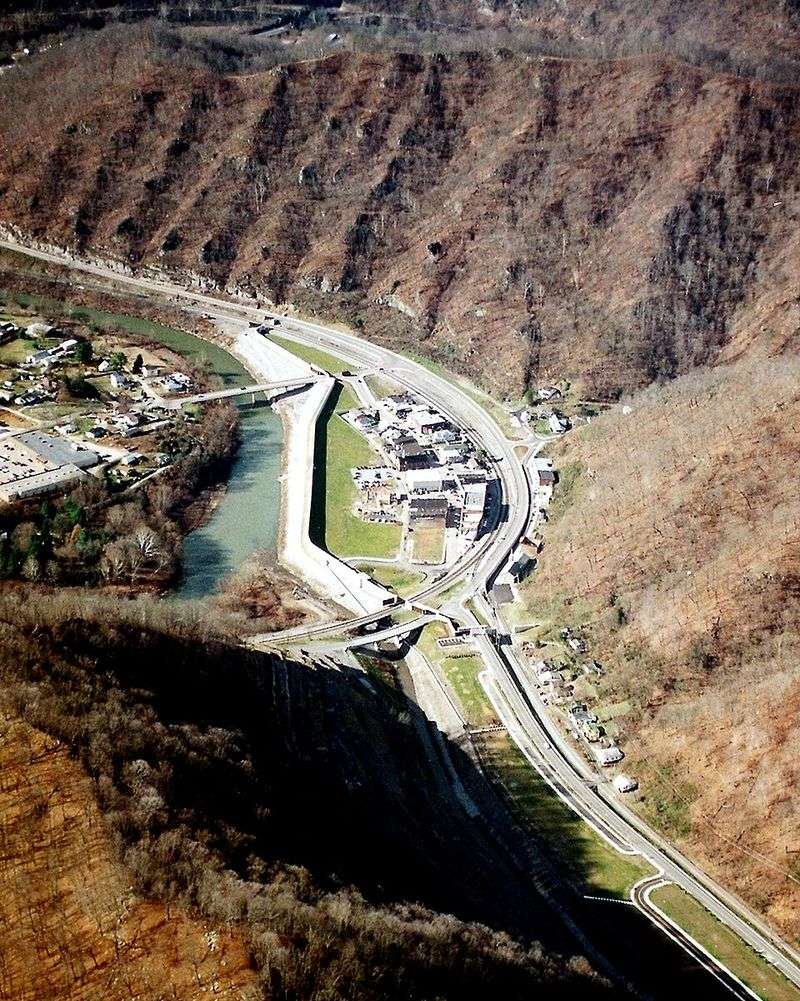
Few feuds in American history are as famous as the one between the Hatfields and McCoys. Matewan sits right in the heart of that legendary territory, perched along the Tug Fork River that once served as the border between warring families and rival states.
Today, the region channels that dramatic heritage into something far more fun. The Hatfield-McCoy Trail system offers off-road adventure across hundreds of miles of rugged Appalachian terrain.
ATVs and dirt bikes fill the trails on weekends. The mountains that once witnessed family conflict now host a thriving outdoor recreation economy.
For visitors, the connection between the feud history and the modern trail experience adds a layer of storytelling that most adventure destinations simply cannot offer. You are not just riding through beautiful scenery.
You are moving through land that shaped American folklore. The Matewan area makes that connection feel genuine rather than gimmicky, and that distinction matters enormously when you are trying to understand what makes this corner of West Virginia so persistently compelling.
The Tug Fork River: Lifeblood of a Mountain Community
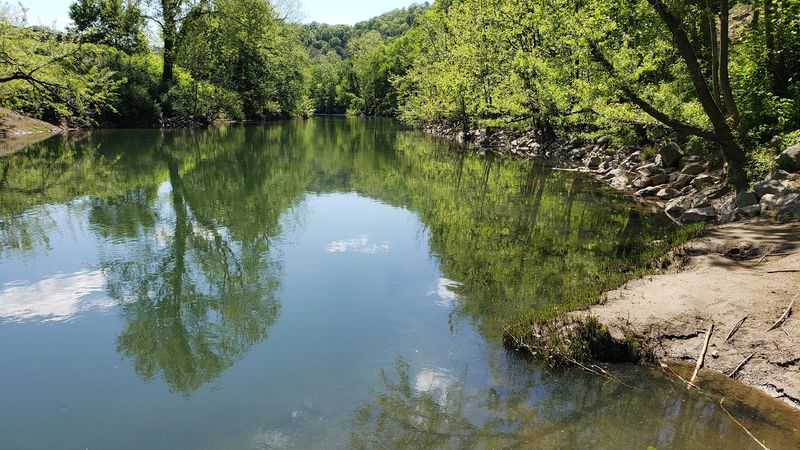
Rivers have a way of defining the towns built beside them. The Tug Fork River shaped Matewan in every possible sense, geographically, economically, and culturally.
It forms the border between West Virginia and Kentucky right here, and that boundary has meant everything over the years.
The river provided transportation, water, and a natural landmark that communities organized around for generations. It also brought floods that tested the town repeatedly.
Still, residents rebuilt. The relationship between Matewan and the Tug Fork is complicated and close, the way all good relationships with powerful natural forces tend to be.
Sitting by the river today, watching it move through the valley with those green Appalachian hills rising on both sides, you get a sense of why people stayed. This landscape is genuinely beautiful.
It rewards the kind of slow attention that modern travel rarely encourages. The Tug Fork is not just a backdrop for Matewan’s history.
It is an active participant in everything this town has been and continues to become.
Appalachian Food Culture: Honest Flavors Rooted in Tradition
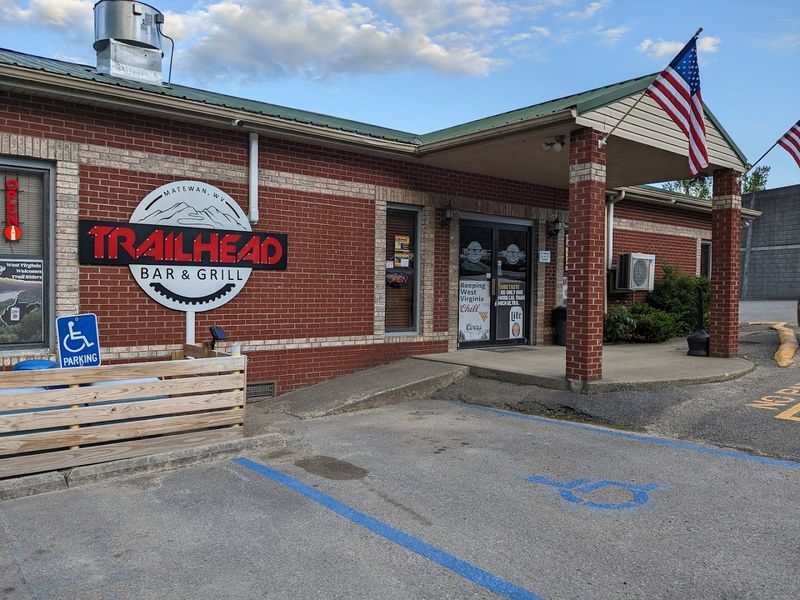
Appalachian food does not try to impress you. It just feeds you well, and somehow that turns out to be the most impressive thing of all.
The cooking traditions around Matewan are rooted in what the land and the seasons provide, and they have not changed much because they do not need to.
Soup beans and cornbread, stack cakes, fried apple pies, and slow-cooked greens are the kind of dishes that show up on tables here. These are recipes passed down through families who knew how to stretch ingredients and coax deep flavor from simple things.
There is real craft in that simplicity.
Eating in this region connects you to the same culinary traditions that sustained generations of miners and their families through hard winters and harder times. Food here carries memory.
It carries community. Sharing a meal in a small Mingo County kitchen or local eatery is not just eating.
It is participating in a living tradition that has survived everything this region has been through, and it tastes exactly like home.
Why Matewan Deserves a Spot on Every American’s Travel List
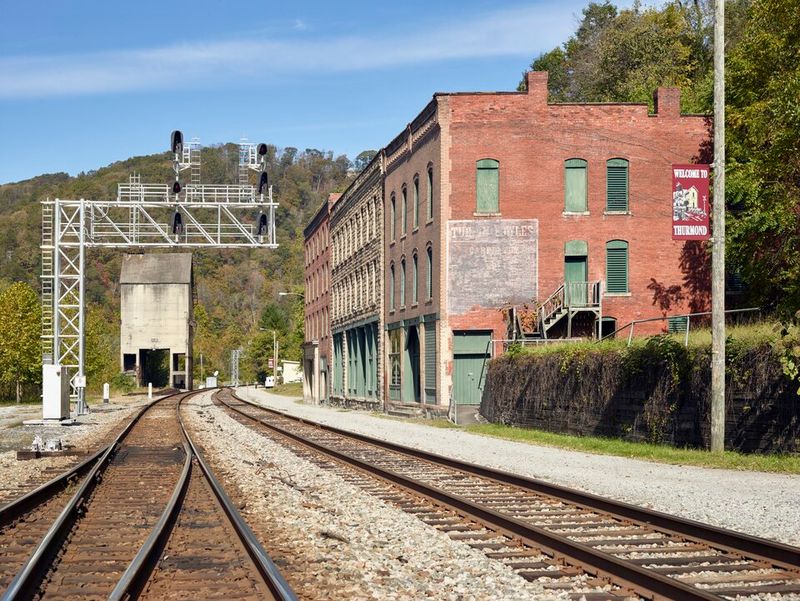
There are places you visit for the scenery. There are places you visit for the food.
Then there are places you visit because they help you understand something true about your country that you could not have learned any other way. Matewan is firmly in that last category.
With fewer than 500 residents, it punches so far above its weight in historical significance that the comparison almost feels unfair. A National Historic Landmark, a nationally recognized museum, living connections to the Hatfield-McCoy legend, and bullet holes that are still in the walls.
That is a remarkable concentration of meaning in a very small space.
Coming here changes your perspective. Not in a heavy-handed, lesson-learned kind of way.
More like a quiet recalibration of what you thought you knew about American workers, American courage, and American resilience.
Matewan is proof that the most important stories are often found in the smallest places, and that some towns earn their legacy one difficult, determined generation at a time.
Address: West Virginia
