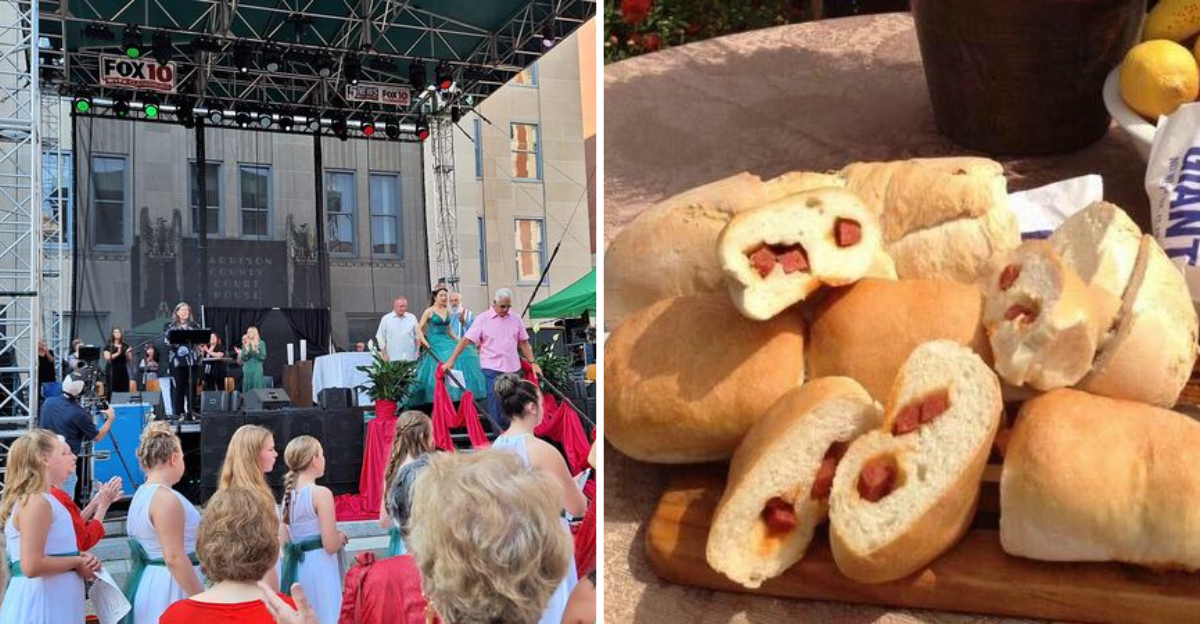
Some bites transport you. One taste of a pepperoni roll here, and you are suddenly part of a century-old story involving immigrants, coal mines, and a whole lot of oregano.
This town keeps its heritage not in museums, but in bustling bakeries and on stages filled with accordion music.
Every fall, the air vibrates with the sound of mandolins and the joyful chaos of a street festival that draws people from miles around.
It is a beautiful collision of mountain grit and Mediterranean warmth.
The locals speak with hands as much as their voices, and they will insist you try just one more cookie.
Honestly, who are you to argue? This state has a secret, and it is deliciously Italian.
The Italian Immigrant Roots That Built Clarksburg
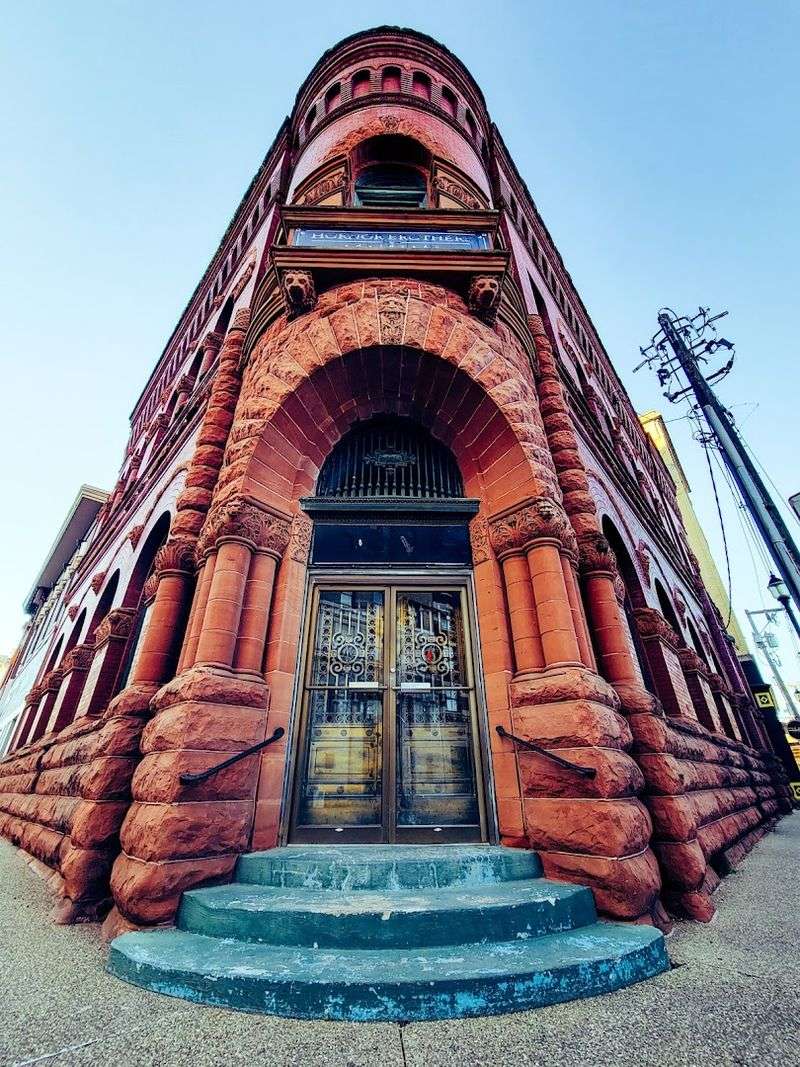
Long before the festivals and the famous food, this story starts underground. In the early 1900s, thousands of Italian immigrants arrived in West Virginia to work the coal mines, many coming from southern regions like Campania, Calabria, and Sicily.
They brought their language, their recipes, and their deeply rooted sense of community with them.
Clarksburg became a natural gathering place for these families. They built neighborhoods, opened small businesses, and kept their cultural traditions alive through food and celebration.
That foundation is what makes everything here feel so genuine rather than performed.
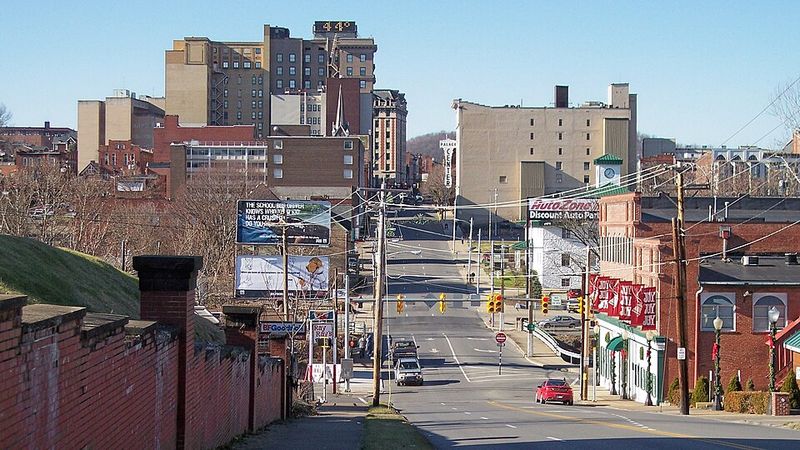
Walking through downtown Clarksburg today, you can still feel that layered history beneath the surface. The Italian influence is not a novelty or a tourist gimmick.
It is woven into the everyday life of the city, from the restaurants that have operated for decades to the festivals that draw over 100,000 visitors each year. This is a community that remembers where it came from.
West Virginia Italian Heritage Festival
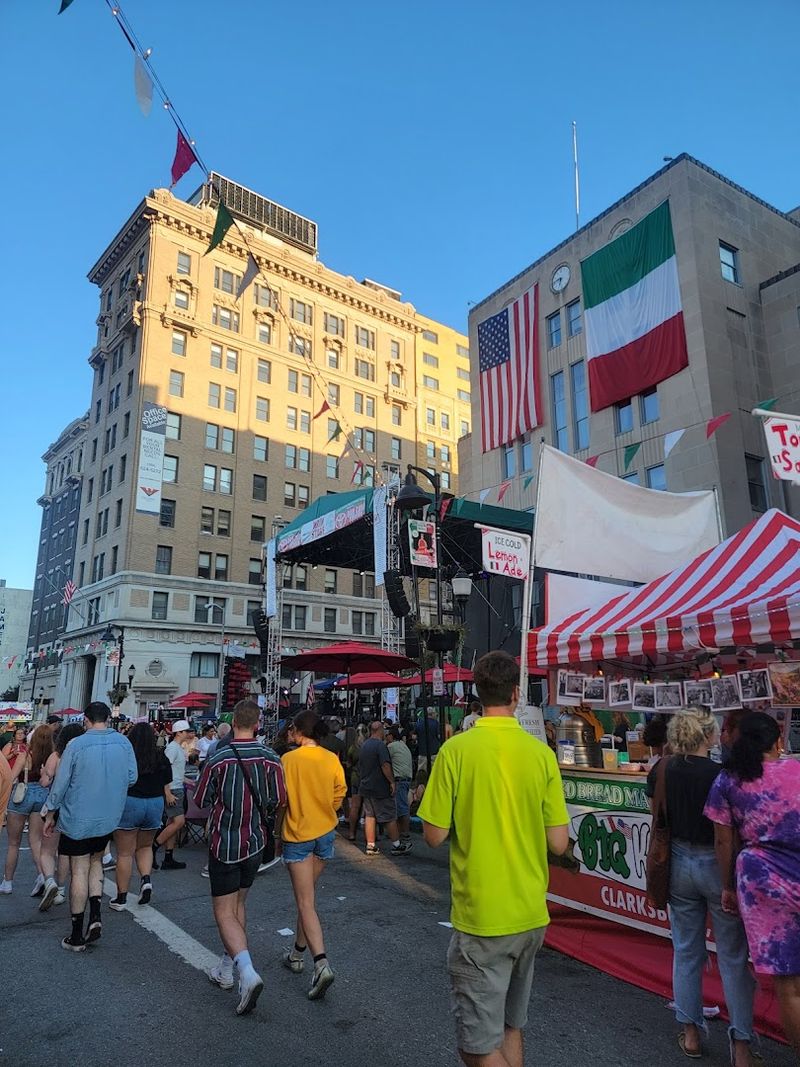
Every Labor Day weekend, downtown Clarksburg transforms into something you genuinely have to see to believe. The West Virginia Italian Heritage Festival, which started back in 1979, draws crowds that sometimes surpass 100,000 visitors over three days.
Streets fill with music, food aromas, and the kind of energy that makes you forget you have anywhere else to be.
The festival was built around a clear purpose: honor the past, celebrate the present, and preserve Italian traditions for future generations. That mission shows up in every corner of the event, from cultural art shows to live opera performances.
What makes this festival stand out from a typical street fair is how much substance it carries. There are scholarship programs for Italian-American students, recognition ceremonies for community leaders, and cultural events that go far beyond surface-level celebration.
It is equal parts party and preservation effort, and somehow that combination works beautifully. Families return year after year, and first-time visitors almost always leave already planning their next trip back.
The Grand Parade and Regina Maria Royal Court
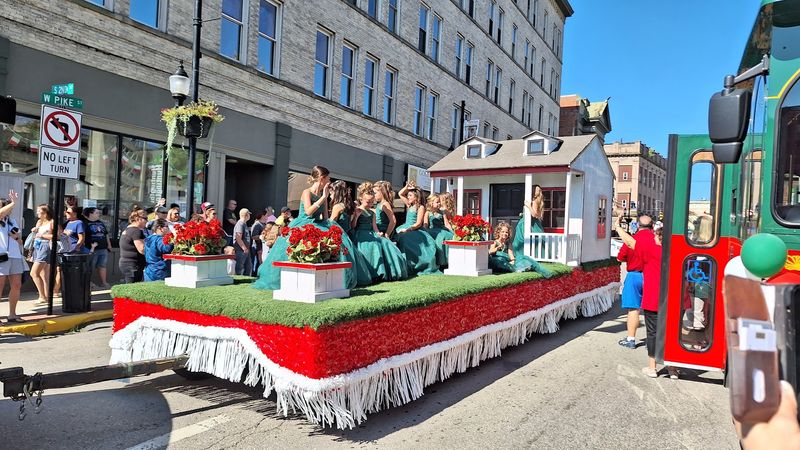
The parade is one of those moments during the festival where everything slows down in a good way. Floats, marching bands, and the crowning of the Regina Maria royal court give the event a ceremonial weight that feels meaningful rather than theatrical.
Regina Maria herself was named after the first queen of Italy, and that historical nod adds real depth to the celebration.
Over the years, the parade has featured some genuinely legendary figures. Baseball Hall of Famer Joe DiMaggio once appeared, which gives you a sense of how seriously the Italian-American community takes this event on a national level.
Watching the parade from the sidewalk, you get a front-row seat to something that functions as both entertainment and cultural education. Kids wave from floats while older generations cheer from lawn chairs they set up hours early to claim the best spots.
It is multigenerational in the truest sense. The whole thing moves with a kind of pride that is hard to manufacture and impossible to fake.
Live Music and Traditional Italian Dancing Fill the Streets
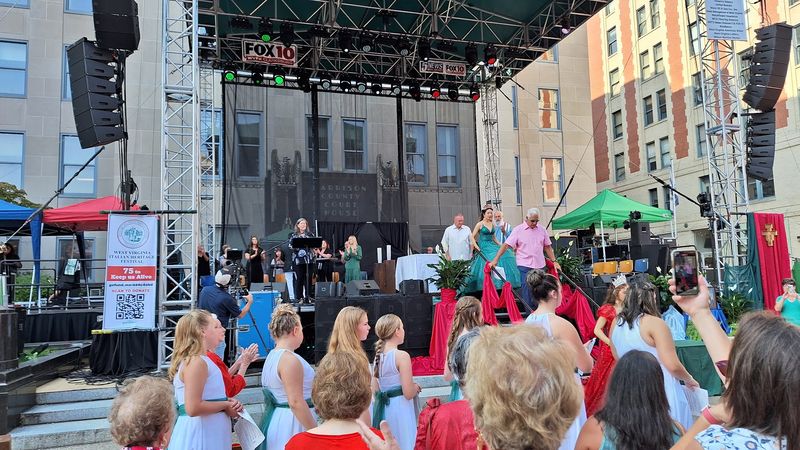
Music at the festival is not background noise. It is the heartbeat of the whole weekend.
Live Italian bands set up across downtown stages, and the sound carries for blocks in every direction. Traditional Italian folk songs mix with upbeat contemporary sets, and somehow the combination keeps everyone moving regardless of age.
The dancing that breaks out in front of the main stage has a spontaneous quality that no choreographer could plan. Grandparents pull grandchildren onto the street.
Strangers form impromptu circles. The music creates this shared moment that dissolves any awkwardness almost immediately.
The festival has hosted some seriously impressive entertainers over the years, including Jerry Vale, Frankie Avalon, Tony Danza, and Steve Augeri. That lineup alone speaks to the event’s cultural reach.
But honestly, even without the big names, the local bands and street performers carry enormous energy. The fast-paced rhythm of Italian music has a way of making even the most reserved festival-goer tap a foot or two.
You simply cannot stand still for long.
Three Generations of Calabrian Home Cooking
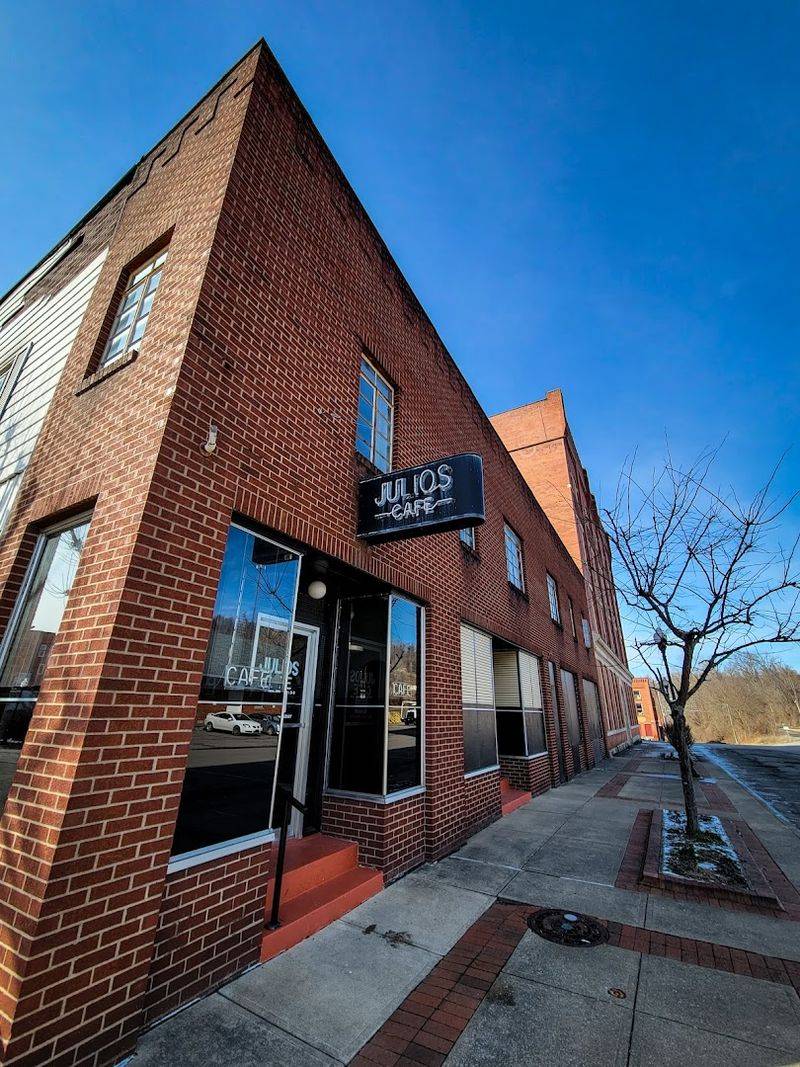
Established in 1967, Julio’s Cafe is the kind of place that makes you understand why certain restaurants survive for generations. This family-run eatery has been passed down through three generations, and the cooking reflects that continuity.
Every dish carries the kind of muscle memory that only comes from making the same recipe hundreds of times with genuine care.
The menu leans into home-style Calabrian cooking, which means bold flavors and honest ingredients. Marinara sauce and pasta e fagioli are among the standouts, both rooted in southern Italian tradition and both tasting exactly like something a grandmother would make on a Sunday afternoon.
There is a warmth to the dining experience here that goes beyond the food itself. The space feels lived-in, not curated.
You are not eating at a restaurant that is trying to feel authentic. You are eating at one that simply is.
For anyone visiting Clarksburg with an appetite for real Italian-American home cooking, Julio’s Cafe is a non-negotiable stop on the itinerary.
Address: 501 Baltimore Ave, Clarksburg, WV 26301, United States
A 75-Year Legacy in Every Bite
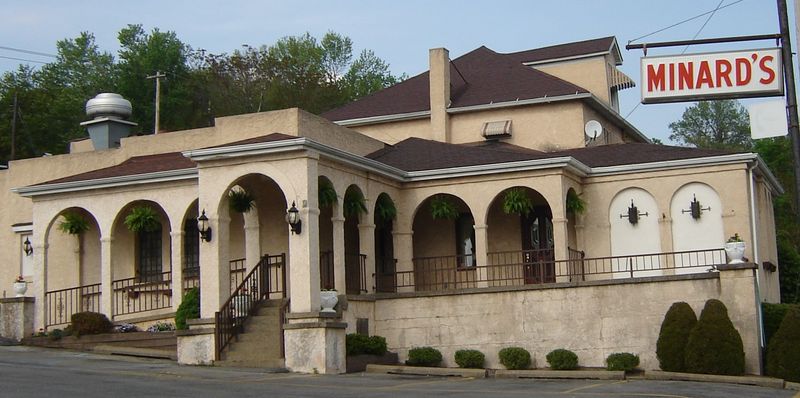
Some restaurants earn their reputation quietly, one plate at a time, over many decades. Minard’s Spaghetti Inn has been doing exactly that for over 75 years.
The name alone carries weight in Clarksburg, and the traditional spaghetti recipe that has kept this place running is the kind of dish that inspires genuine loyalty.
What is interesting about a restaurant with this kind of longevity is how it becomes part of a city’s identity. Locals grow up eating here, bring their own kids, and eventually bring their grandkids.
The recipe stays consistent, and that consistency becomes a form of comfort food in the deepest sense of the phrase.
Visiting Minard’s feels less like dining out and more like participating in a living tradition. The spaghetti is not complicated or trendy.
It is just really, really good, in the way that simple things done right always are. If you only have time for one sit-down meal in Clarksburg, this is the place that earns the most enthusiastic recommendation without any hesitation at all.
Address: 813 E Pike St, Clarksburg, WV 26301, United States
West Virginia’s Official State Food with Italian Roots
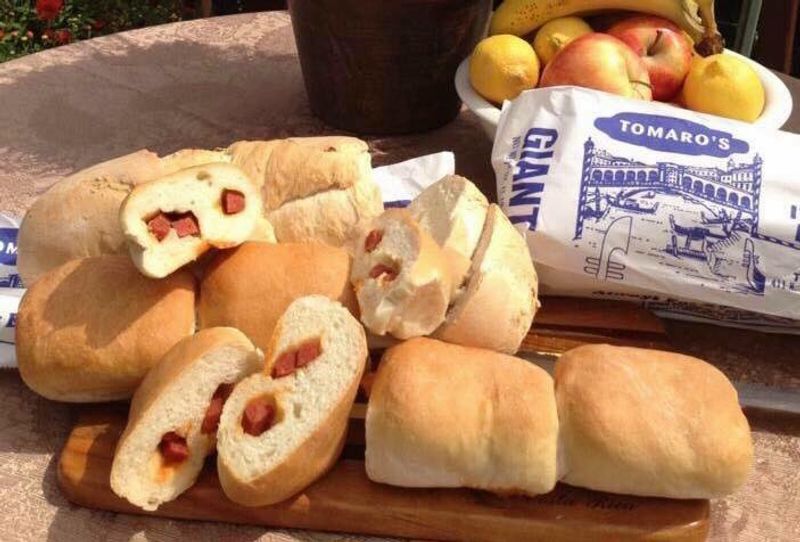
Few foods carry as much cultural history packed into such a simple package as the pepperoni roll. Italian immigrant coal miners in West Virginia started baking pepperoni directly into bread dough so they could carry a filling, easy meal down into the mines during long workdays.
That practical invention became a beloved regional staple.
Today, the pepperoni roll holds the official title of State Food of West Virginia, which feels like a well-deserved recognition of Italian immigrant ingenuity.
You can find them at bakeries, gas stations, and restaurants across the state, but Clarksburg has a particular pride of ownership given its deep Italian heritage.
Biting into a fresh pepperoni roll is genuinely one of those travel food moments that sticks with you. The bread is soft and slightly greasy from the pepperoni fat soaking in during baking.
It is humble, satisfying, and completely unique to this region. It is also a perfect reminder that some of the best foods in the world were born from necessity rather than fine dining ambition.
Where Italian and Greek Flavors Meet
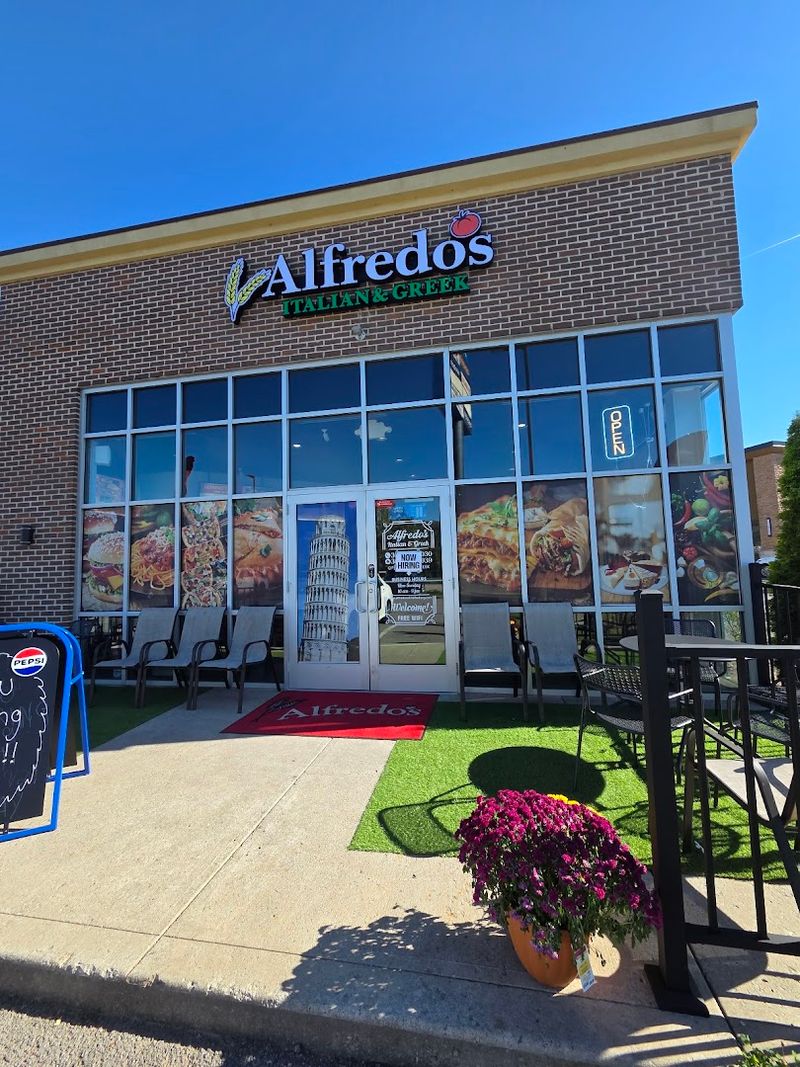
Not every great food story fits neatly into one cultural box, and Alfredo’s of Clarksburg proves that beautifully. This family-run establishment blends Italian and Greek cuisine into a menu that covers subs, pasta, and pizza with a confidence that comes from knowing both traditions well.
It is the kind of place where the menu surprises you in the best possible way.
The fusion approach works here because both culinary traditions share a love of fresh ingredients, bold seasoning, and generous portions. A sub from Alfredo’s carries that same satisfying weight as a well-made Italian hoagie, while the pasta dishes lean comfortably into classic red sauce territory.
What makes Alfredo’s worth seeking out is that family-run quality that shows up in every order. There is a consistency here that chain restaurants spend millions trying to replicate and almost never achieve.
The atmosphere is casual and welcoming, the kind of place where you feel comfortable ordering something new without any pressure. It adds a genuinely interesting layer to Clarksburg’s already impressive food landscape.
Address: 252 Emily Dr, Clarksburg, WV 26301, United States
Festival Food Contests and Fritti Sunday
Beyond the main food vendors, the West Virginia Italian Heritage Festival runs a series of contests that turn eating and cooking into a community sport. The Pasta Cook-Off, canned pepper contest, homemade wine contest, and hot pepper eating competition all draw serious participants and enthusiastic crowds.
These events add a playful competitive edge to the weekend.
The hot pepper eating competition deserves its own moment of appreciation. Watching someone confidently demolish a plate of hot peppers while the crowd cheers is exactly the kind of absurdly fun spectacle that makes street festivals so memorable.
Nobody goes home without a story from that particular event.
Then there is Fritti Sunday, a monthly event run by the festival organization that offers hot and fresh fritti, traditional Italian fried dough, for sale throughout the year. It keeps the community connected to the festival spirit even during the off-season.
Fritti is simple, golden, and completely irresistible. Getting a warm bag of it on a cool West Virginia morning feels like the kind of small pleasure that travel memories are genuinely built around.
Bocce, Art Shows, and Cultural Events
Food and music get most of the attention, but the cultural depth of Clarksburg’s Italian traditions goes further than that.
The annual festival includes bocce tournaments, golf events, art shows, and opera performances that together paint a much fuller picture of Italian cultural life than any single dish or song could manage on its own.
Bocce is one of those games that seems simple until you play it with someone who has been playing since childhood.
The tournament at the festival draws competitive players and curious newcomers alike, and the games have a relaxed, social energy that makes them easy to watch even if you have never held a bocce ball before.
The opera performances and art shows add a layer of sophistication that balances out the carnival rides and food stalls elsewhere at the festival. It is a reminder that Italian culture has always held both the everyday and the elevated in equal regard.
Clarksburg honors that balance thoughtfully, creating a festival experience that genuinely has something for every kind of visitor.
