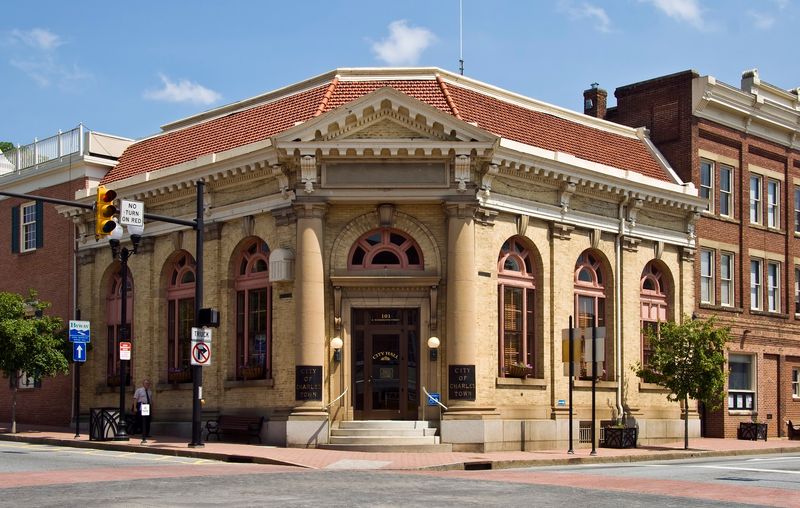
George Washington’s youngest brother laid out these streets, then named several of them after his own family. That’s a pretty bold move, and the names are still on the signs today.
One courthouse on the main corner hosted a trial that shook the whole country in 1859. Brick storefronts line the blocks around it, and many look much like they did generations ago.
I like how this little downtown in West Virginia doesn’t feel staged. It feels lived in, with small shops, local restaurants, and old buildings still doing everyday work.
You can stroll it in an afternoon, yet the history runs deeper than the sidewalks suggest.
I can’t imagine a better stop after a morning hike nearby. So how did one small grid of streets hold onto so much of its past?
A Washington Family Town Hiding In Plain Sight
Plenty of towns claim a link to George Washington. Downtown Charles Town Historic District can actually point to the family on its street signs.
The town sits in Jefferson County, in the far eastern corner of West Virginia. Charles Washington, the youngest brother of George, founded it in 1786 on land he owned.
He didn’t stop at naming the town after himself. Streets like George, Samuel, Lawrence, and Mildred honor members of the Washington family.
That detail alone makes a stroll feel a little like flipping through a family album. Every corner seems to whisper a relative’s name.
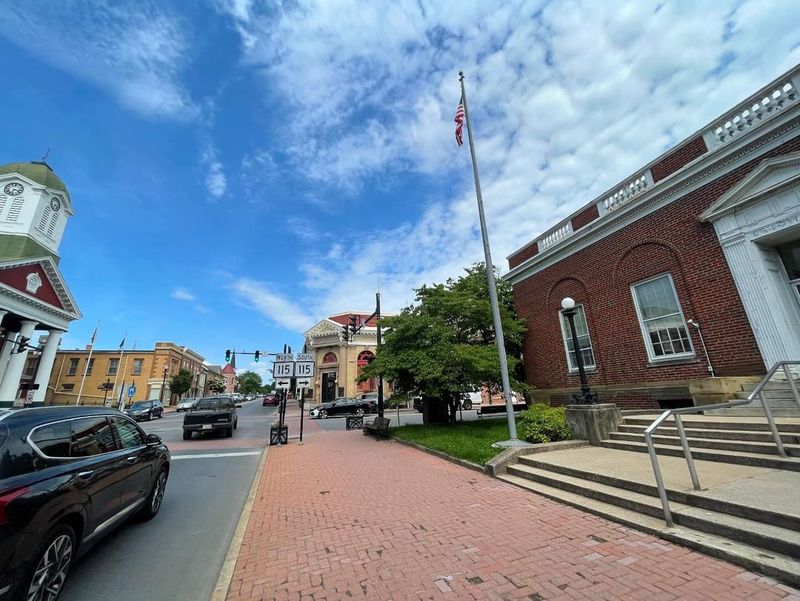
The historic district covers the older core of town, centered around Washington Street and George Street. Brick buildings, church steeples, and storefront windows fill these blocks.
It isn’t a museum village with costumed guides around every corner. Real businesses, offices, and homes keep the place running day to day.
That mix is part of the appeal for grown-up travelers. You get genuine history without feeling herded through a gift shop maze.
For parents, it also makes an easy outing that doesn’t require tickets or a strict schedule. Park the car, grab a coffee, and let the streets do the talking.
The Founding Story Starts With A Bold Brother
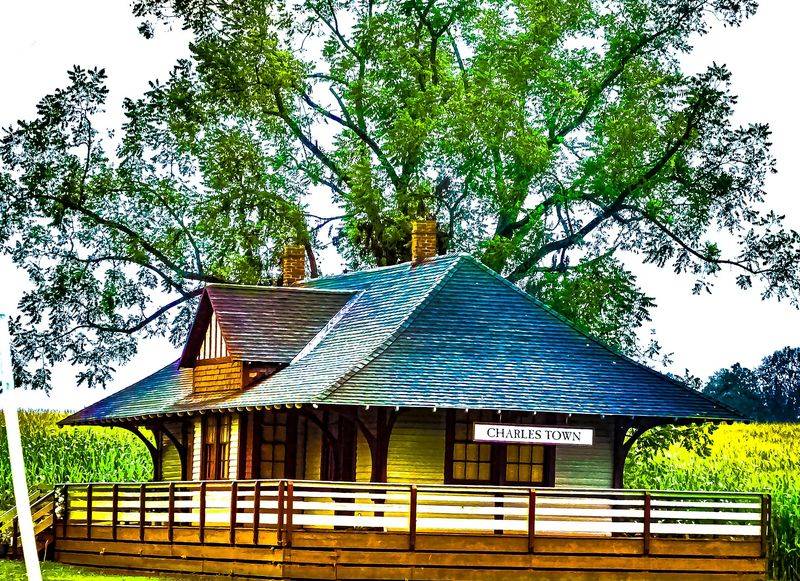
Back in 1786, this corner of the map still belonged to Virginia. West Virginia wouldn’t become its own state until 1863, during the Civil War years.
Charles Washington set aside part of his land for a new town. He reportedly donated lots for public buildings, including the courthouse square at the center.
His home, known as Happy Retreat, stands just outside the downtown area. It’s a reminder that the founder lived close enough to watch his town grow.
Picture the early grid as a simple plan with big ambitions. A county seat, a market crossroads, and a place for farmers to trade.
Over the next century, the town filled in with brick buildings and churches. Many of those structures still anchor the district today.
That steady growth helps explain why the downtown feels so cohesive. It wasn’t flattened and rebuilt every few decades like some places.
Of course, a lot happened between then and now. Railroads came through, the county seat stayed busy, and the town kept adapting.
Still, the bones of that 1786 layout remain easy to read. Walk a few blocks, and you’re basically tracing Charles Washington’s original idea with your own feet.
One Courthouse Corner Where History Got Loud
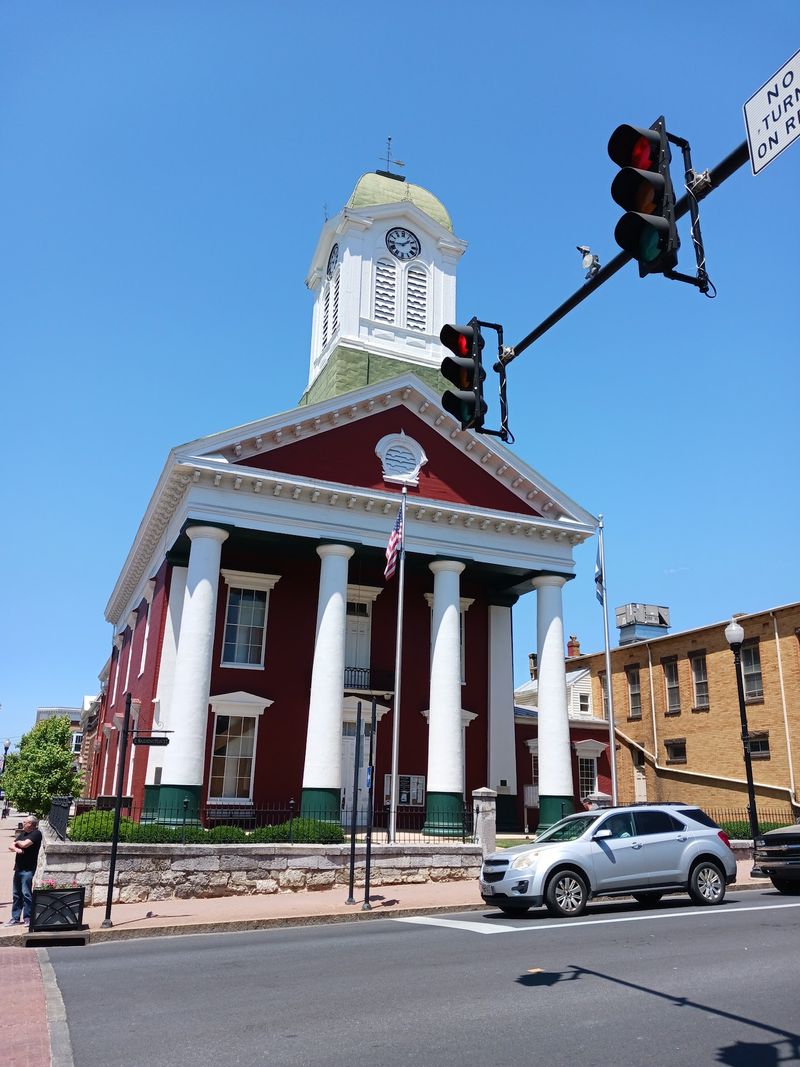
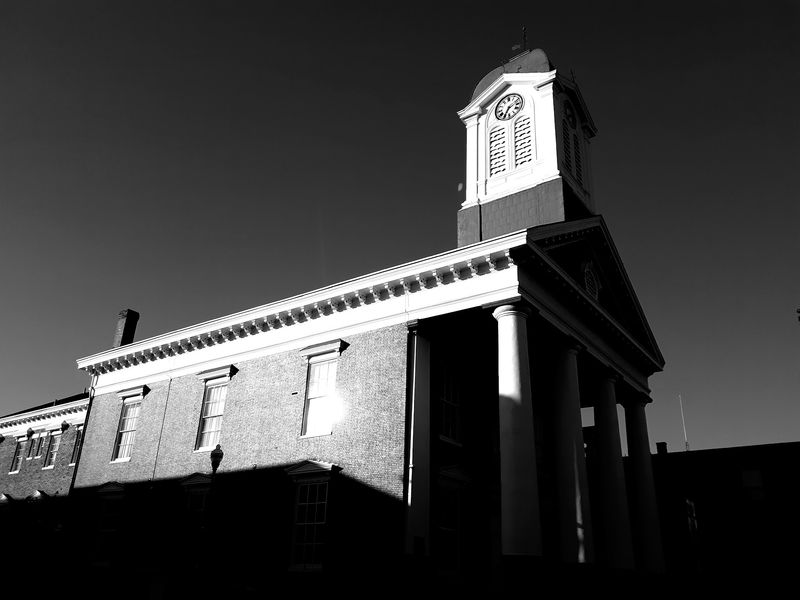
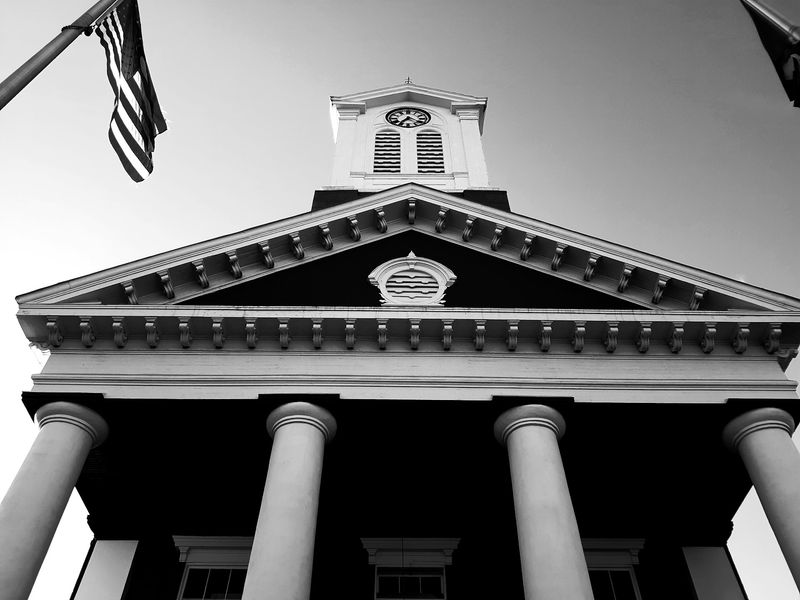
A single building on the main corner carries more national weight than most entire cities. The Jefferson County Courthouse sits right at George and Washington Streets.
In 1859, abolitionist John Brown stood trial here after his raid on Harpers Ferry. The case grabbed headlines across the country and deepened the divide before the Civil War.
That’s a heavy chapter, and the town treats it with seriousness. Markers and local history help visitors understand what happened and why it mattered.
The courthouse also hosted another headline trial decades later. In 1922, leaders of a coal miners’ union uprising were tried here on treason charges.
So one building connects two very different struggles in American history. That’s a lot of story packed into a corner you can see from your parking spot.
The courthouse remains a working county building, not a roped-off relic. Its columns and clock tower still frame the downtown skyline.
Stand across the street for the best view of the whole facade. It’s the kind of photo that makes friends ask where on earth you went.
History buffs could easily spend a while just reading about this one spot. Everyone else can admire the architecture and feel the weight of the place.
Brick Facades That Refuse To Modernize
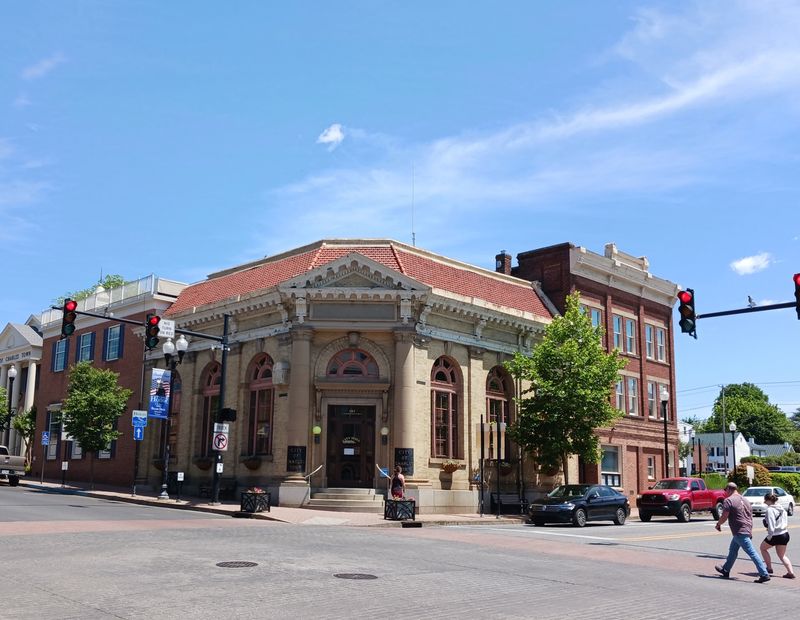
Glass towers? Not here.
The downtown keeps its old-school brick facades, tall windows, and storefronts that look borrowed from another century.
Many buildings in the district date to the 1800s and early 1900s. Their cornices, arched windows, and narrow fronts give the streets a steady rhythm.
Some visitors stop for lunch and end up lingering just to look around. The architecture tends to pull people a few extra blocks.
That’s the frozen-in-time feeling the town is known for. It comes from what stayed, not from anything built to look old.
Look up as you walk, since the best details often sit above the shop signs. Decorative trim and old painted lettering sometimes peek out on upper floors.
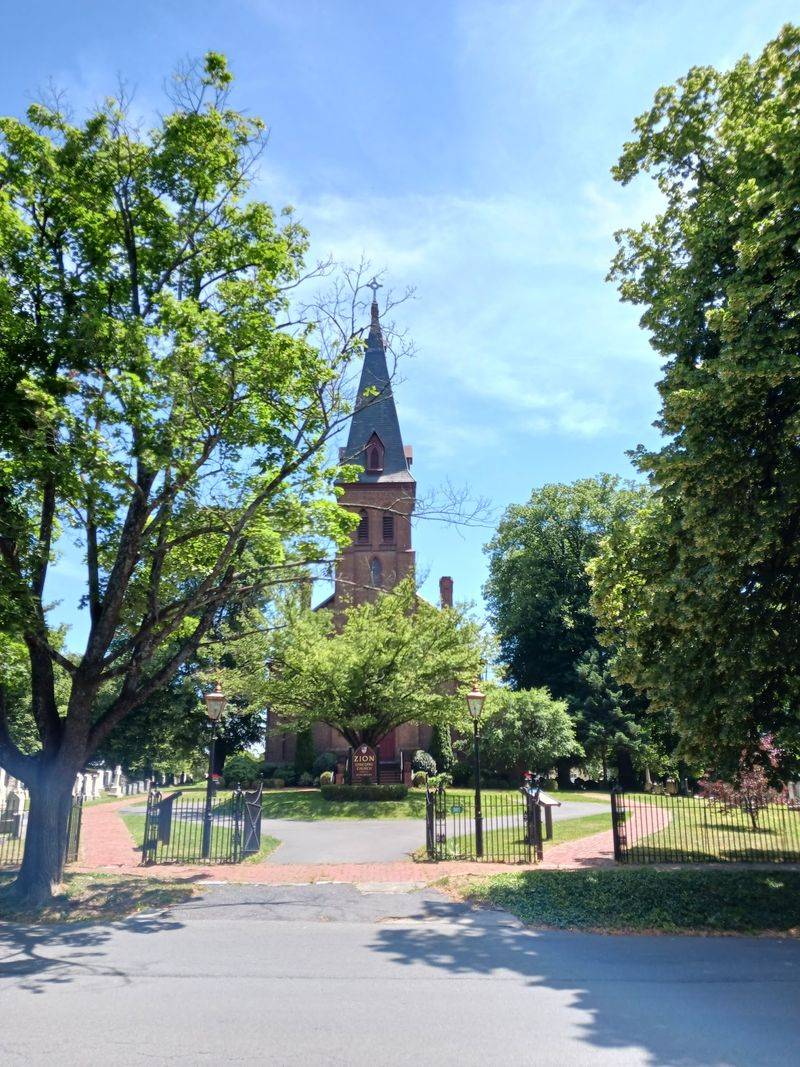
Churches add tall steeples to the mix, breaking up the rooflines nicely. Together, they make the skyline feel balanced and human-sized.
For photographers, soft morning or late afternoon light flatters all that brick. The warm tones practically glow when the sun drops low.
And here’s a practical perk for parents. Admiring architecture costs nothing, so the scenery itself becomes the main attraction without touching your wallet.
You Will Want A Peek Inside The Local Museum
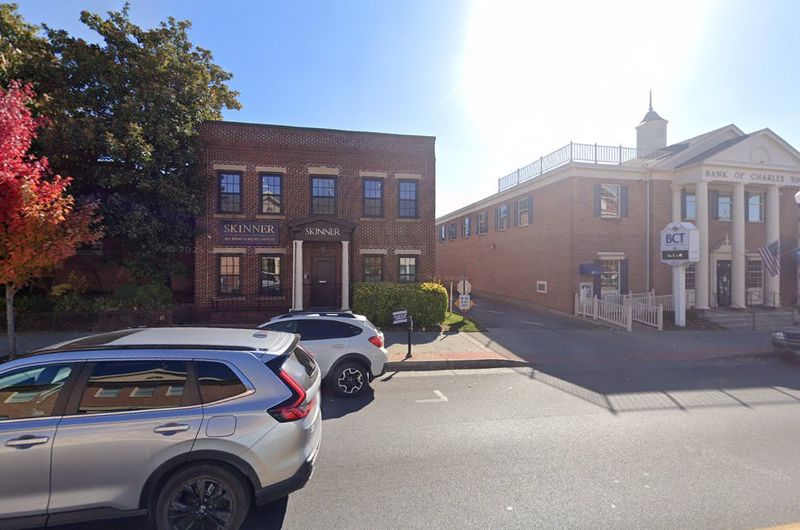
Few small-town museums hold an artifact as famous as this one. The Jefferson County Museum keeps the wagon that carried John Brown on the final day of his story in 1859.
The museum sits on Samuel Street, an easy walk from the courthouse. It focuses on the people and events that shaped Jefferson County over the centuries.
Exhibits span far more than one chapter, though. Collections touch on the Washington family, local life, and the region’s role in major national events.
That variety keeps the visit from feeling one-note. You might come for the headline artifact and leave curious about a dozen other stories.
Hours can shift by season, so check before you plan around it. Small museums often run on limited schedules and dedicated volunteers.
It’s a smart rainy-day option when strolling outdoors loses its charm. You get context that makes the rest of downtown click into place.
Older kids who like history may enjoy it too. But honestly, the museum rewards curious adults just as much, maybe more.
Pair it with the courthouse visit for a tidy, meaningful history loop. Two stops, a short walk, and a much richer picture of the town.
An Old Opera House Still Raising The Curtain
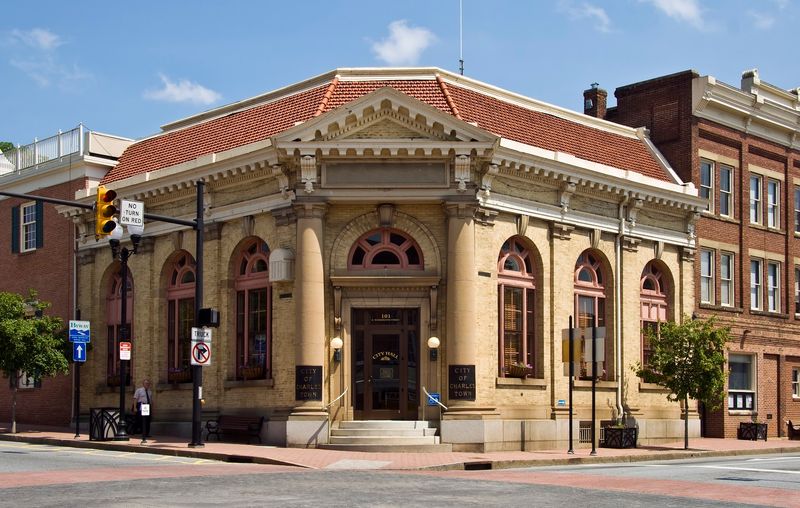
Live theater in a building more than a century old sounds like a lovely date night. The Old Opera House on North George Street delivers exactly that.
It opened in the early 1910s and once drew traveling shows and performers. After years of ups and downs, local efforts brought it back as a community theater.
Today it hosts plays, musicals, and other performances throughout the year. Schedules change, so a quick look at upcoming shows helps you plan.
There’s something charming about watching a show where audiences gathered generations ago. The setting adds a layer of nostalgia no modern multiplex can match.
For parents, it makes an easy evening out without a long drive. Dinner downtown, a show, and a short stroll back to the car.
Family-friendly productions sometimes appear on the calendar too. Those can turn a regular weekend into something the kids actually remember.
Even if you skip a performance, the building is worth a glance from the sidewalk. Its presence on George Street anchors the downtown’s lively side.
Arts spaces like this keep small towns feeling awake after dark. That balance of old walls and fresh energy suits the whole district.
Shops That Make Window-Shopping Dangerous
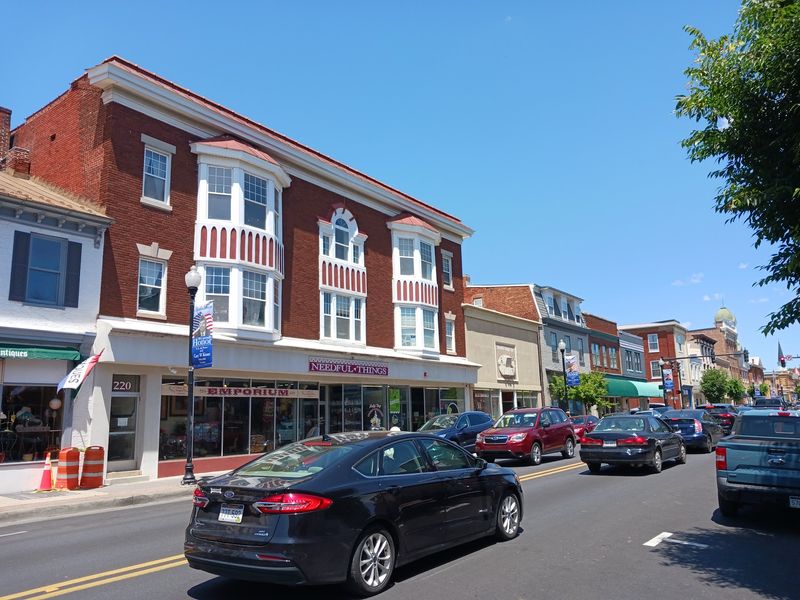
Consider this a friendly warning about your shopping bag. Downtown Charles Town Historic District has a sneaky number of independent shops.
Specialty stores, boutiques, and local businesses fill many of the historic storefronts. The selection changes over time, which keeps return visits interesting.
Small businesses here have worked to support one another in recent years. That teamwork shows in shared events and a downtown that feels connected.
It’s the opposite of a cookie-cutter mall. Each shop reflects the people who run it, and that personality shines through.
Browsing is half the fun, especially when the buildings themselves are part of the experience. You’re shopping inside history, even when buying a birthday card.
A relaxed pace works best here. Pop in, chat with the owner, then wander to the next door down the block.
Budget-conscious travelers can still enjoy the stroll without spending much. Window-shopping is free, and the views come included.
When something does catch your eye, you’re supporting a local business in West Virginia. That’s a souvenir with a little extra meaning behind it.
Lunch After A Hike Tastes Better Here
Hungry hikers coming off the trails near Harpers Ferry have a handy secret. Charles Town sits about a 15-minute drive away, with plenty of places to eat.
The downtown offers a mix of local restaurants with different styles and flavors. Choices range from casual spots to sit-down meals, depending on your mood.
Specific menus and businesses change over time, so a quick search before you go pays off. That way, you’ll know what’s open on your day.
Eating in a historic building adds flavor of its own. Exposed brick and big front windows turn a simple lunch into a little event.
For families, the walkable layout is a quiet win. You can grab a meal, then stroll off the extra helpings past old storefronts.
Pairing a morning outdoors with a downtown lunch makes for a balanced day. Fresh air first, then a comfortable seat and something good to eat.
Local spots also tend to keep money in the community. Your sandwich stop ends up helping the very downtown you came to enjoy.
Just don’t be surprised if lunch stretches into an afternoon. These streets make lingering very easy.
Ghost Tours For Anyone Who Likes A Shiver
Old towns collect stories, and some of those stories come out after sunset. Ghost tours have become one of the more playful ways to see Charles Town.
Evening walks typically wind past historic buildings while guides share local legends. The mix of history and spooky lore suits the downtown setting perfectly.
You don’t have to believe in anything to enjoy the ride. Good storytelling and dim streets do most of the work.
Tour schedules and operators can change by season, so book ahead when possible. Fall often brings extra interest, which is no surprise.
It’s a fun option for couples, friend groups, or parents with older kids. Younger children might prefer the daytime version of downtown, honestly.
The tours also sneak in a lot of real history between the chills. You may learn more about the town in an hour than you expected.
One visitor’s suggestion sums it up nicely: pry yourself away from the casino and try the ghost tour. Good advice for anyone visiting on a weekend.
Bring a flashlight app and comfortable shoes. Walking after dark on older sidewalks calls for a little extra care.
Community Events Keep The Old Streets Busy
Quiet old towns aren’t always quiet. Downtown Charles Town hosts community events, large and small, on a fairly regular basis.
Festivals, seasonal gatherings, and downtown celebrations bring crowds onto the historic streets. Small businesses often join in, adding to the festive mood.
Event calendars shift each year, so check local listings before planning a trip. Timing your visit with an event can make it extra memorable.
There’s a nice contrast between the old buildings and the fresh energy. Music, food, and conversation fill spaces that have hosted townsfolk for generations.
For parents, events offer built-in entertainment without big ticket costs. Many community gatherings are free or low cost to attend.
Kids usually find something to enjoy, but the adults get plenty too. Local vendors, live entertainment, and people-watching keep everyone busy.
Events also show how much locals care about their downtown. That pride feels genuine, not like a staged tourist show.
If crowds aren’t your thing, a regular weekday visit works beautifully. The streets feel calmer, and the architecture gets your full attention.
Harpers Ferry And The Races Make Easy Add-Ons
Location is one of downtown’s strongest selling points. Harpers Ferry National Historical Park sits roughly 15 minutes away by car.
That means you can explore the famous river confluence in the morning. Then you can drive over for lunch and a slower stroll through Charles Town.
The two places share a big piece of history. John Brown’s raid happened in Harpers Ferry, and his trial unfolded here at the courthouse.
Visiting both gives you the full arc of that 1859 story. It’s a smart pairing for anyone who enjoys connecting the dots.
Hollywood Casino at Charles Town Races also sits nearby, with horse racing as a long local tradition. Racing has been part of Charles Town’s identity since the 1930s.
Some visitors come for the races and stumble onto the historic downtown. Others do the reverse and catch a race before heading home.
Charles Washington’s home, Happy Retreat, adds another history stop close by. It ties right back to the founder of the town.
Stack a few of these together, and you’ve got a full weekend. Not bad for one small corner of the Eastern Panhandle.
Getting There Is Easier Than You Think
Good news for road-trippers: no mountain switchbacks required. Charles Town sits in West Virginia’s Eastern Panhandle, close to the Maryland and Virginia lines.
That makes it a reasonable drive from parts of the Washington and Baltimore regions. Many travelers combine it with a Harpers Ferry trip.
For your GPS, use 115 E Washington St, Charles Town, WV 25414. That puts you right in the heart of the historic district.
Washington Street serves as the main spine through downtown. George Street crosses it at the courthouse, making a natural starting point.
Street parking and nearby lots are typically available, though event days can get busier. Arriving earlier usually makes finding a spot simpler.
There’s no admission fee to stroll the district itself. Individual museums, tours, or shows may have their own costs and hours.
Shops and restaurants set their own schedules, which can vary by day. A little planning helps you avoid a closed-door surprise.
Comfortable walking shoes are a must. Older sidewalks and a few gentle slopes reward sensible footwear over fancy sandals.
Why This Little Downtown Deserves A Slow Afternoon
Some trips need a big itinerary. A visit to Downtown Charles Town Historic District works best with almost none.
The town offers real history, from the Washington family to the 1859 courthouse trial. It also offers simple pleasures like a good lunch and an unhurried walk.
That combination makes it great for adults who want meaning without a packed schedule. Kids can tag along, but grown-ups get plenty of their own rewards.
Budget travelers will appreciate how much costs nothing at all. Architecture, street signs, and courthouse views are free for everyone.
History lovers can dig into the museum and the trial stories. Casual visitors can simply enjoy the brick facades and local shops.
It also pairs neatly with Harpers Ferry for a fuller West Virginia day. Morning trails, afternoon strolls, maybe an evening show or ghost tour.
The town isn’t flashy, and that’s exactly the point. It keeps its character by staying true to what it has always been.
So give it a slow afternoon and see what catches your eye. Odds are good you’ll start planning a second visit before the drive home.
