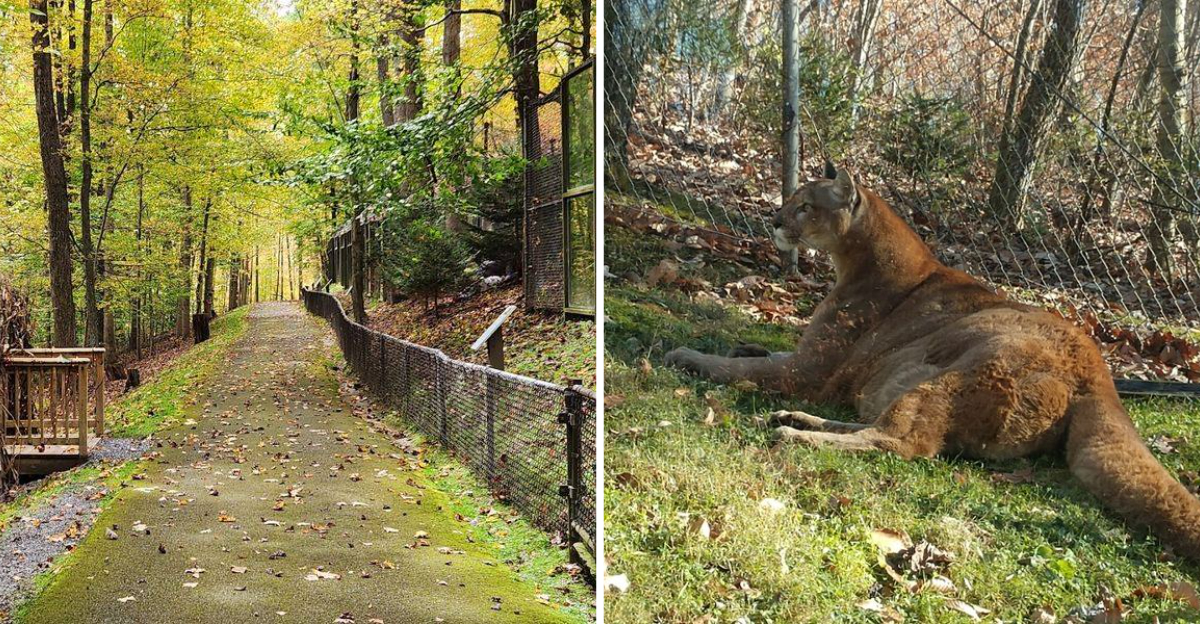
A black bear might be napping twenty feet from you right now.
No glass. No moat. Just a sturdy fence and your own heartbeat.
This place is not your typical concrete zoo. It is a sprawling forest where mountain lions stretch out on logs and elk wander near the path like they own the place.
The trail winds for over a mile through mature woods, past bobcats and bald eagles and other surprising residents.
Some of these creatures once vanished entirely from this state.
Now they are back, living in roomy enclosures that feel like the real thing. Have you ever locked eyes with a mountain lion?
This West Virginia center will fix that for you. Quietly and safely.
You will walk away with a new respect for the wild neighbors you never knew you had.
Meeting the American Black Bear Up Close
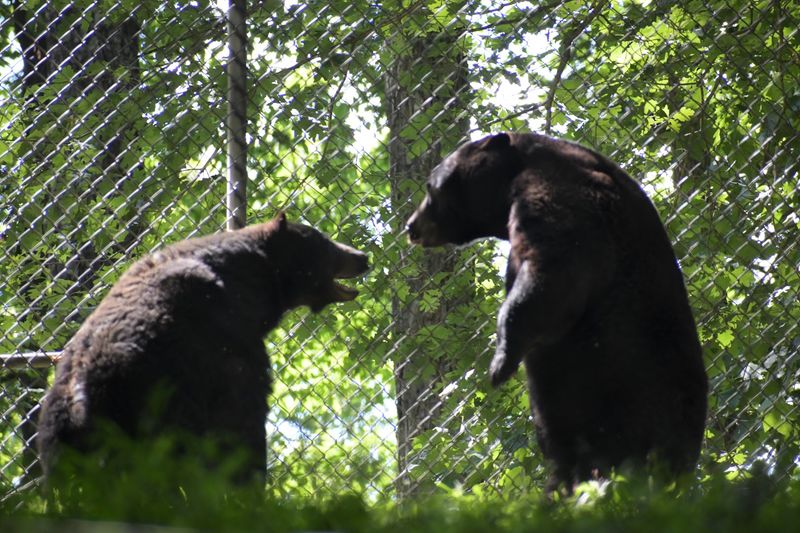
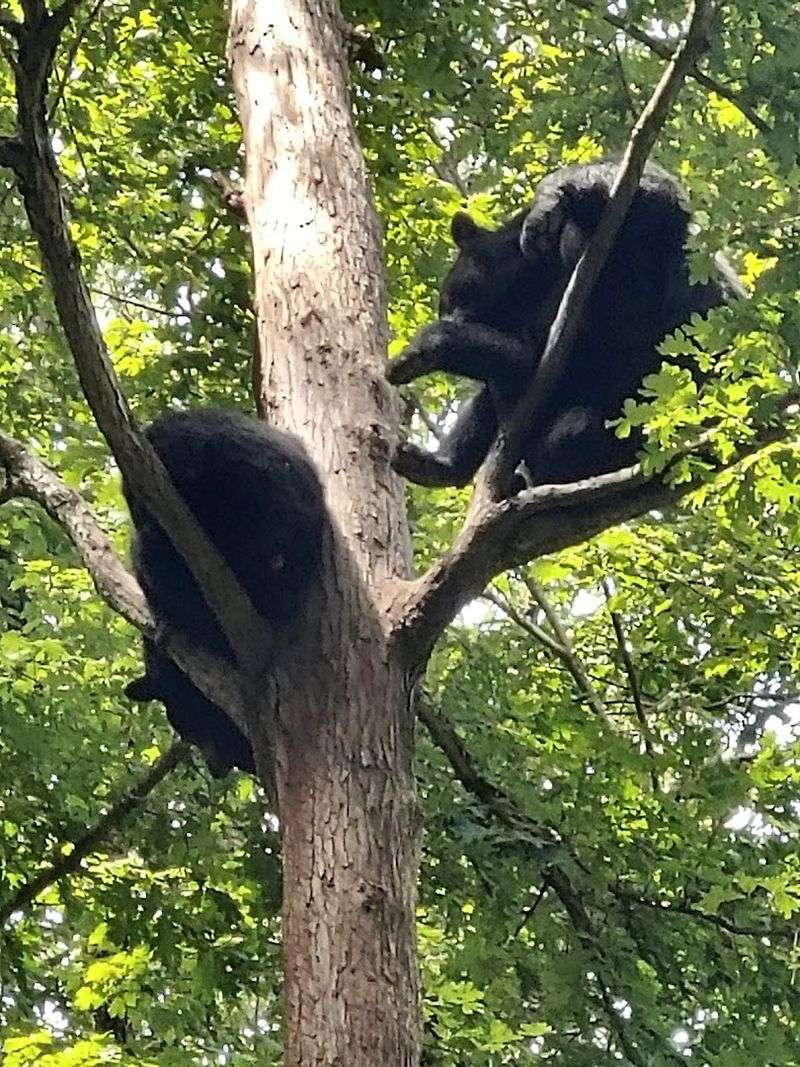
West Virginia’s state animal is not just a symbol on a flag. The American black bears at this wildlife center are the real deal, living in roomy enclosures designed to mimic their natural forest habitat.
Getting close enough to see their thick fur and hear them move through the brush is a genuinely unforgettable experience.
Black bears were once heavily hunted across the state, but their population has made a strong comeback over the decades. Seeing them here gives you a new appreciation for just how wild and capable these animals truly are.
They are not the cartoon creatures you might imagine from childhood stories.
Interpretive signs posted near the enclosure explain the bear’s biology, diet, and behavior in simple, easy-to-understand language. Kids and adults alike come away from this exhibit with a much deeper respect for West Virginia’s most iconic wild animal.
Plan to spend extra time here because these bears have a way of holding your attention.
French Creek Freddie, West Virginia’s Famous Groundhog
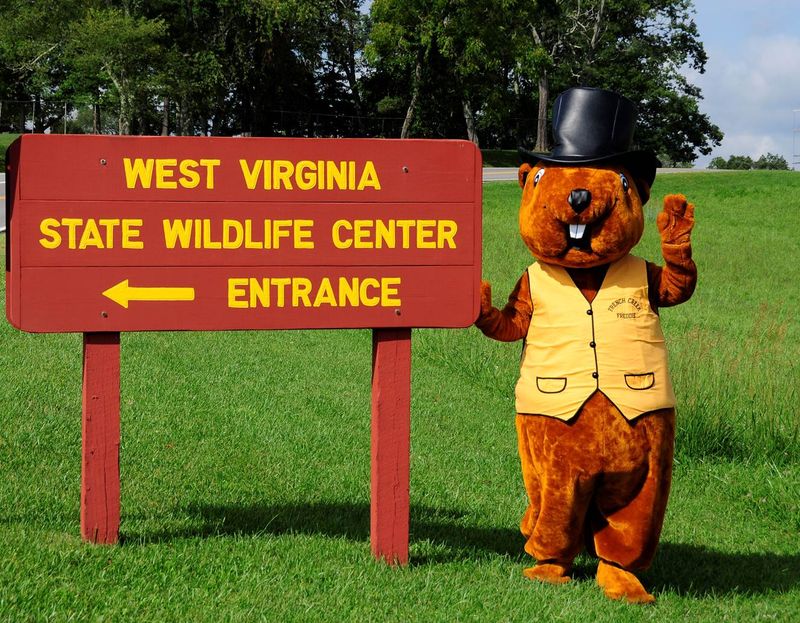
Not every wildlife center has a celebrity on staff, but this one does. French Creek Freddie is West Virginia’s official Groundhog Day meteorologist, which means every February the whole state pays attention to what this little guy does with his shadow.
Sharing space with an actual state-recognized weather forecaster feels oddly prestigious, even on a random Tuesday in July.
Groundhogs are easy to overlook at a wildlife center packed with bears and mountain lions, but Freddie has a charm that sneaks up on you. He was spotted by one visitor stretched out on a cool flat stone on a hot summer day, looking completely unbothered by the world around him.
That kind of energy is honestly aspirational.
The enclosure gives Freddie plenty of room to burrow and roam, which is important for a species that spends a lot of its life underground. Stopping by his exhibit is a lighthearted moment in an otherwise wildlife-heavy visit.
It is the kind of small, delightful detail that makes this place feel genuinely special and full of personality.
The 1.25-Mile Paved Interpretive Trail Through the Forest
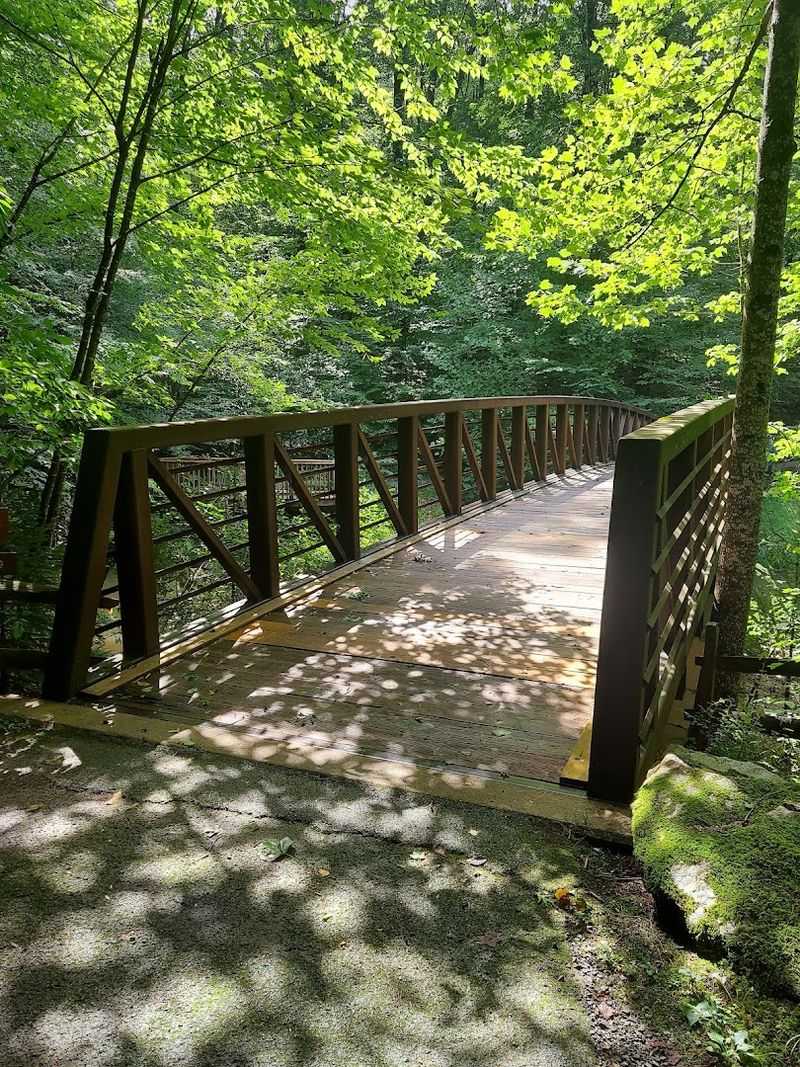
The main trail here stretches 1.25 miles through a gorgeous stretch of mature hardwood forest, and it is paved the entire way for easy walking.
Shade covers most of the path, which makes a huge difference on warm days when the sun is beating down outside the tree canopy.
The whole walk has a calm, almost meditative quality that feels more like a nature hike than a zoo visit.
Benches and weather shelters are scattered along the route so nobody has to push through the whole loop without a break. The trail is wheelchair accessible for most of its length, making it genuinely welcoming for visitors of all abilities.
Families with strollers, grandparents, and young kids all navigate it comfortably.
Each animal enclosure is positioned along the trail with interpretive signs that explain the species in clear, engaging language. You move at your own pace, stopping as long as you want at each exhibit without feeling rushed.
Budget at least two hours if you want to really soak in every animal and read all the signs, because there is a lot to take in along the way.
The Mountain Lions That Came From Columbus
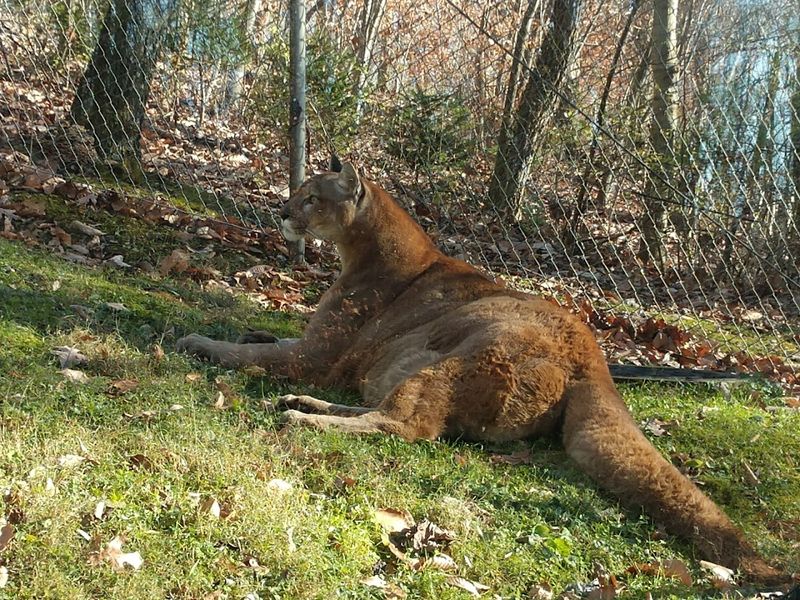
Mountain lions vanished from West Virginia by the early 1900s, hunted out of existence before most people alive today were ever born.
The ones living here now arrived from the Columbus Zoo in 2019 after struggling to adapt there, which makes their story surprisingly personal and a little heartwarming.
Watching them pace and stretch with that signature feline grace is something you genuinely cannot unsee.
Also called cougars or pumas depending on where you grew up, these cats are built for speed and stealth in ways that become obvious the moment you see them move.
Their muscular shoulders and steady amber eyes make you very aware that you are the smaller creature in this interaction.
The fence between you suddenly feels both reassuring and slightly inadequate.
The educational signage near their habitat explains why mountain lions disappeared from the state and what their ecological role once was. It is a quiet but powerful reminder of how much wild Appalachia has changed over the centuries.
This exhibit alone is worth the drive to French Creek.
The Fishing Pond Stocked With Trout, Bass, and More
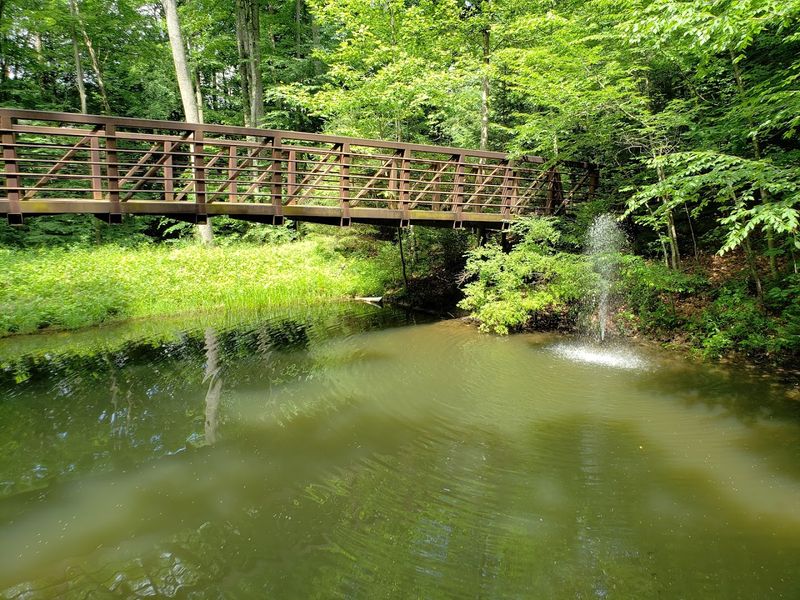
Tucked within the 338-acre property is a fishing pond stocked with trout, bass, catfish, and bluegill, which adds a completely different dimension to what could have been a straightforward zoo visit.
Families who want to extend their day beyond the animal trail have a ready-made reason to linger a little longer.
The pond sits in a peaceful setting that feels genuinely removed from the noise of everyday life.
One visitor mentioned spotting turtles, salamanders, and tadpoles near the water’s edge, which turned a casual look into an impromptu nature lesson for younger kids. The pond area has a low-key charm that pairs well with the overall unhurried atmosphere of the whole property.
Mosquitoes were surprisingly manageable near the water according to people who visited during warmer months.
Picnic areas with grills and shelters are also available nearby, making it easy to turn the fishing pond into a full afternoon anchor. Bringing a packed lunch and spending the day between the animal trail and the pond is a genuinely solid plan.
This is the kind of place that rewards people who are not in a hurry.
The Wolves, Eagles, and Other Native Wildlife on Display
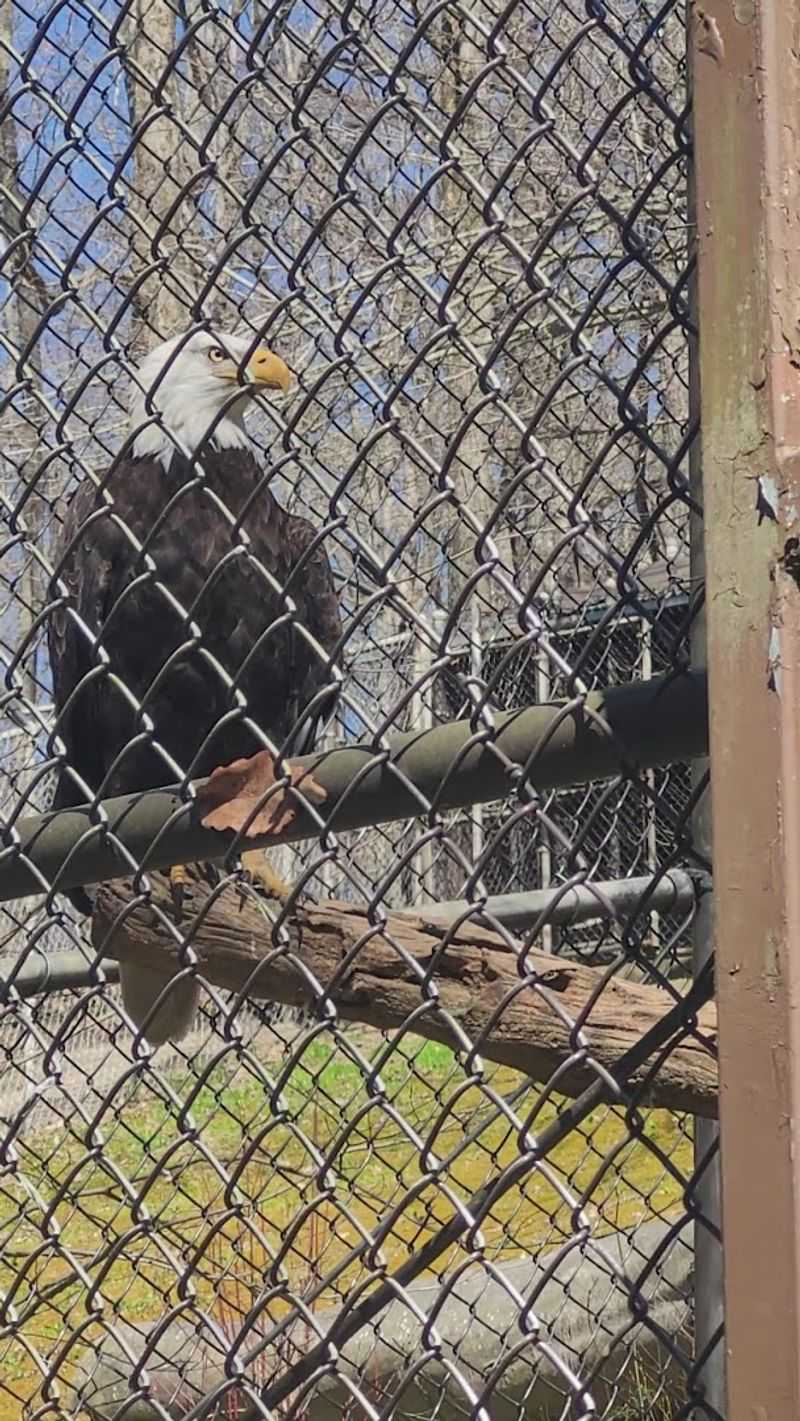
Beyond the headlining bears and mountain lions, this center is packed with other native West Virginia species that deserve just as much attention. Wolves, bald eagles, elk, bison, river otters, foxes, raccoons, and wild turkeys are among the roughly 29 species you can encounter along the trail.
The variety is genuinely impressive for a facility of this size.
The bald eagles in particular tend to stop people in their tracks. Seeing one up close rather than as a tiny speck circling overhead changes your entire understanding of how large and powerful they actually are.
There is also something deeply moving about watching an animal that was once endangered now living safely in a protected space.
Wolves were a favorite among many visitors, and it is easy to understand why. Their enclosure allows for natural movement and behavior, and catching a glimpse of them moving through the trees feels like a rare privilege.
A fox spotted climbing a tree also made the list of memorable sightings, which just goes to show that surprises are built into the experience here.
The Old Oak Trail for Extra Hiking
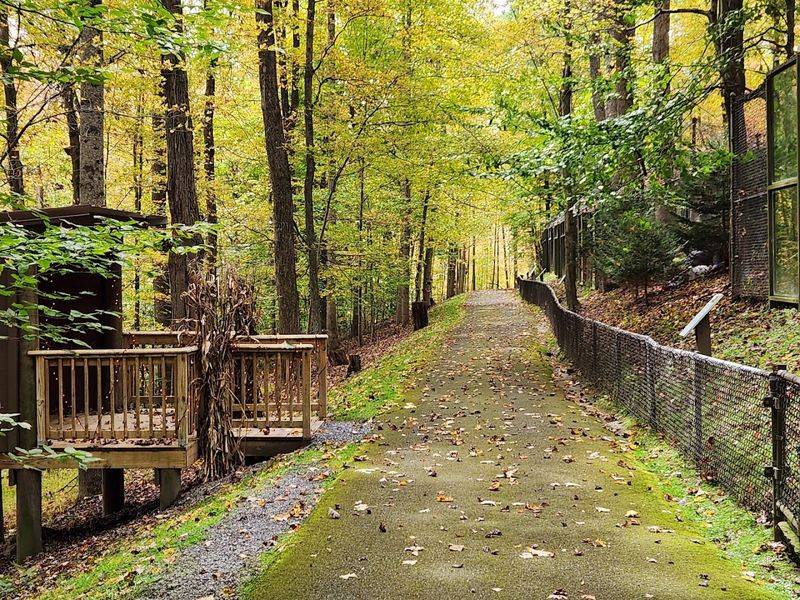
For visitors who finish the main interpretive trail and still have energy left, there is a second option waiting.
The Old Oak Trail adds another 1.3 miles of hiking through the property’s forested terrain, giving outdoor enthusiasts a reason to keep moving after the animal exhibits are done.
It is a quieter, more rugged experience compared to the paved main path.
This trail appeals to people who came for the wildlife but also genuinely love being in the woods for its own sake. The mature forest on the property has a quality that feels old and undisturbed, the kind of place where the trees themselves seem worth paying attention to.
Walking beneath a canopy of old oaks on a warm afternoon is one of those simple pleasures that does not require any explanation.
Comfortable shoes are a smart choice for this trail since the terrain is more natural and uneven than the paved loop. Bringing water is also a good idea, especially during summer months when the humidity in West Virginia can catch you off guard.
The extra mileage makes for a satisfying full-day outing rather than a quick stop.
Affordable Admission and Family-Friendly Access
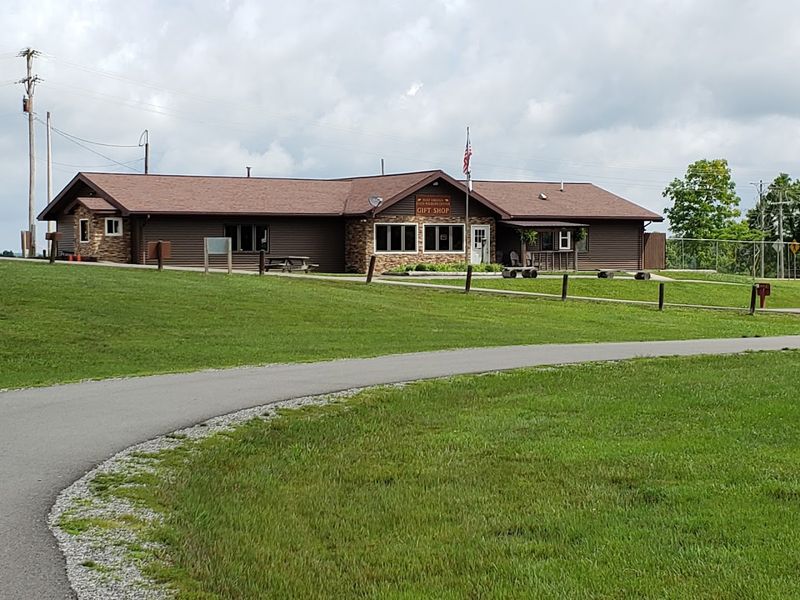
One of the most genuinely surprising things about this place is how little it costs to get in. Adults pay just four dollars during the April through October season, children between six and fifteen pay two dollars, and kids five and younger get in completely free.
Annual passes are available for families who want to make this a regular stop rather than a one-time trip.
The low price point makes it one of the best value outdoor experiences in the entire state, and the quality of what you get in return makes that even more remarkable.
Clean bathrooms, shaded trails, weather shelters, and friendly staff are all part of the package without any hidden fees or complicated ticketing systems.
Everything about the entry experience is simple and welcoming.
The center is open daily, running from 9 a.m. to 5 p.m. between April and October and from 9 a.m. to 3 p.m. during the winter months. Weekdays tend to be quieter than weekends, which is worth keeping in mind if you prefer a more relaxed visit.
Arriving in the morning gives you the best chance of seeing animals that are active before the afternoon heat sets in.
The Overall Atmosphere and Why It Stands Out
There is something genuinely different about this place compared to a traditional zoo. The animals here are either native to West Virginia or were once part of its natural landscape, which gives every exhibit a sense of local meaning that most zoos cannot replicate.
Walking the trail feels less like visiting a collection of animals and more like reconnecting with the state’s wild history.
The 338-acre property gives the whole experience room to breathe. Enclosures are designed to support natural behaviors rather than just display the animals for human entertainment.
That distinction comes through in how the animals carry themselves and how peaceful the overall environment feels throughout the visit.
Visitors consistently describe the staff as knowledgeable, courteous, and genuinely enthusiastic about the animals in their care.
The combination of education, nature, affordable food, and accessible trails creates something that works for solo visitors, couples, school groups, and multigenerational families equally well.
It is the kind of place that earns a second visit before you have even made it back to your car.
Address: 163 Wildlife Road, French Creek, West Virginia.
