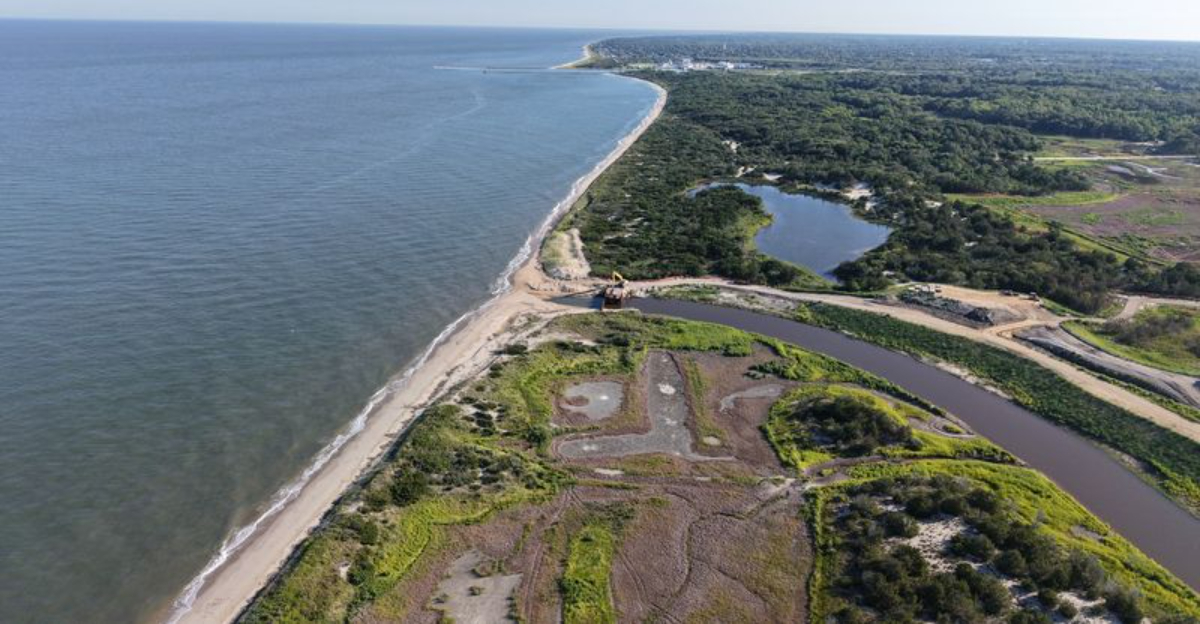
New Jersey has a “wild” beach?
I didn’t believe it either, until I showed up and realized the only thing louder than the waves was the sound of zero souvenir shops.
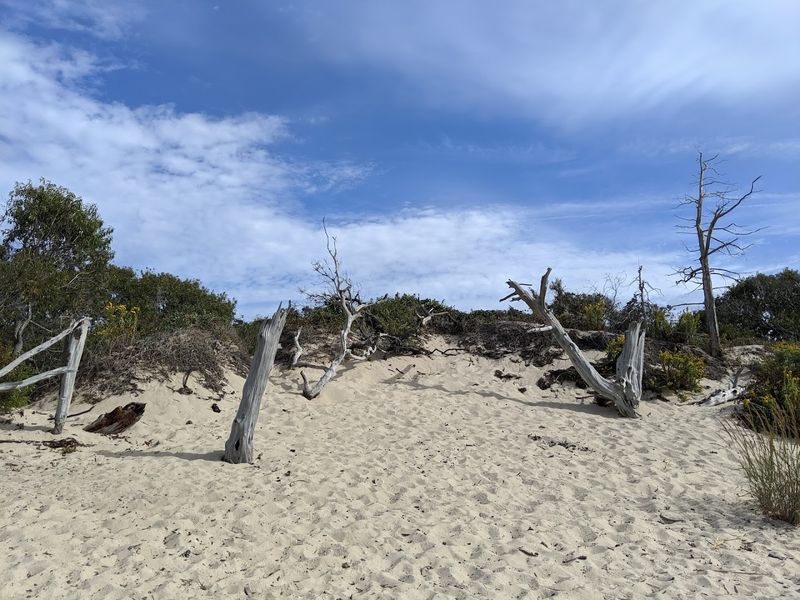
This rugged coastal forest meets the bay in a tangle of vines, driftwood, and genuine “am I still in Jersey?” energy that had me checking my GPS twice.
No boardwalk, no bathrooms, no problem… just miles of untamed shoreline where the biggest drama comes from ospreys fighting over lunch.
So leave the beach umbrella at home and bring your adventure legs, because this is New Jersey’s last truly feral beach, and it’s absolutely glorious.
A Beach That Refuses to Be Tamed
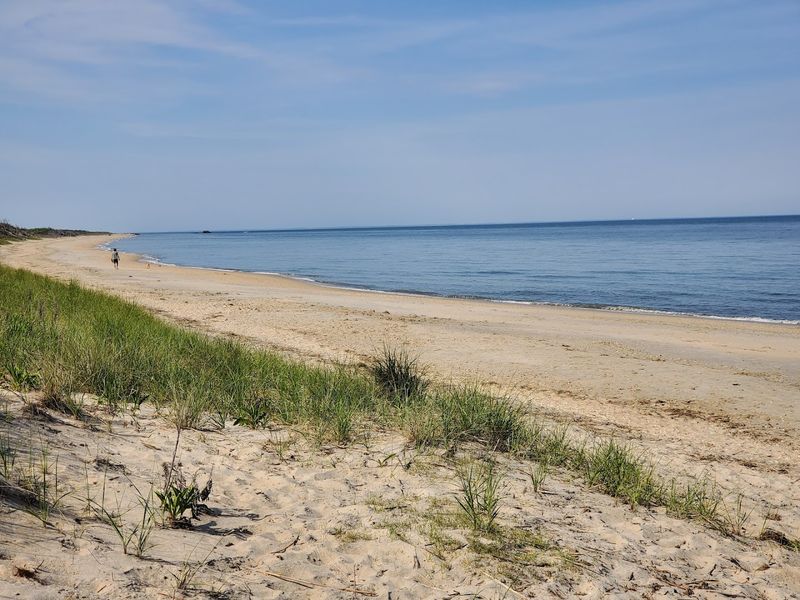
Some beaches beg for your attention with umbrella rentals and overpriced fries. Higbee Beach does none of that, and that is exactly the point.
Stretching about 1.5 miles along the Delaware Bay, this 1,159-acre wildlife management area operates entirely on its own terms.
There are no lifeguards. No concession stands.
No boardwalk. Just raw, unfiltered coastline backed by a dense tangle of holly, red cedar, sassafras, and wild black cherry trees that feel genuinely ancient.
Getting here requires a short walk through soft sand that will absolutely test your calves. But once you break through the tree line and see that wide open bay stretching out ahead of you, the effort disappears completely.
The water tends to run warmer and calmer here than the open Atlantic, which makes the whole experience feel like a reward for showing up. Bring everything you need because nothing is provided, and that is honestly part of the charm.
The Coastal Forest That Guards the Shore
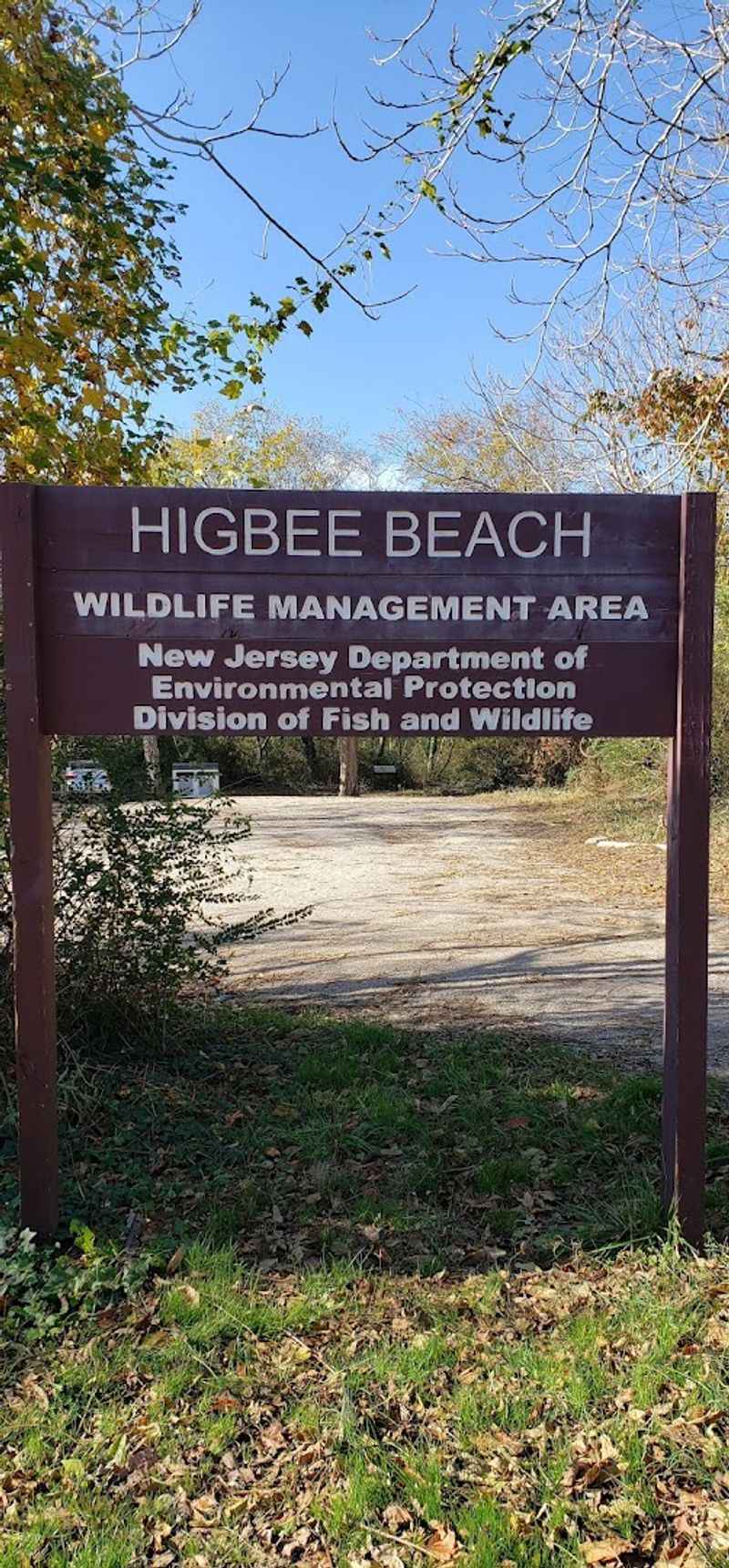
Before you even reach the water, the forest at Higbee Beach makes a strong impression. A thick canopy of holly, red cedar, scrub oak, sassafras, persimmon, and beach plum lines the approach, creating a corridor that feels more like a nature documentary than a day trip to the Jersey Shore.
This forest is not just scenic backdrop. It actively stabilizes the dunes and provides critical shelter for migrating birds, insects, and rare plant species.
The rare orchid Spiranthes odorata has been spotted here, quietly blooming among the underbrush like a secret the forest keeps to itself.
Walking through on a still morning, the air carries this earthy, briny mix that is hard to describe but impossible to forget. Dragonflies dart between branches.
Butterflies drift through shafts of sunlight. The whole place hums with life in a way that feels completely removed from the rest of New Jersey.
It is the kind of forest that makes you slow down without anyone telling you to.
Birdwatching That Will Genuinely Surprise You
Early morning at Higbee Beach belongs to the birds, and they take full advantage of it.
This stretch of coastline sits along the Atlantic Flyway, one of North America’s major bird migration routes, which means the variety of species passing through is genuinely staggering during peak seasons.
Blue Grosbeaks, Indigo Buntings, Yellow-breasted Chats, and Prairie Warblers are among the regulars. The Morning Flight platform near the entrance gives birdwatchers an elevated view of the open fields where hawks, warblers, sparrows, and swallows move in waves just after sunrise.
Getting there by 7 or 8 in the morning makes all the difference.
The New Jersey Audubon Society runs guided walks and programs here, especially during migration seasons, which is a great option if you want expert eyes pointing out what you might otherwise miss. Binoculars are non-negotiable.
A field guide app on your phone helps too. Even casual visitors tend to leave with a bird list longer than they expected.
Cape May Diamonds Hidden in Plain Sight
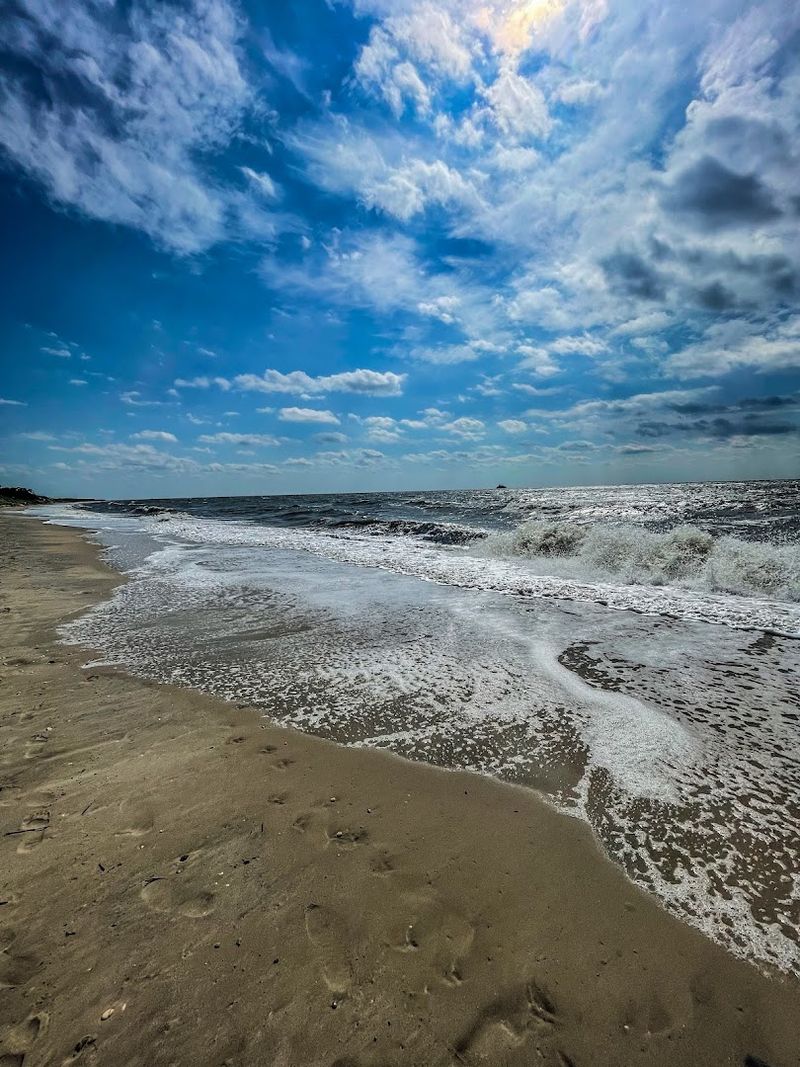
One of the quirkiest treasures this beach offers has nothing to do with birds or forest trails.
Scattered along the shoreline are small, smooth, translucent stones called Cape May diamonds, which are actually quartz crystals that have been tumbled and polished by centuries of wave action in the Delaware Bay.
They range from cloudy white to nearly clear, and finding one that catches the light just right feels genuinely satisfying in a way that is hard to explain to someone who has never crouched down on a pebbly beach scanning for rocks.
The sand here does run a bit gravelly compared to typical Atlantic beaches, which makes the search both easier and more interesting.
Kids absolutely love hunting for them, and adults tend to get just as absorbed once they start looking. There is no equipment needed, just patience and a good eye.
Tuck a few into your pocket as a souvenir that costs nothing and somehow feels more meaningful than anything from a gift shop.
Hiking Trails Through a Living Wilderness
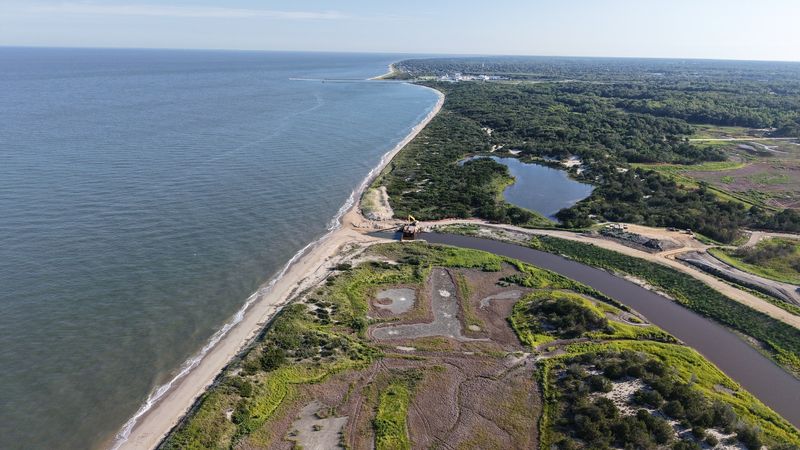
Nearly two miles of trails wind through the diverse habitats that make Higbee Beach so ecologically rich. The paths cut through dunes, open fields, scrub-shrub zones, and forested stretches, giving each section of the walk a completely different feel.
Named landmarks within the wildlife management area include Signal Hill, Davey’s Lake, Pond Creek, Sassafras Island, and a spot called Hidden Valley that lives up to its name in the best possible way.
Davey’s Lake, a 300-yard long body of water excavated back in 1910 by the Cape May Sand Company, sits quietly within the preserve and adds an unexpected layer of history to what might otherwise feel like a purely natural landscape.
The trails are unpaved and unmanicured, which means sturdy footwear is genuinely recommended rather than just suggested. Soft sand sections can be tiring, and the terrain shifts without much warning.
That said, every turn tends to offer something worth stopping for, whether it is a butterfly landing nearby or a glimpse of open water through the trees.
The Ghost Tracks That Emerge From the Sand
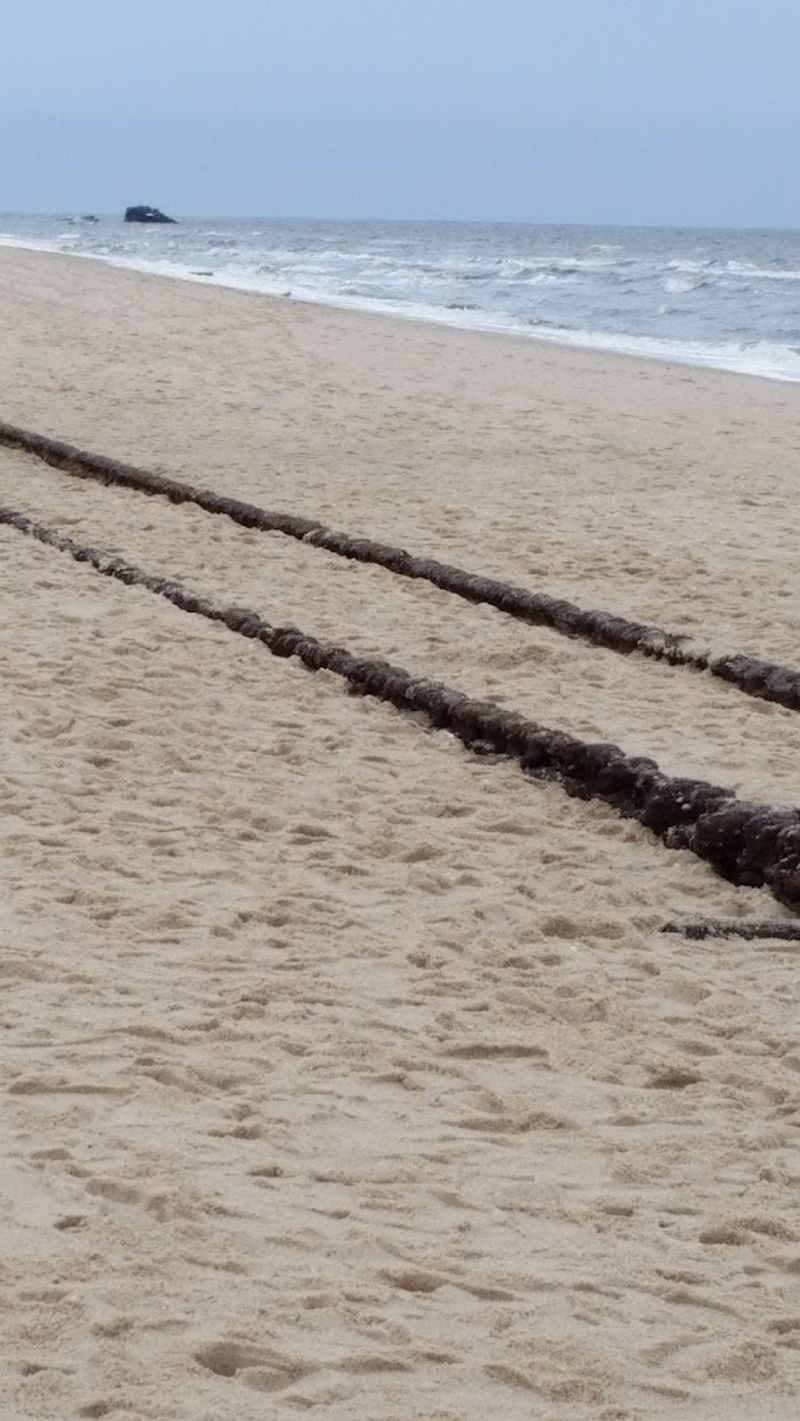
There is a story buried beneath the sand at Higbee Beach that only reveals itself after a strong storm. Somewhere between the beach entrance and Sunset Beach, old railroad tracks occasionally resurface at low tide, exposed by shifting sands and rough weather in a way that feels almost theatrical.
They do not stay visible long. Once a storm uncovers them, the next tide or the next calm stretch of weather tends to swallow them back up again.
People in the know follow local social media closely during storm season just to catch the window when the tracks are visible. It has become something of a community event, this race to see something that most visitors will never encounter.
The tracks date back to the area’s industrial past, when this stretch of coastline was used for sand mining and various military operations in the early 1900s. Finding them feels less like a tourist moment and more like stumbling onto something the beach decided to share on its own schedule.
That kind of discovery is genuinely rare.
A Dog-Friendly Shore Unlike Any Other

Plenty of beaches claim to be dog-friendly while quietly enforcing leash rules and glaring at anyone whose pup splashes too enthusiastically.
Higbee Beach operates with a much more relaxed energy, and dogs seem to sense it immediately upon arrival.
The calm, relatively shallow bay water makes it a safe and enjoyable spot for dogs who love to swim. The wide open beach gives them room to run in a way that most leashed boardwalks simply cannot offer.
Many visitors describe their dogs having what can only be called the time of their lives here, chasing waves and bounding through soft sand with zero competition from crowds.
A few practical notes worth keeping in mind: bring fresh water for your dog since there are no facilities on site, and be mindful that not every visitor is looking to make new furry friends. Good recall training goes a long way here.
The beach rewards responsible pet owners with an experience that is genuinely hard to find anywhere else along the New Jersey coast.
Sunsets Over the Delaware Bay That Feel Earned
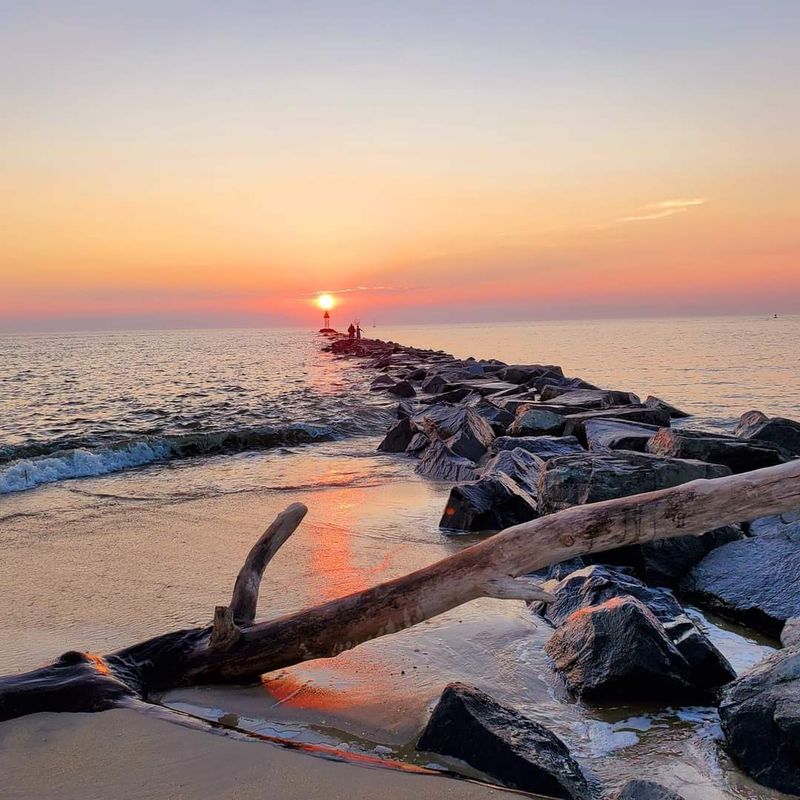
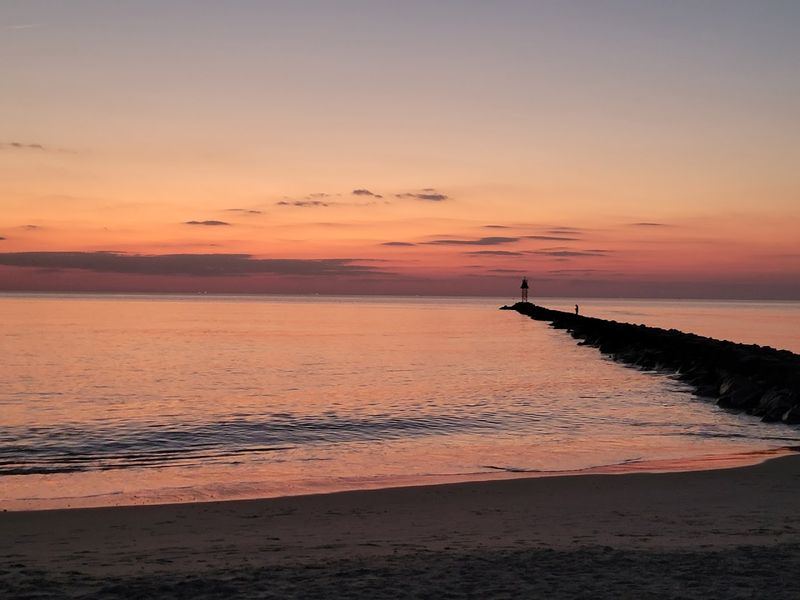
Watching the sun set from the Atlantic side of New Jersey is perfectly fine. Watching it sink below the horizon from Higbee Beach on the Delaware Bay side is something else entirely, mostly because you feel like you actually earned it by getting here.
The western exposure means the sky lights up in full view without obstruction, painting the water in shades of orange and gold that reflect off the bay’s relatively calm surface.
The Cape May-Lewes Ferry sometimes crosses the horizon during this window, adding a slow-moving silhouette to the scene that makes the whole thing feel oddly cinematic.
There are no beach chairs for rent, no designated viewing areas, and no crowd of strangers all angled the same direction. Just open shoreline, the sounds of water and birds winding down for the evening, and a sky doing its absolute best.
Arriving an hour before sunset gives enough time to find a comfortable spot and settle in. The walk back through the darkening forest afterward has its own quiet magic.
Planning Your Visit to New Jersey’s Last Wild Beach
Getting to Higbee Beach requires a bit of intention, which is honestly part of what keeps the crowds manageable. The beach is accessible via New England Road, which runs parallel to the south side of the Cape May Canal.
Parking is free, but the lots are small and fill up quickly, especially on summer weekends and during peak bird migration season in spring and fall.
Arriving early is strongly recommended, both for parking and for the overall experience. Dawn to dusk are the official hours, and the morning hours tend to be the most rewarding for wildlife, photography, and general peaceful enjoyment.
There are no restrooms on site, so planning ahead matters more than it might at a typical beach.
Pack water, snacks, sunscreen, and bug spray, particularly in warmer months when mosquitoes make their presence known near the wooded trails. Sturdy shoes handle the terrain better than flip-flops.
A pair of binoculars transforms the whole visit if birdwatching is even a passing interest. This is a place that rewards preparation with an experience most New Jersey beaches simply cannot match.
Address: 1 Higbees Beach Rd, Cape May, NJ.
