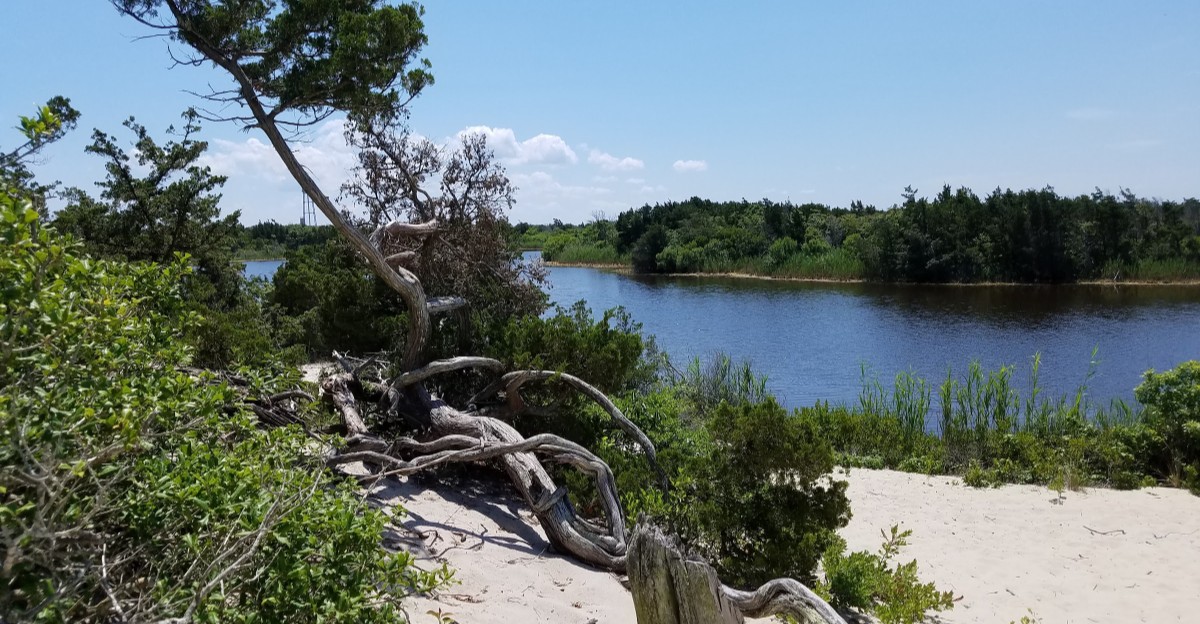
Forget the packed boardwalks and rows of beach chairs for a minute. New Jersey has a wilder side where dunes, woods, and open shoreline create a completely different kind of coastal escape.
This sprawling wildlife area covers roughly 1,100 acres and includes nearly two miles of nature trails, dune habitat, forests, and fields.
Oh, and fall brings another spectacle: millions of migrating birds pass through the Cape May peninsula, making this a remarkable place for wildlife watching.
It’s the sort of beach where the scenery feels untamed, the trails feel wonderfully quiet, and a pair of binoculars can be more useful than a beach umbrella.
Parts of the area remain closed during ongoing restoration, but accessible sections still offer plenty to explore.
Ready for a Jersey Shore experience that feels worlds apart?
A Shoreline That Never Got Built Up
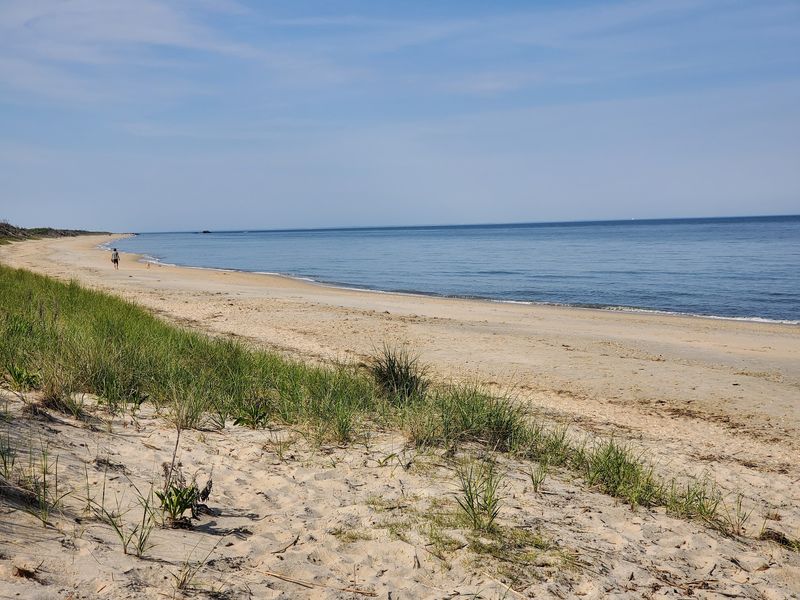
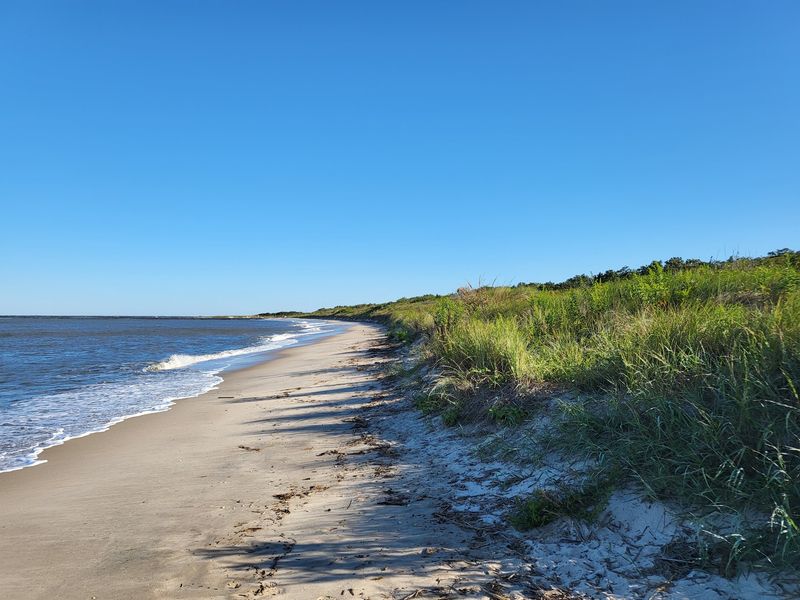
Roughly a mile and a half of open sand stretches along the Delaware Bay here, and almost none of it has been touched by development. No boardwalk.
No rental chairs, no arcades, no row of shops selling T-shirts.
What makes it feel so different is the water itself. Because this beach faces the bay rather than the Atlantic, waves arrive as gentle laps instead of thumping breakers, which gives the whole place a hushed, lake-like quality.
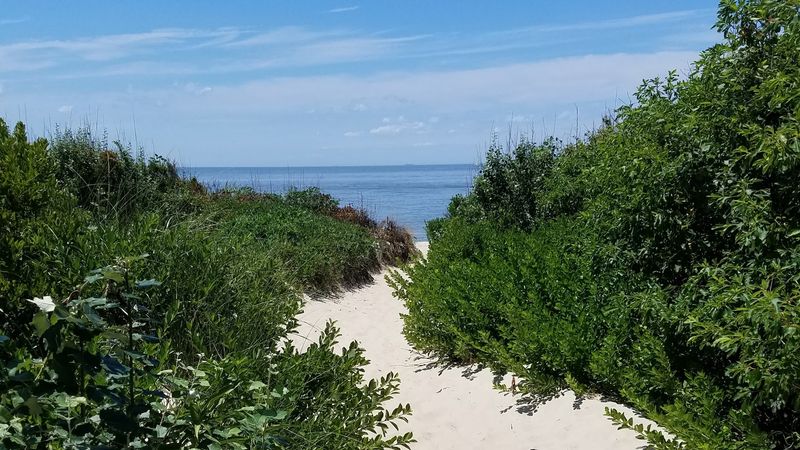
Driftwood collects along the tide line, bleached pale and smoothed down, sometimes stacked into natural sculptures by storms. Sand gives way quickly to low dunes and then to thick woods, so the transition from beach to wilderness happens in about twenty steps.
Swimming is not permitted, so plan on wading, walking, and sitting rather than a full beach day. Bring water and a hat, since shade on the sand is scarce.
Honestly, the emptiness is the attraction. Few coastal spots in the state still look as undone as Higbee Beach Wildlife Management Area.
One Of North America’s Great Bird Stopovers
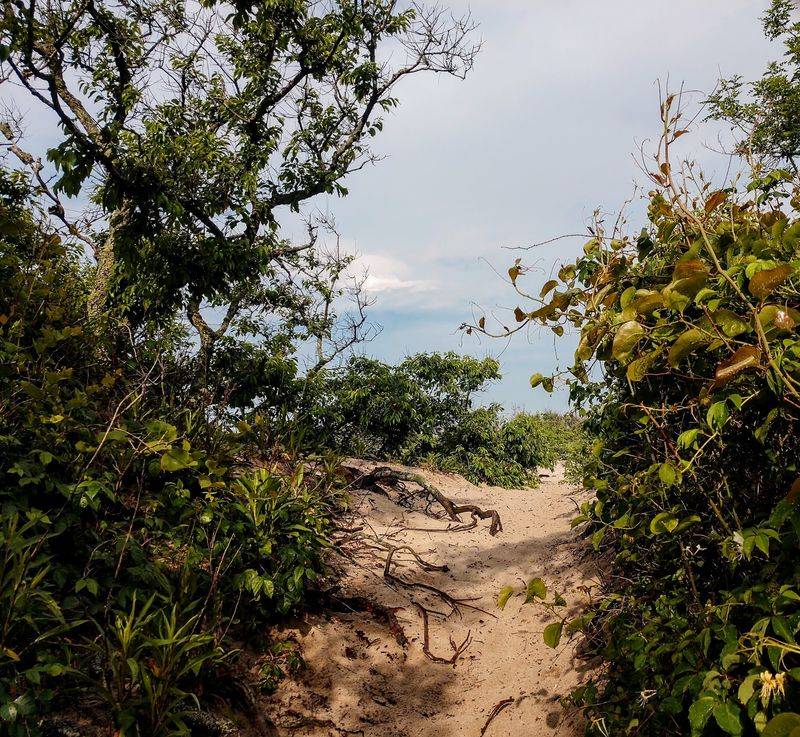
Birders talk about this place with a certain reverence, and there is a reason for that. Higbee Beach Wildlife Management Area sits directly along the Atlantic Flyway, which means millions of birds funnel through Cape May each fall on their way south.
They stop here for the same reasons any traveler stops somewhere: food, water, and a safe place to rest. Thickets and fields give exhausted migrants cover, and the woods fill with movement at dawn.
Spring and fall bring the biggest numbers, with raptors circling overhead and songbirds working through the shrubs. Blue Grosbeak, Indigo Bunting, Yellow-breasted Chat, and Prairie Warbler all breed in the area during the warmer months.
Viewing platforms and close to two miles of nature trails make it easier to watch without pushing into the brush. Early morning is the sweet spot, especially after a cold front.
Binoculars help enormously. Even without them, the sheer volume of chirping and rustling makes the point.
Trails That Change Character Every Few Minutes
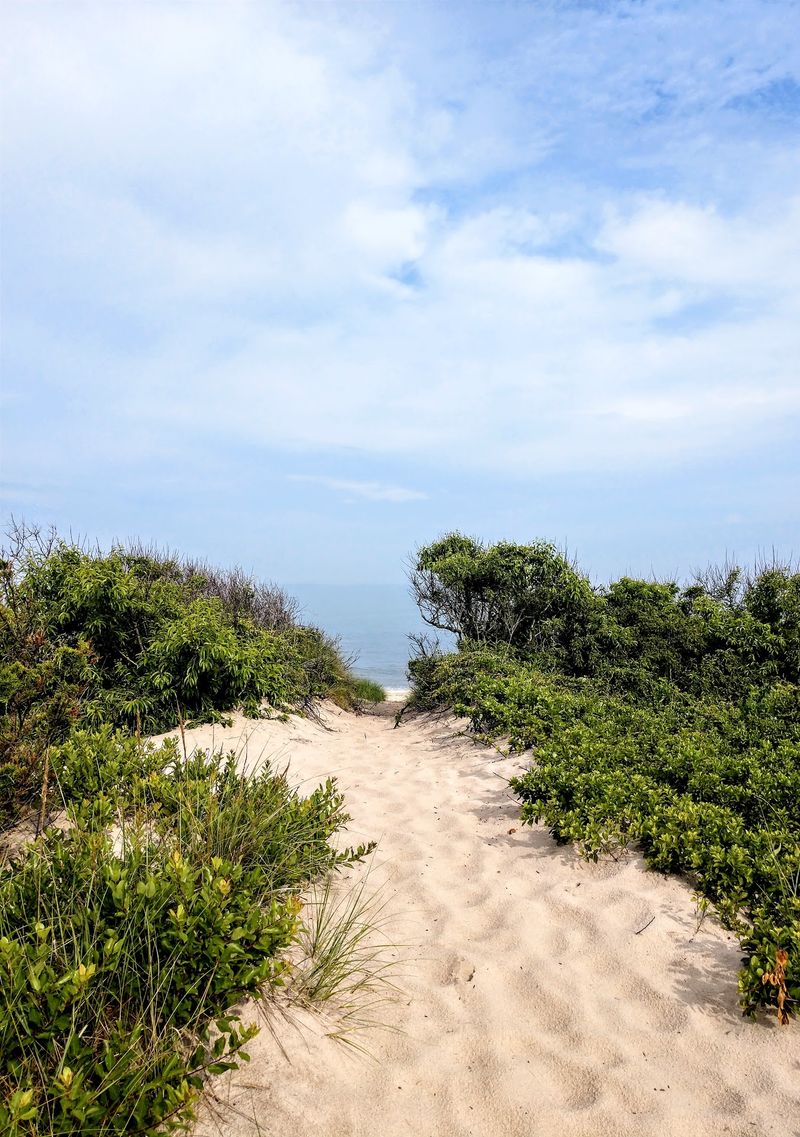
Something like 1,100 acres of protected land sits behind that quiet beach, and the trail network threads right through the middle of it. Two miles does not sound like much until you realize how many different landscapes get packed into that distance.
Dunes give way to dense forest. Forest opens into scrub-shrub and early successional fields, then dips toward forested wetlands and salt marsh edges.
Dune trails in particular are a treat, winding between shrubs with occasional glimpses of water. The footing is mostly sand and packed dirt, so sneakers work fine, though sandy stretches will slow you down.
Bug spray belongs in your bag from late spring onward. Ticks are a real consideration in the grassy sections, so long pants and a quick check afterward are smart habits.
Trail markers exist, but wandering is half the appeal. You rarely walk more than a few minutes before the scenery shifts into something new.
Hunting For Cape May Diamonds In The Sand

Crouching down to sift through wet sand is a legitimate activity here, and locals have been doing it forever. The prize is a Cape May diamond, which sounds like a tourist gimmick until you actually find one.
They are clear quartz crystals, tumbled and polished by decades of bay currents until they look like frosted glass gems. Hold one up to the sun and the sparkle is genuinely convincing.
Best hunting happens near the waterline, especially after high tide has rearranged the pebbles. Look for anything that catches light differently than the shells around it.
Kids take to this immediately, since it requires zero skill and delivers instant rewards. Adults tend to get just as absorbed, which is mildly embarrassing but fun.
Bring a small bag or pocket container. A handful of these makes a better souvenir than anything sold in a shop, mostly because you did the work of finding them yourself.
Signal Hill And The Stories Underfoot
History clings to this stretch of coast in ways you would never guess from the quiet. A tavern once stood near where New England Creek met the Delaware Bay back in 1807, long before anyone thought of the area as a nature refuge.
Joseph S. Higbee acquired the land in 1823 and by 1830 held a sizable plantation, which is how the beach got its name.
The family’s presence stuck around long after the farming did.
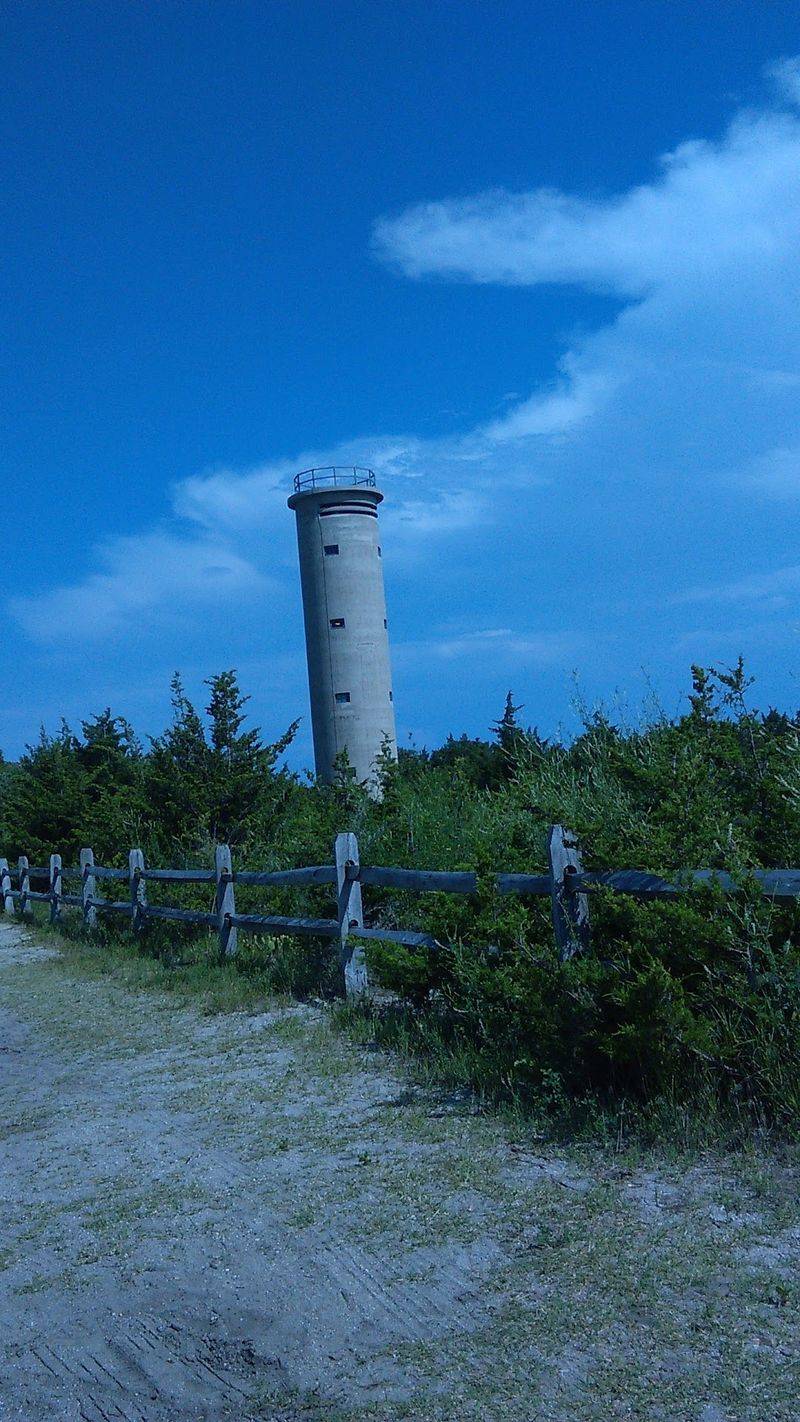
Signal Hill, a large dune within the property, carries the strangest chapter. During Prohibition it worked as a lookout point for smugglers watching this New Jersey bay.
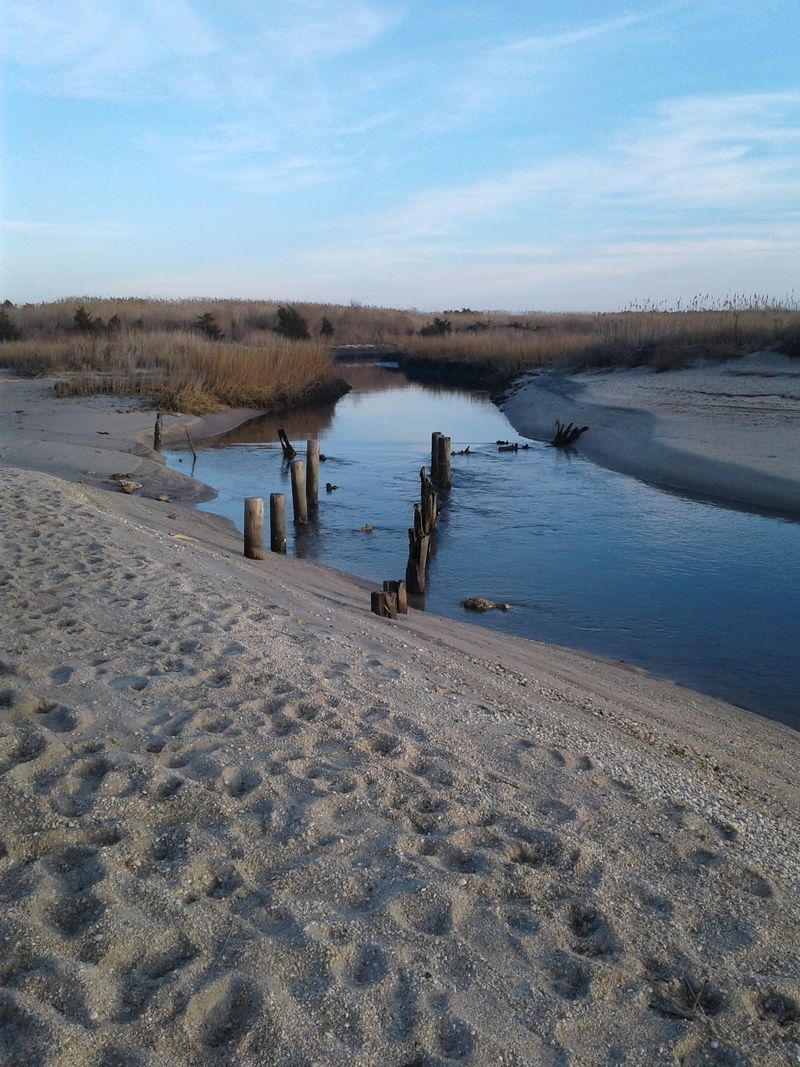
Elsewhere you will come across Davey’s Lake, a man-made lake dug in 1910, along with Pond Creek and an area called Hidden Valley that was farmland before becoming protected ground.
Knowing all this changes how the walk feels. The woods are quiet now, but they were not always.
Conservation Work Happening Right Now
Protection is the whole point of the place, not an afterthought. As a designated Wildlife Management Area, its main job is conserving endangered, threatened, and nongame species, and the New Jersey Department of Environmental Protection manages the land with that goal front and center.
A major project is underway at Pond Creek marsh, aimed at restoring hundreds of acres of wetland and upland maritime habitat. The work involves bringing tidal flow back to the marsh, lowering flood risk, and improving conditions for migratory birds, fish, and rare species.
New wildlife viewing blinds and boardwalks are part of the plan, which should make future visits even better for anyone with a camera or binoculars.
Here is the practical part. Sections of the area near Pond Creek are closed until roughly December 2026 while construction continues.
Check current access before driving out, and respect posted closures. The short-term inconvenience buys decades of healthier habitat.
Butterflies, Berries And A Rare Orchid
Birds get the headlines, but the insects here deserve a mention of their own. Dragonflies patrol the open fields in summer, and Monarch butterflies pass through on their own remarkable long-distance migration.
The plant life is just as interesting once you start noticing it. A distinctive coastal forest holds the dunes together, made up of holly, red cedar, sassafras, persimmon, northern bayberry, scrub oak, wild black cherry, common wax myrtle, and beach plum.
That mix produces berries, shade, and shelter, which is exactly why so many migrating birds choose to stop. The whole system works together in a way that becomes obvious after a slow walk.
Botany fans have a real prize to look for too. The rare orchid Spiranthes odorata grows in this environment, which is not something you can say about most beaches.
Look, do not pick anything. Photograph it, note it, and let the next visitor have the same moment of surprise.
Ferry Views, Lighthouse Glimpses And Golden Evenings
Late afternoon is when this beach quietly shows off. The Cape May-Lewes Ferry slides across the bay in the distance, big and slow, and the historic Cape May lighthouse can be picked out on clear days.
Sunsets over the water are the main event. Facing west across the bay means the sky and the flat water light up together, which is rare on a state coastline that mostly faces east.
Calm conditions make it easy to linger. Bring something to sit on, because there are no benches and no concession stands waiting.
Dogs are welcome, a real rarity in this part of Cape May County, though keeping them leashed protects the wildlife everyone came to see.
Parking is limited and there are no restrooms, so plan accordingly. Sturdy shoes help on the walk in from the lot.
Photographers, this is your golden hour. Everyone else, just sit down and watch.
How The Quiet Changes Your Whole Visit
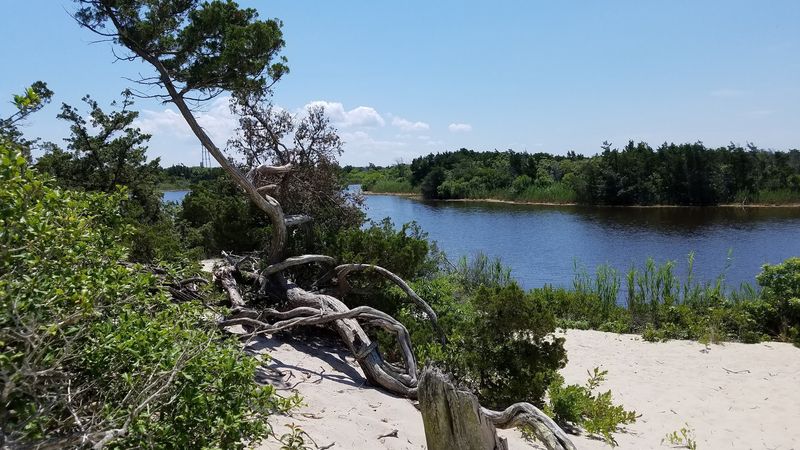
Quiet is the thing people remember most about Higbee Beach Wildlife Management Area. Without the usual soundtrack of crowds and machines, small details step forward: leaves shifting, water murmuring, a hawk’s shadow crossing the sand.
That stillness does something to the pace of a visit. Plans loosen up.
Instead of checking off activities, most people end up walking slower and staying longer than intended.
It works especially well as a counterweight to a busy shore trip. An hour here resets the nervous system in a way a crowded boardwalk simply cannot.
Weekday mornings tend to be quietest, and shoulder seasons like May and October combine mild weather with peak bird activity. Summer afternoons bring more visitors, though never anything resembling a crowd.
Leave the speaker at home. Pack out whatever you carry in.
The reward for respecting the hush is a version of the coast that feels genuinely wild, which is harder and harder to find anywhere along the Atlantic seaboard.
Planning Your Trip Without Overthinking It
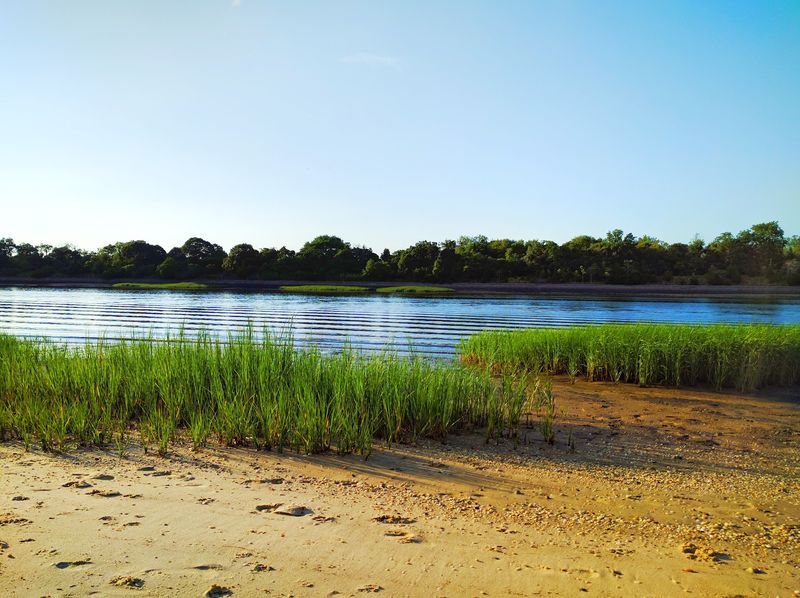
Getting here is refreshingly simple, and the lack of amenities is part of the deal. No snack stand, no rentals, no restrooms, which means packing water, snacks, and sunscreen before you go.
Footwear matters more than you would expect. Sand, dirt trails, and occasional damp patches all show up within the same short loop.
Tides shift how much beach you have to walk on, so a quick tide check makes the shoreline stroll more pleasant. Morning light favors birding while evening favors photography.
Since restoration construction has closed parts of the area near Pond Creek until around December 2026, confirming which trails are open saves frustration. Signage on site will point you toward accessible routes.
Hunting seasons apply in wildlife management areas across New Jersey, so wearing bright colors during autumn is a sensible precaution.
For anyone ready to trade the usual shore routine for something wilder, Higbee Beach Wildlife Management Area sits at Stevens St, Cape May, NJ 08204.
