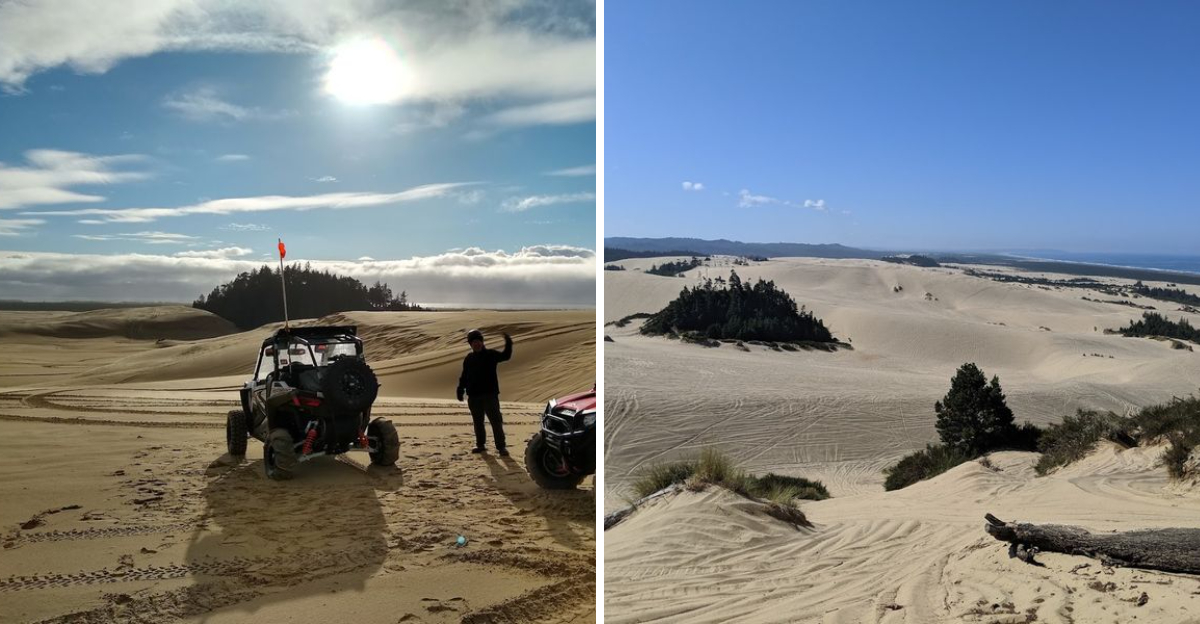
I never expected to find a desert feeling on the Pacific coast, but my recent ride across the sweeping sand dunes of Oregon felt exactly like that. The dunes stretched out like waves frozen in time, and every turn of the board sent a rush of wind through my hair.
I laughed as the sand kicked up, the sun painted everything gold, and the landscape changed from open beach to rugged, dunes that felt wild and untamed.
It was a simple escape from the daily grind, a chance to reconnect with nature in a place that feels both familiar and exotic.
If you love a little adventure and love the thrill of gliding over soft, endless sand, you’ll want to try this ride for yourself.
The Scale of the Dunes Will Genuinely Surprise You
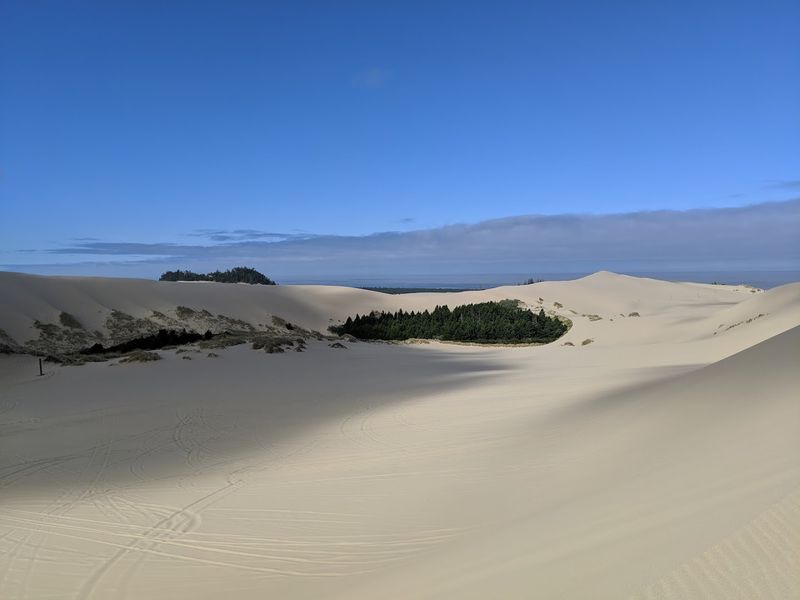
Nothing quite prepares you for the sheer size of these dunes when you first see them up close. The Oregon Dunes stretch across 40 miles of coastline, and some dunes rise to nearly 500 feet high.
That is not a typo.
Walking up to the base of one of these massive formations, you get a real sense of how small you are against the landscape. The sand shifts constantly in the wind, reshaping the dunes over time in ways that feel almost alive.
It is genuinely humbling to stand there and watch it happen.
Geologists believe these dunes formed over thousands of years from coastal sand carried inland by wind. The result is a terrain that looks more like the Sahara than the Pacific Northwest.
First-time visitors often stop mid-trail just to stare. Bring layers because the wind up top can be strong, and the reflected sunlight off the sand makes it feel much warmer than it actually is down below.
Riding a Dune Buggy Changes Everything
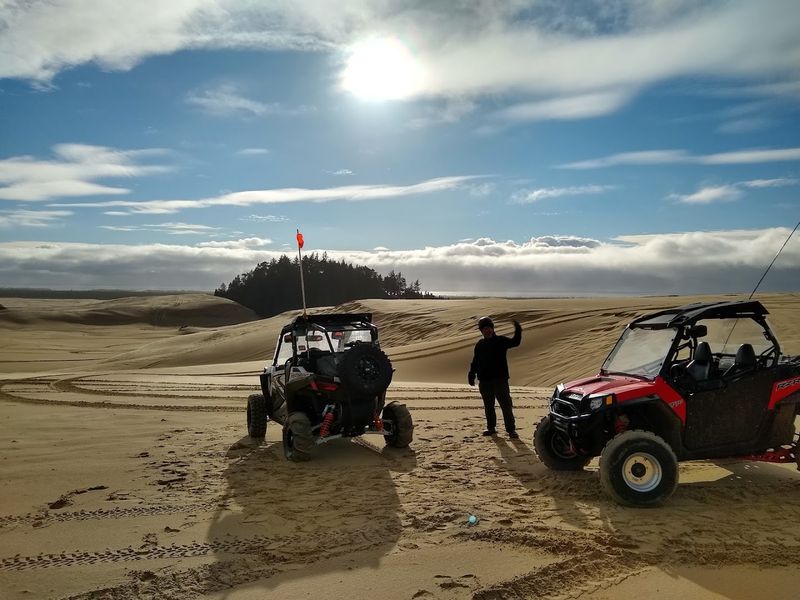
Renting a dune buggy here is one of those experiences that feels almost too fun to be real. The moment you crest your first big dune and see nothing but rolling sand in every direction, a huge grin takes over your face and does not leave for hours.
Several rental companies operate near the recreation area, making it easy to get out on the sand without needing to own your own equipment. The terrain offers a mix of open dune riding and wooded trail sections, so there is variety even within a single ride.
Beginners can find approachable areas while more experienced riders can push into steeper and more technical terrain.
State police do patrol the dunes actively, so following the rules matters. Riding to the right on main corridors keeps things safer for everyone, especially on busy days.
Going on a weekday or during the off-season gives you much more open space to explore at your own pace without feeling crowded.
ATV and OHV Adventures Across Sandy Terrain
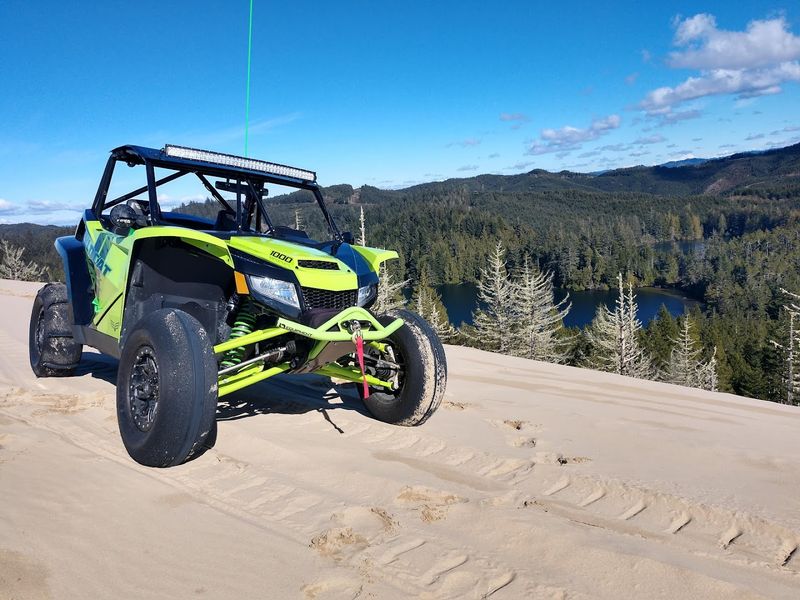
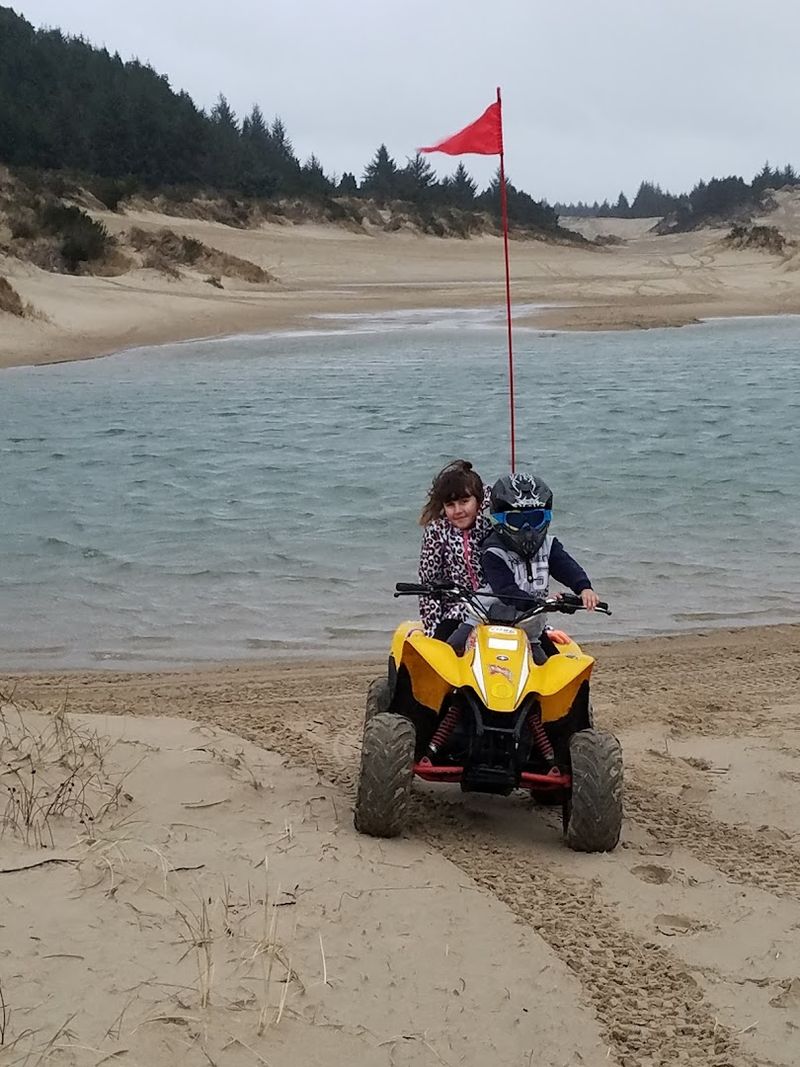
Off-highway vehicle riding at Oregon Dunes is a completely different experience from trail riding in the woods or mountains. The open sand gives you freedom to carve your own path, which feels exhilarating in a way that is hard to describe until you actually do it.
The recreation area has designated OHV zones spread across its 40-mile length, and each section has its own character. Some areas are wide-open bowls of sand perfect for speed runs, while others connect through forest breaks that feel almost magical when you emerge back into the open dunes.
Groups of riders can spend an entire weekend here without covering the same ground twice. The variety of terrain keeps things interesting from morning until the light starts to fade.
Riding down to the beach on an ATV and then cruising along the waterline with the ocean right beside you is one of those travel moments that gets talked about for years. Fuel up before you arrive since amenities near the dunes are limited.
Sandboarding Down the Slopes Is Pure Joy
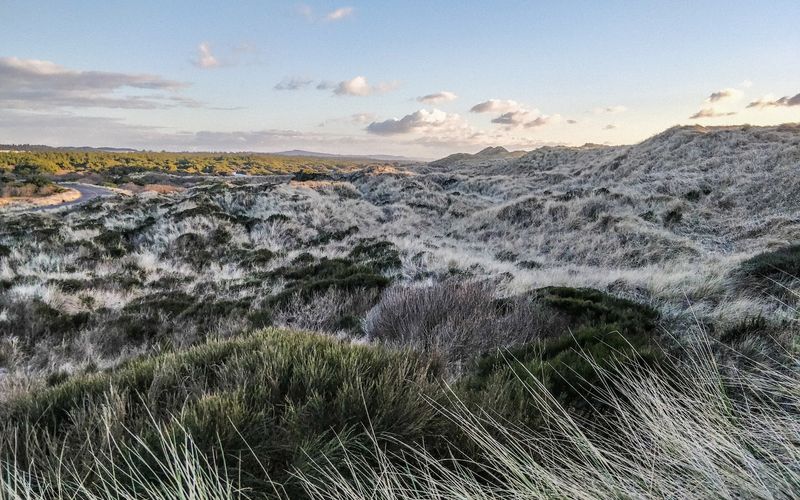
Sandboarding is exactly what it sounds like, and it is just as entertaining as it sounds. You strap onto a board, point yourself downhill, and let gravity do the rest.
The soft sand makes for surprisingly fast rides and surprisingly soft crashes.
Boards can be rented from local outfitters near the recreation area, and you do not need any prior snowboarding or surfing experience to have a great time. The learning curve is quick, and most people are laughing within the first five minutes regardless of how gracefully they handle their first run.
The best slopes for sandboarding tend to be the steeper dune faces that get direct afternoon sun, which keeps the sand dryer and faster. Climbing back up after each run is the real workout, so pace yourself if you plan on going for multiple runs.
Bring sunscreen because the sand reflects light intensely, and it is easy to underestimate how much sun exposure you are getting while having this much fun.
Hiking Through a Landscape That Feels Like Another Planet
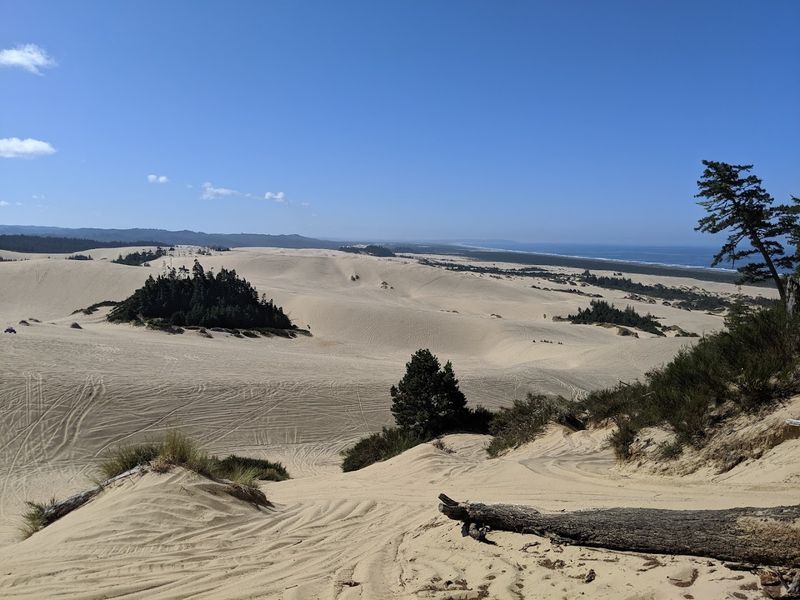
The hiking here does not feel like typical Pacific Northwest hiking. Instead of tall trees and mossy trails, you are walking across open expanses of wind-rippled sand with almost no shade and views that stretch for miles in every direction.
The trail near Eel Creek Campground is one of the more popular entry points for hikers, and it delivers immediately. Within a short walk, you are fully surrounded by dunes with no buildings or roads in sight.
The disorienting beauty of the place is real, and it is easy to understand why people describe it as feeling like a desert.
Navigation can be tricky because the dunes all start to look similar after a while. Bringing a map or downloading an offline trail guide before you go is genuinely smart advice.
The park recommends being prepared to remove your shoes at certain points because the sand gets deep and loose. Early morning hikes are especially rewarding when the light is golden and the wind has not yet picked up for the day.
The Stunning Overlap of Sand, Forest, and Ocean
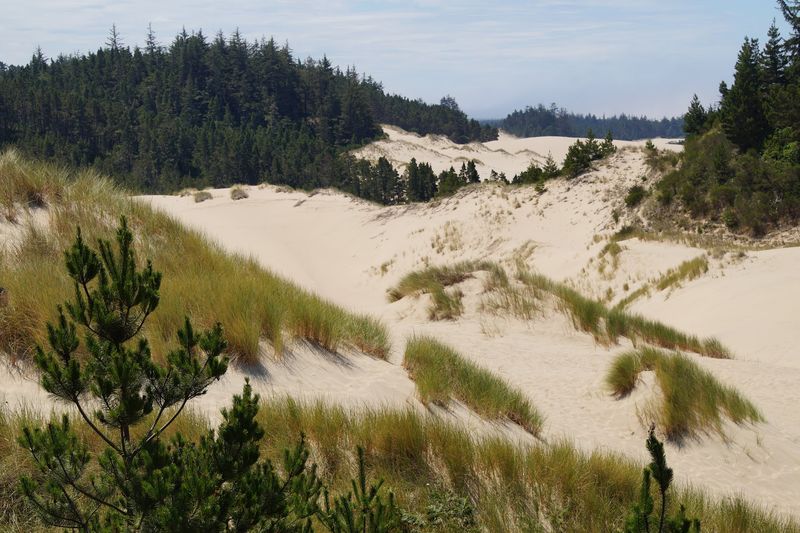
One of the most visually striking things about Oregon Dunes is how abruptly the landscape shifts. You can be standing in deep sand, take twenty steps, and suddenly be in a dense coastal forest.
Another few minutes of walking brings the sound of waves.
This collision of ecosystems is rare anywhere in the world. Freshwater lakes sit tucked between dune ridges, fed by rainfall and surrounded by wildlife.
The contrast of textures, colors, and sounds happening all at once creates a sensory experience that feels almost cinematic.
Photographers absolutely love this place for exactly that reason. A single wide shot can capture golden sand in the foreground, dark green trees in the middle, and the deep blue Pacific in the background.
The light in the late afternoon turns everything warm and dramatic. Even on foggy days, the landscape has a moody, haunting quality that makes it feel like a place out of a fantasy novel.
There is genuinely nothing else quite like it on the Oregon coast.
Wildlife Watching in the Dunes Is Quietly Rewarding
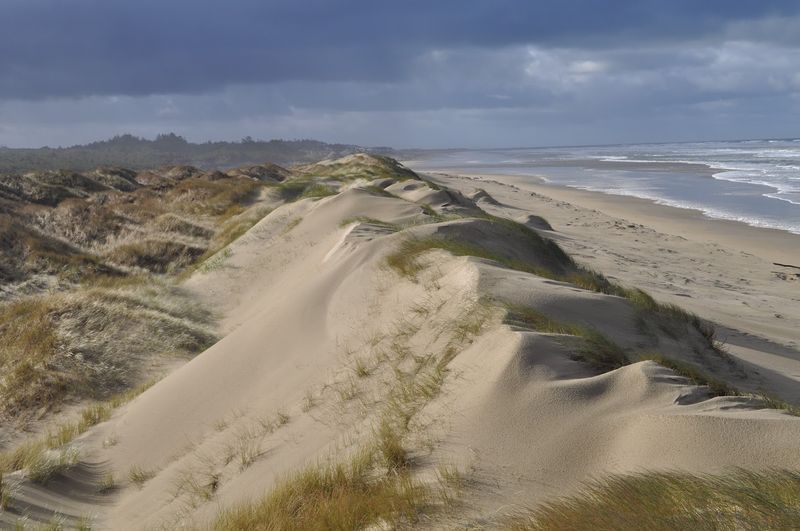
The Oregon Dunes are surprisingly rich with wildlife if you slow down and pay attention. Bird species are abundant here, from shorebirds picking along the waterline to hawks riding thermals high above the open sand.
The variety is impressive for a landscape that looks so empty at first glance.
The Western Snowy Plover is one species worth knowing about before you visit. These small, endangered shorebirds nest directly on the sand in certain sections of the dunes, and some areas are seasonally closed to protect them.
Giving these birds space is not just a rule, it genuinely matters for their survival.
Beyond birds, the dunes and surrounding forest support deer, rabbits, and a range of smaller animals. Mushroom picking is also a popular activity here, and the visitor center can provide permits and location tips for those interested in foraging.
The staff at the Siuslaw National Forest Visitor Center is notably knowledgeable and happy to help you figure out the best spots based on the season.
Camping Under the Stars at the Edge of the Dunes
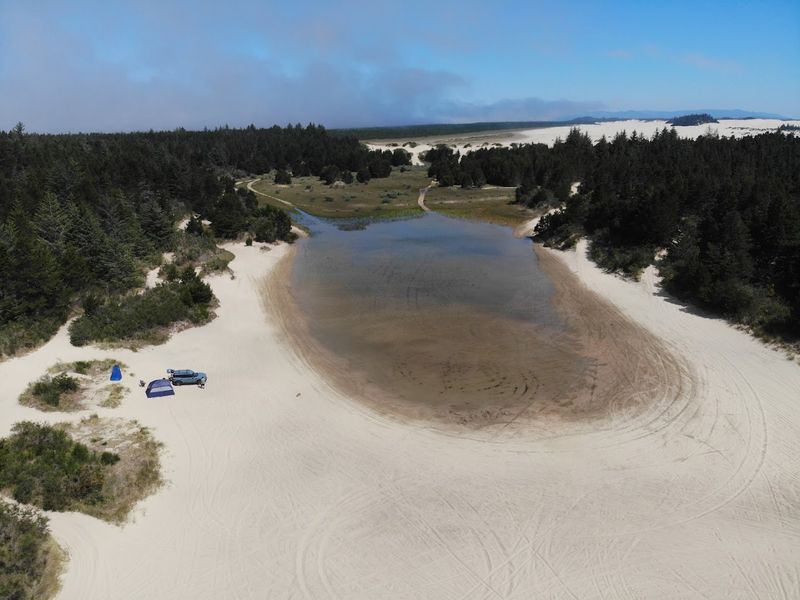
Spending a night at one of the campgrounds inside the recreation area completely changes how you experience the dunes. The mornings are especially magical when mist rolls in off the ocean and the sand is still cool and undisturbed from the night before.
Eel Creek Campground is one of the most well-known options and puts you right at the edge of the dune system. Falling asleep to the sound of wind moving through the coastal pines is deeply relaxing in a way that a day trip simply cannot replicate.
Reserving a spot in advance is smart, especially for summer weekends when the area gets busy. Going in early autumn or late spring gives you a quieter, more personal experience with the landscape.
Temperatures can drop significantly at night even in summer, so packing warm layers is not optional. The reward for that extra preparation is waking up to a sunrise over the dunes with almost no one else around.
Freshwater Lakes Hidden Among the Sand
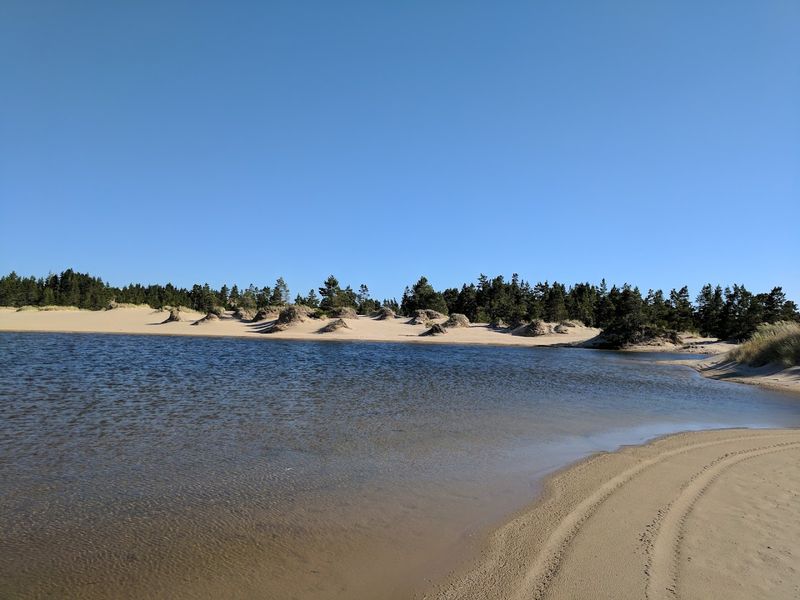
Tucked between the towering dune ridges are several freshwater lakes that most visitors do not even know exist until they stumble across one. Finding one of these lakes after a long dune hike feels like discovering a secret the landscape has been keeping from you.
The water in these lakes is remarkably clear and calm, protected from the ocean wind by the surrounding sand. Some lakes are accessible by short trails and offer swimming, fishing, and quiet spots to sit and take everything in.
The contrast of sitting at the edge of a still lake while surrounded by massive dunes is genuinely surreal.
Anglers visit specifically for the fishing opportunities in these freshwater areas. Bass and trout are common catches depending on the season and the specific lake.
Even if you are not fishing, just walking to one of these lakes and sitting quietly for a while is worth the effort. The stillness feels earned after navigating the open dunes, and the reflection of the sky on the water is one of those views that sticks with you.
Planning Your Visit to the Oregon Dunes Visitor Center
Starting your visit at the Siuslaw National Forest Visitor Center in Reedsport is genuinely the smartest move you can make. The staff there know the area deeply and can point you toward the right entry points based on what you want to do, whether that is OHV riding, hiking, birdwatching, or just exploring.
The visitor center is open Monday through Friday from 8 AM to 4 PM, so planning around those hours if you need maps, permits, or local advice is worth doing. The center is closed on weekends, which is something a lot of first-time visitors do not realize until they arrive.
The dunes themselves are accessible from multiple points along the 40-mile corridor between Florence and Coos Bay. Once you start seeing ATV and buggy rental shops along the highway, you know you are close to the sand.
Keep in mind that the visitor center pin on maps is not located at the dunes themselves, so use trail area names like Eel Creek or the day-use areas near Florence to navigate accurately.
Dear Reader: This page may contain affiliate links which may earn a commission if you click through and make a purchase. Our independent journalism is not influenced by any advertiser or commercial initiative unless it is clearly marked as sponsored content. As travel products change, please be sure to reconfirm all details and stay up to date with current events to ensure a safe and successful trip.
