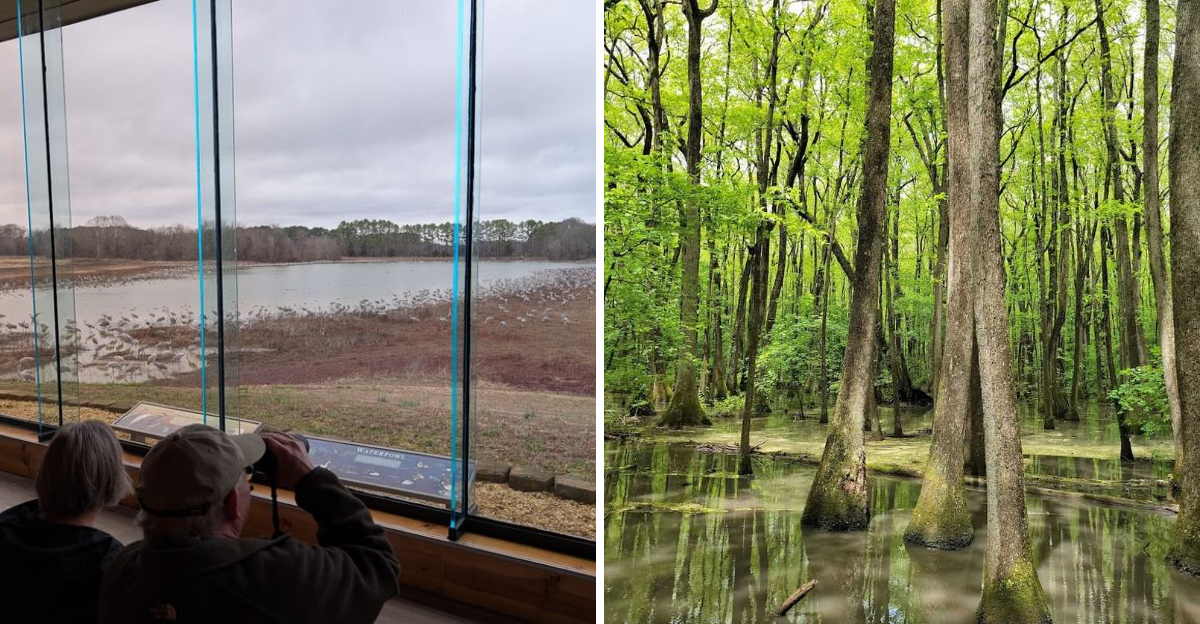
Nestled along the Tennessee River near Decatur, Alabama, a vast national wildlife refuge stretches across tens of thousands of acres of some of the most breathtaking natural land in the Southeast.
Established in the late 1930s, this remarkable preserve spans multiple counties and shelters nearly 300 species of birds alongside dozens of mammals, reptiles, and fish.
Seasonal changes bring shifting scenery, from lush wetlands and wildflowers to winter migrations that fill the skies with waterfowl and cranes. Visitors can explore scenic driving routes, peaceful hiking trails, fishing areas, and observation points designed for wildlife viewing and photography.
Whether you love birdwatching, hiking, fishing, or simply soaking in wide-open natural spaces, this refuge offers something for every kind of outdoor enthusiast. Keep reading to discover exactly why this destination deserves a spot on your must-visit list.
Discover the Diverse Ecosystems and Habitats
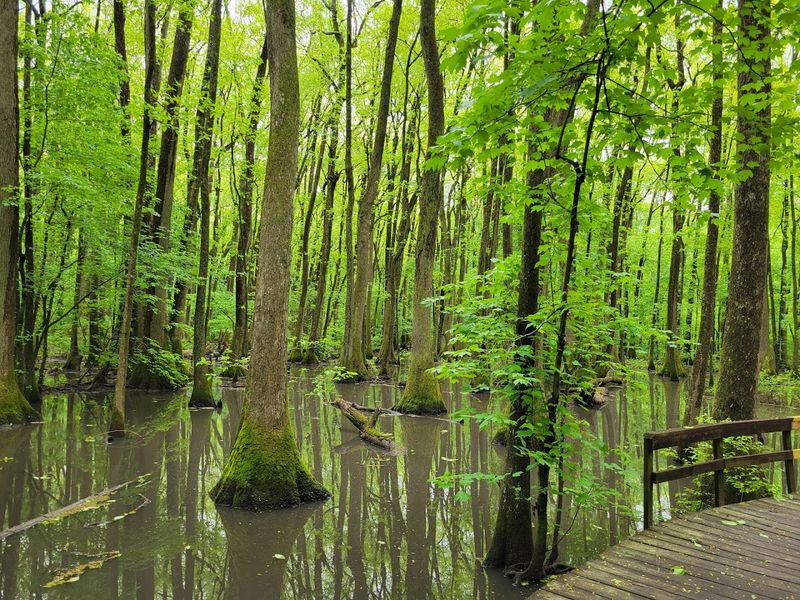
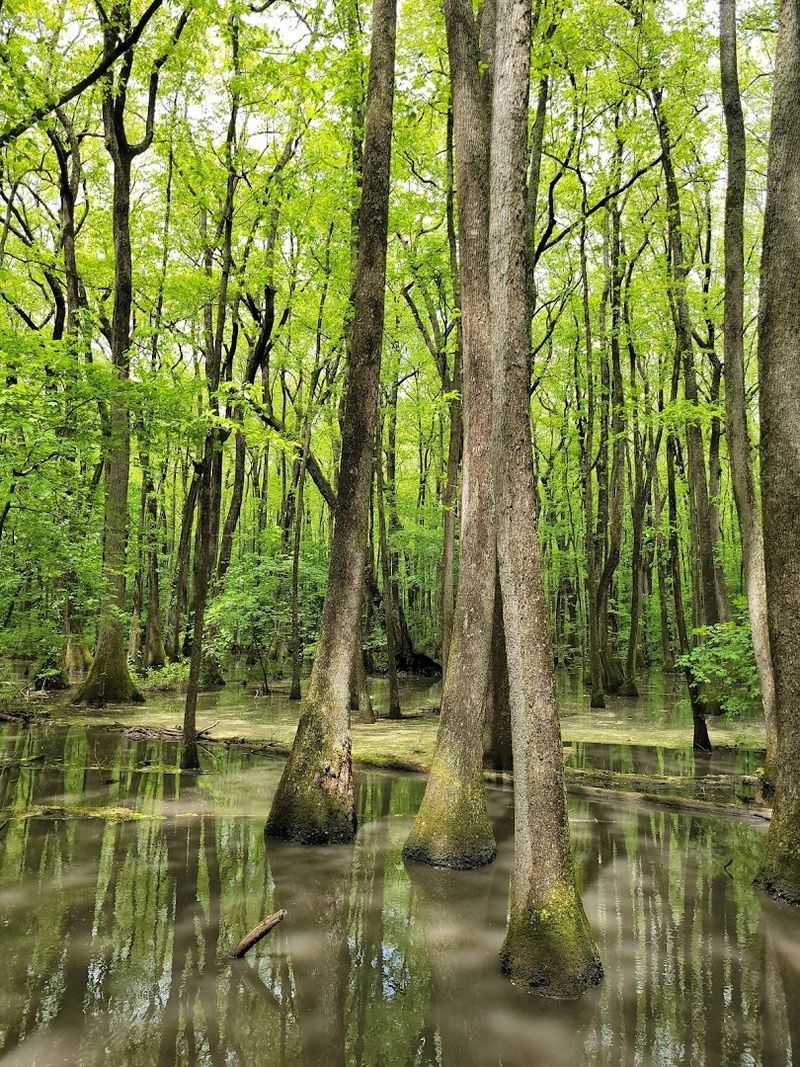
Few refuges in the Southeast pack as much habitat variety into a single location as Wheeler does. Across its 35,000 acres, you will find bottomland hardwoods, forested wetlands, pine uplands, shallow-water embayments, agricultural fields, and wide stretches of open water along the Tennessee River.
Each habitat type supports a completely different community of plants and animals.
That diversity is not just visually stunning. It is the core reason Wheeler supports such an enormous range of wildlife.
Species that need dense forest cover, open grasslands, shallow water, and deep river channels can all find what they need within the refuge boundaries. It functions almost like a collection of different natural worlds packed side by side.
Seasonal changes transform the landscape throughout the year. Spring brings bursting green growth and nesting activity.
Summer fills the wetlands with wading birds and blooming aquatic plants, including the striking Cahaba lilies that grow along the river. Fall signals the arrival of the first migratory waves.
Walking through different sections of the refuge feels like visiting entirely separate places on the same trip. The transitions between habitat types are gradual and natural, making exploration genuinely rewarding.
Whether you enjoy photography, nature journaling, or simply wandering with no particular agenda, the layered landscape of Wheeler in Morgan, Limestone, and Madison Counties in Alabama gives you endless material to work with.
Rich Mammal, Reptile, Amphibian, and Fish Populations
Birds get most of the attention at Wheeler, but the refuge is teeming with a whole lot more than feathered wildlife. The land and water here support 47 species of mammals, including white-tailed deer, raccoons, opossums, and squirrels that are regularly spotted along trails and levee roads.
Seeing a deer step out of the tree line at dawn is the kind of quiet moment that makes a refuge visit memorable.
The water is equally alive. With 115 species of fish recorded in the refuge waterways, aquatic life thrives throughout the Tennessee River and its connected sloughs.
Reptile and amphibian diversity is impressive too, with 74 to 75 species documented across the refuge. Turtles basking on logs and frogs calling from the wetlands are common sights during warmer months.
Perhaps the most surprising resident is the American alligator. A small population of alligators lives within the refuge, adding an unexpected wild element to an already rich ecosystem.
Spotting one along a quiet slough edge is not guaranteed, but it is absolutely possible.
This breadth of wildlife makes Wheeler a genuinely complete nature destination rather than a single-focus attraction. Families with curious kids will find something new around almost every turn.
The combination of mammals, reptiles, amphibians, and fish alongside hundreds of bird species creates a layered natural experience that very few places in Alabama can match.
Critical Wintering Ground for Migratory Birds
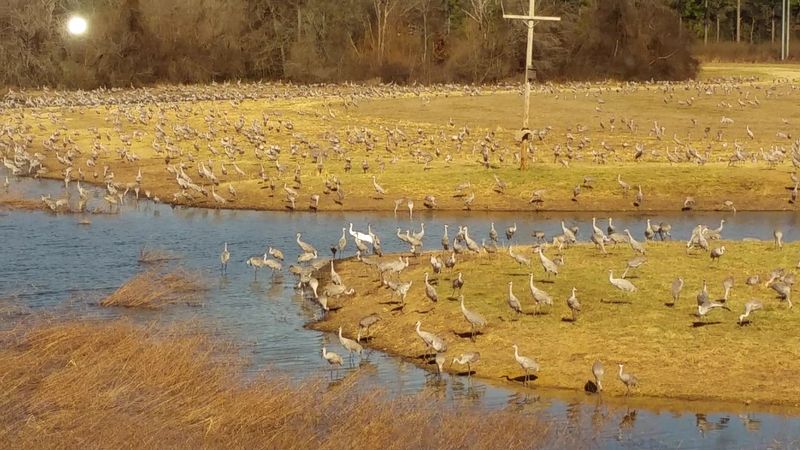
Every winter, something extraordinary happens at Wheeler National Wildlife Refuge. Tens of thousands of Sandhill Cranes descend on this stretch of Alabama land, making it the single largest concentration of these birds in the entire state.
Watching them move across open fields and shallow water is a sight that genuinely stops people in their tracks.
The refuge sits along the Mississippi Flyway, one of North America’s major bird migration routes. That position makes it a natural magnet for waterfowl, wading birds, ducks, and geese traveling south for the winter.
The Tennessee River and surrounding wetlands provide the perfect resting and feeding environment for these long-distance travelers.
One of the rarest highlights is the occasional appearance of the endangered Whooping Crane. A small but growing number of these birds now winter alongside the Sandhill Cranes at Wheeler.
Spotting one is considered a genuine privilege among birdwatchers.
The peak season typically runs from late fall through early February. Planning your visit during this window gives you the best chance of witnessing the full spectacle.
Take In an Exceptional Birdwatching Experience
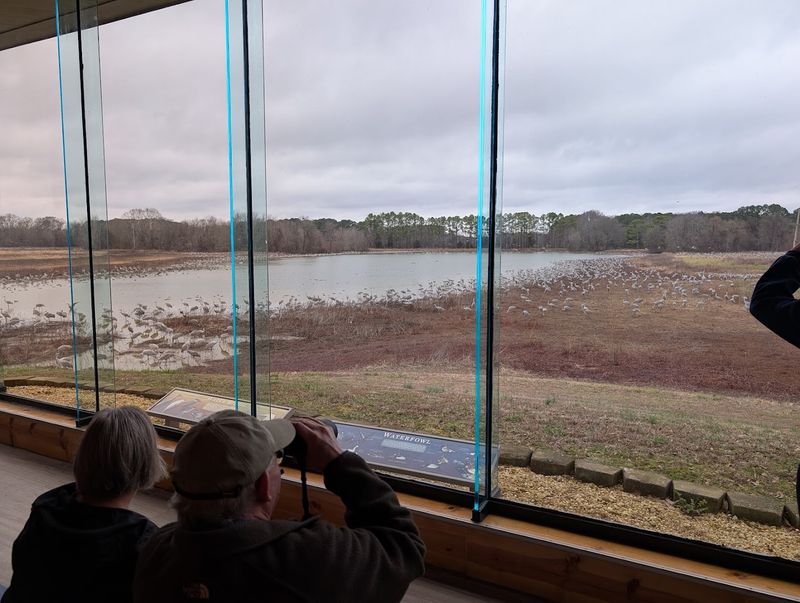
You do not need to be an expert birder to enjoy what Wheeler National Wildlife Refuge offers. With between 285 and 300 recorded bird species, this refuge is widely recognized as one of the premier birdwatching destinations in the entire Southeast.
Beginners and experienced birders alike find something new every single visit.
Come watch cranes feed right outside the Observation Building windows. The building is equipped with comfortable seating and high-quality spotting scopes, making it easy to get close-up views without disturbing the wildlife.
Large glass windows frame the water and open fields where waterfowl gather in impressive numbers during migration season.
Beyond waterfowl, the refuge supports an impressive variety of songbirds, raptors, wading birds, and shorebirds throughout the year. Spring and summer bring a completely different cast of species compared to winter.
That seasonal variety keeps regular visitors coming back month after month.
Bird blinds are also positioned around the refuge grounds, giving photographers and watchers even more opportunities for unobstructed views.
The visitor center at 3121 Visitors Center Rd, Decatur, AL 35603, is open Wednesday through Saturday from 9 AM to 4 PM and provides helpful maps, exhibits, and guidance for planning your birdwatching route.
Free admission makes the whole experience even more accessible for families.
Hit the Hiking and Biking Trails
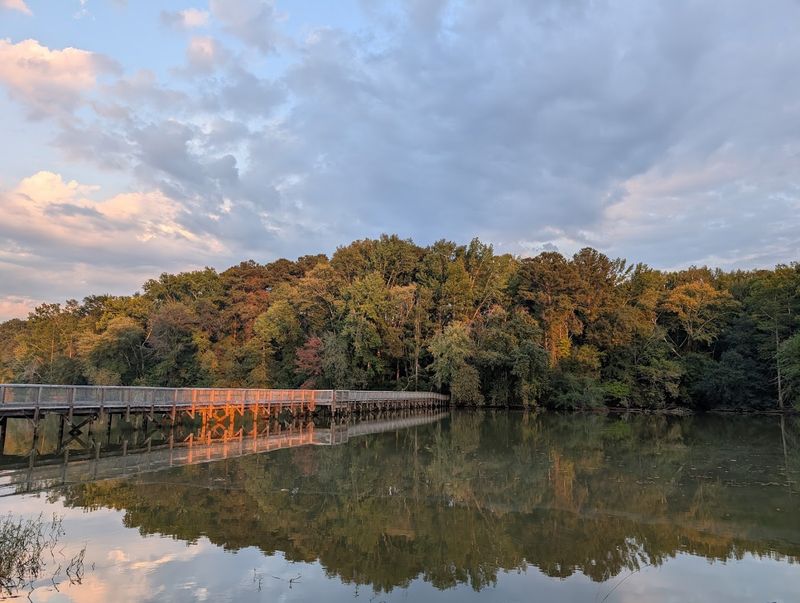
Plan a morning hike along the quiet levee roads at Wheeler. The refuge offers five designated nature trails ranging from a short 200-yard stroll to a full 5-mile route, giving visitors of all fitness levels a comfortable way to explore the landscape on foot.
Some of these trails are wheelchair accessible, making the natural beauty of the refuge available to a broader range of visitors.
Beyond the official trails, an extensive network of gravel roads and earthen levees winds through the refuge. These paths are ideal for longer hikes and make excellent cycling routes as well.
Riding a bike along the levees with open water on one side and forested wetlands on the other is a genuinely peaceful experience that feels far removed from everyday life.
The trails near the visitor center include a storybook trail designed with younger visitors in mind. Illustrated panels are placed along the path, turning a nature walk into an interactive story.
It is a creative touch that makes the refuge especially appealing for families with young children.
Dogs are welcome on the trails, which makes Wheeler a great destination for pet owners looking for an outdoor adventure. The grounds are well maintained and clean, and the combination of flat levee roads and shaded forest paths means you can tailor your outing to whatever pace suits the day.
Bring water, wear comfortable shoes, and take your time exploring.
Popular for Fishing and Water Activities
Skip a crowded marina and try one of the six improved public boat launch areas at Wheeler instead. The refuge encompasses roughly 16,000 acres of water, including the Tennessee River and a network of sloughs and embayments that provide year-round fishing opportunities.
Bass, sunfish, crappie, sauger, and catfish are among the species that anglers regularly pull from these waters.
Fishing at Wheeler is not just a warm-weather activity. The diverse water habitats support fish populations throughout all four seasons, making it a reliable destination for anglers regardless of when they visit.
Early mornings on the river, with mist rising off the water and birds calling from the treeline, set a scene that is hard to beat.
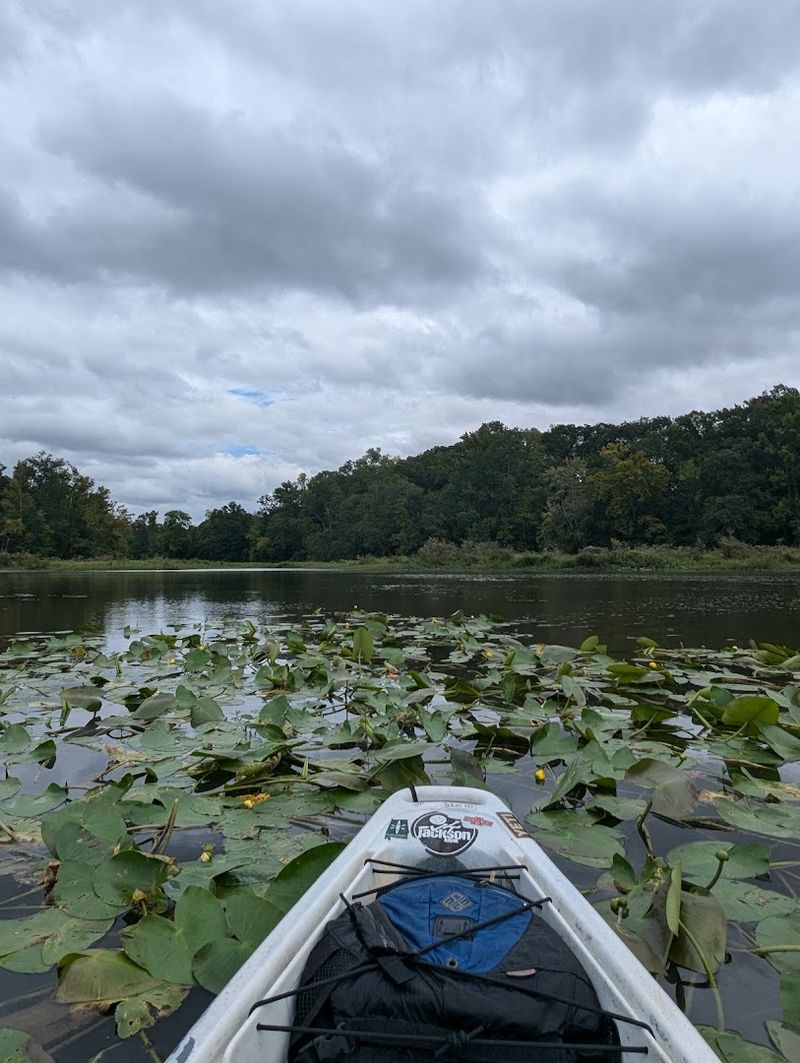
Kayaking and canoeing have grown in popularity here as well. Paddling through the quieter sloughs and backwater areas gives you an intimate, low-impact way to experience the refuge from the water.
The pace is slow enough to spot wildlife along the banks that you might miss from a motorized boat.
The Cahaba lilies that bloom along the river are an added visual reward for paddlers during the right season. These rare aquatic wildflowers create stunning natural displays in the shallower stretches of water.
Whether you come to fish, paddle, or simply float and watch the world go by, the water at Wheeler National Wildlife Refuge in Alabama offers a genuinely rewarding outdoor experience.
Historical Significance in Conservation
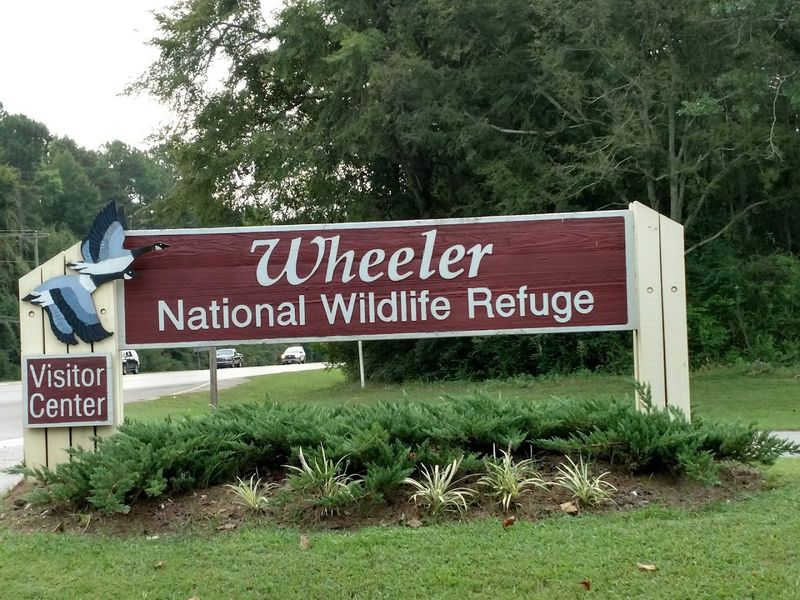
Make time to read the history panels inside the Wheeler visitor center. Wheeler National Wildlife Refuge holds a distinction that very few protected areas in the country can claim.
It was the first National Wildlife Refuge ever established on a multi-purpose hydroelectric reservoir, a milestone that placed it at the forefront of American conservation history when President Franklin D. Roosevelt signed it into existence in 1938.
The creation of Wheeler was an early experiment in proving that wildlife conservation and reservoir management could coexist.
At a time when large-scale dam projects were reshaping rivers across the country, Wheeler demonstrated that intentional habitat preservation could be built into those projects from the start.
That idea was genuinely ahead of its time.
Today the refuge stands as living proof that the experiment worked. More than eight decades later, the land continues to fulfill its original purpose of providing critical habitat for wintering waterfowl and a broad range of other wildlife.
The fact that it has grown into one of the Southeast’s most visited natural areas is a testament to how well that early vision held up.
Visiting Wheeler means stepping into a place with a real story behind it. Understanding the refuge’s origins adds a meaningful layer to every trail walked and every bird spotted within its boundaries.
