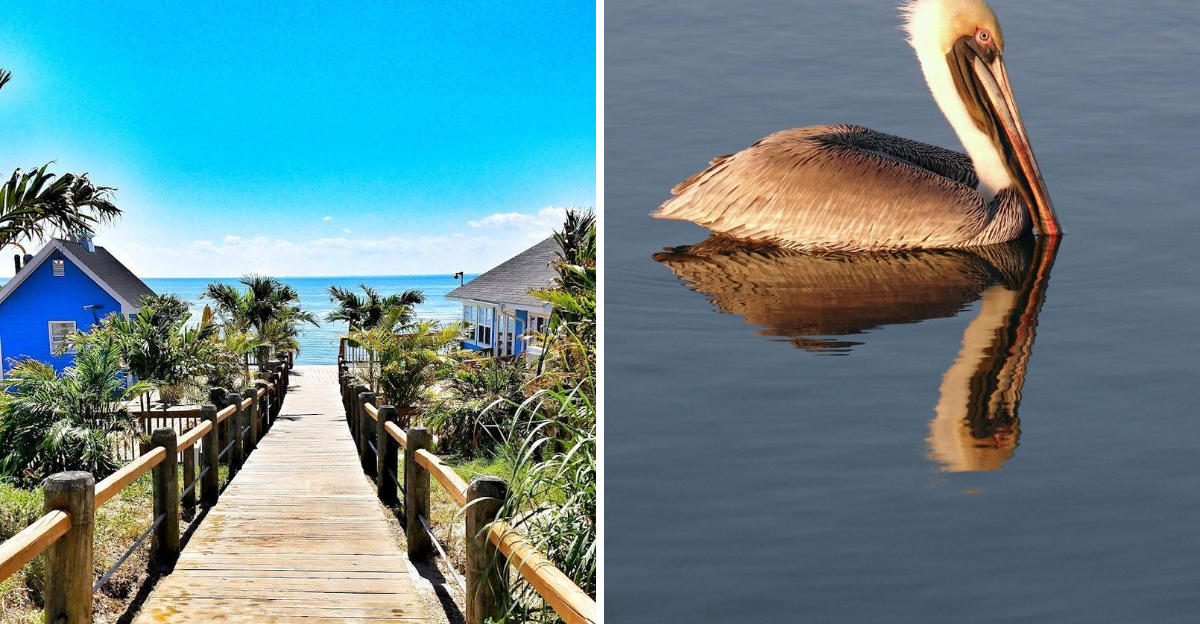
Some places just stop you in your tracks, and the southern tip of Virginia’s Delmarva Peninsula is absolutely one of them. Imagine standing at the edge of a salt marsh as thousands of songbirds swirl overhead during fall migration, monarchs drift past like tiny stained-glass windows, and a saw-whet owl blinks at you from a low branch.
This stretch of Virginia coastline is one of the most ecologically important bird migration corridors on the entire East Coast, yet it flies under most travelers’ radars. I spent time exploring every trail, observation deck, and tidal flat here, and I can tell you honestly: this place will rewire your brain.
Is this Virginia’s most underrated natural treasure, or do locals already know something the rest of us are missing? Drop your take in the comments below.
A Migration Spectacle Like No Other
Every autumn, something almost cinematic happens at the Eastern Shore of Virginia National Wildlife Refuge. Millions of songbirds funnel down the Delmarva Peninsula, hit the water’s edge, and pile up here in jaw-dropping concentrations before crossing the Chesapeake Bay.
Standing on the observation platform during peak migration feels less like birdwatching and more like witnessing a living river of wings.
The refuge sits at a geographic bottleneck. Birds traveling south along the Atlantic Flyway have nowhere left to go but this narrow strip of land before the open bay.
That geographical quirk transforms the refuge into one of the most electric birding hotspots in all of Virginia, drawing sharp-shinned hawks, merlins, peregrine falcons, and warblers in numbers that defy easy description.
Monarch butterflies join the spectacle, drifting through in orange clouds on their own southward journey. The layering of species, insects, raptors, and songbirds all sharing the same narrow corridor creates an experience that feels genuinely once-in-a-lifetime.
Pack your binoculars, set your alarm early, and position yourself on the platform before sunrise for the full sensory overload.
Over 400 Bird Species Recorded Here
Four hundred species. Let that number sink in for a moment.
The Eastern Shore of Virginia National Wildlife Refuge has logged more bird species than most people will see in a lifetime of dedicated birding. From secretive rails hiding in the marsh grass to dramatic ospreys plunge-diving into the ponds, the variety here is genuinely staggering.
Regulars at the refuge include American woodcock, great blue herons, dunlins, semipalmated sandpipers, and the endearingly round-faced saw-whet owl. During summer, osprey nests dot the landscape like little penthouse apartments, and the birds are remarkably tolerant of observers.
Raptors steal the show in fall, with thousands of broad-winged hawks and Cooper’s hawks streaming through on clear northwest wind days.
The diversity of habitats is the secret weapon. Freshwater ponds, salt marshes, maritime shrub thickets, and open grasslands all sit within a compact area, giving wildly different species exactly what they need.
Serious listers travel from across Virginia and beyond specifically to add rare shorebirds or vagrant warblers to their checklists. Casual observers, meanwhile, are perfectly happy just gaping at the osprey.
The Butterfly Trail and Wildlife Trail
Lacing up your boots and hitting the Butterfly Trail at Eastern Shore of Virginia National Wildlife Refuge is one of those simple pleasures that quietly becomes the highlight of your entire trip. The trail winds through maritime shrub thicket and open grassland, two habitat types that absolutely teem with life during migration season.
Monarch butterflies drift lazily across the path in fall, which gives the trail its very fitting name.
The Wildlife Trail offers a complementary experience, looping through a different mix of habitats and providing access to freshwater pond edges where shorebirds and wading birds congregate. Both trails are relatively short and flat, making them genuinely accessible for all fitness levels.
Kids especially love the immediacy of the wildlife encounters here since animals are not shy.
Interpretive signage along both routes adds educational depth without overwhelming the experience. You learn about the ecological roles of each habitat type, the species that depend on them, and the conservation history of this corner of Virginia.
Morning hours on both trails produce the most activity, particularly during spring and fall migration windows. Bring a field guide and prepare to flip through it constantly.
The Visitor Center and Indoor Wildlife Observation Deck
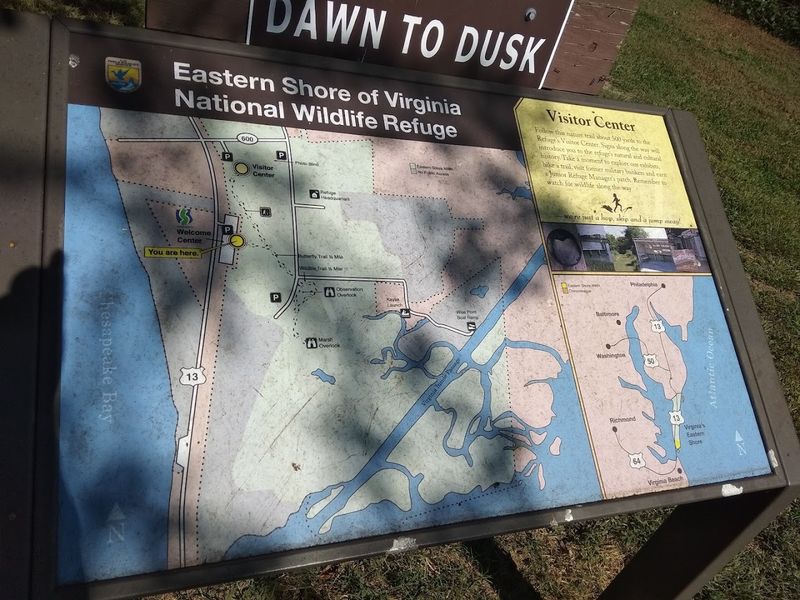
Not every wildlife refuge visitor center makes you want to linger, but the one at Eastern Shore of Virginia National Wildlife Refuge genuinely does. The indoor wildlife observation deck alone is worth the stop.
Positioned to overlook a productive pond and surrounding marsh, it lets you scan for herons, egrets, and shorebirds in air-conditioned comfort, which feels like a revelation on a hot Virginia summer afternoon.
Interactive exhibits inside explain the refuge’s ecological significance in clear, engaging language. The migration corridor concept, the habitat types, and the life cycles of key species are all covered in ways that click even for younger visitors.
Staff are knowledgeable and enthusiastic without being preachy, and the free maps they provide are genuinely useful on the trails.
The center operates on a Friday through Sunday schedule, so plan your visit accordingly. Arriving at opening time gives you the best chance of catching active wildlife on the observation deck before midday heat quiets things down.
The bookshop inside stocks a solid selection of regional field guides and nature books, and picking up a copy of a local birding checklist before heading out is a smart move.
Fisherman Island National Wildlife Refuge Tours
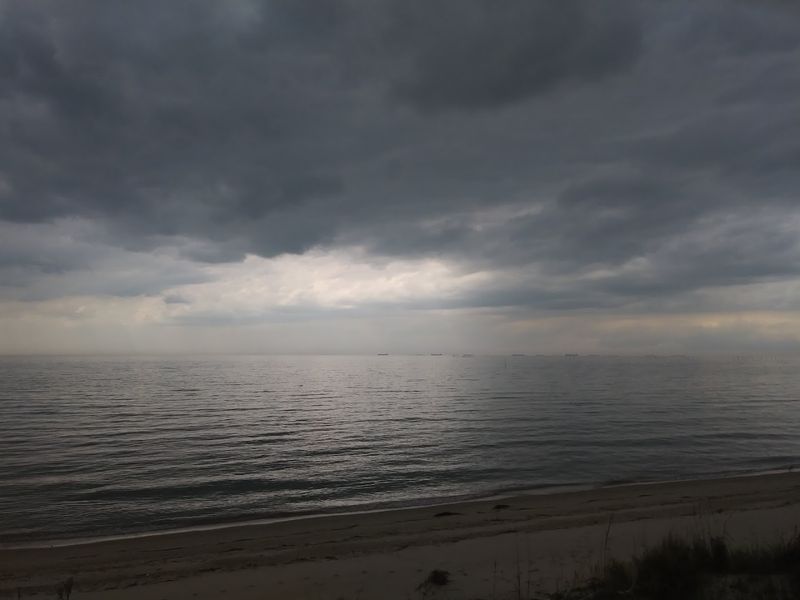
Just off the southern tip of the Delmarva Peninsula, Fisherman Island is one of those places that feels like it exists outside of normal time. Accessible only by guided tour through Eastern Shore of Virginia National Wildlife Refuge, the island is closed to the general public, which gives it a rare, almost otherworldly atmosphere.
Stepping onto it feels like being let in on a very well-kept secret.
Tours run every Saturday from October through February, and advance registration is absolutely required. The island hosts enormous concentrations of migrating and wintering birds, including impressive numbers of Northern gannets, sea ducks, and loons visible from the shoreline.
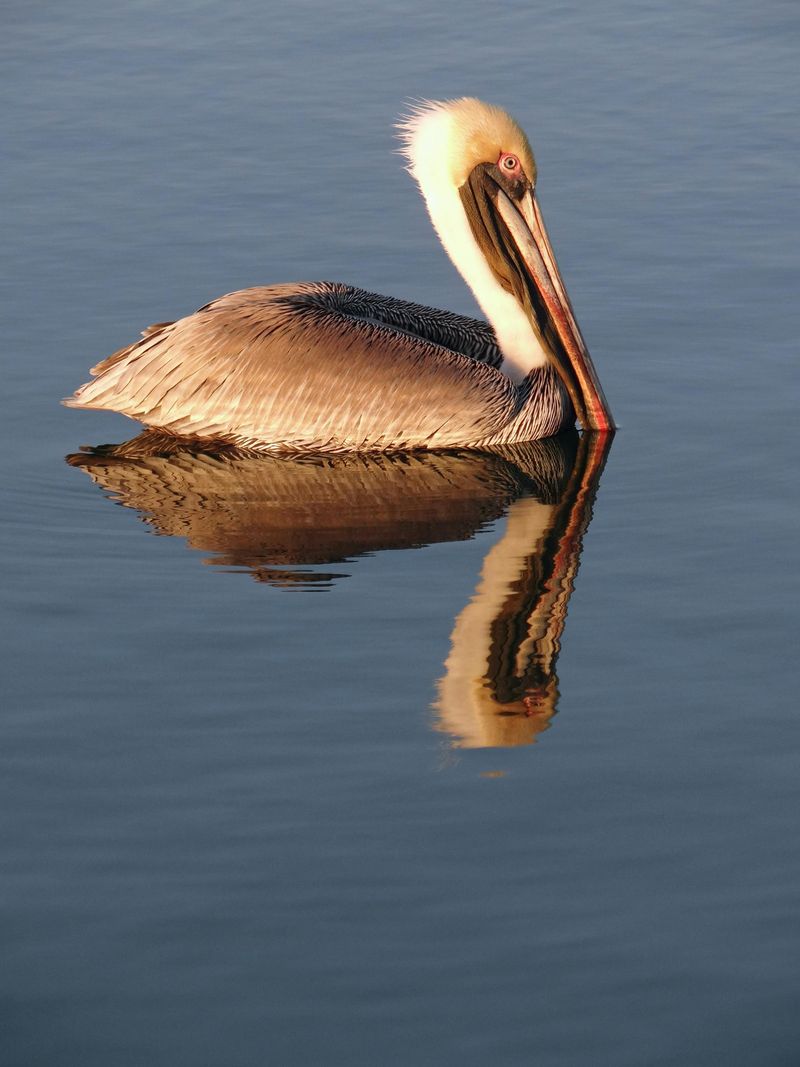
Brown pelicans, which have made a remarkable comeback along the Virginia coast, gather here in notable numbers during the warmer months.
The island itself has a fascinating ecological and historical backstory, with old military infrastructure slowly being reclaimed by dune grass and nesting birds. Guided naturalists on the tours are extraordinarily well-informed and patient with questions.
If your schedule allows only one special experience during a trip to this corner of Virginia, securing a spot on a Fisherman Island tour is the move to make.
Winslow Battery: Where History Meets Habitat
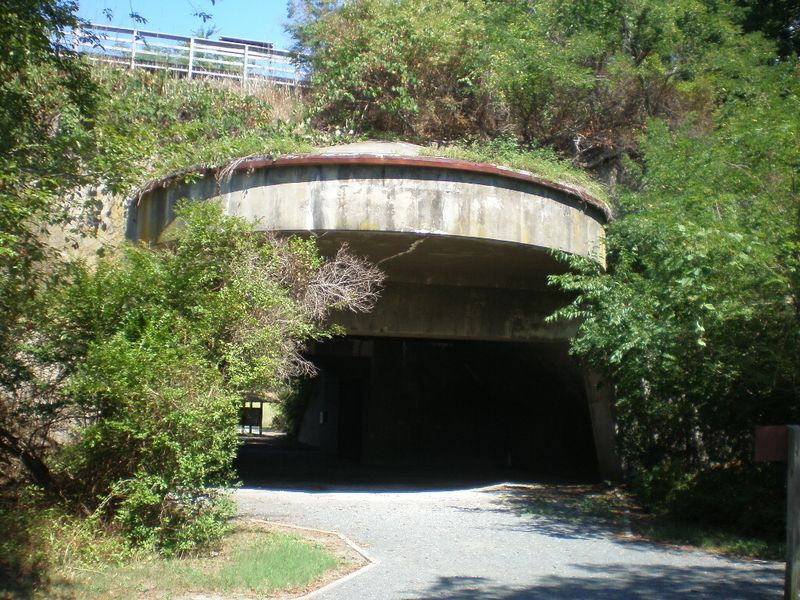
Most wildlife refuges offer nature. Eastern Shore of Virginia National Wildlife Refuge also offers a slice of American military history that most people walk right past without realizing what they are looking at.
The Winslow Battery, a Civil War-era earthwork fortification, sits within the refuge and can be explored on foot via the trail system. History buffs and nature lovers can genuinely satisfy both appetites on the same afternoon.
The battery was constructed to guard the entrance to the Chesapeake Bay during the Civil War, and its earthen ramparts are surprisingly well-preserved. Standing on them today, with salt marsh stretching out in every direction and osprey circling overhead, produces a peculiar and powerful sensation of time collapsing.
The strategic geography that made this spot militarily critical is exactly the same geography that makes it ecologically critical today.
Interpretive panels at the site provide solid historical context without drowning you in dates and names. The juxtaposition of crumbling military history and thriving wildlife habitat makes for genuinely compelling photography.
Early morning visits to the battery are especially atmospheric when mist rolls off the marsh and the light turns everything golden. Virginia’s layered history reveals itself in unexpected places.
Salt Marshes, Freshwater Ponds, and Coastal Habitats
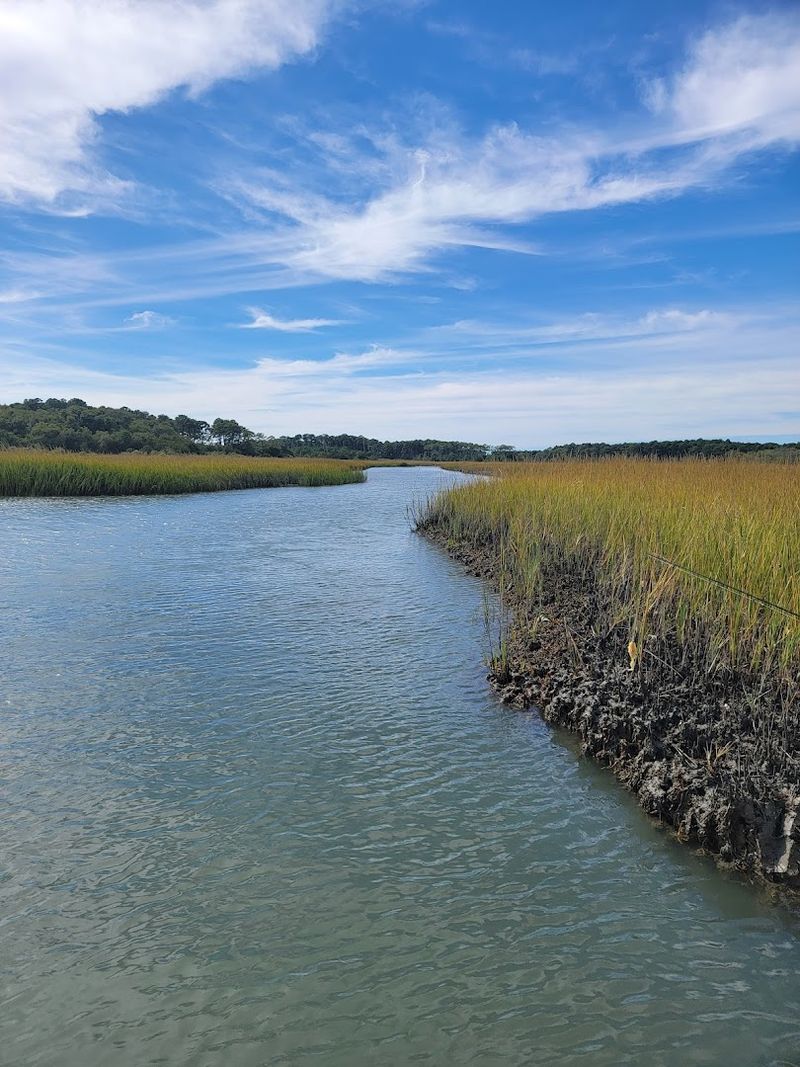
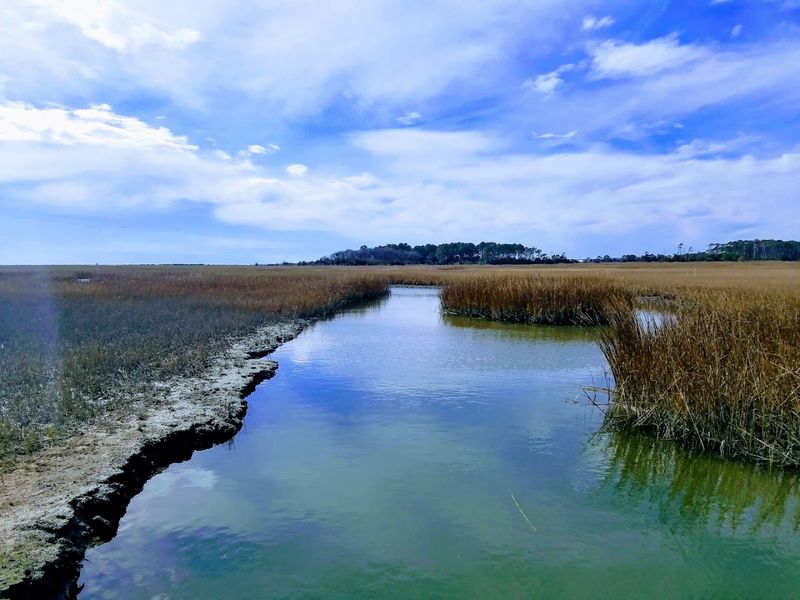
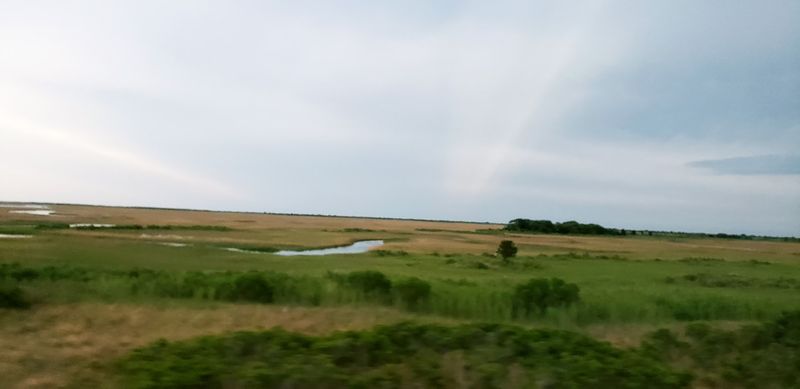
The habitat diversity packed into the Eastern Shore of Virginia National Wildlife Refuge is genuinely remarkable for a relatively compact area. Salt marshes fringe the tidal edges, their cordgrass swaying in the sea breeze and providing critical nursery habitat for fish, crabs, and the shorebirds that feast on them.
Freshwater ponds sit just inland, drawing a completely different cast of species throughout the year.
Maritime shrub thickets of wax myrtle and bayberry create dense cover that migrating songbirds absolutely pile into during fall. These shrubby tangles look unremarkable at first glance, but push your way to a good vantage point during October migration and you will find them dripping with warblers, thrushes, and sparrows refueling for the bay crossing ahead.
Grassland areas add yet another layer, attracting American kestrels and short-eared owls.
The ecological connectivity between all these habitats is what makes the refuge function as such a powerful wildlife magnet. Each zone feeds into the next, supporting food webs and migration strategies that have evolved over thousands of years.
Conservation managers work hard to maintain the balance among habitat types, and the results speak for themselves every single fall when the migration hits its peak.
Fishing and Boating Opportunities
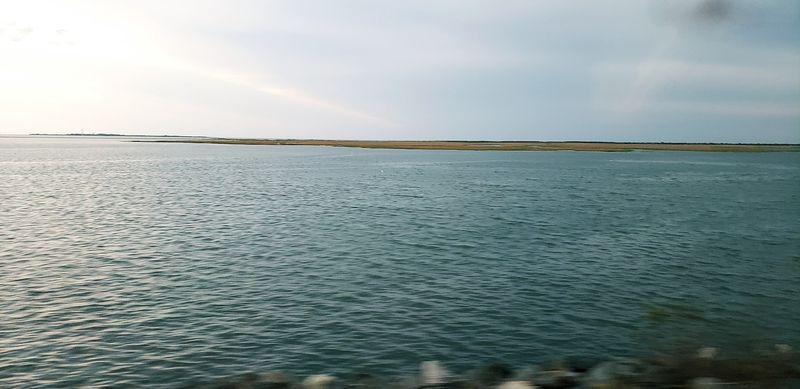
Birding is the headline act at Eastern Shore of Virginia National Wildlife Refuge, but the refuge also delivers for anglers and paddlers who know where to look. The tidal creeks and ponds within the refuge hold healthy populations of flounder, striped bass, and blue crabs, and fishing is permitted in designated areas.
Casting a line here with herons working the shallows nearby is a particular kind of peaceful that is hard to replicate elsewhere.
Boating access opens up sections of the refuge that are simply unreachable on foot, including stretches of salt marsh creek that feel utterly remote despite being just minutes from the main entrance. Kayakers and canoeists find these waterways especially rewarding during early morning hours when wildlife activity peaks and the water surface is glassy and calm.
Virginia’s coastal regulations apply throughout the refuge, so checking current rules before launching is always smart. The refuge’s proximity to the Chesapeake Bay Bridge-Tunnel also means that pelagic species come surprisingly close to shore during certain seasons, giving boat-based anglers and birders the chance to spot gannets, scoters, and even the occasional jaeger.
Paddling a marsh creek at dawn here is one of those experiences that quietly becomes a core memory.
Monarch Butterflies and the Fall Migration Convergence
Fall migration at Eastern Shore of Virginia National Wildlife Refuge is not just a bird show. Every autumn, monarch butterflies join the southward flow in numbers that can genuinely take your breath away.
They cluster on the bayberry and goldenrod at the refuge’s southern tip, fueling up on nectar before attempting the crossing of the Chesapeake Bay, much like the birds sharing their migration corridor.
Peak monarch numbers typically occur in late September and early October, and the sight of hundreds of orange-and-black wings flickering across the shrub thicket in afternoon sunlight is one of the most visually stunning natural spectacles in all of Virginia. The butterflies are surprisingly approachable during warm, calm days when they concentrate on flowering plants in large numbers.
The convergence of monarch butterflies, migratory songbirds, and streaming raptors all happening simultaneously during the same October window is what elevates this refuge from merely excellent to genuinely extraordinary. Nature photographers travel significant distances specifically to capture this layered migration event.
Timing your visit to coincide with a clear day following a cold front maximizes the chances of witnessing peak activity across all three groups at once. Set a calendar reminder now.
Planning Your Visit to Cape Charles, Virginia
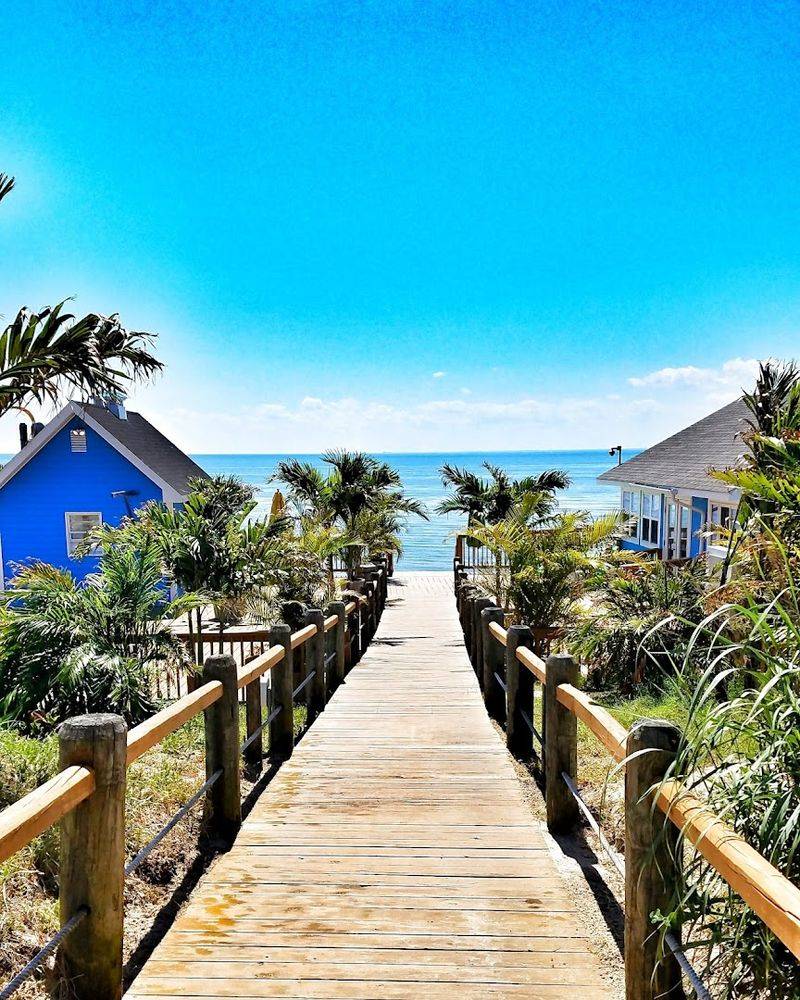
Getting to the Eastern Shore of Virginia National Wildlife Refuge is part of the adventure. The refuge sits at 32205 Seaside Road, Cape Charles, VA 23310, right at the southern tip of the Delmarva Peninsula.
Arriving via the scenic Route 13 corridor through the Eastern Shore gives you a taste of the flat, wide-sky agricultural landscape that defines this part of Virginia before the refuge’s coastal habitats announce themselves dramatically.
The nearby town of Cape Charles is a genuinely charming base for a multi-day visit. Its walkable historic district, waterfront park, and small-town energy make it a satisfying place to decompress after long days on the trails.
The refuge itself is free to enter, with the visitor center open Fridays through Sundays during its regular season.
Fall is the undisputed prime season, but spring migration brings its own rewards, and winter offers excellent waterfowl and raptor viewing for those willing to brave the cold. Pack layers regardless of the season since the exposed coastal terrain channels wind in ways that surprise even experienced outdoor visitors.
Contact the refuge at 757-331-2760 for current conditions and tour availability. Now, seriously, go pack your bags and point the car toward Virginia’s coast.
Dear Reader: This page may contain affiliate links which may earn a commission if you click through and make a purchase. Our independent journalism is not influenced by any advertiser or commercial initiative unless it is clearly marked as sponsored content. As travel products change, please be sure to reconfirm all details and stay up to date with current events to ensure a safe and successful trip.
