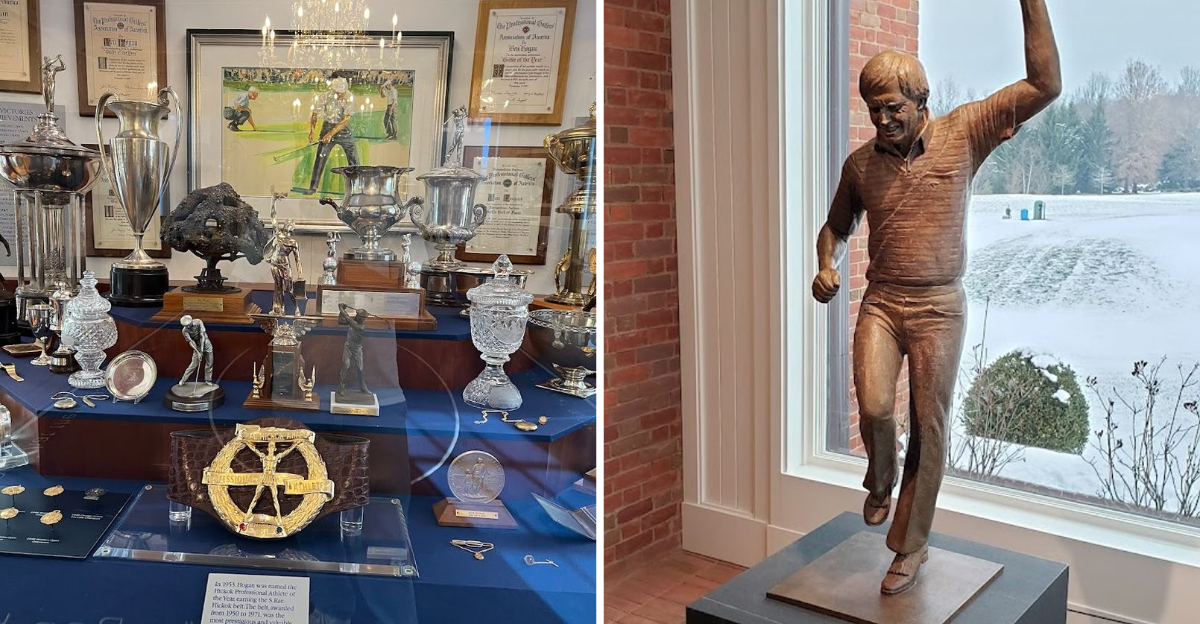
Golf may be the only sport where a museum can brag about having more clubs than a nightclub.
Step inside and you’ll find yourself surrounded by golf’s greatest treasures, from antique clubs to championship trophies.
Ever wondered what Tiger’s predecessors swung before titanium drivers?
Here’s your chance to see the evolution of the game up close.
Think golf is just about the green? This place proves it’s also about history, drama, and stories etched in every artifact.
Whether you’re a fan or just curious, this museum is where golf’s legends live on, no tee time required.
America’s Oldest Sports Museum and Its Remarkable Origins

Few places carry a legacy as layered and rich as this one. Established in 1936, the USGA Golf Museum and Library holds the title of the nation’s oldest sports museum, a distinction that immediately sets the tone the moment you arrive.
The building itself feels purposeful, standing quietly in the rolling New Jersey landscape as if it has always belonged there. Getting here from Interstate 287 takes a little navigating, but that only adds to the sense of discovery once you finally pull up.
The museum’s core mission has stayed steady for nearly nine decades: preserve and celebrate the history of golf, and share that history with the world through education and outreach. That commitment shows in every corner of every gallery.
You get the feeling that every artifact was chosen with real care, not just collected randomly. This place is the foundation of golf history in America, and visiting it feels less like a museum trip and more like a genuine pilgrimage worth every mile of the drive.
The Staggering Size of the Collection Inside
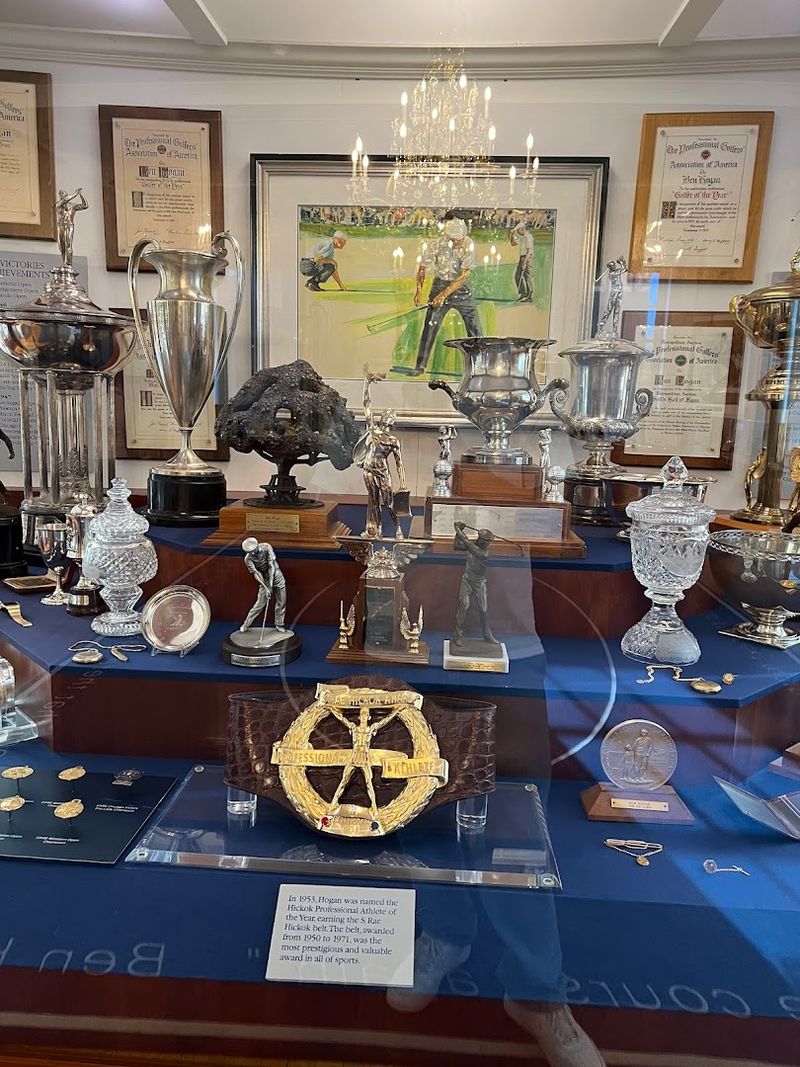
Walking through the first gallery, the sheer scale of what has been gathered here becomes clear very quickly. Over 70,000 cataloged artifacts, 750,000 photographs, 100,000 library items, and 200,000 hours of footage all live under one roof.
That is not a collection, that is a universe. Each display case holds something that stops you mid-step, whether it is a worn leather golf bag from the early 1900s or a crystal trophy engraved with names you recognize instantly.
The layout moves chronologically, which makes it easy to follow the evolution of the game from the late 19th century right up to modern championships. Nothing feels random or rushed.
Every exhibit connects to the next in a way that keeps you moving forward with genuine curiosity rather than obligation. Spending at least two hours here is honestly a minimum recommendation, and three hours feels far more satisfying if you want to actually absorb what is on offer.
Plan accordingly and leave yourself room to linger.
Bob Jones’ Legendary Putter Calamity Jane II
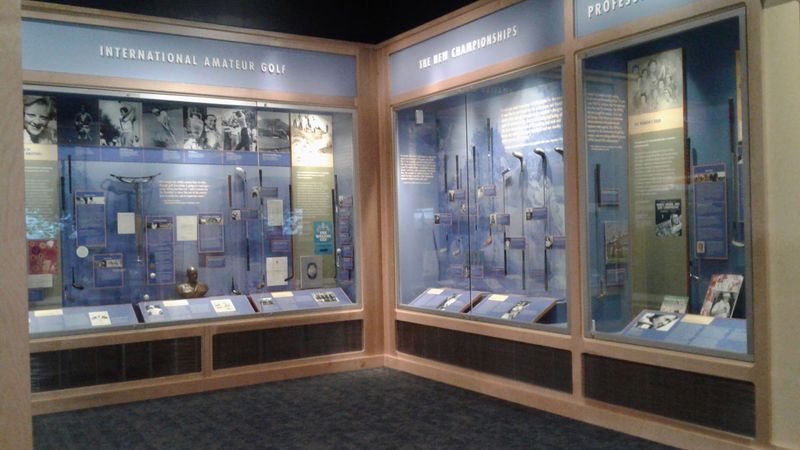
There is something almost electric about standing inches away from an object that changed the outcome of major championships.
Bob Jones’ putter, known as Calamity Jane II, sits in its display case with the quiet confidence of something that has already proven itself.
Jones used this club during some of the most celebrated rounds in golf history, and the wear on the grip tells a story no placard could fully capture. It looks modest, almost unremarkable at first glance, which somehow makes it even more compelling.
For anyone who has ever read about the Grand Slam or followed the mythology of amateur golf, seeing this putter in person delivers a genuinely goosebump-worthy moment. The Bobby Jones gallery surrounding it deepens the experience considerably, filling in the human story behind the hardware.
Photographs, personal items, and video footage round out the portrait of a man who transformed what was possible in the sport. This single exhibit alone justifies the trip for serious golf fans.
Ben Hogan’s 1-Iron from the 1950 U.S. Open
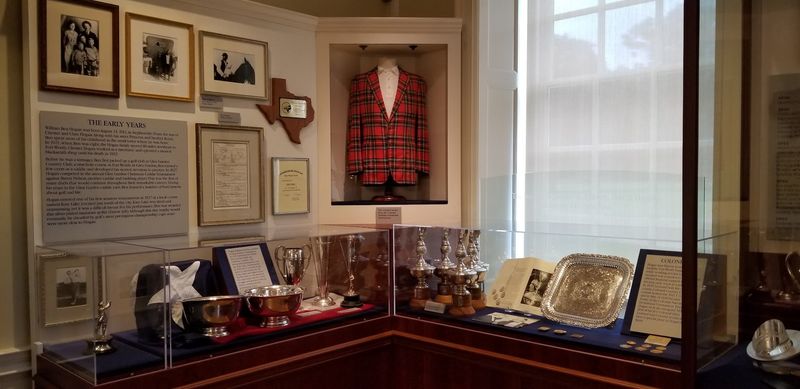
Ben Hogan’s 1-iron is not just a golf club. It is a symbol of one of the most dramatic comebacks in sports history, and holding that context in mind while standing before it makes the moment genuinely powerful.
Hogan used this specific club during the 1950 U.S. Open at Merion, just 16 months after surviving a near-fatal car accident that doctors thought might end both his walking and his career.
The fact that he not only returned but won is already extraordinary. Seeing the actual tool he used to do it is something else entirely.
The Ben Hogan gallery surrounding this artifact does excellent work building the full picture of his career, personality, and legacy. Video clips from his competitive years play nearby, giving the displays a living, breathing quality rather than a static museum feel.
If you have even a passing familiarity with Hogan’s story, this room will hit harder than you expect. It is one of those rare museum moments that lingers long after you leave.
The Actual Moon Club Used on the Apollo 14 Mission
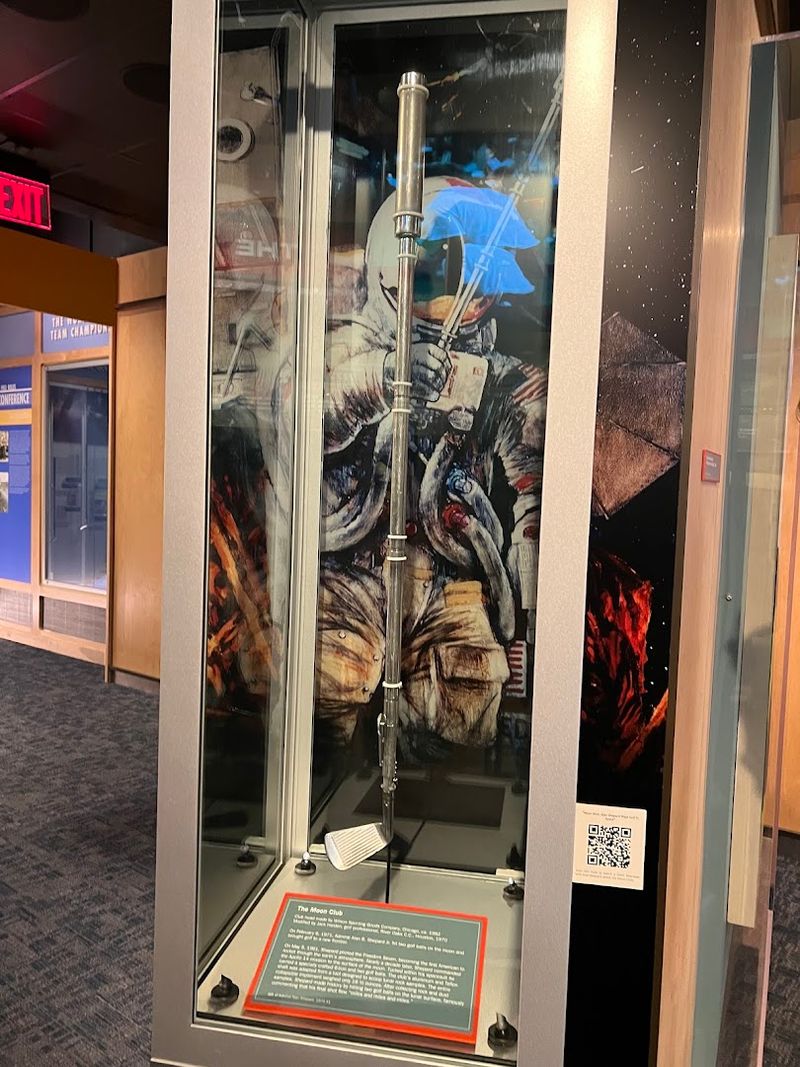
Somewhere between golf history and actual human history sits one of the most wonderfully strange artifacts in any museum anywhere.
The Moon Club, used by astronaut Alan Shepard during the Apollo 14 mission in 1971, is real, it is here, and it is absolutely mind-bending.
Shepard famously attached a 6-iron head to a sample collection tool and hit two golf balls on the lunar surface, declaring one went for miles and miles. Whether that was entirely accurate is debatable, but the fact that golf reached the Moon before most countries reached major championships is not.
Seeing the actual club in person creates this strange overlap of childhood wonder and adult appreciation for how wild and creative humans can be. The display around it provides context from the mission itself, tying the artifact to both golf and space exploration in a way that feels genuinely exciting rather than gimmicky.
Kids and adults alike tend to stop longest at this case, and honestly, that reaction makes complete sense. It is just that cool.
The Hall of Champions Trophy Room
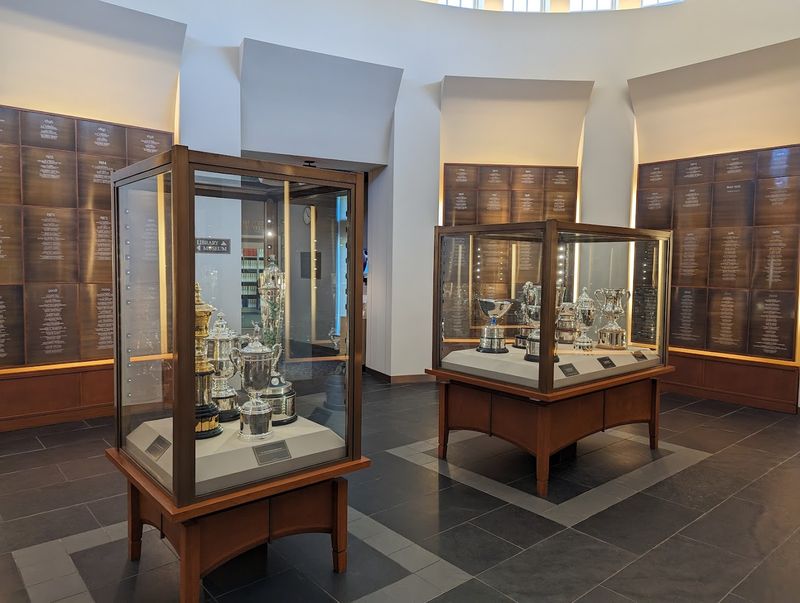
Walking into the Hall of Champions feels like stepping into a cathedral dedicated entirely to excellence. The oval rotunda is designed to impress, and it absolutely delivers on that promise from the first step inside.
Massive trophy cases display the actual hardware from USGA championships spanning both professional and amateur competitions, some going all the way back to the 1800s. Bronze wall panels list winners across decades, and scanning those names feels like reading a who’s who of golf greatness.
The visual impact of so many real trophies gathered in one space is hard to describe without overselling it, but the room genuinely stops people mid-conversation. There is a reverence to it that sneaks up on you.
Beyond the trophies themselves, the surrounding details reward close attention: the engraving work, the different eras of design, the sheer variety of shapes and sizes across different championships. Plan to spend real time here.
Rushing through this room would be like speed-reading your favorite novel and calling it done. Slow down and take it all in.
The Pynes Putting Course Experience
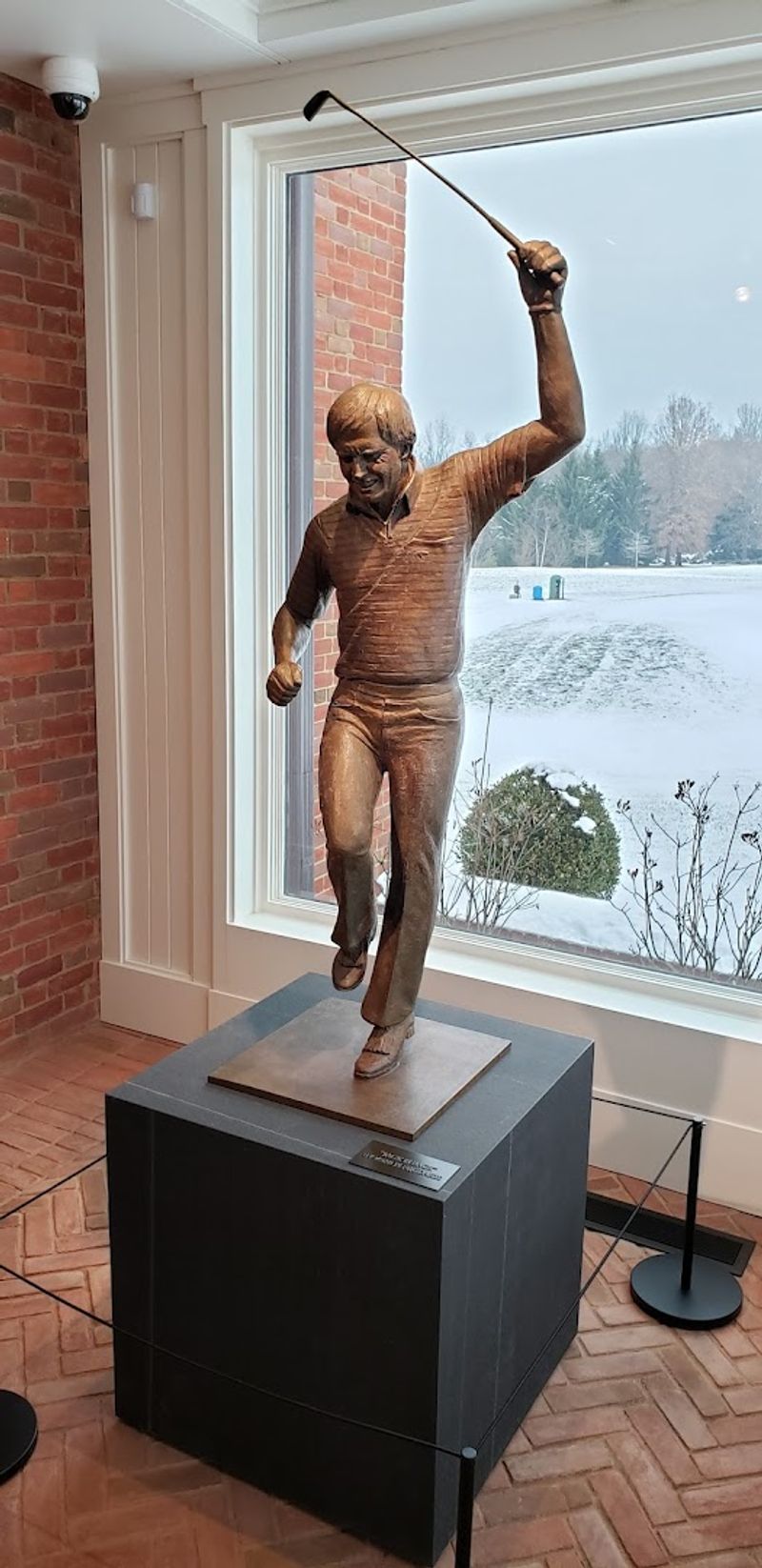
After spending hours inside absorbing history, stepping outside onto the Pynes Putting Course feels like the perfect exhale.
This is no ordinary putting green, it stretches across 16,000 square feet and draws its inspiration directly from the famous Himalayas putting course in St. Andrews, Scotland.
The undulations are serious enough to humble even confident putters, which makes it genuinely fun rather than just decorative. Playing here with old-style putters adds a layer of charm that connects the activity back to the history you just finished exploring inside.
For families, this is a fantastic way to wrap up the visit with some friendly competition and fresh air. For serious golfers, it is a chance to test touch and feel on a surface that rewards patience and creativity over raw power.
The additional fee to use the course is modest and well worth it. There is something deeply satisfying about finishing a museum visit by actually playing a version of the game you just learned so much about.
It turns a great afternoon into a complete one.
Interactive Displays and Audiovisual Exhibits Throughout
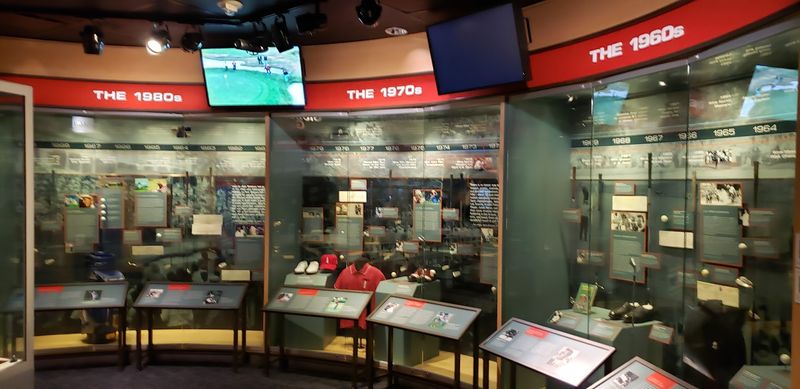
Static displays are fine, but the USGA Golf Museum clearly understood that the best way to tell a living story is to make the experience active. Interactive exhibits and audiovisual presentations are woven throughout the entire building, not just tucked into one corner.
Video footage of legendary rounds plays near the corresponding artifacts, so you can look at Ben Hogan’s 1-iron and then immediately watch archive clips of him swinging it.
That combination of object and motion creates a depth of understanding that reading alone cannot achieve.
The interactive golf course design display in the Nicklaus gallery is a standout, but smaller interactive moments appear across multiple rooms, keeping energy levels high even after several hours of walking.
Kids especially respond to these elements, making the museum genuinely family-friendly rather than just technically accessible.
The audiovisual quality throughout is excellent, with clear sound and sharp visuals that feel current without clashing against the historical setting. It is a careful balance, and the museum pulls it off with real skill across every gallery.
Planning Your Visit to the USGA Golf Museum and Library

Getting the most out of a visit here starts with a little planning, and the logistics are genuinely straightforward once you know what to expect.
The museum is open Tuesday through Sunday from 10 a.m. to 5 p.m., and closed on Mondays and major holidays, so checking before you head out is always a smart move.
Arriving early gives you the best chance to move through the galleries at your own pace before crowds build up. The lobby gift shop is worth a stop on the way out, stocking golf books, souvenirs, hats, and various memorabilia that make for meaningful keepsakes.
USGA members receive a discount on admission, which is a nice bonus if you already belong. The staff throughout the building are genuinely knowledgeable and happy to point out highlights you might otherwise walk past.
Allow at least two to three hours for the full experience, and consider adding the putting course to your afternoon if the weather cooperates. This is the kind of place that rewards curiosity and patience in equal measure.
Address: 77 Liberty Corner Rd, Liberty Corner, NJ
