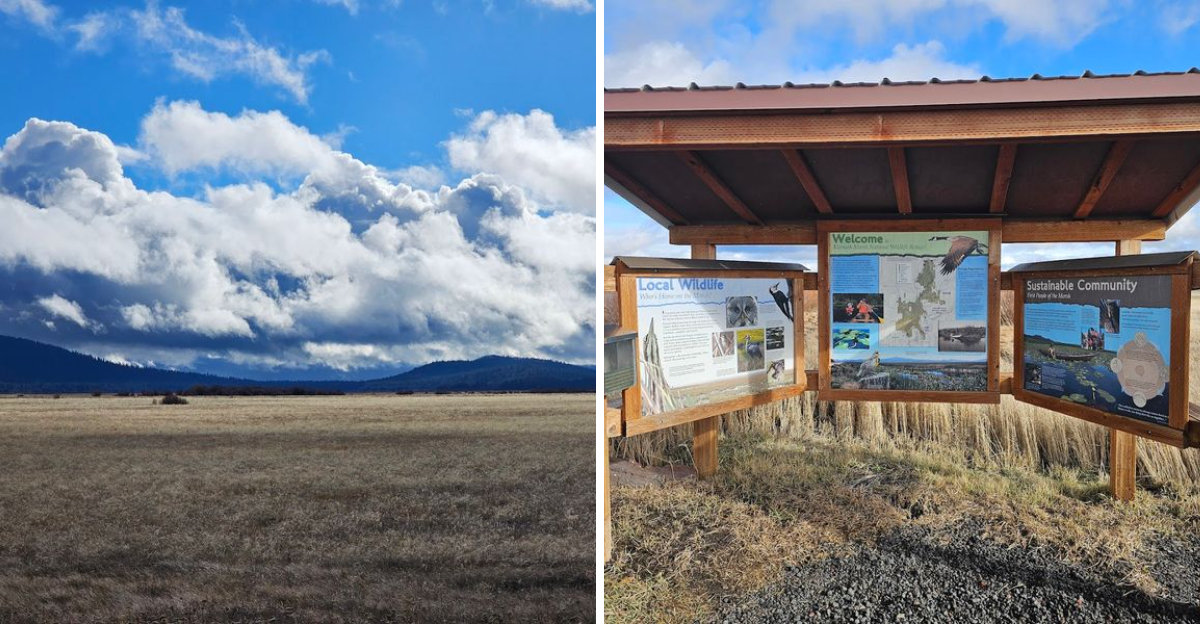
Cars zoom by on the highway while a hidden world sits just out of sight. That is the story of this place.
Oregon has a wetland where thousands of drivers pass every single day without realizing a boardwalk is hiding nearby. The wooden path loops silently through marshes that feel completely untouched.
Herons stand like statues, pretending not to notice you. Ducks paddle in circles, busy with duck business that does not involve you at all.
Frogs call back and forth in a chorus that follows you the whole way. The boardwalk keeps your feet dry while your eyes wander over reeds and open water.
No entry fee, no crowds, no gift shop trying to sell you a plush frog. Just a quiet escape that most people will never know exists.
The Hidden Boardwalk Most Travelers Never Find
Most people zoom right past this spot without a second thought. The boardwalk at Klamath Marsh National Wildlife Refuge is one of those quiet discoveries that feels almost too good to keep to yourself.
It sits near the refuge headquarters off Silver Lake Road, easy to miss if you are not looking for it.
The planks extend out over the marshy water, giving you a front-row view of the wetland ecosystem below. You can spot water insects, aquatic plants, and sometimes a heron standing perfectly still just a few feet away.
It does not take long to walk, but it rewards you with details you would never catch from a car window.
No crowds, no noise, just the creak of wood underfoot and the sounds of the marsh. Bring a camera and take your time.
This boardwalk is the kind of place that reminds you why slowing down on a road trip is always worth it. Address: Chiloquin, OR 97624.
Bald Eagles That Rule the Sky Here
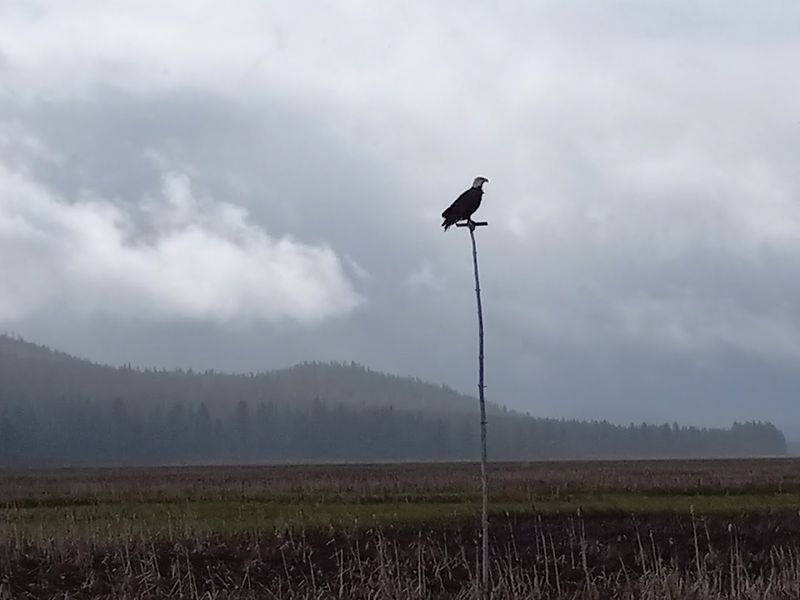
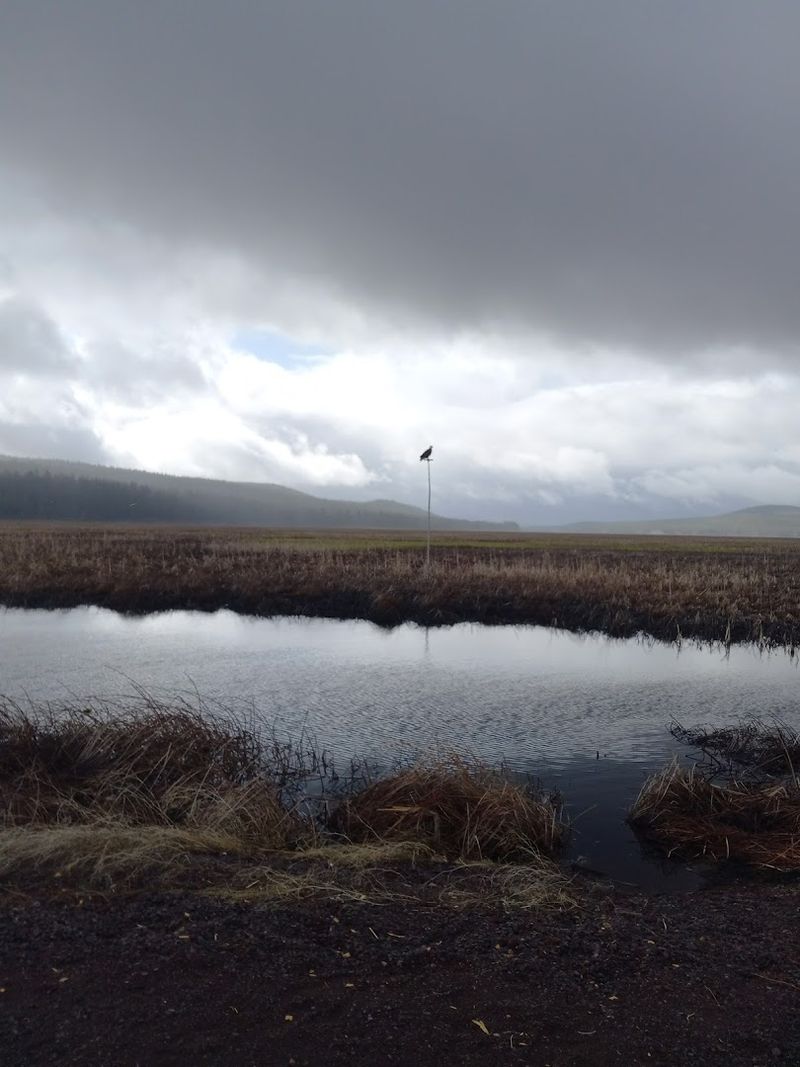
Few things stop you cold quite like a bald eagle gliding just above the waterline. At Klamath Marsh, eagle sightings are genuinely common, especially during winter and early spring when the birds congregate around the open water and surrounding ponderosa pines.
Visitors have reported photographing several eagles in a single morning along Silver Lake Road. The marsh provides excellent hunting ground.
Fish, waterfowl, and small mammals are all fair game for these powerful birds.
Bring binoculars and scan the tall snags along the tree line. Eagles love perching up high where they can survey the whole marsh.
Early morning is the best time to catch them active and hunting. The light is softer then too, which makes for much better photos.
Watching a bald eagle drop into a dive over still water is the kind of moment that stays with you long after you have driven home. This place delivers that experience with surprising regularity.
Silver Lake Road and the Views Along It
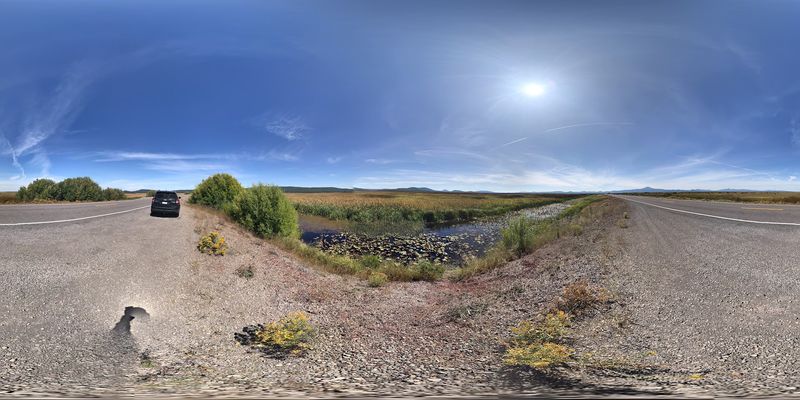
Silver Lake Road is the main paved route that crosses the heart of the refuge, and the drive itself is worth the detour. The road cuts right through the wetland, giving you unobstructed views of open water, marsh grass, and wildlife on both sides.
It feels like driving through a nature documentary.
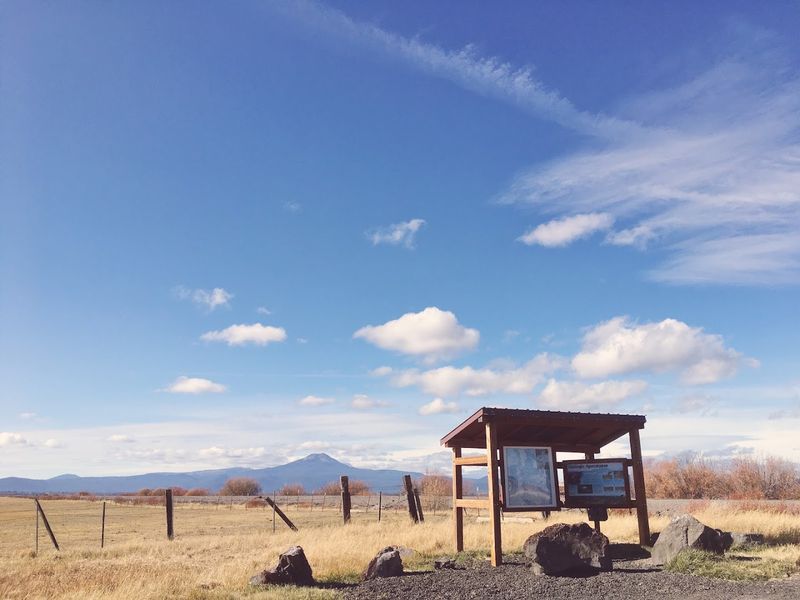
Maps are posted at several points along the road, so you can orient yourself easily. Pull over whenever something catches your eye.
There are no formal parking lots along most of the route, but the road shoulders are wide enough to stop safely.
In spring, the marsh is at its fullest. Water stretches wide across the basin.
By late summer, parts of it dry out and transform into a different kind of landscape, more golden and open. Both versions are beautiful in their own way.
The shifting character of the marsh through the seasons is one of the things that makes Silver Lake Road feel worth revisiting more than once.
Sandhill Cranes and the Calls You Will Not Forget
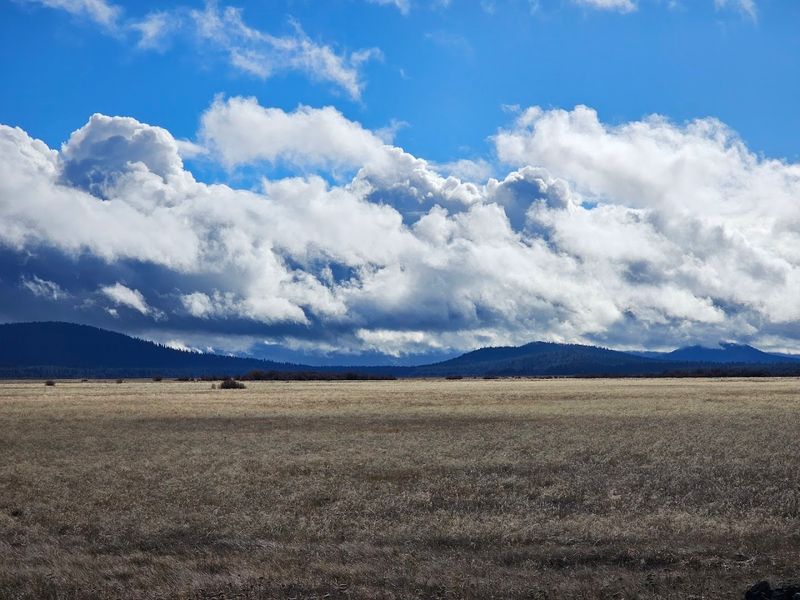
The sound hits you before you even see them. Sandhill cranes have one of the most distinctive calls in North American birdlife, a rolling, rattling bugle that carries across the entire marsh.
Hearing it echo off the open water is genuinely thrilling.
Klamath Marsh serves as important breeding and staging habitat for sandhill cranes during migration. Large flocks gather here during spring and fall.
Spotting dozens of them moving across the sky in loose formations is a sight that feels almost prehistoric.
Look for them wading in the shallower edges of the marsh, especially in early morning. They tend to feed in the grassy areas around the water and are not particularly shy if you stay quiet and move slowly.
A spotting scope helps a lot here. Even without one, the cranes are large enough that you can watch their behavior clearly from a respectful distance.
They are one of the main reasons serious birders make this refuge a priority stop.
Wocus Bay Road for the Adventurous Driver
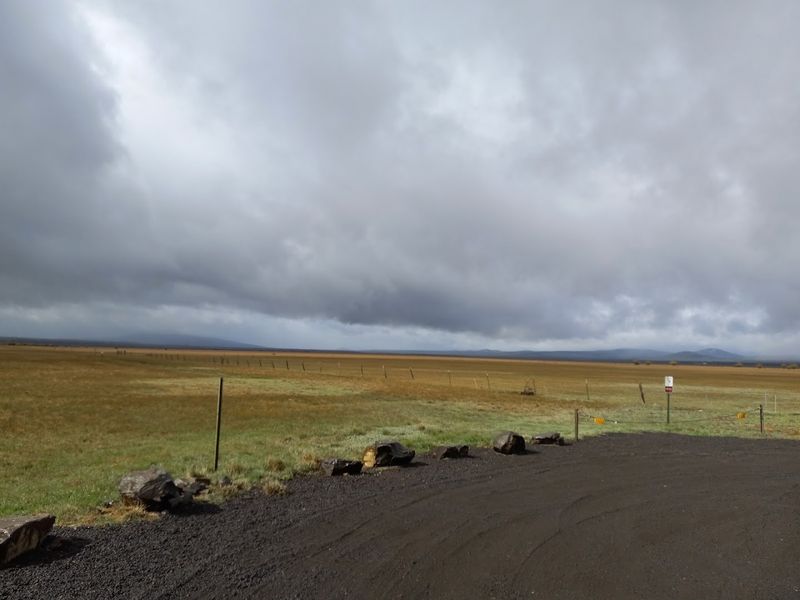
Wocus Bay Road is not for the timid driver. This narrow, unpaved track branches off from Silver Lake Road and pushes into a wilder section of the refuge.
Tree roots and large rocks mark the surface. Bushes press in close on both sides of the trail.
High clearance vehicles are strongly recommended before you attempt it. The road is so tight in places that branches brush both mirrors simultaneously.
There are almost no turnouts, which makes passing another vehicle a genuine puzzle. Go in with a plan and know your exit options.
The payoff is a deeper, quieter section of the marsh that most visitors never reach. Wildlife here feels less disturbed.
The canoe launch at the end of the road opens up paddling access when water levels allow. It is a completely different experience from the main paved route.
If you have a capable vehicle and a taste for solitude, Wocus Bay Road delivers a level of wildness that the main road simply cannot match.
The Small Visitor Center Worth Stopping At
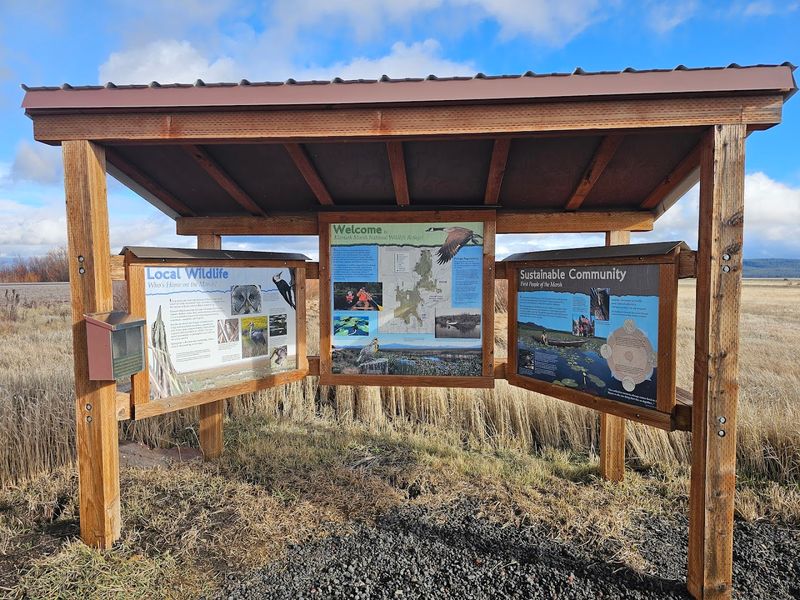
The refuge headquarters includes a small visitor center that is easy to overlook but genuinely useful. Inside, you will find maps, wildlife checklists, and information about the refuge’s ecology and management.
The staff, when present, are friendly and clearly passionate about the place.
Hours can be limited and the center is sometimes unstaffed, especially on weekends. It is worth calling ahead using the refuge phone number before making it your main destination.
That said, even when the building is closed, the posted information outside gives you a solid orientation to the area.
The headquarters area is also where the boardwalk begins, making it a natural first stop before you explore further. Parking is easy and free.
The whole setup feels low-key and unpretentious, which fits the character of the refuge perfectly. There is no gift shop, no admission booth, no fuss.
Just a quiet building in a big landscape, staffed by people who genuinely care about what happens out here in the marsh.
What the Marsh Looks Like Through the Seasons
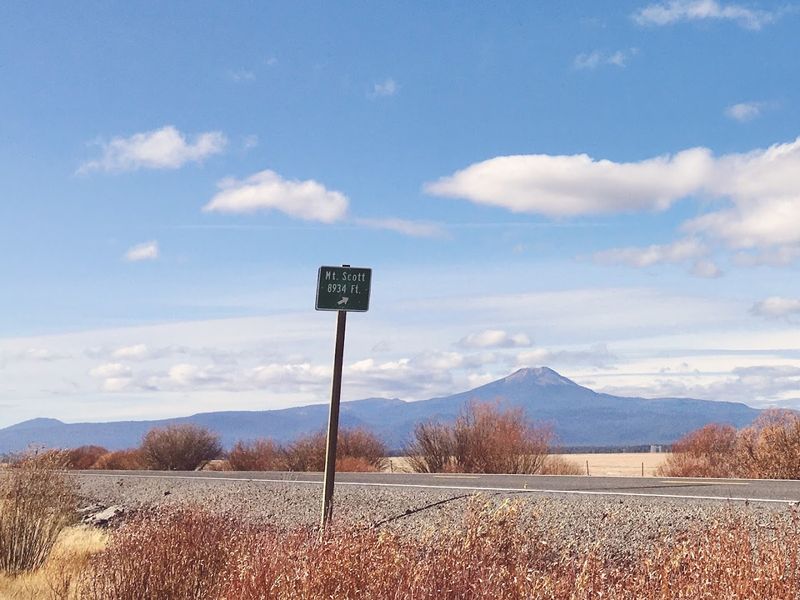
Klamath Marsh does not stay the same for long. Spring brings high water levels fed by snowmelt from the surrounding mountains.
The marsh spreads wide and shallow. Waterfowl arrive in huge numbers, and the whole basin feels alive with movement and noise.
By midsummer, water levels drop noticeably. Exposed mudflats appear along the edges.
Shorebirds move in to take advantage of the newly uncovered ground. The color palette shifts from green and blue to gold and amber as the grasses dry out under the high-altitude sun.
Fall brings migration traffic again. Ducks, geese, and cranes funnel through on their way south.
Winter can be surprisingly productive too, with raptors hunting over the frozen and semi-frozen sections of the marsh. Each season reveals a different character entirely.
Visiting just once gives you only one chapter of the story. The more times you come back, the better you understand how dynamic and constantly changing this wetland ecosystem actually is.
Wildlife Diversity Beyond the Birds
Birds get most of the attention here, and fairly so. But the refuge supports a much wider cast of wildlife than most first-time visitors expect.
Mule deer move through the marsh edges at dawn and dusk. Muskrats paddle quietly through the channels.
River otters occasionally appear near deeper water sections.
Pronghorn have been spotted in the drier upland areas surrounding the refuge. Coyotes are common and often visible in open areas, especially in the early morning hours.
The mix of wetland, upland meadow, and ponderosa pine forest creates layered habitat that supports an impressive variety of species.
Pay attention to the smaller things too. Dragonflies hover over the water surface in summer.
Painted turtles bask on logs near the boardwalk. The marsh is a full ecosystem, not just a backdrop for bird photography.
Slowing down and sitting quietly for even fifteen minutes reveals a whole world of activity that rushing visitors completely miss. Patience is genuinely the best tool you can bring here.
How the Klamath Basin Fits the Bigger Picture
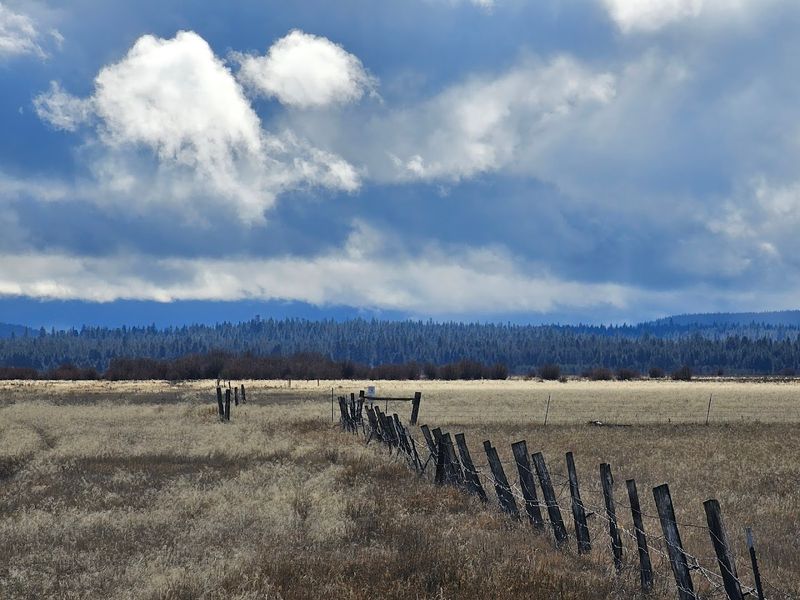
Klamath Marsh does not exist in isolation. It is one piece of a much larger wetland system spread across the Klamath Basin, one of the most important migratory bird corridors in the entire western United States.
The Pacific Flyway funnels millions of birds through this region every year.
Other refuges in the area include Lower Klamath and Tule Lake, both located south of Klamath Falls. Together, these wetlands form a connected network of habitat that supports species from waterfowl to shorebirds to raptors.
Klamath Marsh sits at the northern end of this system, providing critical breeding and resting habitat.
Understanding this bigger picture changes how you experience the refuge. You are not just looking at a pretty wetland.
You are standing inside one of the most ecologically significant landscapes in the American West. That context adds weight to every bird you see and every quiet moment you spend out here.
It is a good reminder that wild places rarely make sense in isolation.
Tips for Planning Your Visit to Klamath Marsh
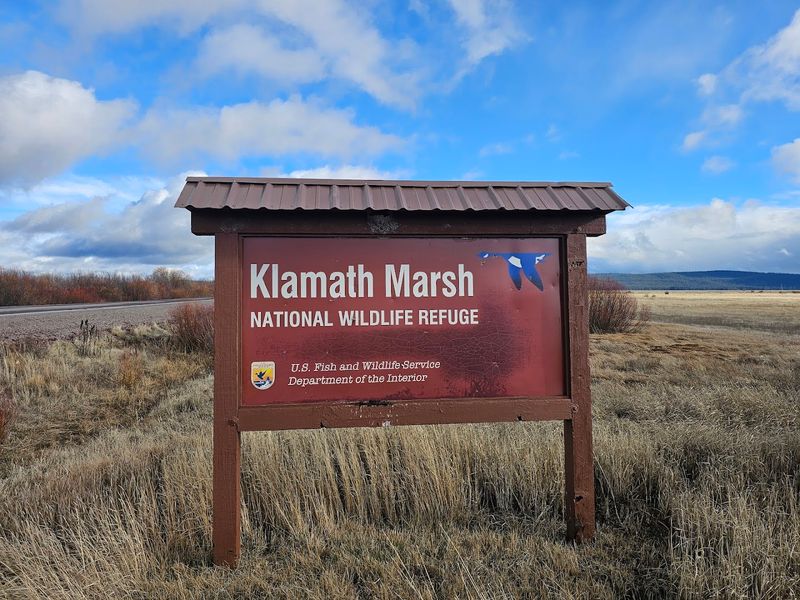
Getting the most out of Klamath Marsh takes a little planning. The refuge is open year-round, but facilities are minimal.
There are no restrooms along the main roads, so plan accordingly before you leave the highway. Cell service in the area is limited, so download offline maps before you arrive.
Bring sturdy footwear if you plan to walk beyond the boardwalk. The ground near the marsh edges can be soft and muddy, especially in spring.
Bug repellent is a smart addition to your kit during summer months when mosquitoes are active near standing water.
Morning visits are almost always better for wildlife. Animals are most active in the first two hours after sunrise.
A spotting scope or quality binoculars make a significant difference in what you can see and enjoy.
