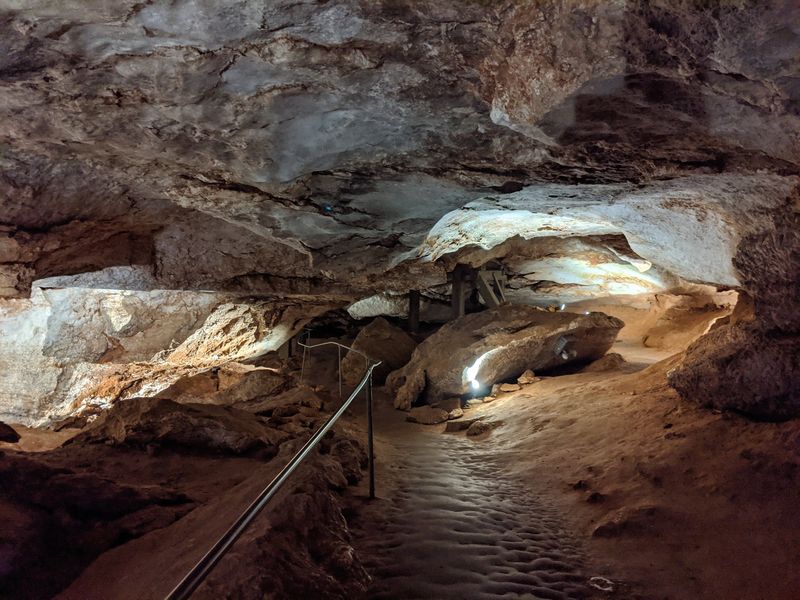
Somewhere out on the quiet prairie of northwest Oklahoma, the road dips into a canyon you would never spot from your windshield. Down there, a cool cave glows like frosted glass, and thousands of tiny bats sleep tucked against the ceiling above your head.
I expected a quick roadside stop and walked out with goosebumps, a head full of questions, and plans to come back. If you think you have seen everything your home state has to offer, this little park might change your mind.
A Canyon Park in Northwest Oklahoma
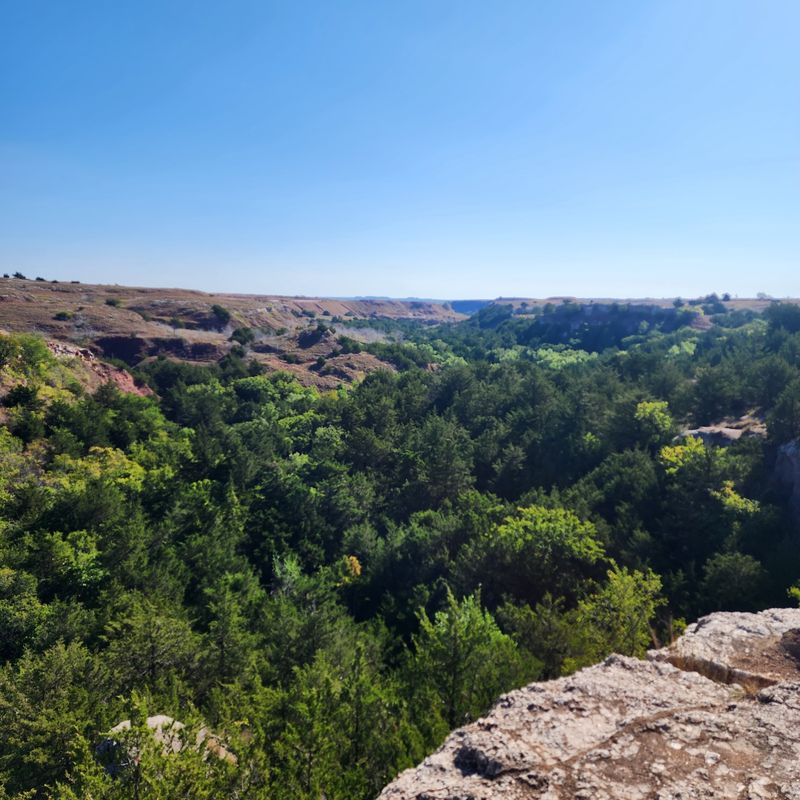
Picture miles of flat ranch land, then a sudden drop into a wooded canyon that hides a whole underground world. That surprise is the heart of Alabaster Caverns State Park, a 200-acre park tucked into Woodward County, south of the small town of Freedom.
The address is 217036 State Hwy 50A, Freedom, OK 73842. Visitors often mention that the park sits low enough in the canyon that you cannot see it from the main road, so trust your map and keep driving.
So what makes it special? The park is home to the largest natural gypsum cave in the world that is open to the public.
It is also known as the only gypsum show cave in the United States, which gives Oklahomans real bragging rights.
Inside, the main cavern is guided by park staff every hour. Outside, you will find hiking trails, picnic shelters, campsites, and four more caves for adventurous explorers.
For many folks from Oklahoma City, the drive runs a little over two and a half hours. Tulsa families will spend a bit longer on the road, but most agree the reward is worth every mile.
Rock Born From an Ancient Inland Sea
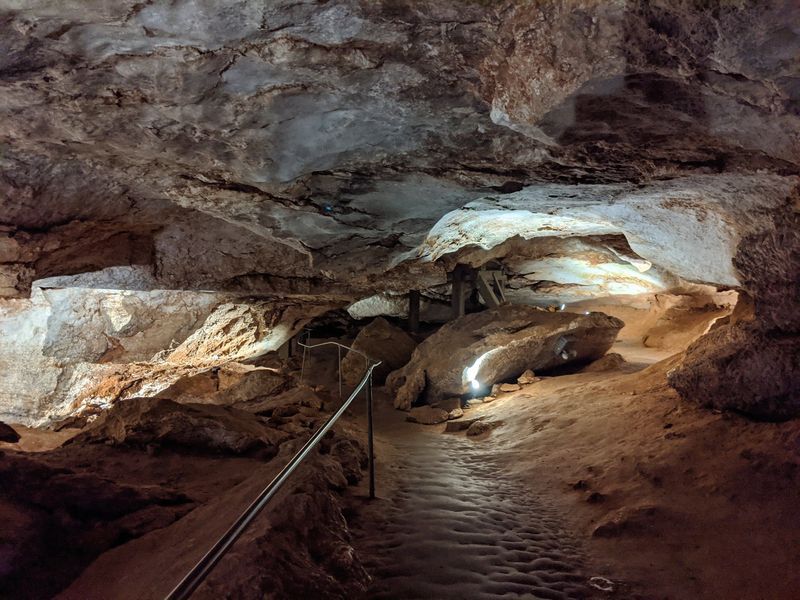
Two hundred million years is a long time to wait for anything. That is roughly how old the story behind these caverns is, dating back to when an inland sea covered this part of the continent.
As that sea slowly dried up, it left behind thick layers of gypsum. Over ages, water trickled through the soft mineral, dissolving it bit by bit and carving out tunnels, rooms, and winding passages.
Alabaster is a fine-grained form of gypsum, and it gives the cave walls a pale, almost glowing look. Some visitors point out that this is one of the only places in the country where you can see rare black alabaster, which feels like a secret the rocks keep to themselves.
Here is a fun bonus: guides often let guests touch much of the rock. Kids love running a hand across stone that formed long before dinosaurs roamed.
A small stream still runs through parts of the cave today. Listening to it, you get the feeling that the shaping work is not really finished, just moving at a speed far slower than ours.
Outlaws, Explorers, and a Fallout Shelter
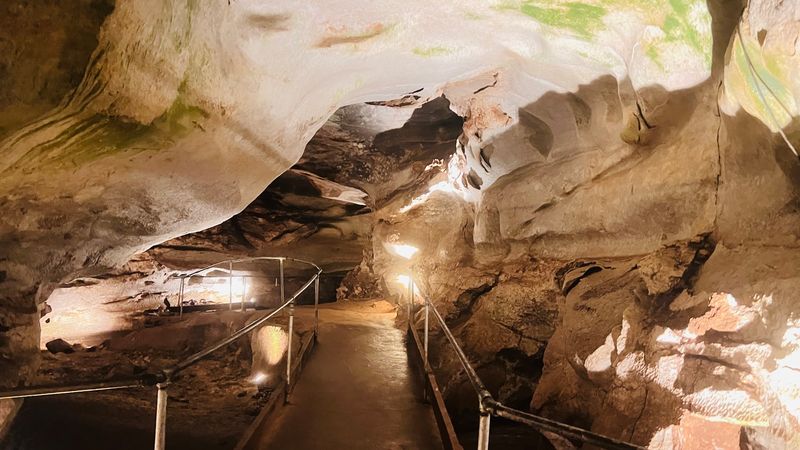
Long before tour groups showed up, these shadowy passages reportedly made handy hideouts for outlaws in the 1800s. Nobody knows exactly when the caves were first found, but the stories have stuck around.
The first documented exploration came in 1898. Then in 1939, a man named Charles Grass bought the land, fixed up the caves, and opened them for public tours.
He also gave them the name we still use, Alabaster Caverns.
Oklahoma bought the property in 1953. Just three years later, in 1956, it officially became a state park.
Now for the twist that makes kids lean in. During the mid-1950s, the caverns were designated as a nuclear fallout shelter, and one visitor recalls learning it could have held around 3,000 people.
Guides sometimes point out an old barrel once meant for food rations.
Thankfully, that shelter never had to be used. Today it serves as a reminder of a very different time in American history.
Grandparents on the tour may share their own memories of those years, which can turn a cave walk into a family history lesson nobody expected.
Thousands of Sleepy Bats Overhead
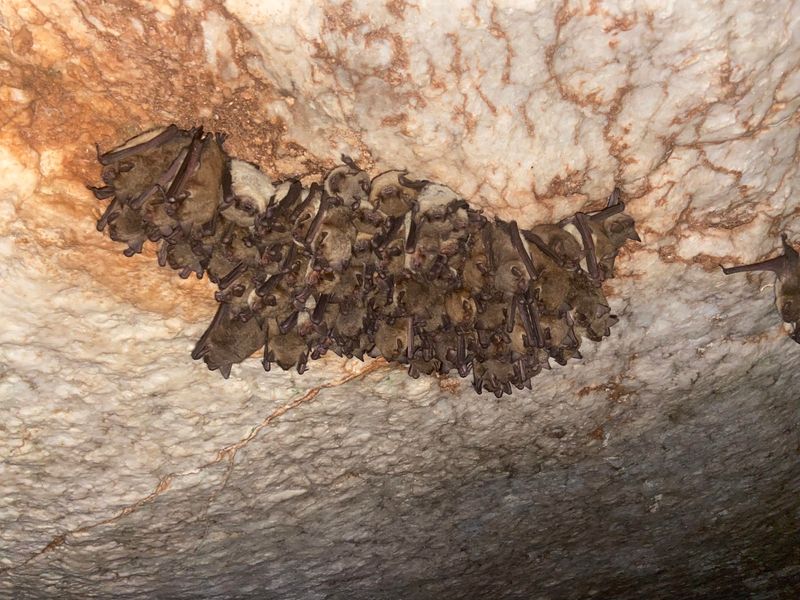
Look up. That is the best advice anyone can give you on a winter tour, because the ceiling may be dotted with clusters of sleeping bats.
Five different bat species call this cave system home. Annual counts show just how busy it gets, with over 12,000 bats reported in January 2024 and a 2019 count estimating 23,002 in the main cavern alone.
Several guests say they were amazed at how close they could get. One visitor who came in November described lots of bats hibernating right along the tour path, while others enjoyed an occasional fly-by.
Mexican free-tailed bats add another chapter. They travel up from Mexico each spring to raise their young, then head back south in the fall.
Good news for bat lovers, too. As of 2024, white-nose syndrome, a fungal disease that harms bats, had not been detected in Oklahoma, including here.
Many people arrive a little nervous about bats and leave totally charmed. Seeing these small, furry creatures snoozing peacefully tends to swap fear for curiosity in a hurry.
Timing Your Visit for Bat Sightings
Summer visitors sometimes walk out wondering where all the bats went. The answer comes down to season.
During warm months, female bats move to upper, hidden parts of the cave to give birth. That means summer tour groups see fewer of them, and one July group learned from their guide that the best viewing runs roughly November through March.
Winter is a different scene entirely. Large colonies hibernate throughout the cave, often right where you can see them from the path.
Summer still has its perks, though. The park hosts the Selman Bat Watch event in July, a chance to learn about the Mexican free-tailed bats that raise their pups in the region.
Here is a quick cheat sheet:
Want the most bats on the tour? Aim for late fall or winter.
Want to escape brutal Oklahoma heat in a cool cave? Summer works beautifully, even with fewer winged neighbors.
Spring and early fall land somewhere in between. Whatever month you pick, the rock formations and stories are there year-round, so no trip feels wasted.
The Guided Cavern Walk
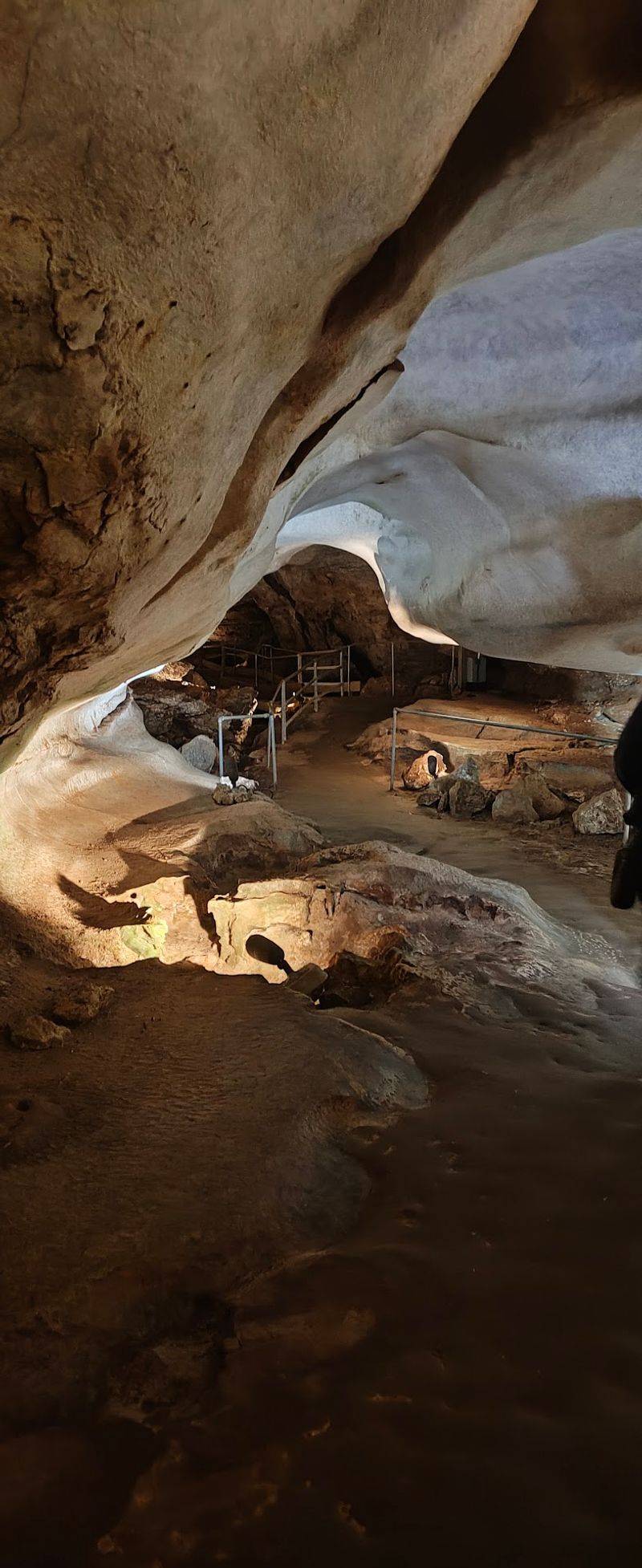
Every hour on the hour, a guide gathers a small group and leads them underground. Tours run daily from 9 AM to 4 PM and usually last 45 to 60 minutes, though some lighter crowds report shorter trips.
Groups are capped at about 30 to 40 people. Reservations are smart around holidays and local events.
The well-lit path covers about three-quarters of a mile and roughly 330 stairs. Guides share facts about geology, history, and wildlife, and visitors constantly praise how patient and knowledgeable they are, even with wiggly kids.
A 2018 stretch of heavy rain and a small earthquake caused a collapse that closed one entrance. Tours now enter from the back, turn around before the collapsed area, and retrace their steps.
Guests say the route stays interesting both ways.
A few practical tips from people who have done it:
Wear sneakers with grip, since hardened mud and loose rock can get slippery. Hold the handrails, duck in low spots, and expect the occasional drip from the ceiling.
Pets, phones, cameras, flashlights, and strollers are not allowed inside, and one family noted even water bottles stay behind.
Natural Air Conditioning at 55 Degrees
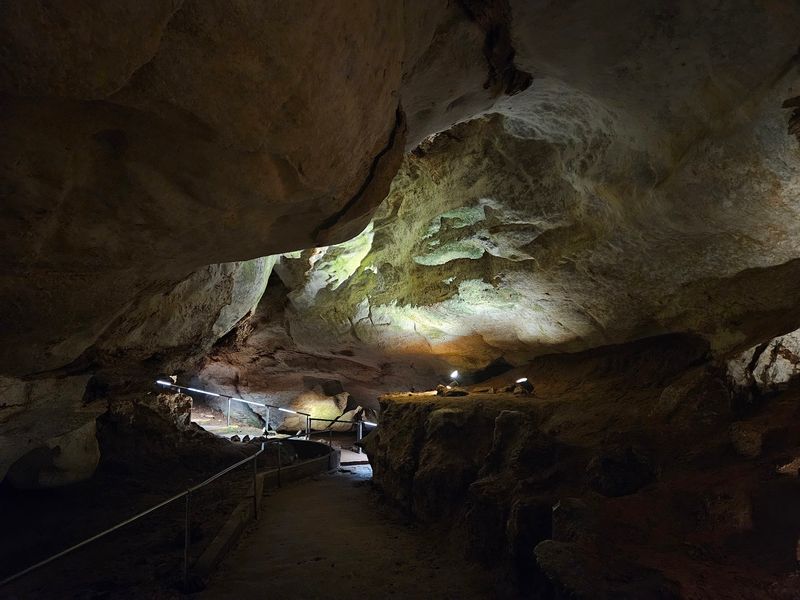
Oklahoma in July can feel like standing inside an oven. Step into this cavern, though, and the temperature drops to a steady, comfortable range that hovers around 55 degrees most of the year.
Visitors report readings anywhere from about 50 to 62 degrees depending on the spot. Either way, it is a welcome break from triple-digit afternoons.
Bring a light layer if you run cold. Kids in shorts may enjoy it at first, then start rubbing their arms halfway through.
The real challenge comes after the tour. One family shared that stepping back out into extreme summer heat hit their daughter hard, so plan ahead.
Keep cold water waiting in your car or at the picnic area. Since drinks are not allowed on the tour, having something ready right away makes a big difference.
Wind and storms are part of life out here too, especially in spring. Checking the forecast before the drive can save you from a soggy surprise.
Winter visitors get the opposite effect. Coming in from a chilly prairie wind, the cave can actually feel cozy.
Wild Caving for the Bold
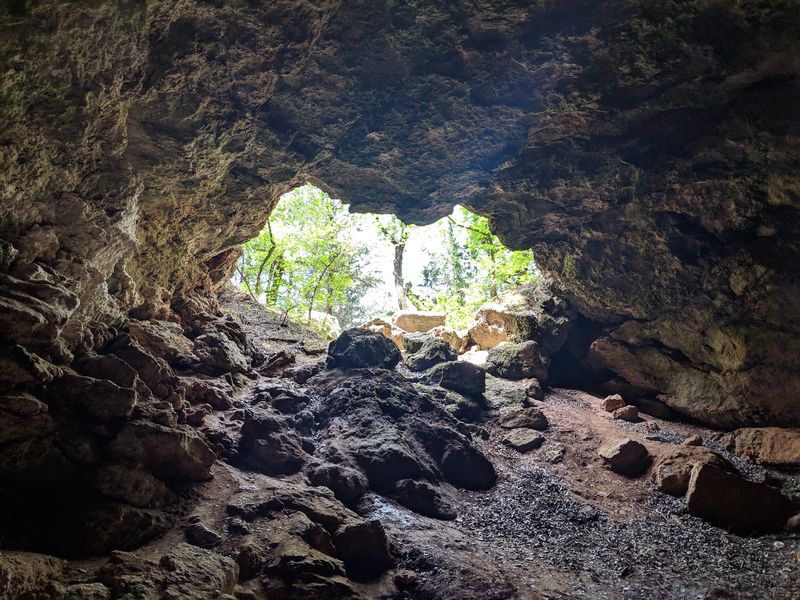
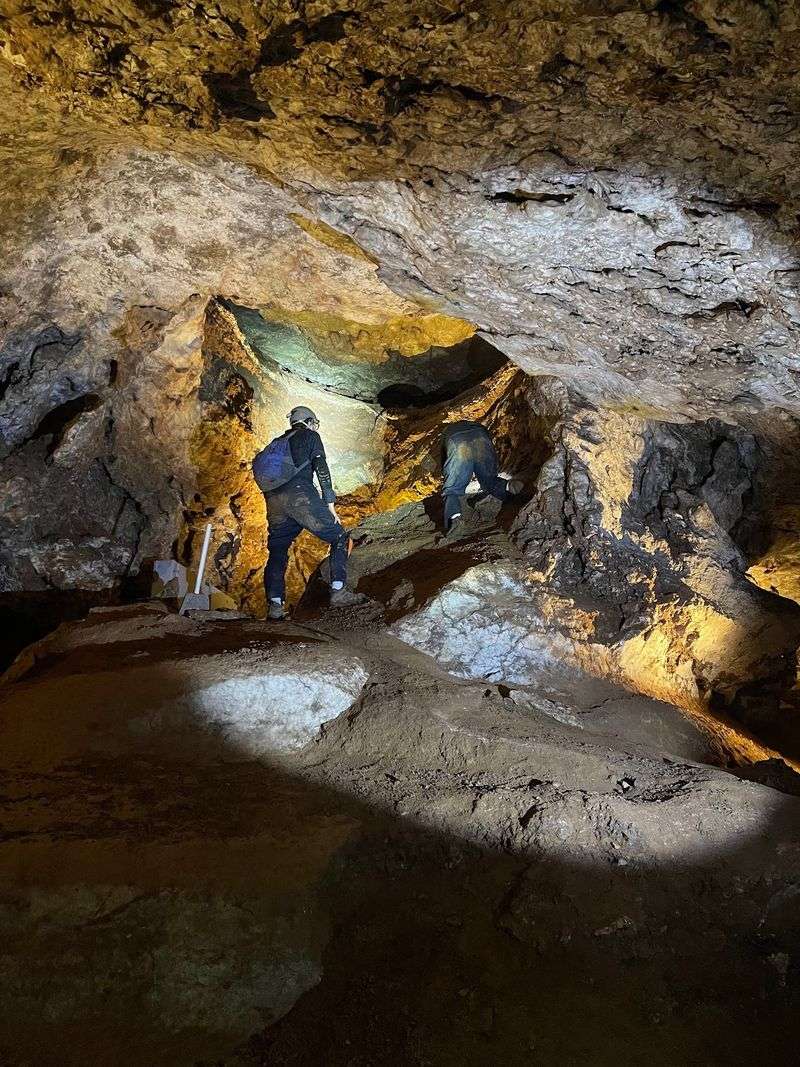
Helmets on, headlamps glowing, and no paved path in sight. For thrill seekers, wild caving is where this park really earns its adventurous reputation.
Four other maintained caves are open for spelunking with a permit from the park office. A small fee per person applies.
Rules keep everyone safe, bats included. You need a group of at least three, along with proper caving gear such as a helmet and headlamp.
Wild caving runs from 8 AM to 3 PM.
Seasons matter here. Wild caving is allowed from April 1 through September 30, and permits are not issued during the colder months so hibernating bats can rest undisturbed.
Visitors say staff happily help adventurous folks get set up. Some caves you can explore on your own, while others call for more equipment.
Scout troops and outdoorsy families often find this the highlight. Crawling through a tight gypsum passage is the kind of memory that gets retold at every holiday dinner.
Not quite ready for the dark? The guided tour offers plenty of wonder without the mud on your knees.
Trails, Campsites, and Starry Skies
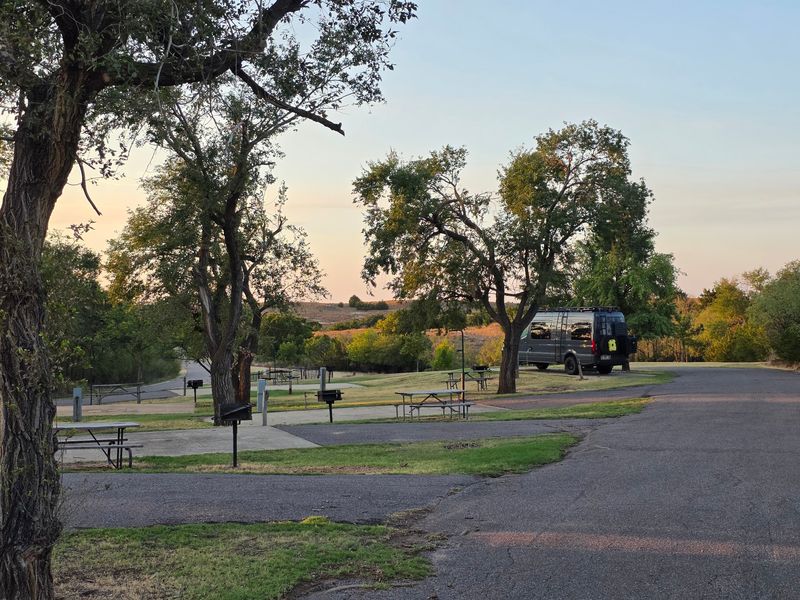
Plenty of people come for an hour and end up staying the weekend. The space above ground is just as inviting as the cave below.
Hiking trails wind along forested canyon walls, offering pretty views and a nice stretch after the drive. One hiker did warn about spotting a western diamondback near the road, so watch your step in tall grass.
Campers rave about the grounds. RV and tent sites are reservable, with water and electric, concrete pads, a dump station, and modern restrooms with showers.
Guests describe the campground as clean, quiet, and well kept, though some sites sit on a slight incline.
There is even a cave you can camp inside, which sounds like something out of a storybook.
Families will find picnic areas with grills, group shelters, a volleyball court, and horseshoe pits. Near the Mesa Campground, a playground with a climbing wall, swings, and a slide keeps younger kids busy.
After sunset, look up again. Far from city lights, the dark sky fills with stars, and campers often name that quiet night as a favorite part of the trip.
Prices, Hours, and Planning Notes
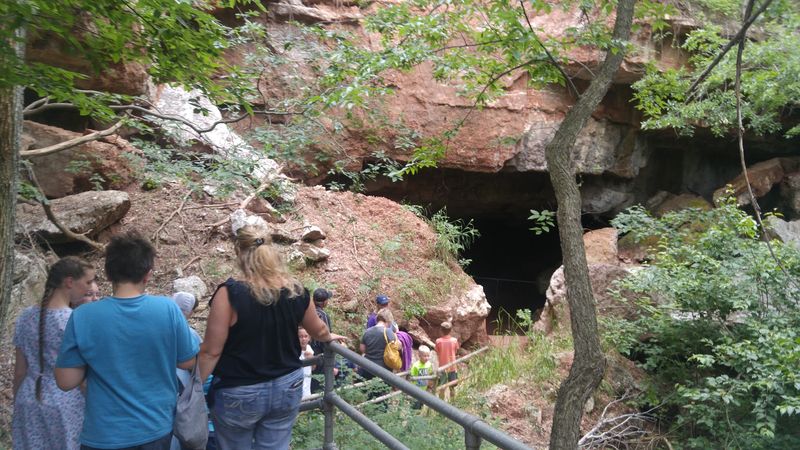
Good news for budget travelers: entering the park itself costs nothing. You only pay for the guided cavern tour.
Tour prices run $10 for adults, $7 for youth ages 6 to 12, and $8 for seniors 62 and older and active-duty military with ID. Children under 5 get in free.
One dad shared that his family of three paid about $26 total.
Park office hours are listed as 8 AM to 4:30 PM daily, with tours running hourly from 9 AM to 4 PM. The park is open every day except Thanksgiving and Christmas.
Hours and fees can change, so calling ahead at 580-254-6085 is a smart move.
Planning the drive? From Oklahoma City, expect a little over two and a half hours.
Visitors also mention three other state parks nearby, making it easy to build a longer road trip.
Before you head in, swing by the gift shop at the park office. It stocks souvenirs themed around nature, the cavern, and of course the bats.
Guests have also called the park ADA compliant, and several said the tour walk felt manageable even with limited mobility.
Why the Drive Pays Off
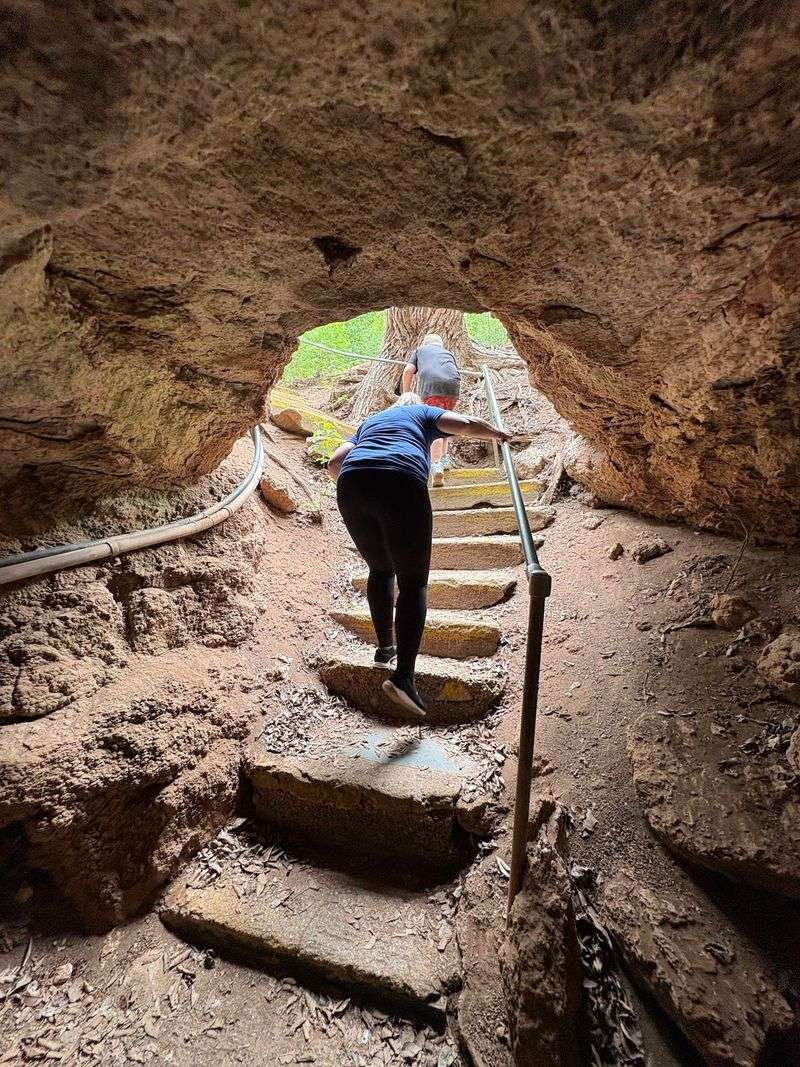
Some places shout for attention. Alabaster Caverns does the opposite, quietly waiting at the bottom of a canyon for anyone curious enough to find it.
Many visitors admit they stumbled onto it while studying a map for a road trip. Others return decades later and find it pleasantly familiar, still well cared for and still full of surprises.
What makes it stick? A cave that glows pale under the lights, guides who clearly love their work, and bats close enough to make you whisper.
Add cheap tickets, free park entry, and a clean campground, and it checks every box for a family outing.
Grandparents can share their own memories of the old days here. Kids get to touch ancient rock and ask a hundred questions, and the guides seem happy to answer every one.
Is it a giant park? Not at all.
It is small, focused, and honest about what it offers.
Still, it shows something many Oklahomans love proving to friends: their state holds wonders that feel nothing like home. Pack sturdy shoes, bring a cooler of water, and let the canyon surprise you.
