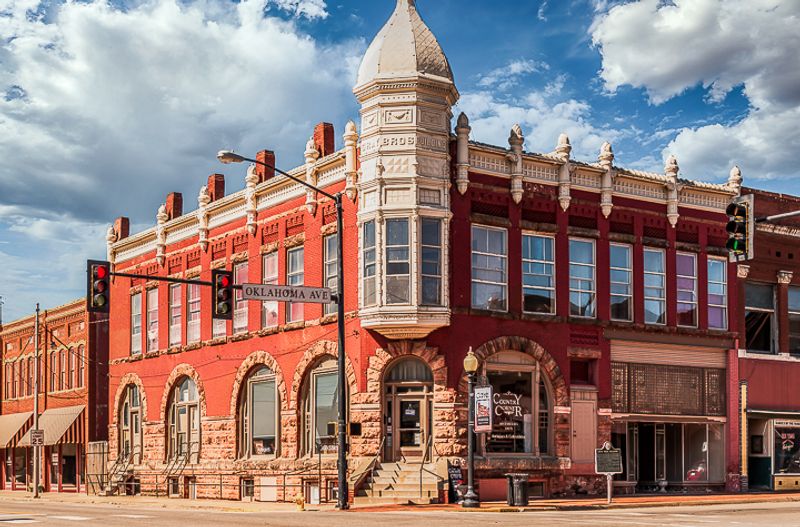
I pulled off the interstate in Oklahoma expecting a quick gas stop and maybe a sandwich. Instead, I found street after street of red brick and sandstone that looked like nobody had touched them in more than a hundred years.
My coffee went cold while I stood there staring at carved cornices and old painted signs. Some places just ask you to slow down, and this one practically insisted.
1. A Downtown That Never Got Knocked Down
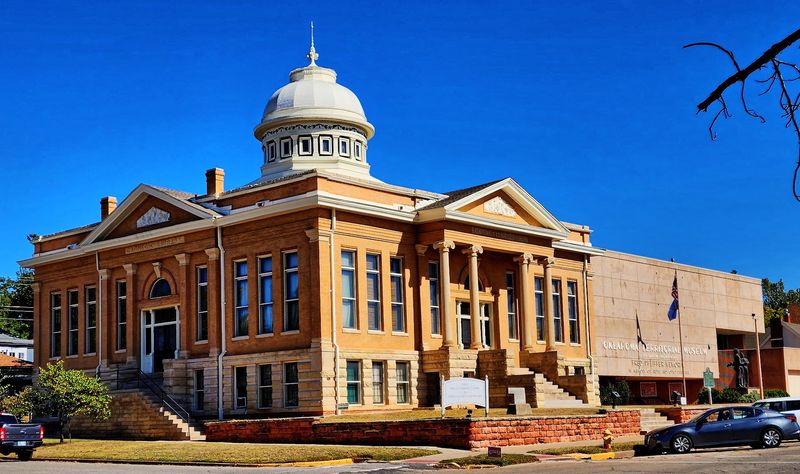
Picture a whole downtown built in roughly twenty years and then left mostly alone. That is the story here, and it is the reason the streets feel like a movie set that forgot to get taken down.
Most of the two and three story commercial buildings went up between 1889 and 1910. Builders used local red brick and native sandstone, which gives everything that warm, rusty glow in the late afternoon.
Look up and you will spot Late Victorian, Italianate, Romanesque, Beaux Arts, and Classical Revival touches stacked side by side.
Here is the funny part. Hard economic times in the middle of the 1900s meant there simply was not money to tear old buildings down and replace them with shiny new ones.
What felt like bad luck back then turned into a gift for anyone who loves history today.
So instead of strip malls and parking garages, you get arched windows, iron storefronts, and stone trim that still looks sharp. Many people say it feels like walking through a postcard from your great-great-grandparents.
Bring comfortable shoes, because the best details hide on the second floors, and you will want to wander every block to find them.
2. Over 2,000 Buildings With a Landmark Badge
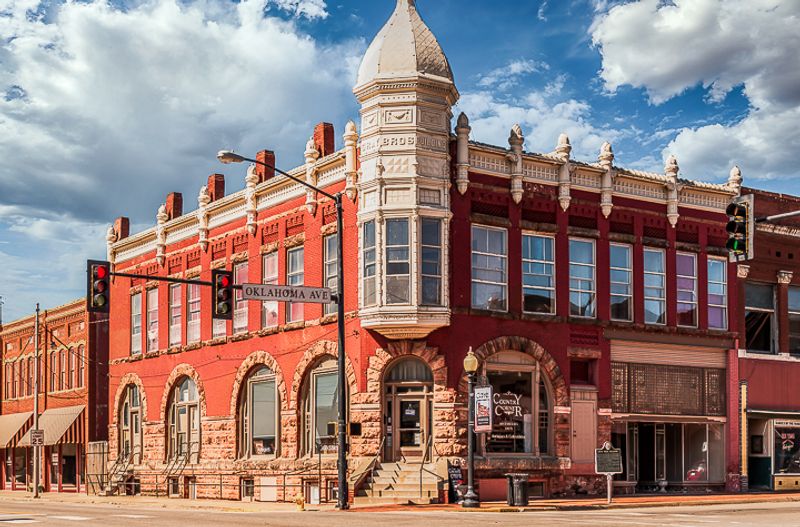
Numbers can be boring, but this one deserves a second look. More than 2,000 historic buildings sit inside one of the largest National Historic Landmark Districts in the country, and the town wearing that badge is Guthrie, Oklahoma.
Yes, this is the spot. Guthrie served as the territorial capital and then the first state capital, which explains why so much money and care went into its buildings early on.
Banks, hotels, newspaper offices, and shops all wanted to look grand and permanent.
A territorial architect named Joseph Pierre Foucart designed many of the standout structures. His work is known for sturdy construction and playful flourishes, like turrets, curved corners, and detailed brickwork that still catches the eye.
Spotting a Foucart building becomes a fun little scavenger hunt once you know his style.
For families, try turning the walk into a game. Have kids count arched windows or find the oldest date carved into a stone.
It keeps little legs moving and sneaks in some history without anyone groaning.
Getting here is easy too. The town sits about 40 minutes north of Oklahoma City off I-35, and Tulsa folks can make it in under two hours.
3. Oklahoma Territorial Museum and Carnegie Library
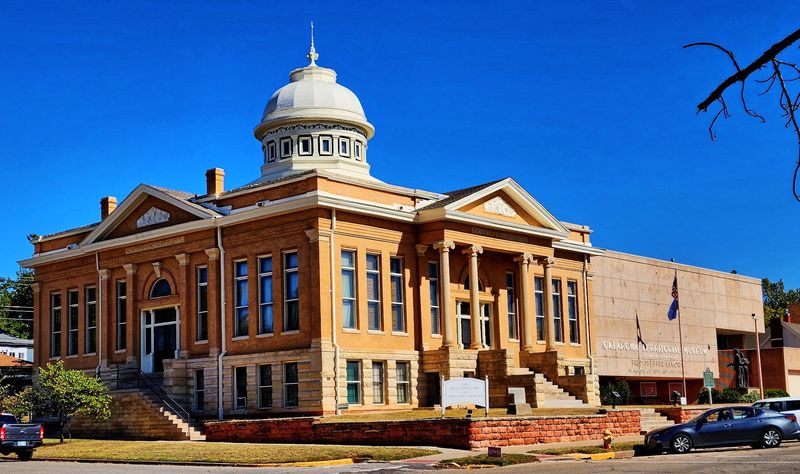
Statehood happened right here. On the steps of the 1902 Carnegie Library, Oklahoma held its statehood ceremonies in 1907, and the building is now the oldest Carnegie library still standing in the state.
Next door, the Oklahoma Territorial Museum walks you from the 1889 Land Run all the way to statehood. Exhibits cover early settlements, homesteader life, and how Oklahoma Territory came together.
One favorite is an original 89er cabin, small enough to make you wonder how whole families squeezed inside.
Kids usually head straight for Camp Guthrie and the dress-up area. Bonnets, vests, and hats turn a museum stop into a photo session that grandparents will want framed.
Pricing stays friendly, too. Admission has typically been about $7 for adults, $5 for seniors 55 and up, and $4 for kids ages 6 to 18.
Hours usually run Tuesday through Saturday from 9 AM to 5 PM, though checking ahead is smart since schedules can shift.
Plan on an hour or a bit more. The building stays cool when summer heat climbs, so it makes a nice midday break between outdoor strolls.
4. Oklahoma Frontier Drugstore Museum
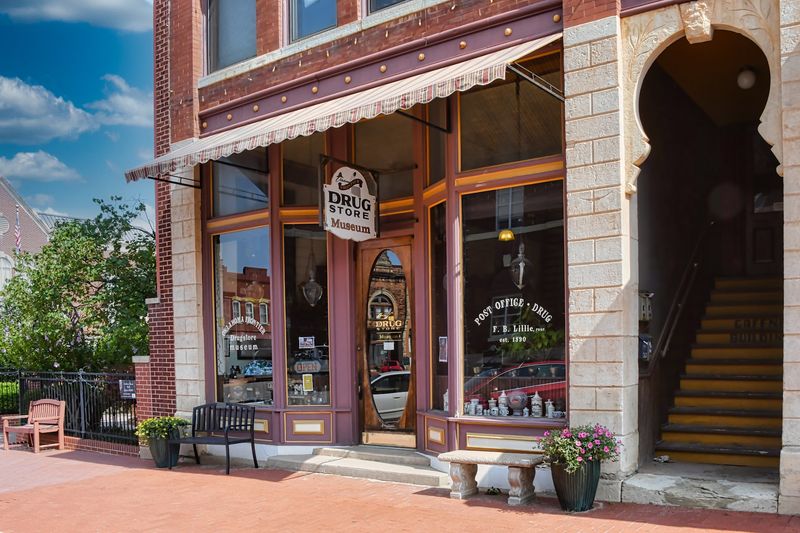
Ever wonder what a headache cure looked like in 1890? Rows of old glass bottles inside the Oklahoma Frontier Drugstore Museum give you a pretty good idea, and some labels are wonderfully strange.
The museum sits in a historic 1890 building packed with pharmacy and drugstore artifacts. You will see tins, tonics, scales, and tools that pharmacists once used behind tall wooden counters.
The real showstopper is a 1923 soda fountain, a reminder that drugstores used to double as the town hangout.
Step outside to the Apothecary Garden. Plants grown there were used for healing by settlers and by Native American communities who knew this land long before the Land Run.
Little signs help explain what each plant was used for.
Admission works on a donation basis, which makes it an easy stop for families watching their budget. A few dollars in the box helps keep the collection going.
Hours are generally Tuesday through Saturday, 10 AM to 5 PM.
Kids tend to love it more than parents expect. Odd bottles and old-timey labels spark plenty of giggles and questions, and that curiosity is half the fun.
5. State Capital Publishing Museum
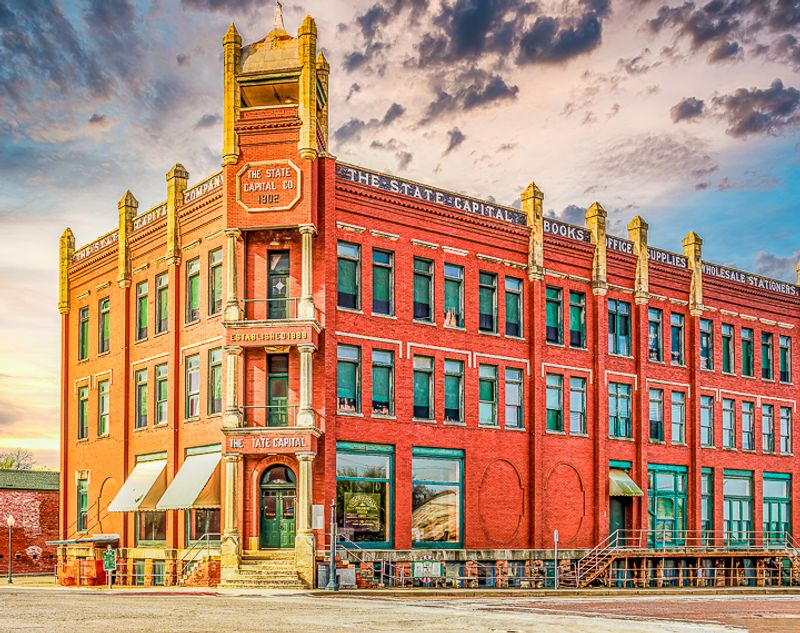
Long before phones buzzed with breaking news, word of Oklahoma statehood rang out from a balcony on this very building. Standing beneath it, you can almost hear the crowd cheering in 1907.
Built in 1902, the building once housed the State Capital newspaper. Today it tells the story of printing and publishing in Oklahoma through big iron presses, cases of metal type, and the tools that turned ink into headlines.
Honestly, the machines steal the show. Seeing how each letter was set by hand makes you appreciate every old newspaper your grandparents saved in a closet.
It also gives kids a hands-on sense of how slow and careful communication used to be.
The architecture deserves a moment, too. Like many downtown buildings, it blends sturdy brick with decorative stone, built to last and to impress anyone walking by.
Hours and admission can change, so a quick call before you go is a good idea. Pair this stop with the Territorial Museum on the same morning, and you will have covered statehood from both the ceremony side and the newsroom side.
That combo makes for a surprisingly complete history lesson in one short walk.
6. The Pollard Theatre
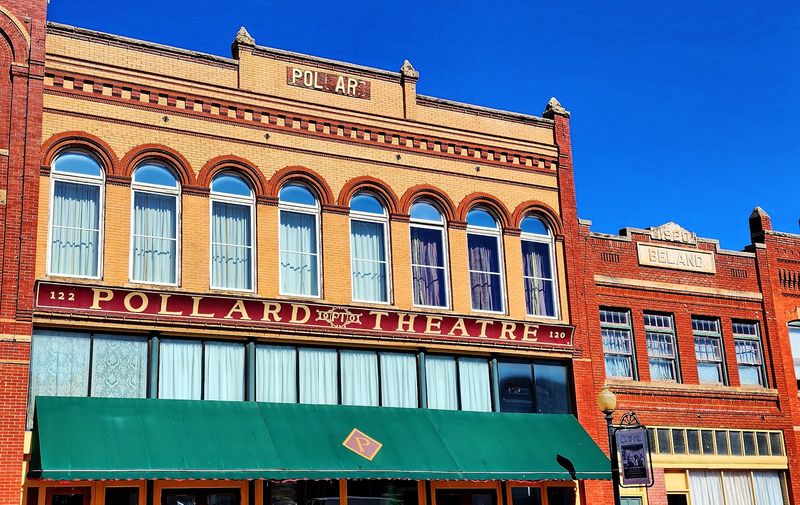
Furniture store, vaudeville stage, silent movie house, and now a lively playhouse. Few buildings have reinvented themselves as many times as the Pollard Theatre, built in 1901 from brick and native stone.
These days the Pollard puts on six or more plays and musicals each year. Shows typically run Thursday through Saturday evenings, with Sunday afternoon matinees that work well for families and older travelers who prefer to drive home before dark.
Around the holidays, A Territorial Christmas Carol becomes a local tradition. The story gets a frontier twist that fits the setting perfectly, and many families make it an annual outing.
Tickets for popular dates can go quickly, so booking early often pays off.
Something feels special about seeing live theater inside walls this old. The lobby, the stage, and the building itself all carry decades of stories, which adds a layer of charm no modern multiplex can copy.
Tip for planning: grab an early supper downtown, stroll the lit storefronts, then head to the show. Winter evenings, when the brick glows under streetlights, may be the coziest time to experience it.
7. Scottish Rite Masonic Temple
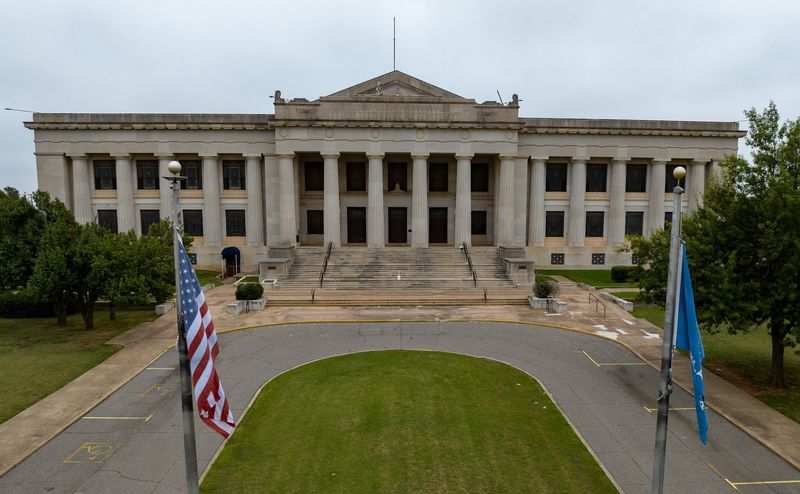
Bring your neck stretches. Completed in 1923, the Scottish Rite Masonic Temple is one of the largest Masonic complexes anywhere in the world, and its sheer size catches first-timers off guard.
Massive columns, grand halls, and detailed rooms make it feel more like a palace than a meeting place. Each space has its own theme and decoration, so the tour keeps surprising you as you move through.
Tours have generally been offered Monday through Thursday at 10 AM for about $10. Because schedules can change, calling ahead is strongly recommended so you do not arrive to locked doors.
Plan your week around it if you can, since weekend visitors may miss out.
It also fills in a nice gap in the timeline. While much of downtown dates to the territorial years, the temple shows how the town kept building big ambitions well into the 1920s.
Older kids and teens usually find the scale impressive, though younger ones may get wiggly on a longer guided walk. A snack in the car afterward helps.
Photographers, meanwhile, will want extra time outside, where the columns look especially dramatic in morning light.
8. Antique Malls Packed Into Old Storefronts
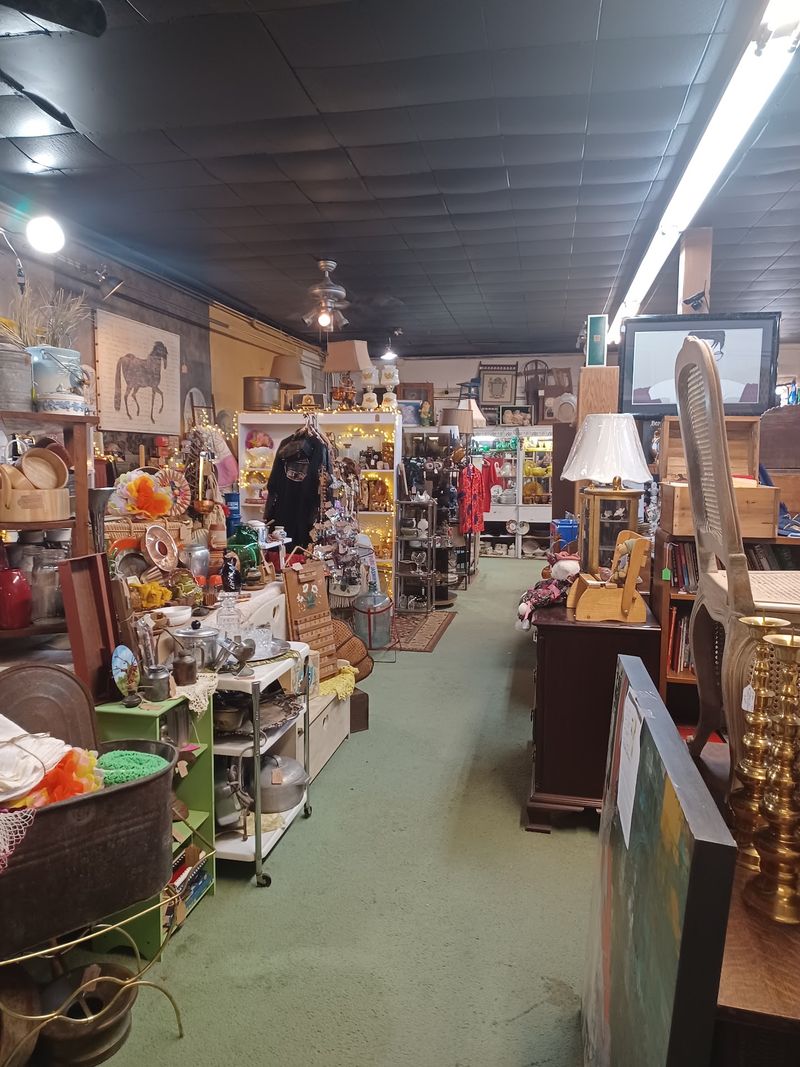
Old buildings full of old treasures just makes sense. Downtown antique malls fill those brick storefronts with everything from Depression glass to vintage lunchboxes, and browsing can easily eat up an afternoon.
Shoppers often hit Above the Rest Antique Mall, Recollections Antique Mall, and Magnolia Antique Mall. Expect quirky collectibles, pop culture pieces, jewelry, furniture, books, and plenty of glassware that might remind you of Grandma’s kitchen.
Half the fun is the floors creaking under your feet. Original tin ceilings and exposed brick walls give each shop personality, so you are exploring architecture while hunting for bargains.
Most shops open Monday through Saturday from around 10 AM until 5 or 5:30 PM. Some also open Sunday afternoons, though hours vary, so plan accordingly.
Spring and fall bring outdoor antique and vintage markets, which add even more booths and a festive feel. Those seasons also offer the most comfortable walking weather, since summer heat and humidity can wear you out fast.
Pro tip from experience: leave room in the trunk. Something always ends up coming home, whether it is a cast iron skillet or a dusty postcard from 1910.
9. Comfort Food Worth the Drive
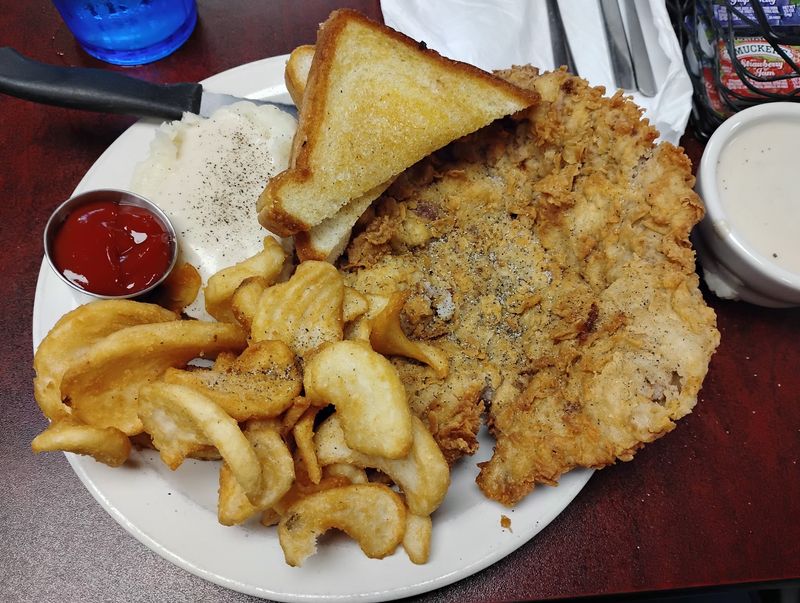
All that walking builds an appetite, and luckily the food here leans hearty and homestyle. No fancy plating, just good plates of the stuff Oklahomans grew up on.
Katie’s Diner, family-owned since 1994, opens around 7 AM and draws locals for breakfast and lunch. The hand-breaded chicken fried steak is a big favorite.
A Basic Platter has run about $12.50, and a slice of pecan pie roughly $4.29, though prices can change.
Burger lovers can head to Boomarang Diner for a patty melt, bacon ranch cheeseburger, or diner double, plus classic milkshakes. Southern fried shrimp and hamburger steak round out the menu nicely.
Craving something sweet? Missy’s Donuts makes an easy morning stop, while Boxcar Bakery serves baked goods and ice cream for an afternoon treat.
Stables Cafe offers more homestyle cooking right downtown.
Before heading home, consider the Beacon Drive-In Theater, one of the few drive-ins left in Oklahoma. Bring cash, since it is usually required.
Watching a movie under the stars caps off a day that already felt like time travel. Honestly, it is hard to think of a better ending.
