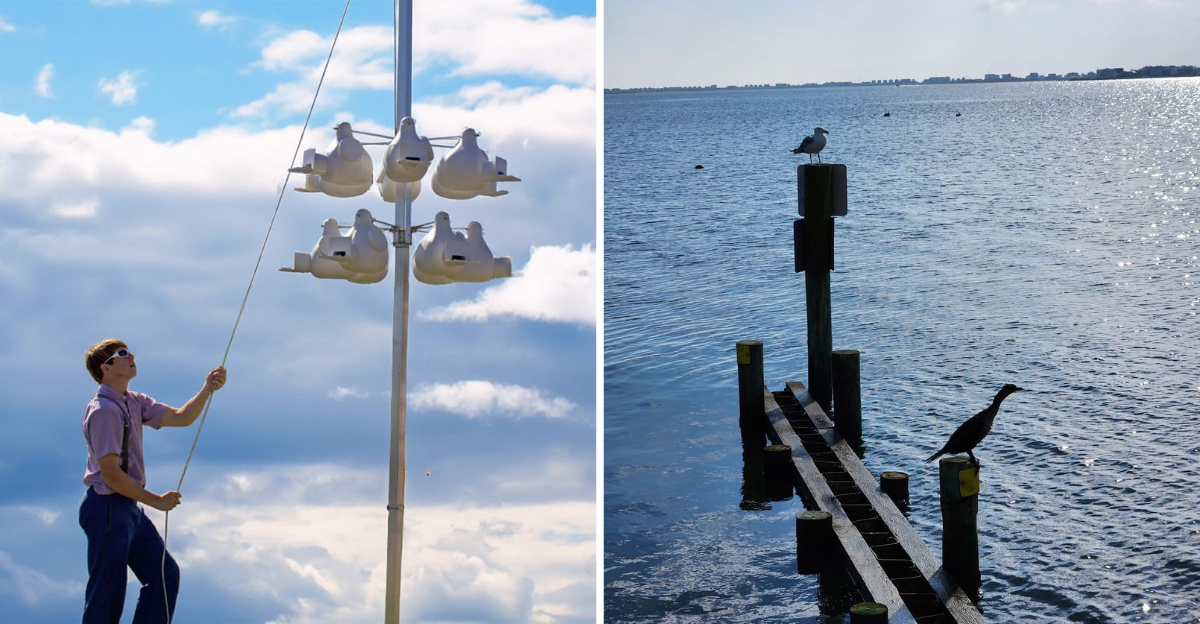
The sky full of purple martins turned out to be the main event on a warm evening in eastern North Carolina. I had driven out expecting swans and quiet water, and instead I got glossy blue-black swallows filling the air, their bubbly chattering following me along the causeway like background music.
Once you start noticing the pole-mounted apartment blocks and rows of hollow gourds swinging in the breeze, you cannot stop counting, and every farm lane seems to hide another little cluster of bird condos.
These birds depend almost completely on houses people build for them, and the countryside here is dotted with the evidence of that relationship.
Then there is the roosting season, when martins gather in enormous numbers before heading to South America, and this corner of the state turns into one of the best places in the country to witness it.
I stood on the edge of the lake watching the sky darken with wings, the sound of thousands of birds settling in for the night, and the whole scene felt like a secret the coast had been keeping.
I came for the lake, but I left thinking about tiny houses and the birds who fill them.
Why Martins Moved In With Us
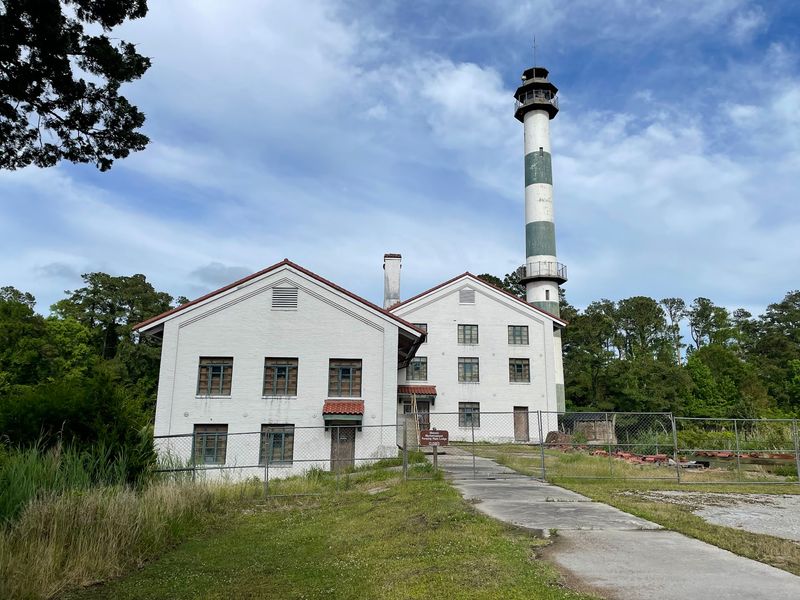
Here is the part that hooked me: purple martins in the eastern United States barely nest anywhere except in housing that humans put up for them. Natural tree cavities are scarce in open country, so the birds shifted their whole strategy generations ago.
Around Lake Mattamuskeet, that dependence is easy to spot. Drive the back roads near Fairfield or New Holland and you will pass poles topped with white wooden apartments, aluminum boxes, and clusters of pale gourds.
Each compartment holds one pair, which is why a single pole can hum with activity. Martins are colonial nesters, meaning they actually prefer neighbors, and a crowded house is a healthy house.
I found myself thinking of it as a village because that is genuinely what it looks like. Dozens of doorways, constant coming and going, and a soundtrack of liquid chirping that carries across the fields.
If you want to understand the refuge beyond its famous winter swans, this relationship is the story. People build, birds arrive, and the whole arrangement depends on landowners who keep the poles standing year after year.
It is one of the friendliest partnerships in American birding.
Timing Your Visit Around Martin Season
Season matters here more than almost anywhere I have birded. Purple martins arrive in North Carolina from late February into May, with scouts showing up first and the rest filling in as spring warms.
By June and July, the houses are packed with nesting pairs and noisy young. That is when the villages look most alive, every compartment claimed and adults zipping overhead like tiny fighter jets.
Late summer changes the show entirely. Adults and fledglings begin leaving their nest boxes and gathering into huge communal roosts before the long flight to South America.
By mid-September most have gone, and the poles stand empty until winter waterfowl take over the spotlight. I made the mistake once of visiting in January and wondering where all the martins were.
The honest answer is Brazil.
So plan accordingly. Come between April and August if martins are your goal, and come in December through February if you want thousands of tundra swans instead.
Visiting twice in one year is the real move, because Lake Mattamuskeet feels like two completely different places depending on which birds are in town.
Gourd Racks, The Original Bird Apartments
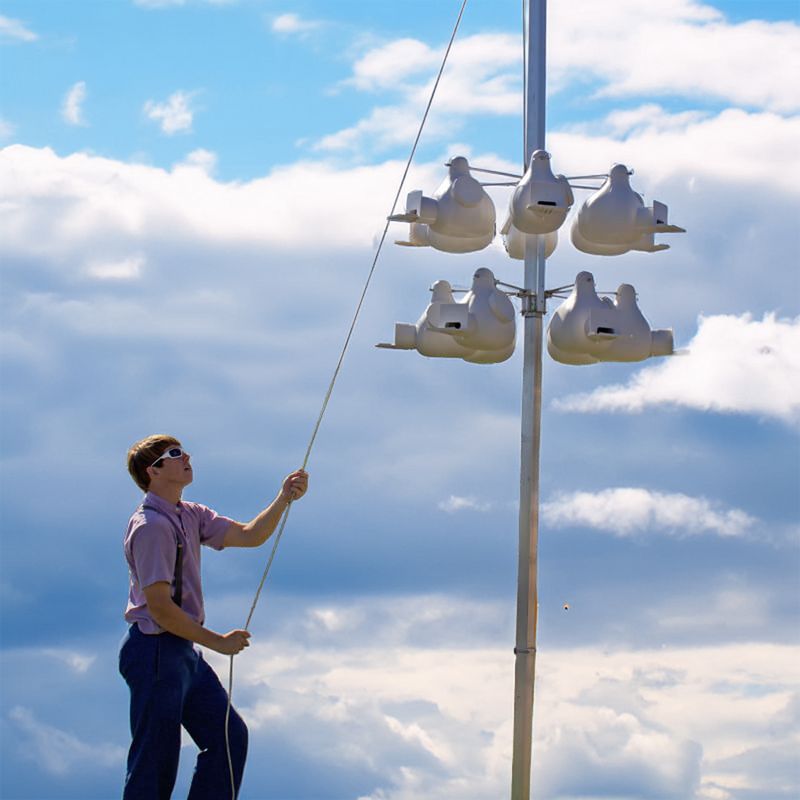
Long before anyone sold aluminum martin condos, southern families hung dried gourds on poles, and the birds moved right in. That tradition never really left eastern North Carolina, and you can still see gourd racks swaying near farmhouses around the lake.
They look almost decorative, like pale lanterns strung on a line. Painted white to reflect heat, each gourd gets a round entrance hole and a perch for the residents.
What I like about gourds is how low-tech they feel. No hardware store required, just patience, a drill, and a growing season.
Martins seem perfectly happy with them, and some landlords swear the birds prefer gourds to boxes. Either way, a full rack in June is busy, with adults ducking in and out carrying insects for hungry nestlings.
Stop the car, roll down a window, and listen for a minute. The chorus is chattery and cheerful, nothing like the honking swan symphony that takes over the same fields in winter.
Seeing both seasons in one place gave me a new appreciation for how many lives this shallow lake supports across a single year.
The Highway 94 Causeway Crossing
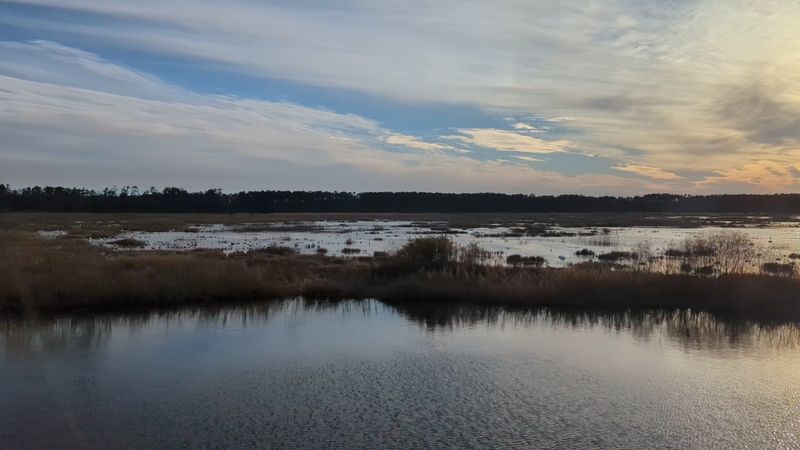
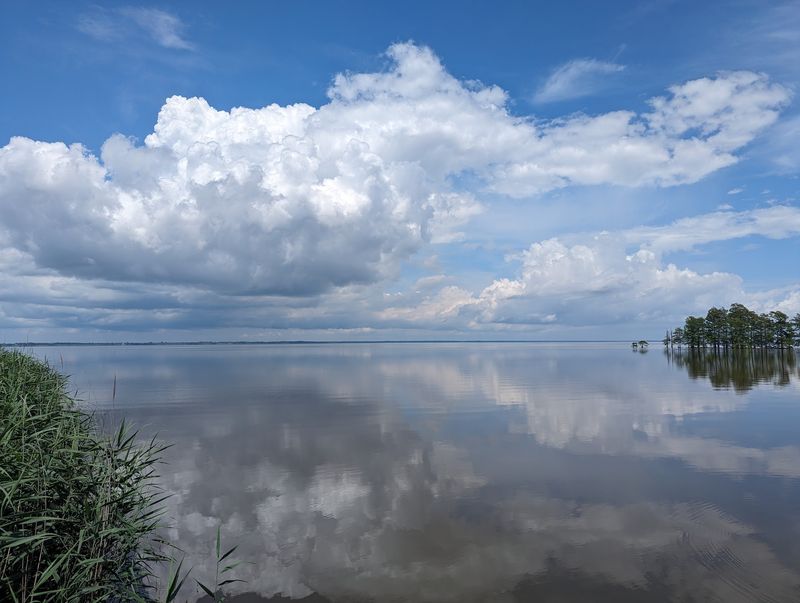
Cutting straight across the middle of the largest natural lake in North Carolina, the Highway 94 causeway is the kind of drive that makes you slow down without meaning to. Water stretches out on both sides, shallow and silver, with the far shore reduced to a thin dark line.
Birders know this stretch well. Pull-offs let you scan for waterfowl in winter, and in warmer months swallows and martins hunt insects over the open water.
One reviewer told visitors to skip the highway and stick to the gravel roads, and I understand the point, since the unpaved loops offer more stops. Still, I would not miss the causeway.
Crossing it at sunset is genuinely memorable, with light spreading flat across the surface and the whole sky reflected underneath your tires.
Keep your speed reasonable and watch for cars braking suddenly when someone spots something good. Binoculars belong on your lap, not in the trunk.
The road connects the northern and southern halves of the refuge, so you will probably cross it more than once. Every pass looks a little different.
Mattamuskeet National Wildlife Refuge Visitor Center
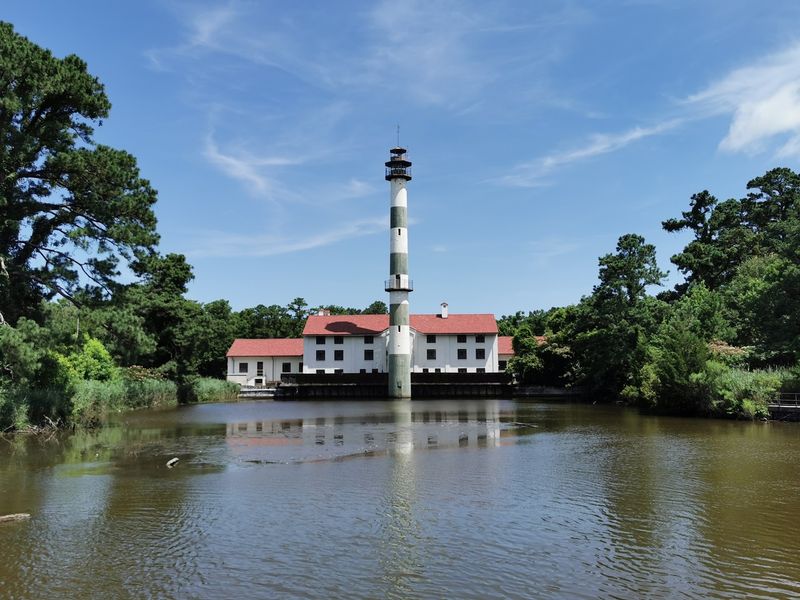
My favorite unexpected stop was the visitor center, which is small, welcoming, and packed with more information than I expected. Staff there know exactly which birds are around that week, which saves you a lot of aimless driving.
Displays walk you through the refuge story, from the lake itself to the wildlife that depends on it. There is a clever video station built to feel like riding in an airboat, and it is worth the few minutes.
Restrooms are clean, maps are free, and the people behind the desk seem genuinely glad you came. Several visitors have mentioned how helpful the rangers are, and that matched my experience.
Ask about martin housing if you are curious. Refuge staff can point you toward areas where structures are visible and explain how the birds fit into the wider habitat picture.
Hours can vary, so a quick phone call before you drive out is smart, especially since one visitor arrived to find the building closed.
Address: 85 Mattamuskeet Rd, Swanquarter, NC 27885
Holland Trail and the Cypress Boardwalk
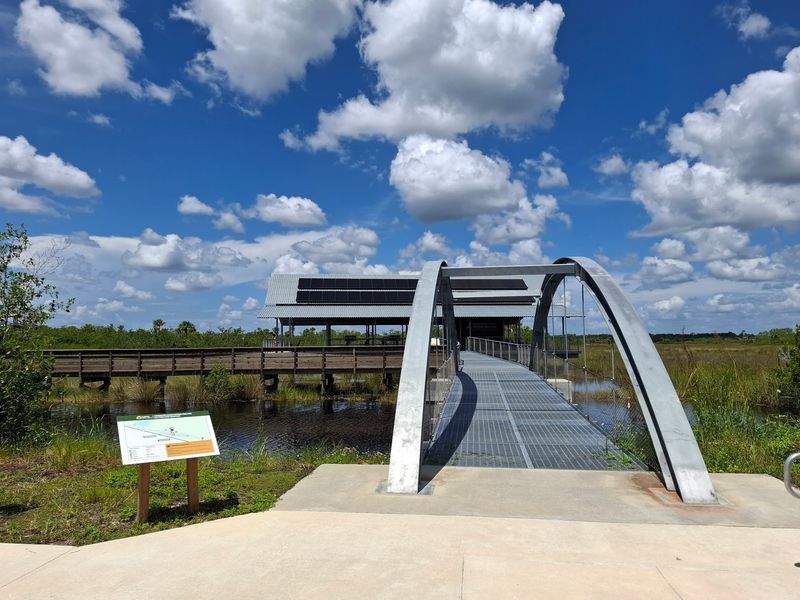
A quarter mile does not sound like much, but the Holland Trail packs a lot into a short walk. The boardwalk carries you over swampy water where cypress trunks flare out at the base and light filters down in patches.
Walk quietly and you improve your odds considerably. Deer sometimes appear at the edges, and songbirds work the branches overhead, especially in the cooler months.
Swallows and martins hunt above the open gaps, so keep glancing up while you are looking down for turtles. I spent longer out there than planned simply because it was so quiet.
Trails are limited at this refuge, which is worth knowing ahead of time. Much of the birding happens from the car or from observation platforms, so short walks like this one feel like a treat.
Bug spray in summer is not optional, and closed shoes help on damp boards.
Rainy days can be slow for wildlife, but the swamp itself still looks striking with water beading on the cypress knees. Bring a camera and take your time.
Driving the Gravel Wildlife Roads
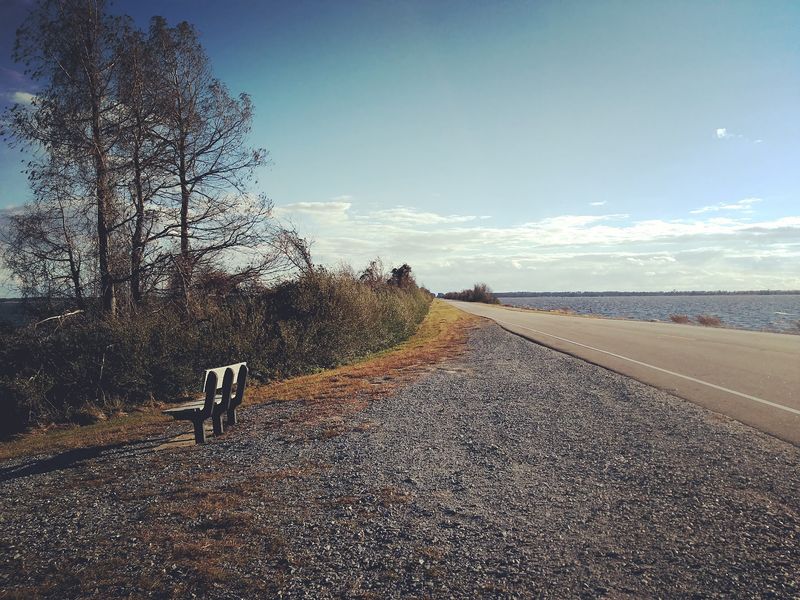
Ask ten visitors for their favorite thing here and a surprising number will say the gravel roads. Rolling along slowly with the windows down turns your car into a rolling blind, and birds tolerate vehicles far better than people on foot.
I stopped constantly. Herons stood frozen in the shallows, turtles stacked up on logs, and cormorants dried their wings on snags.
Visitors have reported harriers hunting low over the fields and even an anhinga wrestling with a fish. The roads follow canals and field edges, which is exactly where wildlife concentrates.
Martin houses turn up along these routes too, usually near farmsteads and open ground where the birds can hunt insects freely. Slow driving makes them easy to spot.
Practical notes: the roads are unpaved and can get soft after heavy rain, so take it easy in a low car. Cell service is patchy, which honestly adds to the appeal.
Download your maps ahead of time and let the afternoon unfold without a schedule. Some of my best sightings came from just sitting still with the engine off.
The Umstead Bridge Roost Near Manns Harbor
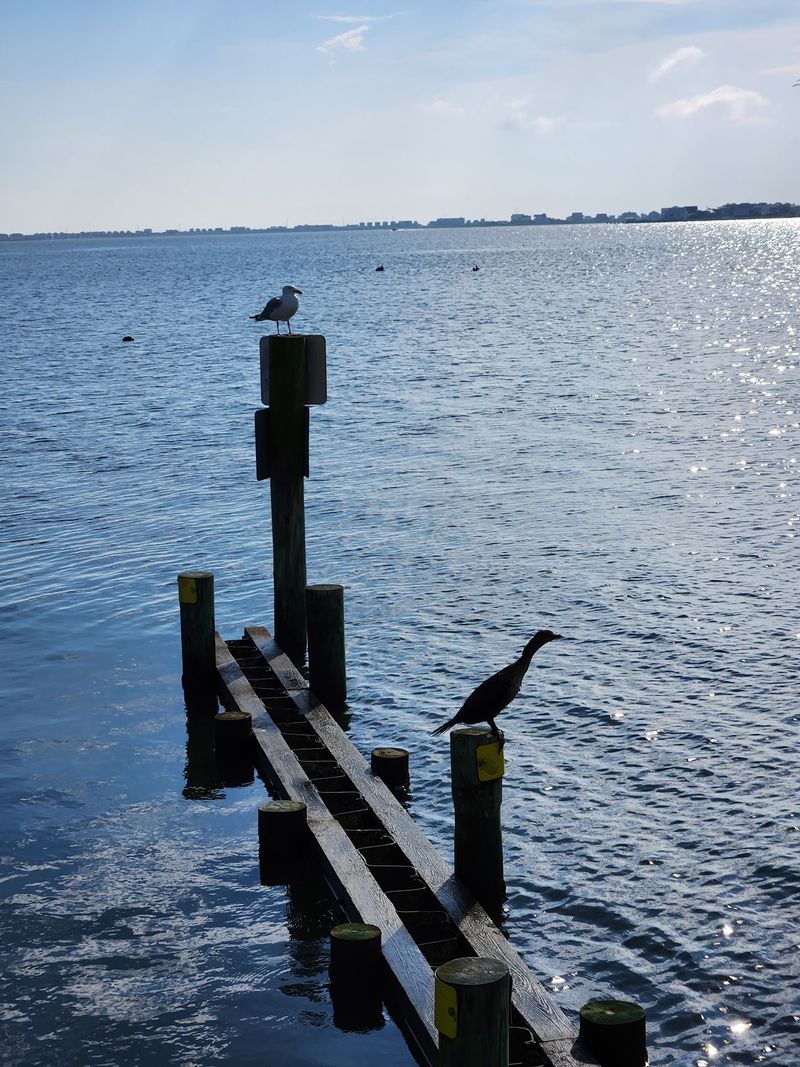
If the nesting villages amazed me, the roost genuinely stunned me. Northeast of the lake, at the William B.
Umstead Memorial Bridge near Manns Harbor, purple martins gather in numbers reaching up to one hundred thousand birds on a single night.
They do not use houses there. Instead they pack onto the bridge structure underneath, funneling down in swirling tornado-like clouds as daylight fades.
Roost activity runs from about mid-June through mid-September, with July and August as the peak. Arriving well before sunset gives you time to watch the sky slowly fill.
Drivers should be extra careful during roost season, since birds cross the roadway constantly and traffic needs to slow down for them.
Pairing this with a Lake Mattamuskeet trip makes for a fantastic couple of days. You see the nesting side of the story in Hyde County, then the mass gathering side out toward the Outer Banks.
Watching that many wings move together is one of those moments that resets your sense of scale. I stood there grinning like a kid.
Lake History and the Pump House That Failed
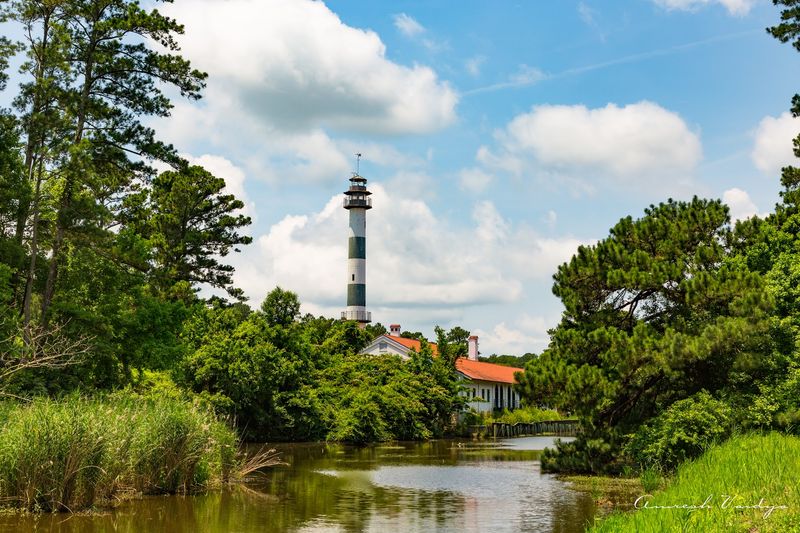
Now for the story that surprised me most. Back in 1916, business interests actually tried to drain this enormous shallow lake and turn the lakebed into farmland.
The plan involved massive pumps and serious ambition. It failed, which is why the largest natural lake in North Carolina still exists for swans, ducks, herons, and martins to use.
Later the property became a hunting operation with a lodge, and eventually that venture ended too. The land came under federal protection as a national wildlife refuge, which is how visitors get to enjoy it today.
Reading about the pump house while looking out over all that water is a strange, satisfying feeling. One visitor called it a sad story they were glad had failed, and that captures it well.
History here is not separate from the birds. Every decision about draining, hunting, and protecting shaped the habitat that martins and waterfowl now depend on.
Take the time to read the interpretive signs and watch the refuge video. The landscape makes far more sense afterward.
Address: 85 Mattamuskeet Rd, Swanquarter, NC 27885
