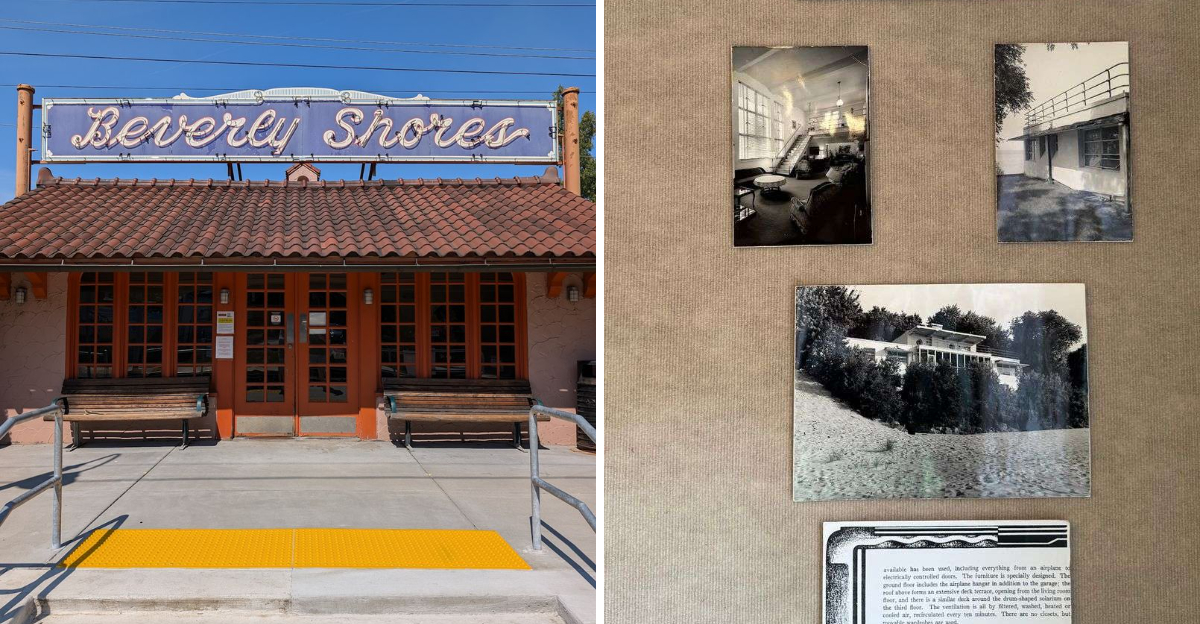
Someone divided the building in half and accidentally created one of the more interesting museum ideas around. One side says, “All aboard.” The other says, “Take a look at this.” That is essentially how this Indiana landmark works.
The 1929 depot still handles real South Shore Line passengers, while the other half has become a museum and gallery filled with local history, rotating art, handmade gifts, bird-themed exhibits, and stories collected from longtime residents. The juxtaposition is what makes it memorable.
Visitors can study an old photograph and hear a modern train approaching through the same walls. Then they can step outside, wander through town, and continue toward the dunes.
The best part may be the easiest detail to overlook. Nobody has to pay admission to experience any of it.
A 1929 Station Built in Insull Spanish Style
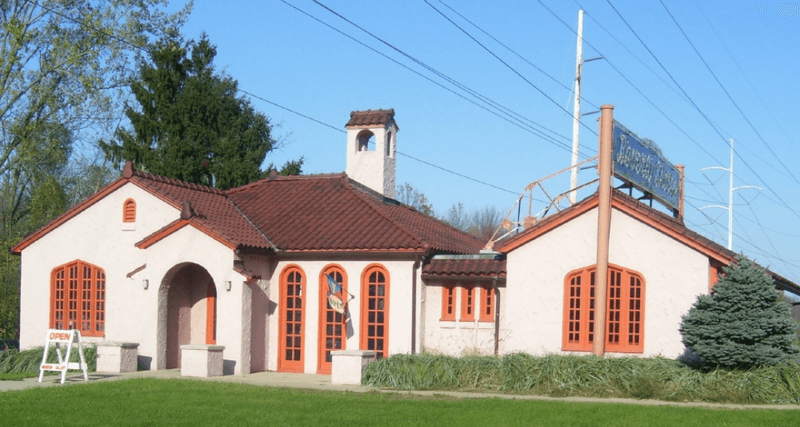
Red tile roofing, pale stucco walls, and softly arched openings give the building a look that feels borrowed from somewhere far warmer than northern Indiana. Architect Arthur Gerber designed it in 1929.
The style carries the nickname Insull Spanish, named after Samuel Insull, the utility magnate who owned the South Shore Line during that era and wanted his stations to look polished rather than purely practical.
What makes the structure genuinely rare is its survival. It stands as the last remaining station of its kind still in service on the historic South Shore Line, a working piece of electric interurban railway history rather than a museum piece behind glass.
Details reward slow looking. Notice the rounded window frames, the shaded entryway, and the way the roofline sits low against the surrounding trees, blending Mediterranean flourishes with dune country scenery.
Photographers tend to circle the building at least twice, since morning light hits the front differently than late afternoon sun does. Both angles work beautifully.
Because the depot sits within a residential town, the setting stays peaceful, with sandy shoulders along the roads and quiet cottages nearby. Parking is limited but manageable outside busy weekends.
Stop for a moment before heading inside. Understanding the architecture first makes the exhibits within feel more connected to the building itself, which is exactly how the volunteers who run the place hope visitors experience it.
Trains Still Stop Here, and That Changes Everything
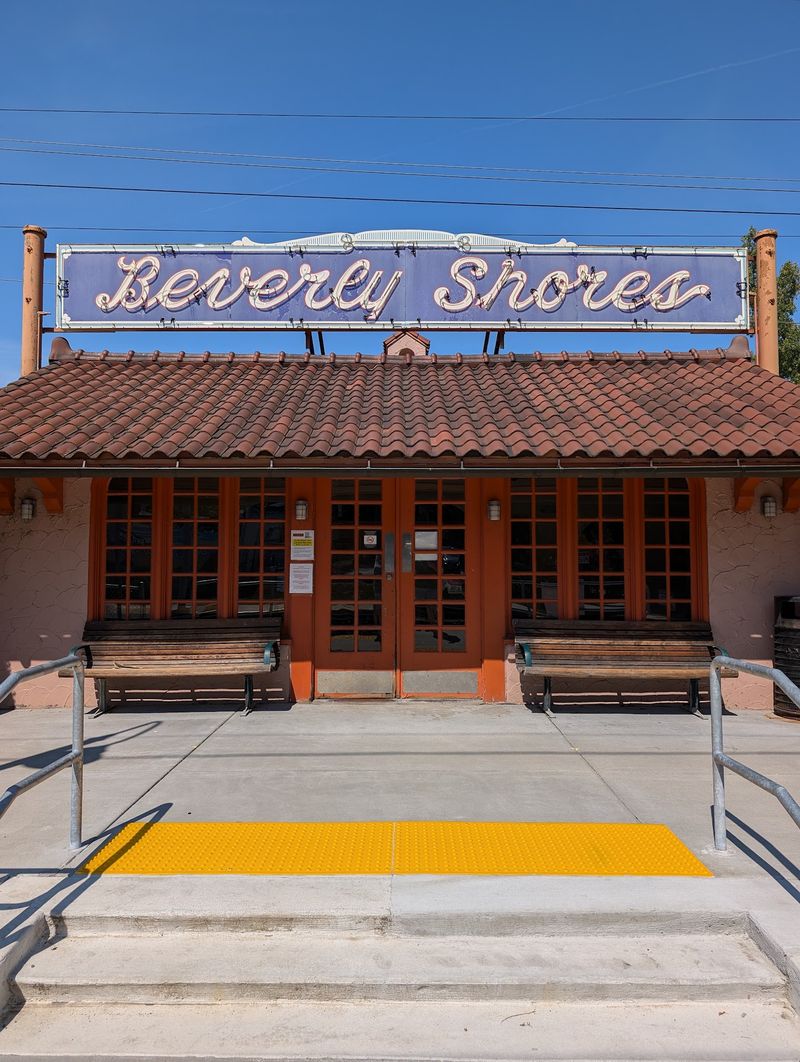
Most museums about railroads sit safely away from the rails. Not here.
One half of the depot operates as an active South Shore Line station, so passengers still step off onto the platform while visitors browse exhibits a wall away.
The South Shore Line has been running for well over a century, linking Chicago with communities across Northern Indiana as one of America’s earliest electric interurban railroads.
Hearing a train approach while reading about that same railroad creates a strange, delightful overlap of past and present.
Beverly Shores functions as a flag stop, meaning travelers can arrive and depart right at the museum’s doorstep. Car-free day trips from Chicago become surprisingly easy.
Check the current schedule before planning around it, since stop patterns vary by day and time. Riding in also removes any worry about limited street parking near the station.
Kids who love trains usually get the biggest thrill. There is something memorable about watching a modern commuter car pull up beside a station built during the age of interurban expansion.
Even a short wait on the platform feels pleasant, with dune breezes moving through the trees and the faint sound of Lake Michigan somewhere beyond the neighborhood streets.
Time a visit so a train passes during the stop. That single moment often becomes the detail travelers remember longest.
Local History Told Through Dunes, Developers, and Determination
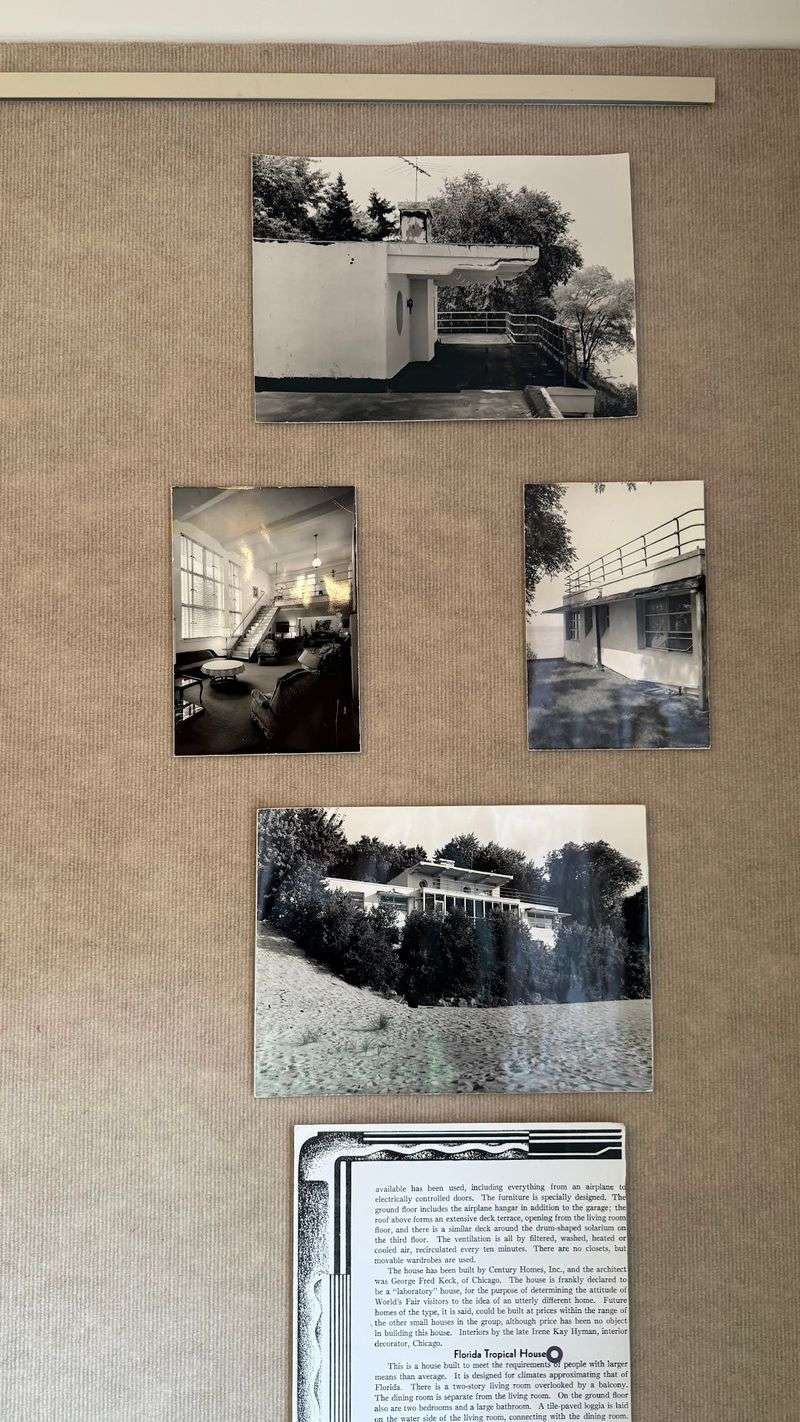
The museum half of the building packs a lot of story into a small footprint. Exhibits move through eras, beginning with the Native American tribes who lived across the dune landscape long before any rail line existed.
From there, attention turns to Frederick and Robert Bartlett, the developers who shaped Beverly Shores into a lakeside community during the early twentieth century. Their ambitions left marks still visible around town today.
A powerful section covers conservation. Local residents, joined by Senator Paul Douglas, pushed back against industrial expansion along the lakefront, an effort that eventually helped protect the shoreline for public use.
Displays also explain how the United States government acquired lakeshore property for the National Lakeshore, and how the town continues to share space with what is now Indiana Dunes National Park. That relationship is complicated and fascinating.
Railroad history gets its own attention too, with material on the South Shore Line and the various stations that once dotted the route.
Panels stay readable rather than overwhelming, which suits families and casual visitors well. Expect around thirty to forty-five minutes for a thorough look.
Virtual exhibits extend the experience for anyone who wants to keep reading afterward. Browsing them before arriving can make the in-person visit click faster, especially for travelers curious about how dunes, trains, and neighborhoods ended up so tangled together.
Regional Artists Take Over the Gallery Walls
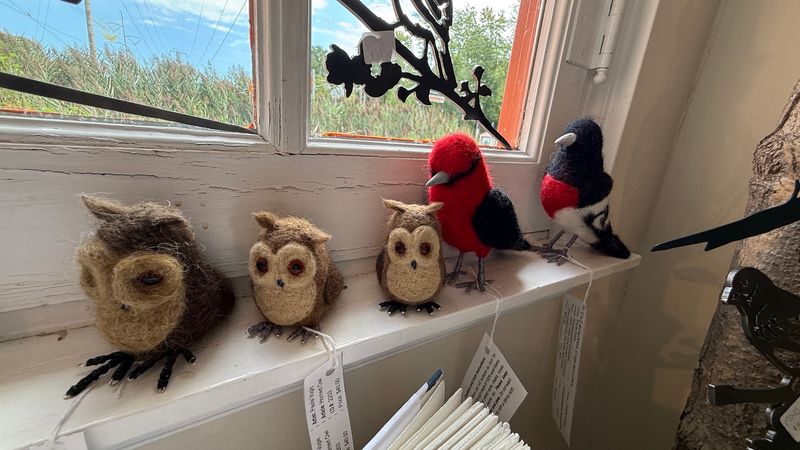
Rotating exhibitions fill the gallery side of the depot from roughly April through October, and the lineup leans heavily toward artists working in and around the region. Mediums vary widely.
Paintings share space with photography, ceramics, fiber work, and mixed media pieces, so no two shows feel alike. A visit in spring will look nothing like one in early autumn.
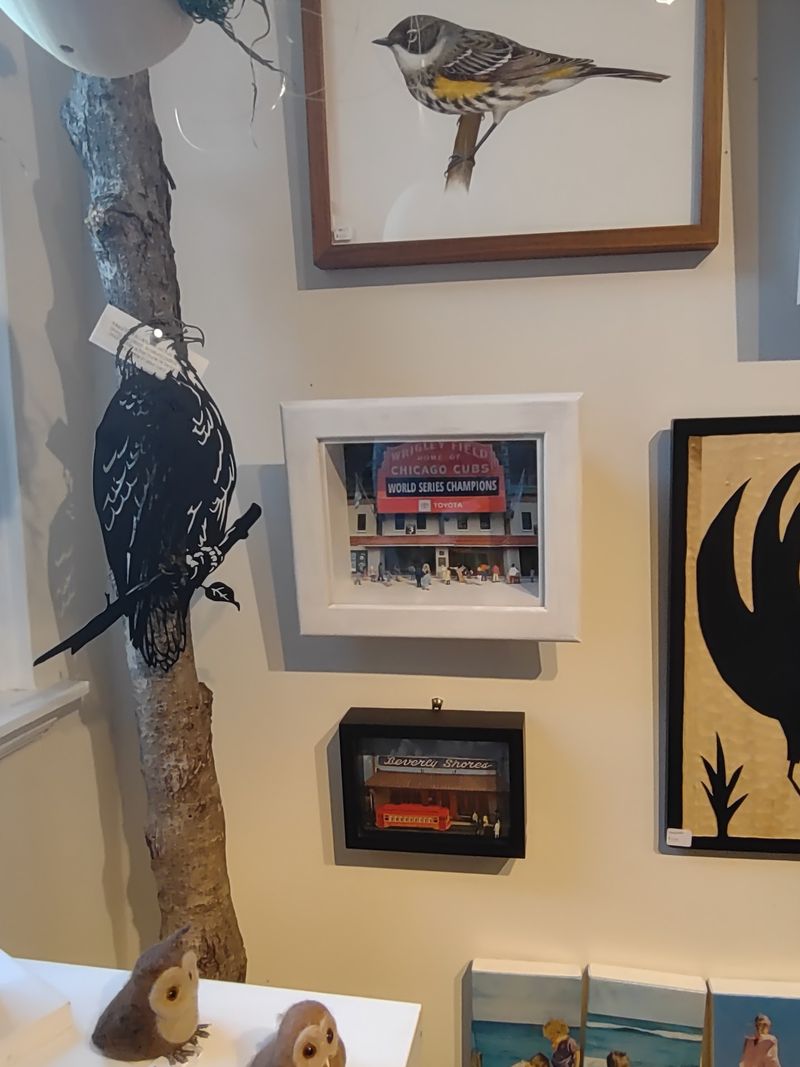
Dune landscapes appear often, which makes sense given the surroundings, though subjects range far beyond scenery. One memorable past exhibit drew inspiration from the birds of the Indiana Dunes, a fitting theme for an area known for remarkable bird diversity.
Second Fridays bring opening receptions each month, turning the small gallery into a lively gathering spot where artists and neighbors mix. Those evenings have a warm, community-hall energy.
An annual 5×5 fundraiser adds extra fun. Artists contribute five-by-five-inch pieces available for acquisition, and the tiny format encourages experimentation from both makers and collectors.
Because the space stays intimate, conversations happen naturally. Volunteers often know details about the current show and are happy to share context about the artists represented.
Anyone traveling with a tight schedule can still enjoy the gallery in fifteen minutes. Those who linger tend to leave with a much better sense of how the dunes shape creative work across Northwest Indiana.
Voices From the Past in the Oral History Project
Documents and maps explain what happened in a place. Recorded voices explain how it felt.
The museum’s oral history project, titled Beverly Shores History for the Asking, gathers memories from current and former residents of the town.
Stories cover ordinary life alongside bigger changes, from summers spent near the lake to the years when federal acquisition of lakeshore land reshaped the community. Hearing those recollections adds emotional weight that display panels alone cannot deliver.
Small details tend to stick. Descriptions of neighborhood routines, seasonal rhythms, and the sound of trains passing through give the exhibits a lived-in quality.
The project also preserves knowledge that would otherwise disappear quietly. Once a generation moves on, firsthand accounts of a small lakeside town become extremely difficult to recover.
Visitors interested in genealogy or local research often find this material especially useful, since it reflects perspectives rarely captured in official records.
Materials connected to the project are available through the museum’s website as well, which helps anyone wanting to explore further after leaving.
Set aside a few extra minutes for this portion of the visit. Reading a caption takes seconds, but sitting with someone’s memory of a place tends to change how the rest of the depot reads.
It is the quietest part of the museum and arguably the most human.
Follow the Heritage Trail Through Town
Curiosity does not have to stop at the museum door. The Beverly Shores Heritage Trail turns the surrounding town into a self-guided walking tour, connecting locations that shaped the community’s story.
Markers along the route include QR codes linking to website materials that explain why each spot matters. Bring a phone, and the town becomes a scattered outdoor exhibit.
Streets here are quiet and sandy at the edges, lined with cottages and shaded by trees that have clearly weathered plenty of lake winters. Walking feels unhurried by design.
The trail pairs nicely with everything learned inside the depot. Reading about the Bartlett brothers’ development plans hits differently while standing among the results.
Comfortable shoes help, and so does sunscreen, since shade comes and goes. Water is worth carrying on warm afternoons.
Distances remain manageable for most walkers, though pacing depends on how many stops get explored. Some visitors tackle a handful of sites; others work through the full route.
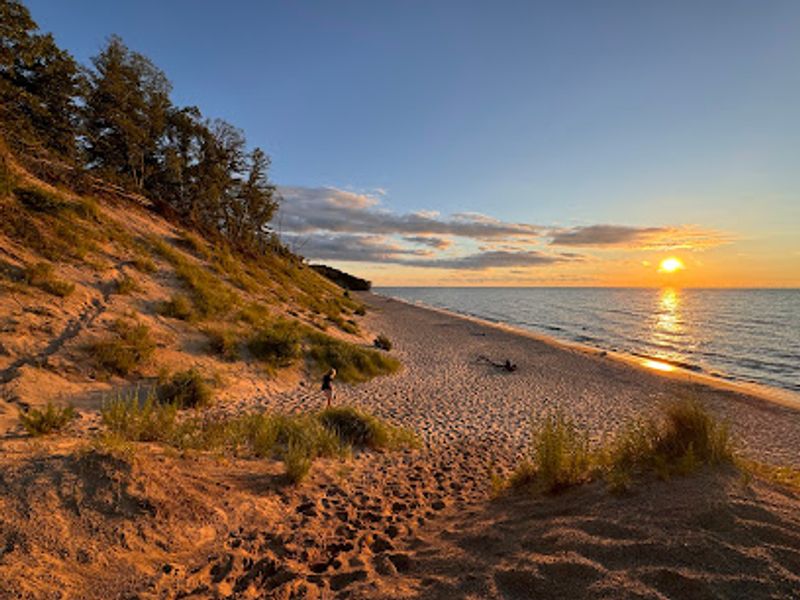
Lake Michigan sits close by, making it easy to end a walk with sand underfoot and open water ahead. The nearby Indiana Dunes National Park adds more than fifty miles of trails through woodlands, prairies, wetlands, and dunes for anyone wanting a longer outing.
Plan the trail for a mild morning. Midday heat makes any walking tour less fun.
A Gift Shop Where the Souvenirs Are Actually Handmade
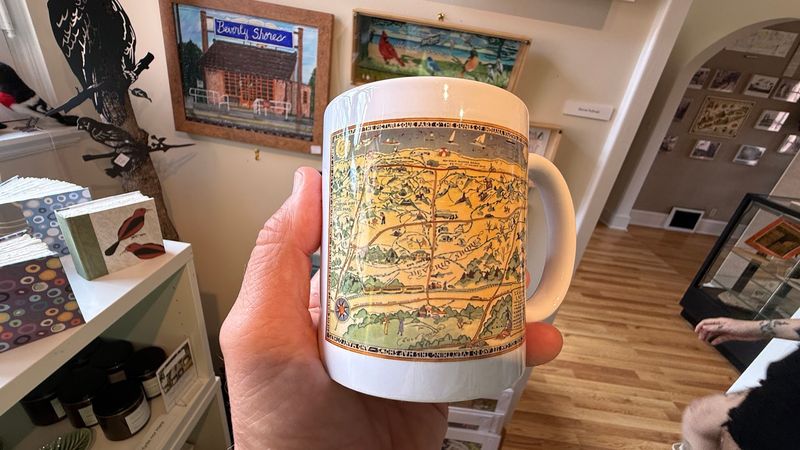
Skip the mass-produced keychain expectations. The shop inside the depot, located at 525 S Broadway, Beverly Shores, IN 46301, leans toward artisan work, much of it made by artists connected to the region.
Shelves hold hand-thrown ceramics, jewelry crafted from recycled materials, handmade paper boxes and journals, and distinctive charcuterie boards. Items rotate, so repeat visitors usually spot something new.
Products tied to Indiana Dunes National Park sit alongside books on local history and nature, making the shop a decent starting point for anyone planning deeper exploration of the area.
Purchases matter more than usual here. The Depot operates as a non-profit guided by a volunteer board of directors, and proceeds from sales support programming and building maintenance directly.
Hours differ from the museum’s schedule. The museum generally opens May through October, while the gift shop may extend to weekends from April through mid-December, with specific times varying across Friday, Saturday, and Sunday.
Checking ahead prevents a wasted drive, especially during shoulder seasons when schedules shift.
Because the space is small, browsing feels relaxed rather than rushed. Volunteers often share background about the makers behind particular pieces, which turns shopping into another form of learning.
The Depot also appears on the Indiana Dunes Arts + Culture Trail, a free self-guided route through cultural sites across Porter County. Combine several stops, and a single day can cover art, history, and shoreline scenery without spending anything on admission.
