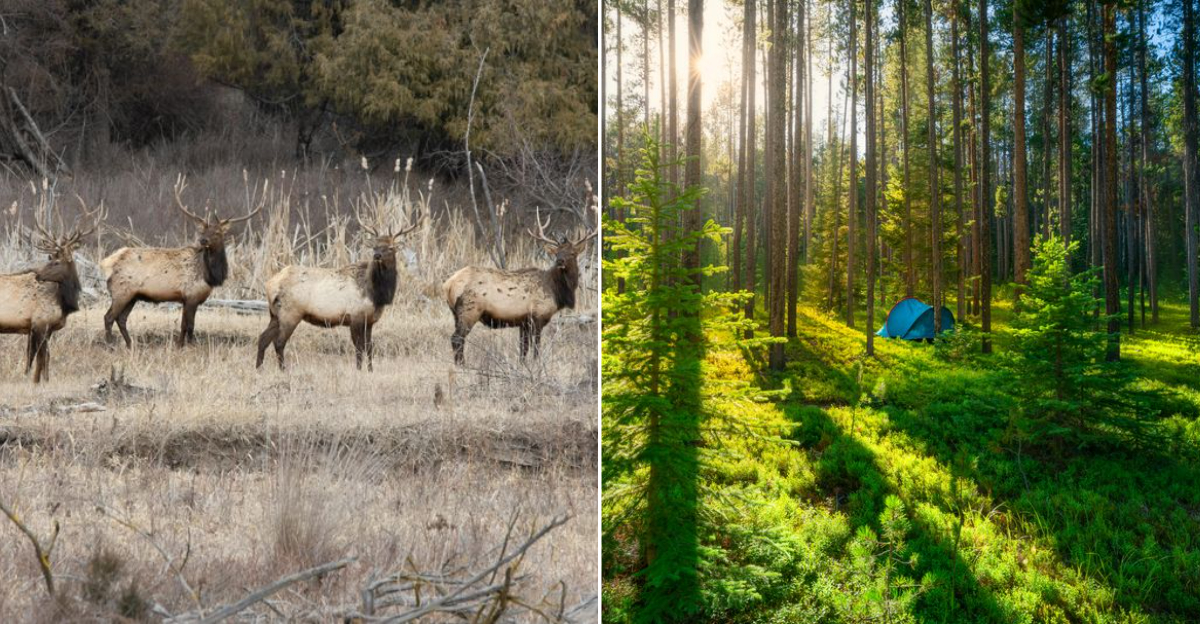
What comes to mind when you think about traveling through Montana? For most people, it’s wide-open skies, rugged mountains, and endless outdoor adventures, and honestly, that part lives up to the hype.
From hiking trails that feel like they go on forever to small towns with big personality, Montana delivers plenty of thrills that make the trip unforgettable. But here’s the thing: not everything is perfect.
Alongside the jaw-dropping scenery and memorable experiences, there are a couple of letdowns that catch travelers off guard.
Maybe it’s the long drives that test your patience, or the fact that some spots feel a little too crowded during peak season.
I’ve had moments where I was blown away by the beauty, and others where I thought, “Okay, this part could’ve been better.” That mix of highs and lows is what makes Montana interesting, it’s real.
And if you’re planning a trip, knowing both sides of the story helps. Ready to dive into the 10 thrills and 2 disappointments?
1. Big Sky Actually Feels Big
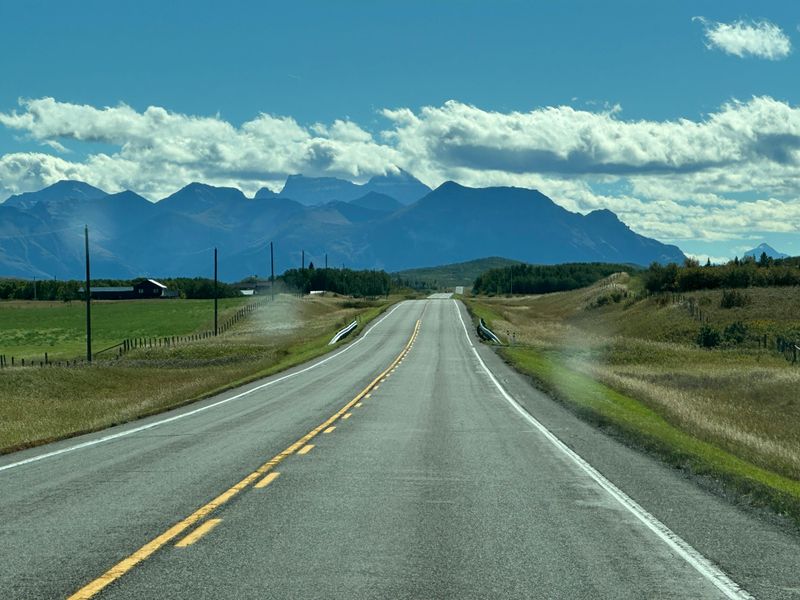
You know that moment when the road stretches so far you stop checking the clock? That happens a lot in Montana, and it sneaks up fast.
The light hangs wide, clouds drift like slow ships, and you catch yourself breathing deeper because the horizon does not crowd you.
Driving between towns, you notice how your eyes keep scanning for miles. The land is not empty, it is just honest about space.
A ranch fence might run along the road, then give way to a valley, and then another valley, like the state keeps opening doors.
It feels especially real at dusk. The sky goes from gold to violet in big streaks that do not quit, and the first stars appear like a quiet reminder to slow down.
That sense of room changes your mood, and somehow it changes your plans too.
Instead of stacking stops, you start letting the drive be the main event.
Gas stations become little breaks, not rush points. You roll the windows down, not for air, but to listen to the soft wind and tires on pavement.
Trust me, this is more than a nickname. Big Sky is not a slogan, it is a feeling that follows you into every day of the trip.
It is the reason you will keep glancing back even after you park.
2. Glacier National Park Lives Up To The Hype
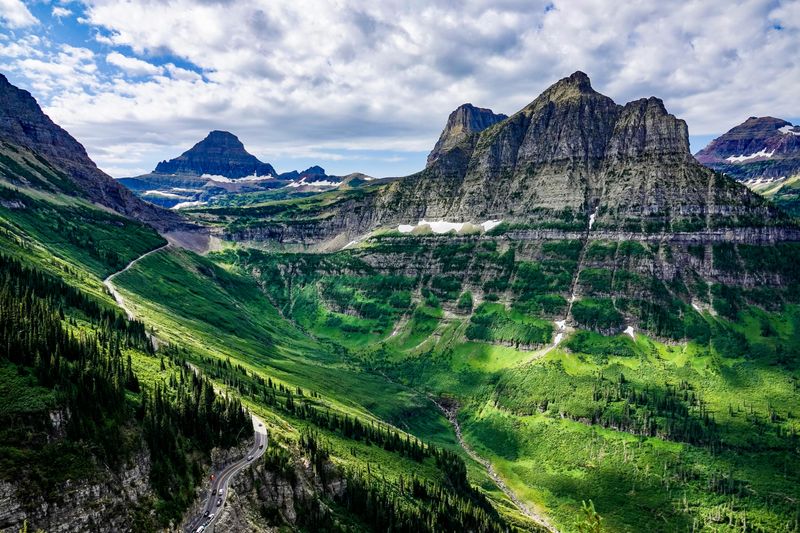
Glacier sets the bar the second you roll toward the mountains. The peaks are sharp, the lakes sit like glass, and the air feels crisp even on a warm day.
You look around and think, okay, this is why people talk about it so much.
The famous road is a patience game, and it is absolutely worth it. Curves stack up, pullouts invite you to stop, and every turn adds a new angle on rock and sky.
Bring a calm mindset and an early start, and you will have a smoother time.
Trails vary from casual strolls to steeper climbs that wake up your legs. You do not need to chase the far corner to get an amazing view.
Even the quieter corners deliver scenes that feel cinematic without a crowd pressed around you.
Clouds can move in and out like a slow curtain, and light flips the whole mood of a valley in minutes. That shifting drama is part of the thrill, not a problem to solve.
When you leave, the images stick: a turquoise lake, a ridge that looks almost carved, a stretch of road clinging to stone.
You will carry those scenes for a long time and probably plan another lap.
3. Wildlife Encounters Feel Real
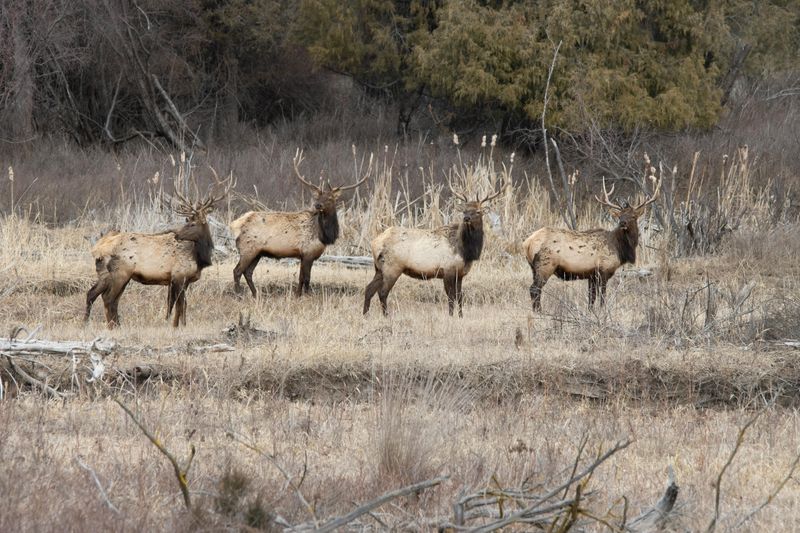
Out here, animals are not props. You might spot bison in a distant pasture, elk crossing at a slow pace, or mountain goats balancing on slopes like it is nothing.
I think it feels alive and unscripted, which is part of the magic.
Sometimes you notice a shape in the grass and realize it is moving. Other times traffic pauses because something decided the roadway is the best route today.
It is a gentle reminder to keep distance, stay calm, and let the moment unfold.
Binoculars help more than you think. They turn a distant dot into a story, and you leave animals the space they deserve.
Cameras are great, but keeping your head up matters more so you read the scene without stepping in.
Guided areas often post updates on sightings and safety. It is worth checking signs and asking locals before you go wandering down a side road.
That little bit of knowledge goes a long way in Montana.
When it happens, the memory sticks. You feel lucky, not entitled, and the day takes on a different shine.
4. Small Towns Still Feel Independent
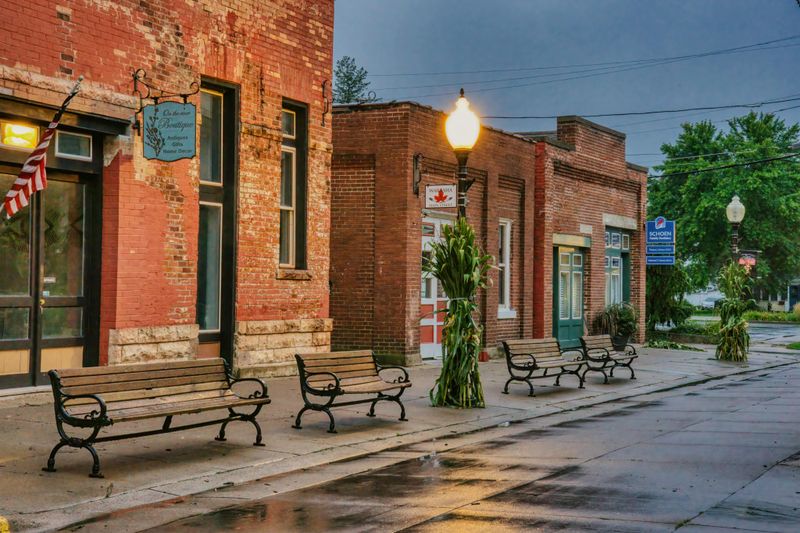
Some towns in this state move on their own clock. You roll in expecting tourist hustle and instead find a main street that feels lived in.
People wave at each other before they notice you, and that is a good sign.
Shops open when the owner is ready, not when an online listing says so. Events pop up because the community wants them, not because a calendar demands it.
You start to settle into that pace, and the day gets easier.
Conversations happen on doorsteps and at park benches. Ask a simple question and you might get a whole story about a building or a trail.
That is the sweet spot, where you understand a place without trying too hard.
Bring patience and curiosity, not an itinerary that suffocates the hour. If a museum is closed, walk the block and read the old signs.
If a gallery opens later, enjoy the shade and watch the street for a bit.
When you leave, you will remember the slower rhythm as much as any view. The town did not perform for you, it let you observe.
That kind of honesty is refreshing, and it keeps you grounded for the miles ahead.
5. Rivers Shape Daily Life
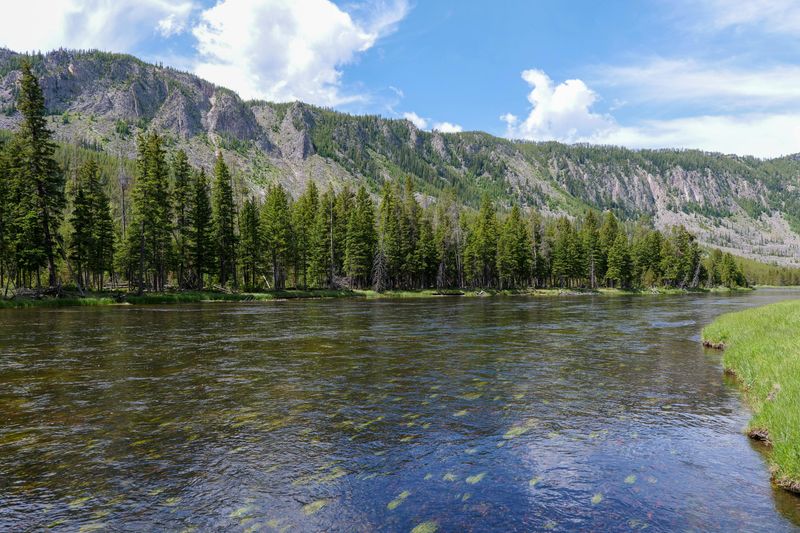
Spend a day near a river here and you will feel the pull. Water sets the tone for plans and conversations, whether you are walking a bank or watching from a bridge.
It is calm, steady, and somehow energizing.
Names like Madison, Yellowstone, and Missouri come up often. Locals speak about flows and clarity the way others talk about traffic.
Even if you never step in, the sound and motion add a kind of rhythm to the day.
Trails hug the water in sections, and gravel bars make easy resting spots. You will notice birds working the edges and shadows drifting across the current.
It is a simple time, and it always seems to pass slower in the best way.
Ask around and you will get suggestions for mellow stretches or scenic turnouts. Each town along a river carries that connection in small ways.
It feels like the landscape and the community are in steady conversation.
When the sun drops, the water reflects color like a long ribbon. You stand there longer than you meant to, and that is the point.
6. Night Skies Are Exceptionally Dark
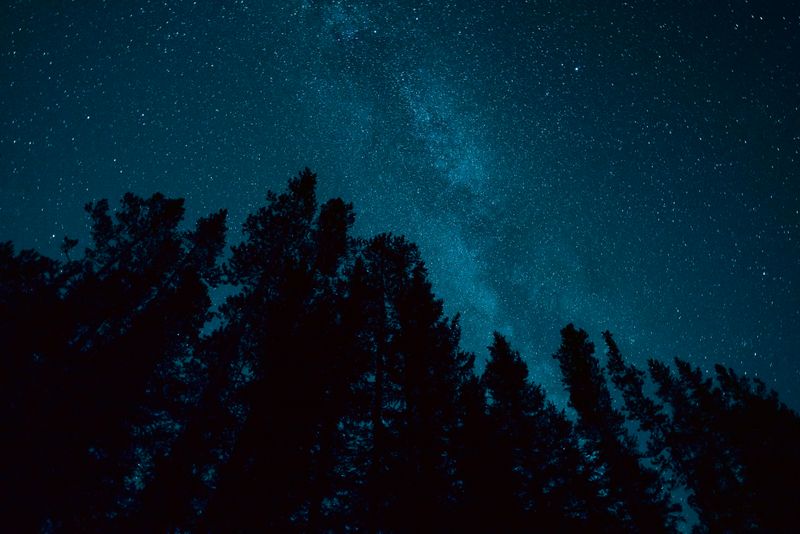
Wait until the stars come out and you will get it. Away from bright lights, the sky turns into a full on show.
You can see the Milky Way without hunting for it, and that first view might stop your conversation mid sentence.
Bring a warm layer and give your eyes time to adjust. The longer you stand there, the more detail shows up.
Constellations connect, satellites drift by, and the whole sky feels close enough to touch.
Rural pullouts and park areas are the sweet spots. Turn off the car lights, keep phones dim, and let the quiet do its work.
It is amazing how fast the night becomes friendly when your eyes relax.
If you have a tripod, great, but it is not required. Honestly, the memory may beat any photo you take.
You will end up whispering without a reason, like the sky asked for it.
Montana makes darkness feel cozy rather than empty. The calm sinks in, and you realize how noisy regular nights usually are.
It is a small gift that lingers the next morning when you start the engine.
7. History Is Woven Into Everyday Places
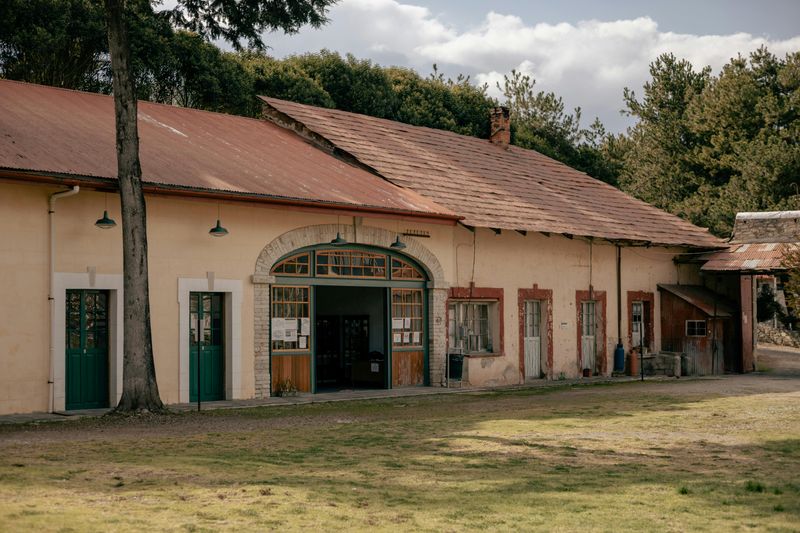
History in Montana does not sit behind glass all the time. It lives in brick fronts, rail lines, and sturdy little museums set right on main streets.
You walk a block and catch a glimpse of the past without trying.
Stories from Native nations, mining, and early railroads are part of the daily fabric. Locals point to buildings and tell you what stood there before.
I feel like that mix gives context to a town you just met, and it helps everything click.
Small museums and historical centers are worth a slow visit. Give yourself time to read the panels and ask a question or two.
You come away with details that stick far longer than a quick snapshot. Markers along roads can be surprisingly moving.
Pull over safely, take a minute, and let the text settle. It changes how you see the next valley and the one after that.
8. Outdoor Access Feels Effortless
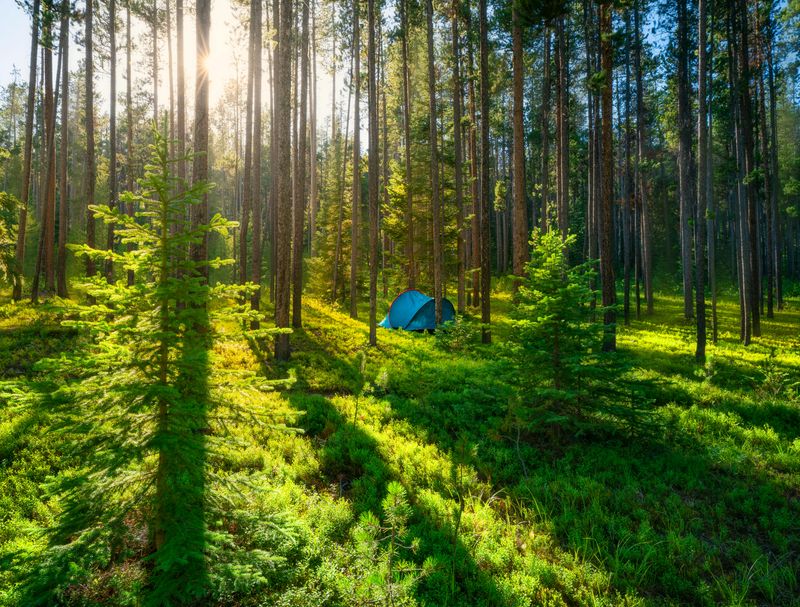
In Montana, getting outside is not a production. Trailheads sit near town edges, lakes appear after short drives, and locals treat weekends like open invitations to roam.
You feel welcomed by the landscape without a lot of planning.
There is a kind of ease built into the layout. Public lands spread across huge areas, and access points are straightforward.
You can be tossing a daypack in the back and moving within minutes.
Maps help, but word of mouth might be better. Ask a clerk or a park staffer and you will get directions that sound like simple steps.
It keeps the day light and flexible, which is exactly how this place works best.
Gear can be minimal if you keep things mellow. Good shoes, layers, and water go a long way.
Make sure to add a paper map for backup and you are set for a relaxed loop or a scenic overlook.
This state rewards curiosity with quick wins. You do not need a huge plan to feel accomplished.
One trail, one lake, and you are already in that satisfied headspace.
9. Each Season Changes The Experience
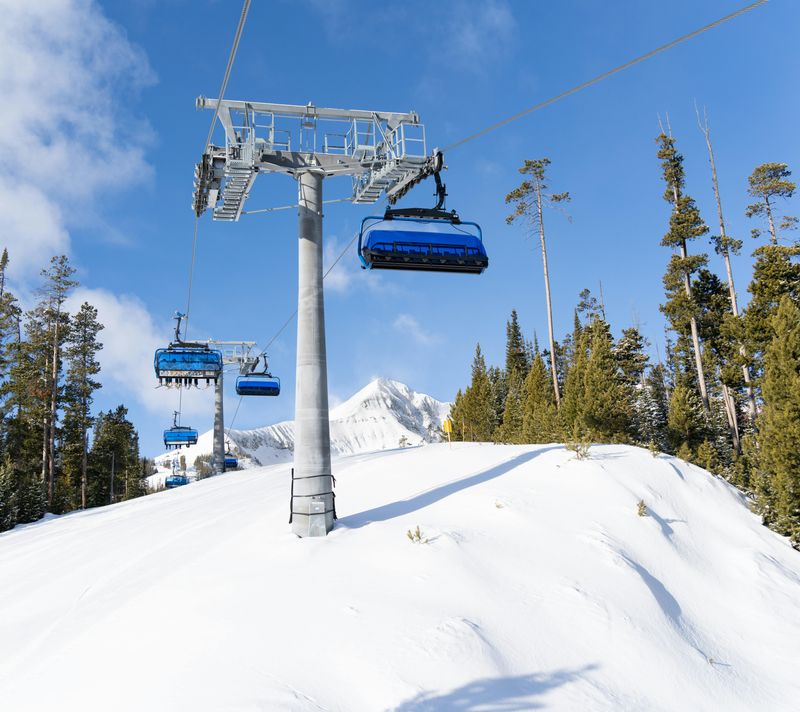
Timing matters here more than you think. Summer brings long light that stretches your plans, and early mornings feel fresh and calm.
Then other months arrive and the whole place shifts, like the state changed outfits overnight.
Fall comes with color that rolls down the hills. Towns feel quieter, days are crisp, and the pace becomes unhurried in the best way.
Spring flips the rhythm again with lively rivers and new greens that brighten every view.
Winter? It makes everything clean and focused.
Roads and trails require attention, but the scenes are calm and the air feels clear.
You start to appreciate small comforts, like a warm layer and a steady plan.
No matter when you go, the vibe is distinct. The same route can feel like a different story with each season, and that keeps repeat trips interesting and gives you reasons to come back.
Ask yourself what mood you want: long daylight, quiet streets, fresh water, or peaceful snow? Pick the season that matches your pace and let Montana meet you there.
10. The Quiet Can Be Striking
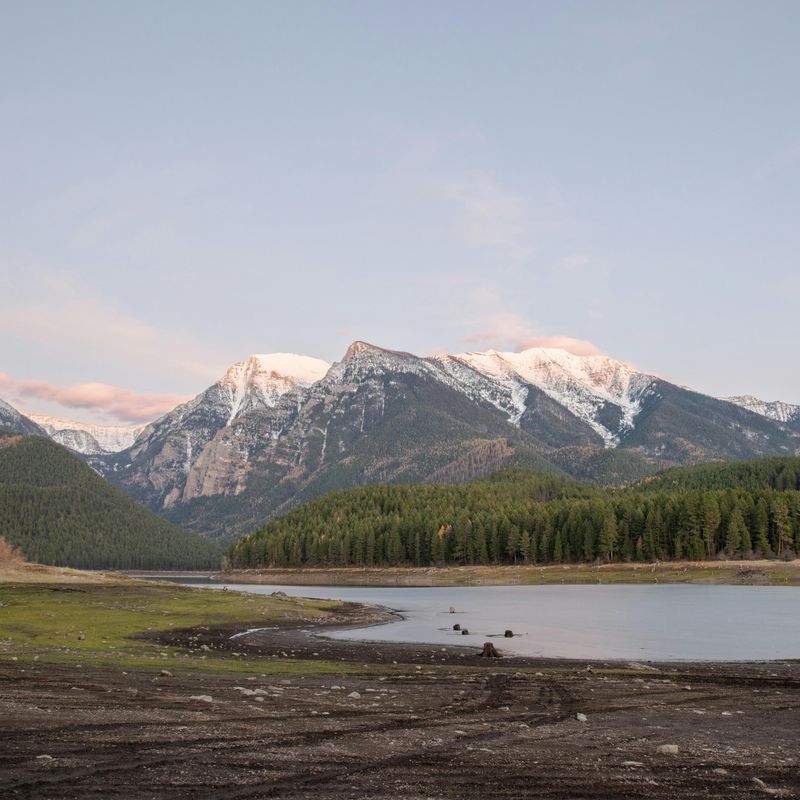
Silence is not empty here. It is soft tires on gravel, a breeze nudging grass, and maybe a distant bird.
You notice the quiet first, then realize how much you needed it.
Some stretches of road roll by without another car. Pullouts become little sanctuaries where you stop, look, and let your shoulders drop.
No rush, no noise, just a slow breath and a big view.
That calm changes conversations too. You find yourself speaking softer without trying, like the air requested it.
Even music sounds different when the backdrop is this still.
Bring a simple plan and leave room for pauses. Ten minutes at a turnout might be the highlight of your day.
It is the kind of moment that does not show up in photos but sticks in your memory anyway.
Montana does quiet better than most places. You head out feeling balanced and ready for the next stretch.
11. Distances Are Larger Than Expected
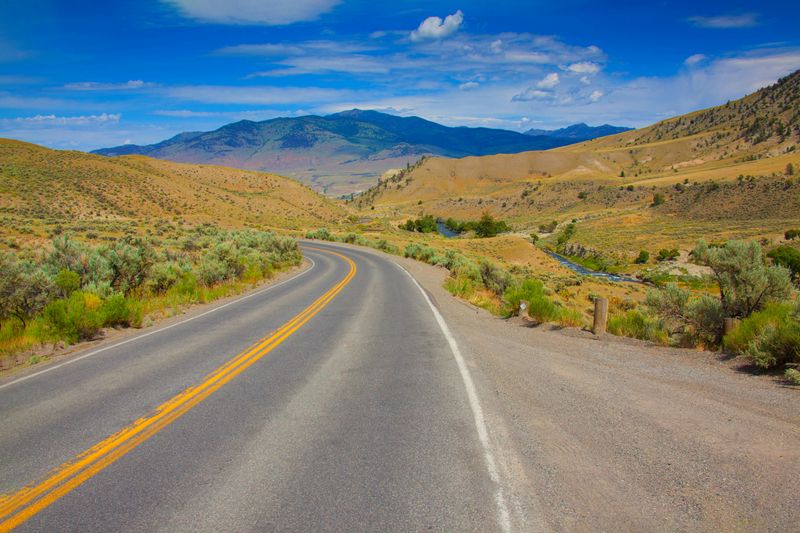
Here is the part that trips people up: Montana is big, and the map can make routes look shorter than they feel.
You think you can stack stops, then the clock reminds you this is not a small state.
Roads are good, but you still cover long stretches between towns. Services can be spread out, so top off when it is easy.
Having a flexible window makes the entire day more relaxed.
It helps to pick anchors instead of a long checklist. Choose a main goal for the day, then add one bonus if time stays kind.
That way the drive feels like part of the plan, not a hurdle to push through.
Locals are great for realistic time estimates. Ask how long a segment feels, not just the distance.
Those lived in answers save you from rushing and missing the fun.
Once you adjust, the miles become pleasant rather than stressful. You settle into a steady pace and let scenery be the reward.
That shift changes your whole trip for the better.
12. Weather Can Change Plans Quickly
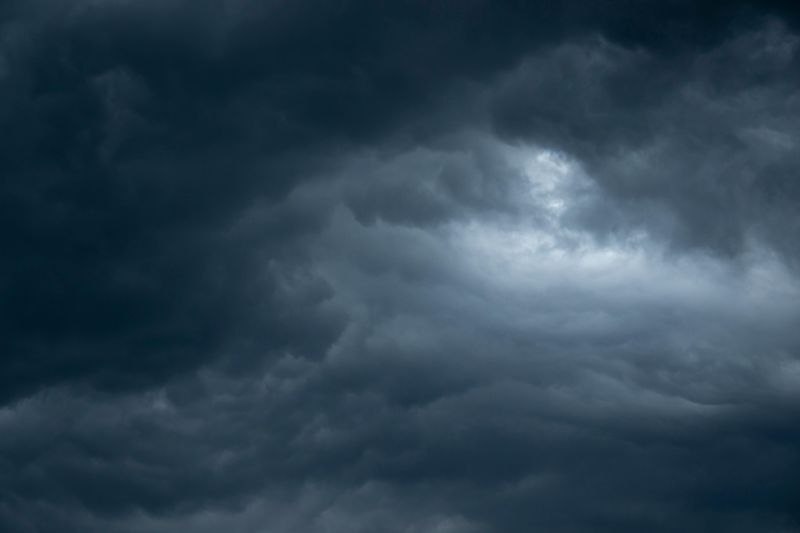
The weather here keeps you on your toes. Sun can flip to clouds, then wind, then a quick burst of something else.
It is not dramatic every hour, but it can pivot faster than you expect.
Mountain areas make the shifts more noticeable. You might start a trail under blue sky and end with a cool breeze and gray edges.
Layers and a simple backup plan go a long way.
Road conditions can change too, so check updates before long drives and watch for alerts at park entrances. Those quick looks save time and keep the day smooth.
When the weather turns, embrace plan B. Maybe you swap a high overlook for a lower valley stroll.
You still get a great day, just a different version of it.
This state rewards flexibility. Keep an eye on the sky, respect the mountain mood, and you will do fine.
The variety becomes part of the story you tell later.
