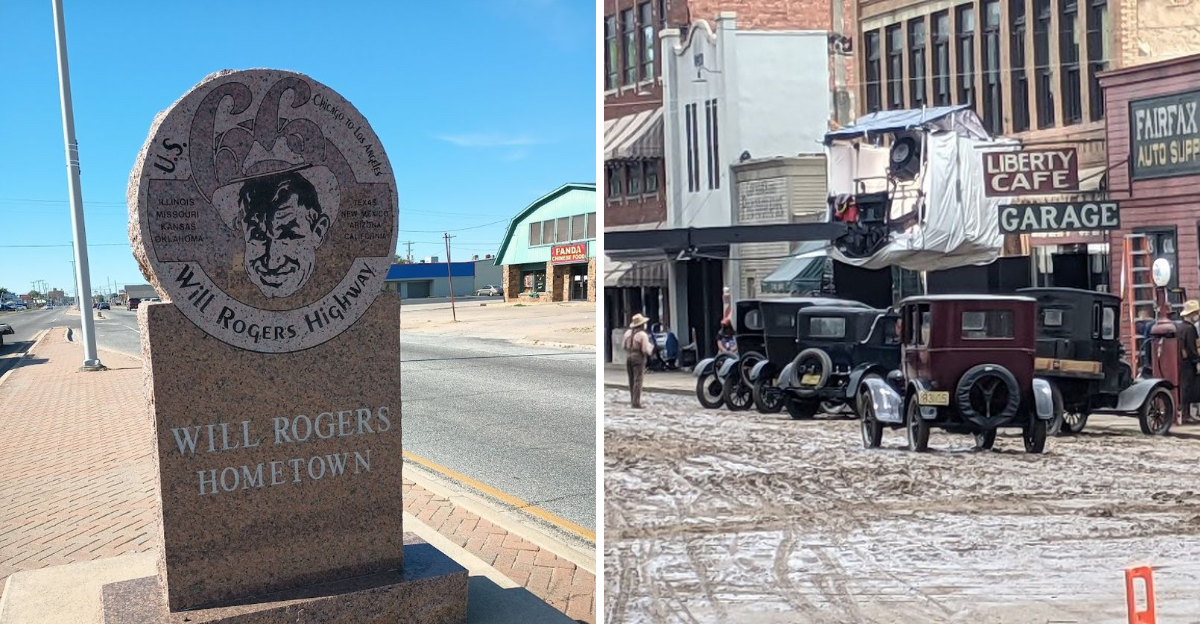
You do not have to imagine the Wild West here. You can still walk straight into it.
In parts of Oklahoma, history never fully packed up and left. It lingers in old brick streets, wooden storefronts, cattle trails, and stories that refuse to fade.
These towns are not recreations. They are the real thing, shaped by outlaws, ranchers, oil booms, and long stretches of open land.
Spend a little time in them, and the past starts to feel uncomfortably close in the best possible way.
1. Guthrie, Oklahoma
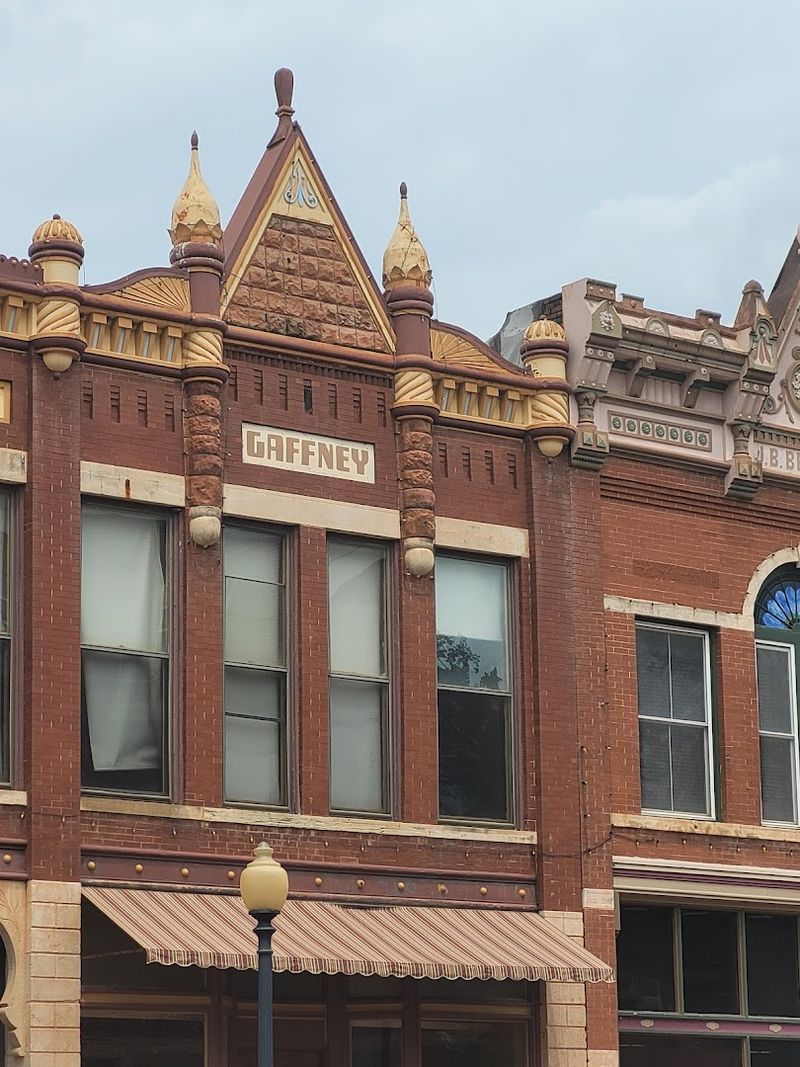
Guthrie does not hint at history. It surrounds you with it, from the moment you turn onto its downtown streets and find yourself face to face with some of the most intact Victorian architecture in the entire American West.
Once the territorial capital of Oklahoma, Guthrie was a fully functioning city almost overnight after the Land Run of 1889. Buildings went up fast, and remarkably, many of them are still standing today.
Walking through the downtown district feels like flipping through a living history book. Red brick facades, ornate stonework, and original storefronts stretch block after block without interruption.
The Oklahoma Territorial Museum is a strong starting point if you want context before you explore. It traces the region’s frontier days with exhibits that connect the architecture around you to the people who actually lived here.
The Pollard Theatre, operating since 1901, still puts on live performances and adds a cultural layer that most towns this size simply cannot offer. It is one of those places where the building itself is part of the story.
Logan County surrounds the town with wide, flat land that feels unchanged from the territorial era. Even the drive in sets a certain mood.
Every corner of Guthrie carries weight. There are no flashy recreations here, just original structures and the quiet, steady presence of a place that knows exactly what it is and never felt the need to change.
2. Pawhuska, Oklahoma
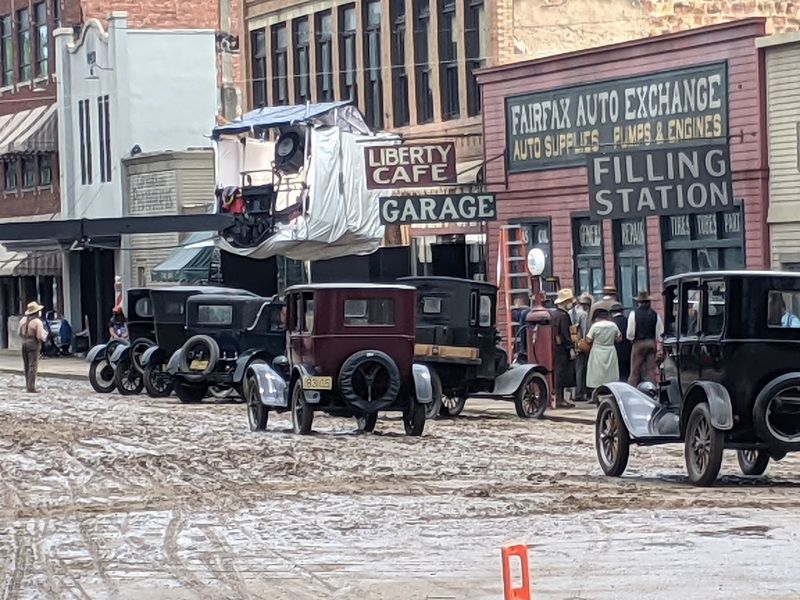
Something about Pawhuska feels grounded in a way that is hard to put into words until you actually stand in the middle of it. Situated in Osage County in northeastern Oklahoma, this town carries the kind of quiet confidence that comes from knowing a long and layered history.
The Osage Nation has deep roots here, and the town reflects that cultural identity at every turn.
The Osage Nation Museum, one of the oldest tribally owned museums in the United States, holds an extraordinary collection of photographs, artifacts, and documents that bring the region’s story into sharp focus.
Pawhuska also sits at the heart of Oklahoma’s ranching culture. The surrounding land rolls with tall grass prairie that stretches toward the horizon, and cattle ranching remains a central part of life in Osage County today.
The downtown area has seen renewed energy in recent years without losing its original character. Wide streets, sturdy brick buildings, and a relaxed pace give the town a presence that feels both enduring and approachable.
Oil wealth shaped this region significantly in the early twentieth century, and traces of that era show up in the architecture and in stories passed down through generations. The Osage Hills nearby offer hiking and open land that adds a natural dimension to any visit.
Pawhuska does not perform its history for tourists. It simply lives it, steadily and without apology, the way it always has.
3. Tahlequah, Oklahoma
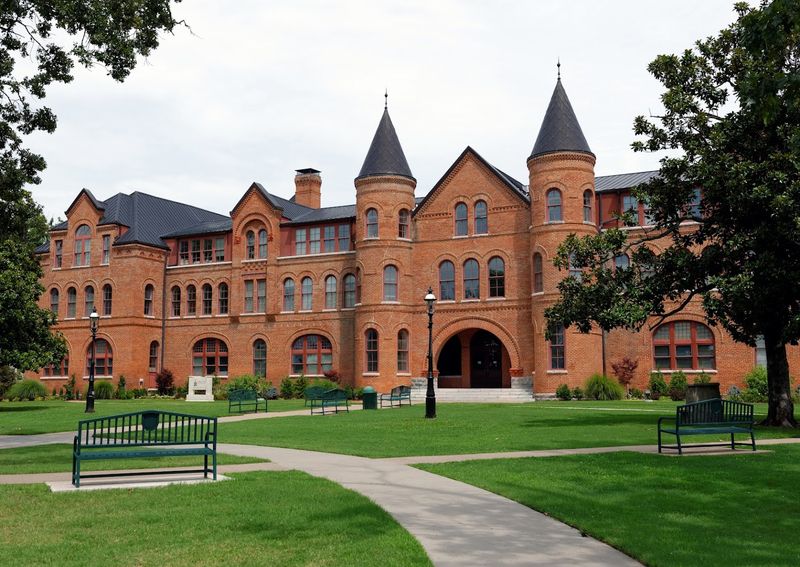
History here carries a different kind of weight, one that stretches back far beyond cattle drives and land runs. Tahlequah, located in Cherokee County in eastern Oklahoma, was designated the capital of the Cherokee Nation in 1839, making it one of the oldest chartered cities in the United States.
The Cherokee National Capitol Building still stands in the center of town, an 1869 brick structure that anchors the historic district and draws visitors who want to understand the full, complicated story of the American frontier.
Walking through Tahlequah means engaging with a narrative that goes beyond the typical Wild West script. The town reflects resilience, cultural continuity, and a strong sense of identity that has persisted through extraordinary circumstances.
The Diligwa living history village offers an immersive look at eighteenth-century Cherokee life, with reconstructed structures and demonstrations that bring the past into tangible form. It is the kind of place where you leave knowing something real.
The Illinois River runs near the town and adds a natural backdrop that makes the area feel both historic and alive. Canoe trips along the river are popular and give a sense of the landscape that shaped daily life here for centuries.
Northeastern State University brings a younger energy to the town without overwriting its character. Tahlequah manages to hold all of these layers at once, past and present, with a quiet power that stays with you long after you leave.
4. Claremore, Oklahoma
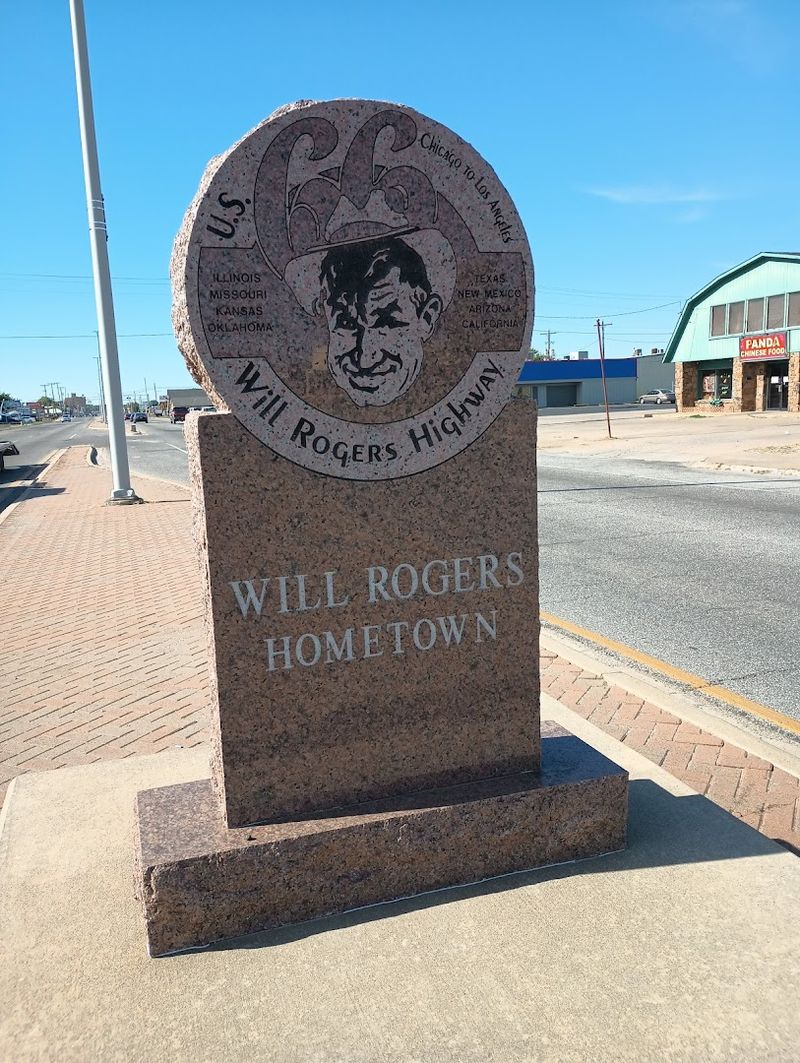
Claremore moves at its own pace, and honestly, that is a big part of its appeal. Tucked into Rogers County in northeastern Oklahoma, this town has a warmth to it that feels genuine rather than performed.
The Will Rogers Memorial Museum is the town’s most recognized landmark, dedicated to the beloved Oklahoma-born cowboy philosopher who became one of America’s most famous entertainers in the early twentieth century.
The museum holds personal items, films, and writings that paint a vivid picture of his life and era.
Beyond the museum, the historic district offers a walkable stretch of buildings listed on the National Register of Historic Places. The Belvidere Mansion stands as one of the finest examples of Victorian residential architecture in the state, complete with original details that have been carefully preserved.
Claremore sits close enough to Tulsa to make a day trip easy, but it has enough going on to warrant a longer stay. The town’s connection to Route 66 adds another layer of Americana that road trip enthusiasts will appreciate.
Local shops and cafes fill the historic storefronts with a mix of antiques, handmade goods, and Oklahoma-made products that make browsing feel rewarding. There is a sense here that the community genuinely values what it has built and wants to share it.
The surrounding Rogers County landscape is green and rolling, giving Claremore a softer setting than many Oklahoma towns. It invites you to slow down without ever having to ask.
5. Fort Gibson, Oklahoma
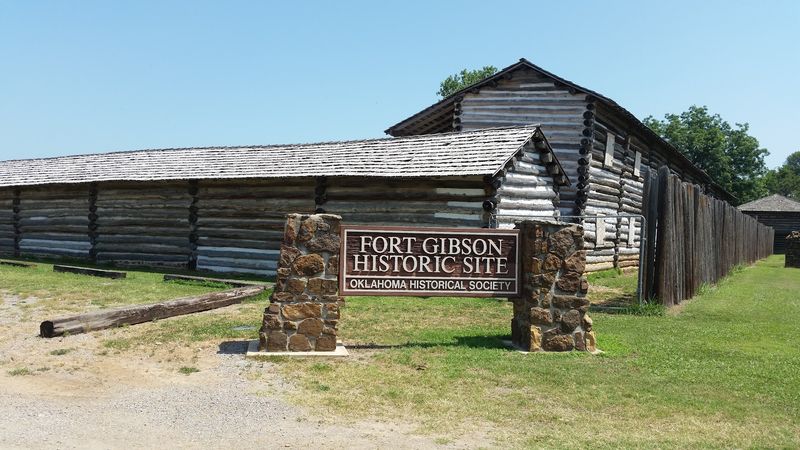
This is where the frontier once held its line. Fort Gibson, located in Cherokee County in eastern Oklahoma, began as a military outpost in 1824 and holds the distinction of being one of the oldest military forts in the American West.
The original stockade and several historic structures have been carefully preserved and reconstructed, giving visitors a clear sense of what life looked like at the edge of early American expansion.
Walking the grounds, you can almost hear the sounds of a place that was once the westernmost point of the United States Army’s reach.
The fort played a central role in the relocation of Native American nations during the 1830s, and that history is acknowledged honestly in the site’s exhibits and interpretive materials. It is a place that does not shy away from complexity.
The nearby town of Fort Gibson is small and quiet, with a genuine small-town character that has not been polished for tourism. Brick streets and modest storefronts give it a lived-in authenticity that larger destinations often lose.
The Arkansas River and the Grand Lake of the Cherokees are both nearby, adding outdoor options that complement the historical focus of a visit. The surrounding landscape is dense with trees and river bottomland, which feels distinctly different from the open plains of western Oklahoma.
Fort Gibson does not need to advertise itself loudly. The weight of what happened here speaks clearly enough on its own, and that quiet authority is exactly what makes it worth the trip.
6. Tishomingo, Oklahoma
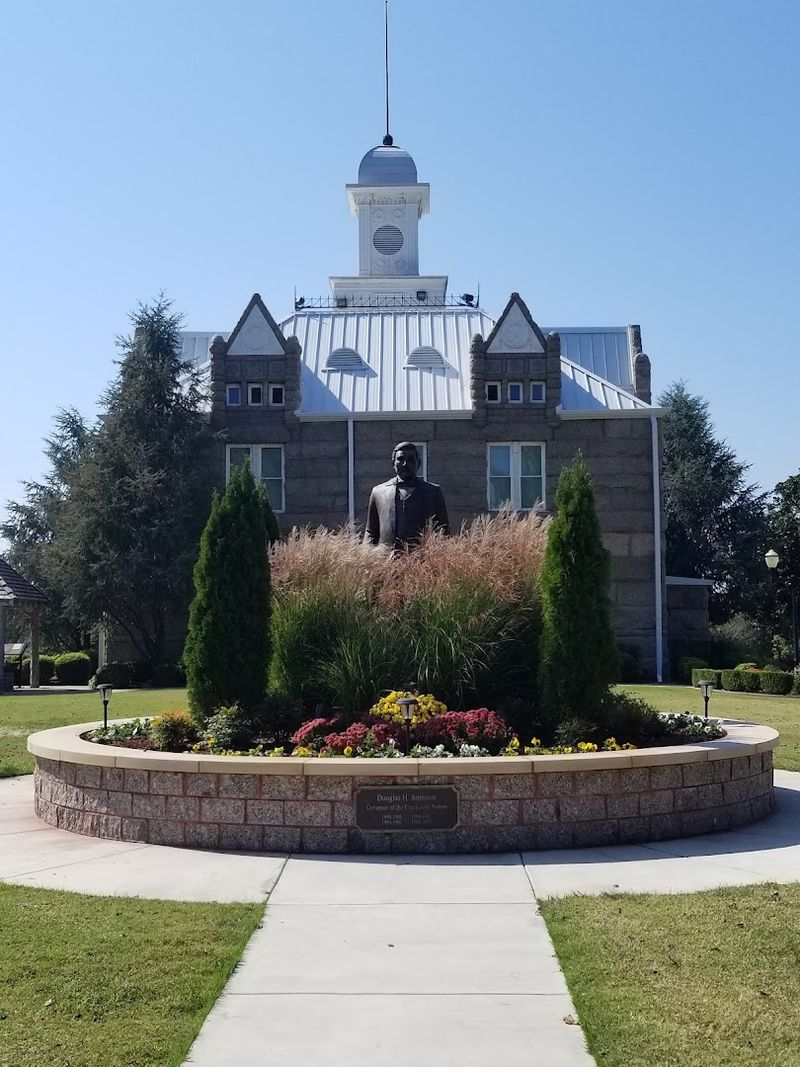
Few Oklahoma towns carry as much concentrated history in such a small footprint as Tishomingo. Situated in Johnston County in south-central Oklahoma, this town served as the capital of the Chickasaw Nation and still holds that identity with obvious pride.
The Chickasaw Capitol Building is the centerpiece of any visit, a striking structure that blends Victorian architecture with Native American design elements in a way that feels both intentional and distinctive.
It was built in 1898 and has been meticulously maintained as a symbol of Chickasaw governance and culture.
Right next door, the Chickasaw Council House Museum holds one of the largest collections of Chickasaw artifacts in the world.
Photographs, documents, traditional clothing, and everyday objects from the nineteenth century fill the space with a depth of detail that makes the history feel personal rather than abstract.
The town itself is compact and walkable, with a downtown area that retains much of its original character. Older buildings line the main streets, and the pace of life here is deliberate and unhurried in a way that feels like the town’s natural setting rather than a marketing strategy.
Tishomingo sits near the Washita River and is close to Lake Texoma, one of the largest reservoirs on the Oklahoma-Texas border. Those natural surroundings add a scenic dimension that balances the historical weight of the town itself.
Every visit here feels like a quiet conversation with a past that has been carefully tended and is genuinely worth understanding.
7. Sulphur, Oklahoma
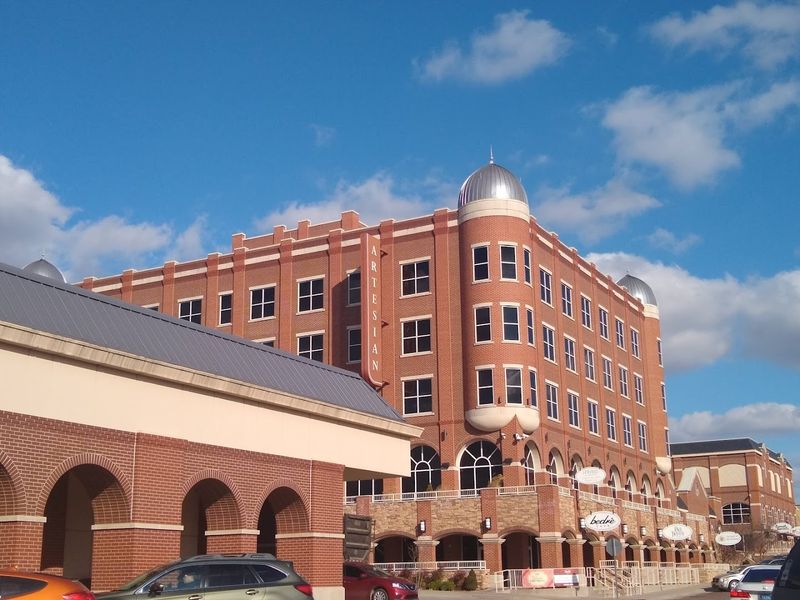
Long before wellness retreats became a travel trend, Sulphur was already doing it. Located in Murray County in south-central Oklahoma, this small town built its identity around natural mineral springs that drew visitors from across the region starting in the late 1800s.
The Artesian Hotel first opened in 1906 and became the social hub of a town that was quite literally bubbling with natural resources. The hotel has been restored and continues to operate, offering a tangible connection to the era when Sulphur was one of Oklahoma’s most popular destinations.
Chickasaw National Recreation Area surrounds much of the town and preserves the natural spring landscape that made Sulphur famous. The park includes cold sulfur springs, freshwater streams, and wooded trails that feel surprisingly lush for central Oklahoma.
The town itself has a relaxed, approachable character that makes it easy to spend a full day wandering. Historic storefronts, local shops, and the general unhurried energy of the place give Sulphur a charm that does not depend on any single attraction.
Veterans Lake and Bromide Hill within the recreation area offer scenic spots that reward those who take a little extra time to explore beyond the main road. The combination of natural beauty and early twentieth-century history gives Sulphur a layered appeal that is genuinely hard to replicate.
There is something refreshing about a town that found its identity in the earth beneath it and has been quietly proud of that ever since. Sulphur earns its place on any Oklahoma road trip itinerary.
8. Eufaula, Oklahoma
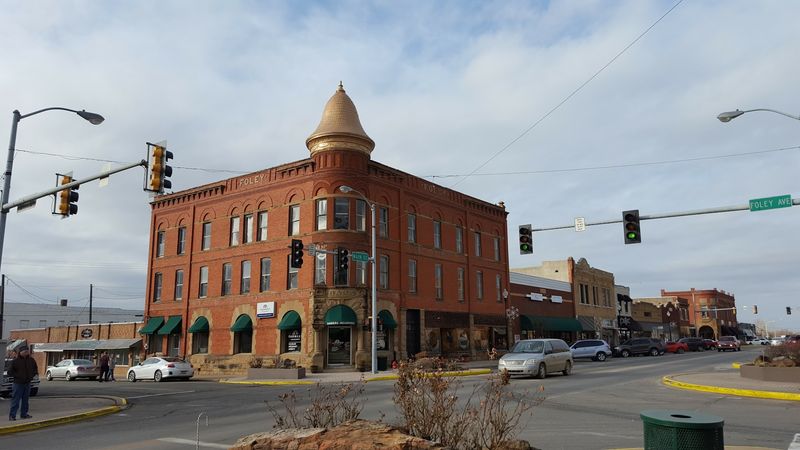
Sitting along the shores of Lake Eufaula in McIntosh County in eastern Oklahoma, this town offers a combination of frontier history and natural scenery that makes it stand out from most stops on an Oklahoma road trip. The lake itself is one of the largest in the state, but the town predates it by decades.
Eufaula’s historic district is listed on the National Register of Historic Places, and the buildings along its main streets reflect a well-preserved late nineteenth-century character. Original brick facades, decorative cornices, and wide sidewalks give the downtown a stately, unhurried quality.
The Lake Eufaula Multicultural Center highlights the Native American heritage of the region, particularly the history of the Muscogee Nation, which has deep ties to this part of eastern Oklahoma. The exhibits are thoughtful and add important context to the broader story of the area.
Eufaula sits at the junction of several historic trails that once connected Native American nations across the region. That crossroads quality still feels present in the town today, as if it has always been a place where different paths converge.
The lake draws anglers, boaters, and campers year-round, and the surrounding McIntosh County landscape is full of wooded hills and coves that reward exploration. Springtime brings a particular kind of beauty to the area, with wildflowers and green hills framing the water.
Eufaula is the kind of town that feels like a discovery, the sort of place you stumble onto and find yourself planning a return trip before you have even left.
9. Woodward, Oklahoma
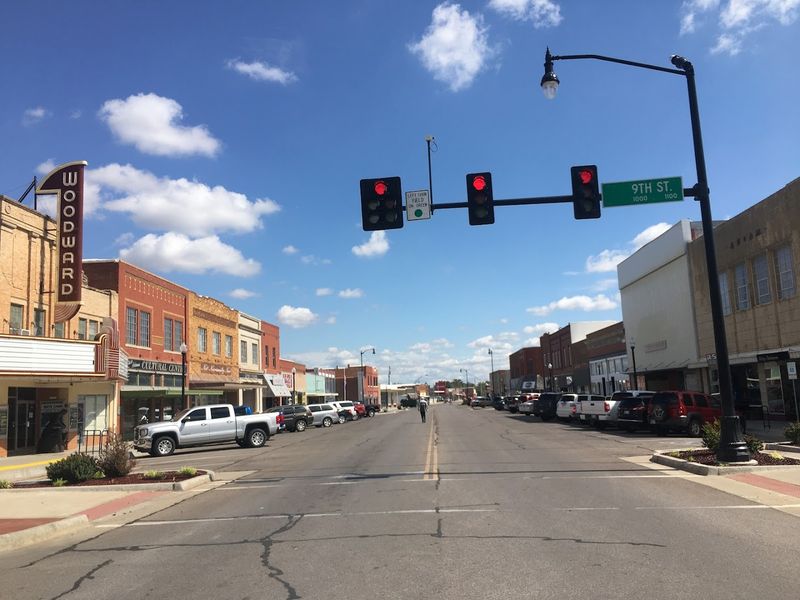
The land shapes everything in Woodward. Located in Woodward County in northwestern Oklahoma, this town sits deep in wide open country where the sky feels bigger than anywhere else in the state and the horizon stretches without interruption.
Ranching culture defines daily life here in a way that is not nostalgic or performative. It is simply the way things work.
Cattle operations, rodeos, and agricultural traditions remain central to the local economy and community identity in a manner that has changed very little over the past century.
The Plains Indians and Pioneers Museum is one of the town’s most worthwhile stops, covering the history of the region from Native American cultures through the frontier settlement period and into the early twentieth century. The collection is broad and genuinely informative without feeling overwhelming.
Woodward is also known as a hub for the annual Woodward Elks Rodeo, one of the oldest and largest rodeos in Oklahoma. If your timing lines up, attending it gives you an immediate and unfiltered sense of what this part of the state is all about.
The Cimarron River runs through the surrounding region, and the rolling, semi-arid landscape of the Cherokee Strip country gives Woodward a rugged, windswept setting that feels authentically western in a way that no amount of decoration could manufacture.
It is quiet here, but never empty. There is always something happening in the background, whether it is a cattle drive, a county fair, or simply the wind moving across grass that has been here far longer than the town itself.
10. Medicine Park, Oklahoma
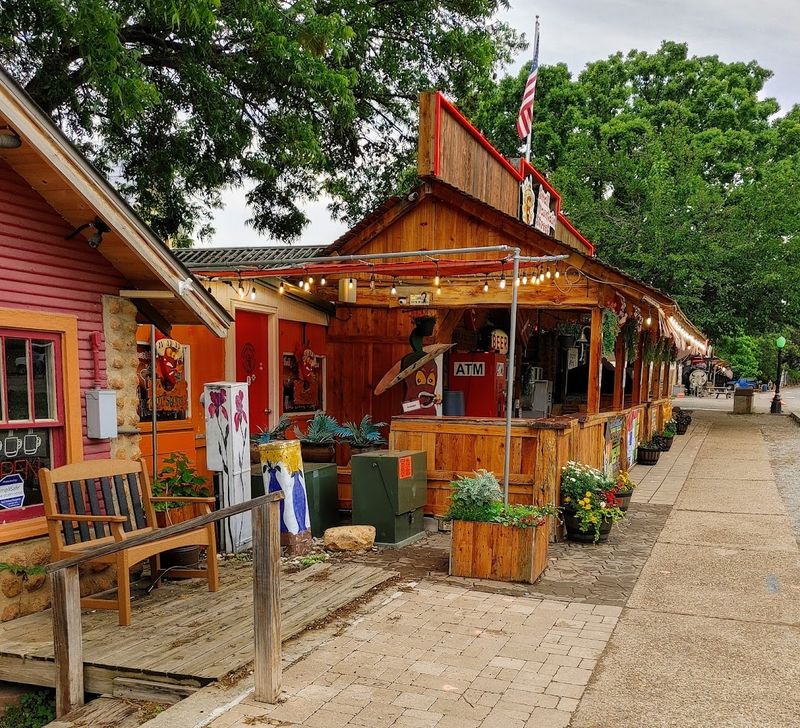
Medicine Park adds a different layer to Oklahoma’s Wild West story, one that trades dusty cattle trails for cobblestone streets and mountain scenery.
Located at the base of the Wichita Mountains in Comanche County in southwestern Oklahoma, this town was built in the early 1920s as one of the state’s first resort destinations.
The architecture here is genuinely unique. Nearly every original structure was built using smooth, rounded cobblestones pulled from the nearby Medicine Creek, giving the town a texture and character that looks like nothing else in the state.
Walking through it feels like stepping into a place that was designed to be memorable and has succeeded effortlessly.
Medicine Creek itself runs through the town, and the combination of flowing water, granite boulders, and wooded hillsides creates a setting that feels more like the Ozarks than the plains.
The Wichita Mountains Wildlife Refuge is just a short drive away and offers one of the best opportunities in the region to see bison, elk, and longhorn cattle roaming freely on open land.
The town has a small but lively collection of shops, galleries, and eateries that occupy many of the original cobblestone buildings. Local artisans and craftspeople give the place a creative energy that complements its natural surroundings.
Medicine Park is western in its own quieter register. It does not shout its history.
Instead, it lets the stones, the creek, and the mountain backdrop do the talking, and they do it remarkably well for anyone willing to slow down and listen.
Dear Reader: This page may contain affiliate links which may earn a commission if you click through and make a purchase. Our independent journalism is not influenced by any advertiser or commercial initiative unless it is clearly marked as sponsored content. As travel products change, please be sure to reconfirm all details and stay up to date with current events to ensure a safe and successful trip.
