Oregon has a way of holding onto its past like a well-worn pair of cowboy boots. Across the state, certain towns have managed to keep their frontier spirit burning long after the gold rush faded and the wagon trains rolled to a stop.
I have spent time exploring these places, walking down boardwalks that creak underfoot and standing in front of buildings that have barely changed since the 1880s.
There is something genuinely thrilling about a town that refuses to forget where it came from.
From the high desert ranching culture of Burns to the preserved brick streets of Jacksonville, Oregon offers a remarkable window into what life once looked like on the American frontier. These ten towns are not just living history lessons.
They are real, breathing communities where the Old West is not a costume but a way of life.
1. Baker City, Oregon
Few towns in the American West carry their history with as much confidence as Baker City, Oregon. Sitting in the heart of the Blue Mountains region in northeastern Oregon, this town earned its nickname “Queen City of the Inland Empire” back in the 1880s, and it has never really let it go.
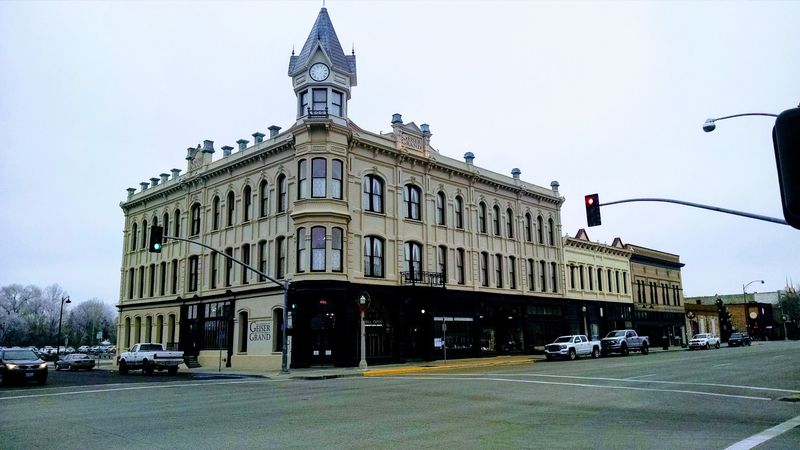
The downtown alone is worth a slow afternoon stroll. More than 100 buildings from the late 19th century still stand here, many constructed from locally quarried stone that gives the streets a solid, permanent feel unlike anything you find in modern architecture.
A visit to the National Historic Oregon Trail Interpretive Center is practically required. Located just outside town on Flagstaff Hill, this center tells the full story of the 300,000 pioneers who passed through this region heading west.
You can walk actual ruts left by wagon wheels in the earth, which is a surprisingly moving experience.
Baker City also hosts the annual Miners Jubilee, a summer event celebrating the town’s gold rush roots with parades, live music, and frontier-themed activities. The Geiser Grand Hotel, a beautifully restored landmark from 1889, offers a place to sleep that feels genuinely connected to the past.
Baker City is the kind of town where the Old West is not recreated for tourists. It is simply preserved with pride.
2. Jacksonville, Oregon
Walking into Jacksonville feels a little like stepping through a time portal, except the coffee shops have better Wi-Fi now. Located in southwestern Oregon’s Rogue Valley, this small town holds the rare distinction of being a National Historic Landmark, and it earned that title honestly.
Jacksonville was born during the 1851 gold rush and quickly grew into one of the most prosperous towns in the Oregon Territory. When the railroad bypassed it in the 1880s in favor of nearby Medford, the town essentially froze in place, which turned out to be the best possible thing for preserving its character.
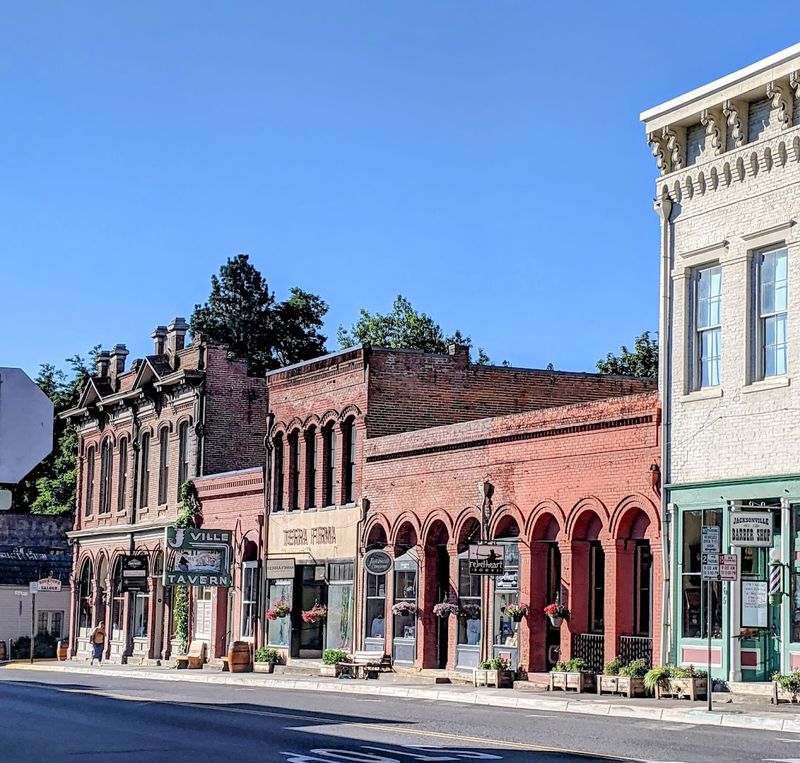
Today, more than 100 original 19th-century structures line its streets, including brick storefronts, Victorian homes, and wooden boardwalks that make every walk feel cinematic. The Jacksonville Museum, housed in the original 1883 county courthouse, is packed with artifacts from the gold rush era and early pioneer life.
Every summer, the Britt Festivals transform the hillside above town into an outdoor concert venue with a backdrop of old-growth pear trees. It blends frontier charm with a surprisingly lively cultural calendar.
The historic cemetery on the hill above town offers quiet views and fascinating stories etched into the headstones. Jacksonville rewards the kind of traveler who slows down and actually looks around.
3. Pendleton, Oregon
If there is one town in Oregon that lives and breathes Western culture from January through December, it is Pendleton. Located in northeastern Oregon’s Umatilla County, this city of roughly 17,000 people has built an identity so deeply rooted in cowboy tradition that even its wool blankets are world-famous.
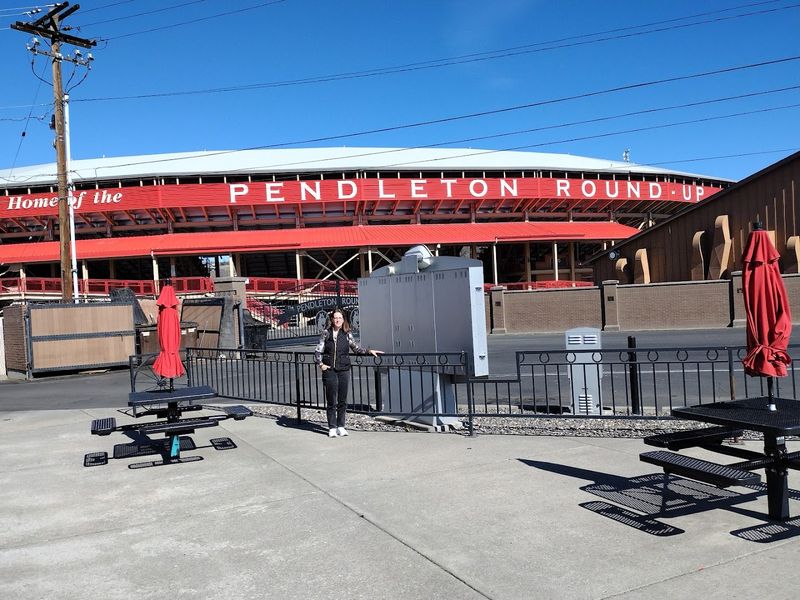
The Pendleton Round-Up, held every September since 1910, is one of the oldest and most celebrated rodeos in the entire country. Cowboys, cowgirls, and Native American riders from across the region come together for a week of bronc riding, barrel racing, and pageantry that draws tens of thousands of visitors every year.
But Pendleton’s frontier story does not begin and end with the rodeo. Beneath the streets lies a genuine curiosity: a network of underground tunnels dating back to the late 1800s, originally used by Chinese laborers, bootleggers, and others who needed to move through town discreetly.
Underground Pendleton tours take visitors through these passageways and share stories that most history books leave out.
The Pendleton Woolen Mills, operating since 1909, still produces its iconic blankets and shirts on-site. You can tour the facility and watch the looms in action.
Pendleton is the kind of place where Western heritage is not just celebrated once a year. It is woven into every single day.
4. Burns, Oregon
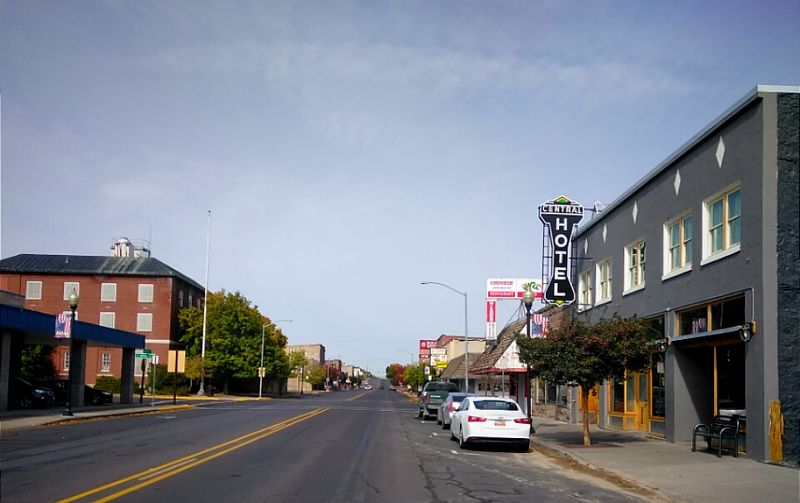
There is a particular kind of quiet in Burns that you cannot find anywhere near a major highway. Sitting in the heart of Harney County in southeastern Oregon, this remote ranching town serves as the gateway to one of the most rugged and untouched stretches of high desert in the entire country.
Burns has never tried to be a tourist town, and that honesty is exactly what makes it so compelling. The economy here still runs on cattle ranching, just as it did when the first settlers arrived in the 1880s.
Cowboys are not a novelty here. They are your neighbors at the diner.
The Harney County Historical Museum offers a surprisingly thorough look at the region’s ranching heritage, pioneer settlement, and the Native American cultures that called this land home long before any European settlers arrived. It is a small museum with a big story to tell.
Nearby, the Malheur National Wildlife Refuge draws birdwatchers from around the world, but the landscape itself is the main attraction. Endless sagebrush plains, distant rimrock cliffs, and skies so wide they feel almost theatrical surround the town on every side.
Burns is the kind of place where the frontier spirit is not performed for visitors. It simply exists, unchanged and unapologetic, in the daily rhythm of the people who call it home.
5. Canyon City, Oregon
Not every gold rush town faded quietly into the hills. Canyon City, located just two miles south of John Day in Grant County, Oregon, once boomed so loudly that it briefly became the most populated place in the entire state.
At the peak of the 1860s gold rush, some estimates put the population near 10,000 people, which is remarkable for a canyon tucked into the Blue Mountains.
Today, Canyon City is a small and peaceful community, but the bones of its wild past are still very much visible. The Grant County Historical Museum, one of the oldest county museums in Oregon, houses an impressive collection of gold rush artifacts, pioneer tools, and frontier memorabilia that spans the full arc of the region’s dramatic history.
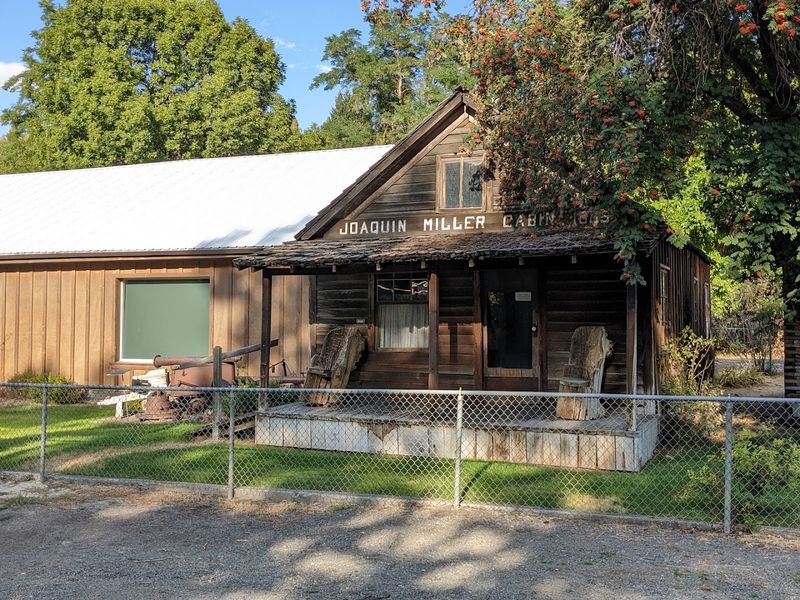
The museum complex includes several historic structures, among them a log cabin that once belonged to Joaquin Miller, the celebrated frontier poet who spent time mining in the area before becoming famous. Walking through the exhibits feels less like a museum visit and more like rummaging through a very well-organized attic.
The surrounding John Day Fossil Beds National Monument adds a prehistoric layer to the already rich history of this region. Canyon City rewards travelers who enjoy history that comes without a polished veneer.
This is the real thing, unfiltered and proud of every rough edge it has collected over the years.
6. Joseph, Oregon
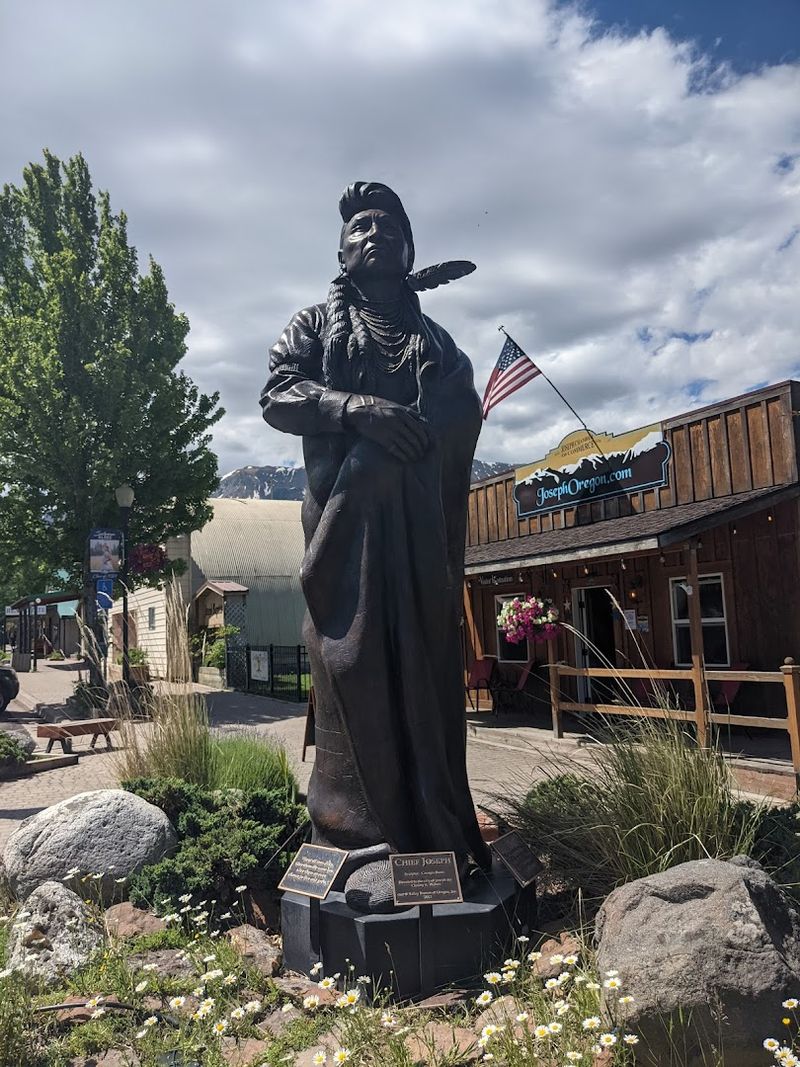
Bronze sculptures line the main street of Joseph, Oregon, and they are not just decorative. They tell a story.
Located in the Wallowa Valley in northeastern Oregon, this small town of around 1,000 people has built a remarkable identity around its deep connection to Nez Perce history and a thriving tradition of Western bronze casting that has made it genuinely famous among art collectors.
The town is named after Chief Joseph, the revered Nez Perce leader whose people called this valley home for generations before being forcibly removed in 1877. The Wallowa Band Nez Perce Trail Interpretive Center offers a respectful and thorough exploration of that history, told largely through the voices of Nez Perce community members themselves.
Several working bronze foundries operate right in town, including Valley Bronze of Oregon, where visitors can watch the lost-wax casting process and see finished sculptures in various stages of completion. It is one of the more unexpected and genuinely fascinating behind-the-scenes experiences you can have in a small Western town.
The surrounding Wallowa Mountains, often called the Alps of Oregon, provide a dramatic backdrop that makes every photo feel professionally composed. Chief Joseph Days, held every July, brings rodeo events, a parade, and Western celebrations that fill the streets with energy.
Joseph is compact, beautiful, and layered with meaning at every turn.
7. Prineville, Oregon
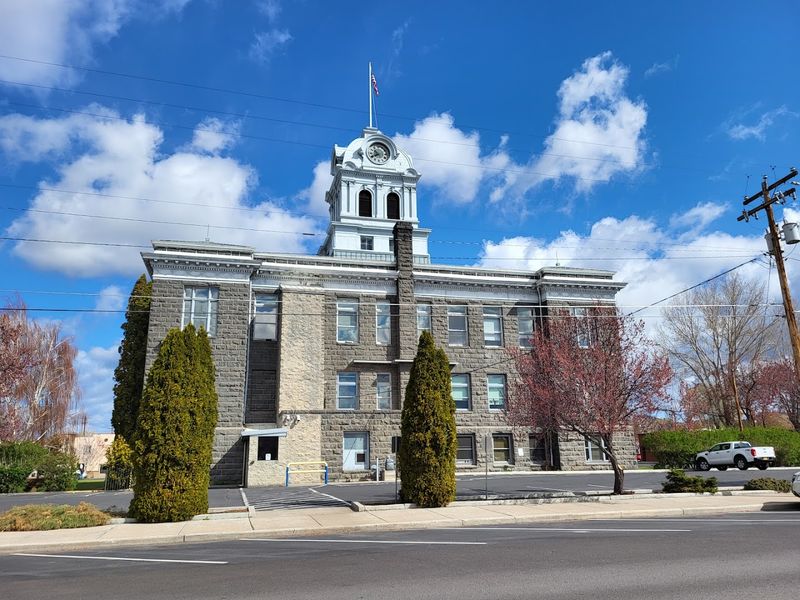
Central Oregon’s oldest city carries its age with a certain no-nonsense dignity that feels entirely in keeping with its ranching roots. Prineville, the seat of Crook County, was officially founded in 1871 and quickly became the commercial and social hub for the cowboys, homesteaders, and timber workers who populated the surrounding high desert.
For decades, Prineville was so isolated that it built its own city-owned railroad in 1918 just to connect with the outside world. The City of Prineville Railway is still operating today, making it one of the last municipally owned short-line railroads in the United States.
That kind of stubborn self-reliance is very much part of the town’s character.
The Bowman Museum, housed in a 1910 bank building on Main Street, does an excellent job of documenting the county’s pioneer history, early ranching culture, and the stories of the families who shaped the region. The exhibits are thoughtful and detailed without feeling overwhelming.
Ochoco Reservoir and the surrounding Ochoco National Forest offer outdoor recreation just minutes from town, making Prineville a practical base for exploring the high desert landscape. The downtown still features several historic brick buildings that date to the early 1900s, giving the main street a solid, lived-in feel.
Prineville is not trying to impress anyone, and that straightforward confidence is exactly what makes it worth visiting.
8. Lakeview, Oregon
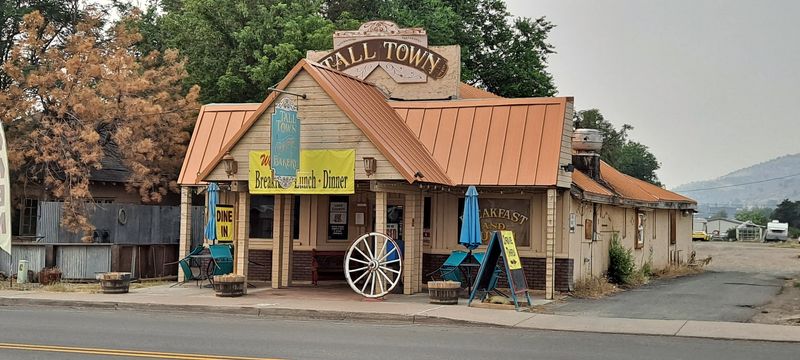
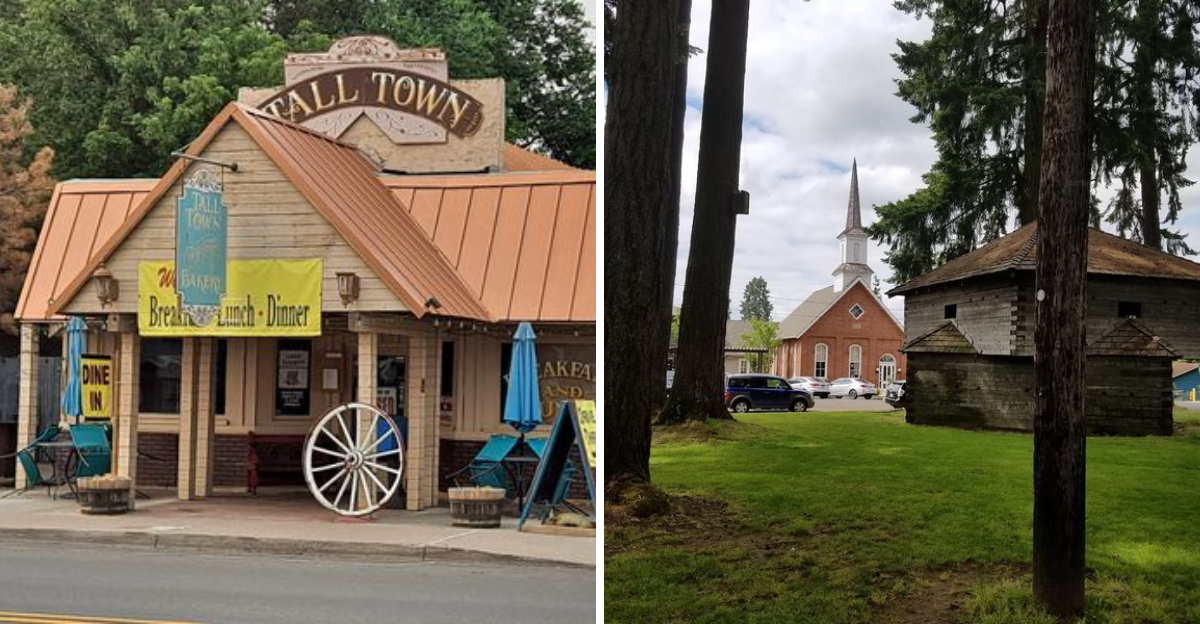
Oregon’s tallest incorporated town sits at an elevation of 4,800 feet in the remote Lake County, and it wears that altitude like a badge of honor. Lakeview, known locally as the “Tall Town,” occupies a stretch of high desert in south-central Oregon that feels genuinely far from everything, which is precisely its appeal.
The town grew up around the ranching and livestock industries of the late 19th and early 20th centuries, and that cowboy culture has never really loosened its grip on the place. The Lake County Roundup, held every summer, keeps the rodeo tradition alive with bull riding, roping events, and the kind of community energy that city festivals simply cannot replicate.
Old Perpetual, a rare continuously spouting hot spring located just north of town, is one of those quirky natural landmarks that makes a stop in Lakeview feel memorable even before you reach the main street. It shoots a column of steaming water into the air at regular intervals and has been doing so for as long as anyone can remember.
The Schmink Memorial Museum offers a look at the region’s frontier history through a collection of household items, ranching equipment, and Native American artifacts that paint a vivid picture of daily life in this remote corner of Oregon. Lakeview rewards the kind of traveler who enjoys discovering a place that most people have never thought to seek out.
9. Sumpter, Oregon
At its peak in the early 1900s, Sumpter was a roaring gold mining town with a population of around 3,500 people and a full complement of hotels, newspapers, and businesses packed into its mountain valley. Today, the population hovers around 200, but the town punches well above its weight when it comes to preserved frontier character.
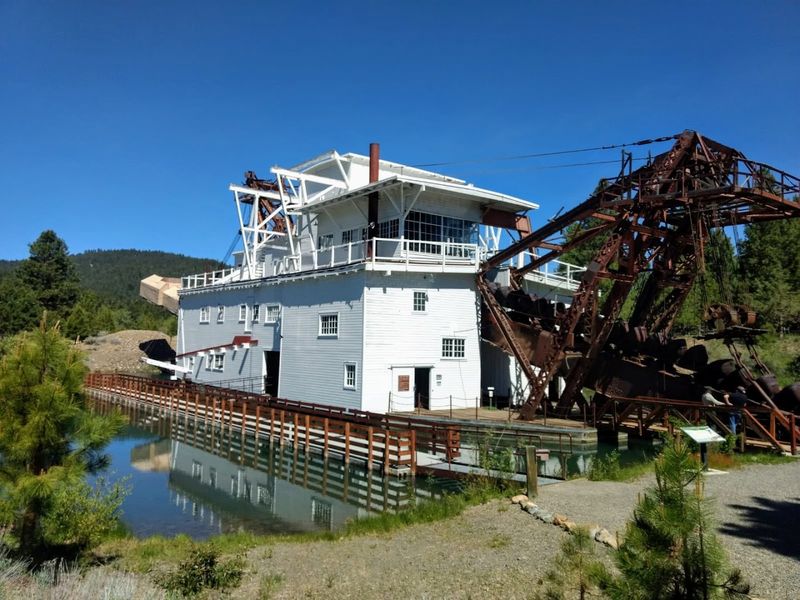
Located in Baker County in northeastern Oregon, Sumpter sits at an elevation of about 4,700 feet in the Elkhorn Mountains. The surrounding landscape still bears the marks of intensive gold dredging, most visibly in the large ponds and gravel tailings left behind by the massive Sumpter Valley Dredge, which is now a state heritage area open to visitors.
The Sumpter Valley Railroad, a narrow-gauge steam train that originally operated from 1890 to 1947, has been partially restored and now offers seasonal rides between Sumpter and McEwen. Riding it through the pine-covered hills with a historic steam engine pulling the cars is one of the more atmospheric travel experiences Oregon has to offer.
The town itself still has the feel of a place that never quite got around to modernizing, with rustic storefronts, an annual flea market that draws thousands of visitors, and a general sense that time moves at its own pace here. Sumpter is small, scruffy, and absolutely worth the drive down the winding mountain road to reach it.
10. Dayton, Oregon
Platted in 1850, Dayton holds the distinction of being one of the earliest formally established towns in the Oregon Territory, which gives it a historical depth that even some better-known Oregon towns cannot match. Located in Yamhill County in the northern Willamette Valley, this small community of around 2,500 people sits comfortably between its pioneer past and its current identity as a gateway to Oregon wine country.
The historic Main Street still carries the bones of a 19th-century frontier town, with several older commercial buildings that have survived the decades with their character largely intact. The overall scale of the town, compact and walkable, feels closer to what a mid-1800s settlement actually looked like than most places that market themselves as historic destinations.
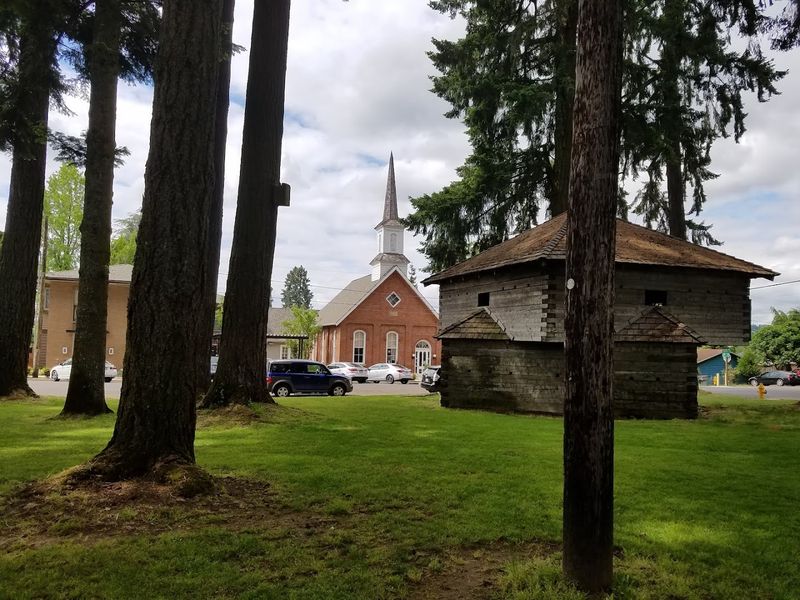
Fort Yamhill Blockhouse, a surviving structure from an 1856 military post originally built to oversee the forced relocation of the Grand Ronde people, now stands in Dayton’s City Park as a sobering reminder of the full complexity of Oregon’s frontier history. It is one of the few remaining physical remnants of that troubled chapter in the region’s past.
The surrounding farmland has transitioned from pioneer homesteads to world-class vineyards over the past several decades, but Dayton itself has held onto its quiet, small-town identity through all of it. For a town this historically significant, it remains refreshingly unhurried and genuinely easy to explore at your own pace.
Dear Reader: This page may contain affiliate links which may earn a commission if you click through and make a purchase. Our independent journalism is not influenced by any advertiser or commercial initiative unless it is clearly marked as sponsored content. As travel products change, please be sure to reconfirm all details and stay up to date with current events to ensure a safe and successful trip.
