Florida’s small towns offer incredible opportunities for families seeking adventure away from crowded tourist destinations.
These hidden gems throughout the Sunshine State provide unique natural wonders and exciting activities that create lasting memories.
From crystal-clear springs to wildlife encounters, small-town Florida delivers experiences you won’t find in busy cities.
Exploring these charming communities allows families to connect with nature while discovering authentic Florida culture.
Many travelers overlook these special places in favor of theme parks and beaches, missing out on truly magical experiences.
Small towns across Florida showcase the state’s diverse ecosystems, from ancient forests to underwater caves.
Families can enjoy kayaking through pristine waterways, hiking scenic trails, and observing wildlife in their natural habitats.
These destinations offer affordable alternatives to expensive tourist traps while providing educational opportunities for children.
Kids learn about environmental conservation, local history, and Florida’s unique geography through hands-on exploration.
Parents appreciate the relaxed pace and welcoming atmosphere found in these tight-knit communities.
Whether you’re searching for outdoor adventures or peaceful nature retreats, Florida’s small towns deliver unforgettable family experiences.
This guide highlights seven outstanding activities and natural wonders that showcase the best of small-town Florida.
Each destination offers something special, ensuring every family member finds excitement and enjoyment.
Pack your bags and prepare to discover Florida’s hidden treasures beyond the typical vacation spots.
These remarkable places prove that the best family adventures often happen off the beaten path.
1. Swimming in the Crystal-Clear Waters of Ichetucknee Springs

Ichetucknee Springs State Park near Fort White offers one of Florida’s most spectacular natural swimming experiences.
The spring-fed river maintains a constant 72-degree temperature year-round, making it comfortable for swimming in any season.
Crystal-clear water allows visibility up to 100 feet deep, revealing underwater plants and fish swimming below.
Families can rent tubes and float down the lazy river for three to four hours of relaxation.
The gentle current carries swimmers through shaded forests filled with cypress trees draped in Spanish moss.
Children love spotting turtles sunbathing on logs and watching schools of fish dart through the clear water.
Eight major springs feed the Ichetucknee River, each creating its own unique swimming area.
The Blue Hole Spring features a rope swing that kids absolutely adore for splashing into the refreshing water.
Parents appreciate the well-maintained facilities, including changing areas, restrooms, and picnic pavilions throughout the park.
Visit Ichetucknee Springs State Park at 12087 SW US Highway 27 in Fort White for an unforgettable aquatic adventure.
The park charges a small entrance fee, and tube rentals are available at reasonable prices from nearby outfitters.
Arriving early ensures you’ll secure parking and avoid weekend crowds during peak summer months.
Snorkeling equipment transforms the experience into an underwater exploration mission for curious kids.
The springs maintain exceptional water quality due to strict environmental protections and limited daily visitor numbers.
This natural wonder demonstrates why Florida’s spring systems rank among the most beautiful in the entire world.
Families leave with sun-kissed skin, happy memories, and a deep appreciation for Florida’s precious natural resources.
2. Exploring the Mysterious Beauty of Devil’s Den Prehistoric Spring
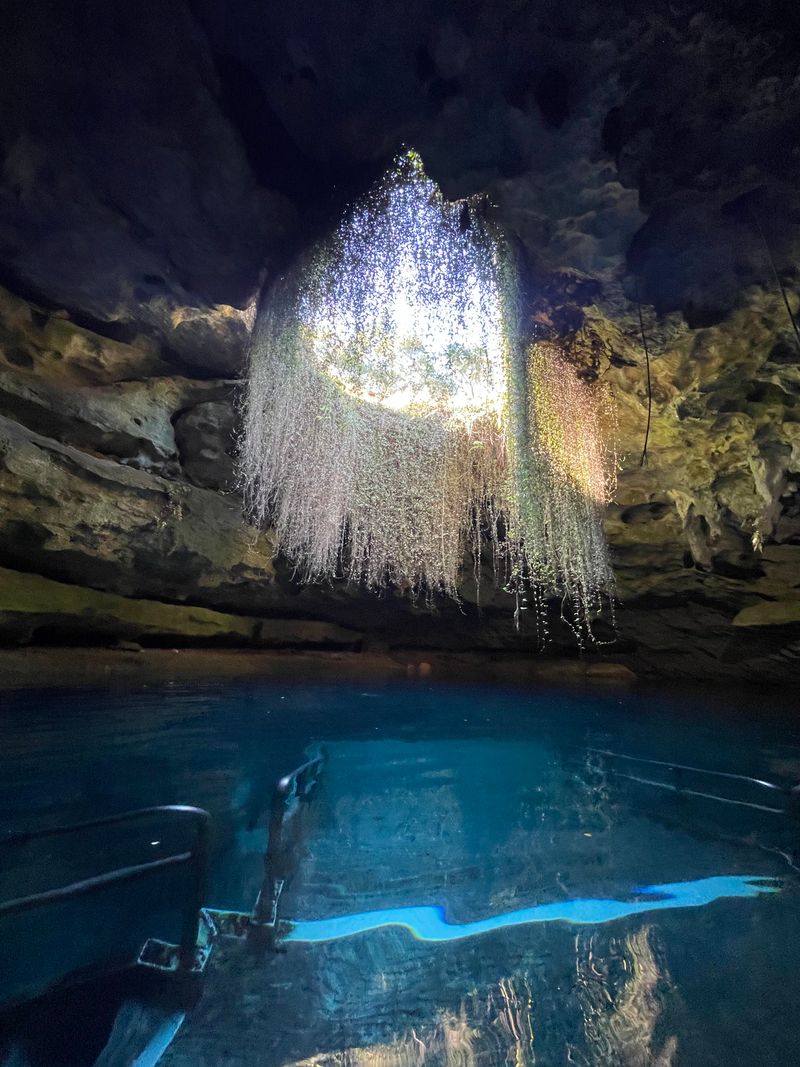
Hidden beneath a dry, ancient sinkhole near Williston lies Devil’s Den, a prehistoric spring that feels like stepping into another world.
Sunlight streams through an opening in the limestone ceiling, illuminating the turquoise water 50 feet below ground level.
This geological wonder formed thousands of years ago when the cavern’s roof collapsed, creating today’s magical swimming hole.
Families descend wooden stairs into the cool cavern where the water temperature stays at 72 degrees constantly.
The underground spring creates an otherworldly atmosphere that captures children’s imaginations immediately upon arrival.
Snorkeling reveals ancient rock formations, fossils embedded in limestone walls, and occasional glimpses of small fish.
Devil’s Den welcomes swimmers, snorkelers, and certified scuba divers who want to explore deeper sections.
The spring reaches depths of 54 feet in some areas, though shallow sections accommodate younger swimmers comfortably.
Rental equipment including snorkel gear, wetsuits, and scuba tanks is available on-site for visitor convenience.
Located at 5390 NE 180th Avenue in Williston, Devil’s Den operates year-round with reservations strongly recommended.
The facility offers camping options for families wanting to extend their prehistoric adventure into an overnight experience.
On-site amenities include changing rooms, outdoor showers, and a covered pavilion for relaxing between swim sessions.
Educational displays explain the spring’s geological history and the ancient animals that once inhabited this region.
Kids find the name “Devil’s Den” intriguing, though the spring itself offers nothing scary, only natural beauty.
Photographers love capturing the dramatic light beams penetrating the darkness, creating stunning visual effects.
This unique destination combines adventure, education, and natural wonder into one unforgettable family outing that everyone discusses for years.
3. Kayaking Through the Enchanting Weeki Wachee River
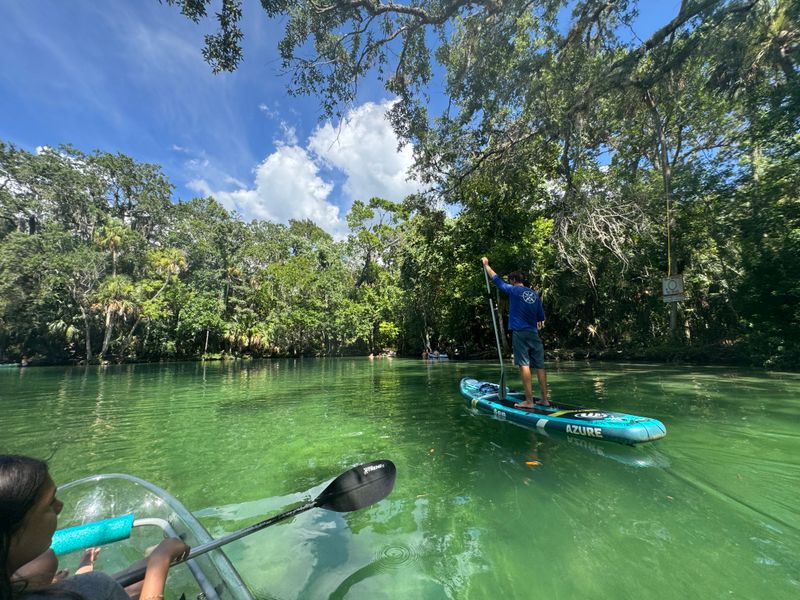
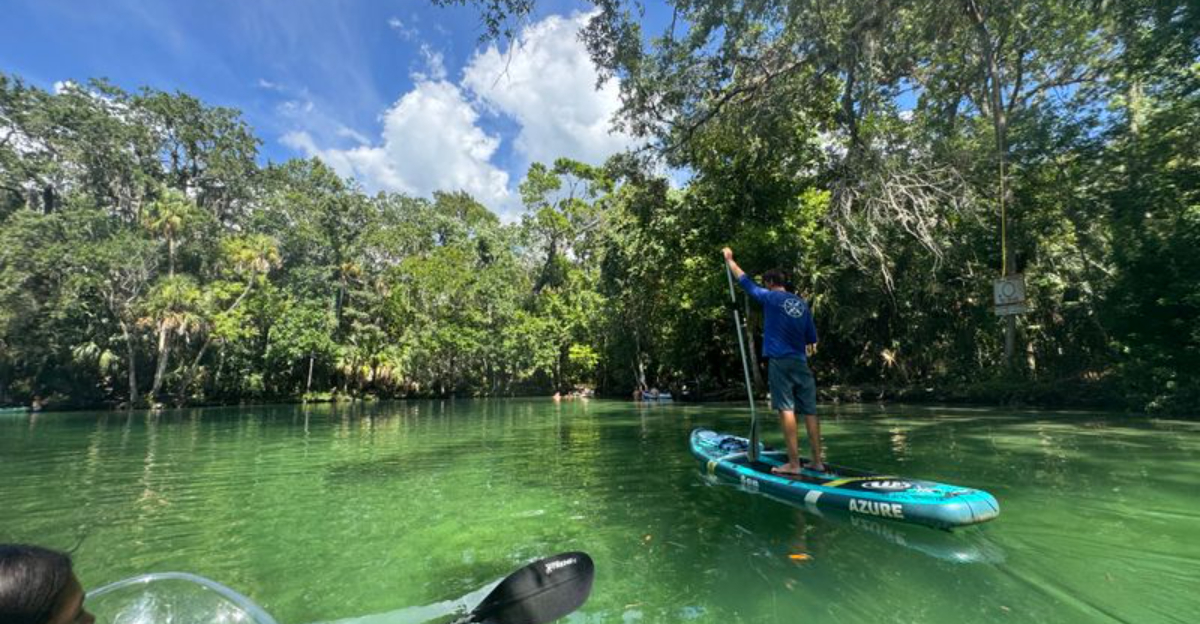
Weeki Wachee Springs State Park in Spring Hill offers extraordinary kayaking adventures through some of Florida’s clearest waters.
The spring pumps 170 million gallons of fresh water daily, creating a river so transparent you can see every detail below.
Paddling these pristine waters feels like gliding over liquid glass while surrounded by untouched wilderness.
Manatees frequently visit the river during cooler months, seeking the warm spring water for comfort and survival.
Spotting these gentle giants swimming alongside your kayak creates magical moments children remember forever.
The river’s calm current makes paddling easy for beginners, though the five-mile journey requires moderate physical fitness.
Rental kayaks are available at the park, or families can launch their own watercraft from designated areas.
The paddle typically takes three to four hours, depending on your pace and how often you stop for wildlife observation.
Turtles, fish, birds, and sometimes otters appear along the route, making every trip a wildlife-watching adventure.
Weeki Wachee Springs State Park is located at 6131 Commercial Way in Spring Hill, easily accessible from major highways.
The park also features the famous mermaid shows, adding entertainment value beyond the natural kayaking experience.
Combining kayaking with a mermaid performance creates a full day of family fun at this historic Florida attraction.
Pack waterproof bags for phones, snacks, and sunscreen since you’ll spend hours on the water under Florida sunshine.
Wearing water shoes protects feet when entering and exiting kayaks at shallow spots along the river.
The downstream paddle requires shuttle service back to your starting point, which local outfitters provide for reasonable fees.
This enchanting river journey showcases Florida’s natural beauty while providing exercise and adventure for the whole family.
4. Discovering Wildlife at Homosassa Springs Wildlife State Park
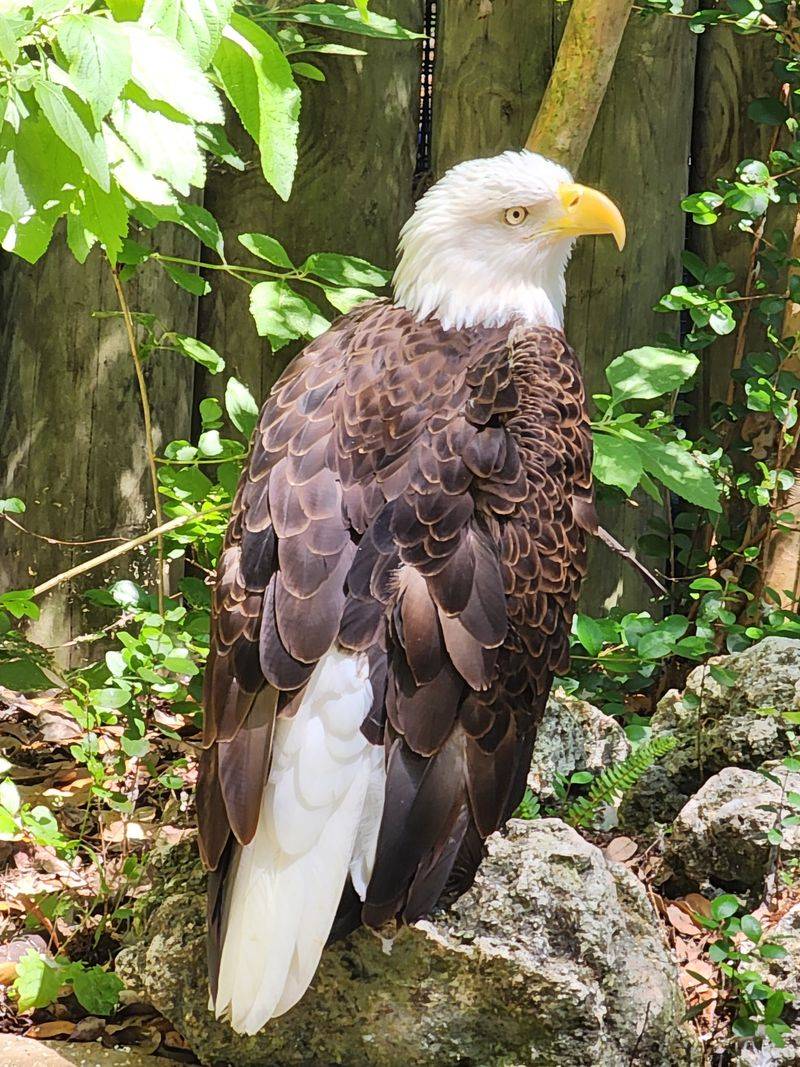
Homosassa Springs Wildlife State Park near Homosassa provides close encounters with Florida’s native animals in their natural environment.
This rehabilitation facility cares for injured wildlife while educating visitors about conservation and environmental protection.
Families walk elevated boardwalks through pristine wetlands, observing animals that cannot survive in the wild independently.
The park’s famous underwater observatory allows visitors to watch manatees swimming at eye level through large windows.
Seeing these massive creatures glide gracefully through crystal-clear spring water mesmerizes adults and children alike.
Winter months bring the highest manatee numbers as they seek the spring’s warm 72-degree water for survival.
Black bears, bobcats, river otters, and alligators live in spacious natural enclosures throughout the park grounds.
Educational programs and ranger talks teach children about each species’ role in Florida’s delicate ecosystem.
The park’s flamingo flock adds tropical color, though these birds aren’t native to Florida’s current wild populations.
Located at 4150 South Suncoast Boulevard in Homosassa, the park opens daily except for major holidays.
Admission fees support the park’s rehabilitation efforts and conservation programs protecting Florida’s endangered species.
The park provides wheelchair-accessible paths, making it inclusive for families with mobility considerations.
A pontoon boat ride transports visitors from the visitor center to the main wildlife areas, adding excitement to arrival.
Children receive junior ranger activity booklets that turn the visit into an educational scavenger hunt.
Shaded pathways and benches throughout the park allow for comfortable exploration even during warm Florida afternoons.
Gift shop proceeds fund animal care, so purchasing souvenirs directly supports wildlife conservation efforts.
This exceptional park combines entertainment, education, and conservation into one meaningful family experience that inspires environmental stewardship.
5. Hiking the Ancient Trails of Torreya State Park
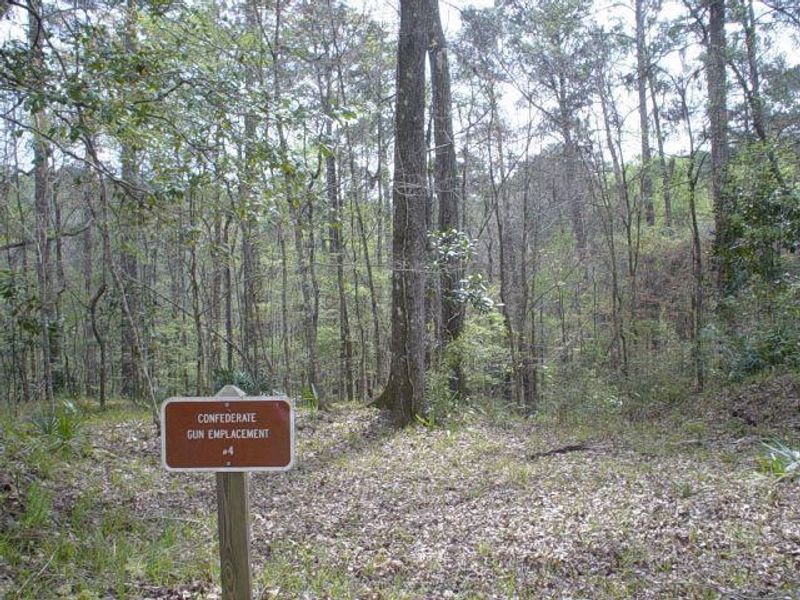
Torreya State Park near Bristol offers hiking experiences unlike anywhere else in Florida’s typically flat landscape.
Towering bluffs rise 150 feet above the Apalachicola River, creating dramatic views more common in mountain states.
The park protects one of Florida’s rarest trees, the endangered Torreya tree, found almost nowhere else on Earth.
Seven miles of hiking trails wind through steep ravines, along ridgetops, and past Civil War-era fortifications.
The challenging terrain provides excellent exercise while showcasing diverse plant communities rarely seen in other Florida parks.
Families with older children and teens appreciate the physical challenge and spectacular scenery these trails deliver.
The Gregory House, a restored 1840s plantation home, sits atop the bluffs offering historical insights into Florida’s past.
Rangers provide tours explaining how families lived in this remote location before modern conveniences existed.
Kids enjoy exploring the old home and imagining life without electricity, running water, or air conditioning.
Torreya State Park is located at 2576 NW Torreya Park Road in Bristol, in Florida’s scenic Panhandle region.
The park offers primitive camping for families wanting to extend their adventure under star-filled skies.
Bring plenty of water since the strenuous trails and Florida heat create significant hydration needs for active hikers.
Spring and fall provide ideal hiking conditions with comfortable temperatures and beautiful seasonal foliage changes.
Wildflowers bloom throughout the park during spring months, adding colorful displays to already stunning scenery.
Bird watchers bring binoculars to spot numerous species inhabiting the park’s diverse habitats and ecosystems.
The park’s remote location means fewer crowds, allowing families to enjoy peaceful nature experiences.
This hidden gem proves that Florida offers more than beaches and flatlands, surprising visitors with genuine mountain-like terrain and rare natural beauty.
6. Swimming with Wild Dolphins in Cedar Key
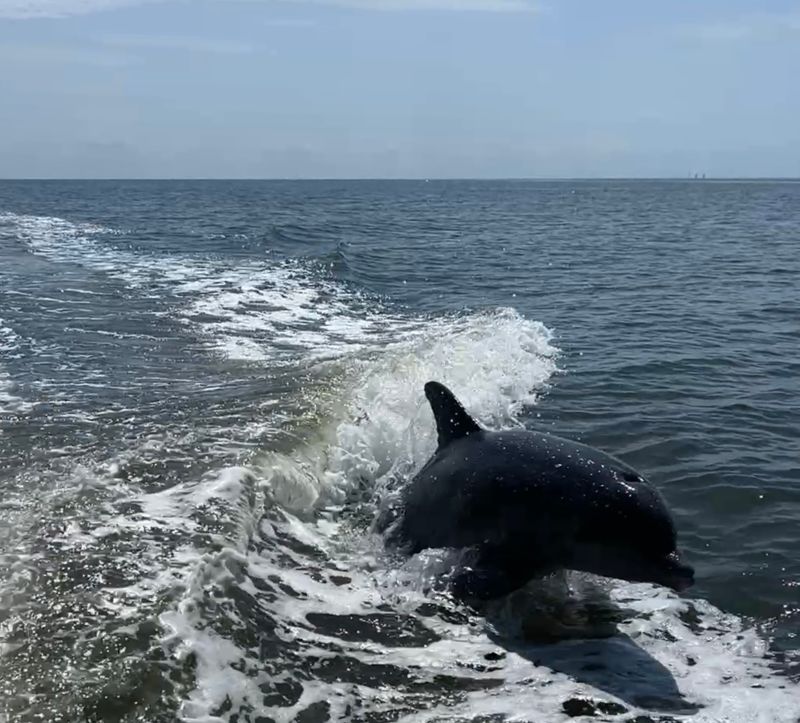
Cedar Key, a charming island community on Florida’s Nature Coast, offers incredible opportunities to observe wild dolphins in their natural habitat.
Local boat tour operators provide family-friendly excursions into the Gulf of Mexico where dolphins frequently swim and play.
Watching these intelligent mammals leap through the waves creates thrilling moments that children talk about for months afterward.
Unlike captive dolphin encounters, these tours respect wildlife by observing from appropriate distances without disturbing natural behaviors.
Captains with decades of experience know exactly where dolphins gather to feed, rest, and socialize throughout the day.
Educational commentary teaches families about dolphin communication, social structures, and the importance of protecting marine environments.
Tours typically last two to three hours, providing ample time for dolphin sightings plus views of Cedar Key’s beautiful coastline.
Many excursions include stops at small islands where families can collect shells and explore tidal pools teeming with marine life.
Sunset tours offer spectacular photography opportunities as the sky transforms into brilliant oranges, pinks, and purples.
Cedar Key’s historic downtown features seafood restaurants, art galleries, and shops within easy walking distance of the marina.
The relaxed island atmosphere encourages families to slow down and enjoy simple pleasures like watching pelicans dive for fish.
Several tour companies operate from the City Marina at 450 2nd Street in Cedar Key, offering daily departures weather permitting.
Booking morning tours often yields the best dolphin activity as these animals feed actively during early hours.
Bring cameras with good zoom capabilities to capture dolphins breaching and playing in the waves.
Sunscreen, hats, and sunglasses are essential since you’ll spend hours on open water under bright Florida sunshine.
This authentic wildlife experience teaches children about marine conservation while creating priceless family memories on Florida’s scenic Nature Coast.
7. Exploring Underground Caverns at Florida Caverns State Park
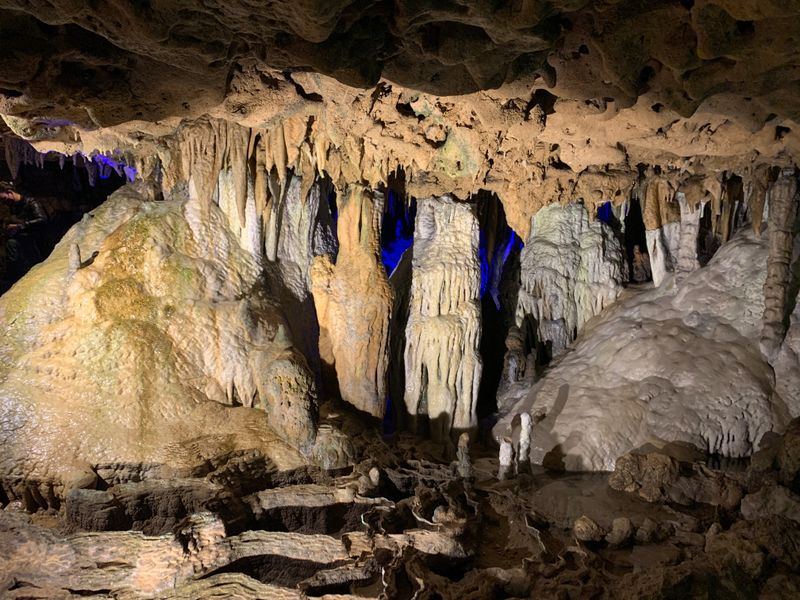
Florida Caverns State Park in Marianna showcases Florida’s only air-filled cave system accessible to the public for tours.
Guided tours lead families through stunning underground chambers decorated with limestone formations millions of years in development.
Stalactites hang from ceilings like stone icicles while stalagmites rise from floors, creating otherworldly underground landscapes.
The cave maintains a constant 68-degree temperature, providing welcome relief from Florida’s summer heat and humidity.
Rangers explain how water slowly dissolved limestone rock over countless centuries, carving out these magnificent caverns.
Children learn about geology, groundwater systems, and cave ecosystems in ways textbooks simply cannot match.
Tours last approximately 45 minutes, covering a half-mile route through well-lit passages and spacious rooms.
The cave floor can be slippery, so wearing closed-toe shoes with good traction is absolutely essential for safety.
Some passages require ducking or careful footing, adding mild adventure without being dangerous for families with younger children.
Florida Caverns State Park is located at 3345 Caverns Road in Marianna, in the Florida Panhandle region.
Above ground, the park offers hiking trails, canoeing on the Chipola River, and picnic areas for extended visits.
The park’s natural swimming area provides refreshing dips after exploring the caves and hiking trails.
Cave tours operate on a first-come, first-served basis, so arriving early ensures you won’t miss out during busy periods.
The park occasionally closes cave tours when heavy rainfall raises groundwater levels for visitor safety.
Photography inside the caves is permitted, though flash can be disorienting in the darkness, so use caution.
Combining cave exploration with above-ground activities creates a full day of adventure at this unique Florida destination.
This geological wonder demonstrates that Florida’s natural treasures extend far beneath the surface, hiding spectacular formations in underground darkness.
Dear Reader: This page may contain affiliate links which may earn a commission if you click through and make a purchase. Our independent journalism is not influenced by any advertiser or commercial initiative unless it is clearly marked as sponsored content. As travel products change, please be sure to reconfirm all details and stay up to date with current events to ensure a safe and successful trip.
