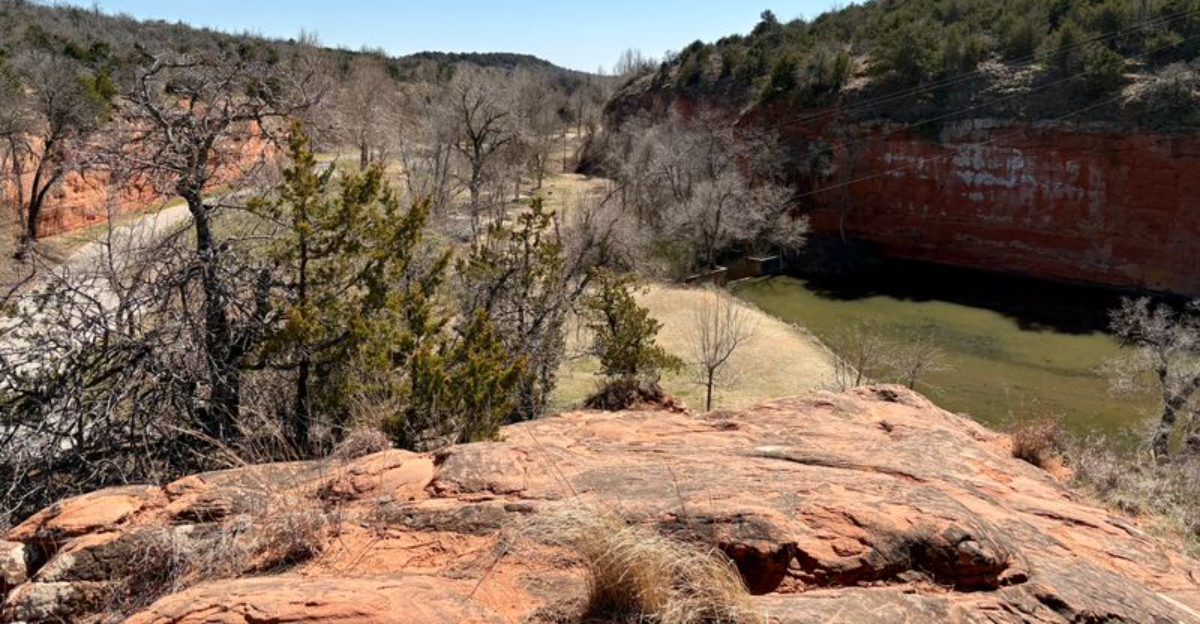
Oklahoma might surprise you with its incredible natural beauty and diverse landscapes that offer some of the best hiking experiences in the region.
From rugged mountains to serene lakeside paths, the state provides trails that cater to everyone from beginners to experienced adventurers.
Whether you’re seeking breathtaking views, wildlife encounters, or peaceful escapes from city life, Oklahoma’s trails deliver unforgettable outdoor experiences.
Getting outside on these trails means discovering hidden waterfalls, ancient rock formations, and stunning vistas that will make you fall in love with nature all over again.
Each trail has its own personality and charm, offering unique features that make the journey worthwhile.
Families, solo hikers, and outdoor enthusiasts alike will find something special waiting on these paths. So grab your hiking boots, pack some water and snacks, and get ready to explore the natural wonders that make Oklahoma a hidden gem for trail lovers.
These trails represent the very best hiking opportunities the state has to offer, each promising adventure and memories that will last a lifetime.
1. Wichita Mountains Wildlife Refuge Trails
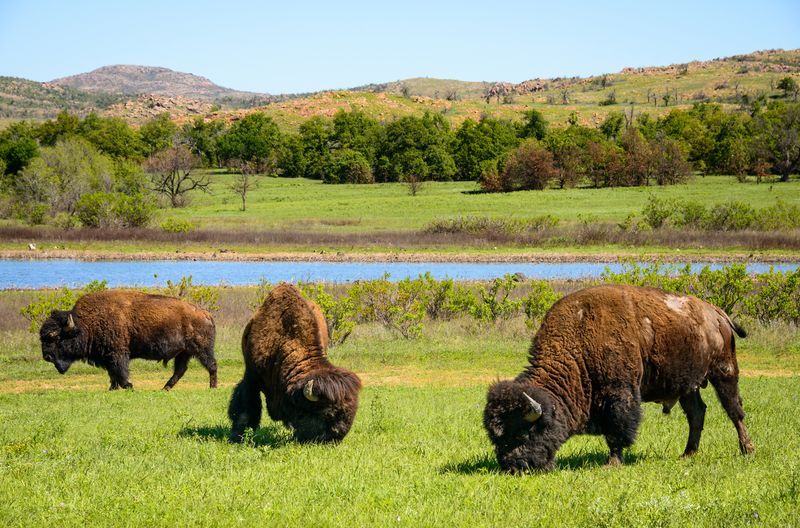
Buffalo roam freely across golden prairies while granite peaks rise dramatically against endless Oklahoma skies, creating a landscape that feels both wild and timeless.
The Wichita Mountains Wildlife Refuge near Lawton offers multiple trails that wind through some of the most spectacular scenery in the entire state.
Visitors can choose from easy nature walks to challenging mountain climbs, all within a protected area that spans over 59,000 acres of pristine wilderness.
Elk Mountain Trail stands out as a favorite among seasoned hikers who crave elevation gain and panoramic rewards.
The 2.5-mile round trip ascent takes you to one of the highest points in the refuge, where views stretch for miles across rugged terrain dotted with wildlife.
Spring wildflowers blanket the hillsides in vibrant colors, while autumn brings cooler temperatures perfect for extended exploration.
Wildlife encounters happen regularly here, so keep your camera ready for longhorn cattle, prairie dogs, and even the occasional bison crossing your path.
The refuge maintains well-marked trails with varying difficulty levels, making it accessible for families while still challenging experienced adventurers.
Early morning hikes offer the best chance to spot animals and enjoy cooler temperatures before the Oklahoma sun reaches its peak intensity.
Pack plenty of water since shade can be limited on exposed rocky sections, and always maintain a safe distance from all wildlife no matter how docile they appear.
The refuge provides free admission year-round, though some areas may close temporarily during wildlife management activities.
This destination truly captures the spirit of the American West while remaining surprisingly accessible for a weekend adventure or day trip from nearby cities.
2. Beavers Bend State Park Hiking Trails
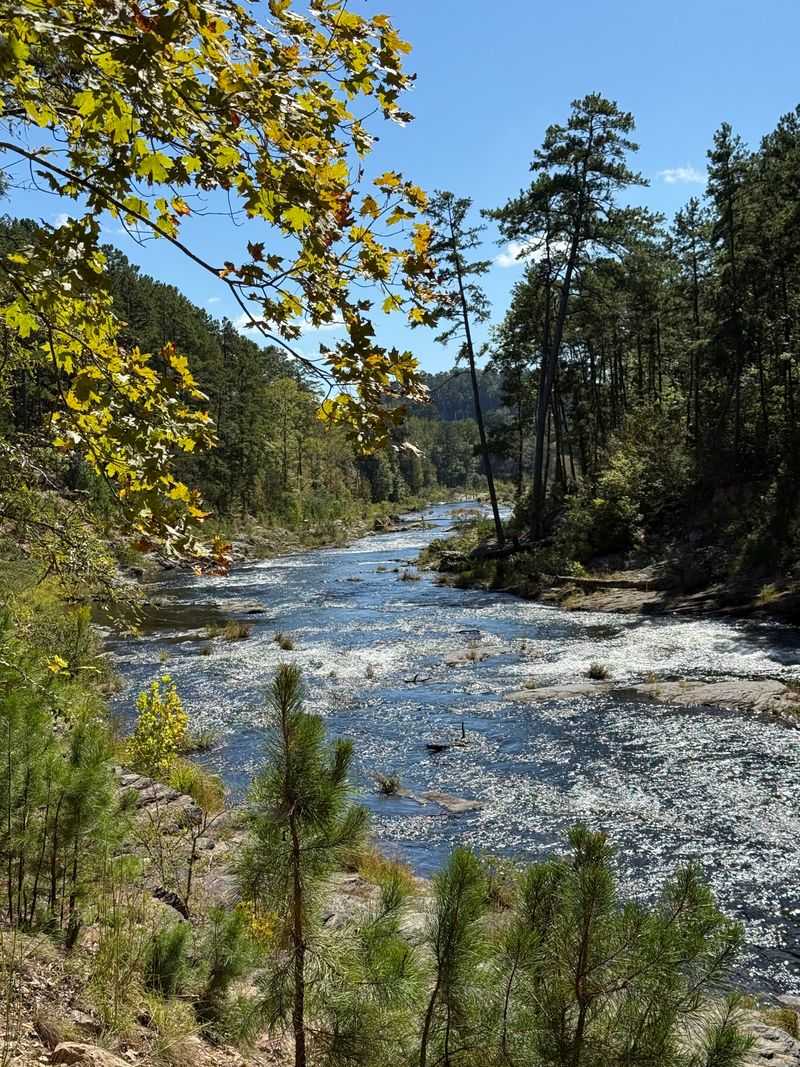
Towering pine forests and crystal-clear mountain streams create an atmosphere that feels more like the Pacific Northwest than the heart of Oklahoma.
Beavers Bend State Park near Broken Bow has earned its reputation as one of the state’s premier outdoor destinations, offering trails that meander through lush woodlands and along the scenic Mountain Fork River.
The park’s unique ecosystem supports vegetation and wildlife not commonly found elsewhere in Oklahoma, making every hike feel like a journey into a different world.
The David Boren Hiking Trail stretches for 16 miles through the heart of the park, though you can tackle shorter sections if you’re not ready for the full distance.
This trail takes you deep into the forest where sunlight filters through dense canopy overhead, creating dappled patterns on the forest floor below.
Creek crossings and elevation changes keep the route interesting, while wooden bridges and well-maintained pathways ensure safe passage even after recent rainfall.
For those seeking a gentler experience, the Forest Heritage Center Nature Trail offers an easy one-mile loop with interpretive signs explaining the area’s ecology and history.
Families with young children appreciate this option since it provides educational value without requiring advanced hiking skills or endurance.
The trail passes by enormous cypress trees whose roots create natural sculptures in the shallow water along the riverbank.
Autumn transforms Beavers Bend into a kaleidoscope of red, orange, and gold as deciduous trees change colors, attracting photographers and nature lovers from across the region.
Summer brings opportunities for combining your hike with swimming or kayaking in the refreshing mountain waters.
Remember to watch for ticks during warmer months and always check trail conditions before heading out, especially after storms that might cause temporary closures or hazardous conditions.
3. Robbers Cave State Park Trail System
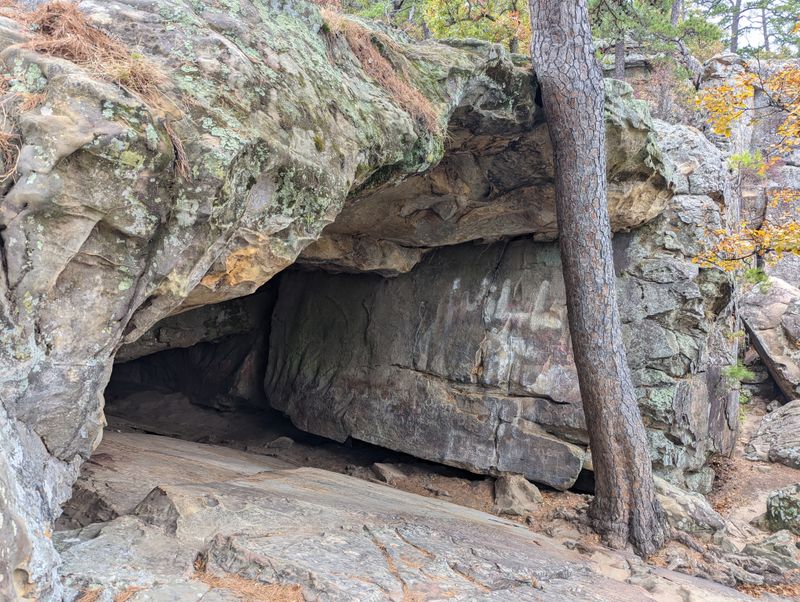
Legend has it that notorious outlaws Jesse James and Belle Starr once hid in the caves that give this park its intriguing name and colorful history.
Robbers Cave State Park near Wilburton sits nestled in the scenic San Bois Mountains, offering over 8,600 acres of rugged terrain perfect for exploration and adventure.
The park’s trail system provides options ranging from short nature walks to strenuous climbs that test your endurance and reward you with stunning overlooks.
The Rough Canyon Nature Trail takes hikers on a moderate 1.5-mile journey through diverse ecosystems where rocky outcrops give way to dense forest and seasonal waterfalls.
Interpretive stations along the route share fascinating details about the area’s geological formations and the plants and animals that call this habitat home.
The trail eventually leads to the famous caves themselves, where you can peer into the shadowy recesses that once sheltered fugitives from the law.
More ambitious adventurers should tackle the Coon Creek Lake Trail, which circles the scenic lake for approximately three miles of moderate hiking with beautiful water views throughout.
This route offers excellent opportunities for bird watching, especially during spring and fall migration periods when the area becomes a temporary home for dozens of species.
Fishing enthusiasts often combine hiking with casting a line from the shore, making this a versatile destination for outdoor lovers.
Summer heat can be intense, so plan your hikes for early morning or late afternoon when temperatures become more comfortable and wildlife activity increases.
The park offers camping facilities if you want to extend your visit and explore multiple trails over a weekend.
Don’t forget to bring a flashlight if you plan to venture into any of the caves, and always let someone know your hiking plans before heading out on longer or more remote trails in the area.
4. Turkey Mountain Urban Wilderness Area
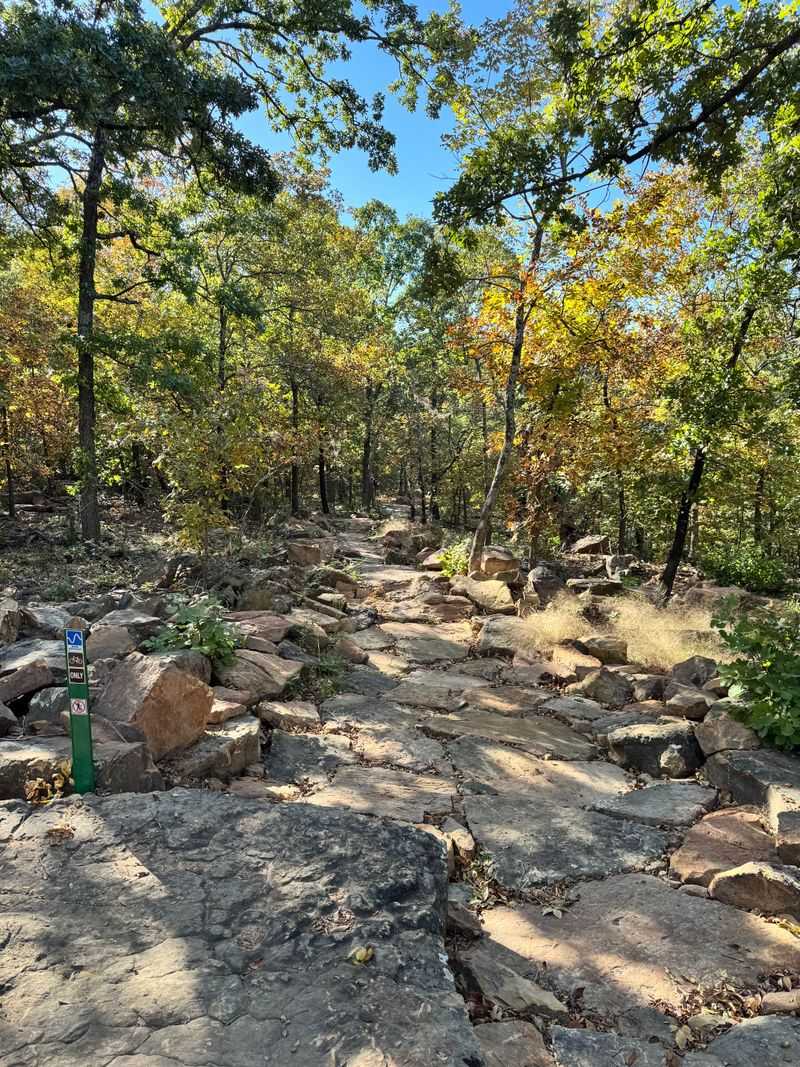
Just minutes from downtown Tulsa, an unexpected wilderness awaits where city dwellers can escape urban noise without driving hours into the countryside.
Turkey Mountain Urban Wilderness Area covers 300 acres of forested hills crisscrossed by over 40 miles of trails that attract hikers, trail runners, and mountain bikers throughout the year.
The proximity to the city makes this destination incredibly convenient for before-work sunrise hikes or after-work stress relief sessions in nature.
Multiple trail options wind through the preserve, ranging from easy riverside paths along the Arkansas River to steep climbs that challenge your cardiovascular fitness.
The trail system can seem confusing at first with its numerous intersections and options, but regular visitors quickly learn to navigate the network and create custom routes matching their desired distance and difficulty.
Color-coded markers help orient newcomers, though downloading a trail map on your phone before arriving proves helpful for first-time explorers.
Overlook points scattered throughout the area provide sweeping views of the Arkansas River and Tulsa’s skyline, creating unique photo opportunities that blend natural and urban landscapes.
Spring brings an explosion of wildflowers and fresh green foliage, while fall colors rival any found in more remote locations.
Wildlife thrives here despite the urban proximity, with deer, armadillos, and numerous bird species regularly spotted by observant hikers.
The area has become a beloved community resource where locals gather for group runs, outdoor fitness classes, and casual nature walks with friends and family.
Parking can fill quickly on pleasant weekend mornings, so arriving early ensures you’ll find a spot and enjoy trails before they become crowded.
The preserve stays open from dawn to dusk year-round, providing a reliable outdoor outlet regardless of season or weather conditions, making it a true gem for Tulsa-area residents seeking convenient access to nature.
5. Natural Falls State Park Trail
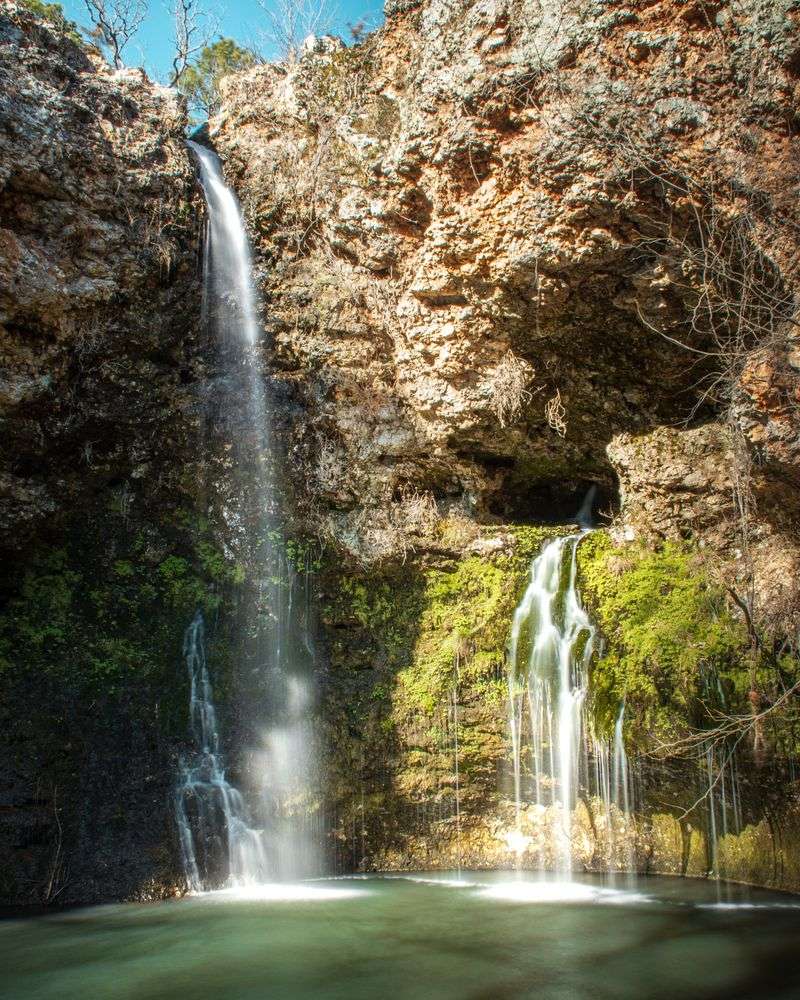
A 77-foot waterfall cascades over moss-covered rocks into a pristine pool below, creating one of Oklahoma’s most photogenic natural features and a destination that captivates visitors year-round.
Natural Falls State Park near West Siloam Springs protects this spectacular waterfall and the surrounding forest, offering trails that provide various perspectives of the falls and the lush ecosystem it supports.
The sound of rushing water fills the air as you approach, building anticipation for the dramatic reveal that awaits.
The main trail descends via a series of wooden staircases and platforms that bring you face-to-face with the falls from multiple viewing angles.
Mist from the falling water creates a refreshing coolness even on hot summer days, while rainbows often appear in the spray when sunlight hits at just the right angle.
The quarter-mile trail might be short, but the steep descent requires moderate fitness, and the return climb back up gets your heart pumping and legs working.
Photographers flock here during all seasons since the falls present differently throughout the year, from icy winter sculptures to spring’s thundering flow when rainfall swells the volume.
Autumn frames the waterfall with brilliant foliage colors, while summer’s lush greenery creates a tropical atmosphere rare in Oklahoma.
The park’s relatively small size means you can thoroughly explore everything in a few hours, making it perfect for combining with other nearby attractions.
Arrive early on weekends to avoid crowds and secure the best parking spots near the trailhead.
The park charges a small admission fee that helps maintain the facilities and trails in excellent condition.
Wear shoes with good traction since wooden surfaces can become slippery from the constant moisture in the air.
The falls starred in the 1974 film “Where the Red Fern Grows,” adding a touch of Hollywood history to your hiking adventure and providing an interesting conversation starter for movie fans.
6. Red Rock Canyon Adventure Park Trails
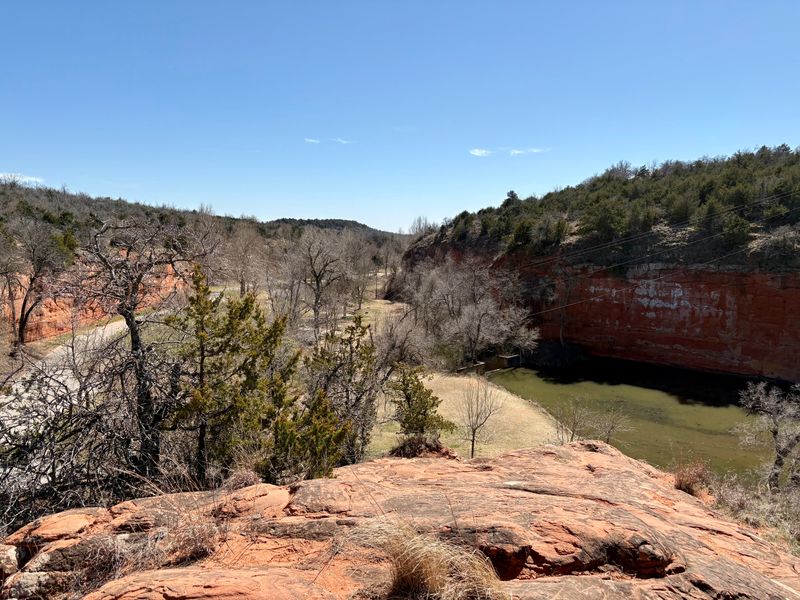
Towering red sandstone cliffs create a landscape so dramatic and colorful that visitors often mistake it for a scene from the desert Southwest rather than central Oklahoma.
Red Rock Canyon Adventure Park near Hinton showcases stunning geological formations that took millions of years to create, with trails that wind between massive boulders and along cliff bases where ancient rock art still survives.
The contrast between the brilliant red rocks and blue Oklahoma sky creates photography opportunities that rival anything found in more famous western parks.
Several interconnected trails allow you to customize your hiking experience based on available time and energy levels, with options ranging from easy half-mile loops to more challenging routes exceeding three miles.
The Canyon Trail takes you deep into the heart of the formation where walls rise vertically on both sides, creating a sense of adventure and exploration.
Scrambling over rocks and navigating narrow passages adds an element of excitement that appeals especially to younger hikers seeking more than just a simple walk.
Rock climbing enthusiasts often visit the park to scale the sandstone faces, so you might witness impressive athletic feats while hiking below the cliffs.
The area’s unique geology supports specialized plant communities adapted to the harsh conditions of exposed rock faces and minimal soil.
Spring wildflowers add splashes of color that complement the red stone, while cooler months provide the most comfortable hiking conditions without the intense heat that summer brings.
The park maintains a small admission fee and offers picnic facilities if you want to make a full day of your visit.
Bring extra water since the exposed terrain offers little shade and the red rocks absorb and radiate heat during warmer months.
Sunset transforms the canyon into a glowing masterpiece as low-angle light intensifies the already vibrant colors, creating magical moments for photographers and romantic souls alike who time their visits to catch this daily spectacle.
7. Ouachita National Recreation Trail
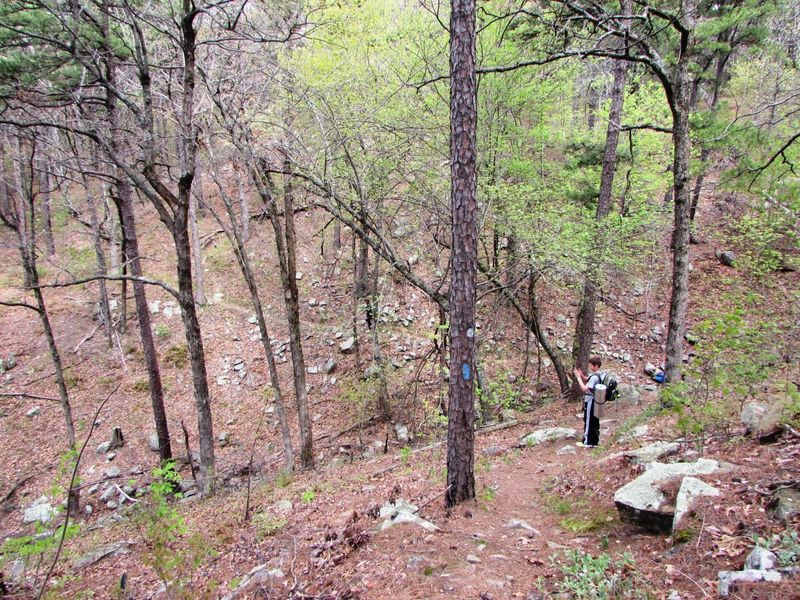
Stretching over 200 miles from Oklahoma into Arkansas, the Ouachita National Recreation Trail represents one of the longest and most challenging hiking opportunities in the entire region.
The Oklahoma portion winds through the Ouachita Mountains near Talihina, offering sections that range from moderate day hikes to multi-day backpacking adventures for experienced wilderness travelers.
Ancient mountains covered in hardwood forests create an environment where you can truly disconnect from modern life and immerse yourself in pristine nature.
The trail’s western terminus at Talimena State Park provides easy access to some of the most scenic sections without requiring a massive time commitment.
A popular day hike option follows the trail for several miles along ridgelines that offer sweeping views across forested valleys stretching to the horizon.
Fall foliage season transforms these mountains into one of Oklahoma’s most spectacular displays, with every shade of red, orange, and yellow imaginable painting the landscape.
Serious backpackers can tackle longer sections by arranging shuttle transportation or planning out-and-back routes that cover 20 or more miles through remote wilderness.
Primitive camping is allowed along much of the trail, letting you experience the magic of sleeping under star-filled skies far from city lights.
Water sources exist but require treatment, and careful planning ensures you carry adequate supplies for your chosen route length.
The trail’s difficulty varies considerably, with some sections featuring steep climbs over rocky terrain that demand good physical conditioning and proper footwear.
Navigation skills prove essential since the remote nature of the trail means help isn’t readily available if problems arise.
Spring and fall offer the best hiking conditions, while summer heat and humidity can make longer sections quite challenging.
This trail rewards those willing to put in the effort with solitude, natural beauty, and a genuine wilderness experience increasingly rare in the modern world.
Dear Reader: This page may contain affiliate links which may earn a commission if you click through and make a purchase. Our independent journalism is not influenced by any advertiser or commercial initiative unless it is clearly marked as sponsored content. As travel products change, please be sure to reconfirm all details and stay up to date with current events to ensure a safe and successful trip.
