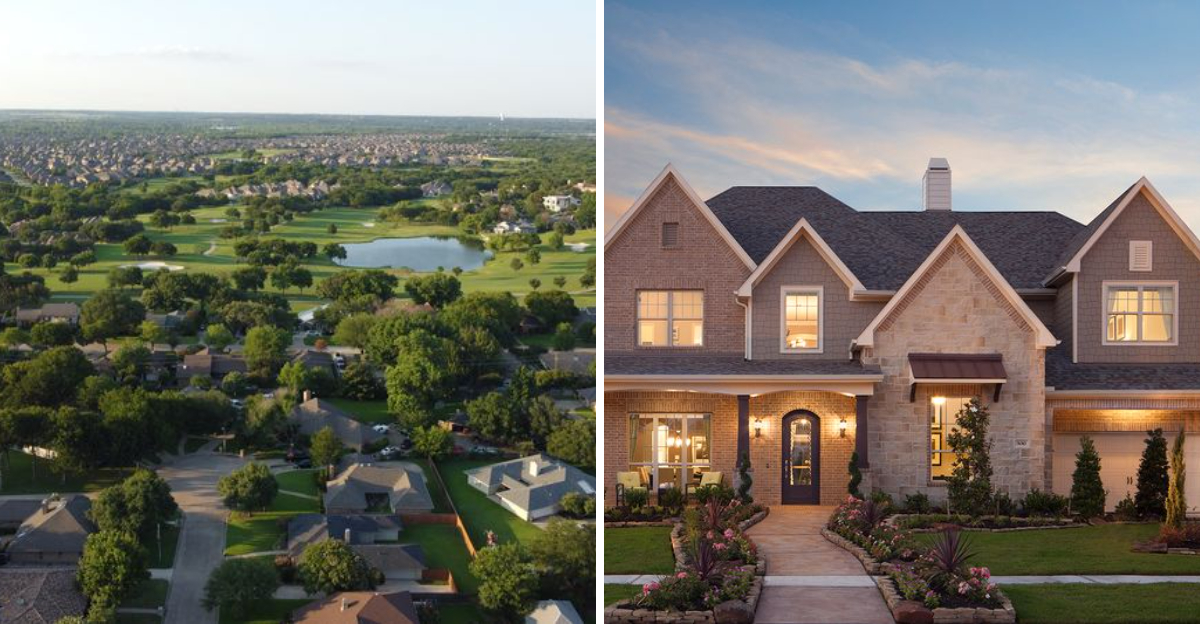
Safety is not always the first thing people think about when choosing where to live, but it quickly becomes one of the most important.
Across Texas, certain cities stand out for lower crime rates, well-kept neighborhoods, and a strong sense of community that shows up in everyday life. Streets feel calmer, public spaces stay active, and routines feel a little more predictable.
These are the kinds of places where peace of mind comes standard, not as a luxury.
1. Parker
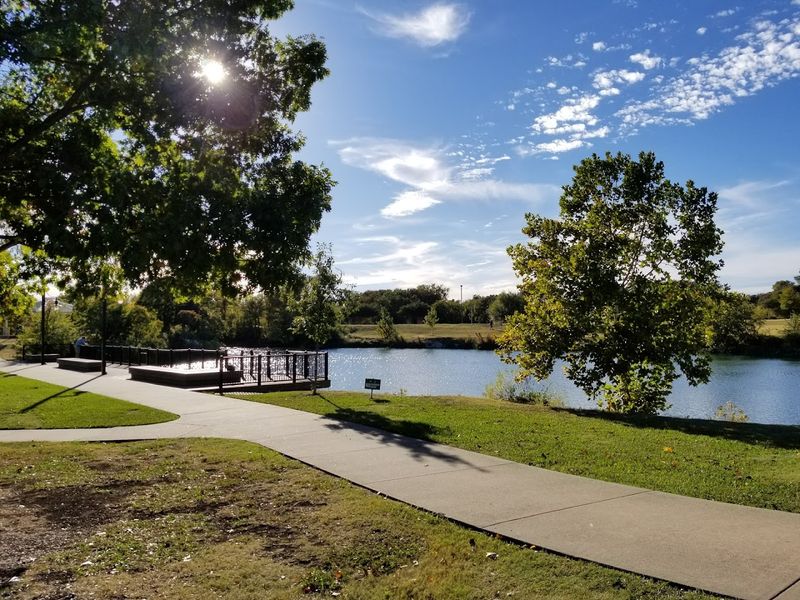
Parker sits quietly in Collin County, northeast of Dallas, and it carries itself with the kind of unhurried ease that only truly safe communities seem to have. With a violent crime rate of just 0.3 per 1,000 residents and a property crime rate of 3.6, Parker consistently ranks among the safest places to live anywhere in Texas.
It is small, sure, but that is part of the charm.
The city blends suburban comfort with semi-rural character, where large lots and open land give residents breathing room that denser cities simply cannot offer. Horses graze near residential fences.
Neighbors wave from driveways. It sounds almost too peaceful to be real, but Parker pulls it off without trying too hard.
Community ties here run deep, and local governance tends to prioritize quality of life above all else. Families are drawn to Parker for its top-rated schools in the Plano Independent School District and its overall atmosphere of calm.
If you have ever imagined a Texas town where the pace slows down just enough to let you breathe, Parker fits that picture almost perfectly.
2. Trophy Club
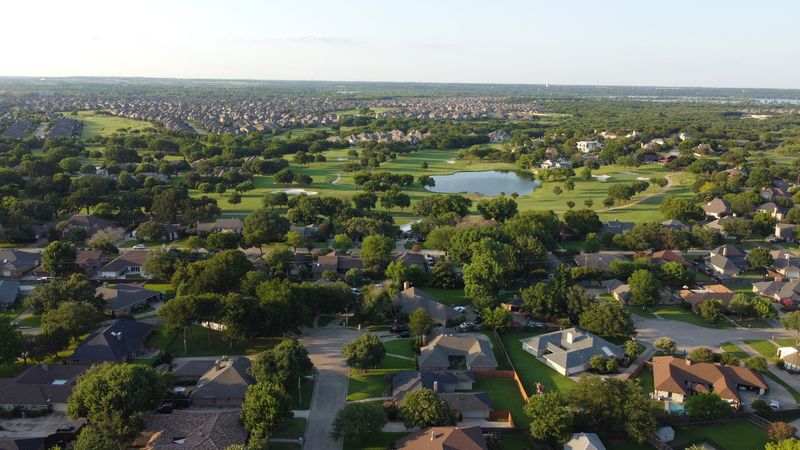
Trophy Club has a quiet confidence about it that you notice almost immediately. Situated in Denton and Tarrant counties just northwest of Fort Worth, this tight-knit suburb carries one of the lowest violent crime rates in the entire state, clocking in at just 0.1 per 1,000 residents.
That number is not an accident.
The city invests heavily in community programs, neighborhood watch initiatives, and proactive policing that keeps residents genuinely engaged with local safety efforts. Kids ride their bikes through clean, tree-lined streets, and families gather at well-kept parks without a second thought.
There is a real sense that people here look out for one another.
Trophy Club also sits close enough to the Dallas-Fort Worth metroplex to enjoy big-city amenities while maintaining its small-town calm. The local schools are well-regarded, and community events happen regularly throughout the year.
For anyone searching for a Texas city where peace of mind is not a luxury but a daily reality, Trophy Club delivers that experience consistently and without fanfare.
3. Horizon City
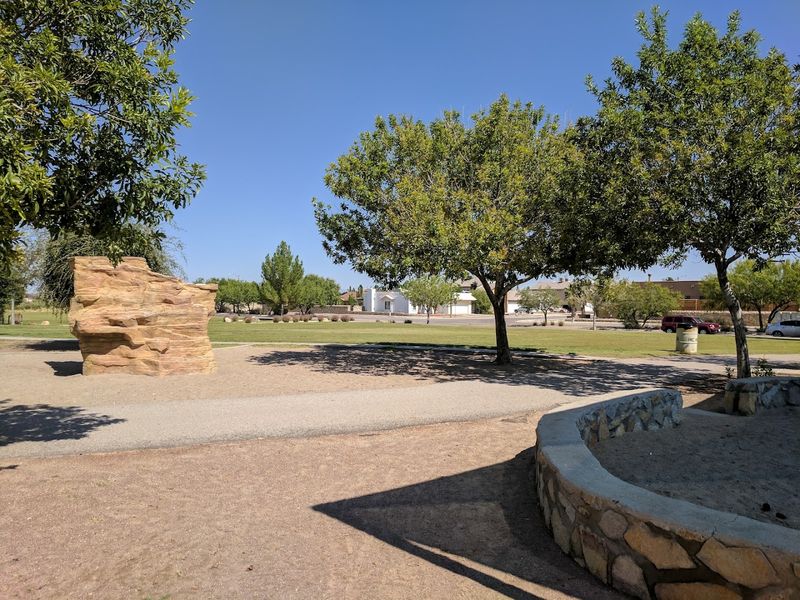
Rising from the high desert just east of El Paso, Horizon City proves that safety and wide-open spaces go hand in hand. With a violent crime rate consistently near 0.5 per 1,000 residents, it stands as one of West Texas’s most secure strongholds.
The city’s growth has been remarkably orderly, maintaining a quiet, residential pace that feels miles away from the nearby metro hustle.
Local law enforcement maintains a high-visibility, community-first presence that ensures the desert nights remain undisturbed. It is a place where front-yard play and neighborhood walks are the evening norm, driven by a collective pride in keeping the streets secure.
For those seeking the beauty of the Franklin Mountains with the peace of a premier suburb, Horizon City offers a rock-solid sanctuary that is as affordable as it is tranquil.
4. Melissa
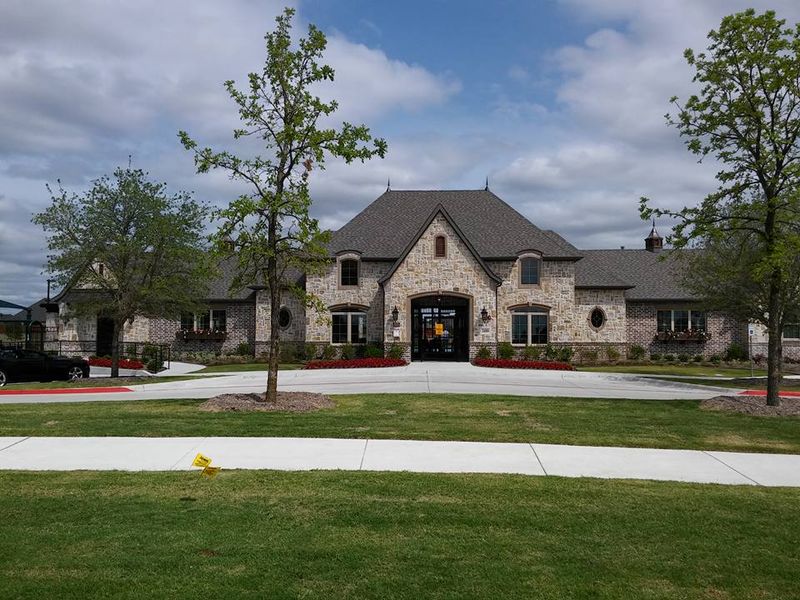
Melissa is one of those Texas cities that sneaks up on you. Located in Collin County just north of McKinney, it has been growing rapidly over the past decade, yet somehow it has managed to keep its crime rates remarkably low through that entire expansion.
A violent crime rate of 0.4 per 1,000 residents is impressive for any city, but for one growing as fast as Melissa, it is downright exceptional.
The city’s leadership has consistently prioritized public safety infrastructure alongside residential development, making sure that new neighborhoods come with the community resources needed to stay secure.
That forward-thinking approach shows in how residents interact with each other and with local authorities. There is a collaborative spirit here that feels genuine rather than performative.
Melissa also benefits from excellent schools and a welcoming small-town culture that new residents tend to embrace quickly. The downtown area has a modest, friendly character, and community events bring people together throughout the year.
Growth does not always mean chaos, and Melissa is living proof that a city can expand its population while holding firmly onto the values that made it worth moving to in the first place.
5. Fair Oaks Ranch
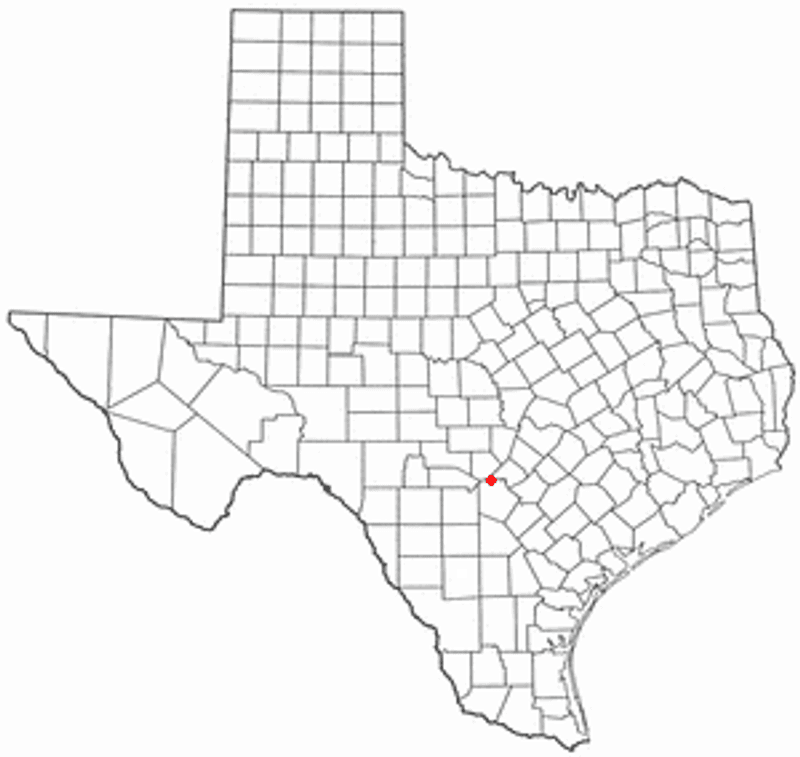
Fair Oaks Ranch sits in the Texas Hill Country, northwest of San Antonio, and it carries the kind of stillness that makes you slow down the moment you arrive.
What makes this city truly remarkable from a safety standpoint is its violent crime rate of essentially zero, 0.0 per 1,000 residents, a figure that is almost unheard of for any municipality in a state as large and varied as Texas.
The landscape here does a lot of the talking. Rolling terrain, native oak trees, and properties that blend seamlessly into the natural environment create an atmosphere of seclusion without isolation.
Horses are a common sight, and the equestrian culture gives the community a distinctive character you will not find in most Texas suburbs. Life moves at a different pace here, and residents seem to prefer it that way.
Despite its small population of just under 12,000, Fair Oaks Ranch maintains well-funded local services and an engaged citizenry that keeps the community running smoothly.
It is the kind of place where safety feels organic rather than enforced, growing naturally out of mutual respect and shared investment in the neighborhood’s well-being.
6. Whitehouse
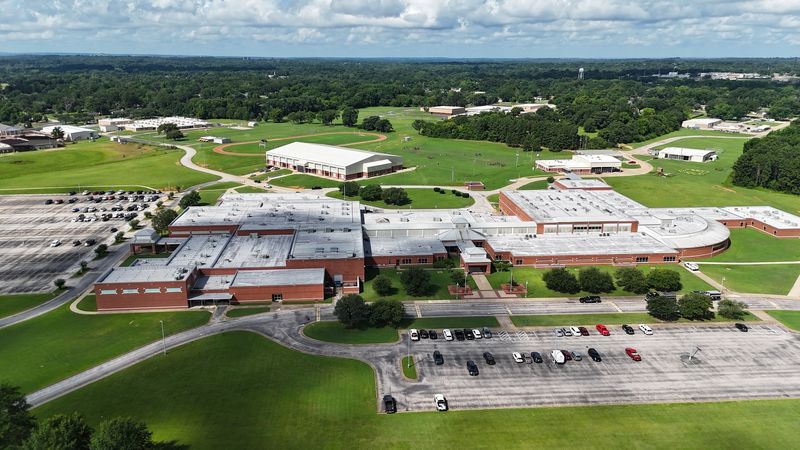
East Texas has its own rhythm, and Whitehouse captures it beautifully. Located just south of Tyler in Smith County, this small city of around 10,000 residents has been on a steady trajectory toward becoming one of the region’s safest communities.
Recent years have seen meaningful drops in both violent and property crime, and that trend reflects deliberate choices made at both the civic and neighborhood level.
Whitehouse has a genuinely warm personality. The kind of town where people hold doors open, where local businesses know their regulars, and where high school football is still a genuine community event.
That social cohesion is not just charming; it is one of the most effective crime deterrents a community can have.
The city’s proximity to Tyler gives residents access to larger shopping centers, medical facilities, and cultural venues while still returning home to a quieter, more manageable environment.
Parks and recreational areas are well-maintained, and the school district draws consistent praise from families who have relocated from larger urban areas.
Whitehouse is the kind of place that rewards you for paying attention to it, modest on the surface but genuinely solid underneath.
7. Murphy
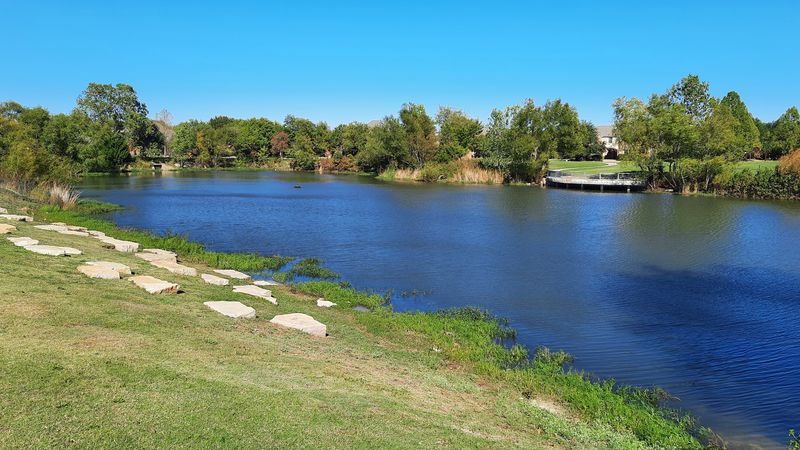
Murphy, located in Collin County just east of Plano, has built its reputation on consistency. The city’s violent crime rate sits at 0.4 per 1,000 residents, and that stability is no coincidence.
Murphy’s local government has invested meaningfully in community policing programs, youth engagement initiatives, and neighborhood outreach efforts that make residents feel genuinely connected to their city’s safety outcomes.
There is a comfortable, established quality to Murphy’s neighborhoods that signals long-term investment. Yards are tended.
Streets are well-lit. The parks fill up on weekends with families who clearly feel at ease in their surroundings.
That everyday normalcy is worth more than it sounds when you consider how many Texas cities its size struggle to maintain it.
Murphy also benefits from being embedded in one of the fastest-growing and most economically active corridors in the country, the Dallas-Fort Worth metroplex.
Access to employment, healthcare, and education is excellent, yet Murphy manages to retain a neighborhood-first identity that larger surrounding cities have largely traded away for density and development.
For families prioritizing safety without sacrificing convenience, Murphy lands in a very appealing spot on the map.
8. Fulshear
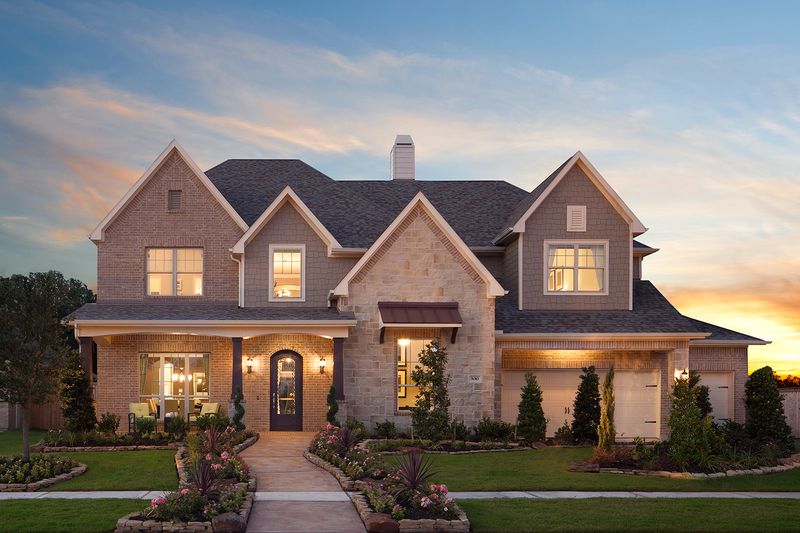
Fulshear is one of Texas’s fastest-growing cities, and watching it manage that growth without letting safety slip is genuinely impressive.
Located in Fort Bend County southwest of Houston, Fulshear has expanded from a tiny rural community into a thriving suburb in just a few years, yet its violent crime rate remains at only 0.7 per 1,000 residents.
That kind of discipline during rapid expansion is rare.
New master-planned neighborhoods bring in families from across the state and country, and the city has responded by scaling up public safety resources in step with population growth.
The result is a community that feels both fresh and secure, with all the amenities of new construction and none of the disorder that sometimes accompanies rapid development.
It is a tricky balance, and Fulshear maintains it well.
The natural setting adds to the appeal. Brazos River access, open prairies, and scenic greenways give Fulshear a character that newer suburban developments often lack.
Outdoor recreation is a genuine draw here, and the quality of life extends beyond just low crime numbers into something more holistic. Fulshear is the kind of place that surprises you by being better than expected.
9. Colleyville
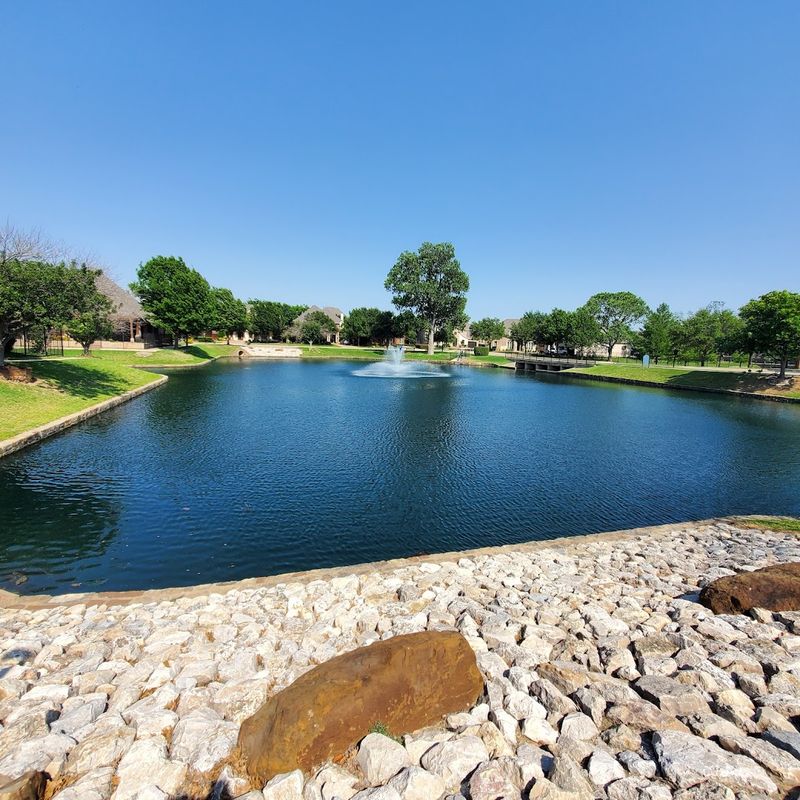
Colleyville sits between Fort Worth and Dallas in Tarrant County, and it carries itself with an understated elegance that matches its safety profile perfectly.
With a violent crime rate of just 0.4 per 1,000 residents, it has maintained a stable, secure environment for years while neighboring cities have seen more turbulent swings.
That consistency is one of Colleyville’s most underrated qualities.
The neighborhoods here feel mature in the best possible sense. Established trees shade wide streets, homes are set back on generous lots, and the overall atmosphere suggests a community that has been thoughtfully built over time rather than thrown together quickly.
Residents tend to stay long-term, which contributes to the social fabric that keeps crime rates low.
Colleyville also benefits from strong local schools, excellent parks, and a walkable town center that gives the city a sense of identity beyond just its proximity to the metroplex.
The Colleyville Nature Center is a genuine local gem, offering trails and wildlife observation that feel surprisingly remote for a city this close to DFW Airport.
For travelers and potential residents alike, Colleyville offers a compelling argument that safety and quality of life are two sides of the same coin.
10. Lumberton
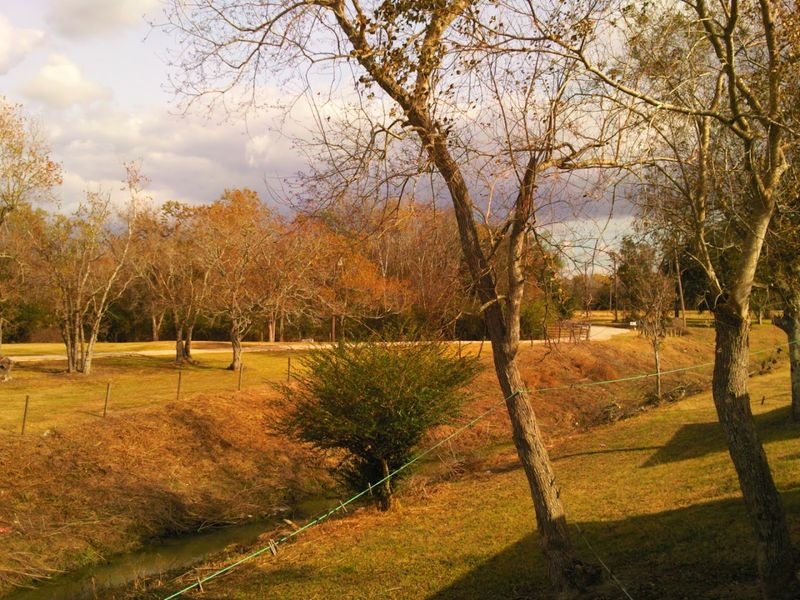
Lumberton might not be the first name that comes to mind when people think about safe Texas cities, but that is exactly what makes it worth talking about.
Hidden in Hardin County in Southeast Texas, near Beaumont, Lumberton has quietly built a safety record that rivals communities far more well-known on this list.
Community-focused initiatives have driven meaningful decreases in crime rates over recent years, and locals are clearly proud of what they have built together.
The landscape here has a lush, piney character that sets it apart from the flat plains and desert terrain most people associate with Texas. Tall pines line residential streets, and the overall atmosphere has a softness that feels distinctly Southern.
It is the kind of place where front porch conversations still happen and where neighbors genuinely know each other’s names.
Lumberton’s school district is a source of real community pride, and youth programs play a significant role in keeping young people engaged and connected. The city’s size, around 14,000 residents, keeps things personal without feeling too small.
For anyone exploring Texas beyond its famous metros, Lumberton offers a warm, safe, and underappreciated corner of the state that deserves far more attention than it typically receives.
Dear Reader: This page may contain affiliate links which may earn a commission if you click through and make a purchase. Our independent journalism is not influenced by any advertiser or commercial initiative unless it is clearly marked as sponsored content. As travel products change, please be sure to reconfirm all details and stay up to date with current events to ensure a safe and successful trip.
