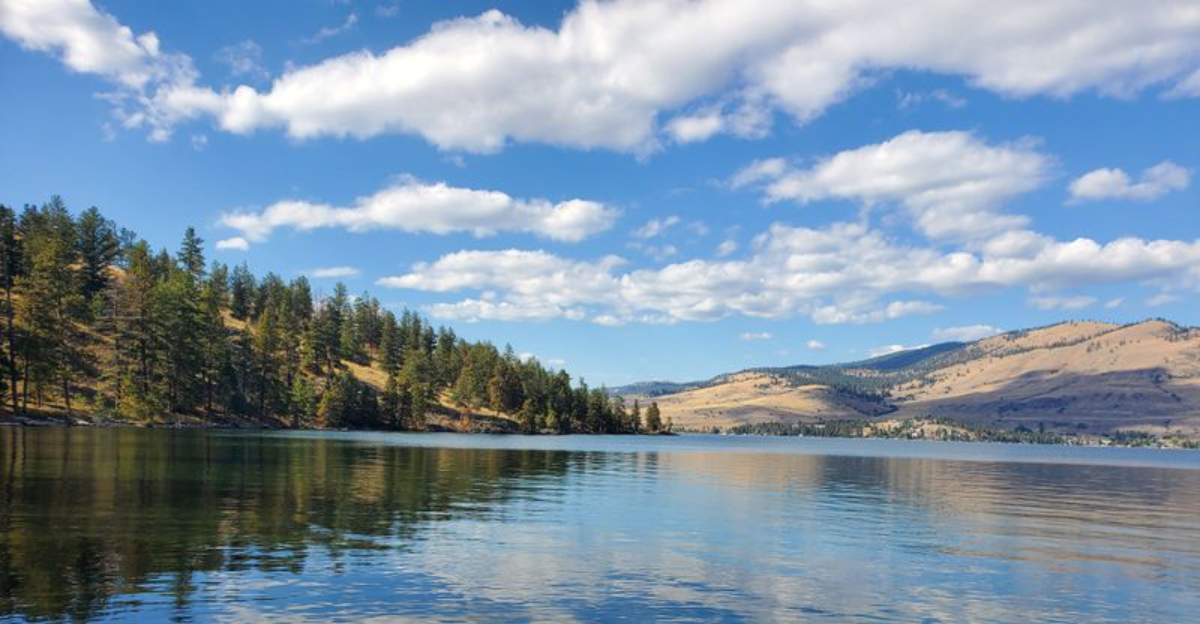
Montana holds some of the most beautiful sunrise views you will ever see in your entire life.
The Big Sky State offers mountains, lakes, and wide-open prairies that create perfect backdrops for the first light of day.
Watching the sun peek over the horizon in Montana feels like witnessing nature’s most spectacular show, with colors painting the sky in shades of orange, pink, and gold.
Whether you are an early riser who loves adventure or someone looking for a peaceful moment before the day begins, Montana has incredible spots waiting for you.
From high mountain peaks to calm lakeshores, each location offers its own special way to experience dawn.
Grab your camera, pack a warm jacket, and get ready to discover where the sunrise truly shines in this remarkable state.
These seven spots will give you memories that last forever and photos that capture the magic of Montana mornings.
1. Glacier National Park – Going-to-the-Sun Road
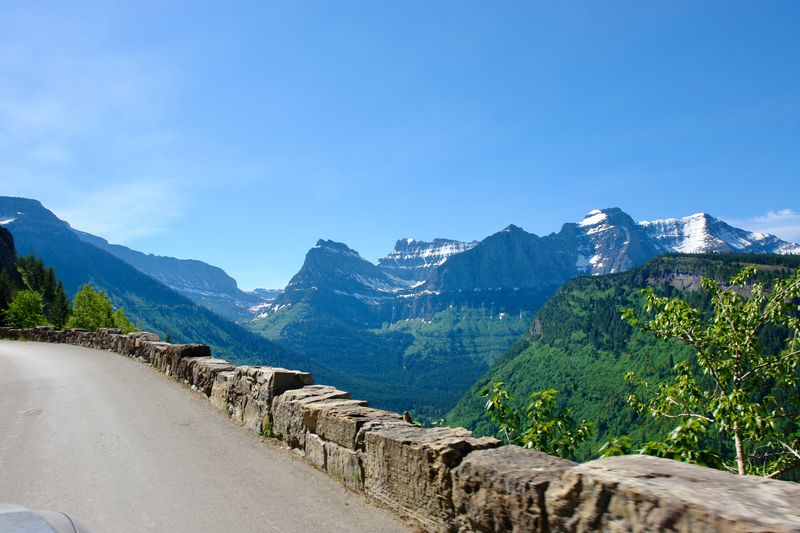
Going-to-the-Sun Road stretches 50 miles through some of the most jaw-dropping scenery in all of North America.
This engineering marvel winds through Glacier National Park, crossing the Continental Divide at Logan Pass.
When dawn breaks here, the surrounding peaks catch fire with brilliant hues that seem almost unreal.
Arriving early means you might spot wildlife like mountain goats, bighorn sheep, or even a grizzly bear starting their day.
The road typically opens in late June or early July after crews clear away winter snow, and it closes again in October.
Your best viewing spots include Logan Pass itself or the pullouts near Haystack Creek where you can see multiple peaks at once.
Photographers love this location because the changing light creates endless opportunities for stunning shots.
The road gains over 3,000 feet in elevation, so temperatures can be quite chilly even in summer months.
Bring layers and hot coffee to keep warm while you wait for the show to begin.
Many visitors say watching sunrise from this road changed how they see the natural world forever.
The combination of rugged mountains, pristine forests, and crystal-clear air makes every sunrise unique.
You can access the park through the west entrance near West Glacier or the east entrance at St. Mary.
Plan to arrive at least 45 minutes before sunrise to secure a good parking spot and set up your viewing area.
The park charges an entrance fee, but the experience is worth every penny.
Remember to practice Leave No Trace principles and stay on designated paths to protect this precious ecosystem.
2. Flathead Lake at Wild Horse Island State Park
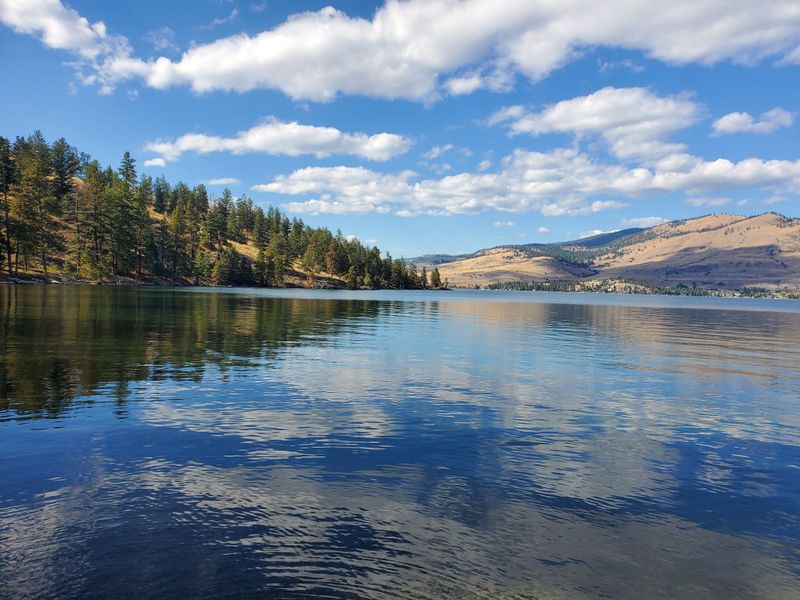
Flathead Lake claims the title of the largest natural freshwater lake west of the Mississippi River, covering nearly 200 square miles of pristine water.
Wild Horse Island sits right in the middle of this massive lake, creating a perfect focal point for sunrise watchers.
The island got its name from the Salish and Kootenai tribes who used it to keep their horses safe from rival groups.
Dawn at Flathead Lake brings a special kind of stillness that you cannot find anywhere else.
The water often looks like glass in the early morning hours, perfectly mirroring the colorful sky above.
Pink and orange streaks dance across both sky and water, creating a double display that takes your breath away.
You can watch from several spots along the shore, including Big Arm State Park on the western side or Wayfarers State Park near Bigfork.
Both locations offer easy access and beautiful views without requiring a boat.
If you do have access to a kayak or canoe, paddling out onto the calm morning water adds an extra layer of magic to the experience.
The lake sits in the Mission Valley, surrounded by mountains on all sides that catch the first light beautifully.
Summer brings the warmest weather, but fall sunrises offer spectacular color with fewer crowds.
Local wildlife includes bald eagles, ospreys, and occasional bears along the shoreline.
Bigfork sits at the northeastern corner of the lake and offers charming cafes where you can grab breakfast after your sunrise adventure.
The town of Polson anchors the southern end with restaurants and shops worth exploring.
Dress warmly because lakeside mornings can be surprisingly cool even during summer months.
3. Beartooth Highway Summit
Charles Kuralt once called the Beartooth Highway the most beautiful drive in America, and sunrise proves him absolutely right.
This incredible route climbs to nearly 11,000 feet elevation, putting you among the clouds as the sun makes its first appearance.
The highway connects Red Lodge, Montana to Cooke City near Yellowstone’s northeast entrance through an alpine wonderland.
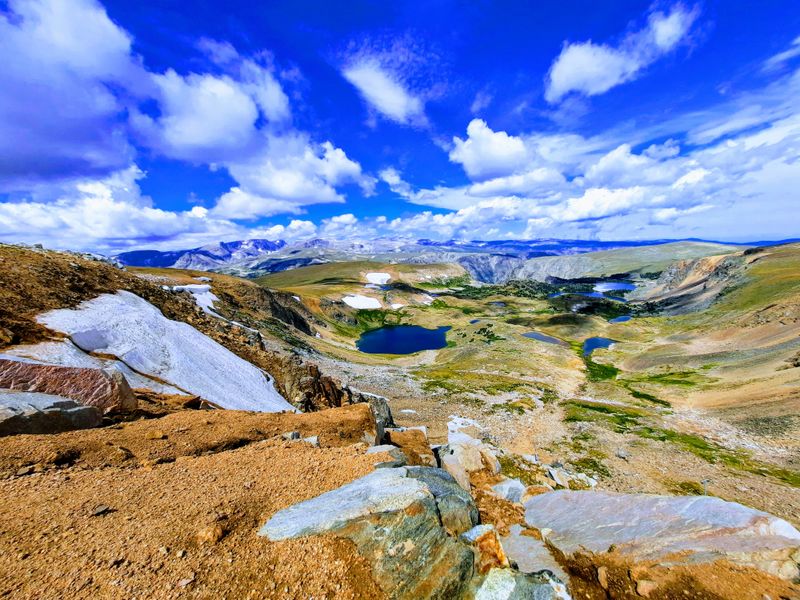
At the summit, you stand higher than most birds fly, surrounded by snowfields that last through summer.
Tiny alpine lakes dot the landscape like scattered jewels, reflecting the changing sky.
When the sun finally crests the eastern horizon, it illuminates dozens of peaks stretching as far as your eyes can see.
The highway only opens from late May through mid-October depending on snow conditions.
July and August offer the most reliable access, though you might encounter afternoon thunderstorms.
September brings incredible fall colors and clearer skies, making it a favorite time for photographers.
Several pullouts near the summit provide safe places to park and take in the view.
Beartooth Lake and Island Lake both offer foreground interest for photos with the sunrise behind the peaks.
Wildlife sightings can include mountain goats, marmots, and occasionally moose in the lower meadows.
Temperatures at this elevation stay quite cold, even in midsummer, so bring a heavy jacket and gloves.
The thin air can make some people feel lightheaded, so take it easy and breathe deeply.
Red Lodge serves as the gateway town with hotels, restaurants, and supplies at 5,555 feet elevation.
Starting your drive from Red Lodge around 4:30 AM gives you time to reach the summit before dawn breaks.
The winding road demands careful attention, especially in low light conditions.
This sunrise experience combines adventure, beauty, and a true sense of standing on top of the world.
4. Missouri River at Great Falls
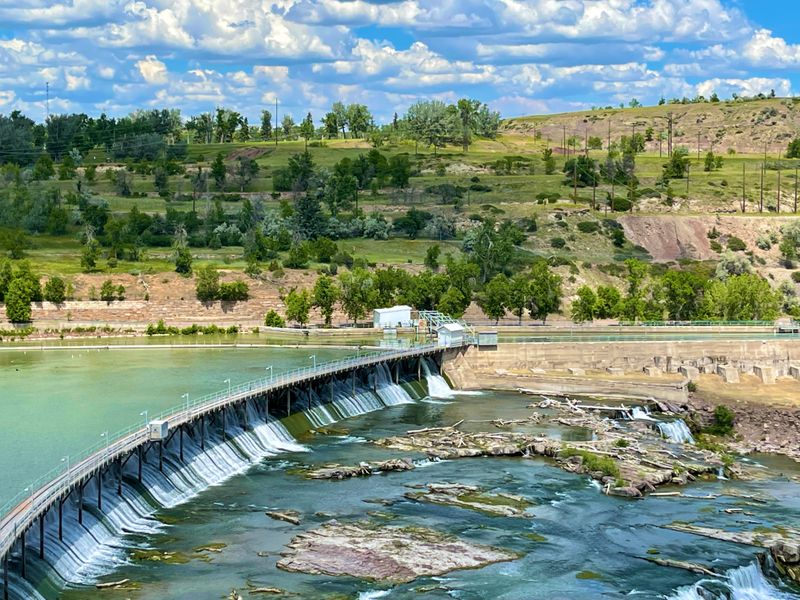
Lewis and Clark spent nearly a month portaging around these massive waterfalls back in 1805, struggling with the unexpected obstacle.
Today, you can easily access five major waterfalls along a 10-mile stretch of the Missouri River right near the city of Great Falls.
Sunrise here offers something different from mountain views – the power and movement of water catching the first light.
Rainbow Falls stands out as the most photogenic of the group, dropping 47 feet in a spectacular curtain of water.
The mist from the falls catches the morning light, sometimes creating actual rainbows as the name suggests.
A paved trail system connects all five falls, making it easy to choose your perfect viewing spot.
Giant Springs State Park sits nearby and features one of the largest freshwater springs in the country.
The spring pushes out 156 million gallons of crystal-clear water every single day at a constant 54 degrees.
Combining a visit to the falls with the springs makes for an unforgettable morning adventure.
The River’s Edge Trail follows the Missouri for miles, offering multiple access points and viewing areas.
Birds love this riparian habitat, so bring binoculars to spot herons, pelicans, and various waterfowl.
Spring and fall migrations bring even more species through the area.
The city of Great Falls provides all the amenities you need, including hotels and restaurants for before or after your sunrise outing.
Parking areas near each falls make access simple and family-friendly.
Winter sunrises create a completely different scene with ice formations and steam rising from the water.
Plan to arrive about 30 minutes before sunrise to walk to your chosen spot and set up.
The sound of rushing water adds a soundtrack to the visual beauty of dawn.
This location proves that you do not need to travel deep into wilderness to find natural wonder in Montana.
5. Chief Mountain in the Rocky Mountain Front

Chief Mountain rises abruptly from the surrounding landscape like a sentinel guarding the entrance to the mountains.
This sacred peak holds deep spiritual significance for the Blackfeet Nation, who have honored it for countless generations.
At 9,080 feet tall, its distinctive square shape makes it instantly recognizable from miles away.
The Rocky Mountain Front represents where the Great Plains suddenly meet the Rocky Mountains without any foothills in between.
This dramatic transition creates spectacular sunrise conditions as light sweeps across the flat prairie before hitting the mountain wall.
Chief Mountain stands alone enough that it catches the very first rays while surrounding areas remain in shadow.
Highway 89 between Browning and the Canadian border offers excellent viewing opportunities.
The Chief Mountain International Highway provides even closer access during summer months when it opens.
Bring a telephoto lens if you want to capture details of the peak from safe viewing areas.
Watching the sun illuminate Chief Mountain feels like witnessing something ancient and powerful.
The play of light and shadow across its faces changes minute by minute as dawn progresses.
Clouds often gather around the summit, adding drama and mystery to the scene.
This area experiences strong winds, especially in spring and fall, so secure any loose items.
The open prairie offers little shelter, making warm clothing essential even when temperatures seem mild.
Wildlife including pronghorn antelope, deer, and various raptors frequent the area.
Browning serves as the nearest town and headquarters of the Blackfeet Reservation.
The Museum of the Plains Indian located there offers fascinating insights into the cultural significance of the landscape.
Respect for the sacred nature of Chief Mountain means staying on public roads and designated areas.
Summer brings wildflowers to the prairie, adding color to your foreground compositions.
This sunrise spot connects you to both natural beauty and deep cultural history in a way few places can match.
6. Paradise Valley near Livingston
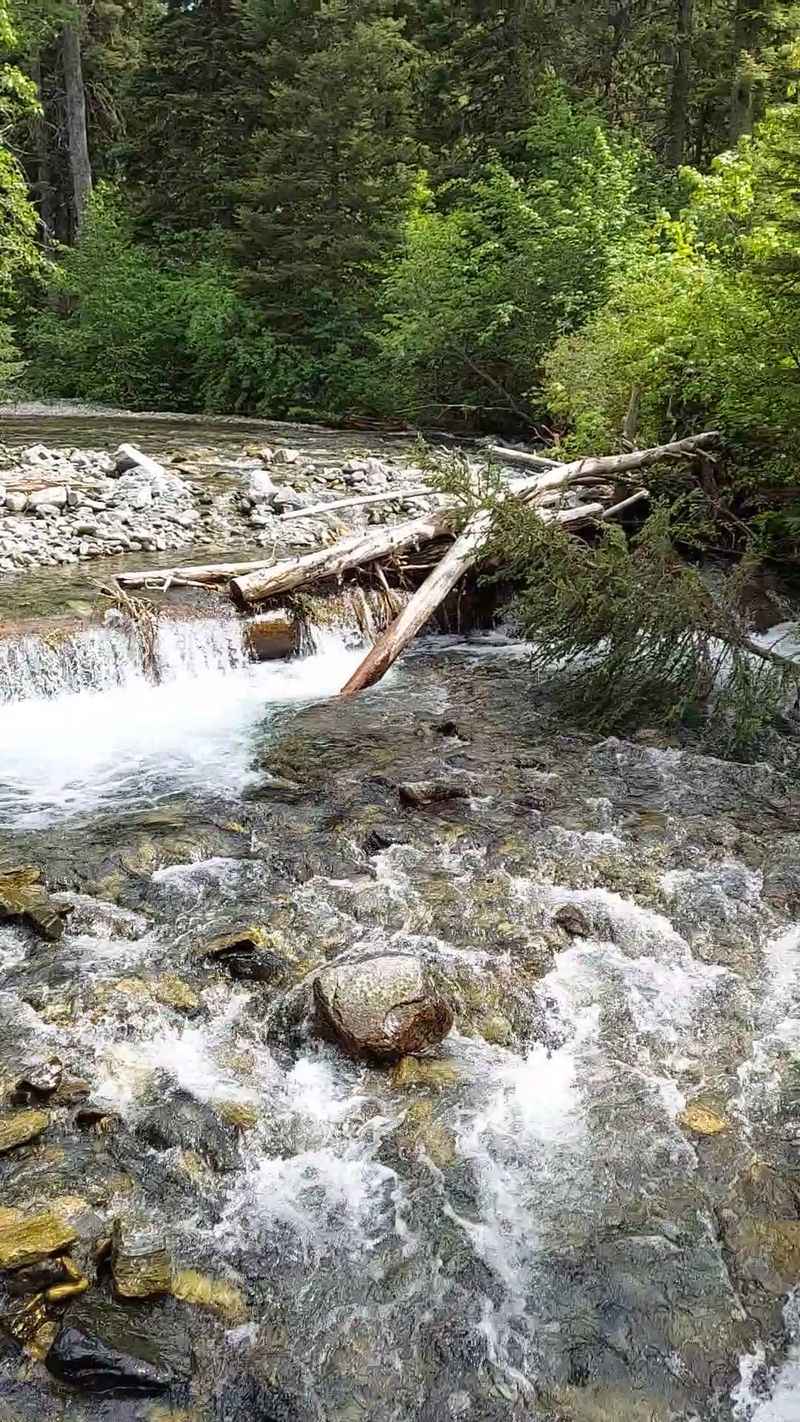
Paradise Valley earned its name honestly, stretching 50 miles between Livingston and the north entrance of Yellowstone National Park.
The Yellowstone River flows right through the middle of this gorgeous valley, flanked by the Absaroka Range to the east and Gallatin Range to the west.
Sunrise here means watching light slowly fill the valley while mountain peaks catch fire with alpenglow.
Several access points along Highway 89 provide pullouts where you can safely stop and enjoy the show.
The valley’s agricultural land creates a patchwork of fields and pastures that add texture to sunrise photos.
Ranches dot the landscape, some dating back to Montana’s early settlement days.
Chico Hot Springs sits about 30 miles south of Livingston and makes an excellent base for sunrise adventures.
The historic resort offers natural hot spring pools where you can soak after an early morning outing.
Their restaurant serves hearty breakfasts perfect for warming up after standing in the chilly dawn air.
Fishing enthusiasts know the Yellowstone River as one of the finest trout streams in the world.
Early morning often brings the best fishing conditions, so you can combine sunrise watching with casting a line.
The river’s braided channels reflect the colorful sky, multiplying the beauty of dawn.
Wildlife viewing opportunities abound in Paradise Valley, especially during spring and fall.
Elk herds move through the valley, and you might spot deer, bighorn sheep, or even wolves.
Bald eagles and ospreys fish the river, often most active during the quiet morning hours.
Livingston offers art galleries, restaurants, and western charm worth exploring.
The town sits at the valley’s northern end where the Yellowstone exits the mountains.
Fall brings golden cottonwoods along the river that glow brilliantly in sunrise light.
Winter creates a completely different scene with snow-covered fields and steam rising from the river.
No matter the season, Paradise Valley lives up to its name when dawn breaks over the surrounding peaks.
7. Makoshika State Park Badlands
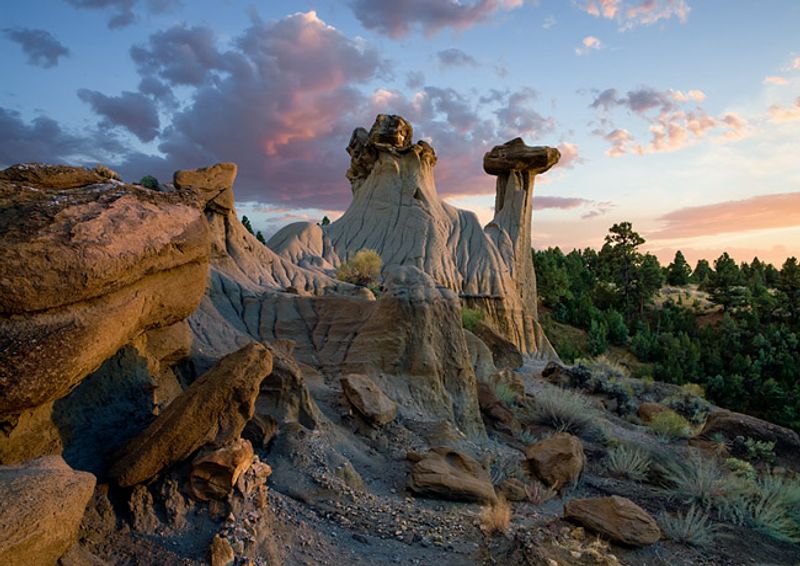
Makoshika means bad earth or bad land in the Lakota language, but sunrise transforms these badlands into something absolutely magical.
This park protects over 11,000 acres of eroded terrain near Glendive in eastern Montana.
Strange rock formations called hoodoos cast long shadows as the sun rises, creating an otherworldly landscape that seems more like Mars than Montana.
The badlands formed over millions of years as wind and water carved soft sedimentary rock into fantastic shapes.
Fossils including Tyrannosaurus rex and Triceratops have been discovered here, reminding visitors of the ancient past.
Colors in the rock layers range from deep red to pale yellow, all intensified by the angled light of sunrise.
A paved road winds through the park to several overlooks offering different perspectives on the formations.
The Cap Rock Nature Trail provides an easy walk to spectacular viewpoints perfect for photography.
Bring a wide-angle lens to capture the sweeping vistas and a telephoto to isolate interesting rock details.
Spring and fall offer the most comfortable temperatures for exploring, though summer sunrises avoid the heat of midday.
Wildflowers bloom in surprising numbers during May and June, softening the harsh landscape with color.
Birds including golden eagles, prairie falcons, and various songbirds make this area home.
Glendive provides hotels, restaurants, and supplies just a few miles from the park entrance.
The town sits along the Yellowstone River in a completely different landscape from the badlands.
Camping inside the park lets you wake up right among the formations for the ultimate sunrise experience.
This location offers something totally different from Montana’s famous mountain sunrises.
The stark beauty and unusual geology create photographs that surprise people unfamiliar with Montana’s diversity.
Watching light and shadow play across these ancient formations connects you to deep time and the ongoing power of natural forces.
Few visitors make it to this corner of Montana, so you might have the sunrise entirely to yourself.
Dear Reader: This page may contain affiliate links which may earn a commission if you click through and make a purchase. Our independent journalism is not influenced by any advertiser or commercial initiative unless it is clearly marked as sponsored content. As travel products change, please be sure to reconfirm all details and stay up to date with current events to ensure a safe and successful trip.
