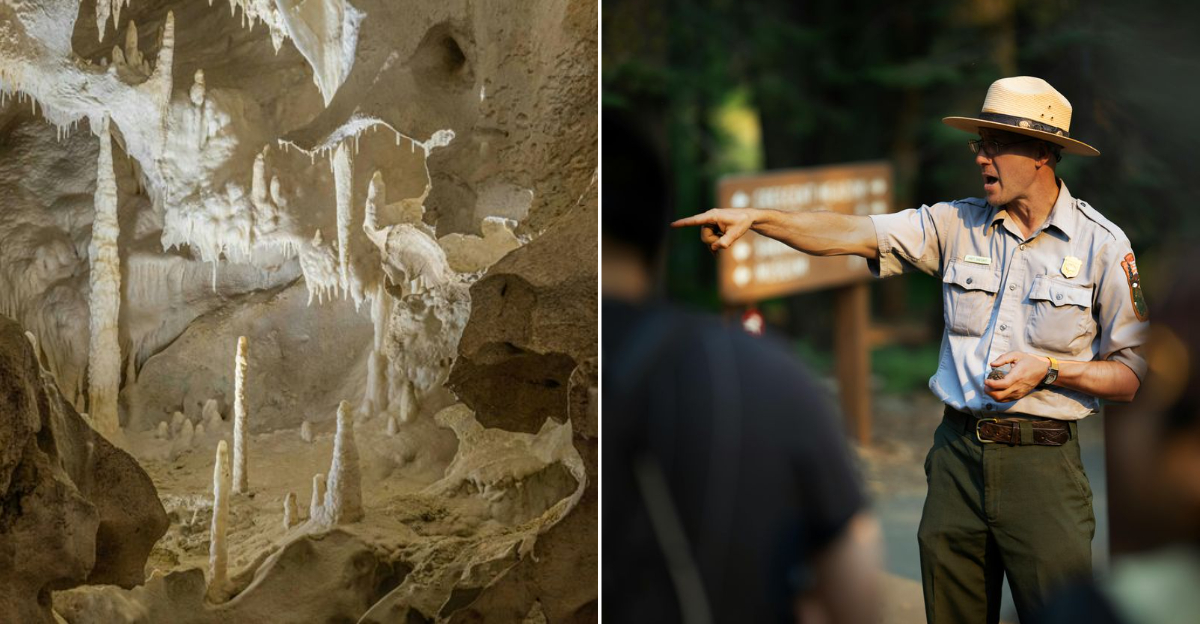
Have you ever been tempted to reach out and touch the walls of a cave just to feel the cool, rough surface? In Kentucky, that simple impulse could end up costing you more than you expect. Many tourists don’t realize that caves aren’t just dark tunnels.
They’re fragile ecosystems, and even a light touch can damage formations that took thousands of years to grow. Rangers and guides often warn visitors, but it’s easy to forget when curiosity kicks in. I remember the first time I walked into Mammoth Cave.
The air was damp, the silence was heavy, and the walls seemed to invite exploration. But then came the reminder: “Hands off.” It felt strange at first, like being told not to touch history, but the reasoning made sense.
Oils from our skin can stop stalactites and stalagmites from forming, and fines are in place to protect them. So next time you’re in Kentucky’s caves, keep your hands to yourself. It’s not just about avoiding a fine, it’s about preserving something irreplaceable.
Oils From Your Skin Stop Cave Growth
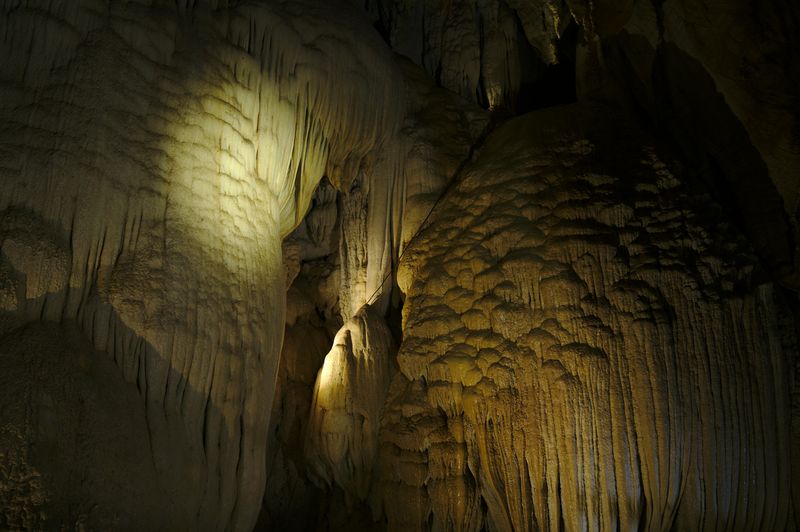
You know how guides say hands off the walls? They are not being precious.
The oil on your skin leaves a thin film that blocks the delicate mineral layer where new crystals form.
In a cave like Mammoth Cave in Kentucky, every droplet is doing slow, steady work. That film changes the surface tension and the chemistry at the point of contact.
Once that process is interrupted, growth can stall in a way that feels final for people like us.
Think of a stalactite that took ages to reach a finger length. One touch can leave a shiny spot that never goes dull again.
I think of it as putting tape over a seed and expecting it to sprout.
When you walk past a curtain of flowstone, keep your hands tucked and your camera strap snug. You are not just avoiding scolding.
You are letting water keep painting rock in peace.
The truth is simple and a little wild. Our bodies are full of tiny oils that do not belong on stone.
I feel like the most respectful move is to look close without leaning or bracing.
If a step feels awkward, use railings where they exist. If there is no railing, pause and plant your feet.
Let the cave breathe and keep doing its quiet work.
Oil Stains Are Permanent And Costly

Here is the sneaky part about fingerprints underground: they do not fade the way they do on glass. On limestone, that smudge sinks into tiny pores and turns into a dark spot that sticks.
In Kentucky caves, those little stains add up. Staff bring in specialists with gentle tools and careful methods.
It is slow work and not always successful, which means scars can linger even after a long cleanup.
Imagine a trail of small handprints along an old formation. Each one tells the same story.
A quick touch, a lasting mark, and a long invoice for the people who maintain the cave.
We are not talking about a little dust wipe. We are talking about restoration that takes patience and skill, the kind of project that pulls time away from research and education.
If you are tempted to steady yourself on a wall, stop and scan for a railing.
Know that your balance matters, and so does the rock. Keeping hands off is the cheapest conservation plan you will ever follow.
Next time a guide gives that reminder, treat it like a friendly nudge. They are trying to save both the cave and their maintenance calendar.
Clean stone means more time for tours and stories.
Laws Protect National Park Resources
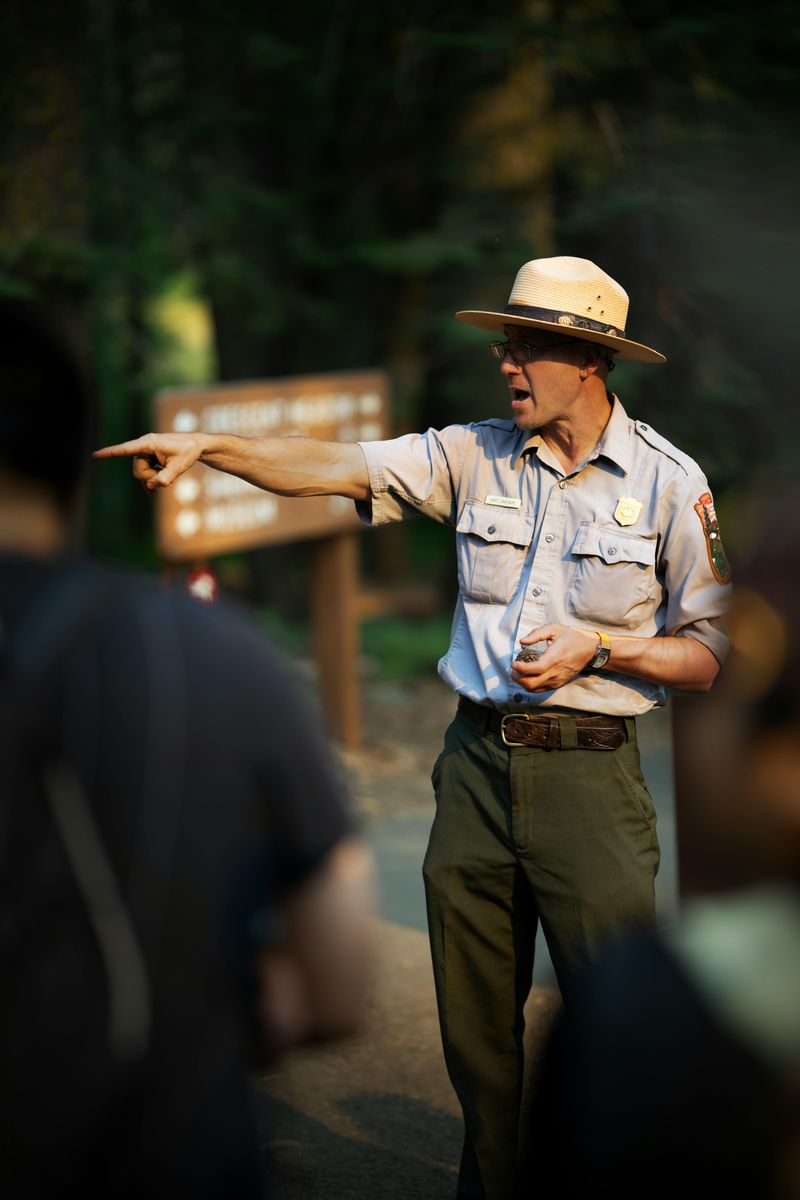
It is not just a suggestion when signs say do not touch. In places like Mammoth Cave National Park in Kentucky, the formations are protected resources.
Damaging them counts as harming park property.
Rangers explain the rules before tours for a reason. They know how easy it is to reach out in a tight passage.
A careless brush can still be a violation, even if it seemed harmless at that moment.
Think about the park like a living museum, you would not press a finger on a painting. The same respect applies underground, where the artwork is made by water and time.
When visitors ignore guidelines, rangers can step in, and that can mean a warning, documentation, and follow up. If real damage happens, official consequences can follow.
Staying on the trail and off the walls keeps you in the clear. It also keeps the group moving smoothly through narrow chambers.
Everyone gets a better view without pauses for lectures.
Listen for those quick reminders from your guide, they are setting you up to enjoy the cave without trouble. The law is there to protect a place that cannot protect itself.
You Can Be Fined Thousands For Damage
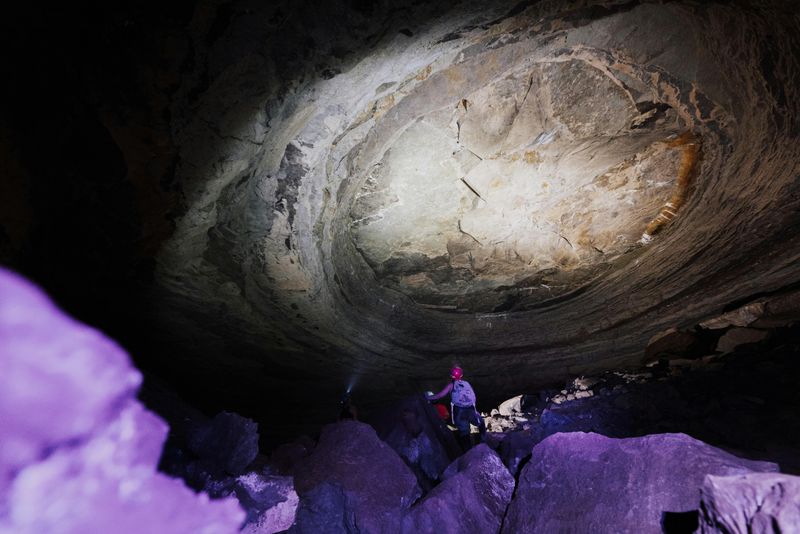
People sometimes think a scratch or a name is no big deal. Underground, that is vandalism.
In these caves, rangers take notes, take photos, and take it seriously.
Fines can reach into serious numbers when damage is clear and intentional. The idea is not to scare you for fun, it is to stop people from turning a natural wonder into a bulletin board.
There is also the cost of restoration. Specialists have to evaluate the damage, plan a careful approach, and come back over and over.
That time and skill is not free, and the bill has to land somewhere.
If you are touring with kids or a big group, set the tone early, and talk about why names do not belong on rock. Tell them the cave is already full of stories written in stone.
The best souvenir is a photo and a memory, trust me. Leave the surface untouched so others can see it the same way.
Your future self will be glad you did not leave proof you were there.
So keep your hands open but off the wall. Enjoy the echo, the drip, and the cool air.
Let the cave stay wild without our signatures.
Cave Features Take Ages To Form

Those icicle shapes above your head did not appear on a road trip timeline. Stalactites and stalagmites grow at a pace you cannot see while standing there.
You only notice the change when centuries stack up.
Touching interrupts the chemistry that makes crystals stack. The water bead hits a greasy spot and slides the wrong way.
The formation stops building or grows in a weird side path.
In this state, many caves showcase flowstone that looks like melted candle wax.
It is gorgeous because it never gets interrupted too often. Keeping it that way is on every visitor who passes through.
Think of it like saving an old record from scratches. Once you scrape it, the song never plays the same.
The cave has a song too, written in layers of calcite.
When a guide pauses to shine a light on a drip point, stand still, watch the water hang, drop, and vanish. That is the whole engine right there, quiet and steady.
Hands off means the engine keeps running. It is the easiest rule on the tour, and it leaves the cave looking like time did the decorating.
Touching Can Disrupt Fragile Microhabitats
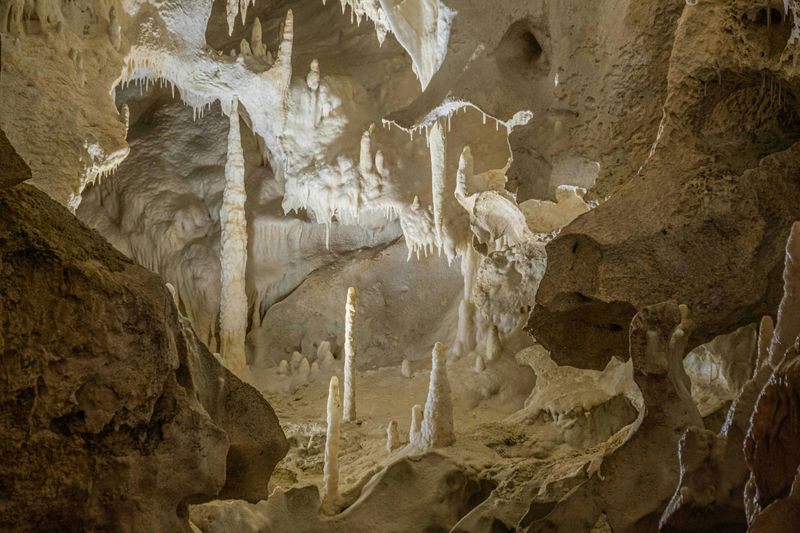
Caves are not just rocks, they are entire neighborhoods for tiny creatures that never see daylight.
A fingertip can throw their world off balance.
In Kentucky caves, humidity and mineral chemistry stay stable in a narrow range.
Oils and sweat change that on contact, microbes shift, algae can bloom near lights, and sensitive species can struggle.
You may not see the impact right away, and that is the tricky part. The damage sneaks in and sits there while tours keep moving.
Think about a cave salamander hiding under a damp ledge.
If the surface stops holding moisture the same way, the spot changes, which can push small life into fewer safe corners.
Guides talk about leave no trace for a reason. It is about chemistry and habitat that your skin can nudge the wrong way.
So when the path gets tight, keep elbows tucked. Make sure to use railings where they exist and pause when needed.
The life down here deserves a quiet, steady home.
Grease And Stains Spread Over Time
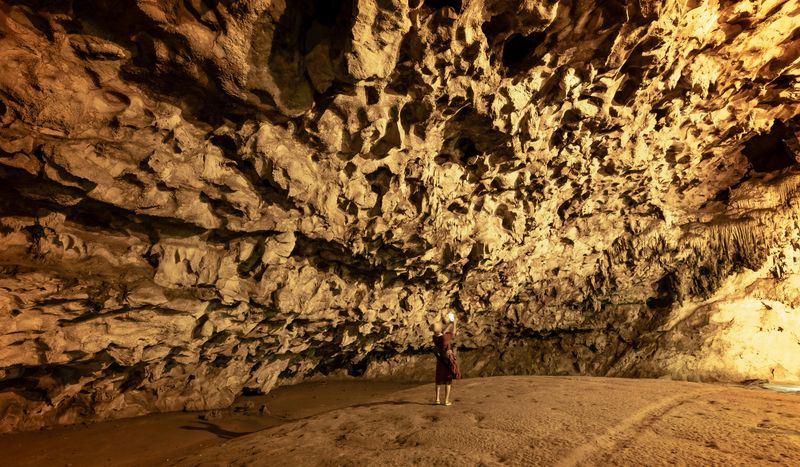
Here is a weird one: a single touch on a cave wall does not stay put. Water can carry that residue along seams and drip lines.
In Kentucky’s damp passages, tiny flows move grime to new places, and that creates streaks and halos that look natural at first. Later it becomes clear that a human started the trail.
Cleanup gets tricky when contamination travels. Crews have to chase it without making fresh marks.
You can see why they push the hands off message so hard.
If a passage feels narrow, slow your steps and square your shoulders. Give yourself room to clear the rock.
I think that breathing room beats cleaning bills every time.
Think about how a small oil spot on a shirt spreads in the wash, the cave has its own version of that. Except the fabric is stone and the cycle is patient and long.
So keep gear close and straps short. Touch nothing that is not a railing or a step, and let the water move minerals, not sunscreen and lotion.
Guides Train To Protect, Not Just Inform
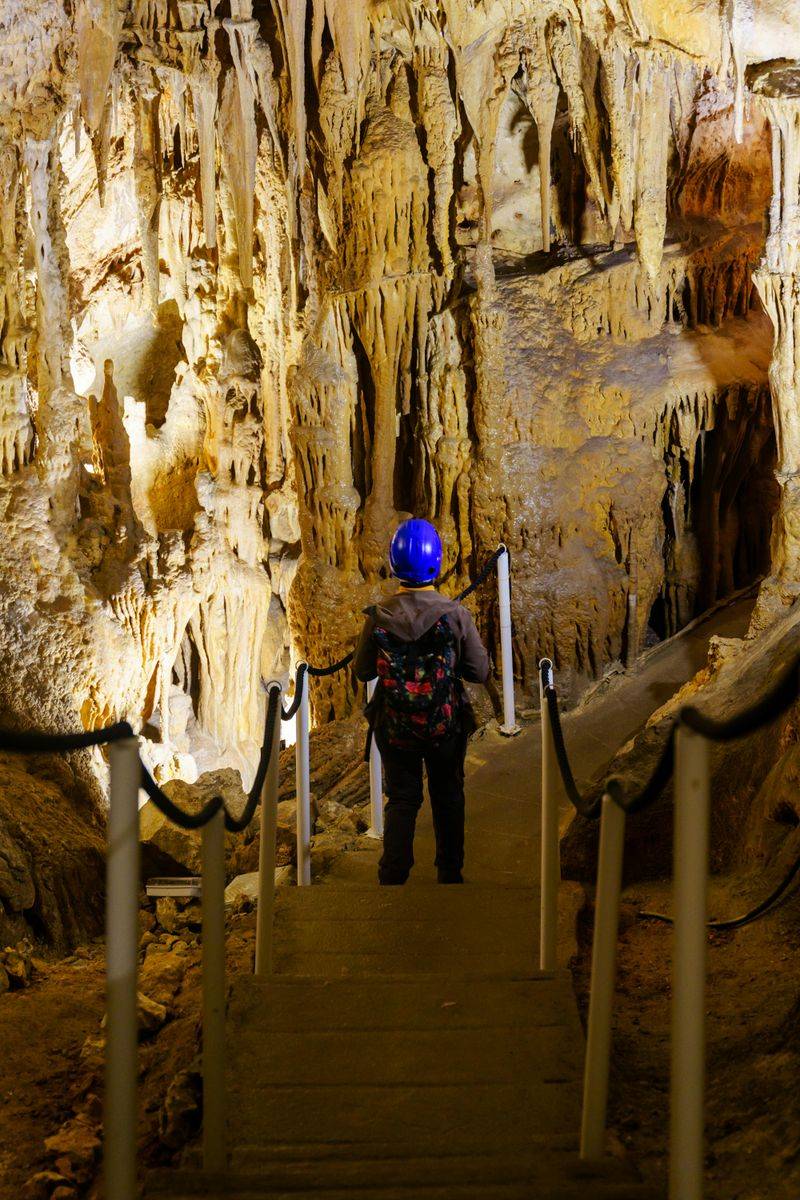
When a guide reminds you to step left or keep hands down, that is training talking. They learn how to spot risky habits before damage happens.
In Kentucky tours, briefings happen before the lights go dim. You hear about rails, spacing, and what not to touch.
That quick minute keeps the whole group safer and kinder to the cave.
If someone forgets, a gentle correction follows, and it is not personal. It is how delicate rock stays intact for the next visitor.
Ask questions if you are not sure what counts as contact. Guides would rather explain than repair, and they spend a lot of time watching where feet and elbows go.
When the path climbs or dips, move with your knees, not your hands. Use the steps that are there.
Just know that staying balanced keeps curiosity fun and harmless.
By the end of a tour, you will hear yourself repeating the rules, and that is a good sign. It means the cave made its point without a scar.
Touching Can Impact Archaeology
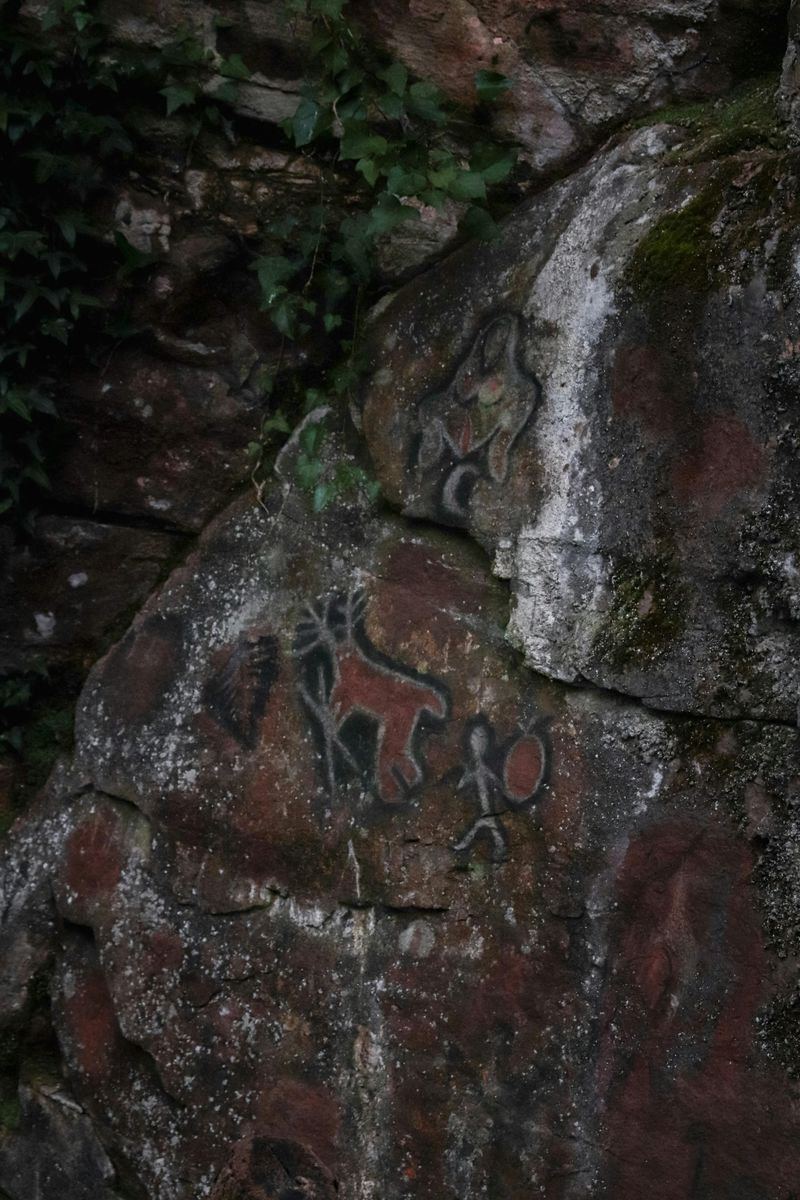
Some Kentucky caves hold traces of very old human stories. Charcoal drawings, torch marks, and bits of tools still rest in dark corners, a single fingerprint can smear or hide that record.
Oils make pigment bind differently to rock. Even a gentle brush can lift particles or add shine, and that glow makes researchers work harder to read the surface.
Imagine walking through a gallery where the art is not behind glass. That is what a cave can be.
Guides might point to an area and ask you to stay back. That space can be more than pretty stone, it can be evidence that maps a story through time.
Archaeology runs on patience and context. When surfaces stay clean, context stays readable, and that is how new insights keep coming.
So if curiosity pulls you closer, stop a step early. Let the light and your eyes do the reaching.
The past is fragile and needs space.
The Mineral Makeup Is Chemically Reactive
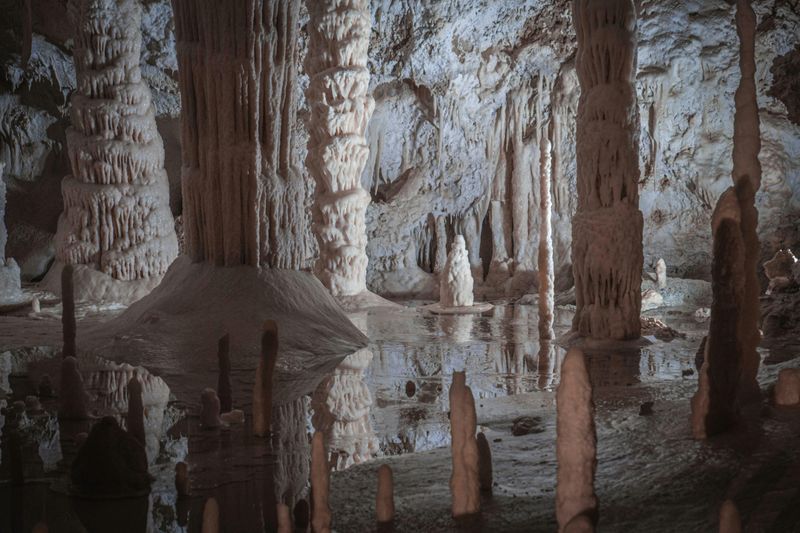
Limestone is not passive, it reacts to what touches it, including your skin. Sweat and oil change how water beads and how minerals deposit afterward.
In these caves, you can see glossy spots where hands have been. The texture shifts from crisp to smooth, and that change tells scientists the chemistry went sideways.
When the surface gets slick, new calcite struggles to stick. Water routes around the patch instead of building it up.
Over time, the whole pattern of a flowstone sheet can warp.
It is like laying wax on a car and then trying to paint over it. The new layer will not grab, and the result looks uneven and tough to fix.
Make sure to keep your body a bit away from the rock in tight passages. Move slow and miss the bump, and know that every centimeter helps keep the chemistry honest.
Respecting the reaction means respecting the place. The cave keeps doing its quiet math, and you get to witness it without leaving a trace.
Dear Reader: This page may contain affiliate links which may earn a commission if you click through and make a purchase. Our independent journalism is not influenced by any advertiser or commercial initiative unless it is clearly marked as sponsored content. As travel products change, please be sure to reconfirm all details and stay up to date with current events to ensure a safe and successful trip.
