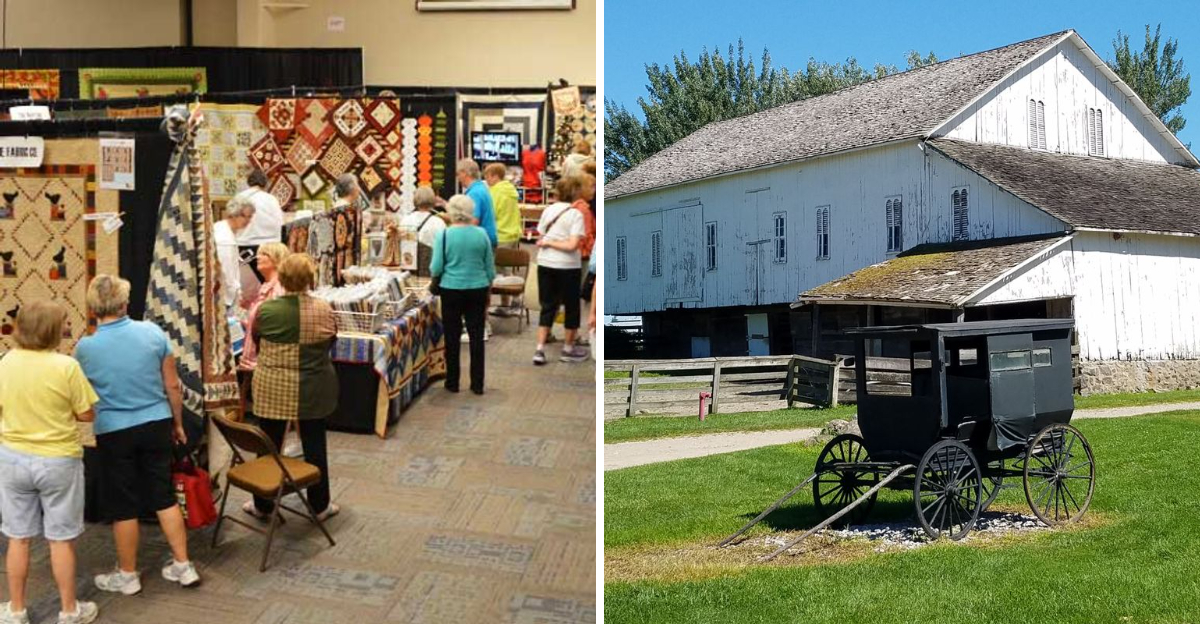
Tourists are flocking to Indiana’s Amish regions in record numbers, drawn by horse-drawn buggies and homemade pies.
Yet behind the quaint shops and bustling markets lies a culture that keeps its deepest traditions tucked away from outsiders.
Travelers may snap photos of barns and quilts, but the real Amish way of life remains just out of reach.
It’s a world where simplicity rules, technology is shunned, and community bonds run stronger than Wi-Fi signals.
For visitors, the mystery only adds to the charm, making Indiana’s Amish country both a booming destination and an enigma.
Respectful Etiquette On Country Roads
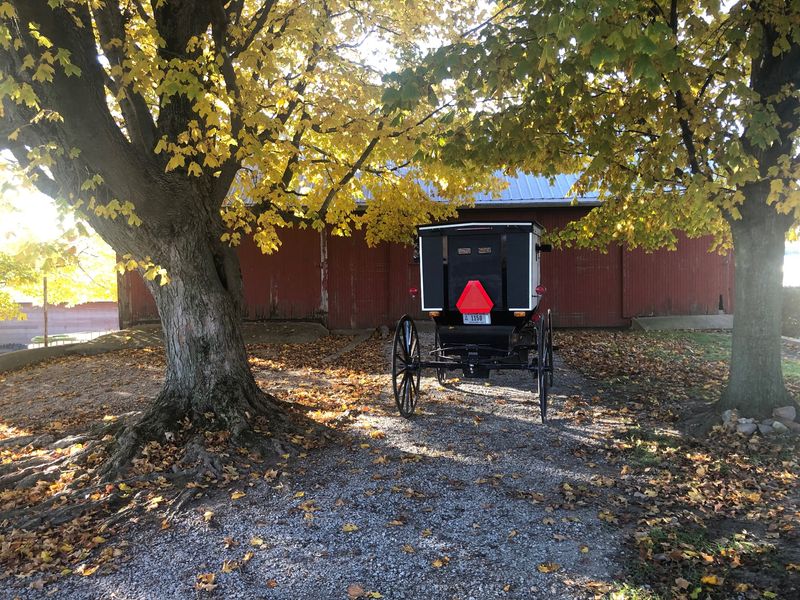
Indiana backroads feel peaceful, and that calm depends on you slowing down and giving space to buggies.
You will often see a dedicated buggy lane or the rumble strip that protects it, so keep tires clear and pass only with wide room.
Use low beams near dusk and avoid honking because horses can startle even in light traffic.
Photography should happen with distance and consent, which means you skip close portraits and never chase a buggy for a shot.
Pull fully off the pavement if you want a landscape photo, and watch for gravel shoulders that can be soft after rain.
Farm driveways and private lanes look scenic, but they are not public spaces, so admire from the road and keep your visit brief.
Navigation apps might reroute you down narrow lanes, so compare with a paper map or county visitor guide before heading out.
Winter brings early sunsets in Indiana, and black car paint can blend into twilight, so keep lights on and speeds smooth.
Round a curve and you may find a slow moving triangle on a buggy, so read it like a stoplight and approach with patience.
Barn cats, free range chickens, and children walking home can appear without warning, so treat every hill as a surprise.
Locals notice drivers who yield, and your courtesy builds trust that keeps tourism welcome in small towns.
When uncertain, wave, wait, and breathe because kindness and calm carry farther than any itinerary.
Respect on the road becomes part of the story you bring home, and others follow your lead.
These habits turn a quiet drive into a responsible visit, and that benefits both travelers and residents.
You will remember the scenery longer than the minutes you spent letting a buggy pass safely.
Handcrafted Markets Without The Hype
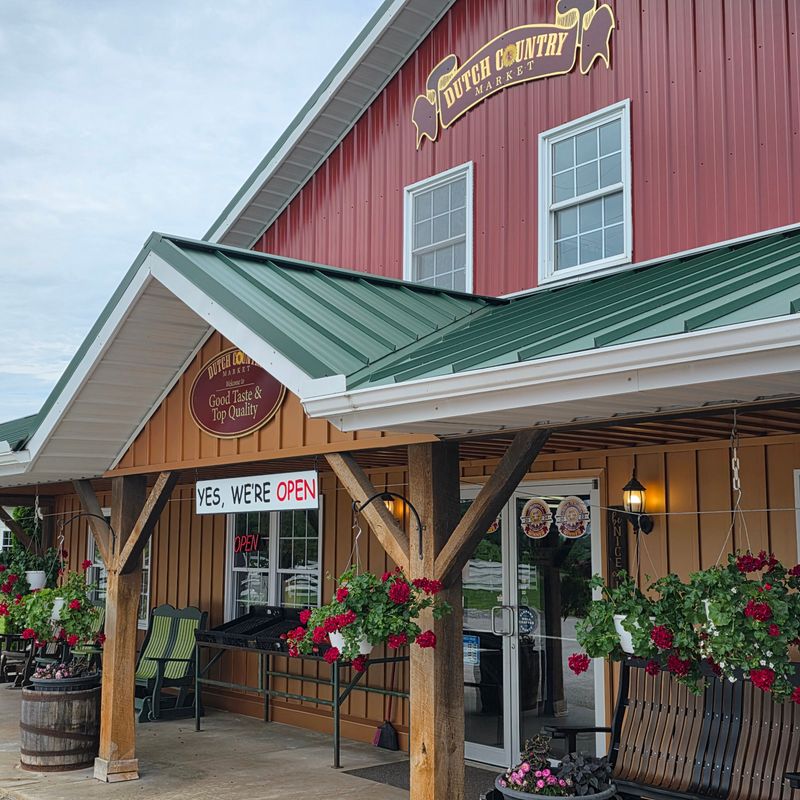
Markets across northern Indiana feature quilts, baskets, soaps, and woodcraft that feel timeless yet useful in daily life.
Prices vary widely, so browse with patience and ask about materials, joinery, and the maker’s family shop hours.
Cash often works best, and some stores accept cards with a small fee that supports simple operations.
You might see the same quilt pattern with different stitching styles, and those details tell you who made it and how long it took.
Look for tags that list natural fibers, hand quilting density, and care notes because quality hides in small facts.
When you buy directly from the maker, you support a household rather than a warehouse, and that purchase lasts longer.
Photography rules differ by shop, so ask before snapping photos and focus on displays rather than faces.
Indiana visitors centers publish seasonal craft trails, and they help you map routes so you do not backtrack on gravel.
Weekend crowds can stack up by midmorning, so arrive early or late to enjoy calm aisles and real conversations.
Many makers work around chores, so posted hours feel flexible, and patience rewards you with fresh inventory.
Hand poured candles often use soy blends, and scents lean toward simple notes that fit farmhouse life.
Furniture showrooms showcase mortise and tenon joints, quarter sawn oak, and stains that age gracefully with use.
Ask about lead times for custom tables because small shops balance orders with community events.
Shipping is usually available through third party carriers, and rural pickups happen on a weekly schedule.
You leave with something beautiful and sturdy, and you also leave money in Indiana communities that value quiet work.
Buggy Rides And Boundaries
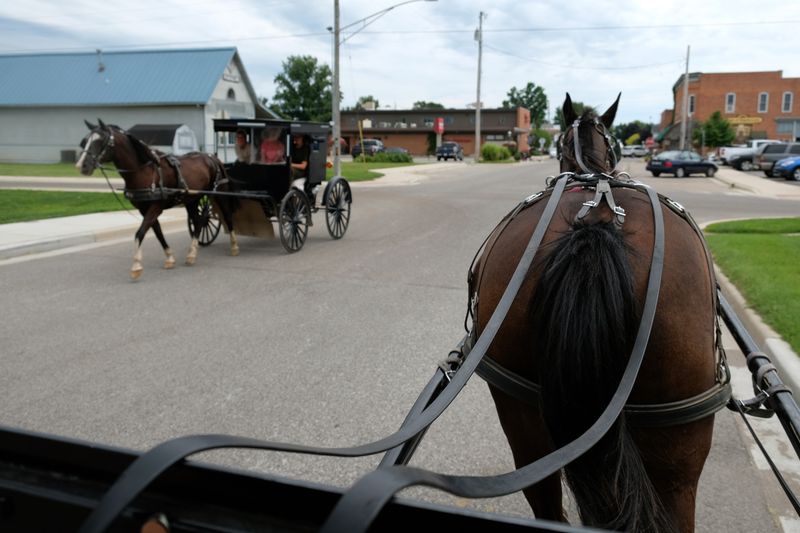
Commercial buggy rides operate in a few tourist hubs, and they provide a controlled way to experience the road from the carriage.
Drivers offer context about horse care, wheel maintenance, and traffic rules that keep rides safe for guests and animals.
You sit close to the rhythm of hooves, which can be soothing if you manage expectations and accept the slow pace.
Boundaries matter because not every family wants attention, so choose licensed operators who advertise hours and routes.
Private lanes and church properties are off limits, and drivers know the right places to travel without intrusion.
Children sometimes wave from porches, and a friendly wave back is fine without photos or lingering stares.
In Indiana, weather shifts quickly, and rides may pause for storms or heat that could stress the horse.
Bring layers, small bills for tips, and patience for boarding when multiple groups arrive at once.
Accessibility varies by operator, so call ahead to confirm step assistance or space for mobility devices.
Some rides include short narration about regional history, but personal religious practice remains private and unshared.
Look for posted safety guidelines near the hitching rail, and listen closely as the driver sets ground rules.
Evening rides feel magical along tree lined lanes, and the clip clop settles the mind after a busy day.
Remember that animals need rest, water, and shade, so celebrate cancellations that prioritize health.
Responsible choices keep tourism welcome in Indiana towns that value modesty and limited exposure.
You will step down with a deeper sense of place, and you will leave the route as quiet as you found it.
Bakeries Where Lines Form Early
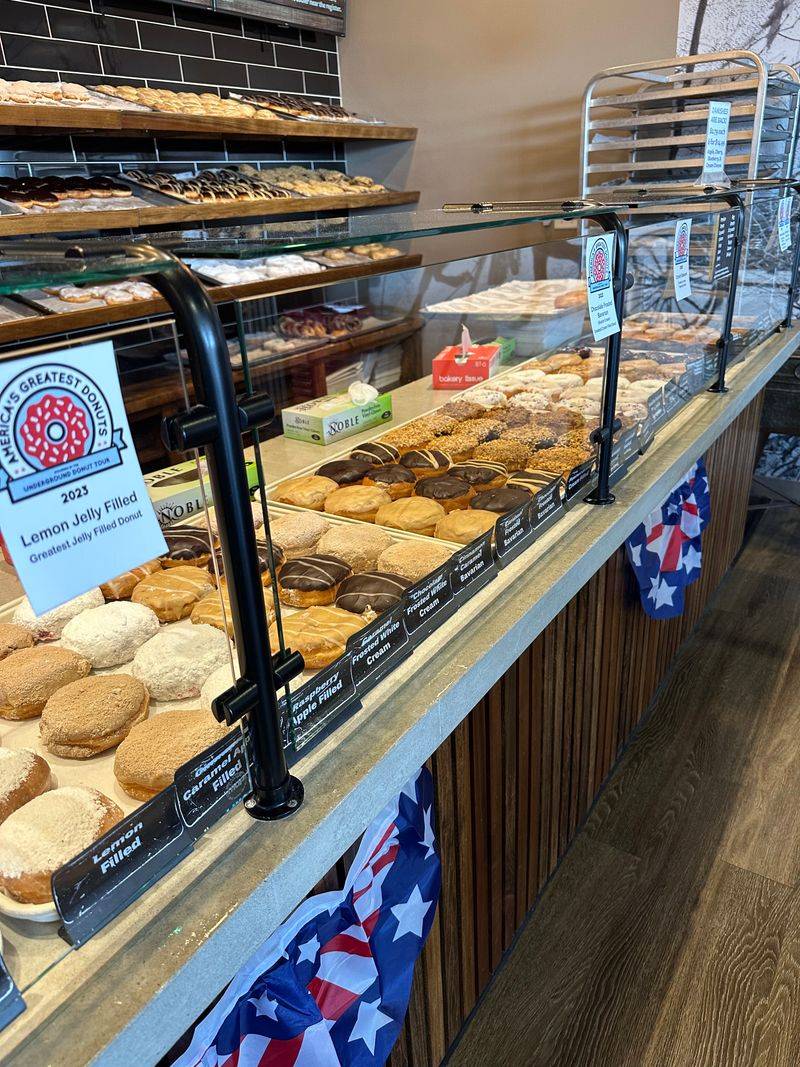
Small bakeries in Amish country tend to open early, and the best loaves vanish long before noon.
Expect shelves of breads, seasonal pies, fry pies, and cookies that rotate with harvest schedules and holidays.
Operations feel simple, but quality control shows in consistent crust color and even crumb across batches.
Cash is quickest at the counter, and card readers appear in some locations with a modest service charge.
Lines move fast because teams work with quiet coordination, and guests usually decide before stepping forward.
Packaging often uses plain boxes and handwritten labels, which helps keep costs and waste in check.
Ask about cooling times if you plan to drive far, and keep baked goods flat to avoid crushed edges.
Some shops post limited hours on Wednesdays and Saturdays, so verify before planning a long detour.
Indiana tourism offices publish seasonal pie maps, and they highlight strawberry, blueberry, and fall apple favorites.
Gluten free or dairy free options appear occasionally, but availability changes and cross contact is possible.
Photography inside should skip close ups of staff and focus on shelves, signs, and seating areas where allowed.
Outdoor benches make pleasant quick stops, and you can watch buggies arrive and leave with steady cadence.
Consider buying extra for neighbors at your lodging, which sparks friendly hallway chats and local tips.
Waste baskets near exits keep things tidy, so break down boxes and tape for easy disposal.
You leave with the smell of warm bread in the car, and a memory that ties Indiana mornings to simple joy.
Quilt Gardens And Seasonal Color
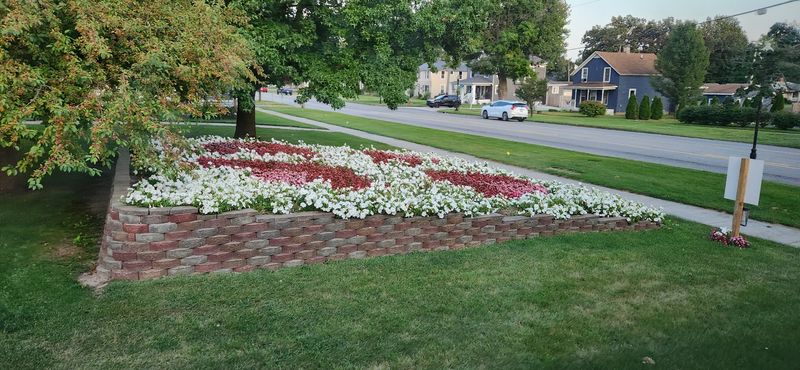
The Quilt Gardens along the Heritage Trail in Elkhart County display living patterns planted with thousands of annuals.
Each garden matches a quilt block, and signs explain the name, color choices, and the volunteers who maintain it.
The free outdoor exhibits change every year, so photos from last season will differ from what you find now.
Plan a loop drive with stops in Nappanee, Goshen, Middlebury, and Elkhart for a full view of the program.
Peak color hits late spring through early fall, and weather shifts can brighten or mute certain beds.
Paths are mostly flat and stroller friendly, and benches give shade breaks for hot Indiana afternoons.
Brochures at local visitor centers outline mileage between sites, parking notes, and restroom options nearby.
You can pair a garden stop with a museum visit in town, which makes the route feel balanced and easy.
Photography rules follow park norms, so use common sense and keep tripods clear of walkways.
Rain adds saturation to the petals, and early mornings avoid crowds that fill paths by midday.
QR codes on signs sometimes link to planting plans, and gardeners love when guests notice small details.
Volunteers typically refresh edges midseason, and you might glimpse watering crews working quietly at dawn.
The program boosts tourism without invading privacy, and that aligns with local values around modest display.
You leave with a deeper appreciation for color theory, geometry, and community effort in northern Indiana.
These gardens make art from soil and sunlight, and the memory lingers longer than a souvenir could.
Menus Without Hype At Friendly Cafes
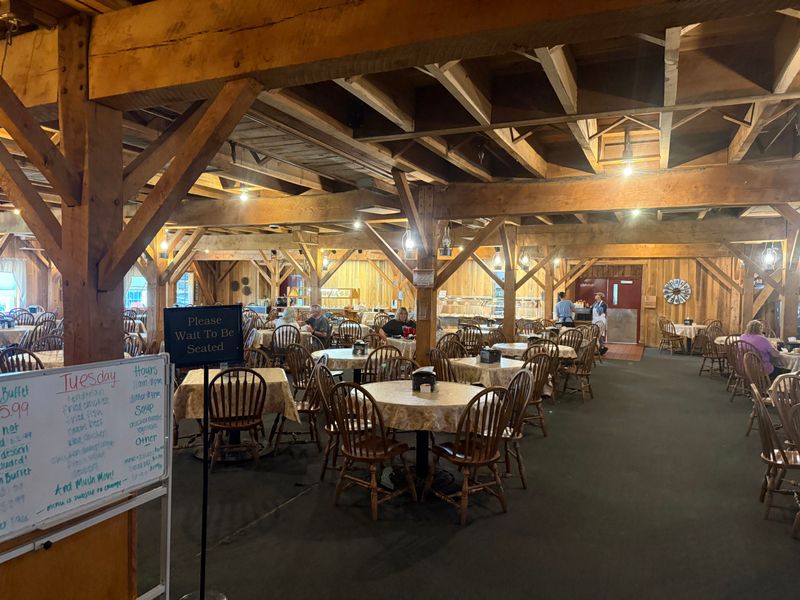
Simple cafes near Amish areas serve hearty plates and calm spaces, and the experience favors conversation over spectacle.
You will find daily specials, homemade sides, and pies by the slice, with portions set for real appetites.
Servers keep the pace friendly and unhurried, and refills arrive without fuss or flourish.
Some cafes are Amish owned while others are neighbor run, and both styles reflect the same steady hospitality.
Hours can shift for family events, so posted times might shorten on certain holidays or church days.
Prices stay fair, and the value comes from freshness and consistency rather than novelty or trends.
Respect requests for no photos of staff, and focus on the atmosphere, seating, and storefront details.
In Indiana, travelers often pair lunch with a loop of quilt gardens or a furniture showroom visit.
Ask before moving tables because aisles are planned for accessibility and safe server routes.
You might notice farm boots by the door, and that means locals feel comfortable stopping in after chores.
Carry small bills for tip jars at the register, and keep the line moving with quick decisions.
Consider calling ahead with large groups, which helps the kitchen balance prep and seating.
If an item sells out early, accept it as a sign of honest batch cooking rather than shortage.
These cafes anchor a day of touring with comfort, warmth, and steady Midwestern rhythms.
You leave fed and relaxed, ready to keep exploring backroads that define northern Indiana charm.
Historic Museums And Quiet Context
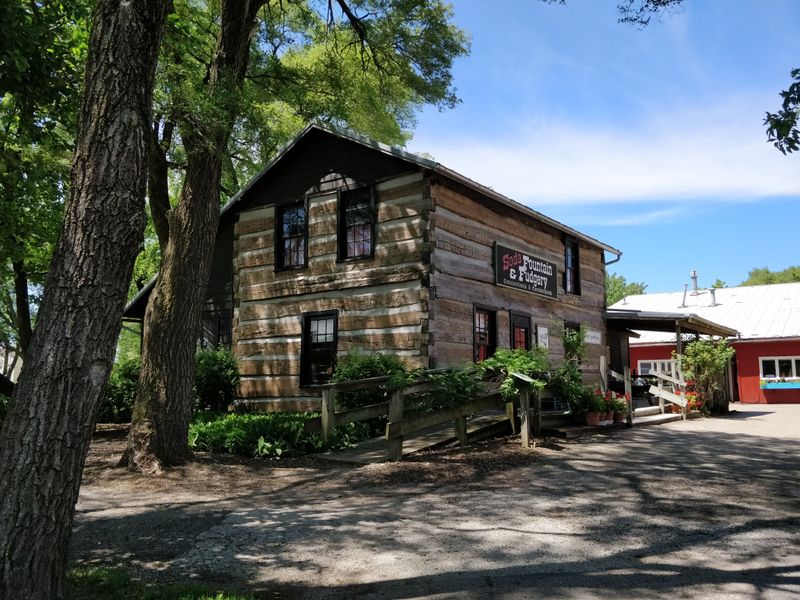
Local museums offer context about migration, craftsmanship, and faith traditions without stepping into private worship spaces.
Exhibits focus on tools, textiles, and transportation, which reveals how daily life adapts to technology in measured ways.
Labels use clear language and avoid speculation, and docents answer questions with care and restraint.
You learn how communities balance separation with commerce, and how neighboring towns develop cooperative networks.
Towns across northern Indiana maintain archives that protect photos and ledgers with sensitive information.
Some galleries rotate with seasonal loans, so you might see a new quilt or carriage on each visit.
Hands on stations teach joinery basics, and kids can test wooden pegs and simple clamps without power tools.
Audio clips present recorded interviews, though many residents decline, so curators respect those boundaries.
Photography is often allowed without flash, and tripods usually require permission to protect floors and flow.
Gift shops stock thoughtful books and maps, and proceeds support preservation work that benefits the community.
Indiana museums often partner with schools, and field trips introduce respectful behavior from a young age.
Parking lots accommodate buses and buggies, and signs guide vehicles to separate areas for safety.
Plan an hour or two per museum, and leave room for conversation that helps you interpret what you saw.
These spaces make excellent rainy day stops that keep your itinerary balanced and relaxed.
You exit with richer understanding that complements the quiet you notice along farm roads.
Furniture Showrooms With Real Craft

Amish built furniture showrooms in Indiana spotlight craftsmanship that favors durability, balance, and clean lines.
Look closely at joinery, wood grain orientation, drawer glide quality, and hand rubbed finishes that age well.
Sales teams explain species options like maple, cherry, and white oak, and they guide stain choices for your home.
Lead times reflect shop capacity and seasonal workloads, so custom pieces may take weeks rather than days.
You can sit in sample chairs, test table extensions, and measure clearances for your dining room at home.
Warranty terms vary by maker, and reputable showrooms list them clearly without pushy upselling.
Photography is usually fine if you avoid faces, and wider shots of displays make useful reference images.
Delivery partners schedule rural pickups on set days, and tracking updates come through the retailer by phone.
Ask about humidity care and felt pads, and carry a fabric sample to confirm color under natural light.
Simple designs fit modern apartments as easily as farmhouses, which broadens appeal beyond the region.
Indiana retailers often coordinate with workshops that keep electricity use limited and processes streamlined.
Repairs are straightforward because parts are standard sizes, and finish touch ups can be spot applied.
Prices feel fair for the longevity, and used markets remain strong because pieces hold value.
If you travel far, request flat pack or blanket wrap service, and measure doorways before placing orders.
You leave impressed by quiet skill that turns raw lumber into furniture ready for decades of meals and memories.
Festivals That Balance Fun And Privacy
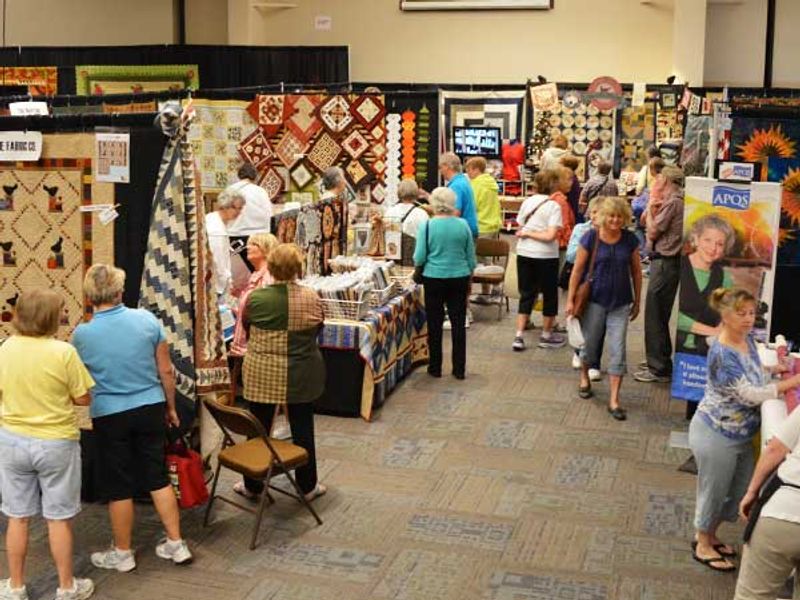
Seasonal festivals around Amish communities mix music, parades, and craft booths with a clear respect for privacy.
Schedules often feature quilting demos, horse shoeing displays, and kids activities that celebrate regional skills.
Organizers coordinate with local leaders to keep events centered in public spaces rather than private farms.
You can expect food stands with simple comfort fare, and seating areas that encourage slow conversation.
Parking fills quickly on sunny days, so arrive early and use side lots marked for festival guests.
Cash lines move faster for admission and raffles, and card options appear at some vendor tents.
Music sets favor bluegrass and acoustic styles, and volume stays friendly for families and elders.
Photography guidelines are posted at entrances, and volunteers help guests follow them without tension.
Weather calls can shift schedules, and rain plans might move performances into community halls.
Indiana towns take pride in tidy streets, so keep litter bags handy and recycle where stations are provided.
Pet policies vary, and some festivals limit animals to service companions for safety around horses.
Vendors often represent both Amish and English makers, which keeps the mix balanced and neighborly.
Maps list restrooms and quiet zones, and those spaces help children and sensitive guests reset.
Buy from makers who share process details, and your purchase becomes a story you retell at home.
You leave feeling welcomed yet mindful, which is the right tone for respectful tourism in Indiana.
Staying Overnight With Careful Choices
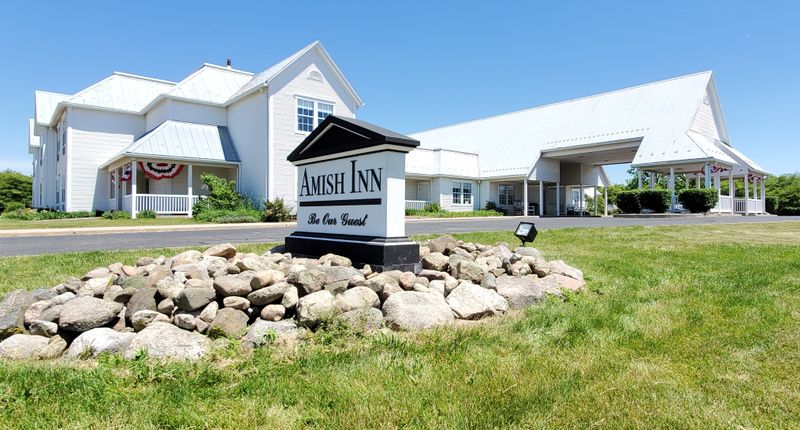
Overnight stays near Amish regions range from country inns to chain hotels in nearby towns with easy access.
Choose lodging that respects quiet hours and avoids loud group events that might disturb nearby residents.
Rooms with porches or garden seating let you enjoy evenings without intruding on private farmsteads.
Ask about blackout curtains and white noise options because rural nights carry sounds of insects and horses.
Hosts know local routes and can suggest scenic loops that avoid school pickups and church traffic.
Breakfasts often feature simple baked goods from nearby bakeries, and ingredients reflect the season.
Look for sustainability practices like refill stations, towel reuse, and efficient heating that suits Indiana winters.
Parking lots should include space for trucks and trailers, and lighting stays modest to protect dark skies.
If you work remotely, confirm cellular coverage and ask for a room near the strongest signal.
Keep conversations soft on porches at night, and carry a flashlight for safe walks to your car.
Staff can recommend shops that prefer afternoon visits, which eases strain on small morning crews.
Cancellations sometimes follow farm calendars, so read policies that reference harvest or community events.
Indoor pools and gyms appear at town hotels, while country inns lean toward gardens and patio seating.
You end the day relaxed, and you begin the next with a sense of rhythm that matches the countryside.
Thoughtful choices help tourism grow without pushing against the privacy that sustains Amish life.
Routes That Reveal The Landscape
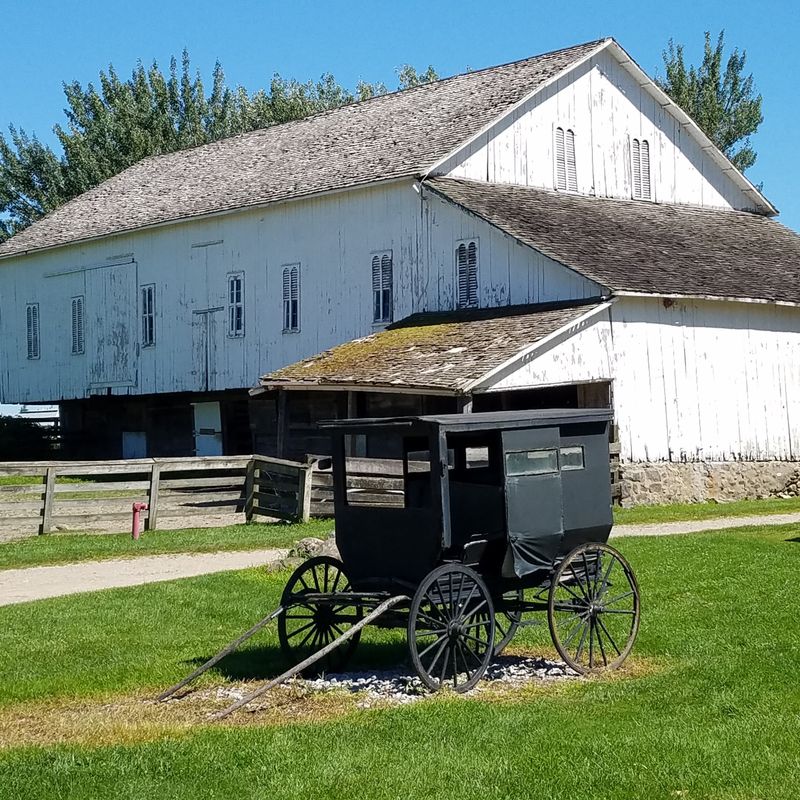
Driving routes through northern Indiana reward unhurried pacing, and you notice details that vanish at highway speed.
County roads cross patterns of fields, creeks, and windbreaks, with barns that reflect decades of careful upkeep.
Wayfinding gets easier with a printed map that shows gravel segments and bridges with limited clearance.
You will find roadside stands stacked with produce on trust boxes, which rely on honesty for payment.
Cyclists share shoulders on fair weather days, so give ample room and avoid splashing through puddles.
Pull offs appear near covered bridges and trailheads, and they make safe places to pause for photos.
Storm cells can form quickly over flat land, and a clear forecast in the morning may change by noon.
Carry water, sunscreen, and a hat, because summer humidity in Indiana can sap energy during long loops.
Winter drives bring beauty after snow, and clarity improves when you clean headlights and mirrors at stops.
Radio signals fade in low valleys, so download maps and playlists before leaving town.
When you wave from the wheel, residents often wave back, and that small exchange sets a friendly tone.
You return with a better feel for scale, and that informs every museum visit and market stop.
Respectful travel builds bridges without crossing private thresholds, and the land itself tells much of the story.
These routes invite patience, and patience opens a window into a culture that prefers quiet to show.
You will remember the cadence of fields, fences, and sky long after the trip ends.
Dear Reader: This page may contain affiliate links which may earn a commission if you click through and make a purchase. Our independent journalism is not influenced by any advertiser or commercial initiative unless it is clearly marked as sponsored content. As travel products change, please be sure to reconfirm all details and stay up to date with current events to ensure a safe and successful trip.
