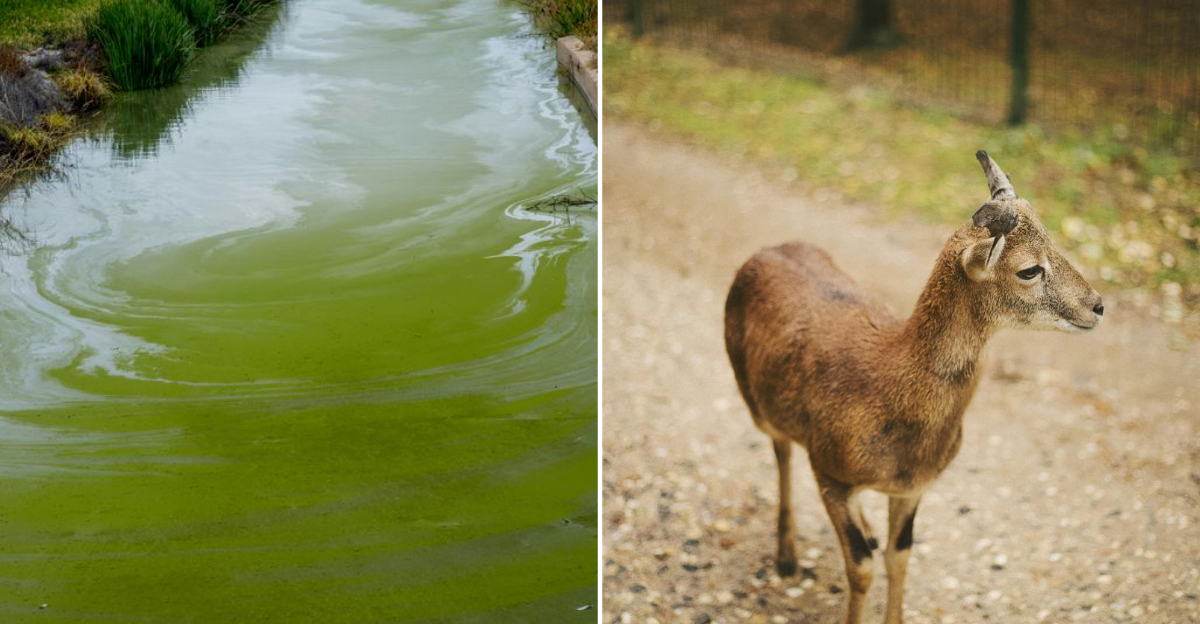
Have you ever stopped to think about how tourism changes the way nature looks and feels? In Minnesota, the impact is hard to miss. From crowded trails to conservation projects, visitors leave both positive and negative marks on the outdoors.
Take a busy summer weekend at one of the state’s lakes with boats buzzing, campsites full, and trails packed with hikers. It’s great to see people enjoying the outdoors, but it also means more wear and tear, more litter, and more pressure on wildlife.
On the flip side, tourism dollars often help fund park maintenance, education programs, and preservation efforts that keep these places alive for future generations. Minnesota’s natural beauty is one of its biggest draws, and understanding how tourism affects it helps us see the bigger picture.
Some changes are helpful, others are harmful, but all of them shape the way these landscapes are experienced.
Curious about the details? Here are 10 tourist impacts that show how Minnesota’s nature is being transformed.
1. Shoreline Erosion From Recreational Use
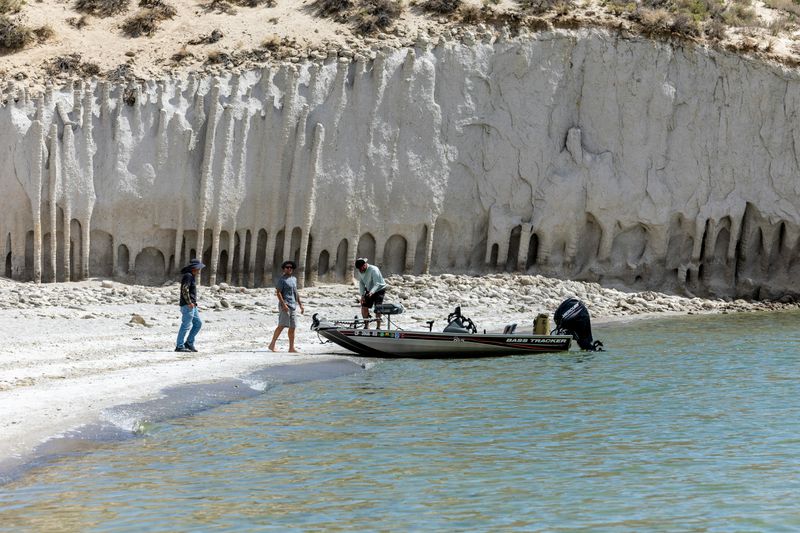
Picture a sandy pocket on a Minnesota lake where folks land kayaks and cast from the bank.
Over the season, that steady shuffle scuffs out grass and sedges that usually pin soil in place.
Then a windy afternoon stacks waves, and without those roots, the shoreline slumps into the water. It is not dramatic all at once.
Footsteps near fishing spots, kids skipping rocks, and quick pull-ins to check a map each press the soil tighter.
Tight soil cannot soak up water, so rain slides off, and the edge frays a little more every week.
Boats play a part too when wakes reach shallow skirts of sand. Even small rollers bite at loosened banks and pull fine sediment into the lake.
That clouded water can smother fish spawning beds and bury tiny insects that fish rely on.
Development multiplies the effect. A neat lawn right to the water looks tidy, but it loses the natural buffer that slows runoff.
Native plants on the fringe are like stitches, and when they are cut away, the seam opens fast.
So what do we do on our trip? Land only where landing is marked, and spread out instead of grinding a single path.
Keep boats slow near shore so wakes stay gentle, and step on rock when you can.
If you see coir logs or brush bundles tucked along the edge, that is restoration at work. Those lines help the bank rebuild while plants take hold again.
Give them space, snap a quick photo, and let the stitches set.
2. Pressure On Fragile Lake Ecosystems
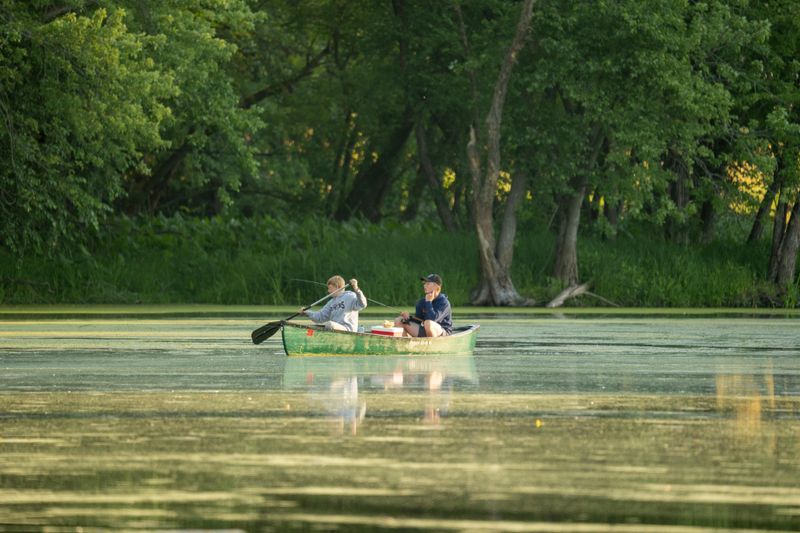
Some lakes look tough, but they run on a delicate rhythm. In Minnesota, crowds of anglers, paddlers, and floaters can nudge that rhythm out of step.
Extra movement stirs sediment, warms shallows, and bumps fish and invertebrates off their routines.
Even when everyone behaves, small nudges add up during summer. Water that should stay cool in pockets can heat under sustained activity.
Fish slide deeper, while plants and algae respond to the change in light and nutrients.
It shows up in subtle ways. Water turns a little hazier at midday, and beds of plants break where fins, paddles, and anchors keep dragging.
Loons and mergansers shift feeding lanes when visibility drops.
You do not have to skip the fun to ease the strain. Plan early starts and quiet evenings, and let the noon hours rest.
Drift instead of power strokes over shallow weed lines to keep the bottom calm.
Anchors deserve a second thought too. Use designated mooring points when they exist, or pick hard bottoms instead of fragile plant beds.
A careful set saves a lot of hidden life under the hull.
On your loop, you can rotate lakes and spread use. Shorter sessions help water settle between visits.
That way the lake keeps its rhythm, and you still get the glide and the view.
3. Spread Of Aquatic Invasive Species

This is the one that sneaks in on the trailer. In Minnesota, boats and gear hop between lakes, and hitchhikers like zebra mussels and spiny water fleas love the ride.
A quick pullout without a full clean can seed a whole new water.
It is not only motors. Paddles, anchors, live wells, even a damp PFD can carry bits of plant or tiny larvae.
If they land in a new place, the local food web gets scrambled fast.
Once they get established, they are stubborn. Filters like mussels clear water in a way that seems nice, but it shifts how light hits the bottom and favors different plants.
Predators find empty plates where they used to expect a meal.
The fix is very practical and does not take long. Drain every compartment, pull weeds off the trailer, and let gear dry completely.
A basic wash station at some accesses makes it even easier.
You can also plan days by watershed. Hit lakes in the same system back to back, then move after a full dry period, and that habit alone cuts risk by a lot.
Make sure to keep a little checklist in the glove box. Clean, drain, dry before rolling out becomes the last step every time.
It turns the ramp routine into real protection for the next stop.
4. Trail Damage And Soil Compaction
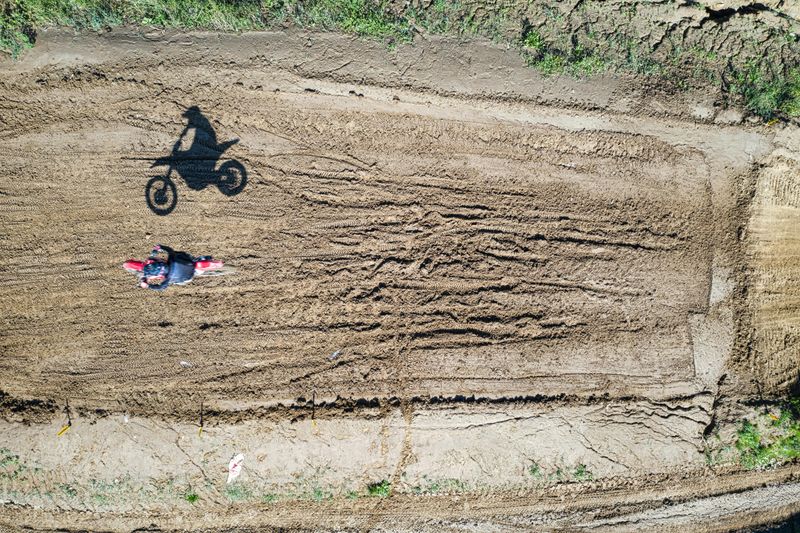
Ever notice how a narrow path turns into a double lane after rain? That is trail creep from folks stepping around mud.
In Minnesota parks and forests, it happens fast when crowds pile in.
Soil that gets packed tight cannot soak water, so puddles sit and grow. Roots end up exposed, and bikes or boots grind the edge into powder.
On steep or wet stretches, the damage spreads downhill with every storm.
Managers try to armor the worst spots with rock and boardwalk. It works, but only if people stay on the line.
Cutting switchbacks seems small, yet it slices new scars that take a long time to heal.
You can help with simple habits. Wear shoes that handle mud, and just walk right through the middle.
If a section is closed for repair, take the detour even when the overlook looks close.
Group size matters too. Tight clusters keep the tread narrow, and breaks happen at already durable spots like rock slabs.
Make sure to pick trails that match conditions. If it rained hard, we aim for gravel routes and high ridges.
That way the path stays a path, not a widening scar.
5. Wildlife Stress From Human Presence

Wild neighbors notice us long before we notice them. Noise, sudden movement, and bright lights make animals change plans.
In Minnesota woods and wetlands, that means missed feeding windows and nests left exposed.
It can feel harmless to step closer for a photo, but frequent close passes push animals to burn energy they need for weather and travel.
Some just shift their routes, while others avoid great habitats entirely.
You can see it in small signs. A loon pops up farther out each time a kayak swings by.
Deer start browsing later, and songbirds go quiet near busy overlooks.
You do not have to whisper through the whole trip, just be thoughtful. Keep a calm pace, talk soft near water, and give dens and roosts a wide berth.
If an animal changes behavior, that is our cue to back off.
Leashes make a big difference. Even friendly dogs feel like predators to ground nesters.
Short leads near shorelines and meadows keep things peaceful.
I always pack binoculars and enjoy the show from space. The moments last longer when wildlife sticks to its own rhythm.
You get a better look, and they keep living like they should.
6. Overuse Of Wilderness Entry Points
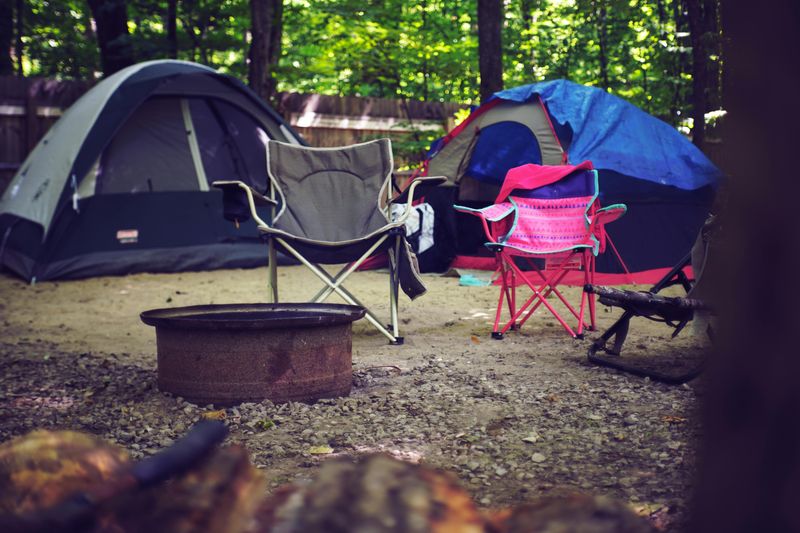
Some gateways take the hit so the interior stays wild. In canoe country and remote trailheads, people cluster at the first portages and landings.
Campsite pads near those corridors get bare and hard.
Even with permits and careful planning, traffic stacks up at the same spots. Vegetation fades, fire rings multiply, and social trails web out to the water.
The deeper lakes and ridges look pristine because the pressure pooled at the start.
There are fixes that keep the feel intact. Staggered launch times spread people out better than a rush at dawn.
Clear signs for latrine and kitchen zones keep wear contained.
You can tune your plans, too. Aim for less popular entries, or push past the first cluster before settling down.
A short extra portage often lands a much lighter footprint.
Rest days help the ground breathe. Use existing pads, keep tents tight, and rotate where you stand for chores.
On your route, make sure to pack light so moving farther is not a slog. That puts the crowds behind us and lets the entry zone heal.
The welcome stays welcoming for the next crew.
7. Litter And Micro-Pollution

The big stuff gets picked up, but tiny bits linger. Fishing line tucked in shrubs, corner pieces of wrappers, and little plastic tags hide in grass.
Over a season, those crumbs add up along Minnesota trails and shorelines.
Animals do not know what is safe, and a curious tug can tangle a wing or a paw. Wind pushes light pieces into water where they drift for a long time.
It is not always careless behavior. Bags split, lids blow off at the car, and gear sheds fibers.
Even food scraps change animal habits and draw them into the open.
You can trim the mess with simple moves. Pack snacks in reusable containers and tape the corners of boxes so they do not crumble.
A small zip pouch for picked-up bits turns one stop into a quick clean.
Line and hooks need special care, so coil them tight, stash them in a screw-top jar, and bring them out with you. Many access points have disposal tubes for exactly that reason.
Let’s make it part of our rhythm, a quick sweep before you leave a site, then one minute at the trailhead. The place looks better, and the tiny stuff stops building into a problem.
8. Air And Noise Pollution In Natural Areas
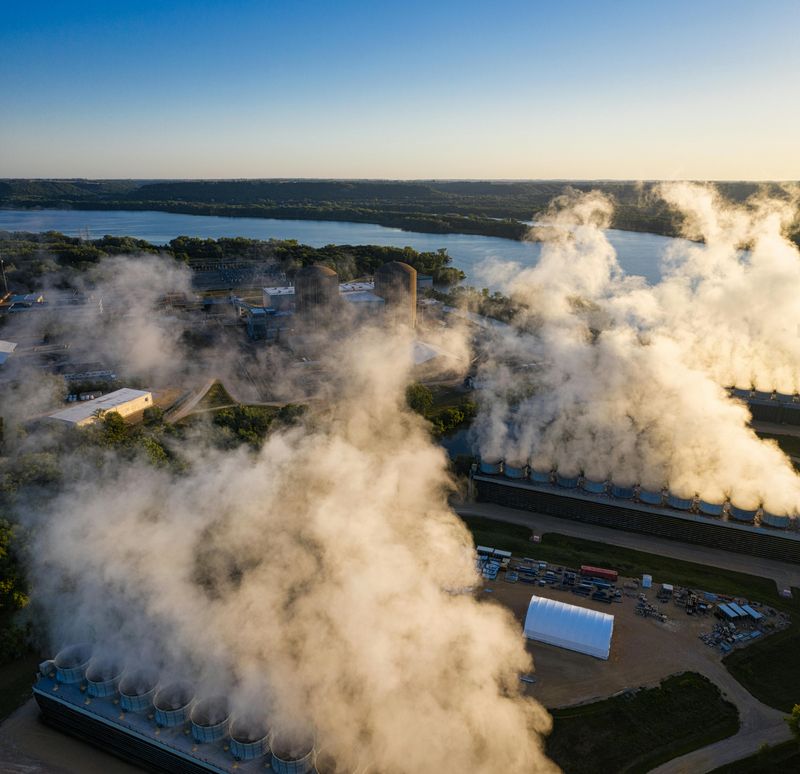
Quiet is part of why we go, and it is the first thing to slip. Near Minnesota trailheads and overlooks, idling cars and steady traffic bring a low hum that hangs in the trees.
Exhaust lingers on still days and takes the edge off the view.
Engines on water add their own layer. Repeated passes near shore push sound across bays and into camps.
Birds shift perches, and people who came for hush feel it, too.
There are straightforward ways to dial it down. Park once and wander all day instead of hopscotching.
Carpooling trims both noise and haze with one choice.
You can time it right as well. Early starts slip in before queues build, and evenings settle into softer sound.
Weekdays usually carry a lighter buzz than the weekend push.
On water, slow speeds near shore keep both noise and wakes low. Electric drive where allowed turns a row into a whisper, and even a quiet paddle line makes a big difference.
Make sure to treat the calm like part of the habitat. You will hear more, see more, and leave the place sounding like itself, and that is the memory you want to bring home.
9. Water Quality Strain From Seasonal Crowds
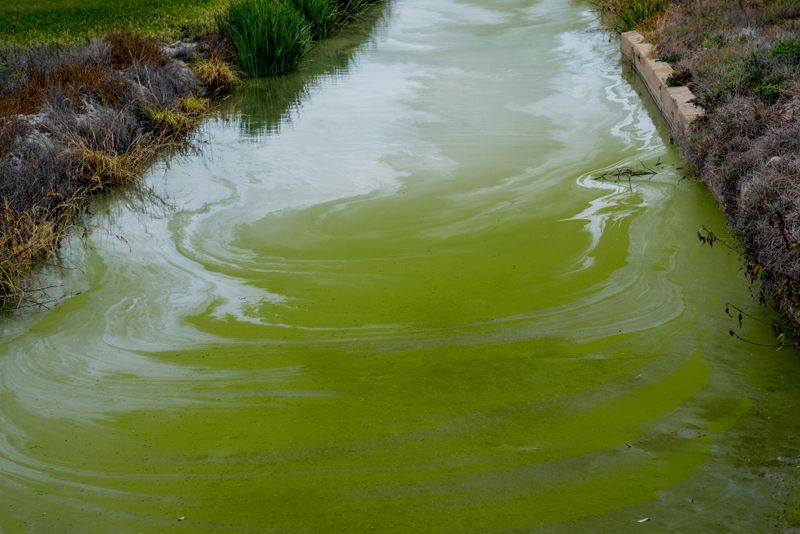
When a lakeside town fills up, the water feels it. Extra showers, lawn watering, and heavy use near access points change what flows downhill.
In Minnesota summers, that can push nutrients higher in the shallows.
It looks mild at first: a faint green cast on calm days, or a softer visibility line off the dock. Clarity dips, and plants shift toward species that like the extra boost.
Runoff carries more than nutrients. Fine sediment from trampled banks and dusty roads clouds the edge.
I like choosing swimming spots with a firm bottom, and rinse gear away from the lake so soap and grit do not slide in.
Give vegetated buffers room to do their job.
Short showers and quick dish duty help if you are staying near water. Local systems breathe easier when visitors keep daily habits simple.
I know it is mundane, but it matters at scale.
Rotating lake days spreads the load too. Let one cove rest while you explore a ridge trail or a prairie.
The water clears faster when you ease off the churn.
10. Conservation Funding Through Tourism

Here is the flip side that keeps places running. Visitor dollars help pay for boardwalks, invasive pulls, and trail crews.
In this state, many wins in restoration lean on steady funding from people who show up.
Fees and permits do more than open gates. They back the quiet work that visitors do not always see, like seed collecting and streambank repairs.
Those projects hold landscapes together for the long haul.
It also builds a culture of care. When folks meet rangers and volunteers, they pick up good habits and local tips.
The next visit starts from a better baseline.
You can grab the maps, ask what needs support, and join a quick work hour if timing lines up. Even a small donation can keep a crew rolling.
Buying local matters too. Outfitters and guides pass a slice back into the system through taxes and partnerships, and that keeps expertise in town and the trails in good shape.
It feels good to be part of the fix. You get the hike, the view, and the knowledge that the place is getting a little stronger.
That is a solid trade if you ask me.
