What happens when millions of tourists keep pouring into the same state year after year? In Nevada, the answer is clear: things change, and not always in ways people expect.
From the rise of mega-resorts in Las Vegas to the strain on natural areas like Lake Tahoe and Red Rock Canyon, tourism has left a permanent mark on the state.
Some of those changes brought growth and opportunity, while others created challenges that locals still deal with today.
I’ve noticed it myself, walking down the Strip feels like stepping into a different world compared to what Nevada used to be, and even the quieter towns have shifted to cater to visitors.
Tourism has shaped the economy, the culture, and even the environment here. It’s impossible to separate Nevada’s identity from the impact of the people who come to experience it.
The story of Nevada is about how visitors helped reshape it. Curious to see 12 tourist impacts that changed the state forever?
1. Las Vegas Rewrote The State’s Identity
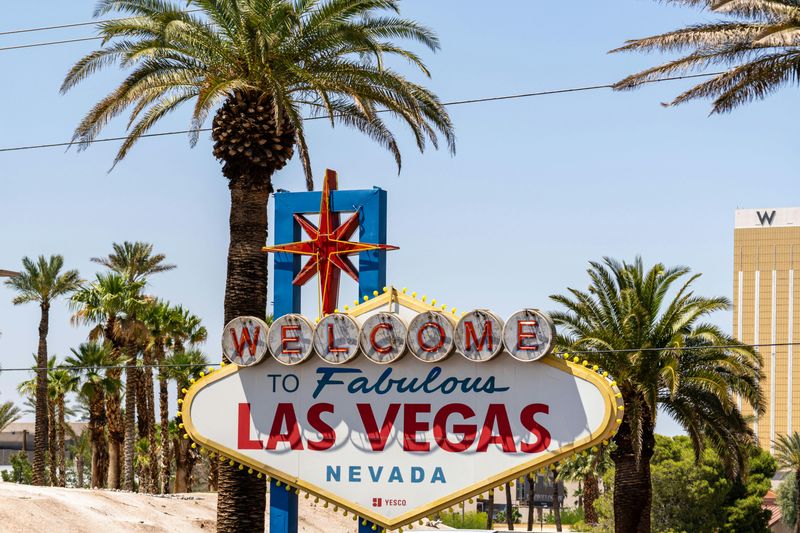
Here is the truth that sits in every airport arrival hall. Tourism turned Las Vegas into Nevada’s global calling card, and that spotlight never turns off.
Gaming, entertainment, and hospitality reshaped how the world sees the entire state, and that image travels with every selfie under bright lights.
For many travelers, Nevada became synonymous with the Strip, a single ribbon of spectacle that defines expectations before people ever drive past the city limits.
That shine overshadows rural regions and their very different histories, from mining camps to ranch valleys. You feel it when folks think the whole state is one big marquee.
Yet there is a flip side you cannot ignore. Vegas power helped fund roads, conservation programs, and marketing that lifted places outside the metro, even if the story stayed lopsided.
I do not mind explaining that Nevada holds volcanic tuff, alpine lakes, and quiet basins shaped by wind and time. The Vegas brand is a starting point, not the whole map.
It is on us to steer the conversation past signs and into open land.
So when you hear Nevada, think of more than one skyline. Think of riders pulling off on a shoulder to watch a dust devil swirl across tan flats.
That is also the state, even if the billboards do not say it out loud.
2. Water Use Became A Defining Issue

This is the topic that always comes up when you talk about this state.
Tourism growth dramatically increased demand on the Colorado River, and every visitor night taps that shared resource.
Las Vegas relies heavily on Lake Mead, one of the most stressed reservoirs in the country, so water sits under every story.
Drought and long term overuse forced Nevada to rethink water conservation, from turf pullouts to reuse systems that you can spot if you know where to look.
The city built habits that feel normal now, like low flow fixtures and desert landscaping that still looks sharp. These choices are not cosmetic, they are survival tools.
Tourism permanently tied the state’s future to water policy, and that means planning trips with a little more awareness.
You see it in hotel operations that reclaim what they can, and in community campaigns that run year after year. Even fountains sit within strict budgets.
When you roll past the lake and watch that pale ring on the rocks, it feels like a gauge for the whole region. The journey becomes a lesson in limits and adaptation.
You can enjoy the city and still respect the math.
So pack a refillable bottle, skip waste, and notice the smart design that keeps things flowing. This state is still fun, just more intentional about every drop.
3. Deserts Turned Into Destinations

Funny how the quiet places suddenly became the headliners. Once ignored, desert landscapes turned into tourism assets that anchor road trips and weekends.
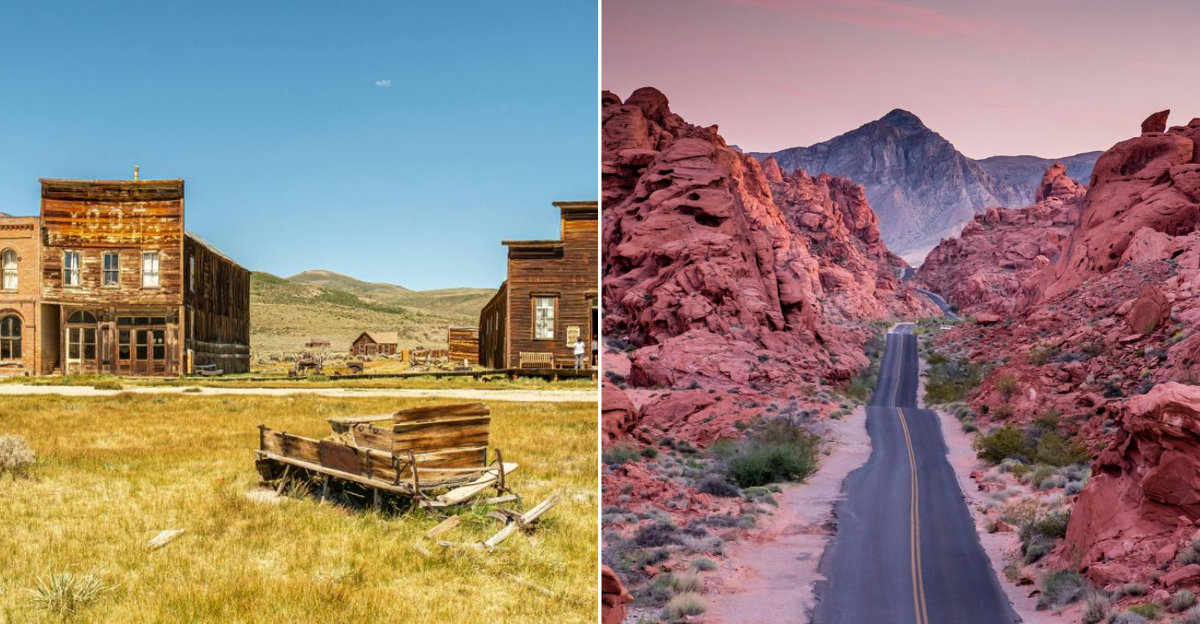
Places like Red Rock Canyon and Valley of Fire saw massive visitor increases, and the trails tell that story.
This brought funding and protection but also crowding and wear, which you notice in parking patterns and trail maintenance.
Crews keep paths clear while fragile soil sits just inches away from boots and tires. It is a balancing act that happens daily.
Tourism changed how Nevada values its open land, boosting education signs and volunteer programs you might pass on the way to a viewpoint.
Folks now plan sunrise photos and late afternoon hikes like it is the new normal. That attention keeps the gates open and the rules tight.
The desert became a destination because it delivers calm plus drama in the same frame. That is the hook, and it is not going away.
With care, the sand and stone will keep telling stories long after you head home.
4. Public Land Access Expanded And Tightened

You know how a new trailhead feels like an invitation? Increased visitation led to better roads, signage, and facilities on public lands, so more people can reach the good stuff.
At the same time, restrictions grew to protect fragile environments that can only take so much.
Permits, closures, and limits are now common, and they shape how we plan a day. Rangers became guides as much as gatekeepers.
Tourism forced a balance between access and preservation, and honestly, the system works when folks buy in.
You get clean trail corridors, safe pullouts, and clear rules that prevent damage before it starts. The payoff is more reliable experiences for everyone.
When I head out, I like to check current conditions and carry a flexible plan. If a lot is full, I pivot to a nearby wash or a side loop and still get a solid day.
That simple habit respects the place and my time.
The big idea is shared responsibility made practical. Keep tires on durable surfaces, stay on marked routes, and give wildlife room.
The land answers back with healthy soil, steady blooms, and quieter moments.
5. Small Towns Shifted Their Economies

Here is where you really feel change. Tourist traffic revived some rural towns while bypassing others, and the mood on main street tells you which way the wind blew.
Communities along scenic highways adapted with lodging, galleries, and tour outfits that match the landscape.
Those changes altered local culture and cost of living, with new jobs and new pressures in the same season.
You see fresh paint on storefronts and busy weekends that would have surprised folks a while back. It is growth with tradeoffs people navigate daily.
Tourism became both a lifeline and a disruptor, and most towns learned to steer it rather than let it steer them.
Markets pop up on event days and go quiet when the weather turns. Locals set the tone, and visitors follow along.
If you plan right, you can catch live art, a museum walk, and a trail before sunset. That mix keeps a town personal instead of a stopover.
It is a good way to meet Nevada on its own terms.
6. Night Skies Faced New Pressure
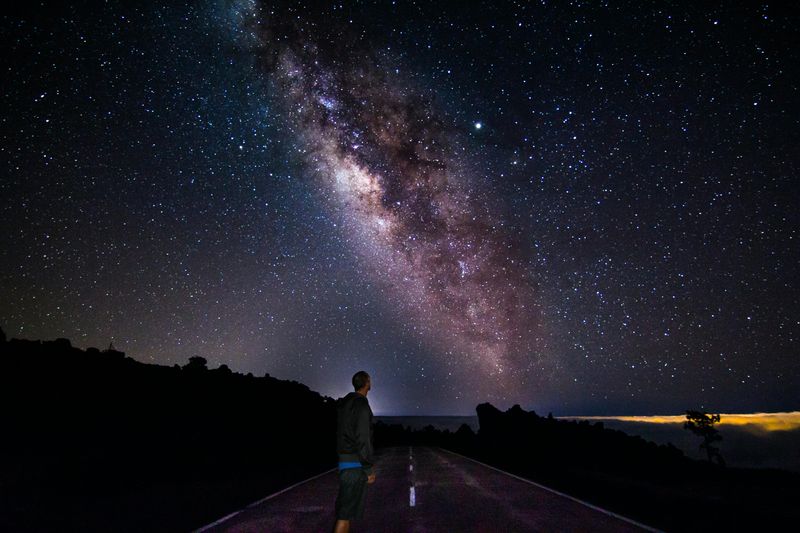
I miss how dark the sky used to feel on long drives. Nevada once had some of the darkest skies in the country, with a Milky Way that looked hand drawn.
Expanding cities and tourism infrastructure increased light pollution, and the shift shows up even in far valleys.
This affected wildlife and stargazing conditions, leading to studies and community talks that feel practical, not abstract.
Dark sky protections emerged in response, with shielded fixtures and lower color temperature bulbs that keep the glow down. That tech stuff adds up.
When you camp now, you can still find real darkness if you plan your route. Pick a moon phase, check for clear forecasts, and keep distance from large clusters of lights.
The reward is that breathtaking arc that makes you go quiet.
Tourism and clarity can coexist if the lighting stays smart and signage avoids glare. Hotels and trailheads use downcast fixtures that light the ground, not the sky.
It helps birds, insects, and people who just want to see stars.
So pack a red headlamp and give your eyes time to adjust. The night will open up like a theater curtain.
That moment is still part of Nevada, steady and worth the small effort.
7. Ghost Towns Became Attractions
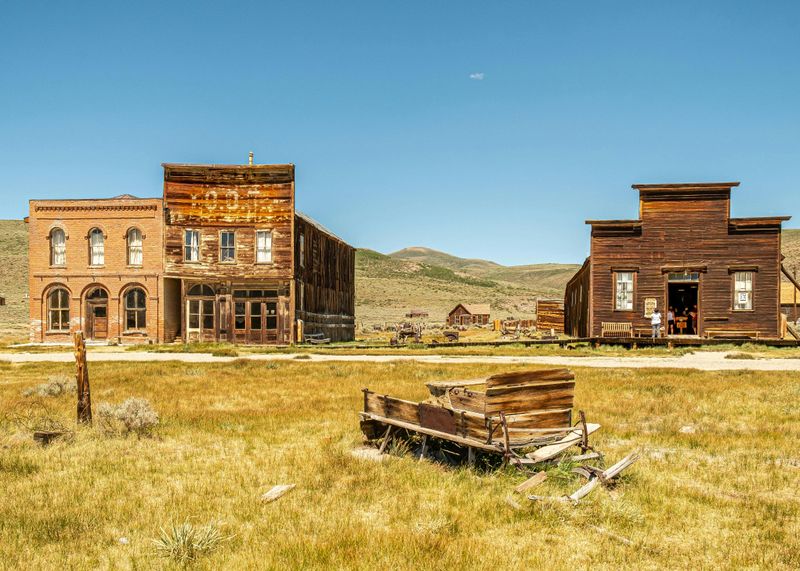
This might be my favorite twist. Abandoned mining towns transformed into tourism stops, where time feels stacked in layers of wood and rust.
Preservation brought awareness and funding so the buildings do not lean more each season.
It also shifted these places from forgotten sites to curated experiences, with interpretive signs that tell real stories.
You walk streets that once held ore wagons and hear wind through empty frames. The quiet feels intentional to me, not eerie.
Tourism reshaped how this state remembers its past, turning memory into something you can visit and photograph.
That creates respect when folks stay on paths and leave artifacts where they sit. The line between museum and open range gets thinner.
What sticks with me is how these towns connect the now to the then. The same mountains frame both stories.
You feel the cycle of boom, fade, and a new kind of life made from visitors passing through.
8. Outdoor Recreation Boomed
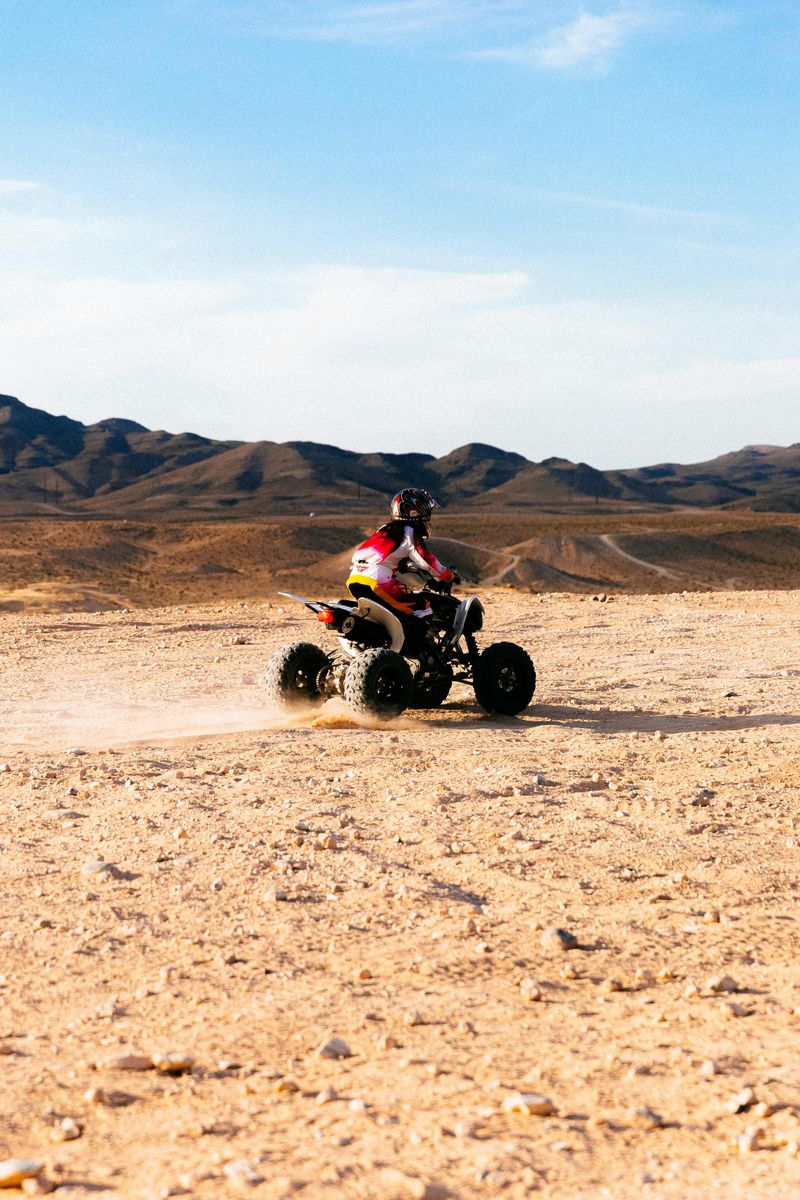
You can sense the energy before you even park. Hiking, off roading, hot springs, and climbing exploded in popularity, and gear racks now feel like part of the landscape.
Tourism normalized recreation in remote areas, making weekends feel like mini festivals of movement.
This increased economic activity but also environmental strain, so etiquette matters more than ever.
Land managers now juggle popularity with protection, using clear maps, seasonal notices, and a steady flow of education. That steady drumbeat works when you listen.
I like to plan early starts and midday breaks to give the land a breather. It also keeps us cooler and less stressed on crowded trailheads.
Small adjustments turn into better days for everyone.
With more people outside, the culture gets friendlier if you make eye contact and share space. A quick trail yield or a wave goes a long way.
The outdoors feels bigger when the vibe stays generous.
So bring repair kits, pack out everything, and mind the tracks you leave behind. Nevada pays you back with wide horizons and the kind of silence that clears a week from your head.
That is why I keep coming back.
9. Roads Were Built For Visitors

You notice it when a once long haul feels shorter. Tourism justified highway expansion across remote regions, smoothing out curves and adding lanes where traffic peaks.
Scenic byways connected places that once felt isolated, which changed how trips come together.
This improved access but accelerated development, with new pullouts and wayfinding that make detours easier.
Nevada’s sense of distance permanently changed, and that shifts how folks plan loops and overnight stops. The map feels tighter without losing the big sky feeling.
I like to use those byways for sunrise and save the main corridors for later. It keeps my day calm and still hits the major views without the stress.
A little timing trick can reshape the whole plan.
When roads get better, businesses follow, and that creates little hubs of activity. You get service clusters that support long drives and park days.
That web makes the state feel more navigable for first timers.
So yes, the asphalt tells a story just like the mountains do. It speaks to investment powered by curiosity and millions of wheels.
10. Wildlife Behavior Was Altered

Spend enough time outside and you notice patterns shifting.
Human presence increased near habitats once rarely visited, and animals adjusted migration and feeding behavior around that new rhythm.
Road crossings and encounters became more common, so awareness is part of the trip now.
Tourism indirectly reshaped ecosystems in ways that call for small but important habits. Make sure to keep distance, use zoom, and secure food so curiosity does not turn into dependency.
These choices keep animals wild and routes safe.
Managers put up crossings, fencing, and signs to guide both species and drivers, and the results are measurable. You see fewer last minute swerves and calmer trail corridors.
That makes a day smoother for everyone on the move.
Wild country still lives close to the pavement in Nevada, and that edge is part of the charm if you handle it with care. The goal is simple: be present, not intrusive.
11. Nevada Became A Year Round Destination

You feel it in the calendar now. Tourism expanded beyond seasonal travel, with events, festivals, and outdoor recreation filling the year in waves.
This stabilized jobs but increased year round pressure on resources, so the pace never really dips.
The state no longer truly rests, which means planning needs more intention and some off peak creativity. Trails that once went quiet now hum, and city schedules stack weekends with activity.
Locals adjust, and visitors learn to share space.
For trips, that is not a bad thing if you like options. Pick shoulder windows, chase sunrise starts, and aim for Monday finishes when you can.
You get calmer roads and the same views.
I like how the vibe spreads across the map instead of clustering into one season. It feels like Nevada showing its range, from snow dusted basins to warm canyon walls.
The variety keeps the state fresh without a hard reset.
So bring layers, build flexible days, and lean into the steady rhythm. The year wraps around you with fewer gaps.
It is a new kind of normal that still leaves room for surprise.
12. Perception Overtook Reality

Here is the curveball i keep chasing. Tourism created a simplified image of Nevada, with bright lights and entertainment dominating public imagination.
That story sticks even when the road points to sage flats and alpine shadows.
The state’s diversity became harder to communicate, so you have to nudge the conversation past a single skyline.
Tourism permanently changed how the state is understood, but it did not erase what sits beyond the posters. You just need a day and an open window.
The trick is mixing popular stops with places that carry a different mood. Give each one time, and the contrast writes its own notes in your head.
That is how you round out the picture without lecturing anyone.
In the end, perception is a doorway, not a wall. Step through it, and the state opens wide.
That first glance becomes a fuller memory you will want to revisit.
Dear Reader: This page may contain affiliate links which may earn a commission if you click through and make a purchase. Our independent journalism is not influenced by any advertiser or commercial initiative unless it is clearly marked as sponsored content. As travel products change, please be sure to reconfirm all details and stay up to date with current events to ensure a safe and successful trip.
