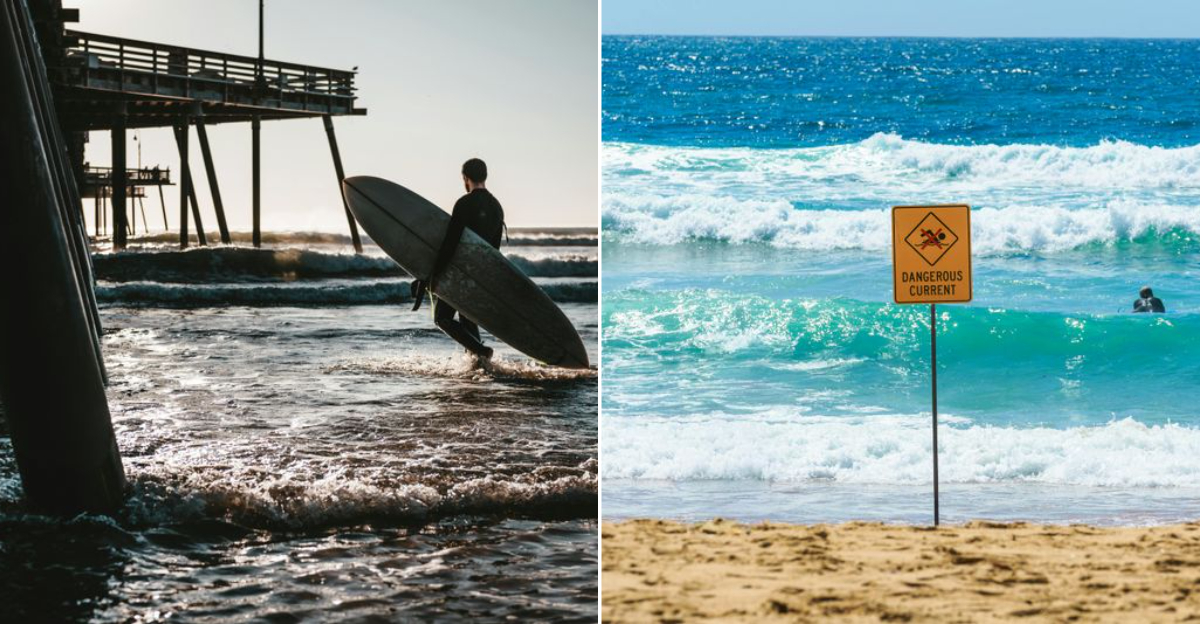
Ever wondered how locals can spot a tourist from a mile away? In California, it’s almost a sport. From the way outsiders drive down the Pacific Coast Highway to how they order coffee in San Francisco, residents say the signs are obvious, and sometimes a little annoying.
Californians are proud of their state, but they also have a list of pet peeves when it comes to visitors. Think flip-flops in wine country, blocking sidewalks to take endless selfies, or calling it “Cali” (a nickname most locals don’t use).
These little habits might seem harmless, but to someone who lives there, they stand out instantly. I’ve heard locals laugh about tourists trying to surf without knowing how to swim, or asking if Hollywood stars just walk around grocery stores.
It’s not mean-spirited. It’s more of a reminder that blending in takes a bit of effort.
So if you’re planning a trip to California, pay attention. Avoid the classic tourist slip-ups, and you’ll enjoy the state like a local instead of sticking out.
1. Stopping In The Middle Of The Sidewalk
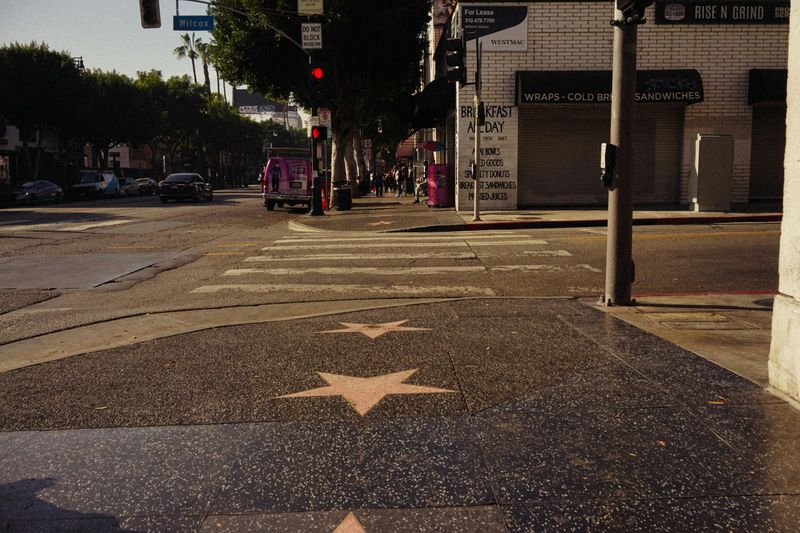
This one pops up in Los Angeles, San Francisco, and San Diego constantly. You are cruising through a crowded block and someone freezes to check a map.
Locals flow like water, so big pauses in the middle can feel like throwing a rock in a stream. Step to the side and you will blend in fast.
Little moves like that read as respect and awareness, and the whole sidewalk moves easier.
If you are in downtown Los Angeles around Grand Park, or near Union Square in San Francisco, you will feel the pace.
Beach paths in San Diego carry the same energy when people are biking and skating. Stopping in the center can cause small pileups.
You do not need to rush, just drift toward the edge when you need to look around. I think it keeps everyone calm and saves you from those quiet glares.
Think of it like driving etiquette but on foot. People behind you cannot read your mind, so signal by shifting over before you slow down.
It feels natural once you try it a few times. And honestly, it is a nice little travel skill anywhere.
Keep moving, slide aside, then rejoin the flow when you are ready.
2. Underestimating Driving Distances Completely
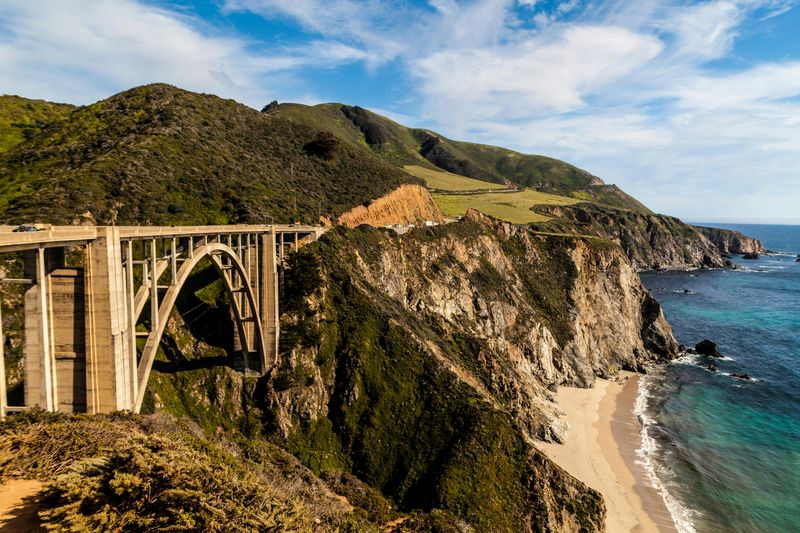
The map lies to your eyes here. California stretches in ways that do not show up on a screen.
People try to link Los Angeles, Big Sur, Yosemite, and San Francisco in a snap, then wonder why the day evaporated.
Traffic stacks, mountain roads twist, and coastal routes slow you down with views and tight turns. Planning light sounds fun until reality hits.
If you are leaving Los Angeles for Big Sur, that coastal section can take longer than your gut expects. Yosemite’s approach adds more time with slower limits and scenic pauses.
Head north toward San Francisco, and timing shifts again as you weave through urban stretches. You do not need strict schedules, just realistic buffers.
Make sure to add breathing room and you will find those unplanned stops you actually want.
Locals respect the clock because distances stretch differently here. Instead of cramming, pick a core route and save the rest for another trip.
It makes the state feel generous rather than stubborn. You will arrive relaxed, your photos will look better, and your memories will not be tinted with stress.
Trust the terrain and give it time.
3. Driving The Speed Limit In The Far-Left Lane
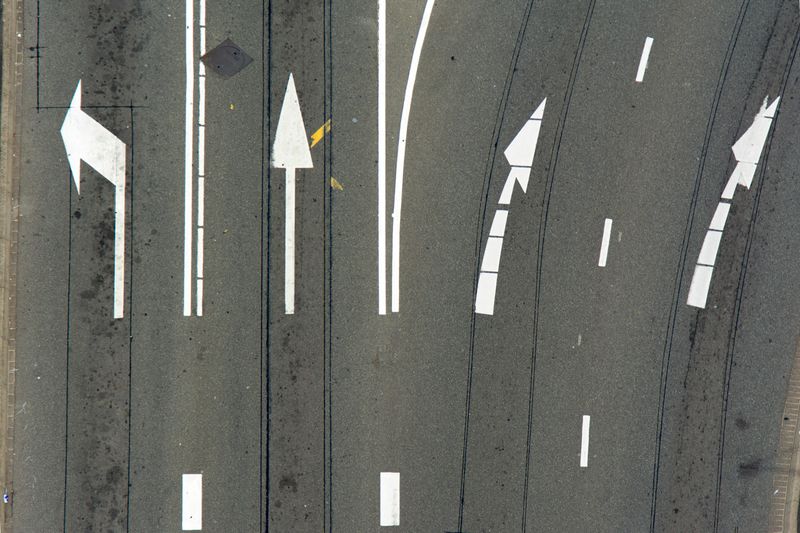
Here is the freeway truth: the left lane is for passing, not camping out. Cruising there at the limit jams the flow and raises tempers.
Locals expect you to move right when you are not actively passing. It is smoother for everyone and keeps the rhythm of the road steady.
On stretches near Los Angeles or between the Bay Area cities, that pattern matters. You will see signs reminding drivers to keep right except to pass.
Even if you are not speeding, lingering in the far-left lane reads as unaware. Slide over, let faster cars go by, then return if you need to pass again.
It is less stressful than defending that lane in my opinion.
Think of it as freeway courtesy that keeps California traffic from feeling heavier than it already does. The move is simple and you will feel the difference right away.
Your drive gets calmer, and locals behind you stop stacking up. It’s a small shift with a big effect.
4. Ignoring Ocean Safety Warnings
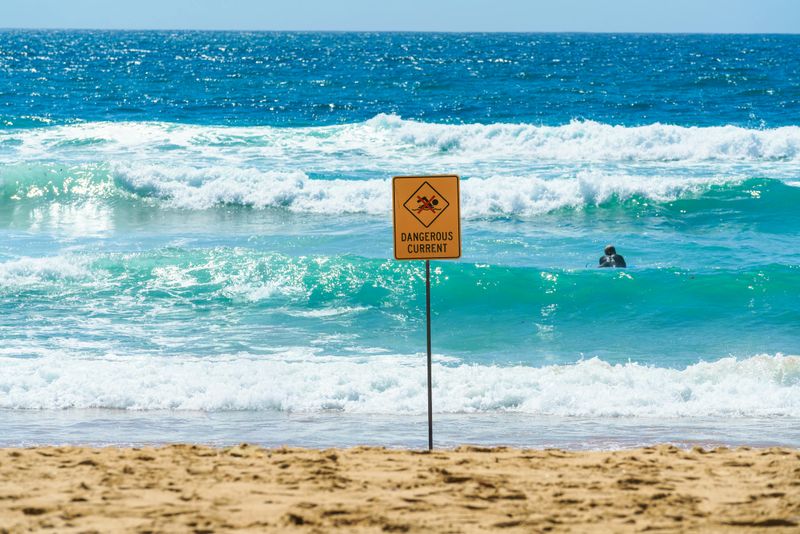
The Pacific looks friendly until it flips moods. Sneaker waves, rip currents, and cold water surprise visitors who treat it like a gentle pool.
Californians read the posted warnings and check lifeguard flags without making it a big deal. If the sign says keep back, they keep back.
On beaches near San Francisco’s Ocean Beach or along the Sonoma coast, waves can jump farther than you think. Down in San Diego, currents change quickly near jetties and coves.
Even in calm weather, things shift under the surface. I think the smartest move is to watch the water for a minute before jumping in.
Talk to a lifeguard if you are unsure and stick to open sightlines.
Here is the other tip: never turn your back on the ocean while standing near the edge. Keep your stance wide and your stuff a bit higher on the sand.
It feels simple, and it works. You keep the day easy and the photos dry.
Respect the coast, and it treats you better.
5. Assuming Everyone In California Surfs Or Hikes Daily
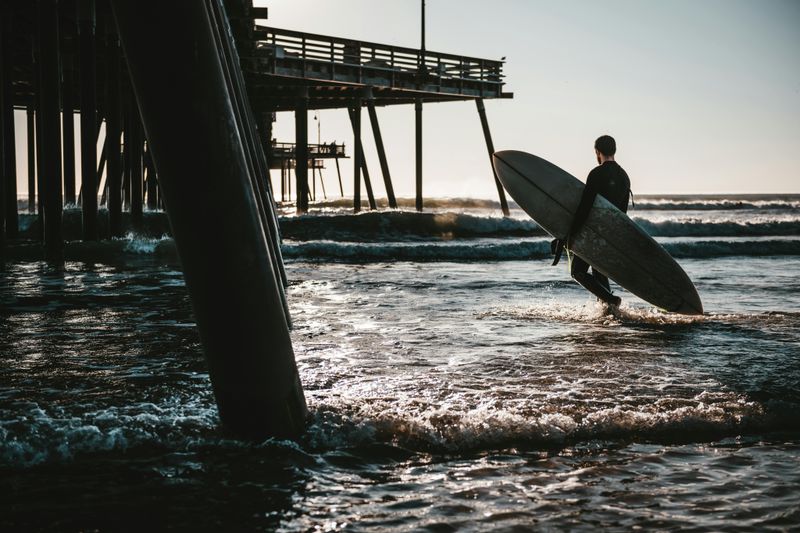
The postcard version of California is fun, but it skips the real life in between. People here work long days, sit in traffic, and squeeze in nature when they can.
Some surf or hike often, and many do not. When visitors act like every local is a lifestyle mascot, it feels off.
You will get better conversations by asking instead of assuming.
In San Diego, you might meet someone who hits a trail before work. In San Jose, you might meet someone who has not seen the beach in months, and both are normal.
Nature is present, but not constant. It is woven into routines like morning walks, quick sunset views, or weekend escapes when the calendar opens up.
So try this: ask what people actually like to do instead of guessing. You will hear about city parks, neighborhood gyms, or quiet bike rides on local paths.
That curiosity lands well here. You will feel the California rhythm as it is, not as a highlight reel.
6. Calling Every City “Basically LA”
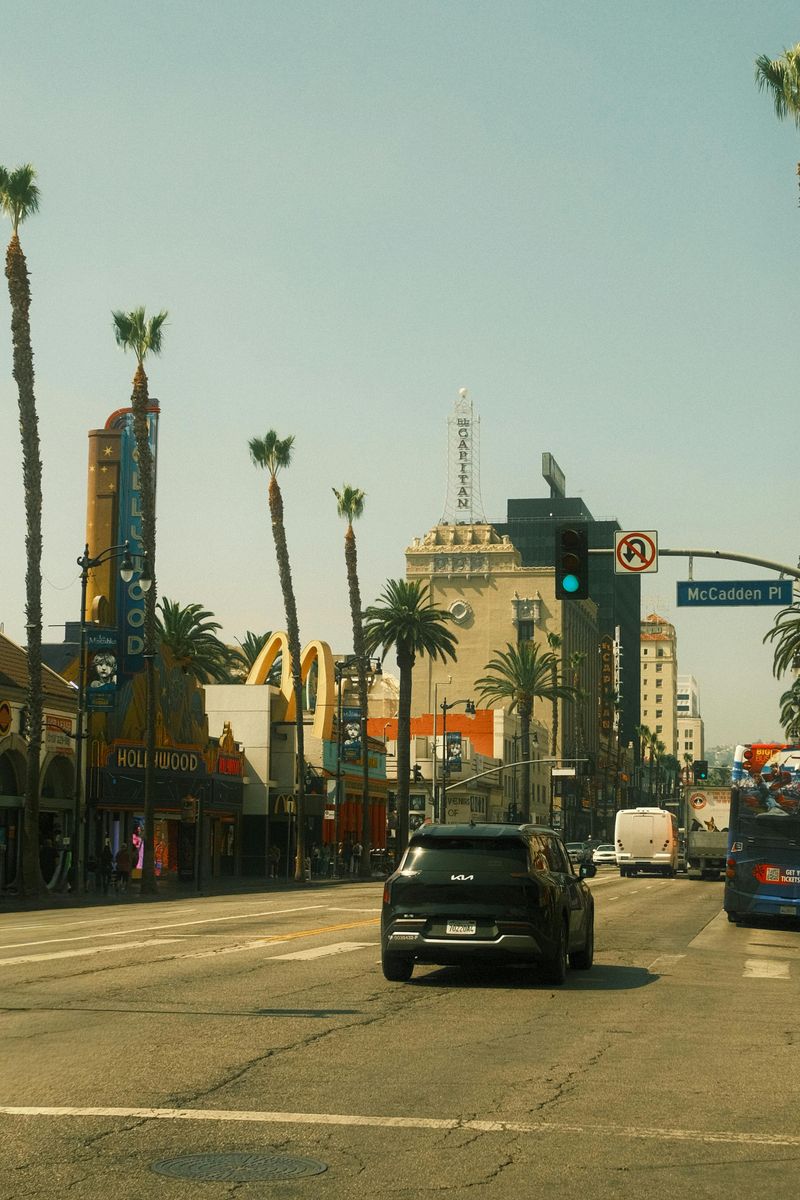
This one makes locals wince. California is not one mood.
San Francisco moves differently than Fresno. San Diego feels nothing like Sacramento.
The regions are distinct in pace, style, and community.
When visitors lump it all into LA vibes, the conversation goes flat.
Walk through San Francisco’s neighborhoods and you will notice the hills shape everything. In Fresno, the Central Valley rhythm leads.
Sacramento runs on government energy and local neighborhoods. San Diego leans breezy but still has grit and pride.
Know that each place holds its own voice and history.
If you want to connect, call the city by its name and ask what makes it tick. Locals light up when you see the difference.
You will catch details in the architecture, the street murals, and the way people move. California expands when you let each city be itself.
It is a better trip that way, trust me.
7. Treating National Parks Like Theme Parks
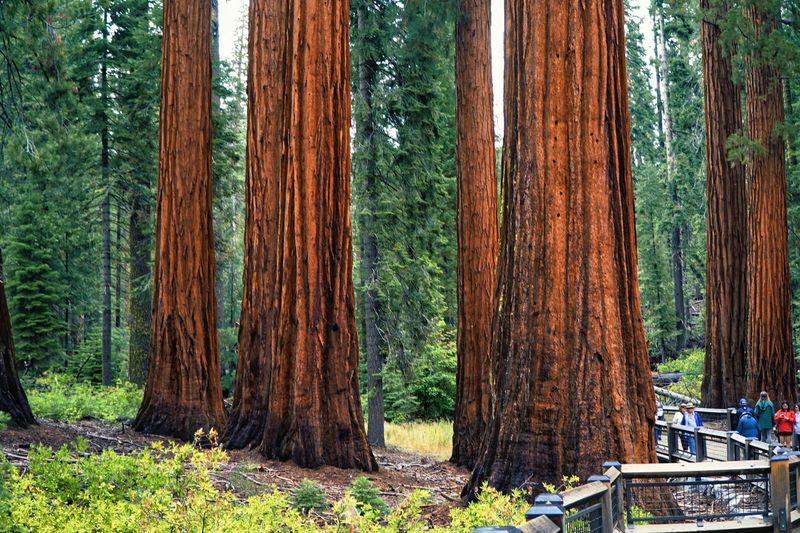
Yosemite, Joshua Tree, and Sequoia are not built for lines and shortcuts. They are living landscapes with rules that protect fragile places.
When visitors cut trails, crowd wildlife, or ignore signs, it shows. Californians notice quickly because these parks sit close to the heart.
Respect is the baseline here.
In Yosemite Valley, staying on paths matters more than it looks. In Joshua Tree, delicate soil and plants take years to recover from a single step.
Sequoia’s groves need distance so the roots stay healthy. This is about keeping what you came to see in good shape for the next person.
So treat the park like a guesthouse: pack out what you brought in, give space to wildlife, and let the quiet carry. You will still get the views and the photos.
The difference is you will also earn the nod from people who care for these places year round. That nod feels good.
8. Misjudging Weather Because It’s ‘Always Sunny’
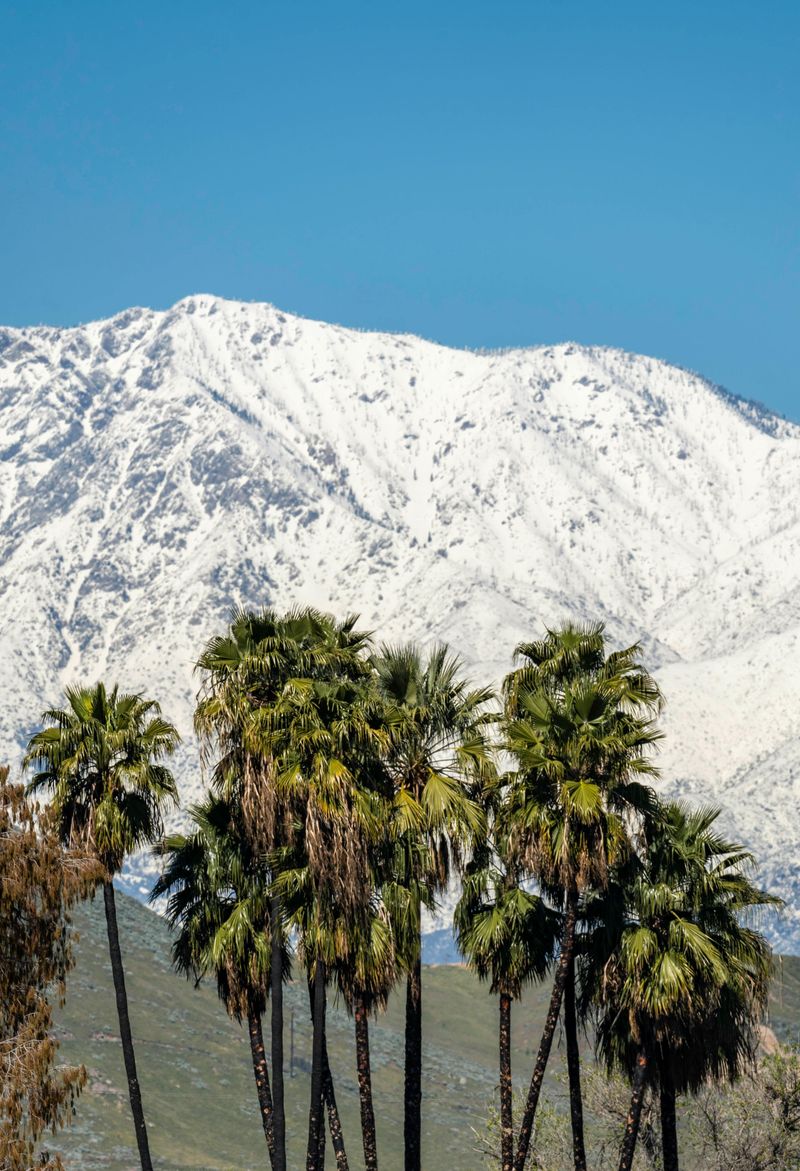
Bring layers, seriously. California flips weather fast by region and elevation.
Coastal fog rolls in and cools a warm afternoon like someone hit a switch. Mountains can hold snow while the valley bakes.
Deserts swing from hot to chilly when the sun dips. Tourists show up in a single outfit and get caught off guard.
San Francisco is famous for fog that sneaks in after a bright morning. Inland areas near Sacramento can feel toasty while the coast stays cool.
Head toward Lake Tahoe or high Sierra passes and the air shifts again. None of this is dramatic when you plan for it.
Speaking from experience, a light layer in your bag saves the day.
Watch the forecast for the exact spot you are visiting, not the whole region. Mornings and evenings can feel like different seasons.
Adjust as you go and you will be comfortable, locals do this without thinking. After a day or two, you will too.
9. Blocking Bike Lanes And Beach Paths
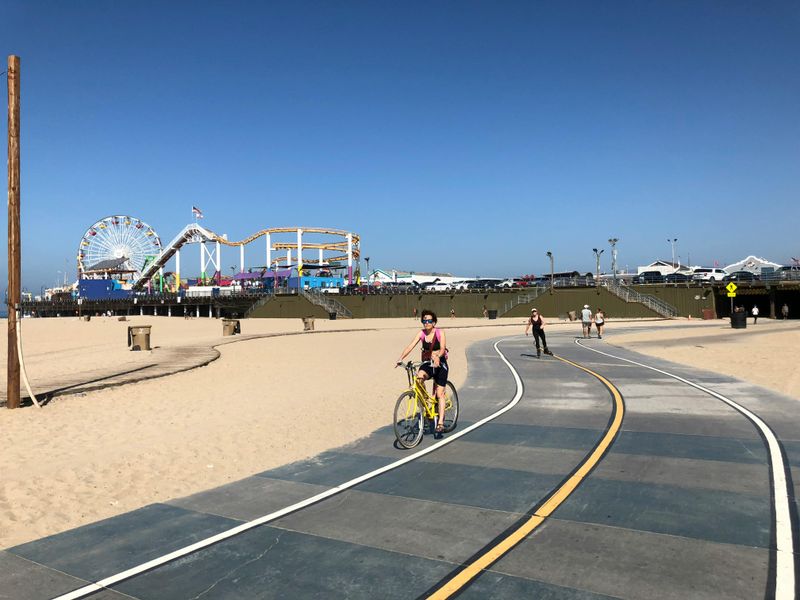
Bikes are not just for leisure here. Those lanes are real transportation, and people move fast in them.
When visitors stand in the green paint to take photos or drift across without looking, the ripple is immediate.
Cyclists swerve, tempers rise, and the flow breaks. A tiny step to the side fixes it.
In Santa Monica, Long Beach, and along San Diego’s waterfront, bike paths carry steady traffic. Cities like San Francisco lean on protected lanes through downtown.
If you need to stop, scoot to the curb or the sand. Keep an eye on the lane before crossing, just like a street.
It feels respectful and keeps everyone safe, which is the most important thing.
Think of those lanes like moving rivers. They look calm until you step into the current.
Stay clear, and the day feels easier for you and the people commuting past. You can still get the view without standing in the way.
10. Assuming Everything Closes Early Or Late
Schedules here do not match one script. Some towns wind down early, others stay lively well into the night.
Visitors guessing wrong end up too late for attractions or too early for anything to be happening. Locals check hours because regions keep their own pace.
Smaller coastal towns might close sooner than you expect. Bigger cities like Los Angeles or San Diego can run later, but even then it varies by neighborhood.
Know that museums, parks, and attractions all keep unique schedules. A quick look before you go saves a scramble and a disappointment.
It also helps you plan meals and breaks without rushing.
Make a loose plan with a few anchors, then float the rest. You get the day you want without fighting the clock.
California is big on rhythm, and once you sync with it, everything feels easier. You will catch the sunsets, the views, and the moments in between.
11. Overusing Car Rentals In Walkable Areas
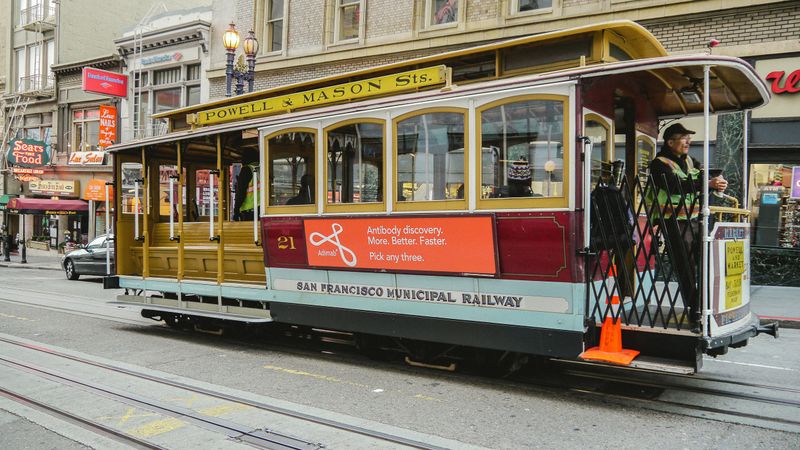
Not every California city wants your car. Parts of San Francisco and areas of San Diego feel better on foot or by transit.
Visitors who insist on driving everywhere end up circling for parking and burning patience on hills. Locals spot that move instantly.
Walking a few blocks often saves time and stress.
In San Francisco, neighborhoods like North Beach or the Embarcadero link up easily on foot. Transit covers more ground than you think.
In San Diego, certain districts stay compact and friendly to bikes and walking. When you do drive, learn the restrictions early.
It keeps you from chasing impossible spots and missing the view right in front of you.
Try a mix: park once, then wander. You will see more, and the city unfolds at a human pace.
Your shoulders drop, and suddenly the day feels open. This state rewards that slower approach, especially in dense, scenic pockets.
12. Treating California As One Big Checklist
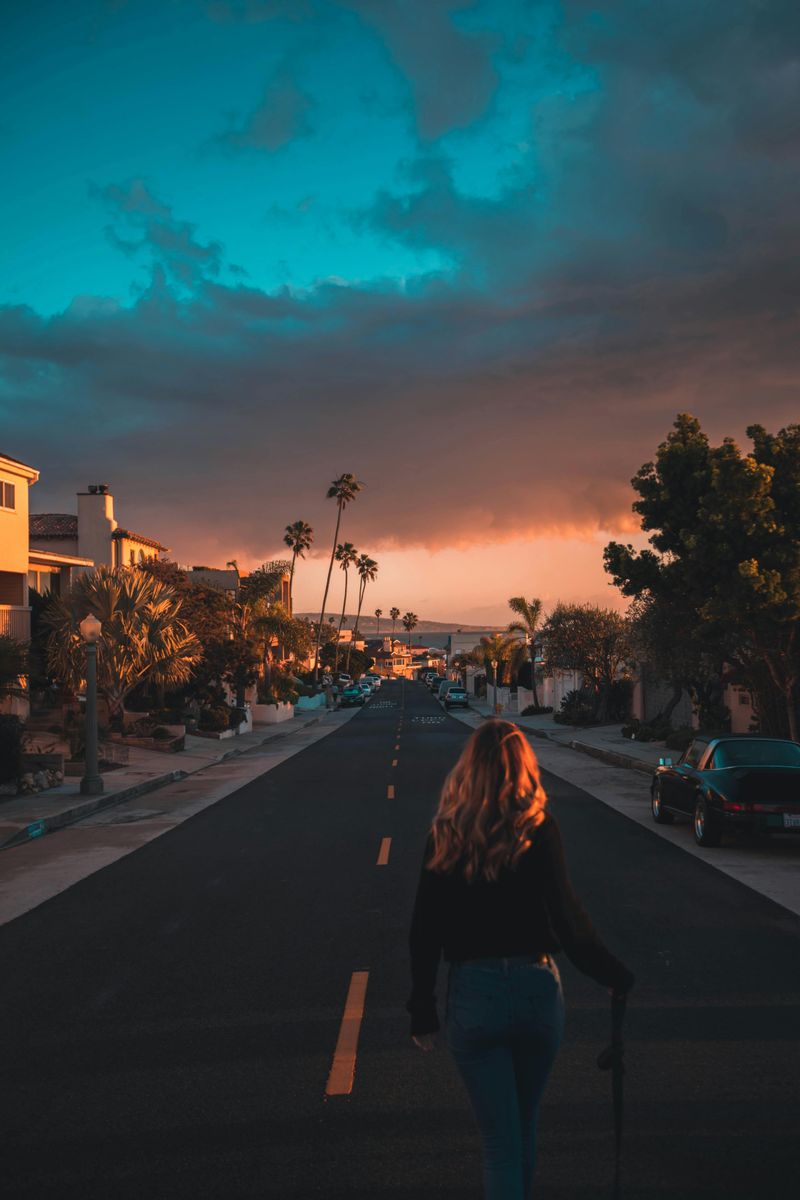
Here is the quiet secret: California opens up when you slow down. Rushing from stop to stop turns the state into homework.
Locals value depth, not speed. You will feel it in long conversations on a bench or a pause at a lookout that outlasts your plan.
I think that is where the real trip lives.
Instead of stacking a list, pick fewer places and actually breathe there. Wander a neighborhood with no route.
Sit and watch the light change on the water or the hills, and give yourself space to notice small things. The state softens when you do.
Your memories stick because you were present for them, not racing past.
If you want one takeaway, it is this. California rewards pace, so let the day stretch, and the place meets you halfway.
You will leave feeling like you visited a real corner of the world, not a brochure. That feeling stays with you long after you head home.
Dear Reader: This page may contain affiliate links which may earn a commission if you click through and make a purchase. Our independent journalism is not influenced by any advertiser or commercial initiative unless it is clearly marked as sponsored content. As travel products change, please be sure to reconfirm all details and stay up to date with current events to ensure a safe and successful trip.
