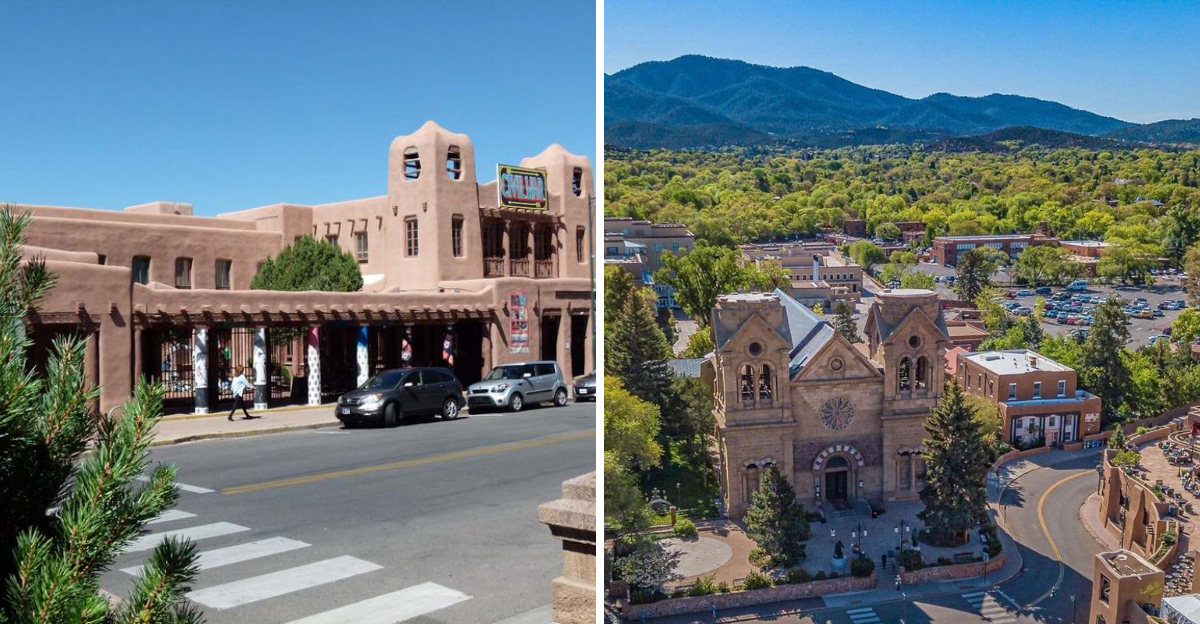
Santa Fe, New Mexico draws thousands of visitors every year with its vibrant art scene, stunning adobe architecture, and rich cultural heritage.
When tourists flood into this high-desert city, they bring economic vitality, fresh energy, and new perspectives that shape the community in unexpected ways.
Yet locals experience these seasonal waves differently, watching their hometown transform with each arrival of rental cars and tour buses.
The relationship between residents and visitors creates a unique dynamic that defines modern Santa Fe, blending tradition with tourism in ways both beneficial and challenging.
From crowded restaurants to rising housing costs, from cultural exchange to traffic congestion, the tourist presence reshapes daily life for everyone who calls this enchanting city home.
Understanding these changes helps both visitors and residents appreciate the delicate balance that keeps Santa Fe authentic while welcoming the world.
Here are seven significant ways tourists arriving in Santa Fe impact how locals experience their beloved city.
Plaza Becomes a Stage Instead of a Gathering Place
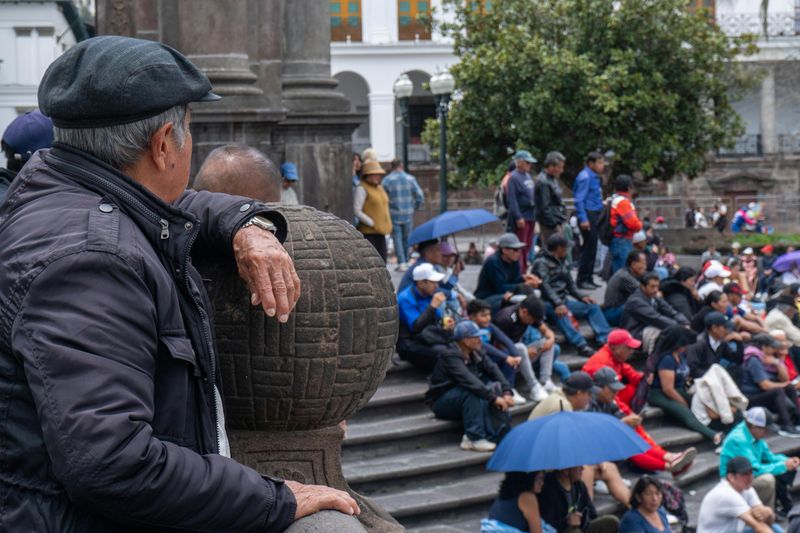
The historic Plaza once served as Santa Fe’s living room where neighbors met for casual conversations, local musicians played for tips, and families gathered on weekend afternoons without any agenda beyond enjoying community.
Now the same space feels transformed into a performance venue where locals become accidental extras in someone else’s vacation photos.
Residents who grew up sitting on Plaza benches sharing stories with friends now find those same spots occupied by tour groups listening to guides explain the history through microphones.
Long-time vendors at the Palace of the Governors portal have watched their customer base shift dramatically from local collectors to tourists seeking authentic souvenirs, changing both pricing and product selection.
Many Santa Feans avoid the Plaza entirely during peak season, choosing instead to meet at neighborhood coffee shops or parks where they can reconnect without navigating crowds.
The transformation isn’t entirely negative since tourism dollars support the vendors and nearby businesses that keep downtown vibrant year-round.
Yet something intangible gets lost when a communal space becomes primarily transactional, where interactions feel scripted rather than spontaneous.
Older residents remember when you could recognize most faces around the Plaza, creating an atmosphere of familiarity that welcomed newcomers naturally.
Today that intimacy exists only in early morning hours before tour buses arrive or late evenings after they depart.
The Plaza still holds its architectural beauty and historical significance, but its social function has shifted fundamentally, creating a space locals visit rather than inhabit, observing their city’s heart from the margins.
Restaurant Reservations Become Competitive Sport
Grabbing dinner at your favorite Santa Fe restaurant used to mean simply showing up, maybe waiting fifteen minutes on a Friday night, and enjoying familiar faces both behind the counter and at neighboring tables.
Tourism has transformed dining from casual routine into strategic planning that requires booking weeks in advance for popular spots.
Locals watch restaurants they’ve supported for years suddenly implement reservation-only policies or extend wait times to two hours during high season.
The Shed, Geronimo, and other beloved establishments now cater primarily to visitors who’ve researched top-rated Santa Fe dining experiences online before arrival.
Many residents feel priced out as menus adjust to tourist budgets, with entrees climbing from reasonable to special-occasion territory.
Neighborhood taquerias and family-owned cafes become precious refuges where locals can still eat affordably without advance planning or encountering crowds.
Some restaurants have tried implementing locals’ nights or happy hour specials to maintain community connections, but these efforts feel like consolation prizes rather than solutions.
The culinary scene has undeniably improved with tourism bringing capital for ambitious chef-driven concepts and diverse international cuisines previously unavailable in Santa Fe.
Yet residents miss the spontaneity of deciding on dinner at six o’clock and actually getting a table before eight.
Food service workers also experience this shift, with some appreciating higher tips from tourists while others grow weary of explaining New Mexican cuisine basics dozens of times daily.
The restaurant transformation reflects a broader tension between economic growth and maintaining spaces where locals feel genuinely at home rather than competing for access.
Traffic Patterns Shift from Predictable to Chaotic
Anyone who has lived in Santa Fe for more than a few years remembers when traffic meant waiting through two light cycles rather than one, not the gridlock that now defines summer afternoons.
Tourists unfamiliar with the city’s quirky street layout create unpredictable driving conditions as rental cars suddenly brake to check GPS or make last-second turns toward attractions.
Paseo de Peralta, the main loop around downtown, transforms from efficient commuter route to frustrating crawl during peak season.
Locals develop elaborate strategies to avoid tourist-heavy corridors, using residential streets and back routes that add time but preserve sanity.
Parking has become a competitive endeavor downtown, with visitors circling blocks repeatedly while residents consider monthly garage fees they never needed before.
The influx also means more pedestrians crossing mid-block without looking, more confused drivers stopping in traffic to ask directions, and generally more unpredictability that makes routine errands take twice as long.
Some neighborhoods near popular hotels experience constant traffic from ride-share vehicles and tour vans picking up passengers at all hours.
City infrastructure hasn’t kept pace with increased vehicle volume, leaving streets designed for a much smaller population struggling under current demand.
Residents who work downtown often arrive extra early or stay late to avoid commute frustration, effectively extending their workday around tourist patterns.
The situation improves dramatically after Labor Day when locals reclaim their streets and remember what normal driving feels like.
While tourism brings economic benefits, the traffic impact represents a daily quality-of-life reduction that accumulates over months, making some residents question whether the tradeoff truly serves the community.
Housing Market Pressures Accelerate Beyond Local Reach
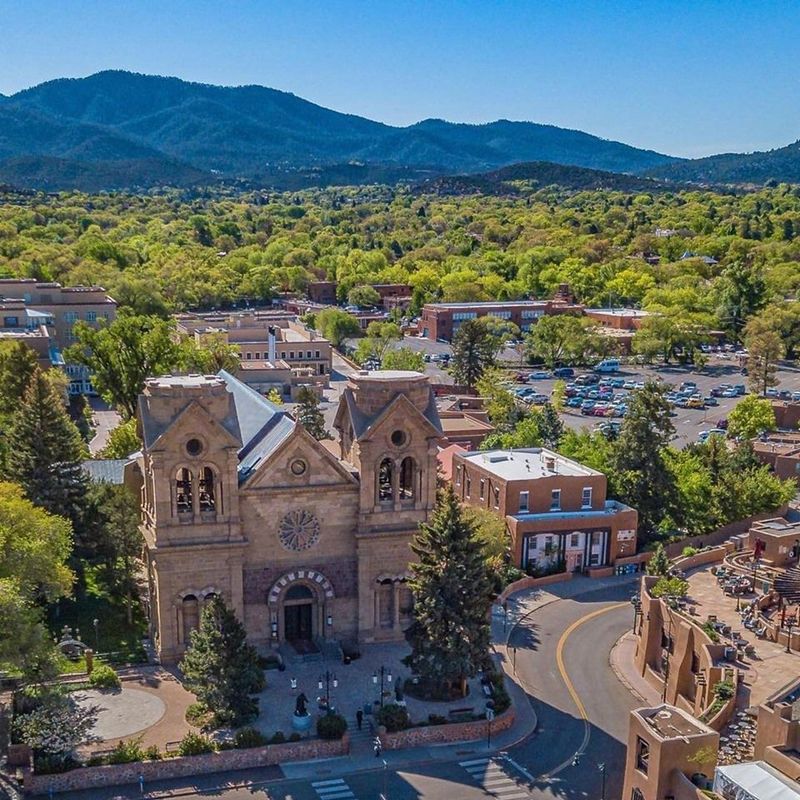
Santa Fe has always commanded higher real estate prices than surrounding New Mexico communities, but tourism has supercharged this trend into something that fundamentally reshapes who can afford to live here.
Investors purchase properties specifically for short-term vacation rentals, removing housing stock from the long-term market and driving up prices across all categories.
Neighborhoods that once housed working families now feature homes occupied only sporadically by tourists, creating ghost-street effects where fewer people know their neighbors or participate in community life.
Young adults who grew up in Santa Fe increasingly find themselves priced out of their hometown, forced to relocate to Española, Albuquerque, or further away while commuting back for work.
Service industry workers who staff the hotels and restaurants tourists frequent often cannot afford housing in the city they serve, creating ethical questions about sustainable tourism models.
Property owners naturally pursue maximum returns, but the collective effect hollows out the social fabric that made Santa Fe attractive in the first place.
City officials have debated short-term rental regulations, affordable housing mandates, and other interventions, but implementation lags behind market forces.
Long-time residents watch their property values soar on paper while recognizing this wealth means little if their children and grandchildren must leave to find affordable living situations.
The housing crisis intersects with tourism in complex ways since the same visitors driving up costs also support the economy that employs local residents.
Yet no amount of restaurant tips compensates for losing your community’s future generation to housing unaffordability.
This represents perhaps the most significant long-term impact of tourism on Santa Fe, threatening to transform the city from a living community into a museum town where workers commute in to serve visitors.
Cultural Events Balance Authenticity with Performance
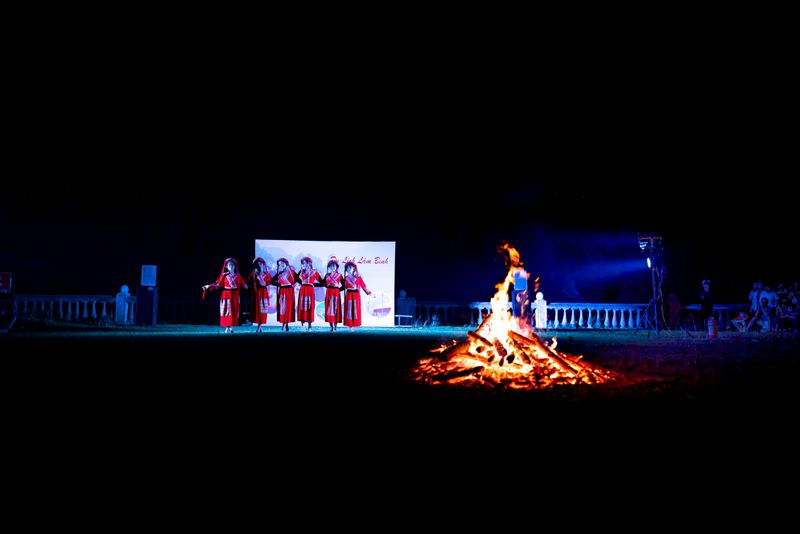
Fiestas, art markets, and traditional ceremonies once existed primarily for community participation and cultural preservation, with outsiders welcome but not the primary audience.
Tourism has gradually shifted these events toward performance, where the presence of cameras and crowds changes the nature of participation itself.
The annual Santa Fe Indian Market, while economically vital for artists, has grown so large that locals often skip it entirely, overwhelmed by the crowds that make simply walking downtown an ordeal.
Traditional dances and ceremonies at nearby pueblos now explicitly request that visitors refrain from photography, trying to maintain sacred space despite tourist interest.
Spanish Market, Fiesta de Santa Fe, and other cultural celebrations face constant tension between welcoming visitors who bring revenue and preserving authentic community meaning.
Some residents feel these events have become sanitized versions of themselves, edited to be more accessible and less challenging for tourist consumption.
Artists who once created primarily for local collectors now consider tourist tastes in their work, sometimes simplifying or explaining pieces that would have stood without interpretation.
Gallery openings on Canyon Road used to be neighborhood social events but now attract more tourists than locals, changing the atmosphere from intimate gathering to public spectacle.
Yet tourism has also brought resources that allow cultural traditions to continue when they might otherwise have faded due to economic pressures.
The market for traditional crafts, supported largely by visitors, enables artists to maintain practices passed through generations.
Finding the right balance remains an ongoing negotiation, with locals constantly advocating for events that serve community needs first while acknowledging the economic reality that tourism funding makes many cultural activities financially viable.
Seasonal Rhythm Creates Two Different Cities
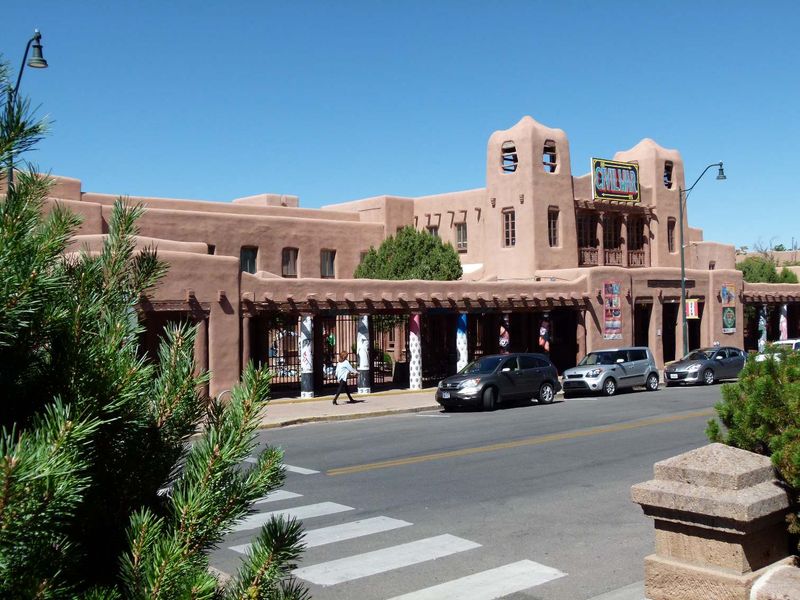
Long-time Santa Fe residents have learned to organize their lives around tourist seasons, creating parallel strategies for summer chaos and winter calm.
From Memorial Day through October, the city operates in one mode with packed restaurants, crowded museums, and constant activity that brings energy but also exhaustion.
Then November arrives and Santa Fe transforms into a quieter place where locals reclaim their city, reconnecting with spaces they’ve avoided for months.
This seasonal rhythm affects everything from when residents schedule medical appointments to which grocery stores they frequent at what times.
Many locals take their own vacations during peak tourist season, essentially fleeing their hometown when visitors reach maximum density.
Business owners experience this split personality acutely, sometimes making seventy percent of annual revenue during tourist months while barely breaking even the rest of the year.
Employees in hospitality industries work intense schedules during high season, then face reduced hours or layoffs when tourism slows, creating income instability.
The seasonal economy makes long-term planning difficult for both businesses and workers who cannot rely on consistent year-round income.
Winter brings a peaceful interlude when locals can actually enjoy museums without crowds, get dinner reservations easily, and move through downtown at a reasonable pace.
Yet this quiet season also means reduced economic activity that challenges businesses to survive until tourists return.
Some residents prefer winter Santa Fe so strongly they consider the tourist season something to endure rather than enjoy, counting down to November when they get their city back.
This divided calendar creates a unique lifestyle where locals must be flexible, patient during busy months, and appreciative of quiet months, living in rhythm with tourism patterns that define their community’s heartbeat.
Economic Dependence Creates Complex Relationships
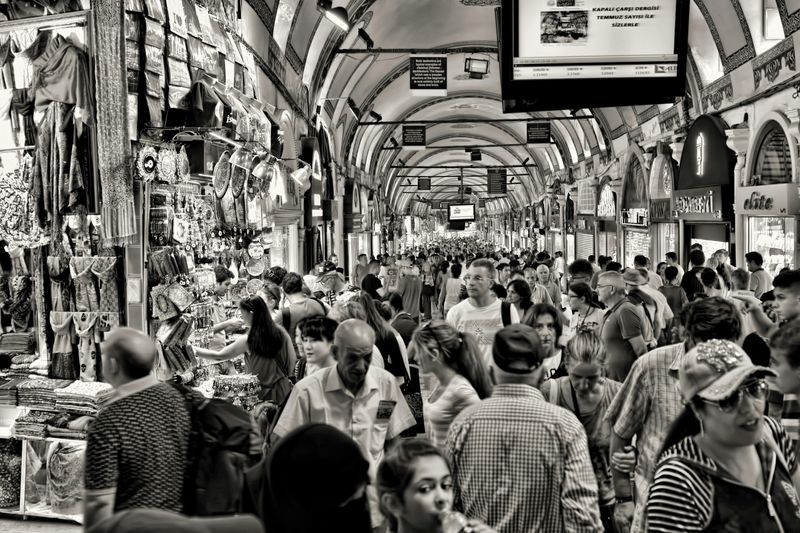
Perhaps the most complicated aspect of tourism’s impact on Santa Fe is how thoroughly the local economy has become dependent on visitor spending, creating relationships where resentment and gratitude coexist.
Residents understand intellectually that tourism supports jobs, funds city services through tax revenue, and keeps businesses viable that might otherwise close.
Yet daily frustrations with crowds, traffic, and loss of community spaces create emotional responses that don’t always align with economic reality.
Service workers particularly experience this tension, relying on tourist tips and wages while also bearing the brunt of entitled behavior, constant questions, and exhausting high-season schedules.
Business owners who cater to tourists may thrive financially while feeling disconnected from the local community they originally wanted to serve.
City planning decisions increasingly prioritize tourist needs over resident preferences, from downtown development to parking policies, because tourism dollars drive municipal budgets.
This economic dependence makes it difficult to advocate for changes that might improve local quality of life if those changes could potentially reduce tourist numbers or spending.
Residents find themselves in the uncomfortable position of needing tourism to continue while wishing it operated differently or at smaller scale.
Some locals have built careers and businesses specifically around tourism, creating personal stakes that complicate community discussions about sustainable tourism limits.
The relationship also includes positive elements like cultural exchange, where tourists bring new ideas and perspectives that enrich local conversations and creativity.
Ultimately, Santa Fe’s future depends on finding models where tourism supports rather than overwhelms community life, where economic benefits distribute more equitably, and where locals maintain genuine agency in shaping their city’s character despite economic pressures to prioritize visitor experiences above resident needs.
Dear Reader: This page may contain affiliate links which may earn a commission if you click through and make a purchase. Our independent journalism is not influenced by any advertiser or commercial initiative unless it is clearly marked as sponsored content. As travel products change, please be sure to reconfirm all details and stay up to date with current events to ensure a safe and successful trip.
