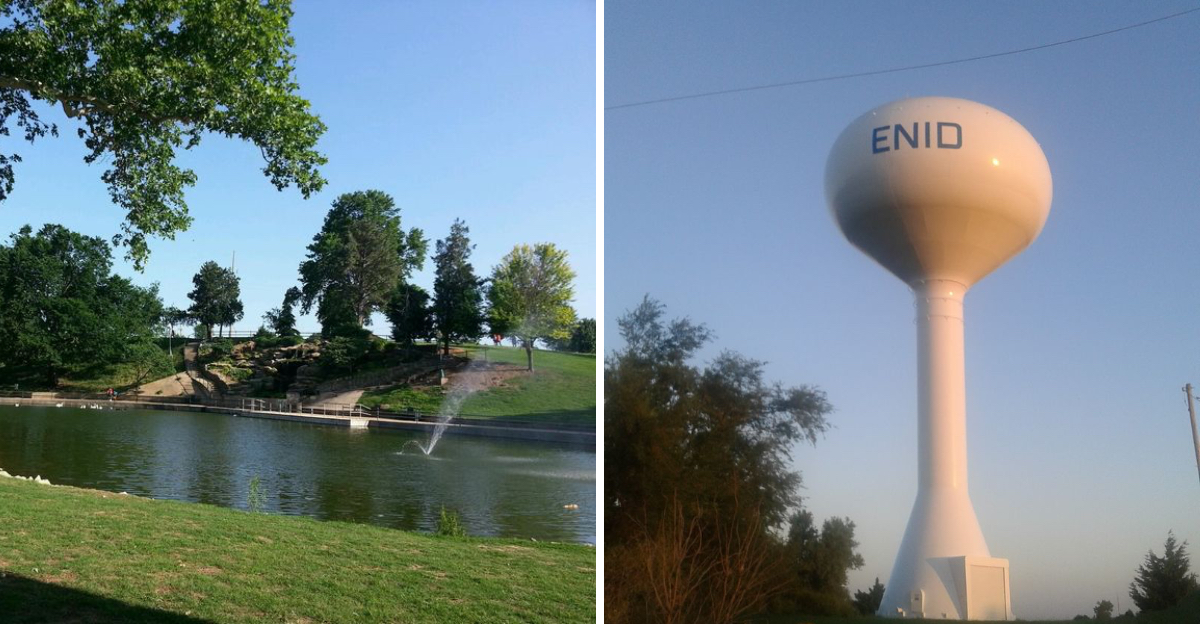
Enid sits in the heart of northwest Oklahoma, a town born from the rush of settlers during the 1893 Land Run.
Wheat fields stretch beyond city limits, grain elevators rise against wide skies, and a quiet rhythm defines daily life here.
Visitors passing through on Highway 412 often wonder what keeps 51,000 people rooted in a place with no flashy attractions or tourist buzz.
But locals know something outsiders miss, Enid offers a steady, unpretentious quality of life built on community ties, prairie beauty, and a history that shaped the state itself.
Cherokee Outlet Museum Preserves Land Run Legacy
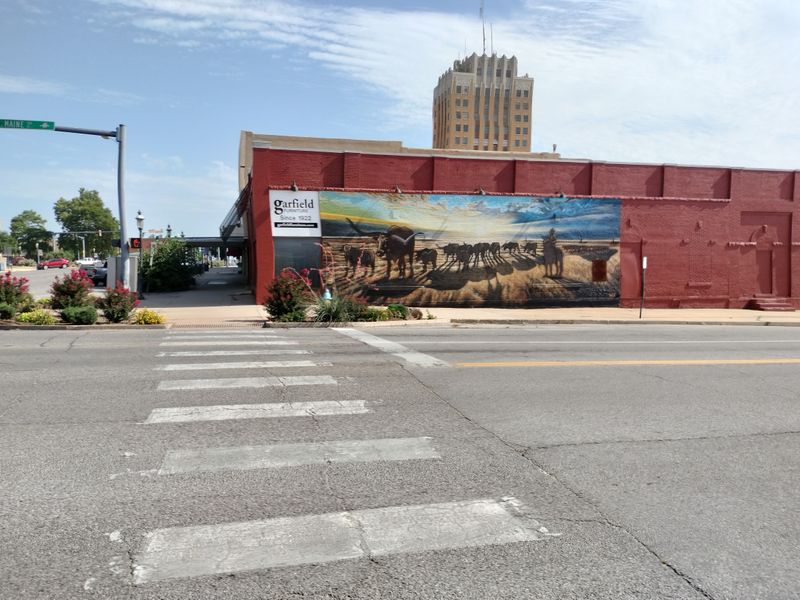
Enid’s origin story lives inside this downtown museum, where artifacts and exhibits recall the frantic 1893 Land Run that birthed the town overnight.
Thousands of settlers raced across the Cherokee Outlet on horseback and in wagons, staking claims on prairie land that became Garfield County’s seat.
Photographs line the walls, showing tent cities that transformed into permanent streets within weeks.
Display cases hold surveying tools, homestead documents, and personal belongings carried by families who gambled everything on a new start in Oklahoma Territory.
The museum also documents Enid’s evolution from a chaotic boomtown into an agricultural hub supported by wheat farming and rail transport.
Visitors learn how the town’s name came from a Tennyson poem, chosen by a railroad official’s wife who admired the literary character Enid.
Local historians volunteer as guides, sharing stories passed down through generations of families who never left.
One room focuses on Native American history predating the Land Run, acknowledging the Cherokee, Cheyenne, and Arapaho peoples who lived on these plains.
Another section highlights Enid’s military connection, particularly Vance Air Force Base, which has trained pilots since World War II.
The museum doesn’t dazzle with interactive technology or Hollywood-style presentations.
Instead, it offers something rarer, a genuine, unvarnished look at how ordinary people built a town from nothing.
For residents, this place validates their roots and reminds them why staying matters.
Address: 507 South 4th Street, Enid, Oklahoma
Government Springs Park Anchors Outdoor Life
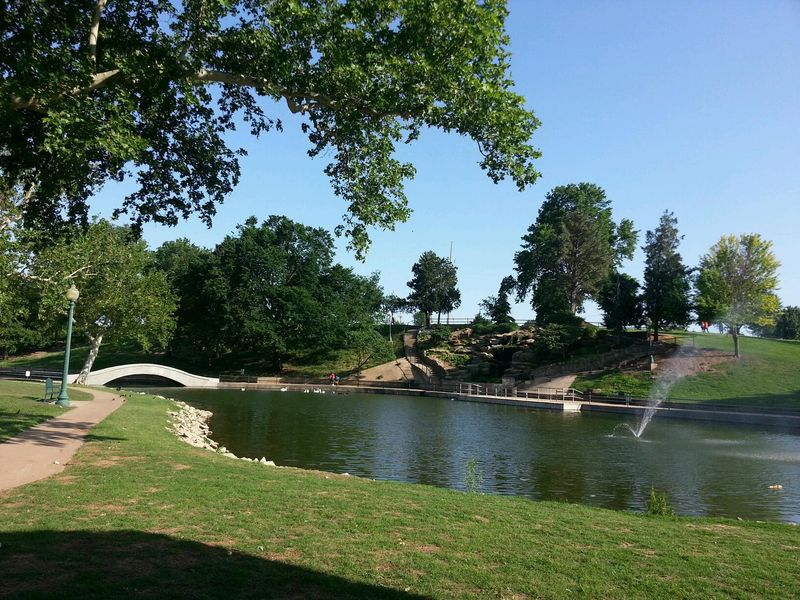
This 160-acre park sprawls across northwest Enid, offering trails, shelters, and open prairie that locals use year-round.
Families gather here for birthday parties under covered pavilions, while joggers circle paved paths that wind through native grasslands.
The park’s name references natural springs that once provided water to early settlers, though most have dried up as the town developed.
Oak and cottonwood trees cluster near the playground, providing shade during Oklahoma’s blazing summers.
Disc golf enthusiasts appreciate the 18-hole course that challenges players with elevation changes and wind that sweeps across the plains.
During spring, wildflowers bloom along the walking trails, Indian paintbrush, black-eyed Susans, and purple coneflowers that thrive in the native soil.
The park lacks dramatic scenery or unique geological features, but it serves a practical purpose in a town where public green space matters.
On weekends, youth soccer leagues fill the fields, while fishing ponds attract patient anglers hoping for bass or catfish.
Evening walks here reveal the kind of quiet beauty tourists overlook, sunsets that paint the sky in shades of amber and rose, unobstructed by mountains or skyscrapers.
Locals appreciate Government Springs for what it is, a reliable gathering place that costs nothing and welcomes everyone.
No admission fees, no crowded parking lots, no tourist buses blocking the entrance.
Just open space where neighbors meet, kids play, and the rhythm of small-town life continues without fanfare.
Address: 2804 West Garriott Road, Enid, Oklahoma
Downtown Square Reflects Quiet Persistence

Enid’s downtown core doesn’t bustle with tourist shops or trendy cafes, but it hasn’t surrendered to vacant storefronts either.
Brick buildings dating from the early 1900s line the square, housing law offices, insurance agencies, and family-owned businesses that have operated for decades.
The architectural details, arched windows, limestone cornerstones, decorative brickwork, speak to a time when towns invested in permanence.
Some structures have been restored, others wait patiently for renovation, but the overall sense is one of endurance rather than decline.
A few restaurants serve lunch to courthouse workers and retirees who gather for coffee and conversation.
The pace here moves slower than in Oklahoma City or Tulsa, and locals prefer it that way.
Parking remains free and plentiful, a small luxury that matters when running errands or attending county business.
Seasonal events occasionally draw crowds, holiday parades, car shows, farmers markets, but most days the square simply functions as the administrative and legal heart of Garfield County.
Visitors expecting boutique shopping or craft breweries will feel disappointed.
But residents value the square’s reliability, the fact that essential services remain accessible without navigating sprawling suburban developments.
This downtown represents small-town America’s unglamorous reality, not dying, not thriving, just persisting through economic shifts and changing retail patterns.
For people who call Enid home, that persistence matters more than any flash of tourist appeal.
The square stands as proof that a town can survive without becoming a destination.
Vance Air Force Base Shapes Local Identity

Military jets roar overhead regularly in Enid, a sound so common that locals barely notice the T-38 Talons practicing maneuvers above the wheat fields.
Vance Air Force Base sits just south of town, training pilots from the United States and allied nations since 1941.
The base employs thousands of military personnel and civilians, making it Enid’s largest employer and economic anchor.
Without Vance, the town’s population and prosperity would shrink considerably, a fact residents acknowledge without resentment.
The military presence brings diversity to northwest Oklahoma, families from across the country and around the world live here temporarily, adding international flavor to local schools and neighborhoods.
Some airmen and their families grow attached to Enid’s slower pace and decide to stay after retirement, joining the community permanently.
The relationship between town and base runs deep, with local businesses catering to military families and veterans’ organizations remaining active in civic life.
Air shows occasionally open the base to the public, drawing crowds eager to watch precision flying and tour aircraft up close.
But most days, Vance operates quietly in the background, a constant presence that defines Enid’s character more than any tourist attraction could.
The base doesn’t welcome casual visitors or offer public tours without special arrangements.
Yet its influence permeates everything, from the economy to the culture to the sound of jets cutting through Oklahoma’s wide skies.
For locals, Vance represents stability, patriotism, and a connection to something larger than their small town.
That bond matters more than any guidebook mention ever could.
Wheat Harvest Defines Summer Rhythm
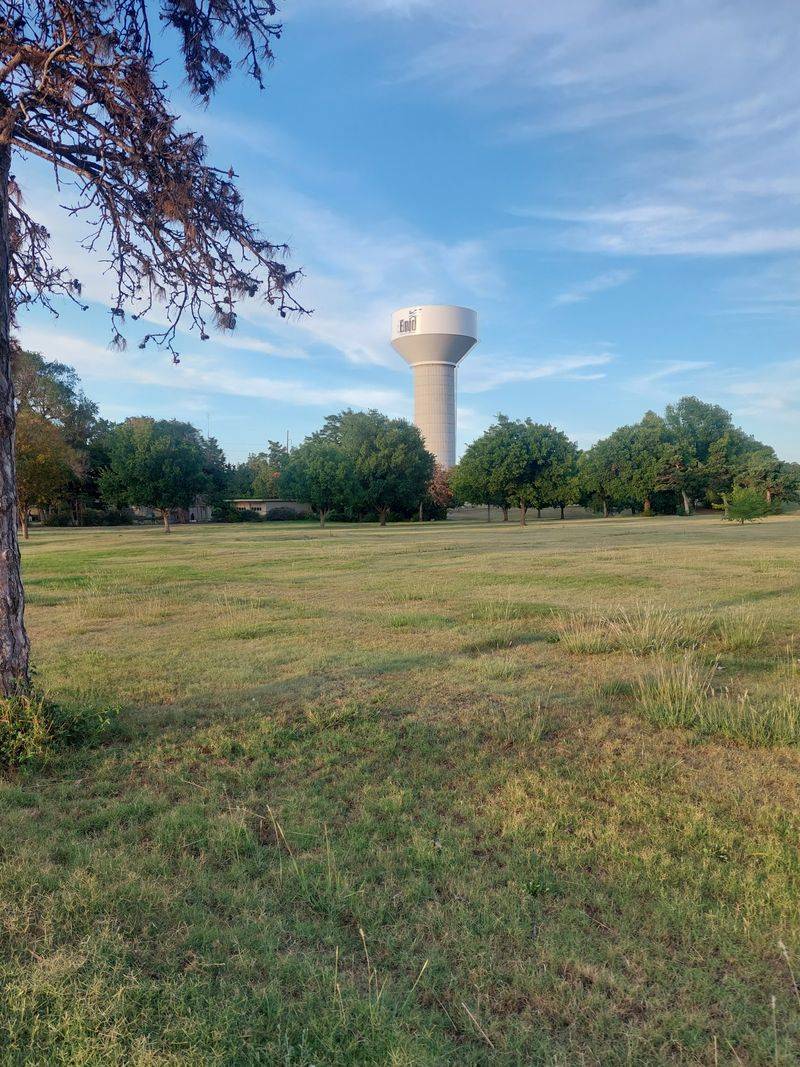
Agriculture isn’t just part of Enid’s economy, it’s woven into the town’s identity and annual calendar.
When summer arrives, wheat harvest dominates conversations, traffic patterns, and the local news.
Combines roll through fields surrounding town, cutting golden waves of grain that stretch to the horizon.
Grain elevators, those towering prairie skyscrapers, fill with wheat destined for mills and export markets.
Farmers work long hours during harvest, racing to gather crops before weather turns or prices drop.
The agricultural rhythm shapes everything, school calendars, business hours, even family schedules adjust to accommodate planting and harvest seasons.
Enid sits in the heart of Oklahoma’s wheat belt, where farming has sustained communities since the Land Run era.
Modern agriculture looks different now, with GPS-guided equipment and commodity markets tracked on smartphones, but the essential work remains unchanged.
Visitors driving through during harvest might see only flat land and machinery, missing the significance of what’s happening.
Locals understand that this annual cycle represents generations of knowledge, investment, and risk-taking.
The wheat harvest doesn’t offer photo opportunities for tourists or Instagram moments worth sharing.
But it provides something more valuable, jobs, stability, and a connection to the land that keeps families rooted in northwest Oklahoma.
For residents, watching combines work the fields means their town will endure another year, that the economy will hold, that their choice to stay makes sense.
That quiet assurance beats any tourist attraction.
Stride Bank Center Hosts Regional Events
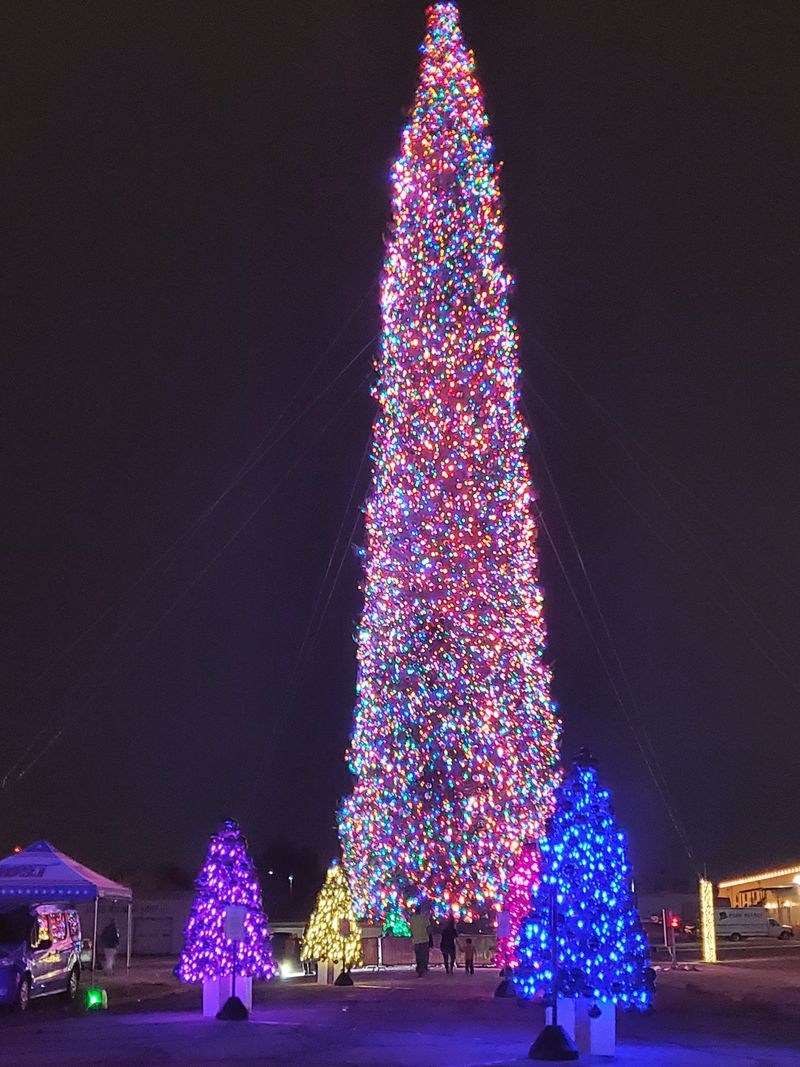
This 5,000-seat arena brings concerts, rodeos, and sporting events to a town that would otherwise miss out on live entertainment.
Built in 2011, the Stride Bank Center replaced an aging convention hall, giving Enid a modern venue capable of hosting touring acts and regional competitions.
Country music stars perform here regularly, drawing crowds from surrounding counties who appreciate not having to drive to Oklahoma City or Tulsa.
The arena also hosts high school basketball tournaments, livestock shows, and community gatherings that fill hotel rooms and restaurant tables.
For a town of 51,000, having a facility this size represents a significant investment and a statement about Enid’s commitment to quality of life.
Locals attend events here throughout the year, rodeos during summer, concerts in fall, ice skating during winter months when the floor converts to a rink.
The center doesn’t compete with big-city venues, but it doesn’t need to.
Its purpose is serving regional residents who want entertainment without long drives and expensive tickets.
Some national acts skip Enid entirely, but enough stop here to keep the calendar active and the community engaged.
Families appreciate having a safe, clean venue where kids can watch touring shows or participate in youth sports championships.
The arena’s existence proves that small towns can maintain cultural amenities if they invest wisely and support local institutions.
Tourists won’t plan trips around the Stride Bank Center, but residents rely on it for the kind of entertainment that makes staying in Enid feel less like a sacrifice.
Address: 401 South 3rd Street, Enid, Oklahoma
Railroad Heritage Runs Through Town History
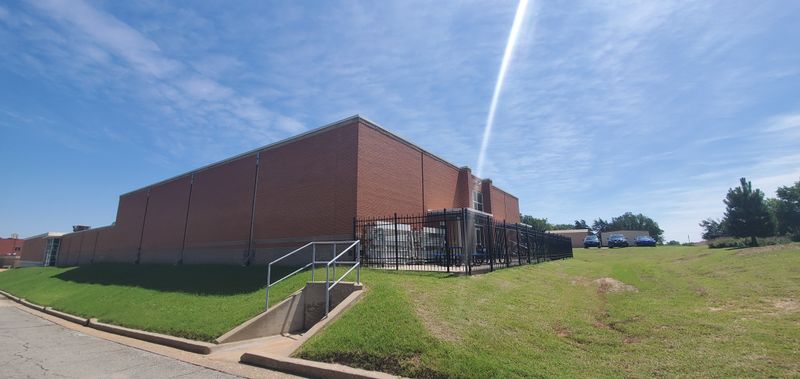
Rails brought Enid to life in 1893, when the Rock Island Railroad established a station during the Land Run.
The town’s location at the intersection of rail lines made it a natural shipping point for agricultural products heading to distant markets.
Grain, livestock, and supplies moved through Enid’s rail yards, connecting northwest Oklahoma to the national economy.
That railroad heritage remains visible today, tracks still cut through downtown, though freight trains now carry fewer cars than in previous decades.
Old depot buildings stand as reminders of when passenger service linked small towns to big cities, before highways and airports made trains obsolete for most travelers.
Some locals remember when the depot bustled with activity, when families gathered to meet arriving relatives or bid farewell to departing soldiers.
Those days ended long ago, but the railroad’s influence persists in Enid’s street layout, neighborhood boundaries, and economic structure.
The tracks divided the town socially and economically for generations, creating distinct neighborhoods on either side.
Modern Enid has softened those divisions, but older residents still reference locations by their relationship to the railroad.
Freight trains still roll through regularly, their whistles echoing across town at all hours.
For some, that sound represents noise and disruption.
For others, it’s a comforting reminder of continuity, proof that Enid remains connected to larger networks of commerce and transportation.
The railroad doesn’t attract tourists or generate much attention, but it shaped everything about how this town developed and survives.
Small-Town Festivals Build Community Bonds
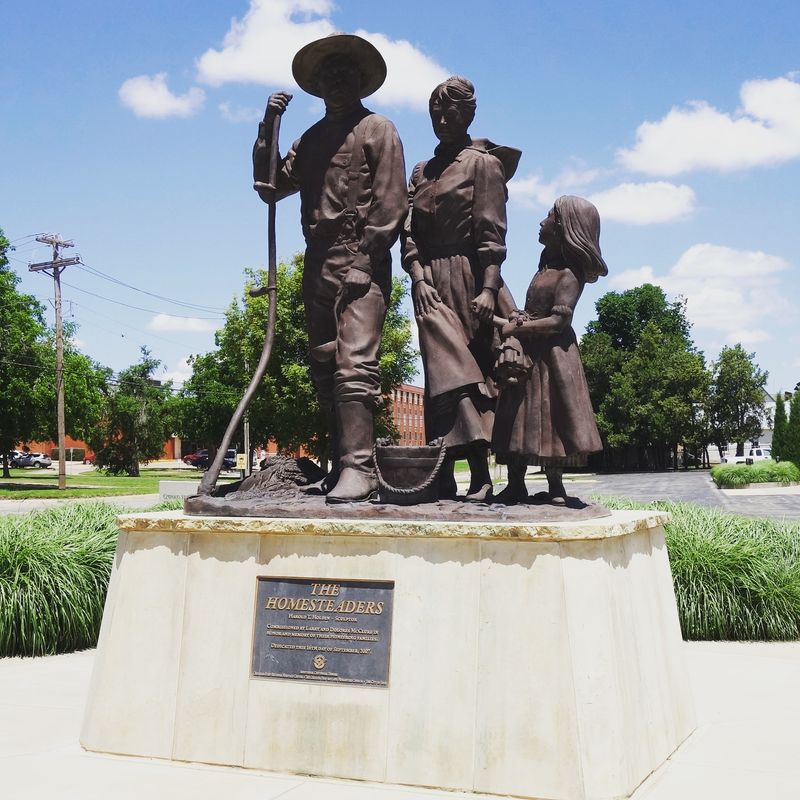
Enid’s calendar fills with modest festivals and events that bring neighbors together without attracting much outside attention.
The Tri-State Music Festival draws student musicians from Oklahoma, Kansas, and Texas each spring, filling schools and churches with concerts and competitions.
Summer brings the Garfield County Free Fair, where 4-H kids show livestock, bakers compete for blue ribbons, and carnival rides spin until dark.
These events don’t make travel magazines or tourism websites, but they serve an important purpose, reinforcing social connections in a community where people still know their neighbors.
Volunteers run most festivals, donating time to set up stages, judge competitions, and clean up afterward.
That spirit of civic participation keeps Enid functioning, creating the kind of social capital that larger cities struggle to maintain.
Fall festivals celebrate the harvest season, with pumpkin patches, hayrides, and community meals that mark the changing seasons.
Winter brings holiday parades and light displays that transform downtown into something briefly magical.
None of these events would impress tourists accustomed to big-city productions or destination festivals.
But they weren’t designed for outsiders, they exist to give residents reasons to gather, to celebrate shared traditions, and to remind everyone why community matters.
Families attend the same festivals year after year, creating memories that bind them to place.
Kids grow up participating in these events, then return as adults to volunteer or bring their own children.
That continuity represents something tourists can’t experience in a weekend visit, the deep satisfaction of belonging somewhere.
Prairie Sunsets Offer Unobstructed Beauty
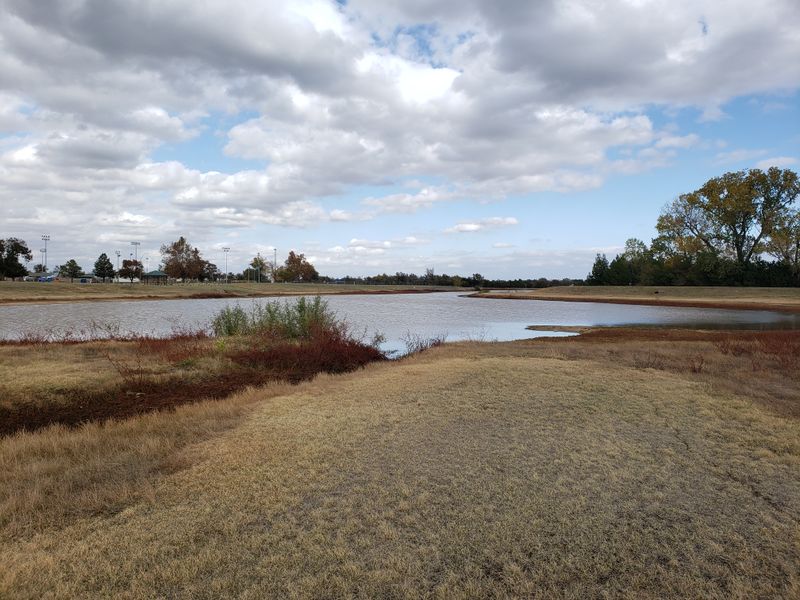
Northwest Oklahoma doesn’t offer mountains, coastlines, or dramatic geological formations.
What it does offer is sky, vast, uninterrupted, and constantly changing.
Enid’s flat terrain and sparse development mean nothing blocks the view when sunset paints the western horizon in shades of crimson, gold, and violet.
Locals step outside on summer evenings to watch storms build in the distance, dark clouds towering against brilliant blue sky.
The light here has a particular quality, especially during golden hour when wheat fields glow and everything softens.
Photographers who understand prairie landscapes appreciate this region’s subtle beauty, though it takes patience and attention to capture.
Tourists racing down the highway rarely stop to notice, focused on reaching more famous destinations.
But residents know that these sunsets rival anything found in more celebrated locations.
The absence of light pollution means stars emerge in stunning numbers once darkness falls.
On clear nights, the Milky Way stretches across the sky, visible in ways impossible near cities.
This natural beauty costs nothing and requires no special access, just the willingness to look up and pay attention.
For people who grew up watching Oklahoma sunsets, moving to places with obstructed views feels claustrophobic.
The wide-open sky becomes part of your identity, something you miss intensely when it’s gone.
That connection to landscape and light keeps many residents rooted in Enid despite economic opportunities elsewhere.
Some things matter more than career advancement or cultural amenities, and beauty is one of them.
Affordable Living Keeps Families Rooted
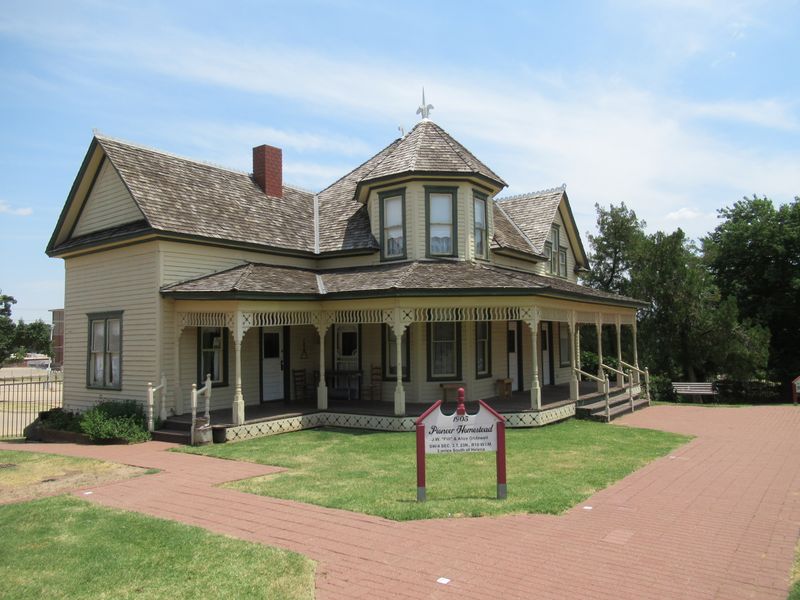
Housing affordability gives Enid a competitive advantage that tourist destinations can’t match.
Young families can buy decent homes here on modest incomes, building equity instead of paying rent indefinitely.
Three-bedroom houses with yards sell for prices that would barely cover a down payment in coastal cities or even in Oklahoma’s larger metro areas.
That economic reality matters enormously to people trying to establish stability and build futures for their children.
The cost of living extends beyond housing, groceries, utilities, and services all cost less than in more populated regions.
Salaries may be lower in Enid, but the math often works out favorably when you calculate what money actually buys.
Families can afford to own homes, save money, and avoid the financial stress that crushes residents of expensive cities.
Kids can grow up with yards to play in, neighborhoods safe enough for bike riding, and schools that aren’t overcrowded.
These practical advantages don’t photograph well or make compelling travel content.
But they represent the real reasons people choose to stay in places like Enid despite limited entertainment options or cultural amenities.
Economic security matters more than trendy restaurants or weekend attractions.
Being able to afford a comfortable life without constant financial anxiety outweighs living somewhere more exciting but unaffordable.
Enid offers that trade-off, and for many residents, it’s not a sacrifice, it’s a smart choice.
The town may bore tourists, but it provides something more valuable to locals, a place where ordinary people can still build decent lives.
Close-Knit Schools Shape Young Lives
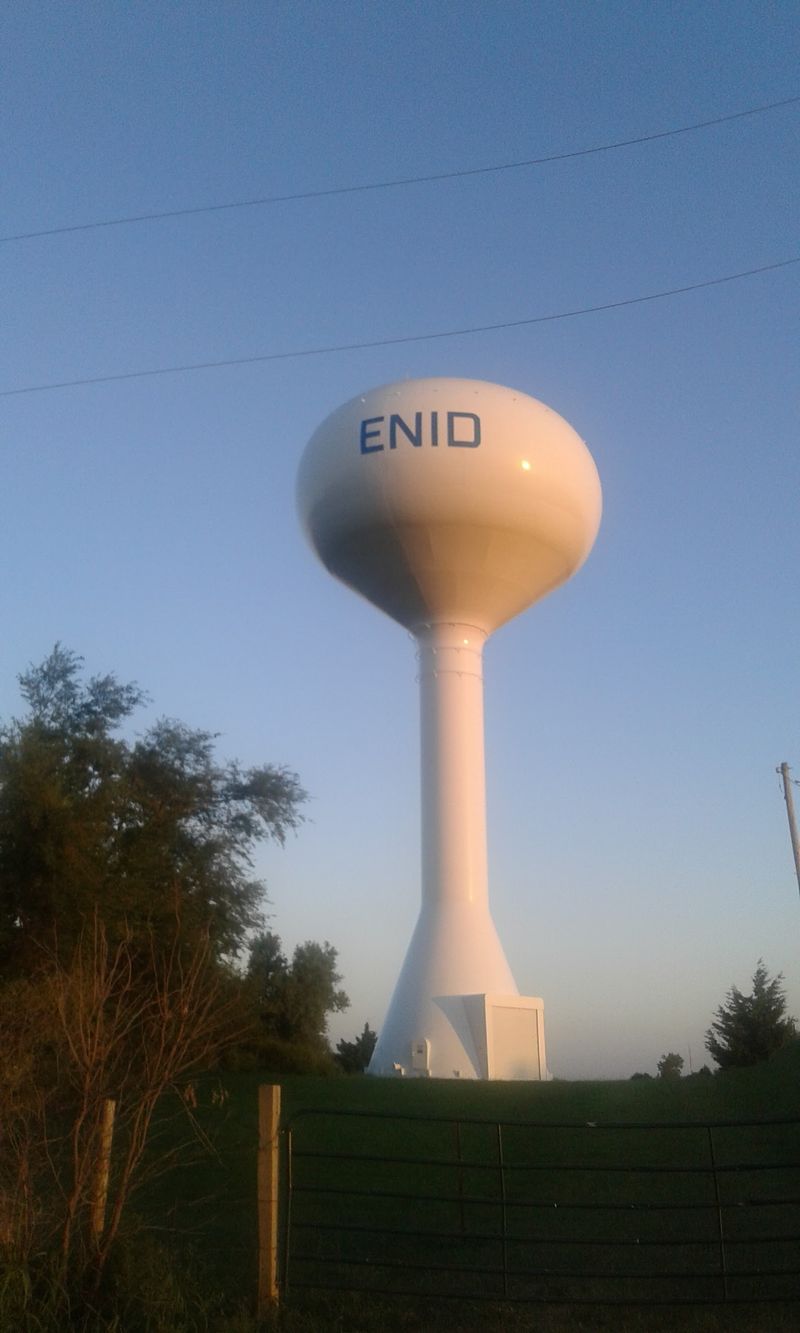
Enid Public Schools educate around 8,000 students across the district, offering the kind of close-knit environment that larger cities can’t replicate.
Teachers often know not just their students but entire families, creating continuity across generations.
That familiarity can feel intrusive to some, but it also means kids don’t slip through cracks as easily as in anonymous urban systems.
High school sports bring the community together on Friday nights, with football games drawing crowds that represent a significant percentage of the town’s population.
Academic competitions, music programs, and theater productions receive genuine community support, not just polite attendance.
The schools aren’t perfect, they face funding challenges, teacher shortages, and the same pressures affecting rural education across Oklahoma.
But they benefit from community investment and parental involvement that makes a real difference in student outcomes.
Graduates often leave Enid for college or careers elsewhere, part of the ongoing pattern of rural outmigration affecting small towns everywhere.
Yet many return eventually, drawn back by family connections, affordable living, and the desire to raise their own children in familiar surroundings.
The schools play a central role in that cycle, creating the positive memories and relationships that pull people home.
For parents choosing where to raise kids, Enid’s schools offer something increasingly rare, personal attention, community support, and education rooted in relationships rather than bureaucracy.
That advantage won’t impress tourists or appear in guidebooks, but it matters deeply to families making long-term decisions about where to live.
Quiet Streets Provide Unhurried Pace
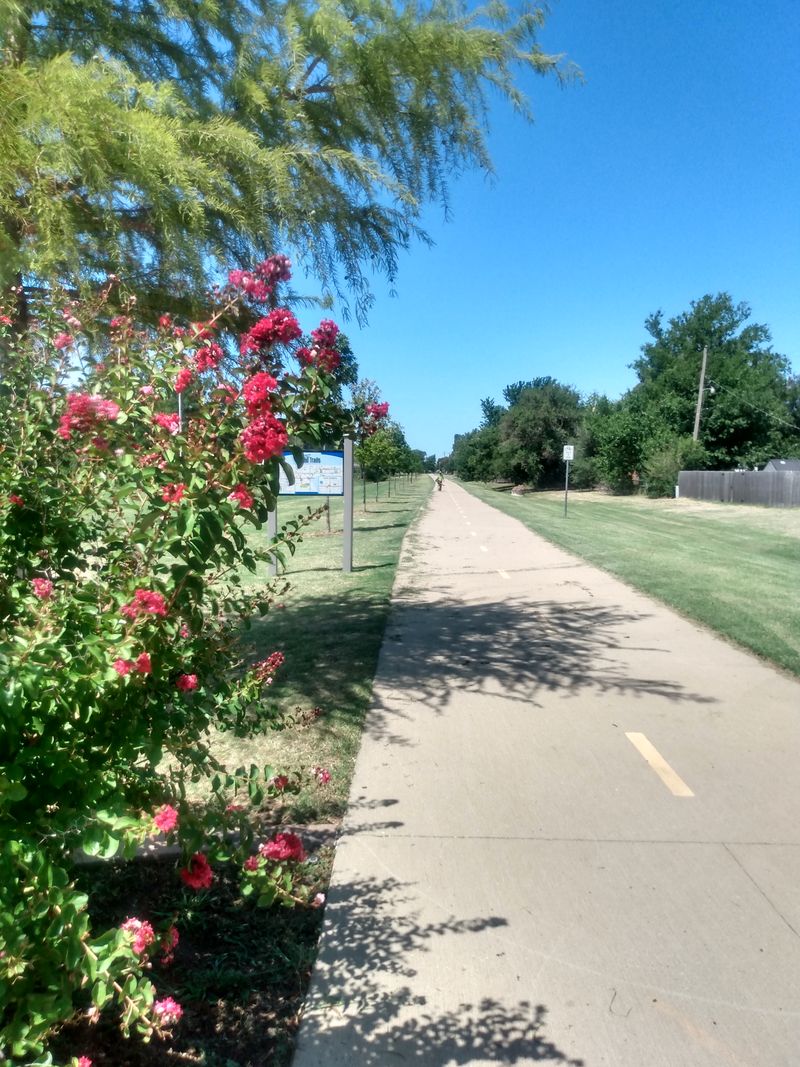
Traffic jams don’t exist in Enid, and rush hour means waiting through two light cycles instead of one.
That simple fact changes daily life in ways hard to quantify but easy to appreciate.
Commutes take minutes rather than hours, leaving time for family meals, evening walks, and the kind of unhurried existence that modern life usually denies.
Neighbors still chat across fences, kids ride bikes to friends’ houses, and people wave to passing cars on residential streets.
These small-town habits persist here not as nostalgia but as practical reality enabled by Enid’s size and pace.
The slower rhythm frustrates some residents, particularly younger people craving more excitement and opportunity.
But others find it essential to their wellbeing, a buffer against the stress and exhaustion that define contemporary American life.
You can run errands without strategic planning, reach any destination in town within fifteen minutes, and rarely encounter crowds.
That convenience matters more as people age and patience for urban chaos diminishes.
Enid’s quiet streets won’t thrill visitors accustomed to constant stimulation and activity.
But they provide something increasingly precious, space to breathe, time to think, and freedom from the relentless pace that exhausts so many people.
Locals protect that quality fiercely, resisting changes that might bring growth at the cost of the unhurried life they value.
For them, boredom beats burnout, and a town where nothing much happens represents success rather than failure.
That perspective confuses outsiders but sustains the people who choose to call Enid home.
Dear Reader: This page may contain affiliate links which may earn a commission if you click through and make a purchase. Our independent journalism is not influenced by any advertiser or commercial initiative unless it is clearly marked as sponsored content. As travel products change, please be sure to reconfirm all details and stay up to date with current events to ensure a safe and successful trip.
