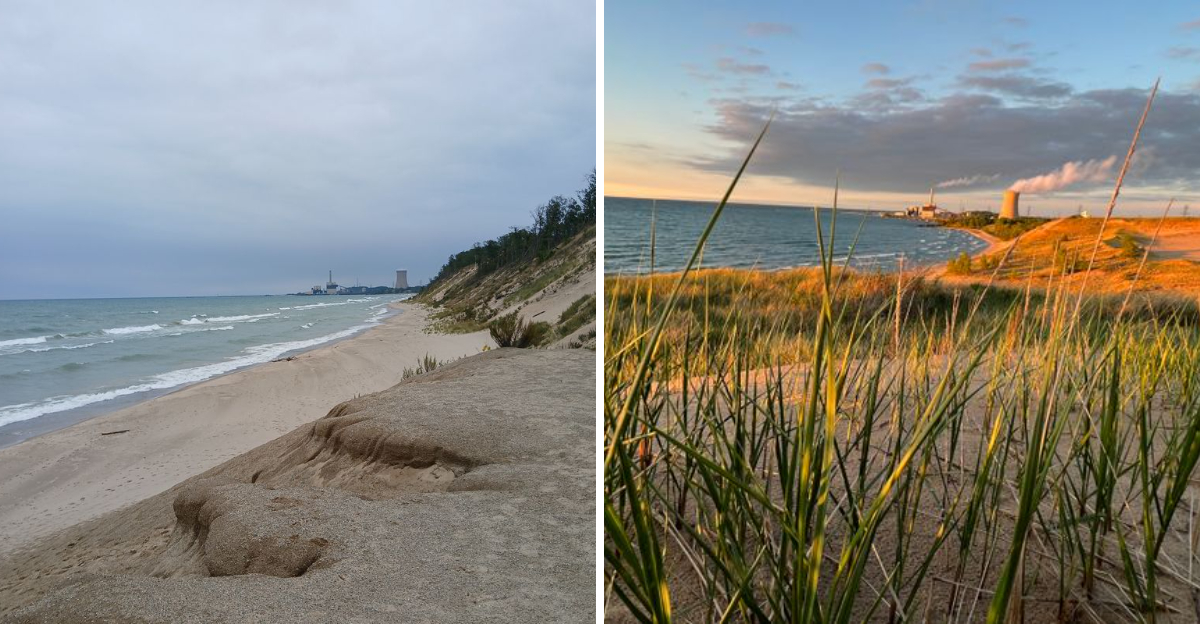
Visiting Mount Baldy as a kid, climbing that massive sand dune felt like conquering a mountain on Mars. The view from the top stretched endlessly across Lake Michigan, and the beach below felt like our own private paradise.
Fast forward to last summer, and the scene had changed dramatically. By 9 AM, the parking lot was packed.
Trails that once felt peaceful now resembled a busy highway, with families, photographers, and tourists from all over. Don’t get me wrong, it is great that people appreciate this natural wonder, but the impact of so many footsteps, the litter left behind, and the strain on this fragile ecosystem has become impossible to ignore.
Mount Baldy has become a victim of its own beauty. This living sand dune, which moves up to 20 feet every year, now faces challenges beyond natural erosion.
From safety closures to environmental concerns, signs of overtourism are everywhere.
The Dune Is Permanently Closed for Climbing Due to Safety Incidents
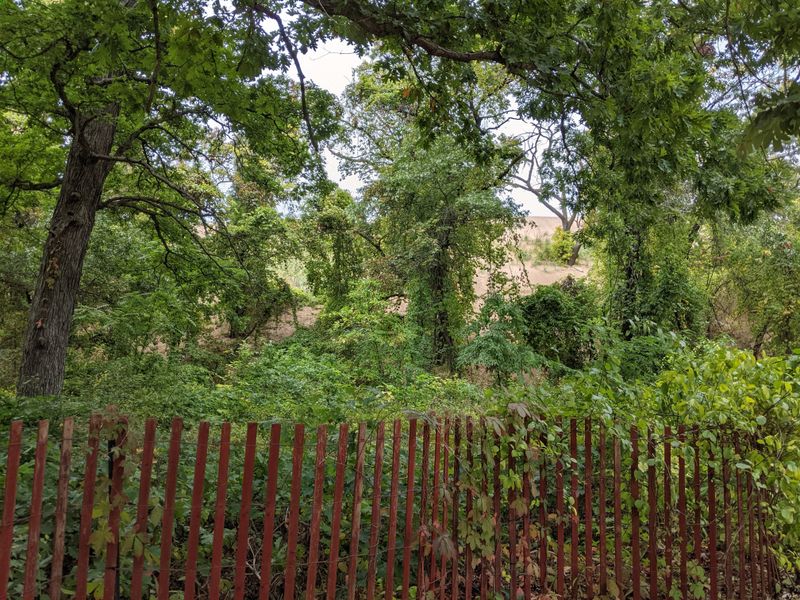
Back in 2013, a terrifying incident changed Mount Baldy forever. A six-year-old boy fell into a sinkhole created by a buried, rotting oak tree and was trapped under 11 feet of sand for over three hours.
Miraculously, he survived after an intense rescue operation, but the National Park Service immediately recognized the hidden dangers lurking beneath the dune’s surface.
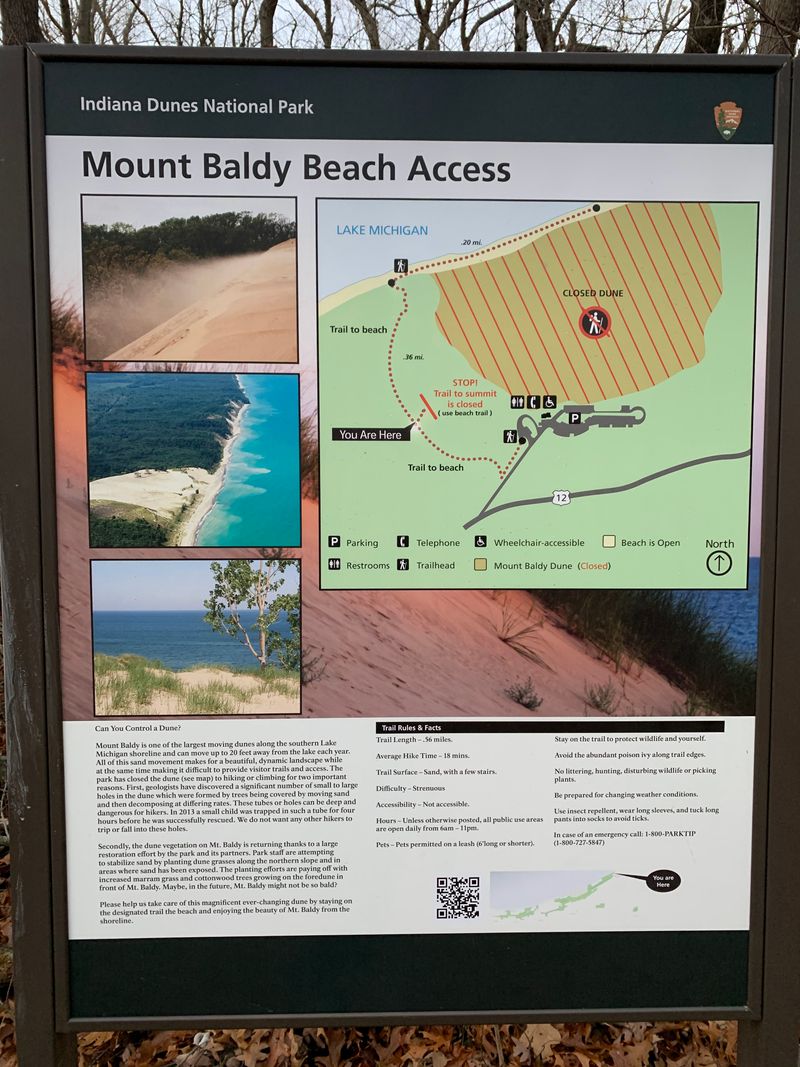
Since then, climbing Mount Baldy has been strictly prohibited except during ranger-led tours. You’ll see fences and clear warning signs posted throughout the area, yet visitors still ignore them regularly.
The temptation to scale that towering sand mountain proves too strong for many tourists who either don’t read the signs or simply don’t care about the risks.
This closure represents a direct consequence of increased foot traffic destabilizing the dune’s structure. Trees buried by the moving sand create hidden voids that can collapse without warning.
Rangers patrol the area, but with thousands of visitors each year, enforcement becomes nearly impossible.
The tragedy that prompted this closure could have been prevented if the dune hadn’t been so heavily trafficked in the first place. Now, one of Mount Baldy’s main attractions remains off-limits, a bittersweet reminder of what happens when nature and overtourism collide.
Parking Has Become a Nightmare During Peak Season
Finding a parking spot at Mount Baldy during summer weekends now requires either extreme luck or arriving before sunrise. The small parking lot fills up completely by mid-morning, forcing visitors to park along roadsides or turn away disappointed.
What was once a peaceful starting point for a nature hike has transformed into a source of frustration and traffic congestion.
Local residents near the park entrance have complained about cars blocking driveways and creating safety hazards. The National Park Service has tried implementing timed entry systems during peak periods, but the demand continues to exceed capacity.
On holiday weekends, the situation becomes almost comical, with visitors circling like vultures waiting for someone to leave.
This parking crisis didn’t exist a decade ago when Mount Baldy remained a relatively unknown gem among Indiana’s natural attractions. Social media has transformed it into a must-see destination, with Instagram posts and travel blogs drawing crowds from Chicago, Indianapolis, and beyond.
The infrastructure simply wasn’t designed to handle this volume of visitors.
Sand from the encroaching dune now creeps into the parking lot itself, reducing available spaces even further. The irony isn’t lost on anyone: the very attraction people come to see is literally consuming the space needed to accommodate them.
Erosion and Sand Migration Have Accelerated Dramatically
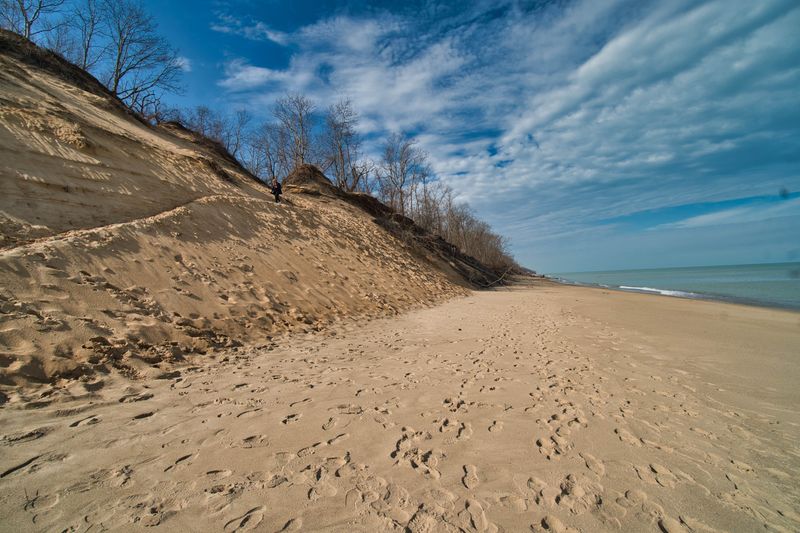
Mount Baldy naturally moves inland about four feet annually, but recent measurements suggest this migration has accelerated significantly. Scientists attribute part of this change to climate factors, but the constant trampling by thousands of feet destabilizes vegetation that normally helps anchor the sand.
Every step on fragile dune grass contributes to the problem.
Walk around the area today and you’ll notice sand creeping everywhere it shouldn’t be. The parking lot edges disappear under drifts.
Trail markers get buried and need constant repositioning. Prairie grasses and other native plants that once stabilized the dune’s edges struggle to survive the combination of foot traffic and shifting sands.
This accelerated erosion threatens not just the dune itself but the entire surrounding ecosystem. Birds that nest in dune grasses lose habitat.
Plants adapted to specific sand conditions can’t establish roots when the ground constantly shifts beneath them. The wooden stairs and walkways installed to protect sensitive areas require frequent replacement as sand swallows them whole.
Researchers monitoring Mount Baldy have documented changes happening faster than their models predicted. While natural processes play a role, the human impact cannot be ignored.
Each visitor leaves an invisible footprint that collectively reshapes this landscape in ways we’re only beginning to understand.
Litter and Pollution Have Become Persistent Problems
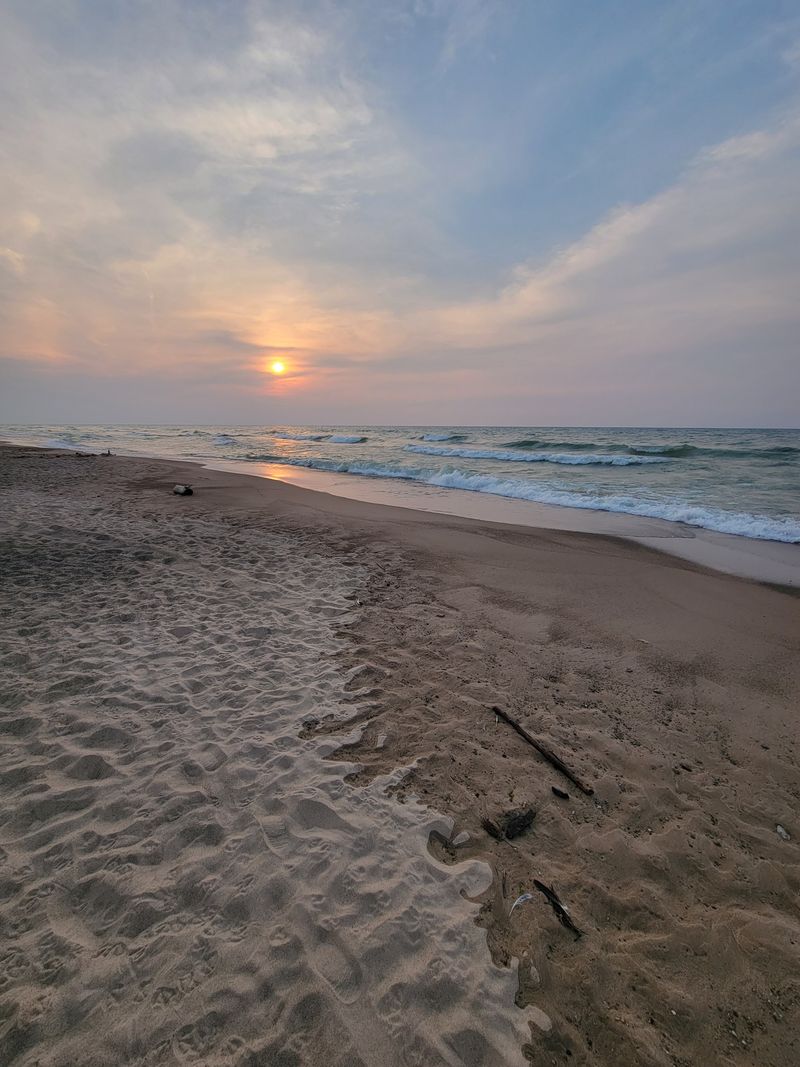
Despite trash receptacles and regular cleanup efforts, litter has become an embarrassing reality at Mount Baldy. Cigarette butts dot the sand like confetti after a parade.
Plastic bottles, food wrappers, and even abandoned beach toys turn up regularly along the trail and shoreline. The pristine natural beauty that draws visitors here gets systematically degraded by those same people.
Volunteers from local conservation groups organize monthly beach cleanups, hauling away bags of garbage that tourists leave behind. One organizer told me they collected over 200 pounds of trash during a single summer cleanup event.
The problem isn’t just unsightly; it poses real dangers to wildlife that can ingest or become entangled in plastic debris.
Water quality testing occasionally shows elevated bacteria levels, partly attributed to the sheer number of swimmers and beachgoers. Warning signs advise against swimming when E. coli levels spike, but enforcement remains challenging.
The nearby industrial presence doesn’t help perceptions, though most pollution comes directly from visitor activity rather than industrial sources.
Educational signage reminds people to pack out what they pack in, yet the message doesn’t reach everyone. Some visitors treat this national treasure like their personal dumping ground, apparently believing someone else will clean up after them.
This tragedy of the commons plays out daily during peak season.
Wildlife Disturbance Has Increased Significantly
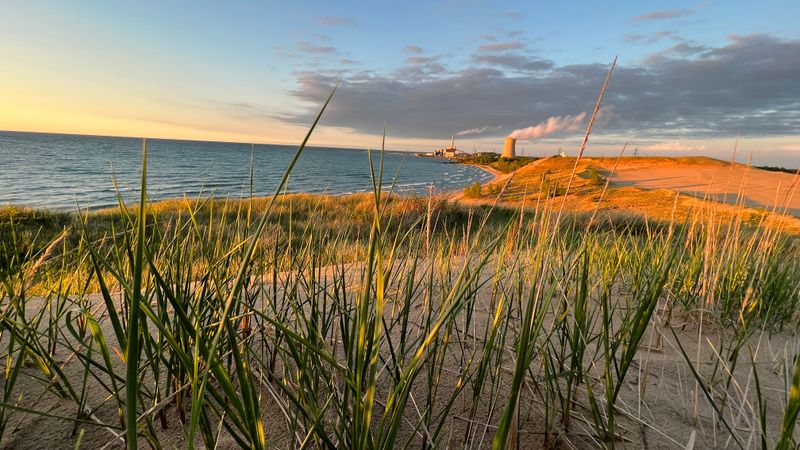
Mount Baldy’s ecosystem supports diverse wildlife, from nesting plovers to foxes that hunt in the dune grass. But as visitor numbers have exploded, these animals face constant disturbance during critical breeding and feeding periods.
Birds that once nested peacefully along the beach now abandon nests when crowds approach too closely.
The Piping Plover, an endangered shorebird, occasionally attempts to nest in the area but faces slim chances of success with thousands of beachgoers passing through. Biologists rope off nesting areas, yet people regularly step over barriers to get closer for photos.
Dogs running off-leash chase birds and disturb habitats despite clear regulations requiring leashes.
Nocturnal animals that once foraged along the beach and dune edges now avoid areas with heavy human presence. This displacement affects their access to food sources and safe shelter.
Even insects face challenges; native pollinators struggle when trampled flowers can’t produce blooms, disrupting the entire food chain.
Park rangers do their best to educate visitors about wildlife protection, but with limited staff covering vast areas, enforcement gaps exist. Many tourists simply don’t understand their impact or believe rules don’t apply to them.
The result is a steadily degrading habitat where wildlife becomes increasingly scarce, replaced by crowds seeking the nature experience that’s vanishing before their eyes.
Trail Conditions Have Deteriorated From Overuse
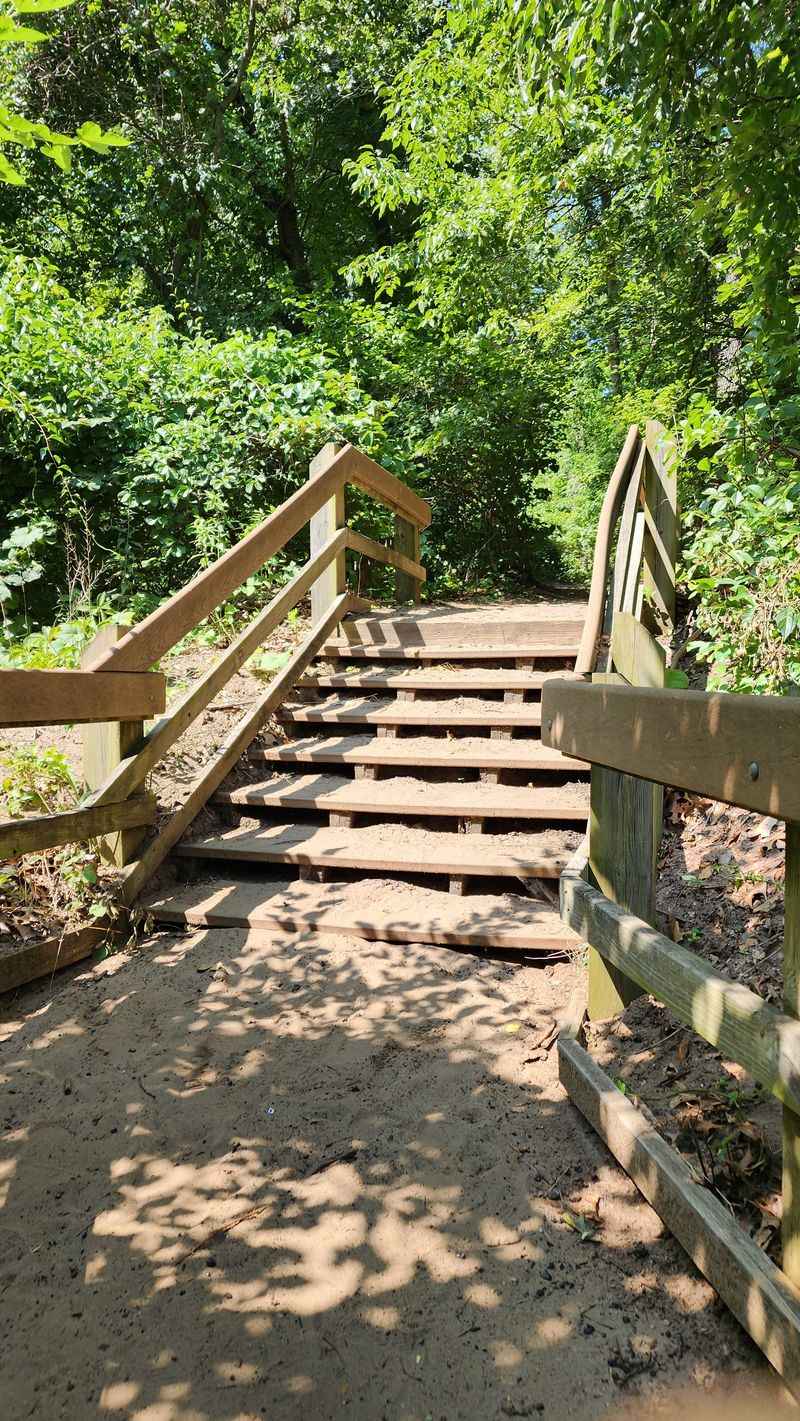
The half-mile trail from the parking lot to the beach used to be a pleasant woodland walk. Today it resembles a sandy highway beaten down by endless foot traffic.
The path has widened considerably as people walk alongside the main trail to avoid crowded sections or muddy spots, creating multiple parallel tracks that damage surrounding vegetation.
Tree roots once hidden beneath the trail surface now stick up like knuckles, creating tripping hazards. The sand base has eroded in many sections, making the walk more strenuous than necessary.
During wet periods, the trail becomes a muddy obstacle course, and during summer, the deep sand makes every step feel like a workout.
Maintenance crews work constantly to repair damage, but they can’t keep pace with the volume of users. Boardwalk sections installed to protect sensitive areas show wear from thousands of footsteps daily.
Handrails get loose, steps become uneven, and the infrastructure ages prematurely under the constant assault.
What bothers me most is seeing people create their own shortcuts, trampling dune grass and fragile plants to save a few steps. These unofficial trails cause additional erosion and habitat destruction.
Signs asking visitors to stay on designated paths get ignored, and the cumulative effect is a trail system that looks increasingly ragged and worn despite ongoing restoration efforts.
The Beach Experience Has Lost Its Peaceful Character
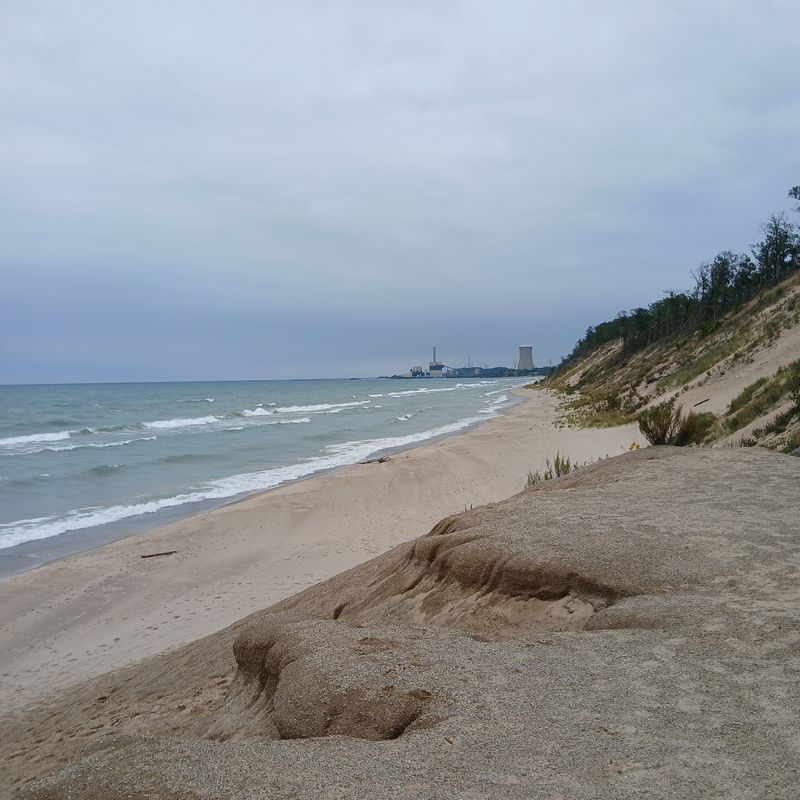
I used to bring a book to Mount Baldy beach and spend hours in peaceful solitude, listening to waves and watching gulls. Those days are gone.
Now the beach resembles a crowded resort, packed shoulder-to-shoulder with groups blasting music, children screaming with delight or frustration, and the general chaos of mass tourism.
During peak summer weekends, finding a quiet spot becomes impossible. The beach stretches for miles, yet people cluster near the trail exit, creating a congested zone that feels more like a city park than a national lakeshore.
Frisbees fly overhead, soccer balls bounce past, and the serene nature experience many visitors seek simply doesn’t exist anymore.
This transformation isn’t entirely negative; families deserve access to beautiful natural spaces, and watching kids discover Lake Michigan’s wonders brings joy. But something fundamental has been lost when a place becomes so overrun that its essential character disappears.
The solitude, the connection with nature, the sense of discovery all vanish when you’re surrounded by hundreds of other people.
Long-time visitors often express disappointment with how Mount Baldy has changed. Some have stopped coming altogether, seeking quieter beaches elsewhere in the Indiana Dunes system.
The question becomes: at what point does making a place accessible to everyone destroy the very qualities that made it worth visiting?
Dear Reader: This page may contain affiliate links which may earn a commission if you click through and make a purchase. Our independent journalism is not influenced by any advertiser or commercial initiative unless it is clearly marked as sponsored content. As travel products change, please be sure to reconfirm all details and stay up to date with current events to ensure a safe and successful trip.
