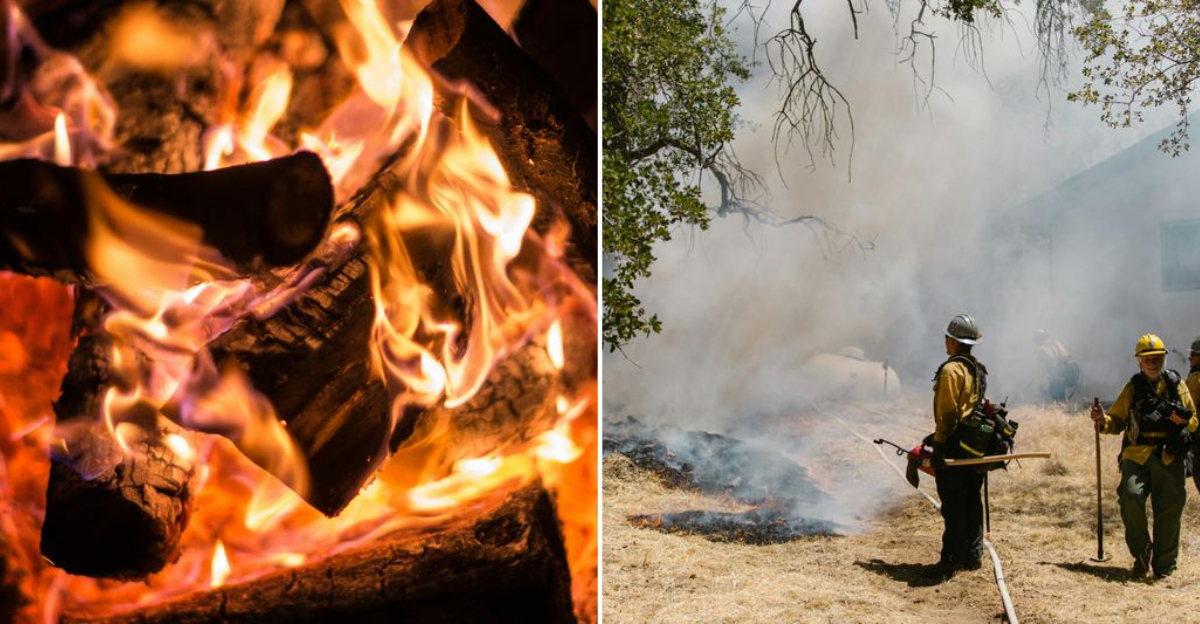
Ever thought a campfire in the middle of Montana’s Glacier region would be the perfect way to end a day outdoors? For tourists, that simple idea can actually lead to serious trouble. What feels like a cozy tradition, roasting marshmallows under the stars, comes with strict rules here, and breaking them can mean fines or even bigger penalties.
Glacier National Park is known for its breathtaking views, but it’s also a place where fire danger is taken seriously. Dry conditions, strong winds, and fragile ecosystems make campfires risky, even when they seem harmless.
Many visitors don’t realize that certain areas ban fires altogether, or that permits are required in others. Locals and park rangers often shake their heads at tourists who light up without checking the rules first. It’s not about spoiling the fun, it’s about protecting the park and keeping everyone safe.
So before you strike a match in Glacier, think twice. The best way to enjoy the park is to follow the rules and leave the firewood behind.
Fire Restrictions Change Faster Than Visitors Expect
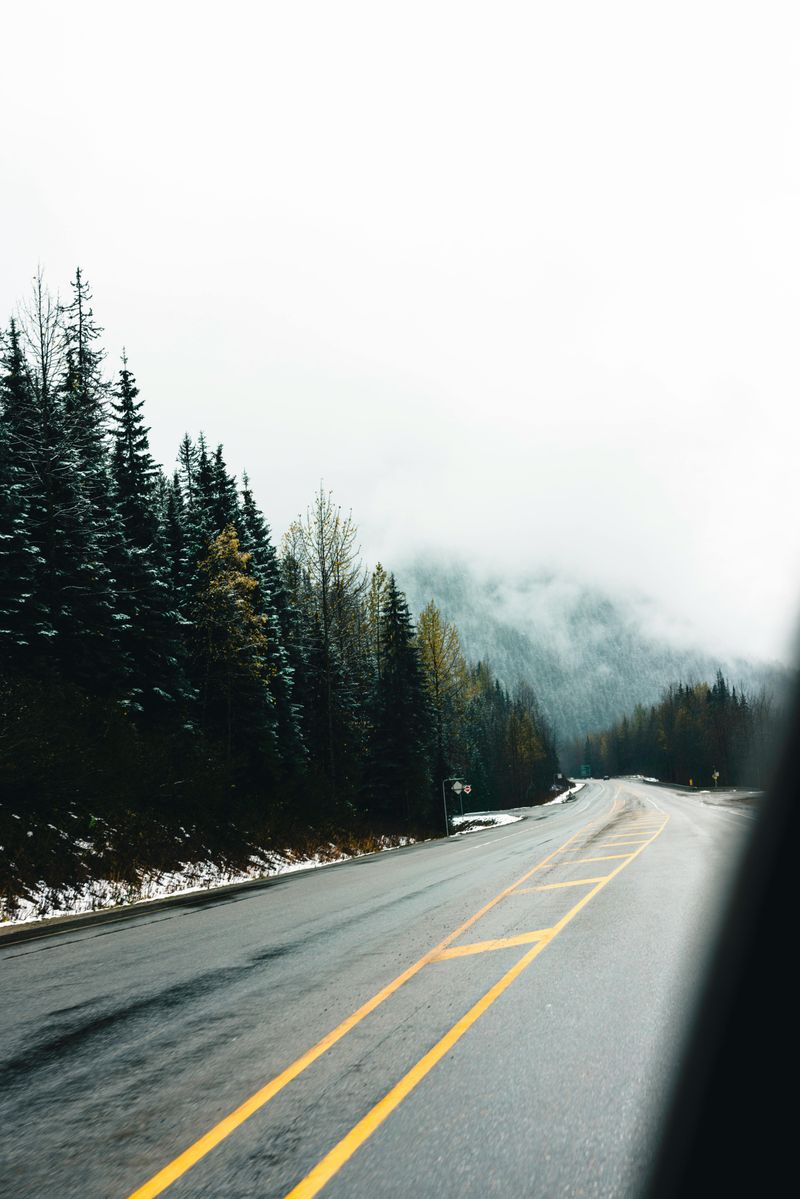
You know how the weather in the mountains flips without warning? Fire rules act the same way, and Glacier is notorious for rapid changes.
Yesterday’s green light can become today’s hard no, especially when wind, humidity, and nearby fires shuffle the deck.
The tricky part is that travelers lean on last year’s memory or an old trip report. Rangers are not grading you on effort, they enforce the current order of the day.
That means a fire you saw on social media might be illegal when you roll into camp this afternoon.
So what should you do? Pull up the park’s official alerts before you leave cell service, and double check at visitor centers and trailheads.
You will see notices posted at campgrounds, kiosks, and sometimes right on the reservation board.
One more tip, because it saves headaches: if the forecast shifts or smoke drifts in, expect restrictions to tighten rather than loosen.
When in doubt, treat fire as off limits and reach for a stove.
Montana weather can trick even seasoned locals, and Glacier’s microclimates are no joke. You may drive from drizzle into dry sun in a single hour.
That swing matters when sparks are involved, and the rules respond to that reality.
Many Areas Are Under Permanent Fire Bans
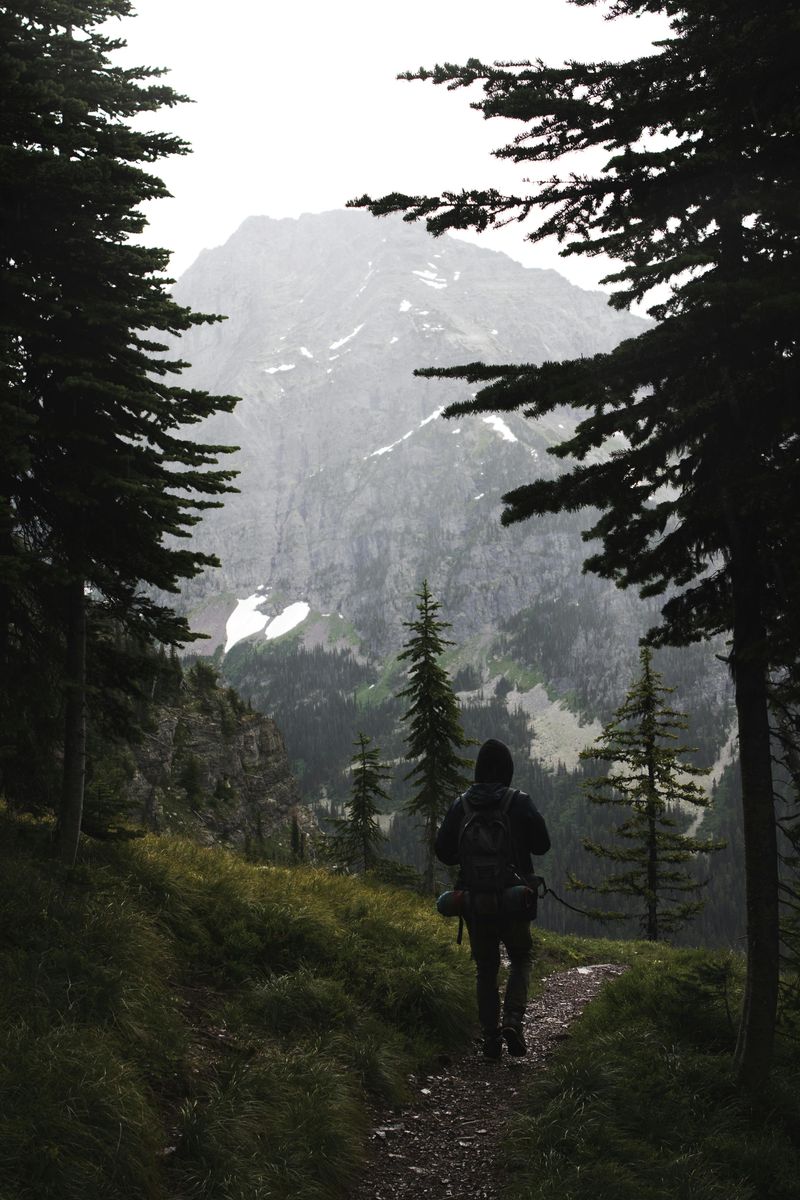
Here’s a curveball people miss. Whole chunks of Glacier live under permanent fire bans, especially outside metal rings and in fragile backcountry zones.
Even in mellow weather, open flames are simply not on the menu there.
Remote does not mean relaxed. It usually means stricter, because alpine soil and subalpine plants cannot bounce back fast.
You will see signposts and permit notes that say stoves only, and rangers do follow up.
If you grew up with classic campfire nights, this can feel like a letdown. Swap the sparks for quiet stove heat and star watching.
The upside is less smoke in your gear and fewer embers to babysit.
Make it easy on yourself: read the campground board when you pull in, and check the backcountry site sheet if you scored a permit.
If the words fires prohibited appear, do not try to bargain with the rule.
Montana’s Glacier region draws big crowds and the land takes that pressure hard. Permanent bans keep fragile spots from getting hammered by repeat fire scars.
It is conservation that you can help with by just striking a lighter less often.
Campfires Outside Designated Rings Are Illegal
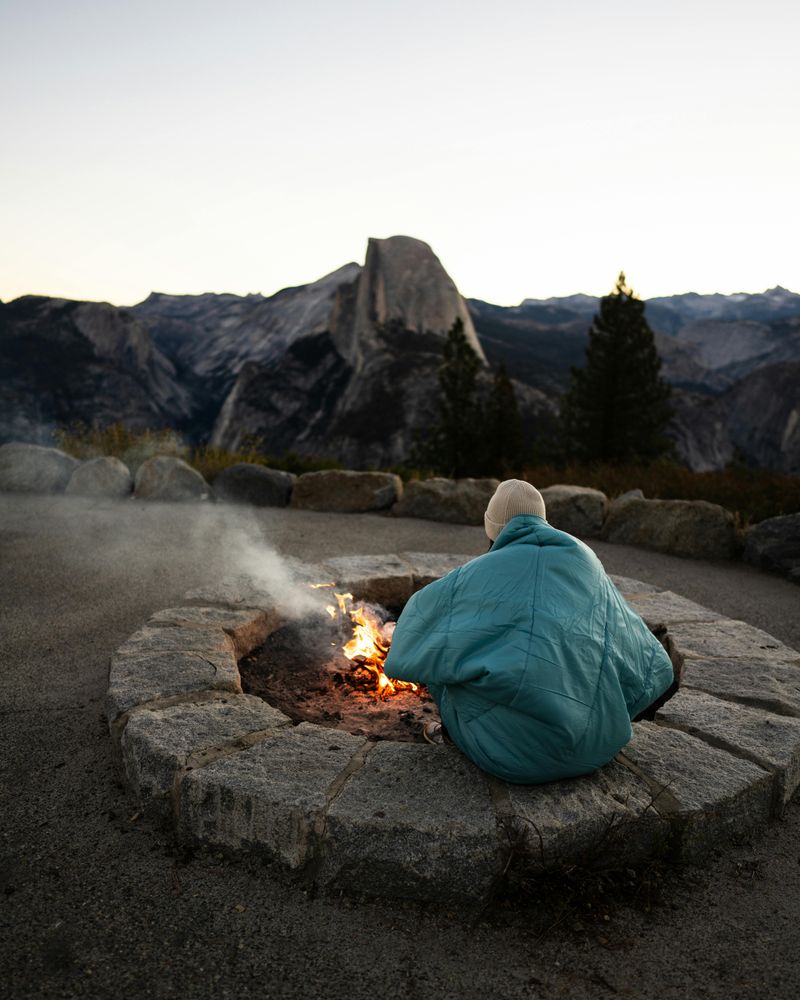
Let’s keep this simple: if there is no approved metal ring, there is no fire. Building your own pit with rocks might feel rustic, but it is still a violation here.
Rangers consider unauthorized pits as resource damage and cleanup work. Scorched soil and scattered coals stick around far longer than people think.
That mess spreads as others copy it, and the landscape wears the cost.
When fires are allowed, stick to the installed ring at your site. Do not move it, and do not stack new stones around it.
The ring is designed for containment and easier inspection.
Common sense helps here. Clear the area inside the ring, keep the fire small, and never leave it unattended.
If the flame looks pushy in the wind, snuff it early.
I think the fastest way to avoid a fine is to follow the ring rule every single time. It is also the fastest way to keep the campsite clean for the next crew.
Before bed, drown the coals, stir, then drown again until it is cold to the touch. That little routine beats a smoky wake up call.
It also shows any ranger doing a sweep that you took care of business.
High Winds Turn Small Fires Into Big Problems
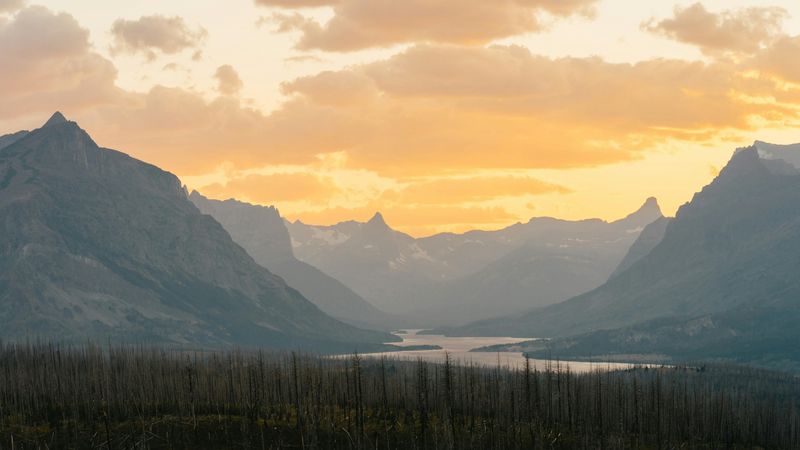
Have you felt those sudden gusts blasting through Glacier’s valleys? They roll over passes and spill into campgrounds without warning.
A tame flame can throw sparks across dry needles in a blink.
Investigations in this region point to wind as a top risk. It lifts embers, pushes flames sideways, and turns warm coals into a moving target.
People underestimate it because the air feels cool and clean.
Here is the move: if the trees are shushing hard or your hat wants to fly, skip the fire. Even a legal ring cannot cage a wind driven ember when things dry out.
Conditions here stretch long into shoulder seasons, and wind loves those crisp evenings. A stove stays steady and does not launch sparks.
You can still settle in, talk, and keep your gear safe.
Make sure to pay attention to forecast notes for gusts and red flag days. Trailhead boards will sometimes spell this out.
If you are debating it, the answer is usually not tonight.
Your road trip should be about mountain air, not stress. A calm camp with no flying embers feels better anyway.
Tomorrow’s sunrise will thank you for leaving the needles unscorched.
Wildfire Penalties Can Include Heavy Fines
Let me put it plainly: lighting an illegal fire here can cost a lot, and it stacks fast if suppression crews get involved. Rangers do not weigh your intent as much as the impact.
If a flame escapes and scorches brush, the math gets serious. You could face citations and be on the hook for response costs.
Those are real, and they add up beyond a simple ticket.
This is not scare talk, it is the way Montana agencies protect communities and landscapes. Glacier is both wild and close to towns, and that mix needs tight enforcement.
So make sure to check restrictions, use a stove when needed, and keep fires tiny and legal when allowed. Put it out cold before you ever think about sleep or a short walk.
Keep paperwork handy too. If you have a site reservation or permit with conditions, know what it says.
A ranger will ask, and you will want to answer clearly without fumbling.
At the end of the day, avoiding fines is easy if you keep your choices simple. If there is doubt, do not light it.
Enjoy the stars, breathe, and save your cash for the next trailhead.
Fire Season Lasts Longer Than People Realize
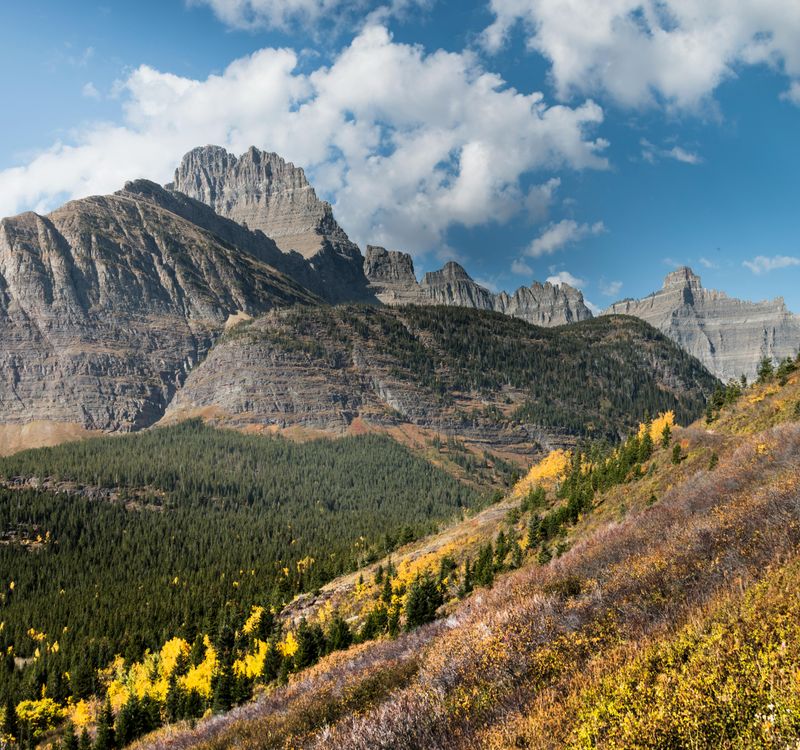
It sneaks up on folks, myself included. Everyone thinks fire risk ends when summer vacations slow down.
In reality, dry grasses and forests keep their spark well into the fall.
Glacier sits in a spot where shoulder season can be brisk and still very dry. Sunny days pull moisture out of fuels, then wind does the rest.
Restrictions linger longer than most travelers plan for.
The fix is a mindset shift: do not tie your expectations to the calendar, tie them to current conditions. If signs say restricted, it is not a suggestion just because the air feels cool.
Montana’s wide skies can show clouds in the morning and sharp blue by lunch. That flip dries trails and camps fast.
A short window of heat can push risk right back up.
I always pack like it is still fire season unless I have seen a clear all. Bring the stove, skip extra wood, and leave the spark kit buried, it makes your setup lighter and your choices simpler.
If the rules loosen for a day, keep it small and smart. When they tighten again, pivot without complaint.
That flexibility is the difference between a chill trip and a stressful one.
Stoves Are Allowed Where Fires Are Not
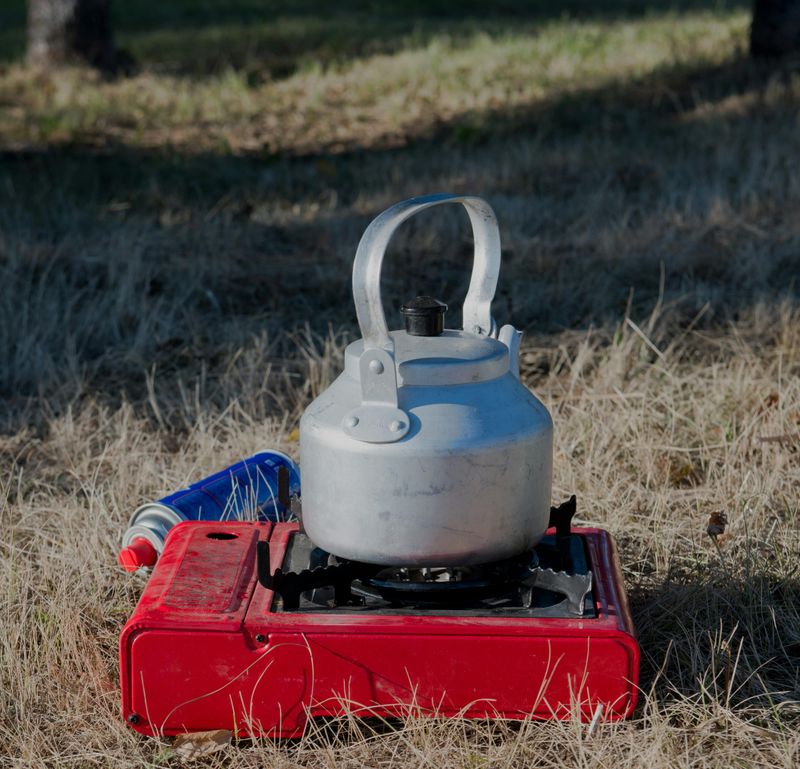
Here is the easy win: portable stoves usually get the green light even when open flames are paused. They are efficient, controlled, and quick to cool down.
Rangers like them because sparks stay put and fuel use is tidy. You flip a valve, do your thing, then twist it off; no ash rings, no smoldering surprises in the morning.
Bring a stable surface and a windscreen if conditions are gusty. Set the stove on bare soil or rock, and keep a little water nearby just in case.
If your brain is saying but I want crackle, swap the soundtrack for a warm layer and a good view. The Milky Way out here does most of the work anyway.
You will not miss the smoke in your clothes.
Montana trips often span different camp zones, from car sites to backcountry pads. A compact stove bridges them all and keeps you consistent with the rules.
Check your fuel type against the latest notes. Some restrictions call out specific stove styles, so read carefully.
Once you lock that in, camp life stays smooth and relaxed.
Burning Wood You Bring In Can Break Rules Too
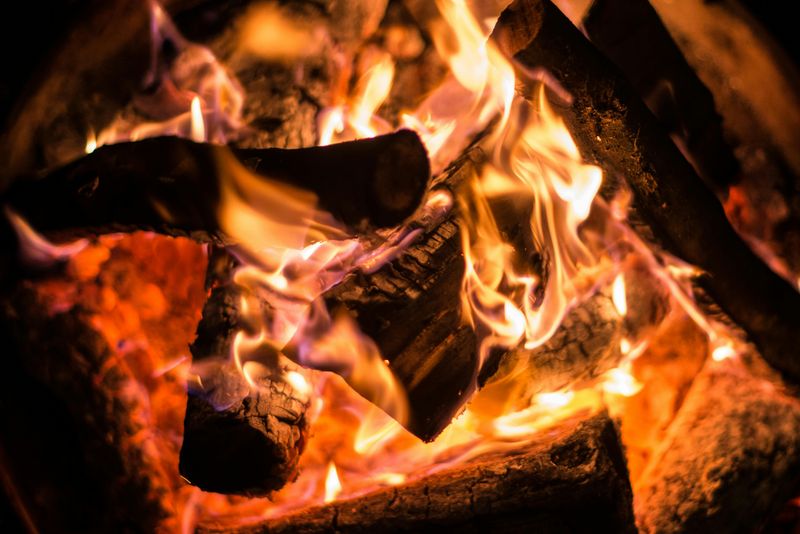
This one surprises people. Bringing outside firewood into Glacier is tightly controlled because insects hitch rides in bark, even a clean looking log can carry trouble.
Rules often require purchased, approved wood from nearby sources or ban outside wood completely. Rangers check for that, and penalties can stack with fire violations.
The goal is to protect forests, not make your evening harder, so skip the trunk stash from another region.
If fires are allowed, plan to use local approved bundles or better yet, lean on a stove. Your car will smell nicer anyway.
Forests here have fought off invasive pests before, and prevention beats cure. One infected batch can spread further than you think.
Keeping wood local keeps trees standing and trails shaded.
Look for posted notes at entrances and campground boards, they spell out what counts as allowed wood and how far it can travel.
When it is unclear, ask at a ranger station before you roll in.
Bottom line, a small habit change helps the whole region. Carry a stove, confirm the wood rule, and pass the word along to your crew.
That is how you keep Glacier’s air crisp and the pines healthy.
Smoke Alone Can Trigger Enforcement
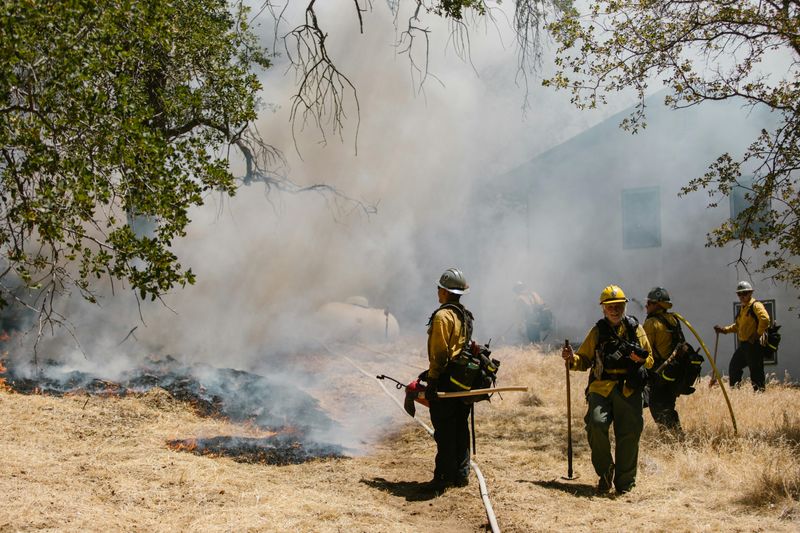
Think your small fire is fine because it is low and tidy? If smoke is visible during high risk periods, it can bring rangers to your site quickly.
They move fast because early action stops bigger problems, and that means your legal ring will not save you if restrictions say no fires today. A drifting plume is enough to prompt a check.
People get surprised by how quickly a vehicle rolls up, so play it cool and read the day’s rules. If they say no open flames, keep the lighter pocketed.
A stove keeps smoke nearly invisible and nerves calm.
Montana crews coordinate with lookout reports and visitor calls. Smoke sightings are logged and routed fast.
It is a safety net that works best when visitors do their part.
If you see smoke on a distant slope, report it as instructed on park materials. Do not try to investigate, just pass the info along.
Know that clear details help responders move in the right direction.
At your own camp, treat smoke like a signal you should change course: snuff it, stir it, and soak it until nothing rises. Then kick back and watch the light fade without worry.
Federal And State Agencies Coordinate Enforcement
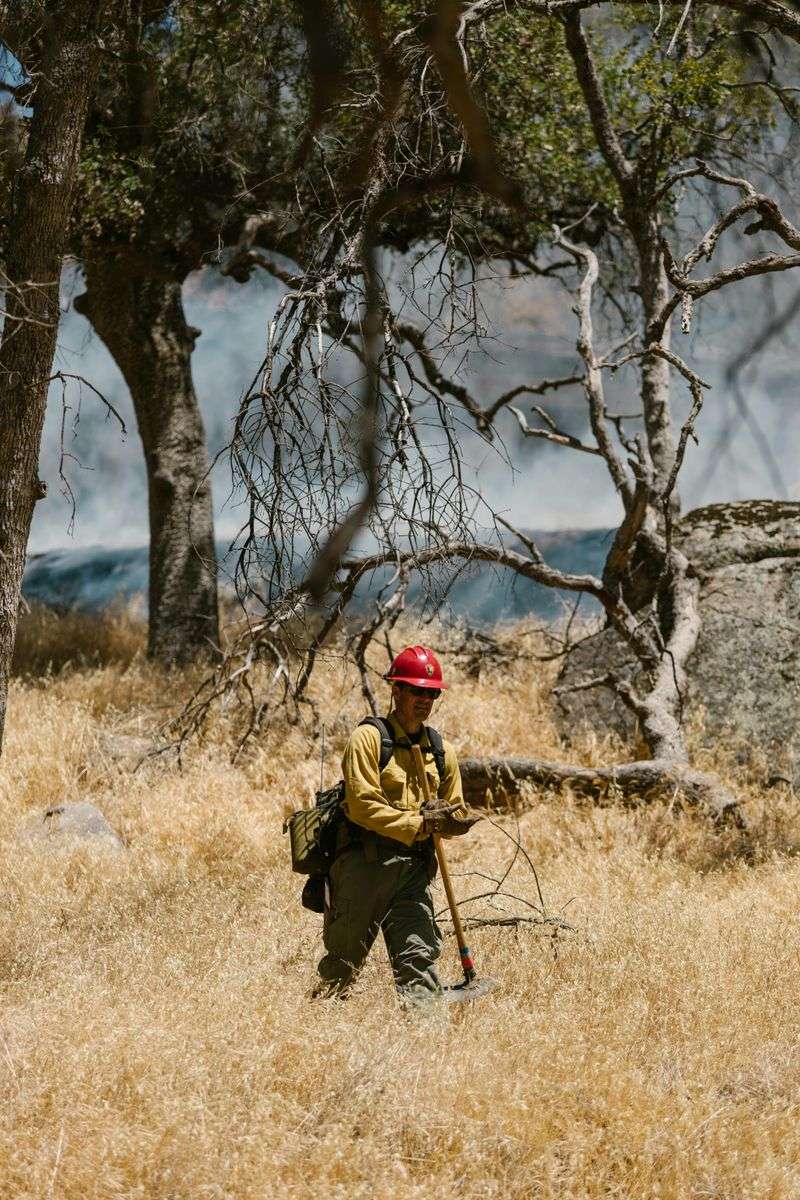
Here is where people get mixed up: crossing a boundary does not mean the rules relax. Glacier is ringed by national forest and other lands that coordinate closely on fire policy.
The National Park Service and the U.S. Forest Service share intel and sometimes run joint patrols.
So if you step outside the park and think it is game on, think again.
The enforcement net is tight on purpose.
I think the best move is to check both the park alerts and nearby forest notices. They often mirror each other during high risk periods.
That way your plan stays consistent wherever you camp.
This state has a strong culture of cooperation on wildfires. Local crews, state teams, and federal staff trade updates daily, and visitors benefit when the message stays clear and simple.
Use that clarity to your advantage. If one site is restricted, a nearby one probably is too, so switch to a stove and call it good.
On a road trip, this makes life easier. One set of habits works across the region, you move smarter, stress less, and leave the mountains just as you found them.
Dear Reader: This page may contain affiliate links which may earn a commission if you click through and make a purchase. Our independent journalism is not influenced by any advertiser or commercial initiative unless it is clearly marked as sponsored content. As travel products change, please be sure to reconfirm all details and stay up to date with current events to ensure a safe and successful trip.
