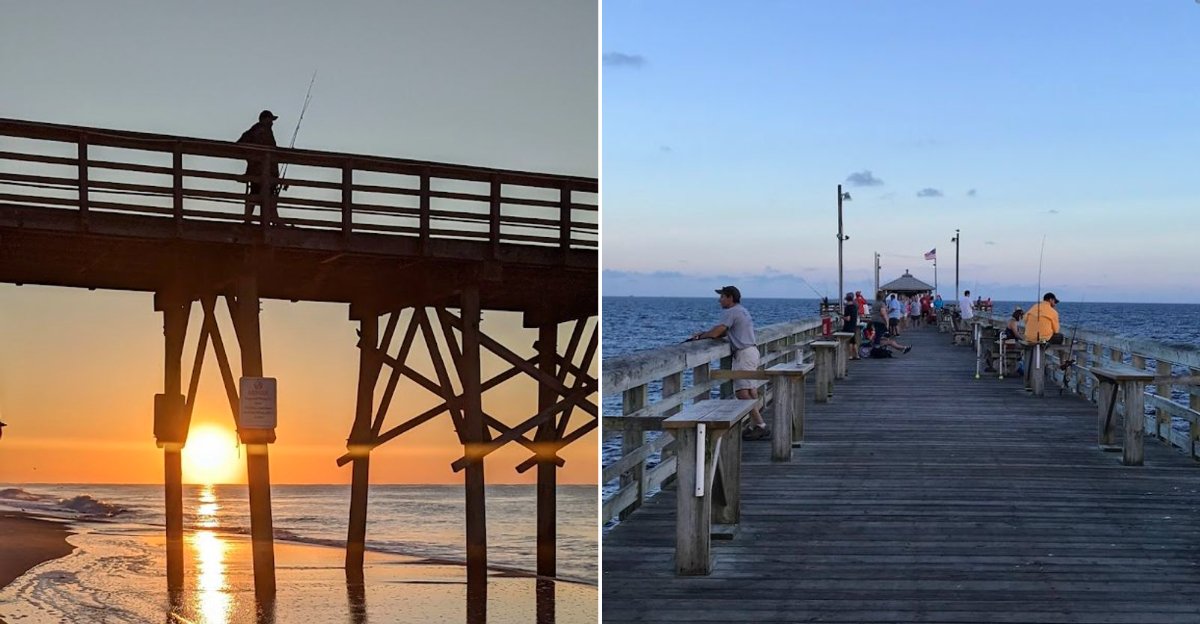
Nothing tests your patience like a “relaxing” fishing pier that turns into a crowd sport. North Carolina piers can be perfect, with salty air, rolling waves, and that simple plan of dropping a line and letting time slow down.
Then the tourist rush hits, and the railing becomes prime real estate. People bunch up shoulder to shoulder, coolers sprawl, lines cross, and suddenly you are doing polite-but-tense math about where your hook can go without starting a feud.
The worst part is how fast it escalates. One person leans over your spot, another sets up too close, someone swings a cast like they are in a competition, and the whole pier starts feeling like a negotiation.
Locals know the drill. Go early, pick your section wisely, and keep your gear tight so you are not taking up three people’s space.
The Sunrise Rush That Turns Calm Fishing Into A Crowd Sport
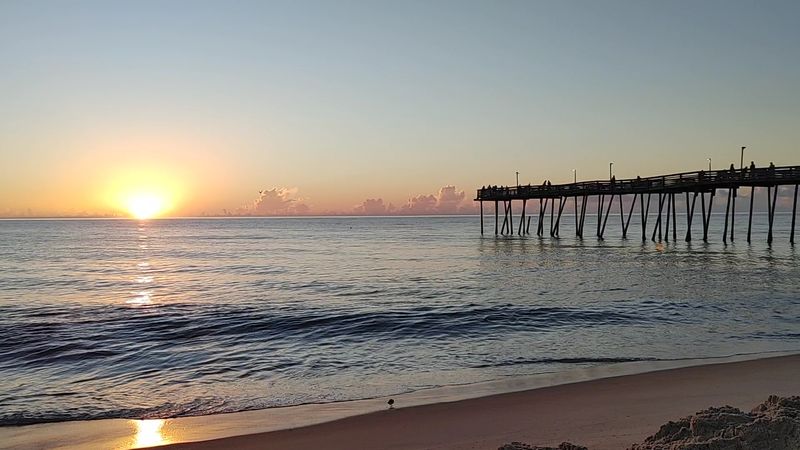
You ever roll up to Avalon Pier right before first light and feel that quiet hope, then watch it vanish when headlights stack along the lot? That hush over the Atlantic looks peaceful until the first cart rattles up the boards and the whole rail wakes up.
I slide into a gap, tie my leader fast, and reach for the first cast, but someone ghosts in with a bucket and parks it like a placeholder. Nobody says much, yet we all start doing tiny calculations about elbow room and angles.
North Carolina sunrises are pretty, sure, though nothing makes people move quicker than the rumor of a drum pushing bait toward the end. You can feel the pier take a breath like it is bracing.
The trick I use is simple, and it is just timing plus patience. Get there a touch earlier than you want, then chat like you belong.
Most folks soften when you sound local about tides and wind. If not, keep your tone warm and stay planted.
When that first hookup happens, the crowd tightens and feet creep. I angle my rod high, smile, and pretend none of us are crowding.
The Railing Claim Game That Starts With One Extra Rod Holder
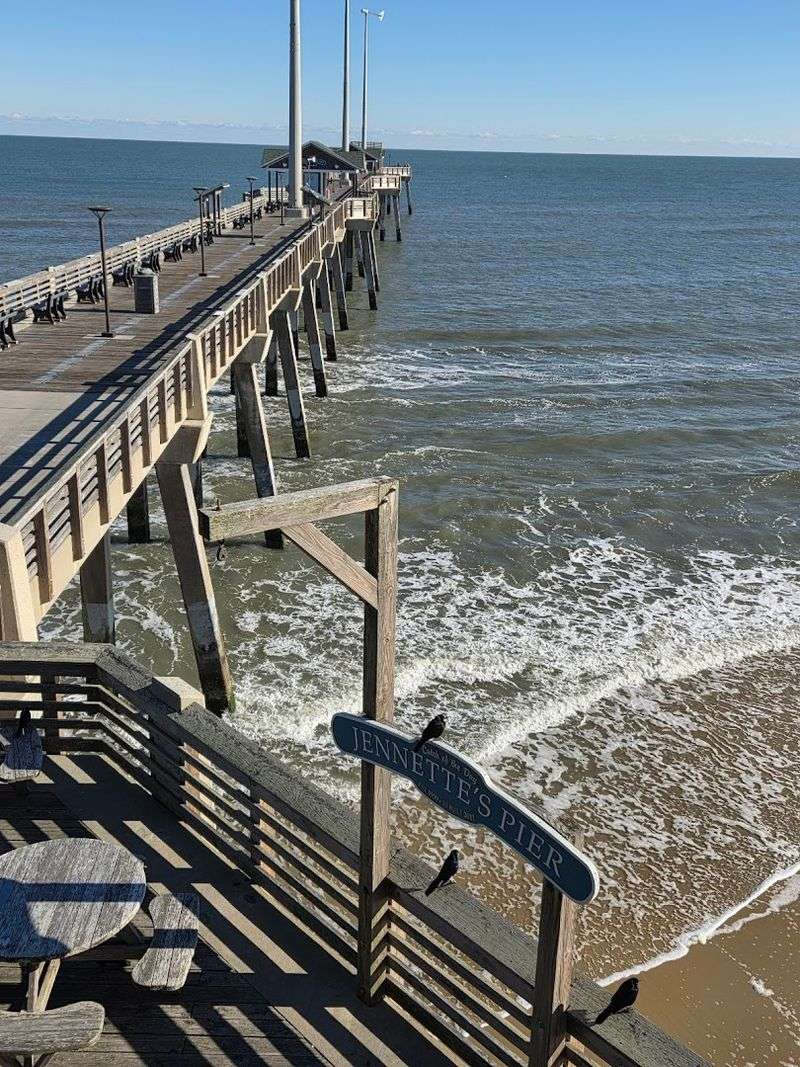
You know how it begins at Jennette’s Pier with someone quietly clamping a second rod holder, then a third shows up like it sprouted? Nobody argues yet, but you can see the squeeze coming like a slow tide.
I have learned to mark space with kindness, not hardware. A small stool and one tidy rod holder send a calmer message than a metal barricade.
North Carolina piers have that shared-living-room energy, and the unwritten deal is be present without building a fence. When holders multiply, lines cross sooner, tempers warm faster, and the morning gets weird.
If someone starts expanding, I ask where they want their second cast to land. That question reframes territory as teamwork.
Sometimes I offer to stagger casts so baits track different lanes. The vibe shifts once you sound like you want everyone hooked up.
On windier days, I switch to one rod and a heavier sinker. It reduces drift and makes the space argument vanish before it starts.
Line-Crossing Chaos And The “Who Hooked Who” Blowups
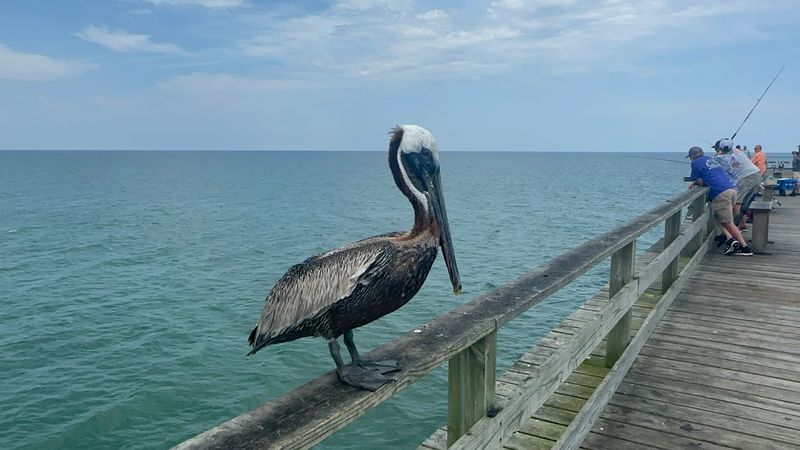
You can hear it before you see it at Kure Beach Pier, that short sharp sigh when two lines kiss and twist. Then the chorus starts, all questions and careful blame, like anyone really knows whose sinker wandered first.
I carry small snips and breathe slow. If I am the drifter, I admit it and cut quick so the whole knotty story ends early.
North Carolina winds shove rigs sideways, and that side-sweep builds into spaghetti when baits stack the same water lane. The fix is angle discipline and count timing.
Ask what weight they are running, then match or go heavier. Cast either a pier section up or down so your line tracks a new ribbon.
If the tangle is already bad, I steady both rods and call the moves. One person reels, one pops the bail, both stay calm.
After the clean break, I reset with a shorter leader and a slower drop. The next cast rides neater, and the rail relaxes like a knot in a shoulder.
Cooler Sprawl And Tackle Piles That Block The Whole Walkway
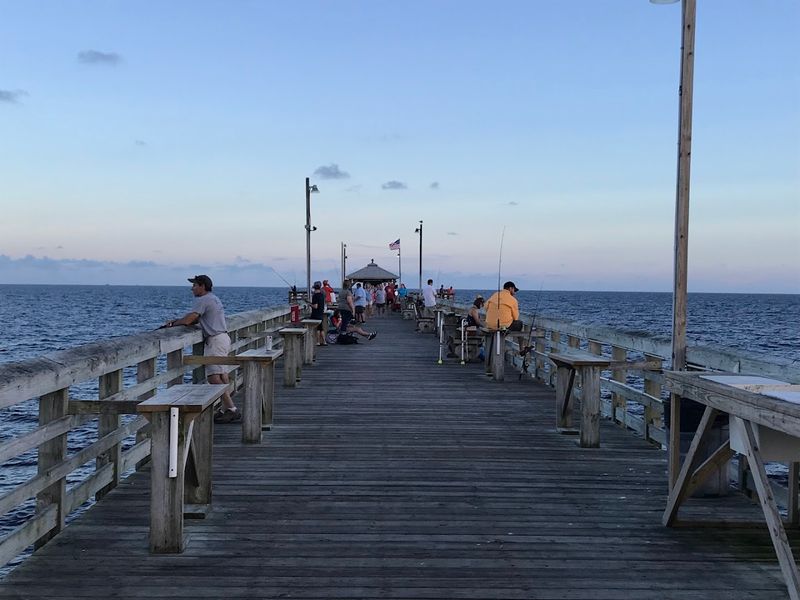
Some mornings at Ocean Crest Pier feel like a moving garage sale, with coolers riding side by side until nobody can pass. You try to step around a cart and your boot clips a rod tube, and suddenly everyone is apologizing in circles.
I get it, gear grows fast. Still, a slim setup beats the rolling fortress when crowds stack shoulder to shoulder.
North Carolina boards are narrow near the middle spans, so a single sideways cooler can stall traffic like a bridge lift. The fix is to park gear tight against the rail and keep the lane open.
When a neighbor spreads out, I ask where they want my cart while I slide theirs closer. It feels less like correction and more like a trade.
If you travel with a buddy, share one tackle tray and split lures. Half the clutter, same catch chances.
End of day, a clear path keeps tempers low and fish safer in the net. It also saves ankles, and we both know ankles remember.
Cast-Over Battles When Beginners And Regulars Collide
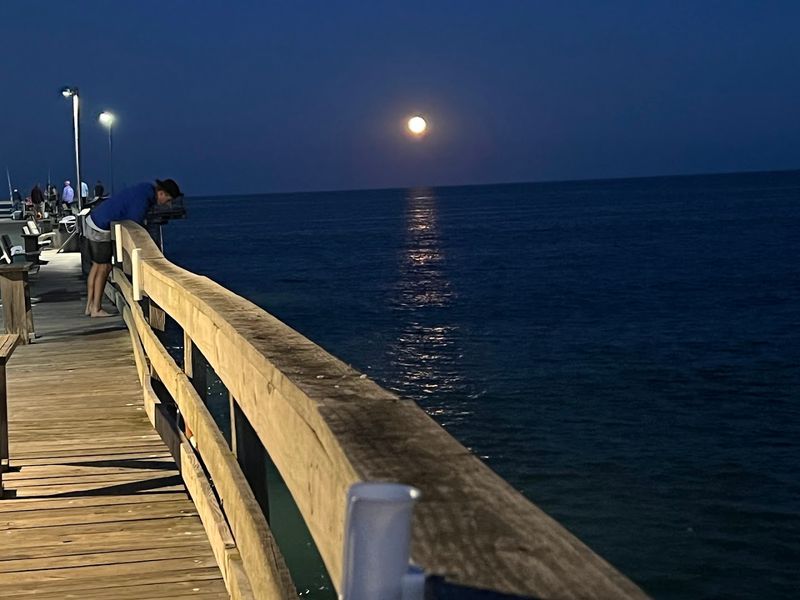
I have watched this dance at Nags Head Pier where a new caster swings big and sails right over a regular’s line. Shoulders rise, eyes narrow, and the day teeters on the edge of grumpy.
When it is me in the regular seat, I step back and show the side-arm roll that slips under wind. One clean demo beats ten prickly comments.
North Carolina piers pull in first-timers every warm weekend, and honestly, that is part of the charm. The crowd just needs small coaching cues before the rhythm clicks.
Ask them to watch the drop length and lead with the sinker. Keep elbows low and track the rail angle so the cast rides the same groove.
If they keep drifting high, suggest a lighter rig or shorter leader. The line will settle quicker, and nobody gets lassoed.
When a bite hits, I call out where I am walking so rods tilt away. Suddenly the rail feels like a team again, and the fish comes home without drama.
Net Dips, Gaff Drama, And Fish Handling That Sparks Arguments
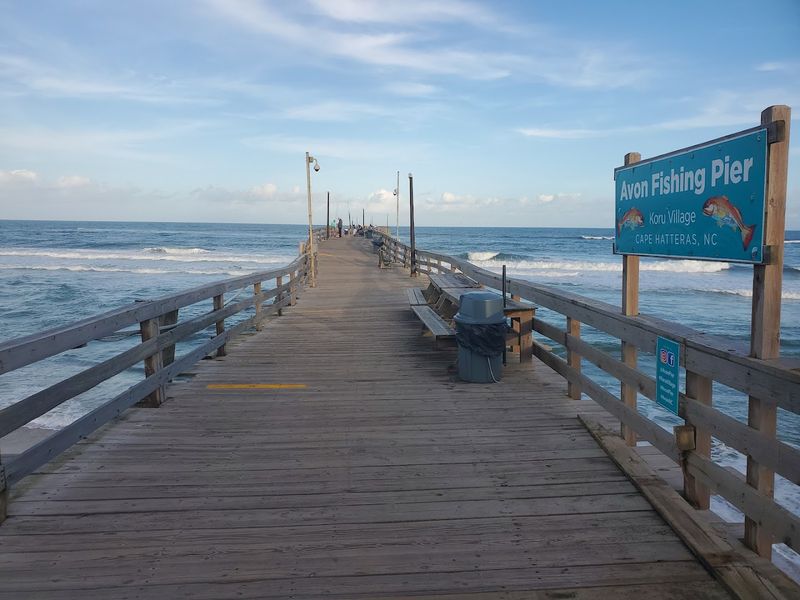
Lowering a hoop net off Avon Pier looks easy until three people give directions at once. Then the fish rolls, the line rubs the piling, and somebody mutters like the ocean offended them personally.
I try to appoint one voice before the dip starts. The caller sets the angle, and we follow like a tiny crew with one job.
North Carolina pier nets swing when the swell lifts, so you time the drop with the lull and keep tension steady. If a gaff shows up uninvited, I ask about leader strength and species rules.
Most fish land fine in a net if you stay patient. A clean lift saves the moment and keeps the rail from splintering into opinions.
After the fish is secure, I move quick to unhook and release or ice it. No speeches, no crowd lecture, just tidy work.
Then I thank whoever helped and slide the net back to neutral. That tiny courtesy resets the deck and keeps the next hookup friendly.
Kids, Strollers, And Chairs That Make Passing Feel Impossible
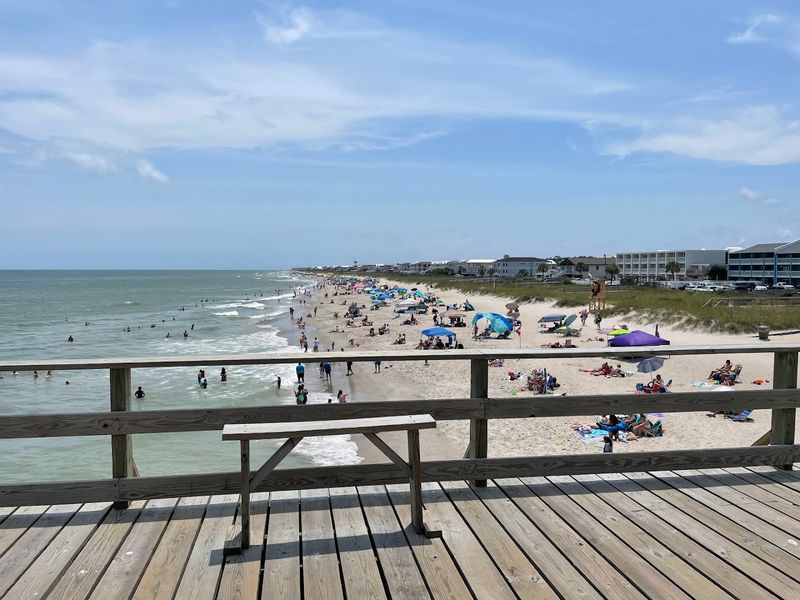
On Carolina Beach Fishing Pier weekends, the family parade is real, and I love the energy until the aisle turns into a maze. You balance a rod, step around a stroller, and pray your treble does not snag fabric.
I flip hooks inward and add covers before walking. It takes a minute, but it saves tears and keeps goodwill intact.
North Carolina piers double as boardwalks, and that means patience is part of the ticket. When chairs drift wide, I ask to slide one closer with a quick smile and a nod toward the traffic.
Most folks say yes, because nobody wants a tangle with wheels and hooks. And honestly, they do not see how tight the lane looks from our angle.
If I am set up near the entrance, I keep my casts short. It leaves room for families to pass and keeps baits from swinging at stroller height.
A cheerful heads-up before a cast solves half the stress. Once people feel seen, the whole pier moves easier, and tempers stay zipped.
Bait Mess And Trash Trails That Kill The Pier Mood Fast
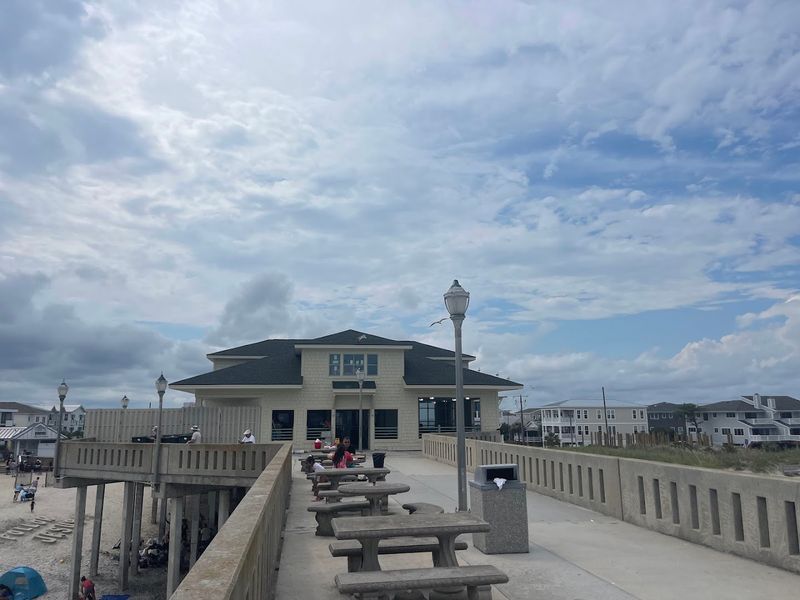
Nothing sours a bite at Johnnie Mercer’s Pier like a streak of cut bait slicking the boards under your feet. Boots get greasy, gulls dive, and suddenly the whole rail smells like a lesson we should have learned already.
I keep a small brush and a folded trash bag in the cart. Quick sweep, quick dump, and the place feels human again.
North Carolina piers post rules about waste for a reason, and they are not trying to be fussy. Slippery planks equal busted elbows and bad moods, and neither helps you land fish.
If someone leaves scraps, I scrape first and point to the nearest bin after. People copy action faster than lectures anyway.
When bait melts into a puddle, I chase it with seawater and send it through the gaps. Simple, fast, respectful.
By the time the next crew walks up, the deck reads clean and calm. That quiet standard spreads, and the gulls give up on easy snacks.
The Simple Pier Etiquette That Stops Railing Wars Before They Start
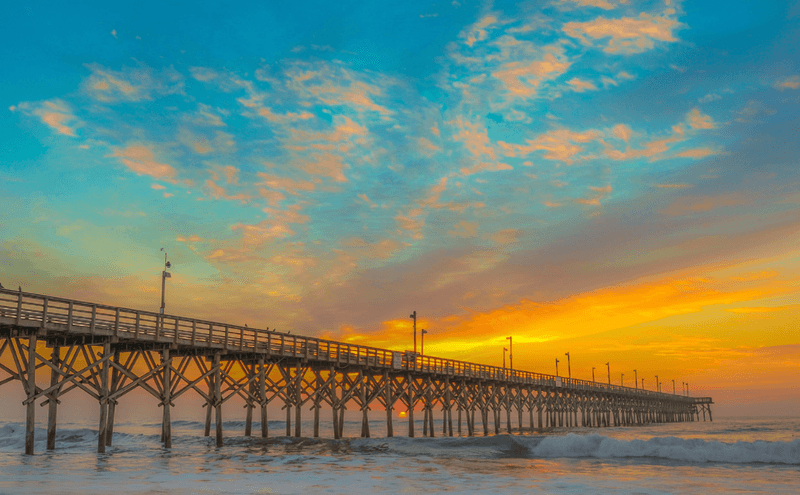
Let me give you the quick playbook that actually works from Topsail Island Pier to Rodanthe. It is not fancy, just steady habits that make the rail feel roomy even when it is packed.
Pick one lane for your cast and announce your walk if a fish runs. Keep hooks covered while moving and stash gear tight to the boards.
North Carolina crowds relax when the tone stays warm and the rhythm feels predictable. Offer to net for strangers, ask about weights, and sync angles before the bite turns wild.
If somebody drifts into you, assume wind and fix the pattern together. Solutions sound better than scolding, and the pier remembers it.
Rotate spots after a long lull so nobody fossilizes a corner. You might even find the fish while you are being generous.
End with a clean deck, a thank you, and one last look for stray hooks. That is the kind of exit that earns you space next time without a word.
Best Timing, Best Spots, And The Exit Plan Before Tempers Pop
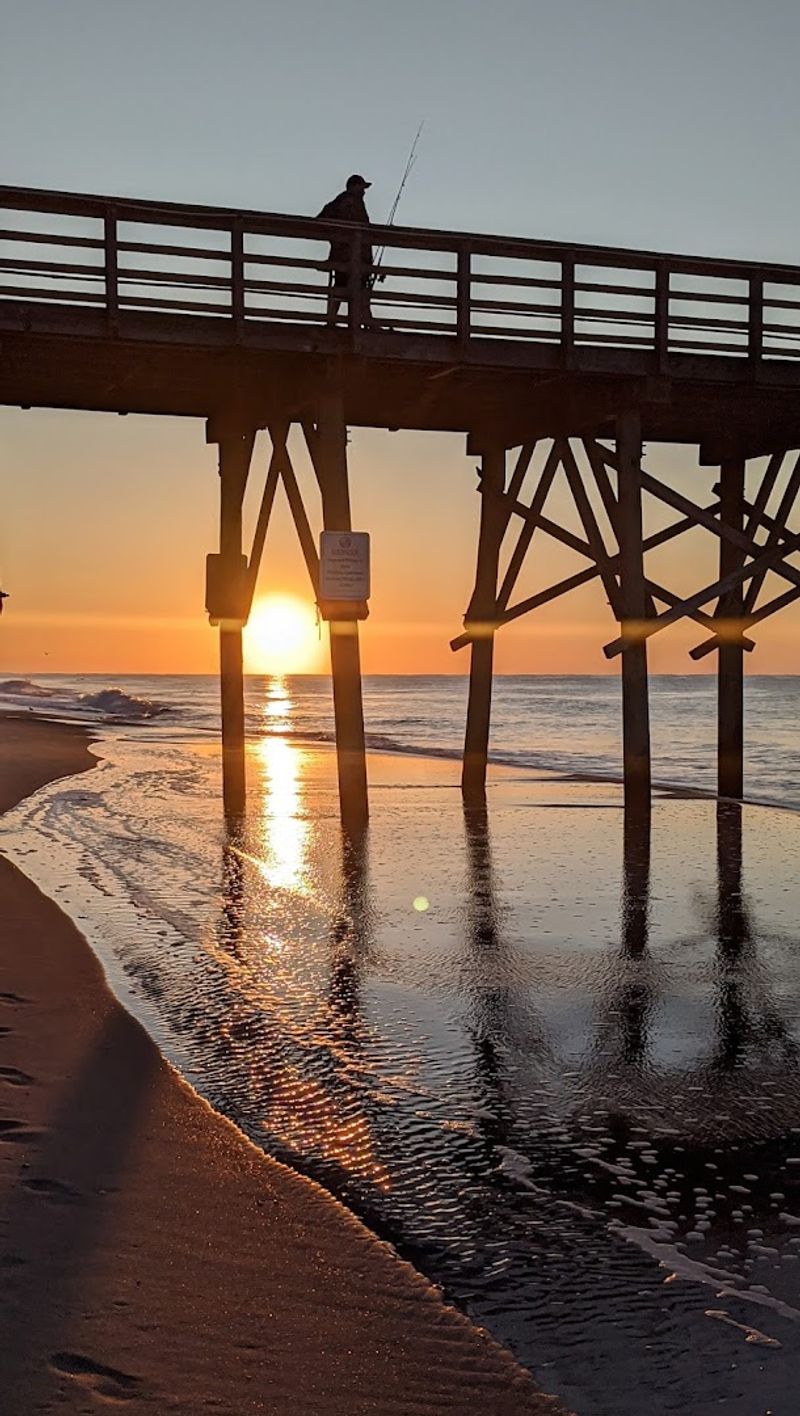
Timing is everything on these North Carolina rails, and it is not just sunrise or bust. I like the first calm after the morning rush or the quiet slide just before evening wind shifts.
On places like Surf City Ocean Pier, the inside corners of the tee hold fish without the shoulder press. Those pockets let you work a bait angle while the main crowd stares straight out.
North Carolina water moves fast around pilings, and bait rides edges like lazy escalators. I fish those seams, then bounce one lane over if the drift stacks.
When the mood tightens and voices rise, I start packing on purpose and slow. Hooks covered, lines clipped, smile engaged, and a small wave to the neighbor.
Leaving five minutes early protects the whole day you came for. You keep the fish you caught and skip the story you do not want to tell.
Back on the sand, I look at the pier and grin because I got what I needed. Then I plan the next run when the tide and the people will both cooperate.
Dear Reader: This page may contain affiliate links which may earn a commission if you click through and make a purchase. Our independent journalism is not influenced by any advertiser or commercial initiative unless it is clearly marked as sponsored content. As travel products change, please be sure to reconfirm all details and stay up to date with current events to ensure a safe and successful trip.
