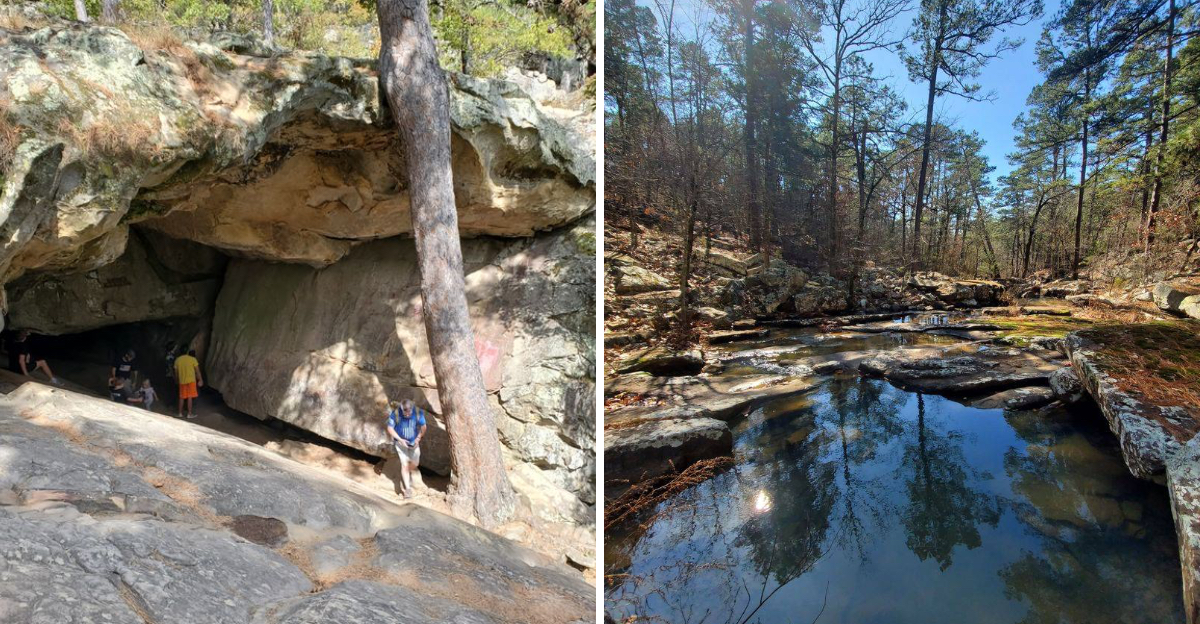
I remember the first time someone told me about Robbers Cave State Park in Oklahoma. They described it as a hidden sanctuary tucked into the San Bois Mountains, where outlaws once hid and nature still ruled supreme.
When I finally visited the park I discovered something unexpected. The place still holds its beauty, but the impact of heavy tourism has left visible marks on trails, caves, and campgrounds that once felt untouched.
Walking through areas where Jesse James allegedly sought refuge, I couldn’t help but notice the wear and tear that thousands of visitors have left behind. This is my honest account of what I found at this Oklahoma treasure and how tourism has reshaped its landscape in ways both obvious and subtle.
The Cave That Lost Its Mystery
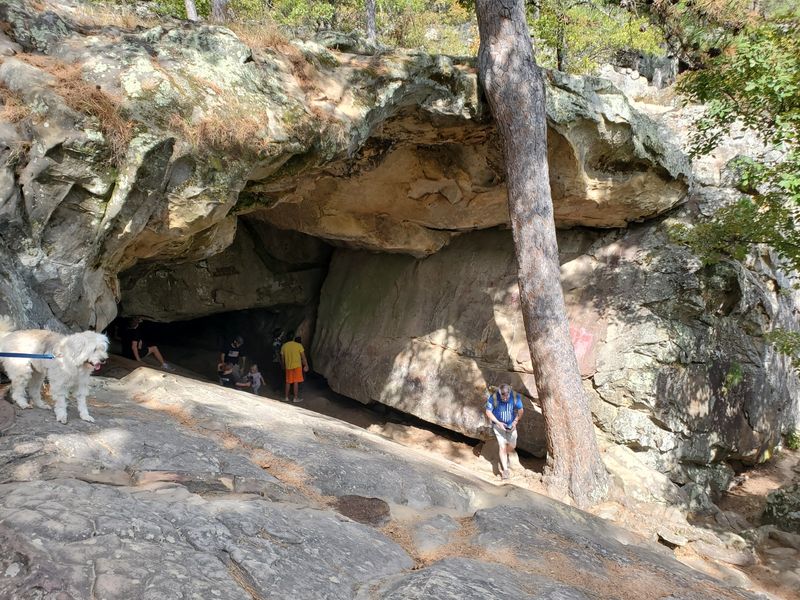
Standing at the entrance of the famous cave, I felt a strange disconnect between the legend and the reality. Robbers Cave itself, the namesake attraction where outlaws supposedly stashed their stolen goods, now shows decades of human interference.
The rock surfaces inside bear countless scratches, initials, and even modern graffiti that park rangers struggle to remove. What should have been a mysterious cavern filled with historical intrigue instead felt like a well-worn tourist trap.
I watched families pose for photos while their children climbed on fragile rock formations that have taken thousands of years to form. The natural acoustics that once made this cave special are now filled with echoes of cell phone conversations and portable speakers.
Park staff have installed barriers and signs asking visitors to respect the space, but the damage already done is permanent. The limestone walls show polished spots where millions of hands have touched them, wearing away the natural texture.
I tried to imagine Jesse James hiding here in the 1870s, but the mental image kept getting interrupted by the reality of what unchecked tourism has created over the years.
Trails Beaten Into Submission
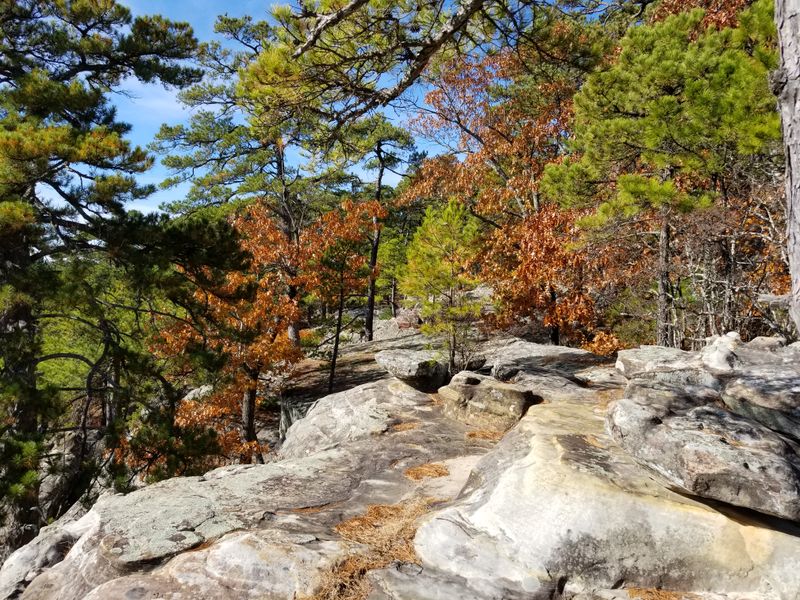
The trail system at Robbers Cave once wound through pristine woodland, offering hikers a chance to experience Oklahoma wilderness at its finest. Now, many of these paths look more like highways than nature trails.
I hiked several routes during my visit and noticed how the main trails have widened dramatically from their original design. Where a single-file path once existed, constant foot traffic has created paths wide enough for three or four people to walk side by side.
The soil compaction is severe in popular areas, preventing new vegetation from taking root and causing erosion problems during rainstorms. Tree roots that should be underground now stick up like trip hazards, exposed by years of passing feet.
Shortcuts created by impatient hikers have scarred the hillsides, creating unofficial trails that accelerate erosion and fragment wildlife habitat. I counted at least six major shortcut paths on just one trail segment.
The park has tried installing wooden steps and gravel in problem areas, but these fixes feel like band-aids on wounds that keep growing. What I experienced was less of a nature walk and more of a trek through an outdoor gymnasium that desperately needs rest.
Campgrounds That Never Sleep
Camping at Robbers Cave State Park should have been a peaceful retreat into nature. Instead, I found myself in what felt like an outdoor city that operates around the clock.
The campgrounds are packed so tightly that I could hear my neighbors’ conversations as clearly as if we were in the same room. Privacy has become a luxury that simply doesn’t exist here anymore.
Generator noise fills the air from dawn until late into the night, despite posted quiet hours that few people seem to respect. I counted over twenty RVs running generators simultaneously during what should have been peaceful evening hours.
The grass that once covered the campsites has been worn down to bare dirt in most areas, creating dust clouds on windy days and mud pits when it rains. Mature trees show signs of damage from campers driving stakes into roots or hanging heavy equipment from low branches.
Trash overflow is a constant problem during peak season, attracting wildlife that has learned to associate humans with easy food sources. I watched raccoons brazenly approach occupied campsites in broad daylight, showing no fear whatsoever.
The natural experience that camping should provide has been replaced by something that resembles a crowded parking lot with tents.
Water Bodies Under Siege
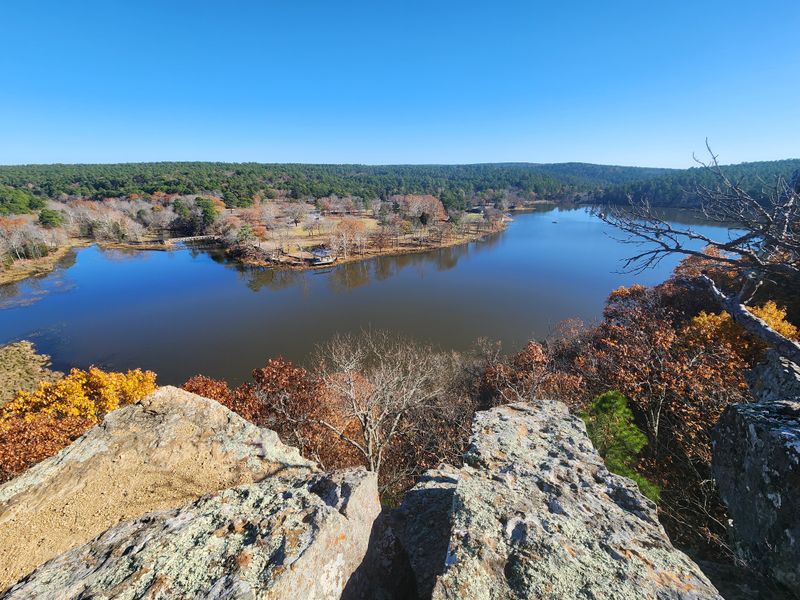
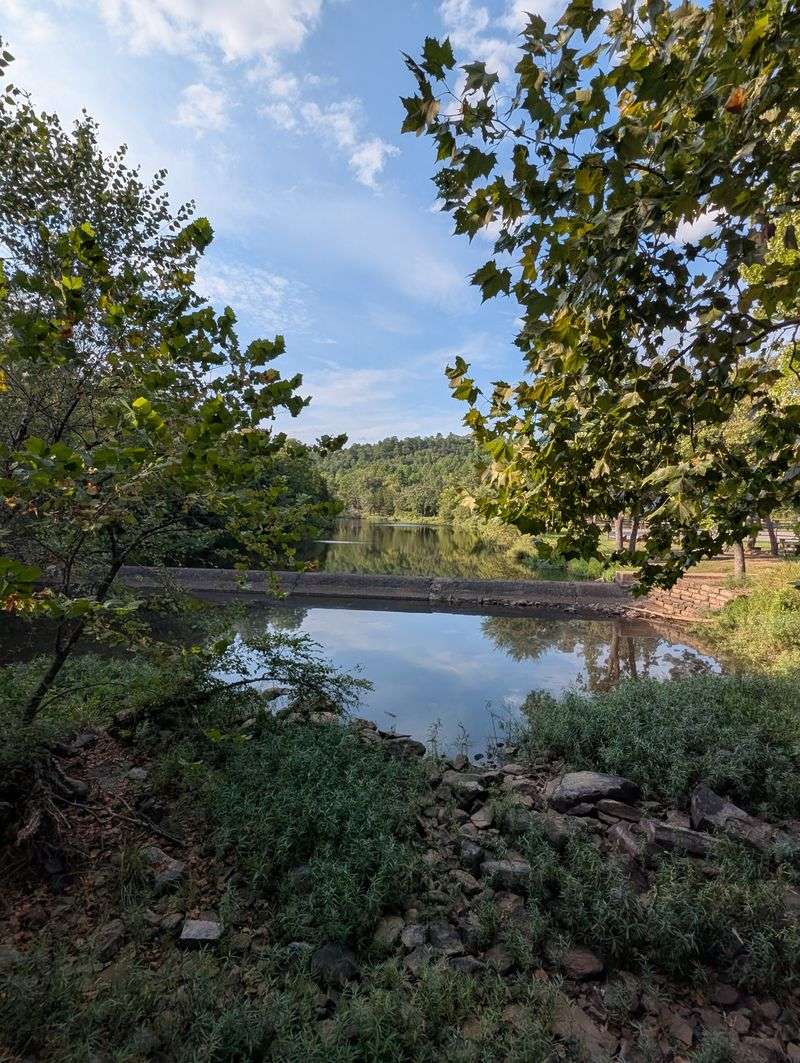
Lake Carlton, the park’s main water feature, drew me in with promises of swimming and peaceful shoreline walks. What I discovered was a body of water struggling under the pressure of constant human use.
The water clarity has diminished significantly over the years according to long-time visitors I spoke with. Where you once could see several feet down, the water now appears murky and uninviting during peak season.
Sunscreen, body oils, and other chemicals from thousands of swimmers have created a film on the surface during busy weekends. The swimming beach shows severe erosion, with the sandy area shrinking noticeably each year.
I noticed discarded fishing line tangled in shoreline vegetation, posing serious threats to wildlife. Bottle caps, plastic wrappers, and other small trash items littered the areas around the lake despite regular cleaning efforts.
The natural buffer zone of vegetation that should protect the water from runoff has been trampled away in popular access points. This allows sediment and pollutants to flow directly into the lake during rainstorms.
Park rangers do their best with limited resources, but the sheer volume of visitors makes maintaining water quality an uphill battle that they seem to be losing season by season.
Wildlife That Learned Bad Habits
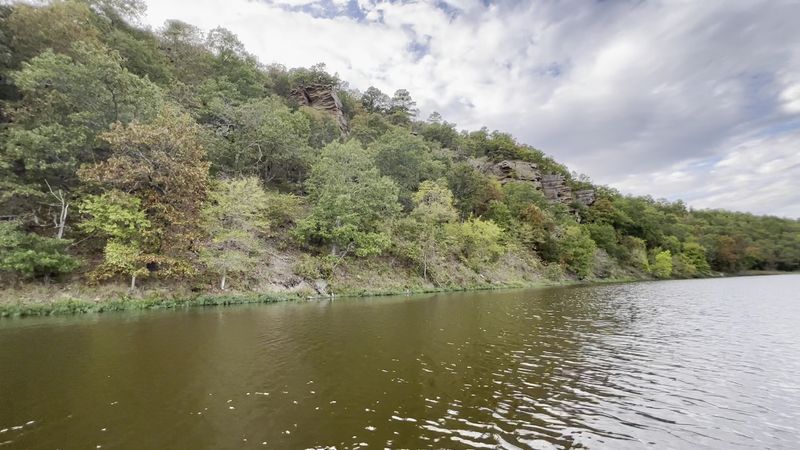
One of the most heartbreaking changes I witnessed at Robbers Cave State Park involves the wildlife that calls this place home. Animals that should fear humans now approach visitors with alarming boldness.
During my stay, I watched deer walk directly through campsites looking for handouts, showing none of the natural wariness that keeps wild animals safe. These creatures have learned that tourists mean easy food, a lesson that could prove fatal if they encounter less friendly humans elsewhere.
Raccoons have become particularly problematic, breaking into coolers and tearing through improperly stored food with practiced efficiency. I saw one family trying to shoo away three raccoons that had climbed onto their picnic table in broad daylight.
The park’s natural food web has been disrupted by human garbage and intentional feeding, despite clear rules against it. Birds that should be eating insects now flock to picnic areas looking for bread crumbs and chips.
Squirrels have become aggressive, actually approaching hikers and making demanding chittering sounds when food isn’t immediately offered. This behavior would be almost comical if it weren’t so concerning for their long-term survival.
Oklahoma wildlife deserves better than this learned dependence on human handouts that ultimately harms their natural instincts and survival skills.
Rock Formations Carved With Stupidity
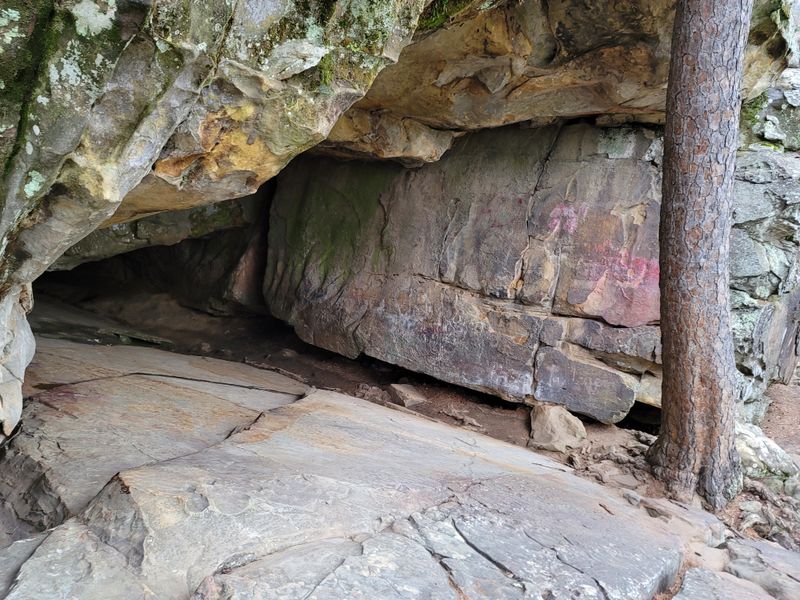
The San Bois Mountains contain some truly remarkable geological formations that have taken millions of years to create. Sadly, some visitors think these ancient rocks make perfect canvases for their personal messages.
I spent an afternoon exploring the rock formations near the main cave and felt genuine anger at what I discovered. Names, dates, hearts, and various crude messages cover surfaces that should display only nature’s artistry.
Some of the carvings date back decades, showing this isn’t a new problem, but the density of vandalism has increased dramatically in recent years. Modern tools make it easier than ever for thoughtless visitors to leave permanent scars.
The park has installed cameras and increased patrols, but catching vandals in the act proves difficult given the vast area and limited staff. Fines exist on paper, but enforcement remains spotty at best.
I spoke with a park ranger who expressed frustration at finding fresh carvings almost weekly during busy seasons. Each new mark represents irreversible damage to formations that can never be restored to their original state.
What makes this particularly maddening is how preventable it all is. These aren’t accidents or unavoidable impacts.
They’re deliberate acts of selfishness that diminish the experience for everyone who comes after.
The Nature Center Nobody Respects
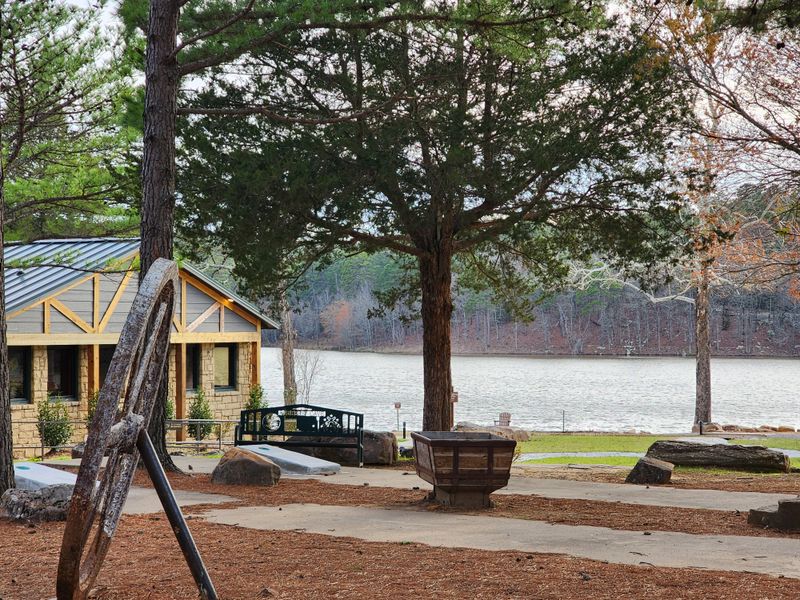
Robbers Cave State Park features a nature center designed to educate visitors about the local ecosystem and park history. Unfortunately, this facility has become another casualty of overwhelming tourism and insufficient funding.
When I visited, several interactive displays were broken or missing pieces, victims of rough handling by visitors who didn’t treat them with care. Educational signs showed water damage and fading, making them difficult to read.
The building itself needs maintenance that budget constraints keep pushing further down the priority list. I noticed ceiling tiles stained from old leaks and carpeting worn through to the backing in high-traffic areas.
Staff members do their absolute best with what they have, but they’re fighting a losing battle against the wear and tear of thousands of visitors. The gift shop sells items to help fund park operations, but revenue barely covers basic needs.
Children run through the center unsupervised while parents sit outside on their phones, treating the space like free babysitting rather than an educational opportunity. I watched one child bang repeatedly on a display case containing delicate specimens while staff politely tried to intervene.
Oklahoma deserves better than this deteriorating facility, and so do the visitors who could benefit from quality environmental education if resources allowed proper maintenance and updates.
Parking Lots That Ate The Forest
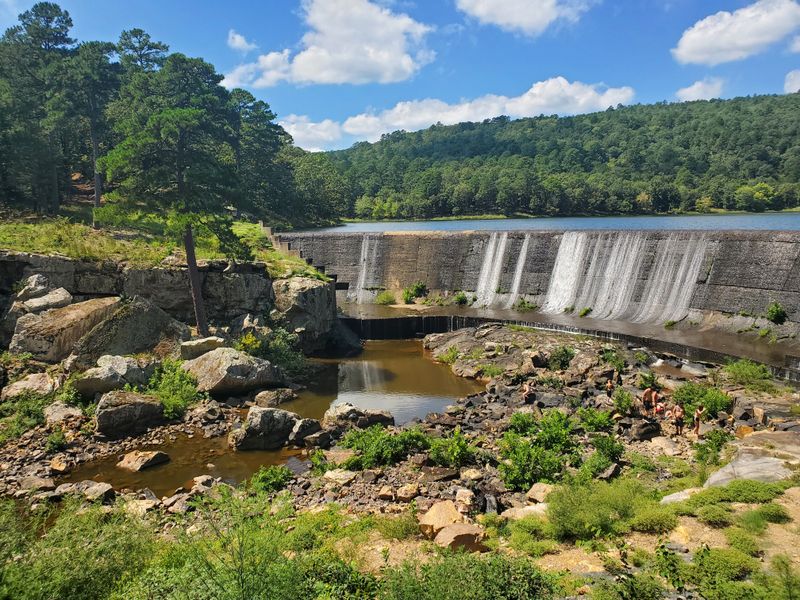
Nothing illustrates the impact of increased tourism quite like the parking situation at Robbers Cave State Park. What started as modest lots have grown into sprawling asphalt fields that consume more forest each year.
I arrived on a Saturday morning and found every official parking space filled, with overflow parking extending onto grass areas that will never recover. The park has paved over increasingly large sections of natural habitat to accommodate visitor vehicles.
The heat radiating from these dark surfaces creates uncomfortable microclimates that affect surrounding vegetation and wildlife. I measured a temperature difference of over fifteen degrees between shaded forest and the main parking lot.
Trees that once provided cooling shade have been removed to make room for more parking spaces, creating a vicious cycle where the park becomes less pleasant even as it tries to accommodate more people. The natural beauty that attracts visitors is being sacrificed to handle their arrival.
During peak season, cars park along roadsides, blocking emergency vehicle access and creating safety hazards. I witnessed several near-misses as drivers tried to navigate around illegally parked vehicles on narrow park roads.
The park faces an impossible choice: turn away visitors or continue expanding infrastructure at the expense of the very nature people come to experience.
Facilities Pushed Past Their Limits
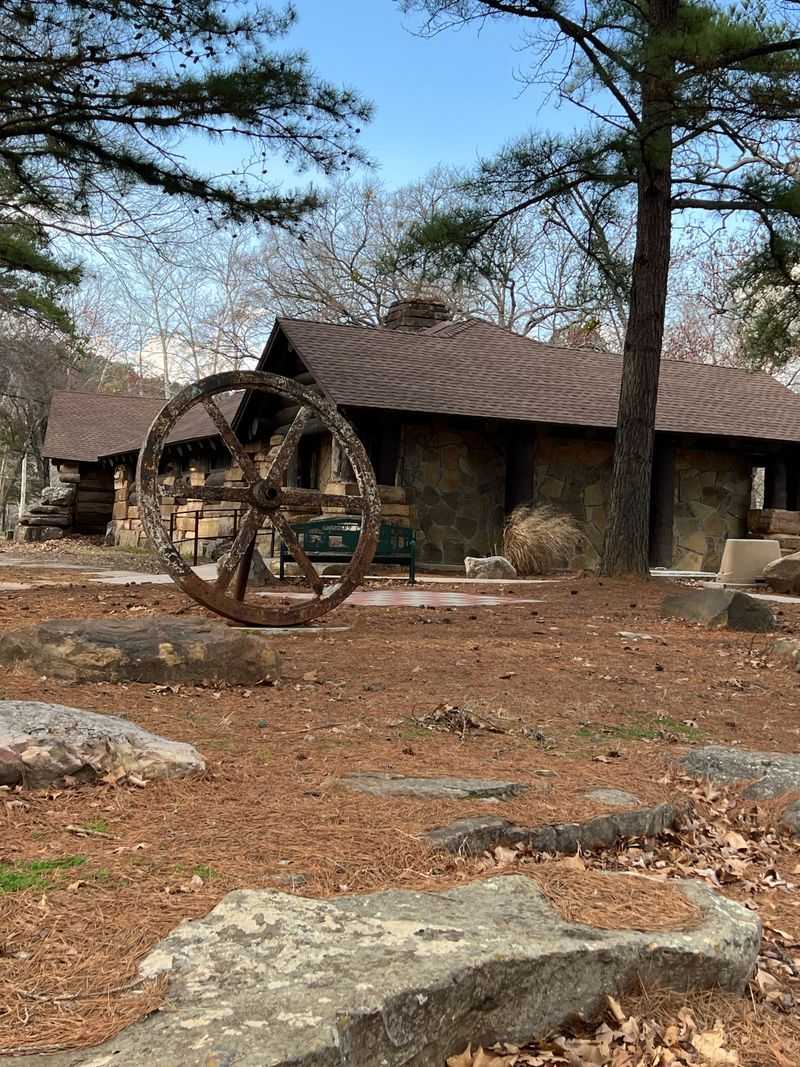
Basic facilities like restrooms, showers, and picnic shelters at Robbers Cave State Park were designed for visitor numbers from decades ago. Current usage far exceeds what these structures can reasonably handle.
I waited in line for over twenty minutes to use a restroom that served far too many people. The facilities showed obvious signs of heavy use and deferred maintenance, with broken fixtures and supplies that ran out regularly.
Cleaning crews work constantly during peak season but can’t keep up with the volume of use. I observed one maintenance worker looking utterly defeated as he emerged from a restroom he’d cleaned just an hour earlier to find it already trashed again.
Water pressure drops to a trickle during busy times as too many people draw from systems never meant for such demand. Shower facilities that should provide a refreshing experience after hiking instead offer lukewarm dribbles and long waits.
Picnic shelters get reserved months in advance, and I witnessed several disputes over who had legitimate claims to specific spaces. The competition for basic amenities has turned what should be a relaxing experience into something stressful and confrontational.
Oklahoma has invested in some upgrades, but the improvements never seem to catch up with the growing demands placed on park infrastructure by ever-increasing visitor numbers.
Noise Pollution In A Natural Setting
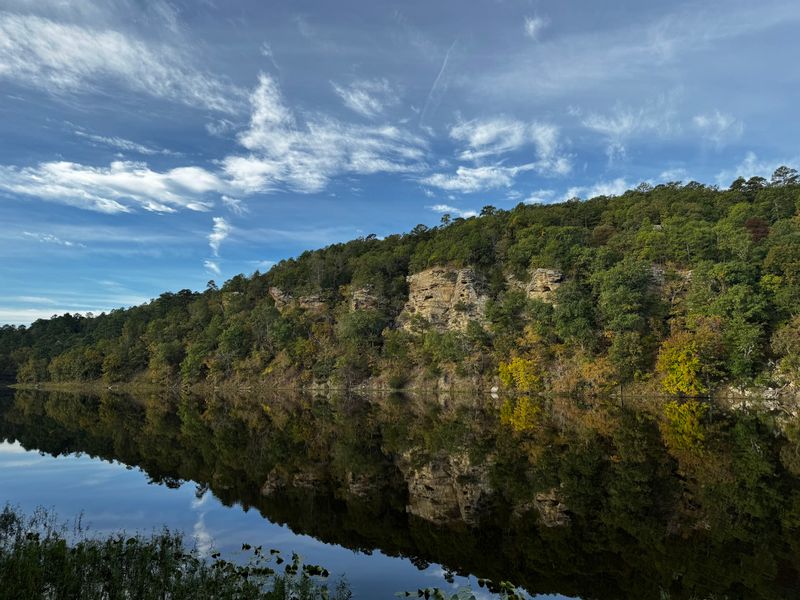
Perhaps the most unexpected form of degradation I experienced at Robbers Cave State Park was auditory. The natural soundscape of birds, wind, and rustling leaves has been drowned out by human-generated noise.
Portable Bluetooth speakers seem to be standard equipment for modern campers, and many people apparently believe everyone else wants to hear their music choices. I counted at least a dozen different sound sources competing during one evening walk through the campground.
ATVs and dirt bikes roar through designated areas, their engine noise carrying for miles across the park. What should be peaceful hiking became an exercise in trying to escape the constant mechanical drone.
Large groups gather and party late into the night, their voices and laughter echoing through valleys that once knew only natural sounds. Sleep became difficult even with earplugs as noise violations went largely unenforced.
I spoke with older visitors who remembered when you could hear whippoorwills and owls at night. Now those birds have largely abandoned areas near human activity, unable to compete with the cacophony or communicate over the din.
The park’s posted quiet hours exist in theory, but enforcement would require staff resources that simply aren’t available. Rangers focus on more serious issues, leaving noise complaints largely unaddressed and the natural quiet permanently disrupted.
Seasonal Overcrowding That Never Ends
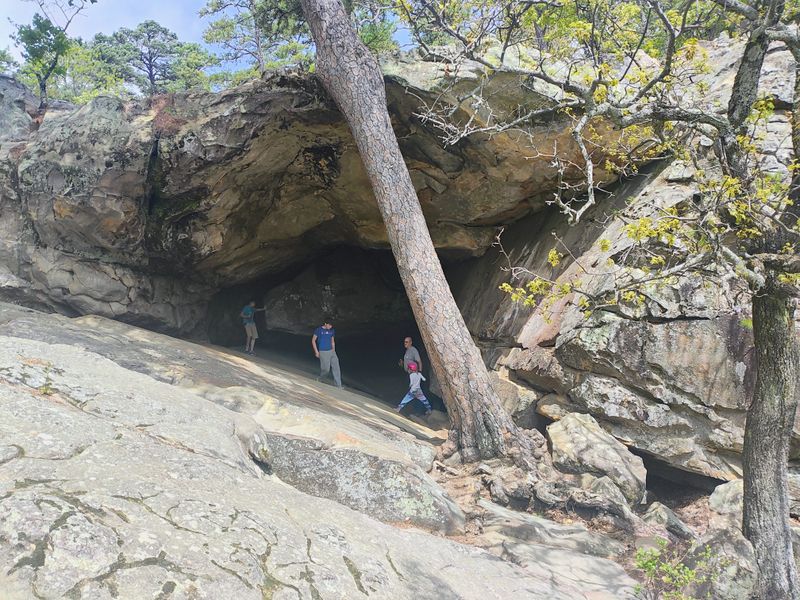
Robbers Cave State Park once had distinct busy and quiet seasons that allowed the land to recover between peak use periods. Those days have vanished as year-round tourism keeps pressure constant.
I visited during what used to be considered shoulder season and found the park nearly as crowded as summer weekends. The concept of off-season has become meaningless as people discover they can visit anytime.
Holiday weekends transform the park into something resembling a music festival without the music. I saw photos from Memorial Day weekend showing trails so packed that hikers had to wait for others to pass on narrow sections.
This constant use prevents any natural recovery time for damaged areas. Vegetation that might regenerate during quiet periods never gets the chance because the crowds never truly leave anymore.
Park management has discussed implementing reservation systems or visitor caps, but such measures face political resistance from those who believe public lands should have unlimited access. The debate continues while the degradation accelerates.
Local businesses benefit from the extended tourist season, creating economic pressure to keep promoting the park even as its natural resources deteriorate.
Oklahoma faces tough decisions about balancing economic benefits against environmental protection, and currently, economics is winning at nature’s expense.
A Future That Demands Different Choices
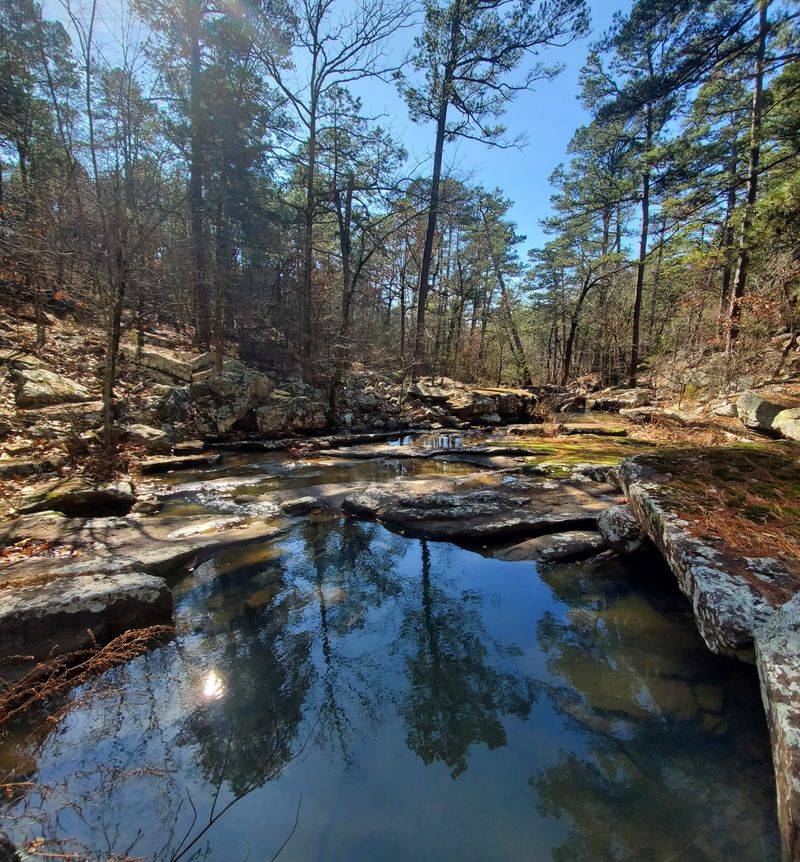
After spending several days at Robbers Cave State Park, I left with mixed feelings about what I’d witnessed. The damage is real and extensive, but the situation isn’t entirely hopeless if changes happen soon.
Some areas of the park show successful restoration where focused efforts and temporary closures have allowed nature to begin healing. These examples prove that recovery is possible with proper management and visitor cooperation.
I spoke with park staff who expressed cautious optimism about new initiatives planned for coming years. Improved education programs, better enforcement of rules, and strategic trail redesigns could help reduce future impacts.
The challenge lies in finding political will and funding for necessary changes. Oklahoma voters and legislators must decide whether preserving natural areas for future generations justifies potential short-term inconveniences or limitations.
Visitors also bear responsibility for the park’s future. Every person who packs out their trash, stays on designated trails, and respects wildlife makes a difference.
Individual actions multiply across thousands of visitors.
Robbers Cave State Park can recover much of its lost beauty, but only if we collectively choose to prioritize long-term preservation over short-term convenience. The question isn’t whether we can save this place, but whether we will make the necessary commitments before it’s too late.
Dear Reader: This page may contain affiliate links which may earn a commission if you click through and make a purchase. Our independent journalism is not influenced by any advertiser or commercial initiative unless it is clearly marked as sponsored content. As travel products change, please be sure to reconfirm all details and stay up to date with current events to ensure a safe and successful trip.
