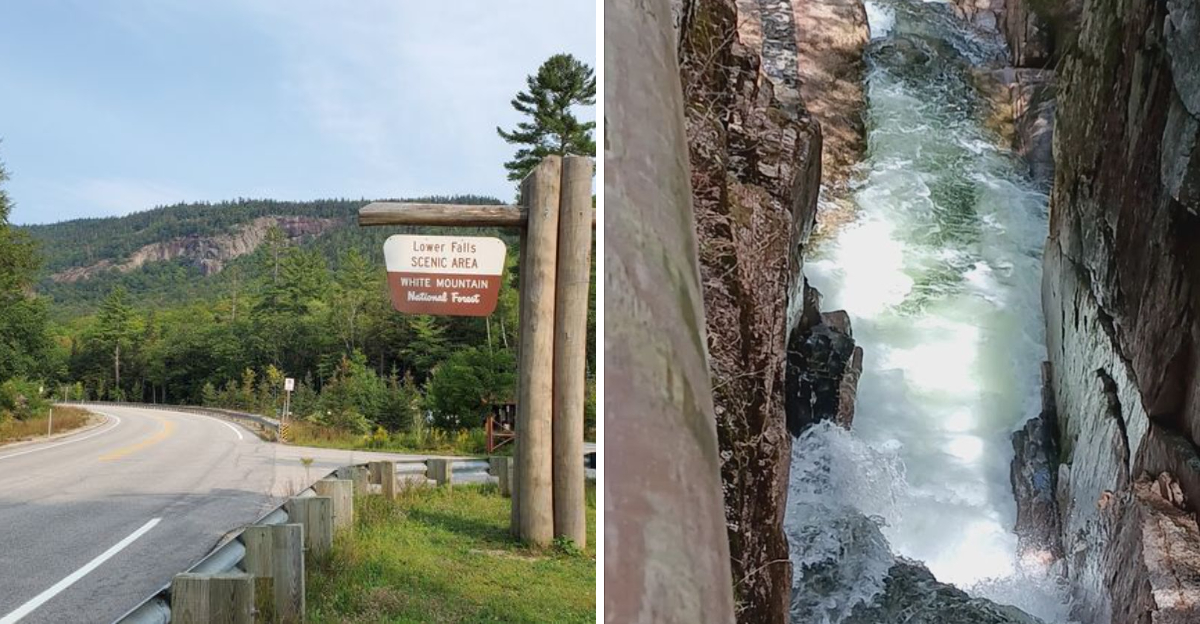
I have been visiting this swimming hole in New Hampshire for years, and I have watched it change in ways that make me sad. It used to be a quiet, hidden gem where you could swim in peace and listen to the water rush over the rocks.
The water was cold and clear, and the rocks were smooth and warm from the sun. You could spend a whole afternoon there and maybe see one or two other people.
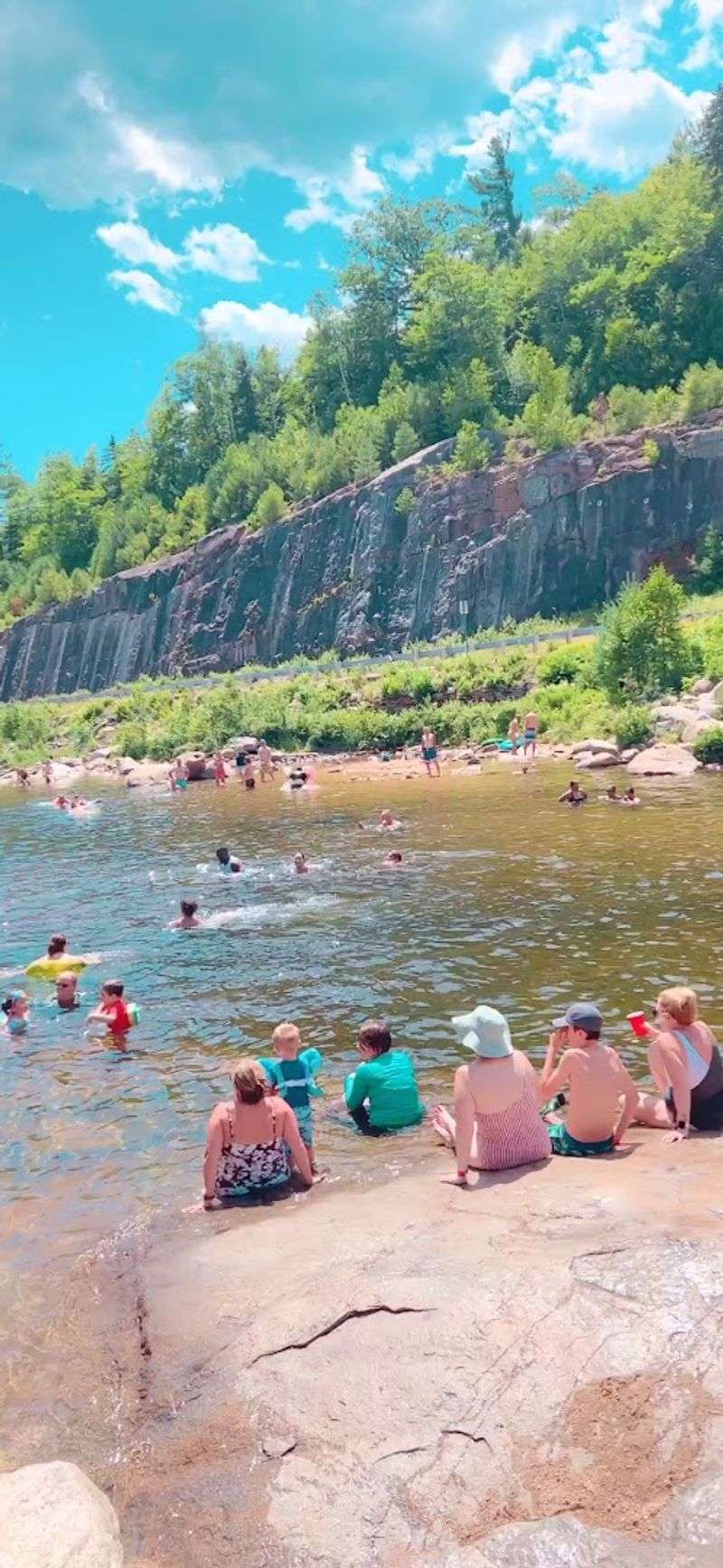
Now it is overrun with tourists, and the locals are still not over it. The parking lot fills up by eight in the morning.
The trails are packed with people taking selfies. The swimming holes are so crowded that you can barely find a place to put your towel.
I talked to a woman who has been coming here since she was a child. She told me she does not even bother anymore during the summer.
She waits until the off season, when the crowds finally thin out. That is not how a beautiful New Hampshire swimming spot should feel.
Where the Swift River Once Whispered Secrets
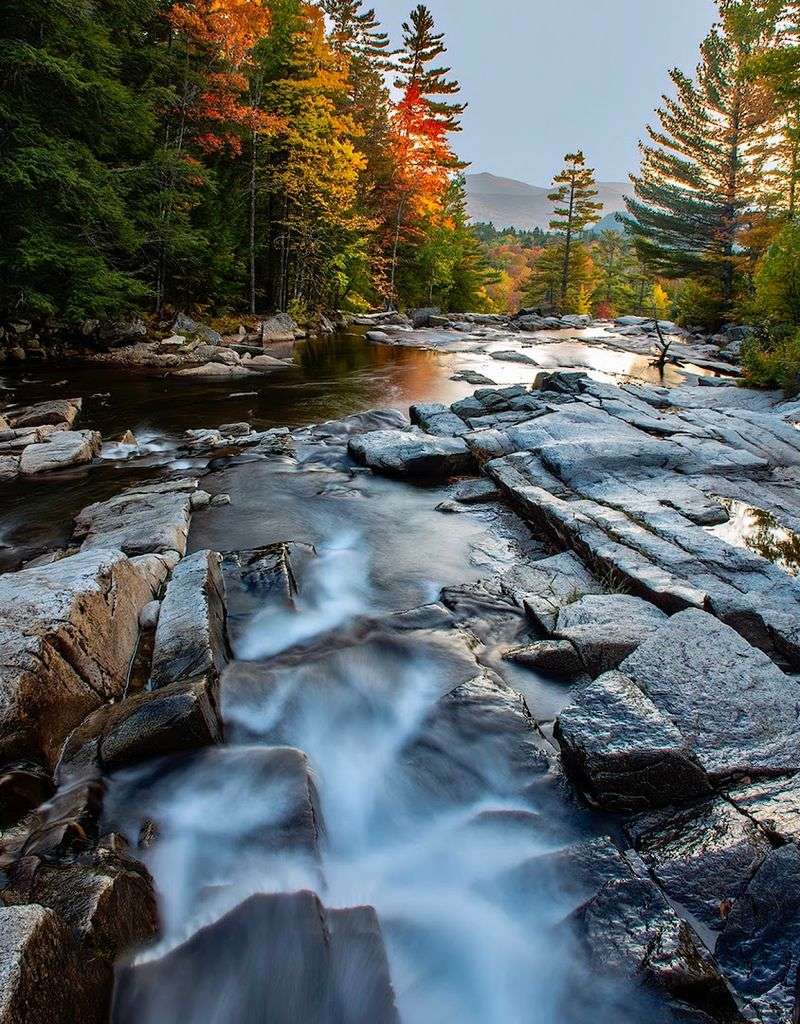
Long before the parking lot filled up before noon, the Swift River moved through Albany like it had all the time in the world. The water carved its way over broad sheets of granite with a kind of effortless grace that felt almost choreographed.
Standing at the edge of those smooth rocks, you could hear the falls before you saw them, a low, rhythmic rush that seemed to say, slow down, you’re here now.
Lower Falls earned its quiet reputation the old-fashioned way: word of mouth, passed between friends who swore you to secrecy. The swimming holes were cold, crystal clear, and naturally formed, no construction required.
Sunlight played across the riverbed in shifting patterns that photographers still chase today.
New Hampshire has no shortage of beautiful landscapes, but something about this particular bend in the river felt intimate. The granite slides, the pooling water, the towering pines overhead, it all came together in a way that felt less like a tourist attraction and more like a personal discovery.
That sense of finding something rare is exactly what made it so hard to keep quiet, and exactly what made its popularity so bittersweet for those who loved it first.
The Moment Everything Changed for This Beloved Spot
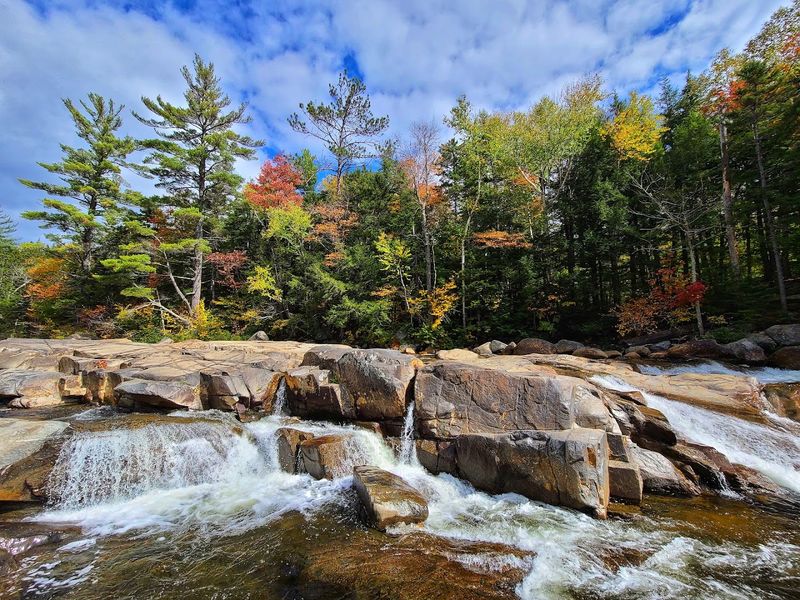
Social media did not invent Lower Falls, but it absolutely launched it into a different stratosphere of popularity. A single well-lit photo of clear water sliding over granite can rack up thousands of shares, and suddenly a quiet spot on the Kancamagus Highway becomes a bucket-list destination for people three states away.
That is precisely what happened here, and the shift was noticeable almost overnight.
Peak summer weekends now look nothing like the peaceful afternoons locals remember. Cars line the lot early, and latecomers spill onto the highway shoulder.
The sounds of rushing water compete with the general hum of a crowd, and the serene atmosphere that once defined this place gets harder to find with each passing season.
This is not a story unique to New Hampshire. Beloved natural spaces across the country face the same tension between accessibility and preservation.
But here, along this iconic stretch of Route 112, the contrast between past and present feels especially sharp. People who grew up cooling off in these pools on quiet Tuesday afternoons now plan their visits like military operations, arriving before sunrise just to recapture a fraction of what used to be effortlessly available every single day.
What Overcrowding Actually Does to a Natural Swimming Hole
Most people who show up at Lower Falls genuinely love nature. That is the painful irony of the whole situation.
Good intentions multiplied by sheer numbers still produce real environmental consequences, and the evidence along the Swift River is hard to ignore if you know what to look for.
Riverbanks that once supported native plants now show signs of erosion from constant foot traffic. Smooth granite surfaces, already naturally slippery, get worn further by thousands of sneakers and sandals every season.
Litter, despite the best efforts of site managers, appears with frustrating regularity, from forgotten water bottles to tangled fishing line caught in rock crevices.
The cairn-stacking trend deserves its own mention. Well-meaning visitors build those little rock towers all over the riverbed, and while they look charming in photos, they actually disrupt aquatic habitats by moving rocks that shelter insects and small fish.
New Hampshire’s forest rangers have been clear about this: the riverbed ecosystem depends on those rocks staying put. Every small disruption adds up, and over a single busy summer season, the cumulative effect on a place like this becomes genuinely significant, reshaping the very environment people traveled so far to experience.
Local Voices and the Grief of a Changed Landscape
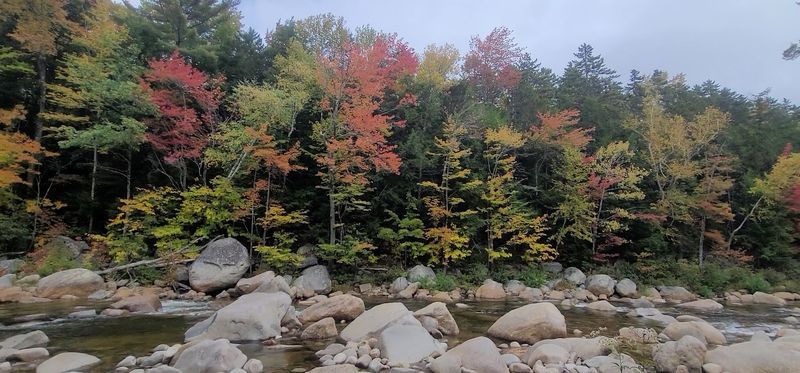
Ask anyone who grew up in the Conway area about Lower Falls and you will get a look that says everything before a single word comes out. There is a specific kind of grief that comes with watching a beloved place become unrecognizable, not because it was destroyed, but because it was loved by too many people at once.
That feeling is real, and it runs deep in communities built around these mountains.
Long-time residents describe the transformation with a mix of resignation and protectiveness. They remember when the parking area held a handful of cars, when you could spend an entire afternoon on those rocks without another soul in sight.
That version of Lower Falls shaped childhoods, first dates, and family traditions that spanned generations.
New Hampshire locals are not anti-tourism; the state’s economy depends on visitors who come for the foliage, the skiing, and yes, the swimming holes. What stings is the feeling that the place itself is being consumed rather than cherished.
There is a difference between visiting a place and truly respecting it, and many who grew up along the Kancamagus can tell which category a given crowd falls into within about five minutes of watching them interact with the river.
Timing Your Visit to Catch Lower Falls at Its Best
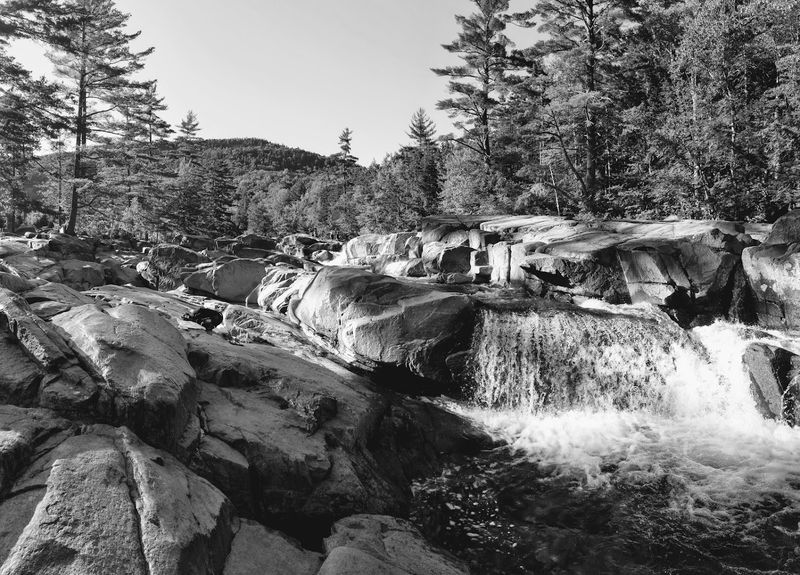
Timing is genuinely everything at Lower Falls, and cracking the code makes an enormous difference in the quality of your experience. Early morning visits, arriving right at the six o’clock opening, reward you with soft light, cool air, and the kind of quiet that lets you actually hear the water rather than the crowd.
Midweek mornings in late spring offer some of the most spectacular conditions, with snowmelt keeping the river full and lively.
Autumn is arguably the most breathtaking season along this stretch of the Kancamagus Highway. The foliage turns the surrounding forest into a riot of orange, gold, and deep red, reflecting off the Swift River in ways that make you reach for your camera instinctively.
Weekday visits in October can still feel surprisingly peaceful, especially once the school year pulls families back to their routines.
Late May and early June bring their own charm, though black flies are famously aggressive during those weeks, so pack repellent and accept it as part of the New Hampshire experience. Winter visits, while limited, offer a completely different kind of beauty, with ice formations framing the falls in ways that feel almost otherworldly.
Each season reveals a different personality, and every one of them is worth experiencing at least once.
The Kancamagus Highway and Its Role in the Popularity Surge
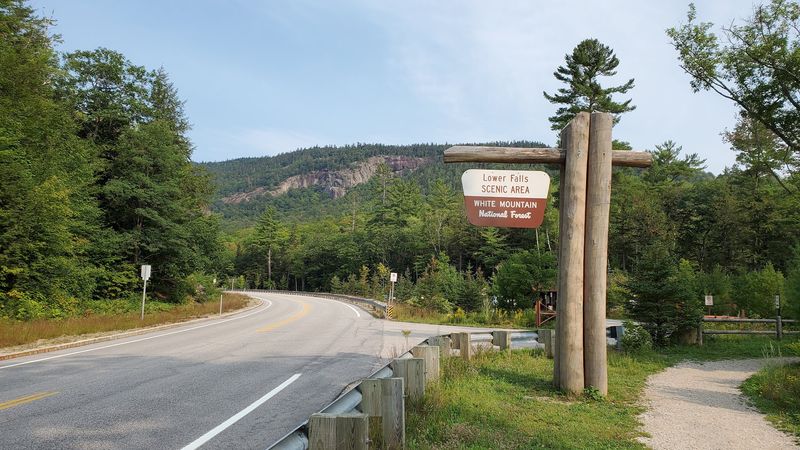
Route 112, better known as the Kancamagus Highway, is one of the most celebrated scenic drives in the entire northeastern United States. Stretching through the heart of the White Mountain National Forest, it connects Lincoln to Conway through a corridor of breathtaking natural scenery.
Lower Falls sits right along this famous byway, which means every road-tripper cruising the Kanc eventually spots the sign and pulls in.
That accessibility is a double-edged sword. On one hand, it means incredible natural beauty is available to anyone willing to make the drive, no long hike required.
On the other hand, a roadside attraction with easy parking will always draw exponentially more visitors than a waterfall that demands a two-hour trail effort. Lower Falls offers both convenience and stunning scenery, a combination that practically guarantees a crowd on any warm weekend.
Other stops along the Kanc, like Sabbaday Falls and Rocky Gorge, share similar pressures. Howeber, Lower Falls consistently draws the largest numbers thanks to its swimming area and broad, walkable granite slabs.
Understanding this highway’s role in the popularity equation helps explain why management of this single spot is so complex. It is not just a swimming hole; it is the crown jewel of one of New Hampshire’s most-traveled scenic routes.
Leave No Trace and Why It Matters More Here Than Almost Anywhere
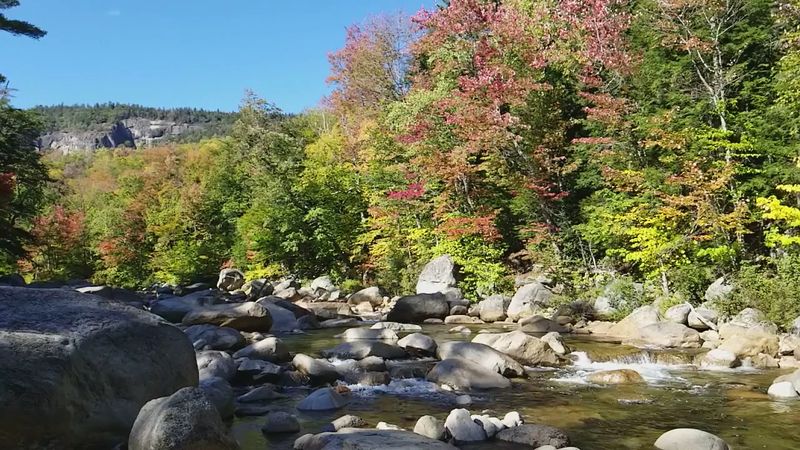
The Leave No Trace framework exists for exactly this kind of situation. When a natural area receives the kind of traffic that Lower Falls now handles on a busy summer weekend, every individual decision made by every single visitor adds up to something significant.
Packing out your trash is the baseline, the absolute minimum, and yet it still manages to be something not everyone does consistently.
Going further means thinking about where you step, how loud you are near the water where wildlife might be present, and whether your social media post is going to send another wave of unprepared visitors to an already strained location.
Geotagging a lesser-known spot might feel like sharing something wonderful, but it can accelerate the very problem that has already transformed Lower Falls from a locals’ retreat into a regional hotspot.
The site does have facilities, including restrooms and picnic tables with charcoal grills, and a self-pay fee station that helps fund maintenance. Using those resources responsibly, cleaning up after yourself at grills, not monopolizing picnic spots, and keeping pets leashed and waste bagged, makes a tangible difference.
New Hampshire’s natural spaces thrive when visitors treat stewardship as part of the experience rather than an afterthought tacked on after the fun is already over.
Safety at Lower Falls and What First-Timers Often Miss
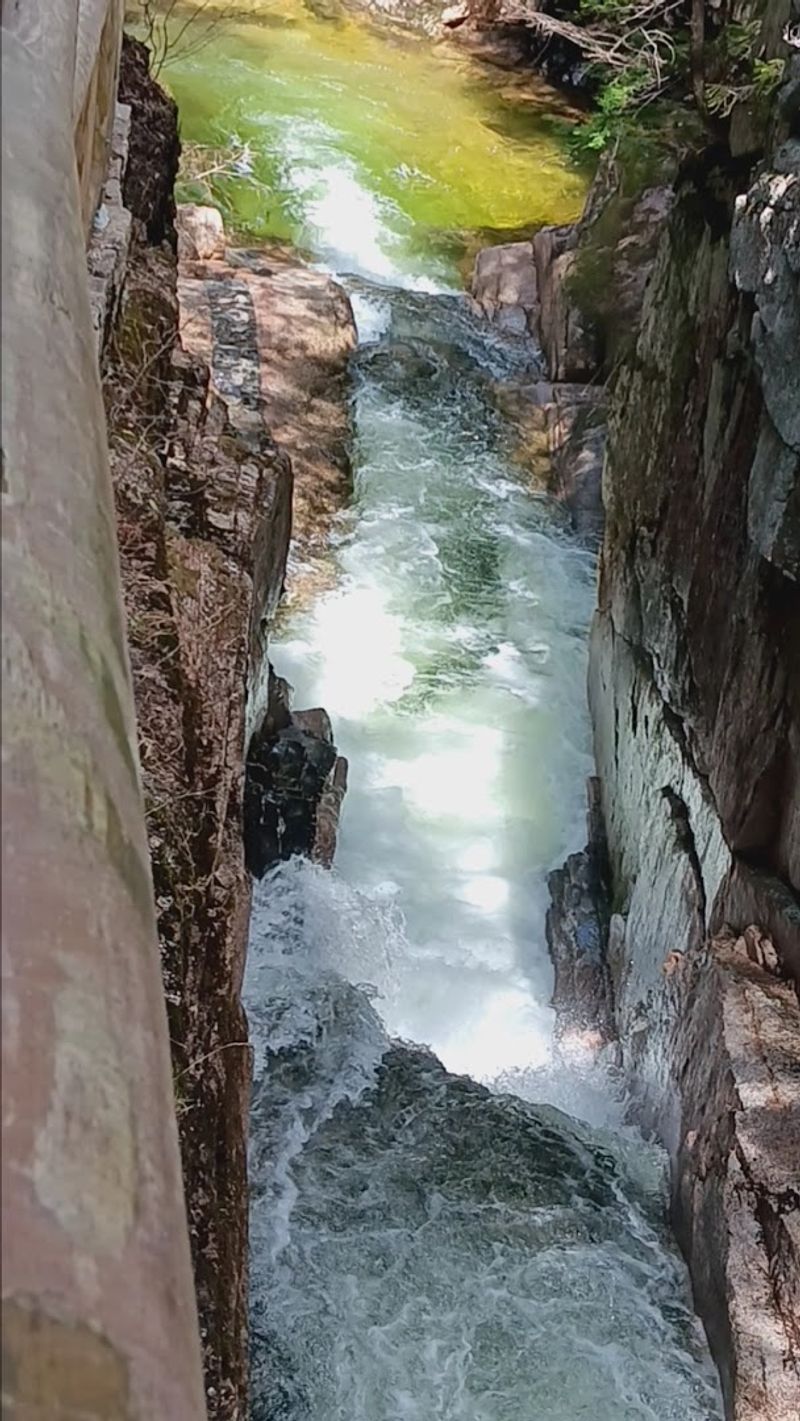
Those smooth granite rocks look absolutely inviting, and they are, until they are wet. Every surface at Lower Falls becomes genuinely treacherous when covered with water, and the combination of slick stone and river current has caught plenty of visitors off guard.
Shoes with serious grip are not optional here; they are the difference between a great afternoon and a trip to urgent care.
The Swift River carries a deceptively strong current in sections, particularly below the main falls where the water deepens. Signs throughout the area remind visitors to swim at their own risk, and that language is not just legal boilerplate.
Weak swimmers should stay in the shallower pools, and children should be watched with focused attention rather than casual glances between phone scrolls.
First-timers often underestimate how cold the water stays even on the hottest days of summer. That chill is part of the appeal, but it can also cause muscle cramping in unprepared swimmers who jump straight into the deep sections.
The site is largely accessible, with paved paths through much of the area, though some sections transition to uneven dirt and rock. Going in with realistic expectations and solid footwear makes the whole experience dramatically safer and genuinely more enjoyable for everyone sharing the space.
The Enduring Beauty That Keeps Drawing People Back
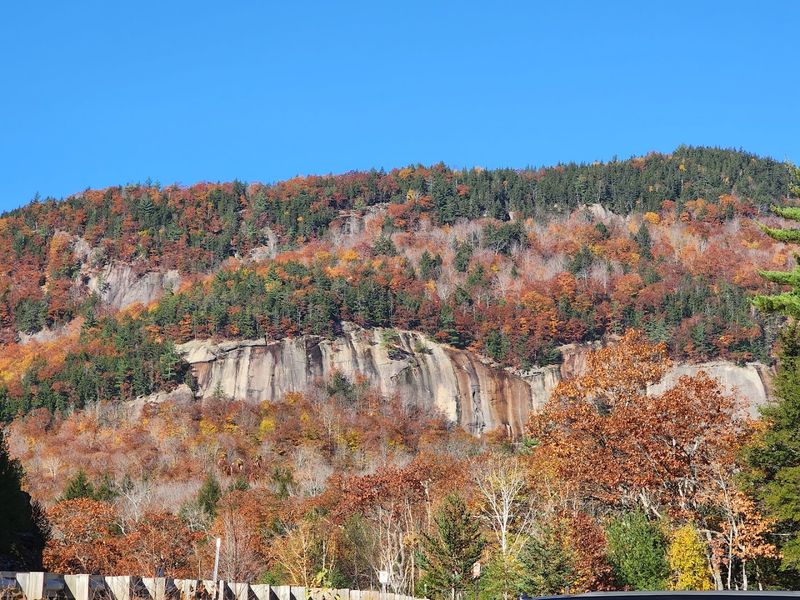
For all the complicated feelings surrounding its popularity, Lower Falls remains genuinely, undeniably spectacular. The Swift River does something remarkable here.
It’s spreading wide across broad shelves of granite before gathering itself into cascading falls and pooling into swimming holes that shimmer with that particular shade of clear mountain water you cannot fake or manufacture.
It is the kind of beauty that stops your breath mid-sentence.
Mid-morning light in summer catches the water at an angle that turns the whole scene into something resembling a postcard that no filter could improve. The surrounding forest presses close on both sides of the river, creating a natural amphitheater where the sound of falling water fills every corner.
Even on a crowded day, finding a rock slightly downstream and sitting quietly for ten minutes reveals why people keep coming back year after year.
New Hampshire has been drawing nature lovers to these mountains for generations, and Lower Falls represents everything the state does best. Wild beauty, accessible adventure, and that particular brand of crisp, clean air that makes every deep breath feel like a small luxury.
The granite is ancient, the water is cold, and the scenery is relentless in its loveliness. Whatever complications come with its fame, this place still delivers something that is very difficult to find anywhere else.
Plan Your Visit to Lower Falls, Albany with Eyes Wide Open
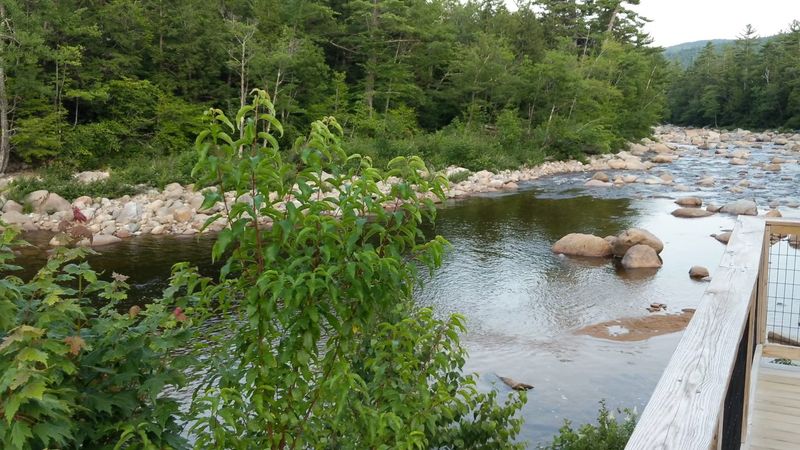
Lower Falls is located right on the Kancamagus Highway, officially Route 112, within the White Mountain National Forest. The address is Kancamagus Hwy, Albany, NH 03818, and the site is open daily from six in the morning until ten at night.
A small day-use fee applies per vehicle, payable at a self-serve kiosk that accepts both cash and card, and that fee also covers other stops along the Kanc, making it excellent value for a full day of exploration.
Facilities on site include portable restrooms, picnic tables, and charcoal grills for day-use cooking. The main attraction sits very close to the parking area, so the walk to the water is short and manageable for most fitness levels.
Parking fills quickly on summer weekends, so arriving early is not just a suggestion but a practical necessity if you want a spot without circling or waiting.
Pets are welcome as long as they stay leashed and owners clean up after them. The site is partially accessible, with paved surfaces in most areas.
Cell service along the Kanc can be spotty, so download your maps before leaving town. Go with realistic expectations, genuine respect for the environment, and a trash bag tucked in your pack.
Lower Falls will absolutely reward the effort.
