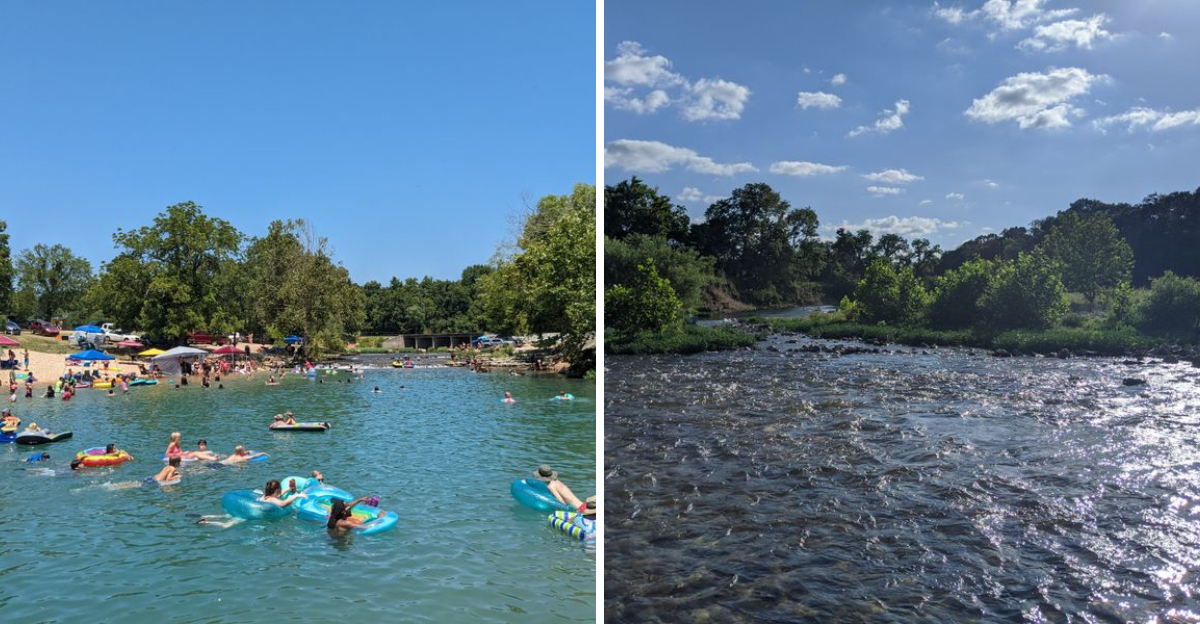
Ever stumble across a hidden gem so perfect you can’t help but tell everyone about it? That’s exactly what happened to Blue Hole Park in Salina, Oklahoma, and now locals are watching their beloved spring-fed swimming hole transform before their eyes.
Once a quiet escape where generations of families splashed in crystal-clear water, this natural wonder has become the hottest summer destination in the state, drawing crowds that have changed the vibe forever.
Some say it’s progress and economic growth, while others mourn the loss of their peaceful paradise.
Is sharing Oklahoma’s natural treasures worth the trade-off, or should some places stay off the tourist map? Whether you’re team “the more the merrier” or team “locals only,” one thing’s certain: Blue Hole Park will never be the same quiet retreat it was decades ago.
But maybe that’s not entirely a bad thing, right?
From Hidden Local Secret to Viral Sensation
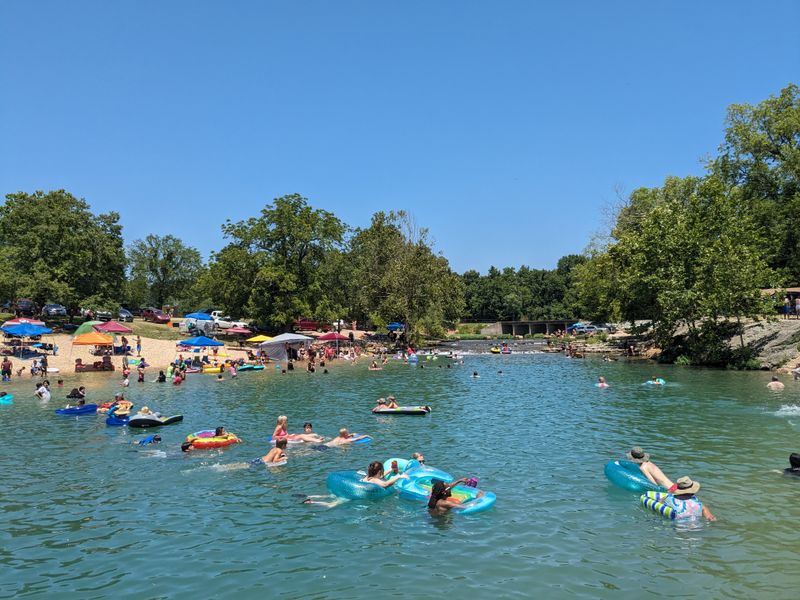
Blue Hole Park used to be the kind of place you only knew about if you grew up around Salina. Families would pack their coolers, drive down dusty backroads, and spend entire summer days wading in water so cold it made your toes go numb.
Nobody posted about it online, nobody checked in on social media, and that’s exactly how locals liked it.
Then smartphones happened. Suddenly, every visitor with a waterproof phone case became a travel influencer, snapping photos of the stunning turquoise water and tagging their location for thousands of followers to see.
Within a few summers, word spread like wildfire across Oklahoma and beyond.
Weekend crowds swelled from a handful of families to packed parking lots overflowing with out-of-state license plates.
What was once a peaceful swimming spot where you could hear birds chirping and water trickling over ancient slate rocks became a bustling attraction with lines at the concession stand and barely enough elbow room in the water.
Long-time visitors who remember the quiet days can’t help but feel a pang of nostalgia. They miss the simplicity, the solitude, and the feeling that this magical place belonged to them.
Social media put Blue Hole on the map, but it also changed its soul forever.
The Trash Problem Nobody Wants to Talk About
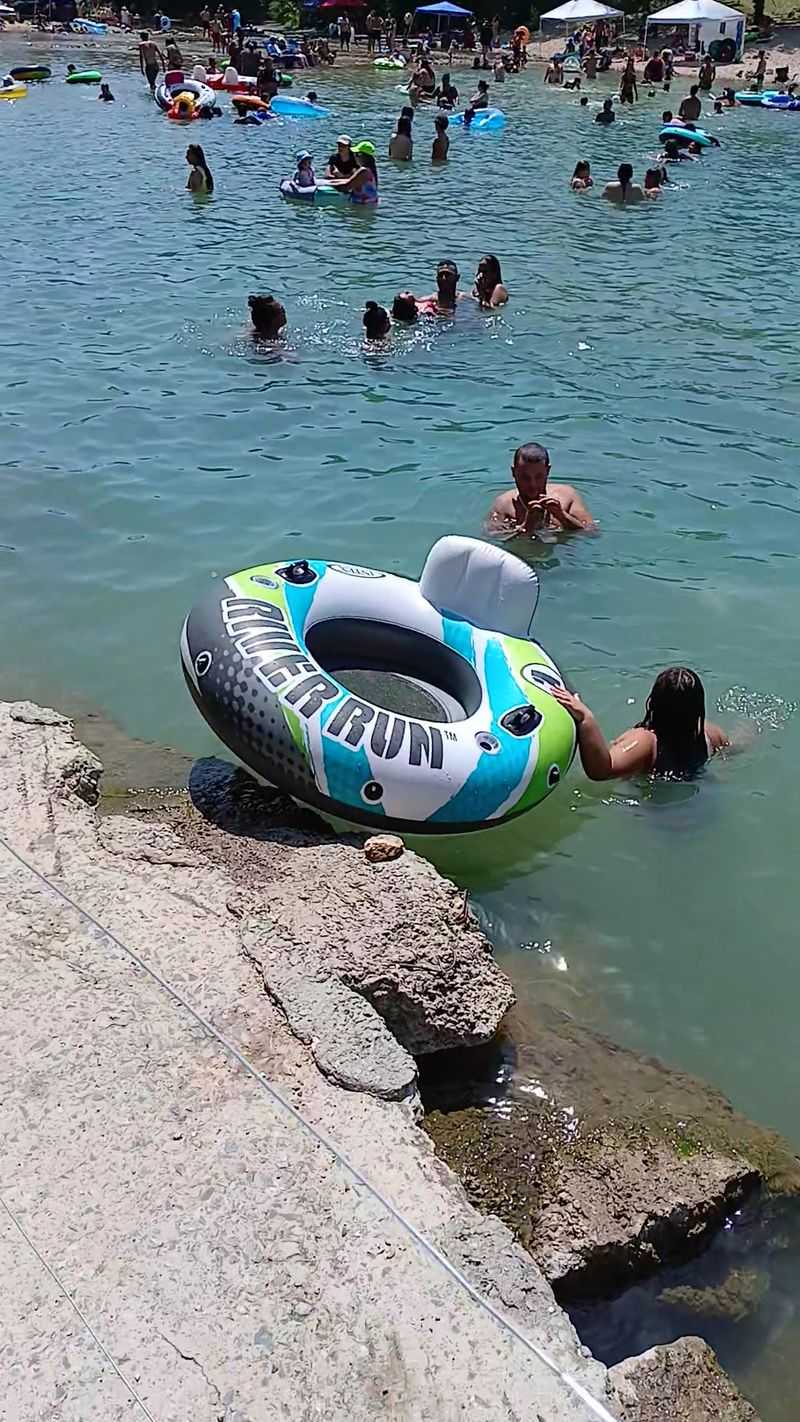
Ask any regular visitor what’s changed most at Blue Hole, and they’ll tell you about the trash. It’s not just a few forgotten water bottles or candy wrappers anymore.
On busy summer weekends, the park transforms into a cleanup nightmare, with discarded food containers, plastic bags, and even broken floaties scattered across the shoreline.
Locals have taken it upon themselves to spend their visits picking up after careless tourists, often filling multiple trash bags before they even get a chance to dip their toes in the water.
One longtime visitor mentioned spending thirty minutes every trip just collecting litter, which shouldn’t be part of anyone’s relaxing day at a swimming hole.
The park management does their best, but the sheer volume of visitors during peak season makes it nearly impossible to keep up. Trash cans overflow by midday, and not everyone bothers to carry out what they bring in, despite clear park rules about leaving no trace.
What frustrates locals most is the lack of respect. Blue Hole isn’t just a tourist attraction; it’s a natural treasure that’s been cherished by generations.
Watching people treat it like a disposable amusement park breaks the hearts of those who grew up swimming in its pristine waters.
When Crystal Waters Turn Murky
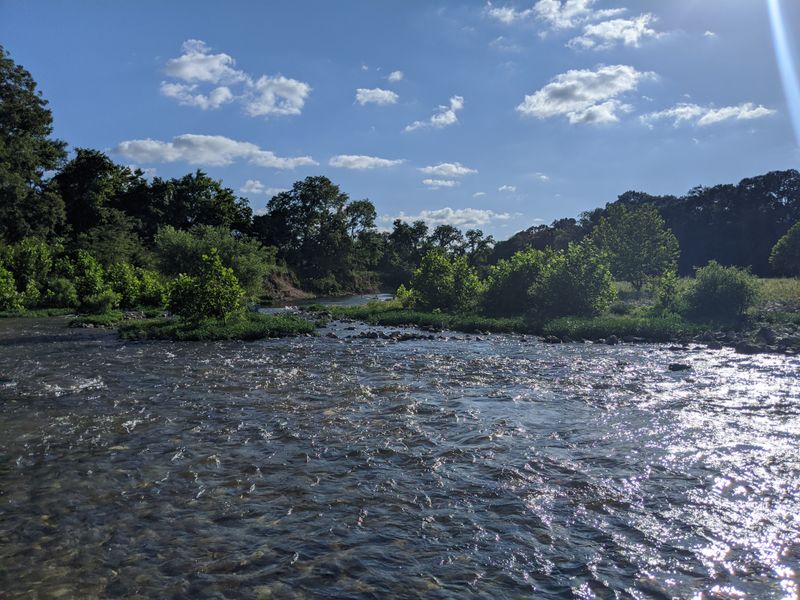
Blue Hole earned its name from the incredibly clear, spring-fed water that stays a refreshing forty degrees year-round. Decades ago, you could see straight to the bottom, watching minnows dart between ancient rocks and spotting fossils embedded in the slate.
That clarity was one of the park’s most magical features, making every swim feel like floating in liquid glass.
But increased foot traffic has taken its toll on water quality. Hundreds of people splashing around every weekend stirs up sediment, and sunscreen, lotions, and oils from swimmers create a film on the surface that wasn’t there before.
Algae growth has increased in areas where tourists stack rocks and block natural water flow, creating stagnant pockets where moss thrives.
Some visitors still rave about how clean and clear the water looks, especially compared to murky lakes and rivers elsewhere in Oklahoma. Yet those who’ve been coming for thirty or forty years can see the difference.
The water isn’t quite as transparent, the rocks are slipperier with algae, and the overall ecosystem shows signs of stress.
Nature can only handle so much love before it starts to suffer. Blue Hole’s spring-fed source keeps the water relatively clean, but without careful management and visitor education, even this natural wonder faces long-term environmental challenges.
Parking Lot Wars and Arrival Time Anxiety
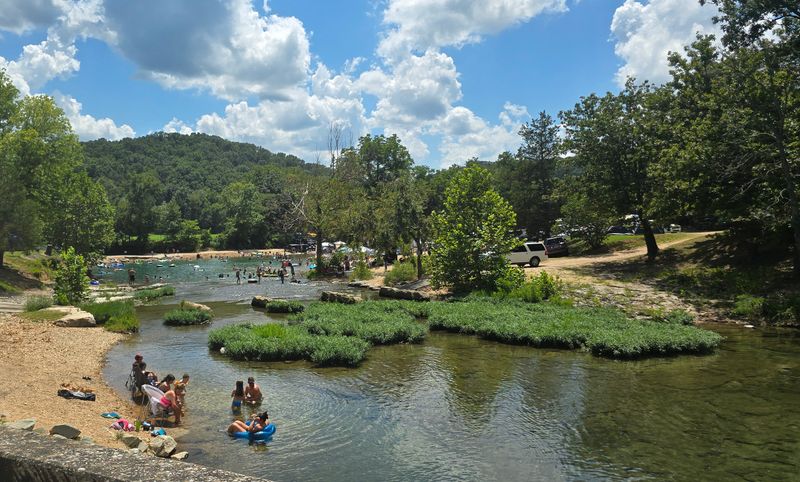
Getting a good spot at Blue Hole used to be effortless. You’d roll up whenever you felt like it, park under a shady tree, and claim your favorite patch of shoreline without any stress.
Those carefree days are ancient history now, replaced by cutthroat competition for parking spaces and waterfront real estate.
Regular visitors know the drill: arrive before nine in the morning on weekends, or forget about finding parking anywhere near the water.
By noon, the lots are jammed, and latecomers end up hiking from the far end of the property, lugging coolers, chairs, and inflatable rafts across rocky terrain in the blazing Oklahoma heat.
Securing a spot on the water itself requires even more strategy. Families now camp out overnight just to guarantee prime real estate along the creek, something that would’ve seemed absurd a decade ago.
The relaxed, spontaneous vibe that made Blue Hole special has been replaced by military-level planning and early-morning alarm clocks.
Locals reminisce about lazy Sunday afternoons when they could show up at three and still find a peaceful corner to themselves. Now, visiting Blue Hole feels more like scoring concert tickets than enjoying nature.
The anxiety of arrival has stolen some of the joy from what should be a simple summer escape.
The Noise Level Nobody Expected
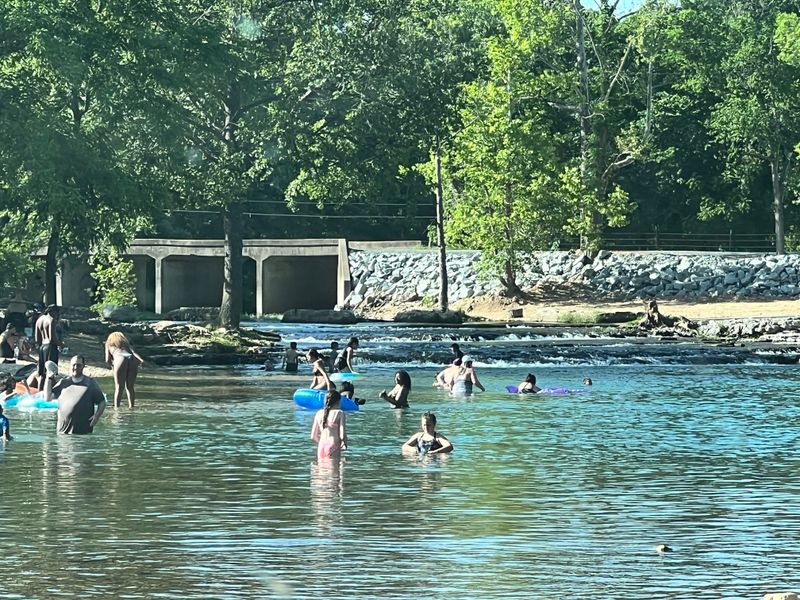
Blue Hole used to be a place where you could actually hear yourself think. The soundtrack was simple: water trickling over rocks, kids laughing in the distance, birds singing from the trees, and maybe the rustle of leaves in the breeze.
That peaceful atmosphere was half the reason people kept coming back year after year.
Tourism changed the acoustic landscape dramatically. Now, the park echoes with Bluetooth speakers blasting competing playlists, groups shouting to be heard over the crowd, and the constant buzz of dozens of conversations happening simultaneously.
Finding a quiet moment has become nearly impossible on peak days.
For families with young children or visitors seeking a tranquil nature experience, the noise can be overwhelming. What was once a serene retreat now feels more like a busy public pool, minus the lifeguards and chlorine.
The natural beauty remains, but the sensory experience has fundamentally shifted.
Some longtime visitors have started coming on weekdays or during shoulder season just to recapture a fraction of the peace they remember. Others have given up entirely, mourning the loss of their quiet sanctuary.
The park’s no-alcohol policy helps keep things family-friendly, but it can’t control the sheer volume of human activity that drowns out nature’s soundtrack.
Rising Costs and Changing Accessibility
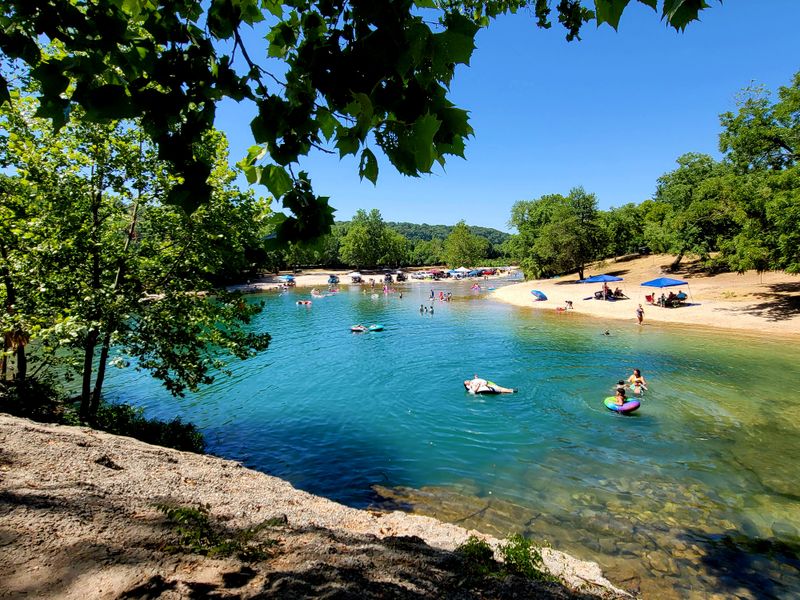
Locals remember when Blue Hole was basically free, or at most charged a few dollars per carload. It was the ultimate budget-friendly summer activity, accessible to everyone regardless of income.
Families could pack sandwiches and spend an entire day enjoying nature without breaking the bank.
As tourism boomed, so did the costs. Entry fees have climbed steadily over the years, and while they’re still reasonable compared to commercial water parks, the increase stings for locals who’ve been visiting for decades.
What once cost pocket change now requires planning and budgeting, especially for larger families.
Park management argues that higher fees are necessary to maintain facilities, manage increased traffic, and protect the natural environment from overuse. That logic makes sense, but it doesn’t ease the frustration of longtime visitors who feel priced out of their own backyard treasure.
The sliding scale from local hangout to commercial attraction has been tough to swallow.
Some residents understand the economic reality: more visitors mean more revenue, which funds improvements and conservation efforts. Others feel that Blue Hole has lost its soul in the pursuit of profit, becoming just another tourist trap that caters to outsiders while forgetting the community that cherished it first.
The debate over accessibility versus sustainability continues to divide opinions.
Overcrowding Changes the Swimming Experience
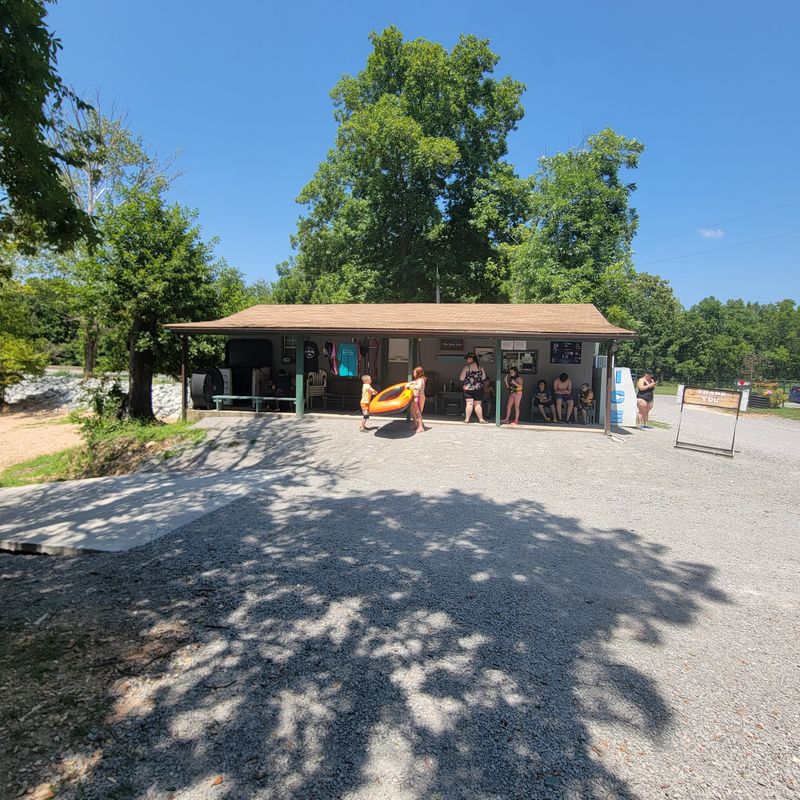
Swimming at Blue Hole used to feel like having your own private oasis. You could float peacefully, explore different sections of the creek, and actually move around without bumping into strangers every few seconds.
The water was cold, clear, and spacious enough for everyone to enjoy their own experience.
Now, weekend visits feel more like navigating a crowded community pool than exploring a natural wonder. Bodies pack the swimming areas so tightly that finding room to actually swim becomes a challenge.
Kids cannonball off rocks into spaces barely big enough for their splash radius, and inflatable rafts create traffic jams in narrow creek sections.
The downstream areas toward the far end of the property offer some relief, with more shade and fewer people willing to hike that far. Savvy visitors head straight for these quieter zones, leaving the masses to fight over the easily accessible front sections.
But even these refuge spots have become busier as word spreads about their relative tranquility.
Safety concerns have increased along with the crowds.
With so many swimmers in the water simultaneously, it’s harder for parents to keep track of their children, and the slippery rocks that were always part of Blue Hole’s charm now pose greater risks when combined with overcrowding and distracted visitors.
What the Future Holds for Blue Hole
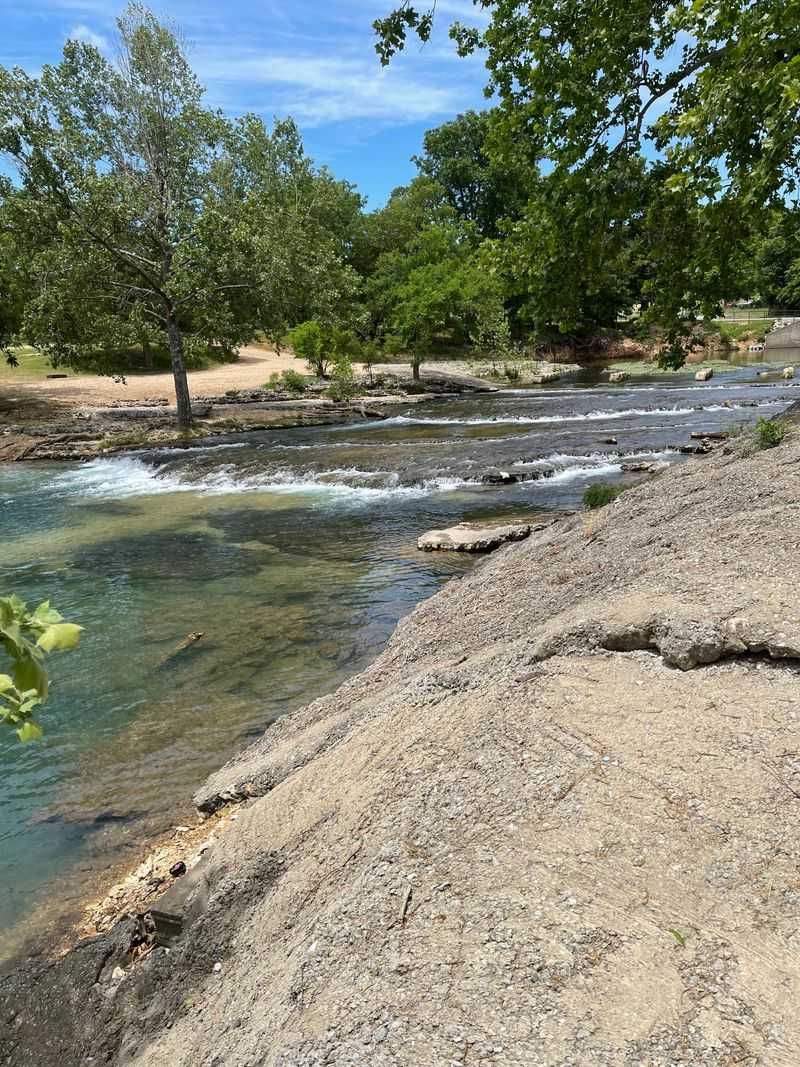
Standing at a crossroads between preservation and popularity, Blue Hole Park faces tough decisions about its future. Can this natural treasure survive its own success, or will increasing tourism eventually destroy what makes it special?
Locals and park management are grappling with these questions as they watch their beloved swimming hole evolve.
Some advocate for stricter visitor limits, requiring advance reservations to control daily attendance and reduce environmental impact. Others push for expanded facilities and better infrastructure to accommodate crowds while protecting the natural environment.
Both approaches have merit, and both have passionate supporters within the community.
Conservation efforts have ramped up, with volunteer cleanup days and educational programs teaching visitors about responsible recreation. Park rules have become stricter, with enforcement of the no-alcohol policy and increased monitoring of trash and environmental damage.
These steps help, but they’re Band-Aids on a wound that might require more drastic treatment.
Despite the challenges, Blue Hole remains a stunning natural wonder worth visiting. The spring-fed water still runs cold and relatively clear, the rock formations still tell stories of ancient geological history, and families still make cherished memories splashing in Oklahoma’s most famous swimming hole.
The question isn’t whether to visit, but how to love this place without destroying it in the process.
Dear Reader: This page may contain affiliate links which may earn a commission if you click through and make a purchase. Our independent journalism is not influenced by any advertiser or commercial initiative unless it is clearly marked as sponsored content. As travel products change, please be sure to reconfirm all details and stay up to date with current events to ensure a safe and successful trip.
