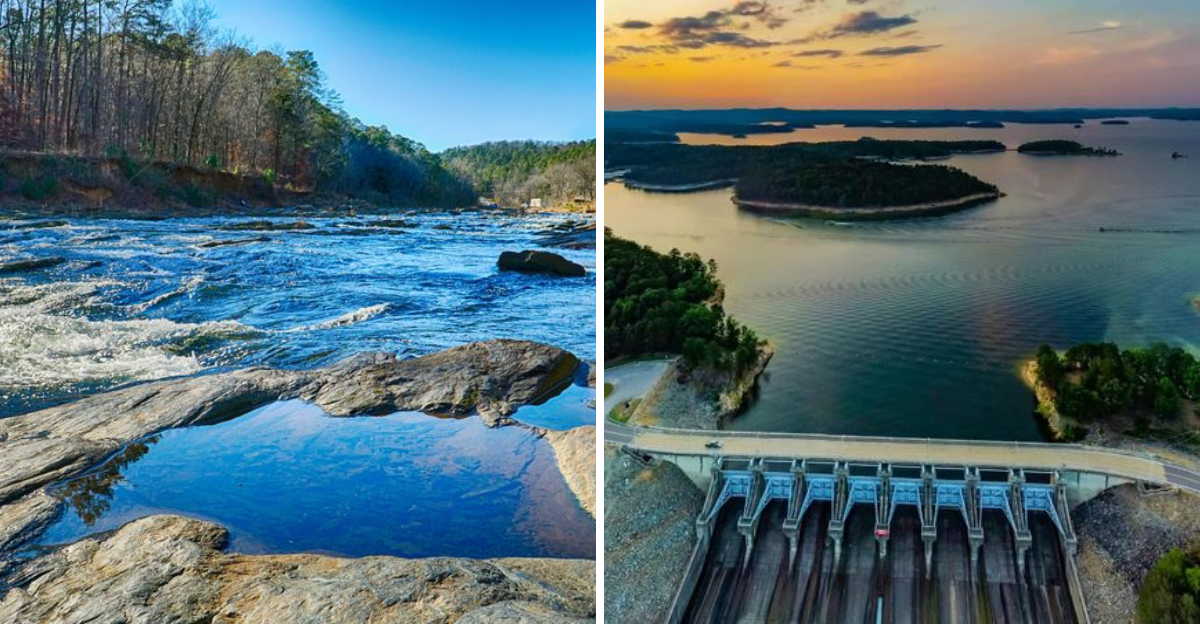
What happens when a secret slice of paradise becomes everyone’s favorite escape? Broken Bow Lake in southeastern Oklahoma knows the answer all too well.
Once a quiet refuge where locals fished in peace and families camped under starry skies without another soul in sight, this stunning reservoir has transformed into a bustling hotspot that draws visitors from across the country.
The crystal-clear waters and towering pine forests that made it special are still here, but so are the crowds, the traffic, and the endless parade of luxury cabins that now dot the shoreline.
Love it or hate it, Broken Bow has become a victim of its own beauty. Some say the influx has brought energy and economic growth, while others mourn the loss of tranquility that once defined this hidden gem.
So, is Broken Bow still worth the hype, or has tourism loved it right into chaos? Let’s explore how this Oklahoma treasure went from secret getaway to social media sensation.
The Lake Used to Be a Local Secret
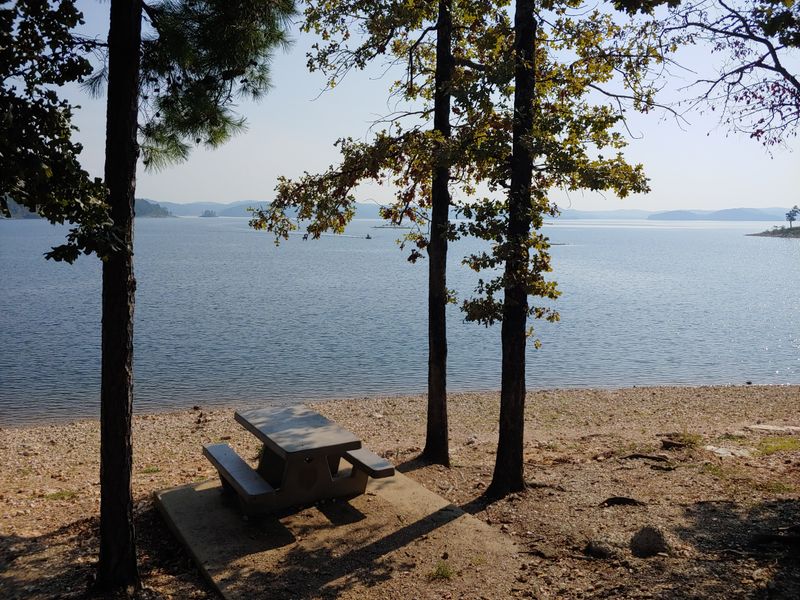
Before Instagram turned every scenic spot into a must-visit destination, Broken Bow Lake belonged to the people who lived nearby. Fishermen knew exactly where the bass hid, families claimed their favorite camping spots year after year, and weekends felt peaceful rather than packed.
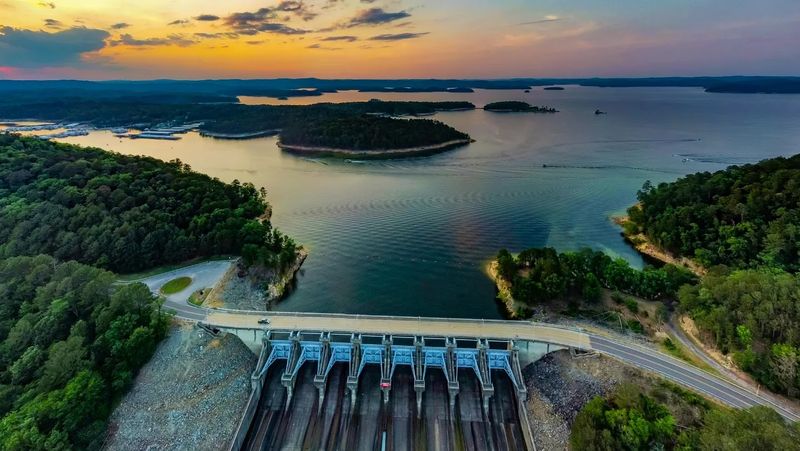
The lake, created in 1968 when the Mountain Fork River was dammed, served its purpose quietly for decades without fanfare or fuss.
Back then, you could show up on a Friday afternoon and snag a prime waterfront campsite without a reservation made six months in advance. Kids splashed in the shallows while parents grilled burgers, and the only sounds were laughter, birdsong, and the occasional hum of a fishing boat.
Nobody felt rushed, nobody jockeyed for the perfect photo angle, and the experience felt genuinely restorative.
That simplicity vanished as word spread beyond Oklahoma borders. Out-of-state visitors discovered the lake’s charm, and what started as a trickle became a flood.
Now, locals often find themselves priced out of their own backyard, watching as vacation rentals multiply and weekend traffic clogs the roads. The sense of ownership and tradition that once defined Broken Bow has shifted, leaving longtime visitors feeling like strangers in a place they helped build.
Luxury Cabin Fever Took Over the Forest
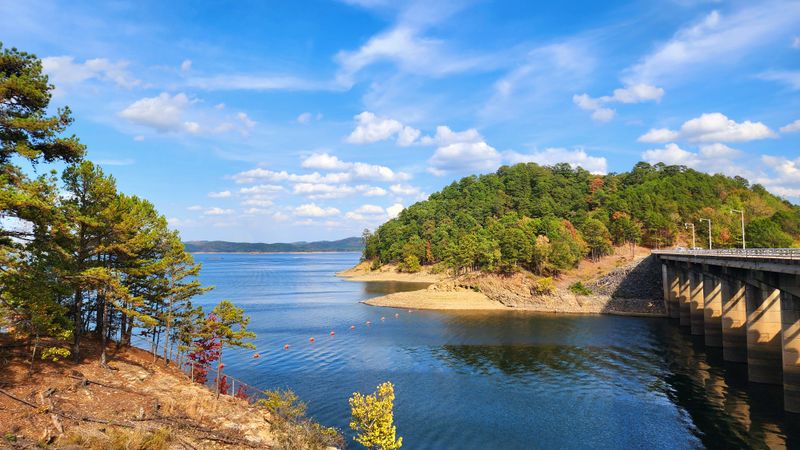
Drive through the Broken Bow area today and you’ll see them everywhere: massive rental cabins with hot tubs, game rooms, and floor-to-ceiling windows overlooking the forest. These aren’t your grandpa’s rustic fishing shacks.
They’re architectural showpieces designed for Instagram posts and corporate retreats, often renting for hundreds of dollars per night. The cabin craze exploded over the past decade, turning what was once a modest camping destination into a luxury lodging empire.
Developers snapped up wooded lots faster than you could say “weekend getaway,” and suddenly the landscape changed. Where towering pines once stood undisturbed, construction crews cleared land for driveways, decks, and amenities.
The cabins themselves are beautiful, no question, but their sheer number has altered the character of the region. Privacy became a premium commodity as cabins sprouted within sight of each other, and the sense of wilderness that once defined Broken Bow started feeling manufactured.
Locals watched property values skyrocket, which benefited some landowners but made it nearly impossible for young families to afford homes in the area. The economic boom brought jobs and revenue, yet it also created a landscape where tourism dollars matter more than community roots.
The cabins keep coming, and the forest keeps shrinking.
Traffic Jams in the Middle of Nowhere
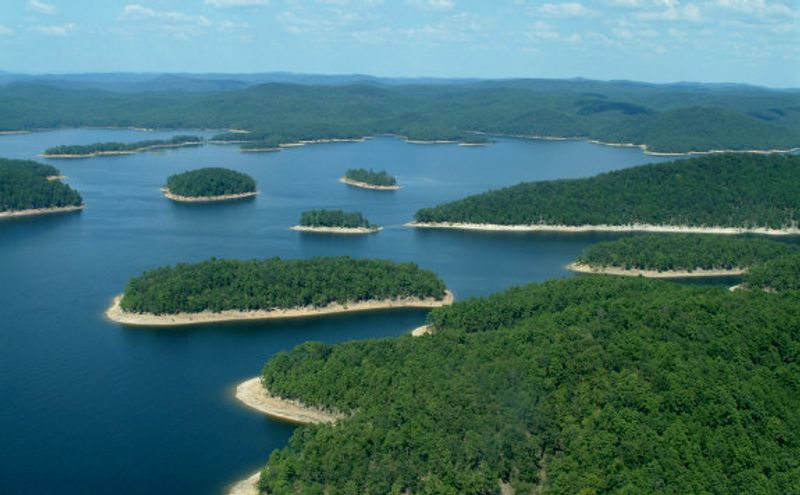
Nobody expects gridlock when heading to a lake surrounded by forests and mountains, but that’s exactly what happens now during peak season at Broken Bow. The two-lane roads leading to the lake and nearby Hochatown weren’t designed for the volume of traffic they now carry.
Summer weekends and holidays turn the drive into a frustrating crawl, with RVs, trucks towing boats, and SUVs packed with families all competing for space on narrow routes.
Parking lots at popular access points fill up by mid-morning, forcing visitors to circle endlessly or give up and try another spot. The infrastructure simply hasn’t kept pace with the explosion in visitors.
What should be a relaxing journey into nature becomes a test of patience, complete with honking horns and overheated engines. Rangers and local authorities do their best, but there’s only so much they can do when thousands of people descend on a small area at once.
The traffic problem extends beyond inconvenience. Emergency vehicles struggle to navigate congested roads, and the constant flow of cars damages roadways faster than they can be repaired.
Locals who once zipped to the lake in minutes now budget extra time for the journey, and some avoid the area altogether during busy periods. The charm of a remote getaway fades quickly when you’re stuck bumper-to-bumper in the woods.
The Water Stays Clear but Gets Crowded
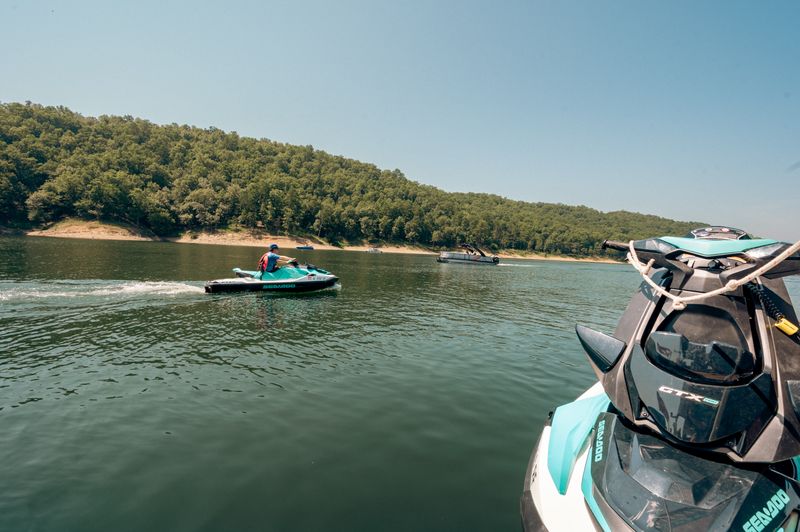
One thing tourism hasn’t ruined is the lake’s legendary water clarity. Broken Bow Lake remains one of the cleanest bodies of water in Oklahoma, thanks to strict regulations and the natural filtration provided by the surrounding landscape.
You can still see several feet down into the depths, and the water temperature stays refreshingly cool even during summer heat waves. That clarity is a big reason people keep coming back, even as crowds grow.
However, the experience of enjoying that clear water has changed dramatically. Weekends see flotillas of boats, kayaks, paddleboards, and jet skis jockeying for position on the lake’s 14,000 acres.
Finding a secluded cove for a private swim now requires serious effort and early arrival. Popular swimming areas get packed with families, and the peaceful solitude that once defined a day on the water has become a rare luxury.
Noise levels rise as engines roar and music blasts from boat speakers, creating an atmosphere more party than sanctuary.
The lake’s ecosystem faces pressure too. Increased boat traffic stirs up sediment, and despite regulations, litter occasionally mars the shoreline.
Rangers work hard to maintain the lake’s pristine condition, but the sheer volume of visitors makes their job exponentially harder. The water may still sparkle, but the experience of being on it has lost some of its magic.
Hochatown Exploded into a Tourist Trap
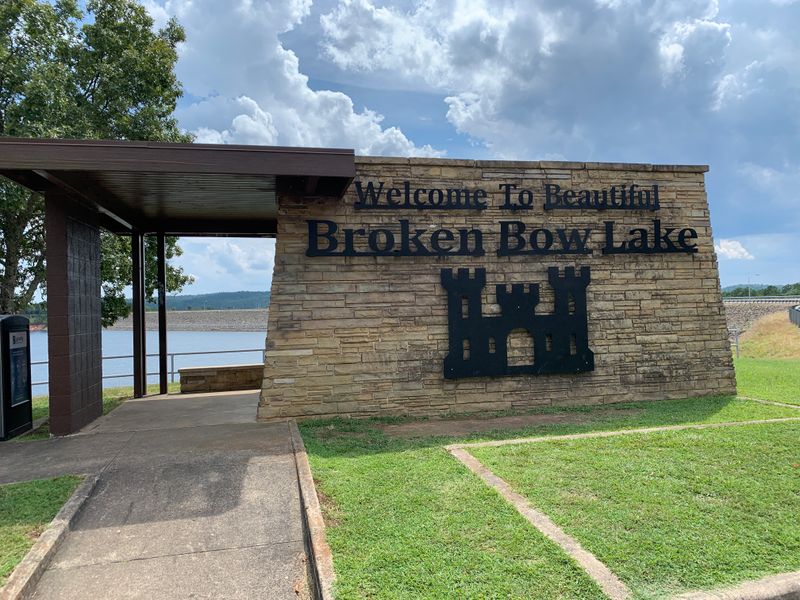
The tiny community of Hochatown sits at the gateway to Broken Bow Lake, and it has transformed more dramatically than anywhere else in the region.
What was once a sleepy collection of mom-and-pop shops and a gas station is now a sprawling strip of restaurants, souvenir stores, adventure outfitters, and entertainment venues.
The growth happened fast, fueled by the lake’s popularity and the demand for services from the flood of visitors.
On one hand, the development brought economic opportunity to a region that desperately needed it. Jobs were created, businesses thrived, and the tax base expanded.
On the other hand, Hochatown lost much of its small-town character in the process. Chain restaurants moved in alongside local eateries, gift shops hawking generic merchandise replaced quirky local spots, and the main drag started looking like every other tourist town in America.
The authenticity that once made it charming got buried under commercial development.
Locals have mixed feelings about the transformation. Some appreciate the conveniences and opportunities, while others miss the days when everyone knew each other and the pace of life moved slower.
The debate continues, but there’s no denying that Hochatown has become a different place, shaped more by visitor expectations than community identity. The growth shows no signs of slowing down.
Campgrounds Require Reservations Months Ahead
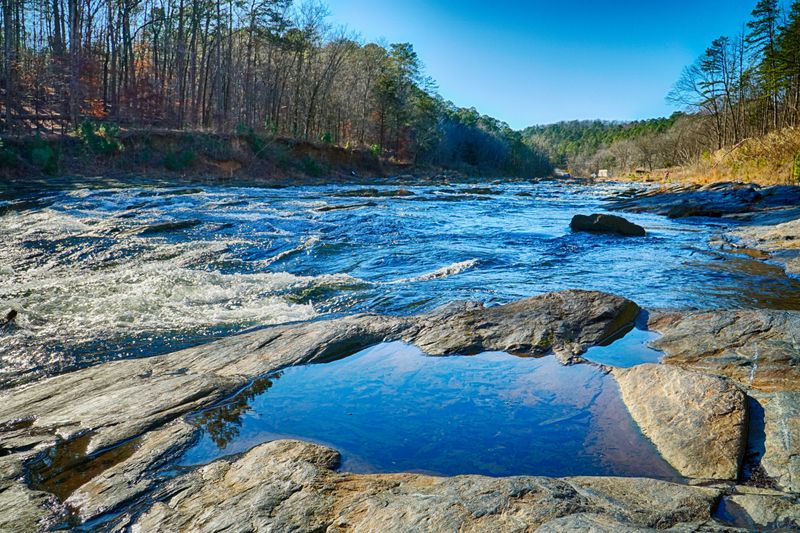
Remember when camping meant spontaneity? Those days are gone at Broken Bow Lake.
The campgrounds managed by the U.S. Army Corps of Engineers fill up months in advance, especially for prime summer weekends and holidays.
Families who want to secure a lakeside spot start planning their trips a year ahead, competing with thousands of others for a limited number of sites. The reservation system opens six months out, and popular loops sell out within hours.
The campgrounds themselves remain well-maintained, with clean facilities, regular ranger patrols, and beautiful settings among the pines. Reviews consistently praise the upkeep and the sense of security provided by staff.
But the difficulty of getting a reservation frustrates both newcomers and longtime campers who remember when you could just show up and find a spot. The democratization of camping through online booking means everyone has equal access, but it also means competition is fierce.
Some campers have adapted by exploring less popular times of year or seeking out private campgrounds in the area, which have also multiplied to meet demand. Others have given up on camping altogether, opting for cabin rentals instead.
The shift reflects a broader change in how people experience Broken Bow, where planning and persistence matter more than spontaneity and luck. The camping experience is still rewarding, but it requires more effort than ever before.
Social Media Made It Famous and Overrun
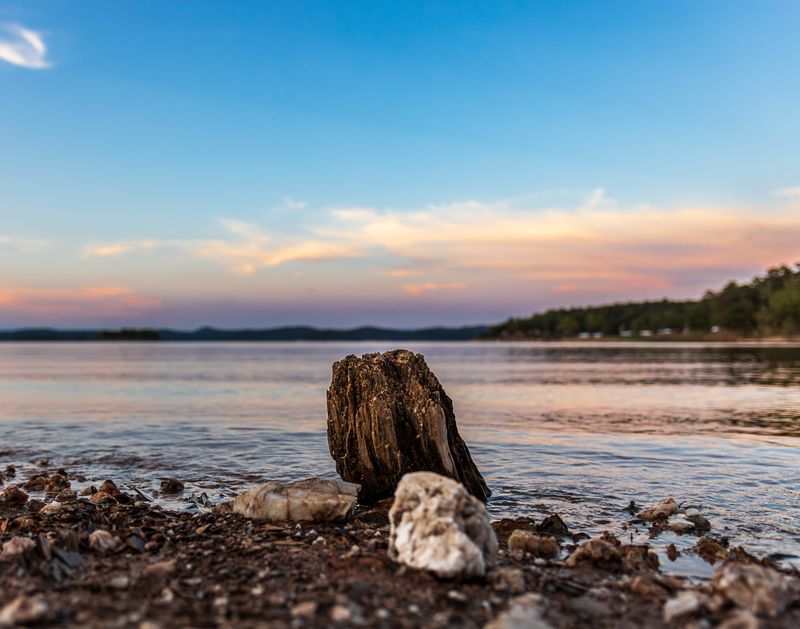
Broken Bow Lake’s transformation from hidden gem to tourist magnet can be traced directly to the rise of social media. Instagram, Facebook, and TikTok turned the lake’s stunning scenery into viral content, with influencers and everyday visitors alike posting photos of clear water, sunset views, and cozy cabin interiors.
Each post reached hundreds or thousands of people, many of whom added Broken Bow to their travel bucket lists. The snowball effect was undeniable and unstoppable.
The irony is thick. The very beauty that made Broken Bow special became the tool for its own undoing.
Every gorgeous photo attracted more visitors, who in turn took more photos, which attracted even more visitors. The cycle fed itself, and the lake’s popularity grew exponentially.
Tourism boards and local businesses embraced the exposure, recognizing the economic potential, but the environmental and cultural costs mounted alongside the profits.
Now, visitors arrive with preconceived notions shaped by carefully curated social media posts, expecting perfection and often disappointed by reality. The pressure to capture the perfect shot leads to crowding at scenic overlooks and popular spots, with people waiting in line for their turn to snap a photo.
The experience becomes performative rather than genuine, and the connection to nature that should be the point gets lost in the quest for likes and shares. Social media gave Broken Bow fame, but at what cost?
Fishing Pressure Changed the Experience
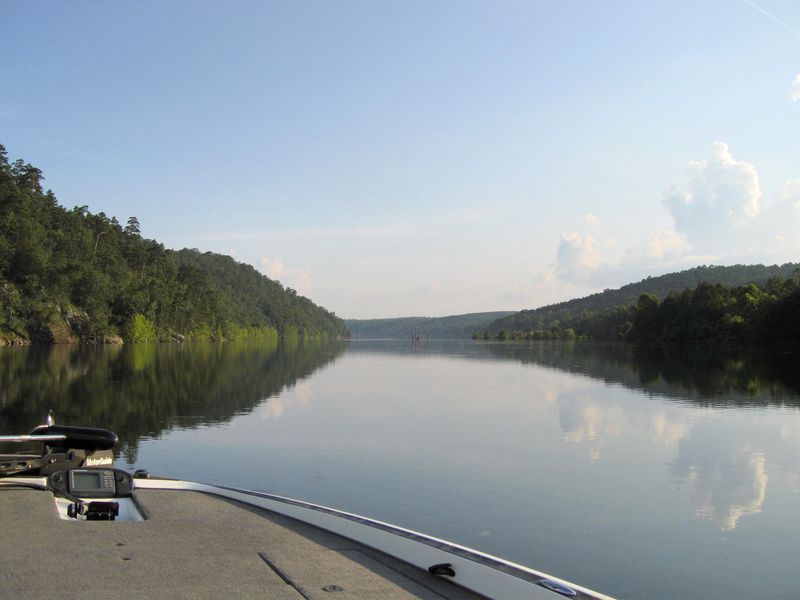
Anglers used to consider Broken Bow Lake a trophy destination for largemouth bass, smallmouth bass, and spotted bass. The clear water and abundant structure made for excellent fishing, and the lake developed a reputation among serious fishermen.
Tournaments brought competitors from across the region, and locals knew the best spots by heart. Fishing wasn’t just a hobby; it was a way of life and a source of pride for the community.
Increased tourism brought increased fishing pressure, and the dynamics shifted. More boats on the water mean more competition for prime spots, and the fish have become warier and harder to catch.
The lake remains stocked and managed by wildlife officials, but the sheer number of anglers means each individual’s chance of landing a big one has decreased. Guides and charter services multiplied to meet demand, adding another layer of commercial activity to what was once a more personal pursuit.
Hardcore fishermen now head out at dawn to beat the crowds, or they seek out less accessible areas of the lake where casual anglers won’t venture. The camaraderie that once existed among anglers has been strained by competition and crowding.
Still, the lake produces fish, and patient anglers can still have successful days. The experience just requires more effort, better planning, and a willingness to share the water with far more people than before.
Local Businesses Boomed but Culture Shifted
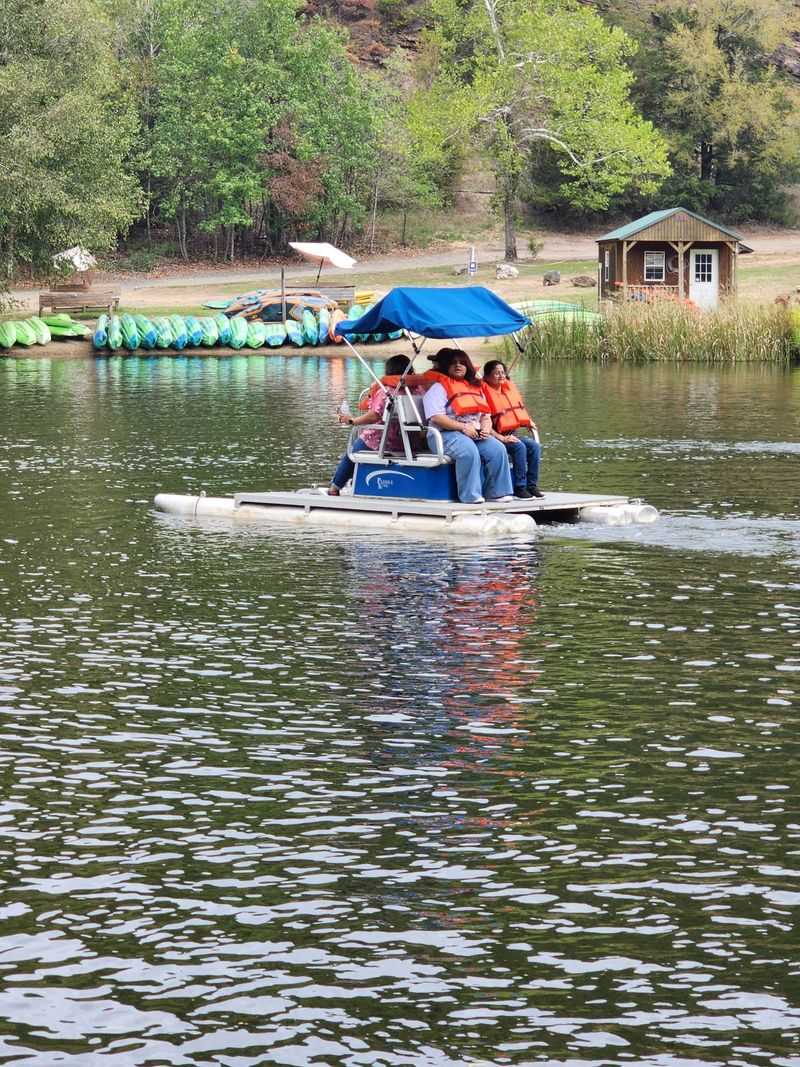
The economic impact of tourism on the Broken Bow area cannot be overstated. Restaurants that once struggled to stay open now have waiting lists on weekends.
Outfitters renting kayaks, paddleboards, and boats expanded their fleets to keep up with demand. New businesses opened monthly, from escape rooms to zipline courses to boutique shops.
Jobs were created, tax revenue increased, and the region’s economic outlook brightened considerably. For many residents, the tourism boom represented opportunity and prosperity.
Yet prosperity came with trade-offs. The influx of outside money and visitors shifted the area’s cultural identity.
Long-established family businesses found themselves competing with slick new operations backed by outside investors. Property taxes rose along with property values, squeezing some longtime residents out of the market.
The rhythm of life changed from the predictable cycles of a rural community to the hectic pace dictated by tourist seasons. Some welcomed the energy and change, while others felt displaced in their own hometown.
The tension between economic growth and cultural preservation remains unresolved. Community meetings debate zoning laws, development limits, and how to balance progress with tradition.
The conversation reflects a struggle playing out in small towns across America, where tourism dollars promise prosperity but threaten to erase the very qualities that made a place special. Broken Bow sits at that crossroads, still figuring out what it wants to be.
Wildlife and Nature Face New Pressures
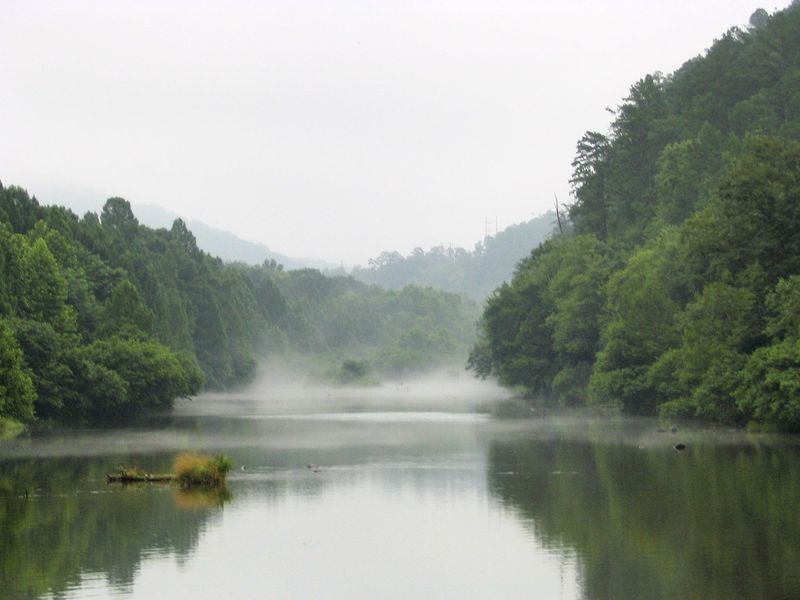
The forests and waters around Broken Bow Lake support diverse wildlife, from white-tailed deer and wild turkeys to bald eagles and river otters. The natural beauty that draws visitors exists because of a functioning ecosystem, but that ecosystem faces mounting pressure from human activity.
Increased foot traffic on trails leads to erosion and habitat disruption. Noise from boats and crowds disturbs nesting birds and other sensitive species.
Litter, despite cleanup efforts, poses hazards to animals that mistake it for food.
Conservation groups and park officials work hard to mitigate the impact, implementing regulations and educational programs aimed at protecting the environment. Signs remind visitors to pack out trash, stay on designated trails, and respect wildlife viewing distances.
Rangers patrol regularly, enforcing rules and educating the public. These efforts help, but they’re fighting an uphill battle against sheer numbers.
More people inevitably mean more impact, no matter how conscientious individuals try to be.
Some sensitive areas have been closed to public access to allow recovery, and wildlife sightings have become less frequent in popular zones as animals retreat to quieter parts of the forest. The trade-off between public access and environmental protection remains a constant challenge.
Broken Bow’s natural beauty is resilient, but it’s not invincible. The question facing the region is whether tourism can be managed sustainably or whether the environment will continue to pay the price for popularity.
The Off-Season Offers a Glimpse of the Past
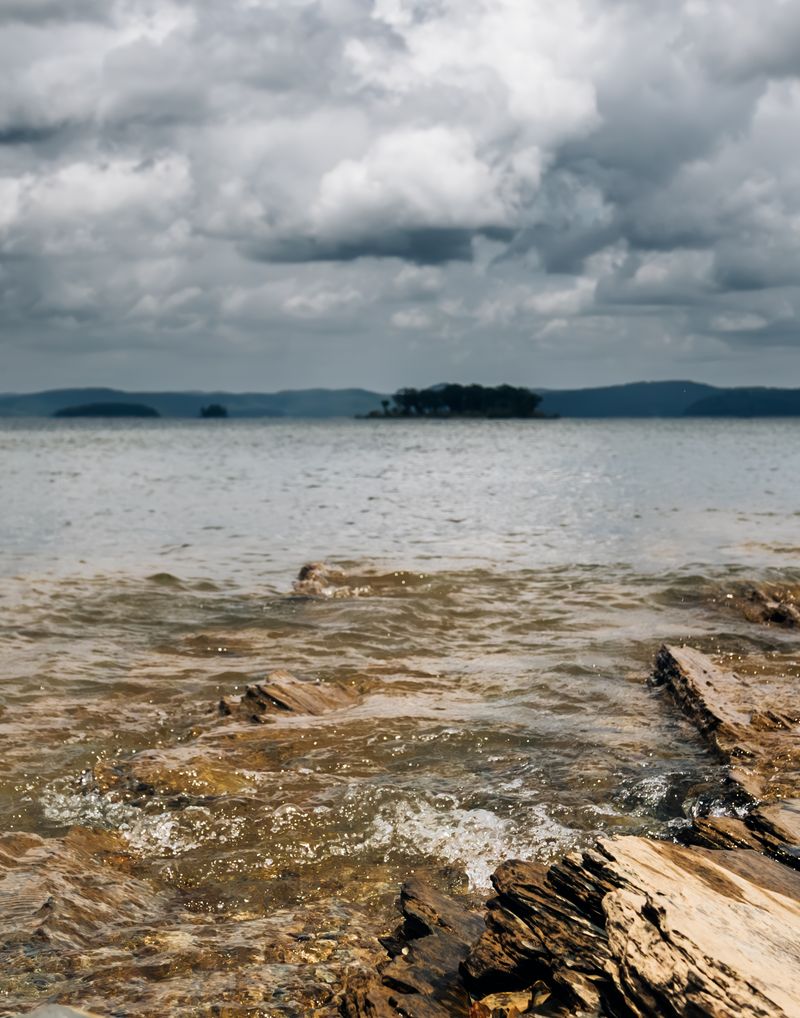
If you want to experience Broken Bow Lake as it used to be, visit during the off-season. Late fall, winter, and early spring bring cooler temperatures and far fewer visitors, transforming the area back into the peaceful retreat it once was.
The cabins still dot the hillsides, and the infrastructure remains, but the crowds disappear. You can drive to the lake without traffic, find parking easily, and walk trails without encountering another soul for hours.
The lake’s beauty shifts with the seasons. Autumn brings brilliant foliage as hardwoods turn gold and crimson against the evergreen pines.
Winter offers crisp air and quiet mornings when mist rises from the water’s surface. Spring awakens the forest with wildflowers and birdsong, and the temperatures remain comfortable for hiking and exploring.
These quieter months reveal the landscape’s subtle charms, the ones that get lost in the summer hustle.
Locals reclaim their lake during these months, enjoying the solitude and slower pace that summer no longer provides. Fishermen have the water to themselves, campers enjoy empty campgrounds, and the sense of connection to nature returns.
The off-season proves that Broken Bow’s magic hasn’t been completely lost; it’s just been buried under the weight of popularity. For those willing to brave cooler weather and shorter days, the reward is a glimpse of what once was and what could still be, if only for a few months each year.
Locals Debate Whether Tourism Is Worth It
Ask ten people in the Broken Bow area about tourism and you’ll get ten different answers. Some residents embrace the changes wholeheartedly, grateful for the economic opportunities and the energy that visitors bring.
Business owners who invested in tourism infrastructure have seen their gambles pay off handsomely. They point to new schools, improved roads, and expanded services as proof that tourism benefits everyone, even those not directly involved in the industry.
Others feel less enthusiastic, mourning the loss of the quiet community they once knew. They talk about traffic, noise, overcrowding, and the sense that their home has been turned into a commodity for outsiders to consume.
Some have sold their property and moved away, priced out by rising costs or simply tired of the changes. Others stay and adapt, carving out spaces and times when they can still enjoy what they love about the area, even as it transforms around them.
The debate reflects a fundamental tension in many rural communities that become tourist destinations. Growth brings resources but also disruption.
Money flows in, but so do people who don’t share the same connection to the place. The question isn’t whether tourism has changed Broken Bow, because that’s undeniable.
The question is whether the trade-offs are worth it, and that answer depends entirely on who you ask and what they value most. The conversation continues, as passionate and complex as the place itself.
Dear Reader: This page may contain affiliate links which may earn a commission if you click through and make a purchase. Our independent journalism is not influenced by any advertiser or commercial initiative unless it is clearly marked as sponsored content. As travel products change, please be sure to reconfirm all details and stay up to date with current events to ensure a safe and successful trip.
