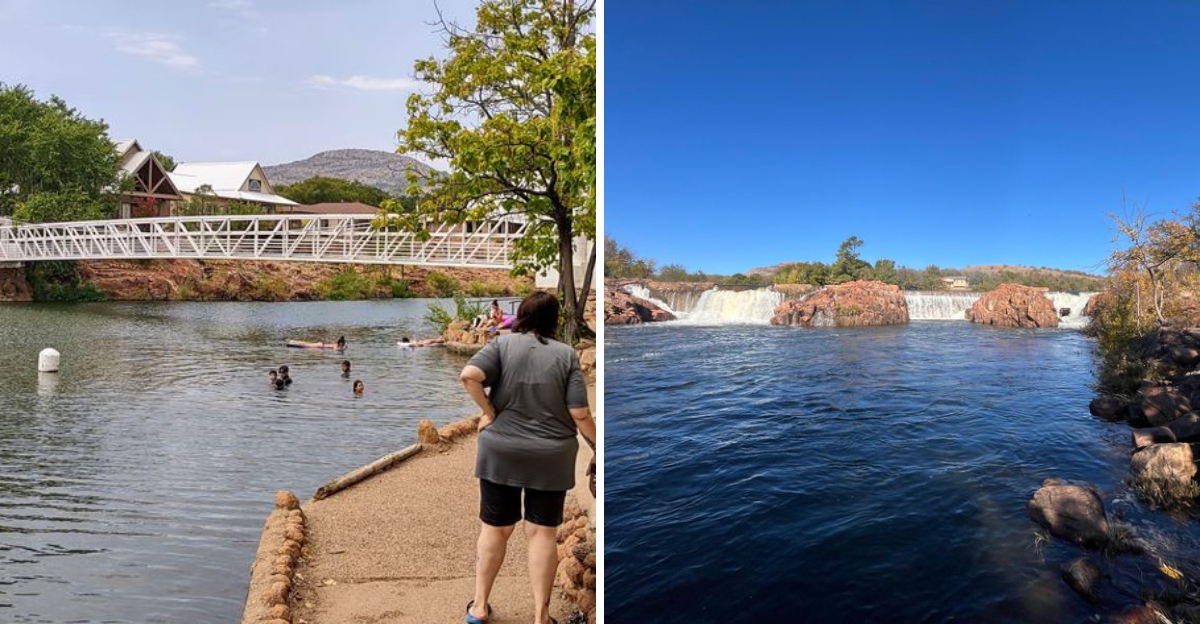
I still remember the first time I visited Bath Lake in Medicine Park, Oklahoma, back when it was a peaceful retreat known mostly to locals.
The crystal-clear water sparkled under the summer sun, and you could actually hear the gentle sounds of Bat Creek flowing nearby without the constant chatter of crowds.
Fast forward to today, and this once-serene swimming hole has transformed into a tourist hotspot that barely resembles the tranquil escape it used to be.
Social media discovery and viral posts have brought waves of visitors to this small Oklahoma town, and while economic growth is wonderful, the transformation has left longtime residents mourning the loss of their beloved hideaway.
The Social Media Effect Changed Everything Overnight
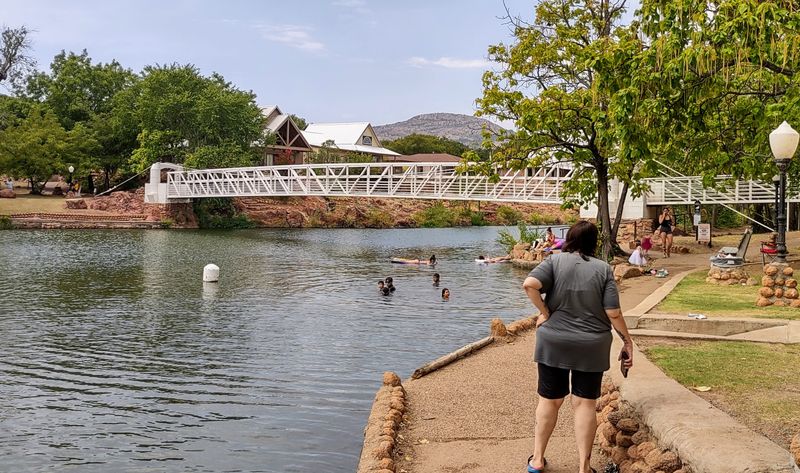
Social media transformed Bath Lake from a local secret into an Instagram hotspot almost overnight. A few shared photos quickly multiplied into thousands, each tagging Medicine Park and drawing more curious visitors.
The transformation happened so rapidly that the small community barely had time to prepare. One summer the lake was quiet, and the next it was packed with people seeking the perfect photo opportunity.
Locals who had been swimming here for decades suddenly found themselves competing for parking spots and shoreline space.
I watched this change happen in real time during my visits over the years. The authenticity that made Bath Lake special got replaced by staged photoshoots and influencer content.
People stopped coming to relax and started coming to perform for their followers.
The constant stream of new visitors means the lake never gets a break anymore. Weekend crowds now rival those at major tourist destinations, and the peaceful mornings that locals cherished have become nearly impossible to find.
Bath Lake’s quiet charm couldn’t survive the sudden influx of visitors.
Parking Nightmares Replaced Easy Access
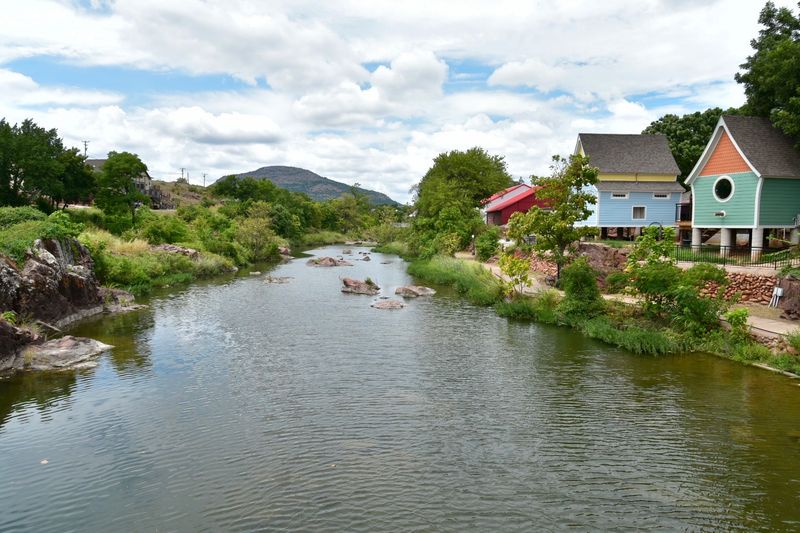
Finding a parking spot at Bath Lake used to be effortless. I could roll up any time of day, park close to the water, and be swimming within minutes.
Those days are long gone, replaced by a frustrating scramble that can take longer than the actual swim.
The tiny parking areas in Medicine Park, Oklahoma, were designed for a trickle of visitors, not the flood that arrives now. Cars line every available inch of roadside space, creating traffic bottlenecks and safety concerns.
I’ve seen people park half a mile away and haul their gear through the heat just to reach the water.
Weekends have become particularly challenging, with visitors arriving as early as dawn to claim spots. The situation gets even worse during summer holidays when out-of-state tourists descend on this small Oklahoma community.
Local residents often give up trying to visit their own lake because the hassle outweighs the enjoyment.
The parking chaos also affects nearby businesses and residential areas. Private driveways get blocked, and emergency vehicle access becomes compromised.
What was once a simple pleasure now requires military-level planning and patience that most locals simply don’t have anymore.
Trash and Litter Destroyed the Natural Beauty
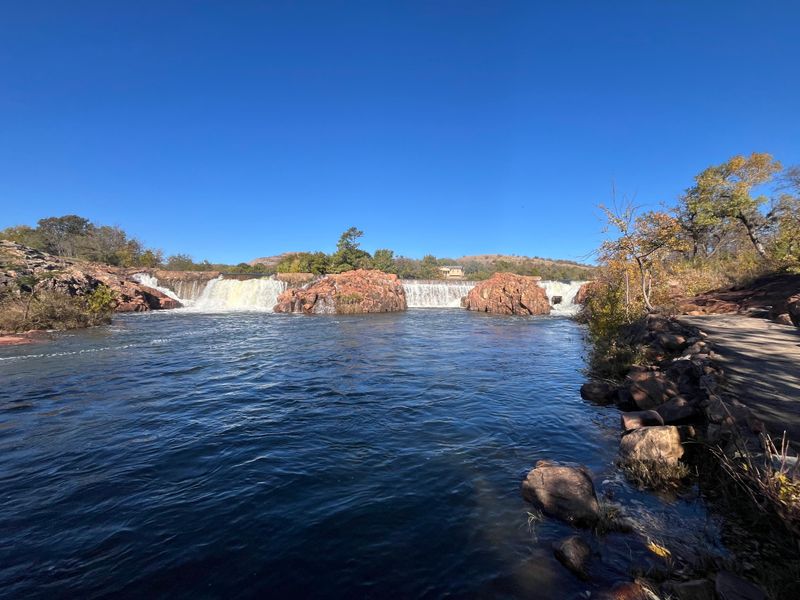
Bath Lake’s pristine environment has taken a serious beating from increased visitor traffic. Walking along the shoreline now means dodging plastic bottles, food wrappers, and other trash left by visitors.
The natural beauty that once drew people here is slowly disappearing under this clutter.
I’ve participated in several cleanup efforts with local volunteers, and the amount of trash we collect is staggering. Single-use plastics dominate the haul, along with disposable containers and packaging from snacks.
Many visitors treat this Oklahoma natural area like a disposable experience rather than a precious resource.
The problem extends beyond just unsightly litter. Trash in and around the water affects wildlife and water quality.
Fish and other aquatic creatures suffer from pollution that wasn’t an issue when locals were the primary visitors. The ecosystem that maintained itself for years now struggles under the weight of human impact.
Despite posted signs and increased trash receptacles, the problem persists. Education about leave-no-trace principles seems lost on many tourists who prioritize their convenience over environmental responsibility.
Medicine Park residents spend countless volunteer hours trying to restore what gets destroyed each weekend.
Noise Levels Shattered the Peaceful Atmosphere
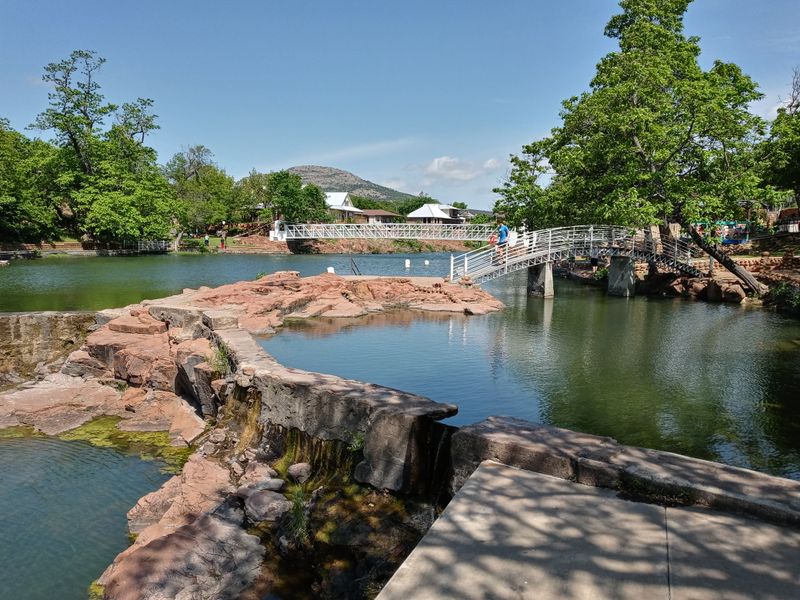
The tranquil sounds of nature that once defined Bath Lake have been drowned out by constant noise pollution. Portable speakers blasting music, groups shouting across the water, and the general din of hundreds of conversations create a cacophony that locals never imagined possible at their quiet retreat.
I remember when the loudest sounds here were birds singing and water flowing over rocks. Now I can barely hear myself think over competing playlists and the excited screams of tourists experiencing the lake for the first time.
The peaceful meditation that swimming here once provided has become nearly impossible to achieve.
Oklahoma residents who sought Bath Lake for its calming qualities now avoid it entirely. The noise starts early and continues until closing time, with no respite even during traditionally quiet hours.
What was once a place for reflection and relaxation has transformed into something resembling a party venue.
Local families with young children find the environment particularly challenging. The constant stimulation and volume levels aren’t conducive to the gentle introduction to nature that parents hoped to provide.
Medicine Park’s character as a peaceful destination has been fundamentally altered by visitors who don’t understand or respect the area’s original appeal.
Water Quality Concerns Have Increased Significantly
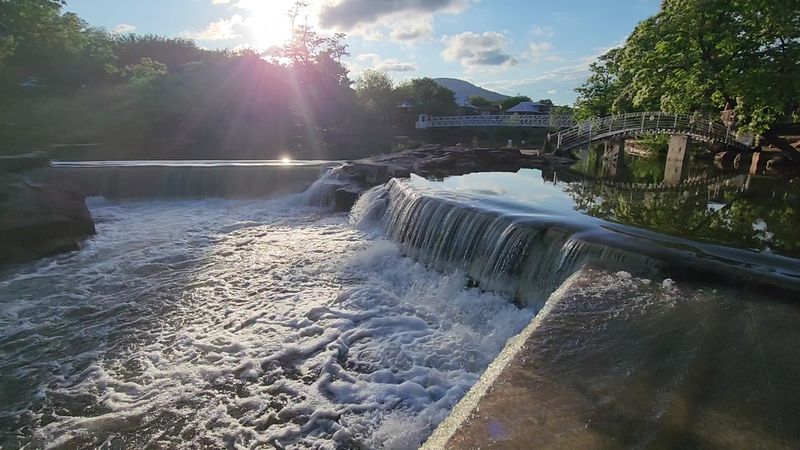
The crystal-clear water that made Bath Lake famous has become noticeably murkier with increased usage. Testing results show elevated bacteria levels during peak tourist seasons, raising legitimate health concerns that never existed when visitor numbers were manageable.
The natural filtration system simply can’t keep up with the current demand.
Sunscreen, body oils, and other personal care products from hundreds of daily swimmers create a visible film on the water’s surface. I’ve noticed the difference in water clarity between early morning before crowds arrive and late afternoon after peak usage.
The transformation is troubling for anyone who remembers how pristine this Oklahoma swimming spot used to be.
Local health officials have had to implement more frequent water quality monitoring, something that wasn’t necessary before the tourist boom. There have been temporary closures due to contamination concerns, disappointing both visitors and residents.
The ecological balance that maintained itself naturally for decades now requires constant human intervention.
Long-time swimmers report more skin irritations and minor infections than in previous years. The biological load on the water system has exceeded its natural capacity to self-clean.
Medicine Park faces difficult decisions about access restrictions to protect both public health and environmental integrity.
Local Traditions and Community Events Disappeared
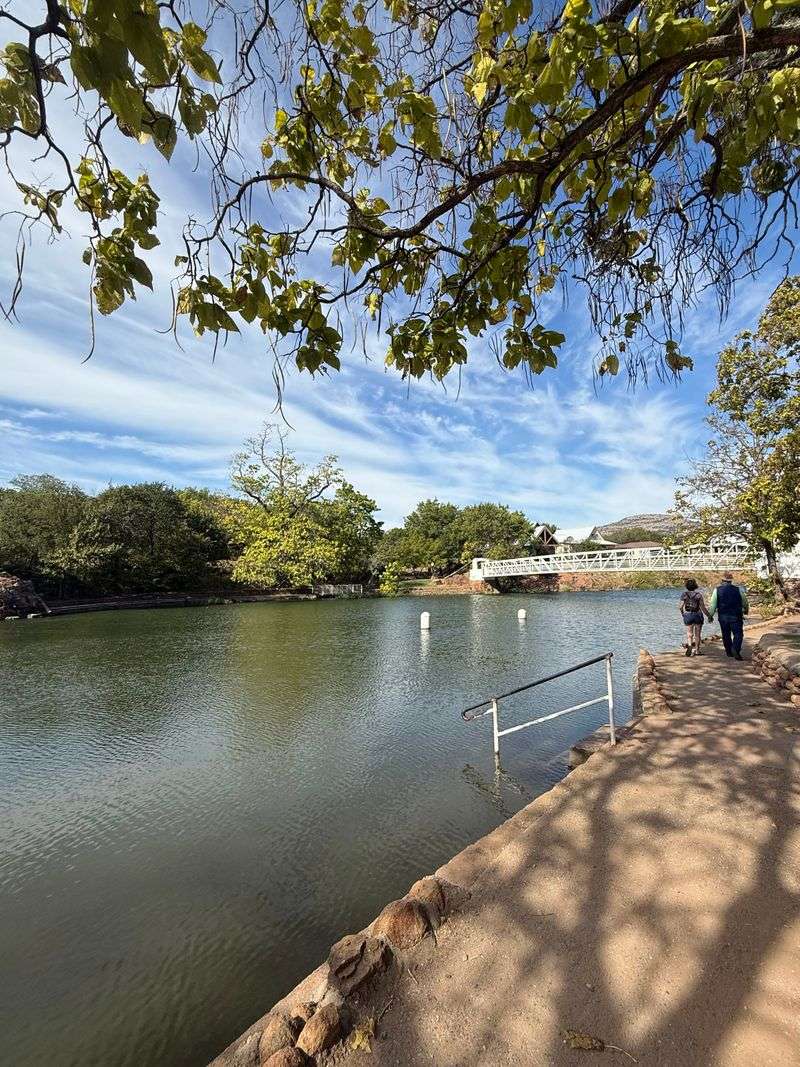
Bath Lake used to host intimate community gatherings that brought Medicine Park residents together for generations. Annual events like the summer solstice swim and autumn cleanup days created bonds between neighbors and passed down traditions to younger generations.
These cherished occasions have been squeezed out by the constant presence of tourists.
I attended several of these local gatherings before the influx began, and they had a special magic that’s impossible to replicate in crowded conditions. Families would share meals on the shore, kids would learn swimming from experienced locals, and stories about Oklahoma history would get passed around campfires.
That cultural continuity has been severed.
Attempting to hold private community events now feels futile when hundreds of strangers are present. The intimacy and trust that made these traditions meaningful can’t exist in the current environment.
Locals have been forced to find alternative locations, but none carry the same historical significance as Bath Lake.
The loss extends beyond just events to the informal daily interactions that built community. Regular swimmers knew each other by name and looked out for one another’s children.
That social fabric has unraveled as familiar faces get lost in the sea of temporary visitors who have no connection to the area.
Wildlife Habitats Have Been Severely Disrupted
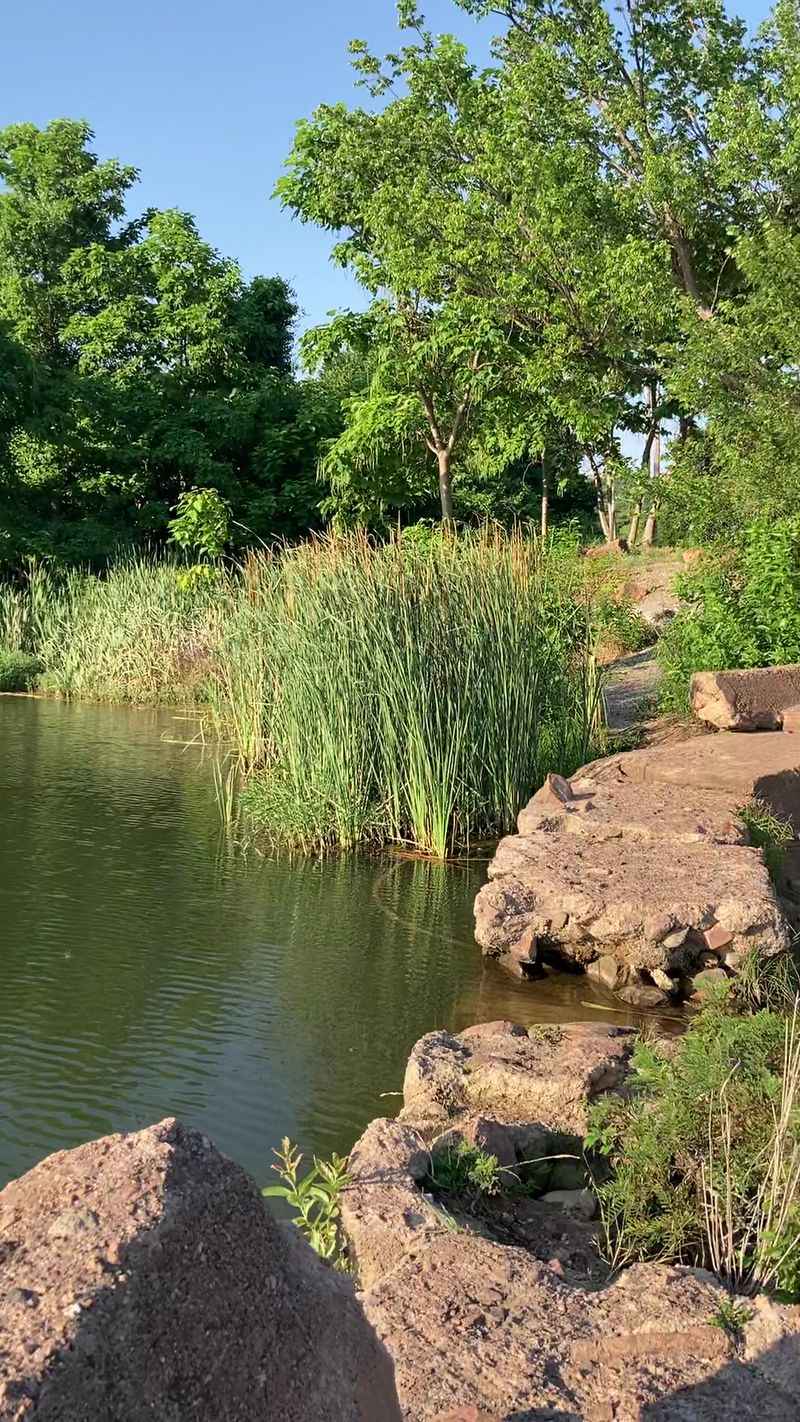
The diverse wildlife that once thrived around Bath Lake has been pushed out by constant human activity. Bird species that nested in the surrounding areas have relocated, and the turtles that used to sun themselves on rocks now rarely appear.
The ecological disruption extends far beyond what most visitors realize or care about.
During my early visits to this Oklahoma location, I regularly spotted herons, kingfishers, and various waterfowl. These creatures have become increasingly scarce as noise and foot traffic eliminate their peaceful habitats.
The natural balance that existed for countless years has been thrown into chaos within just a few seasons.
Fish populations have also changed, with some native species declining while more adaptable varieties increase. The constant disturbance of sediment from swimmers and the introduction of foreign substances affects the entire aquatic food chain.
Biologists studying the area have documented concerning trends that suggest long-term ecosystem damage.
Medicine Park residents who appreciated the lake’s biodiversity now mourn the loss of creatures they considered neighbors. Children growing up today won’t experience the rich natural environment that previous generations enjoyed.
The price of popularity has been paid by the voiceless inhabitants who called this place home long before humans arrived.
Safety Issues and Overcrowding Create Dangerous Conditions
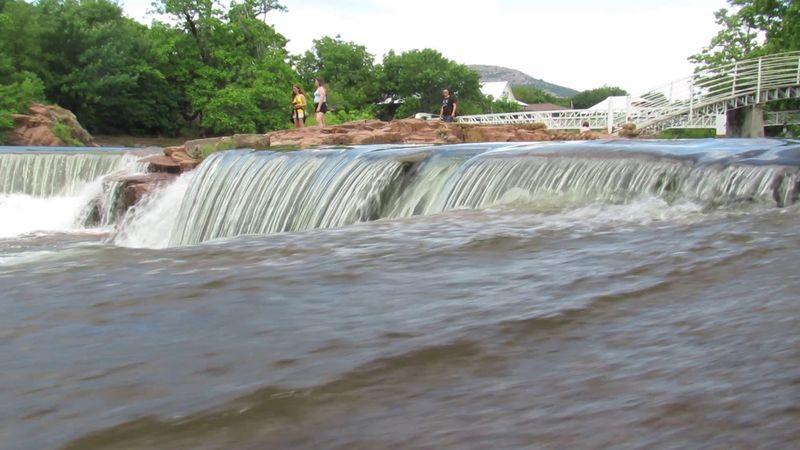
The sheer number of people packed into Bath Lake’s relatively small swimming area has created genuine safety hazards. I’ve witnessed near-drowning incidents and collisions between swimmers that would never have occurred when the lake was less crowded.
The limited space simply cannot safely accommodate the current volume of visitors.
Medicine Park doesn’t have the infrastructure or resources for extensive lifeguard coverage that major public pools maintain. The volunteer safety monitors who used to keep watch are now overwhelmed by the task of surveying hundreds of swimmers simultaneously.
Response times to emergencies have slowed, and the risk of serious accidents has increased dramatically.
Inexperienced swimmers often underestimate the lake’s depth and current, especially when surrounded by crowds that create a false sense of security. I’ve seen tourists venture into dangerous areas they would normally avoid because the presence of others makes it seem safe.
Oklahoma water safety officials have expressed concerns about the situation but lack authority to implement meaningful restrictions.
Children are particularly vulnerable in the chaotic environment, easily separated from parents in the mass of bodies. The friendly, watchful community atmosphere where everyone looked out for each other has been replaced by anonymity where people focus solely on their own groups.
Property Values and Local Living Costs Have Skyrocketed
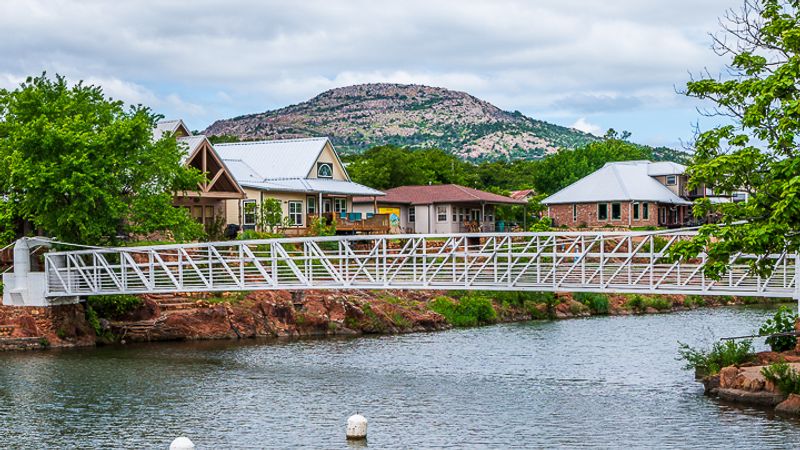
The tourist boom at Bath Lake has driven property values in Medicine Park to levels that longtime residents can barely afford. Homes that were reasonably priced for working-class families now command premium rates as vacation rentals and investment properties.
The economic transformation has priced out the very people who made this community special.
I’ve spoken with several locals who have been forced to sell family properties they’ve owned for generations because property taxes based on inflated values became unmanageable.
The irony is bitter when the people who preserved and protected this Oklahoma treasure for decades can no longer afford to live near it.
Outside investors with no connection to the area are buying up available real estate.
Rental markets have shifted entirely toward short-term vacation accommodations rather than long-term housing for residents. Finding affordable places to live in Medicine Park has become nearly impossible for service workers, teachers, and other essential community members.
The demographic shift threatens the town’s character and sustainability.
Local businesses face similar pressures, with commercial rents rising to reflect tourist-driven demand. Family-owned shops that served residents for years are being replaced by tourist-oriented establishments.
The economic benefits of increased tourism flow primarily to outside investors rather than enriching the existing community.
Rules and Regulations Had to Become Much Stricter
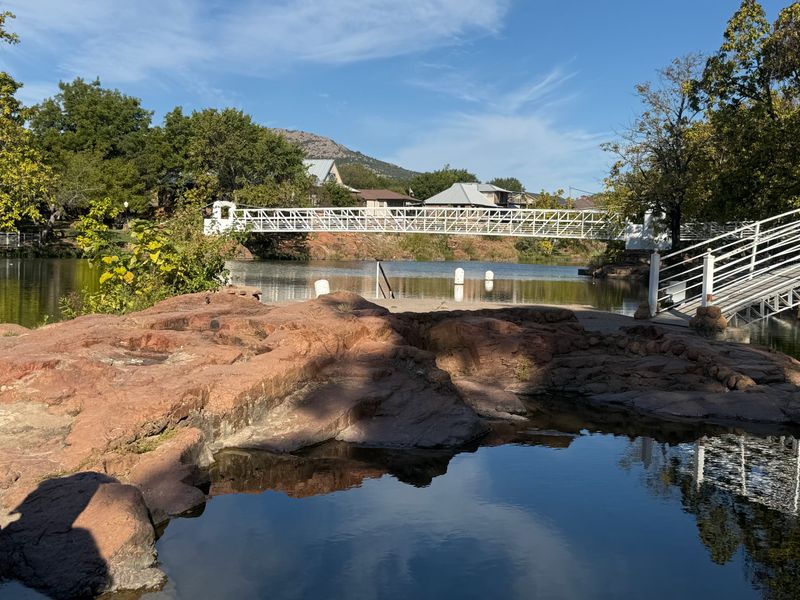
Bath Lake operated on an honor system for years, with minimal posted rules because locals understood how to respect the area. That trust-based approach has been replaced by extensive regulations, posted warnings, and enforcement measures that feel oppressive to longtime visitors.
The freedom that made this place special has been sacrificed to manage tourist behavior.
I now see signs prohibiting activities that were never problems before mass tourism arrived. No glass containers, no amplified music, restricted parking zones, and time limits on visits have all become necessary.
Medicine Park officials had no choice but to implement these controls, yet each new rule chips away at the relaxed atmosphere that defined the lake’s appeal.
Enforcement requires resources that this small Oklahoma community struggles to provide. Hiring additional staff and implementing monitoring systems diverts funds from other community needs.
The financial burden of managing tourist impacts falls on local taxpayers who never asked for this level of visitation.
Longtime residents resent being subjected to rules created because of tourist misbehavior. The regulations treat everyone as potential problems rather than trusted community members.
What was once a place of freedom and personal responsibility has become just another heavily managed public space with all the associated restrictions and loss of spontaneity.
The Authentic Local Character Has Been Completely Lost
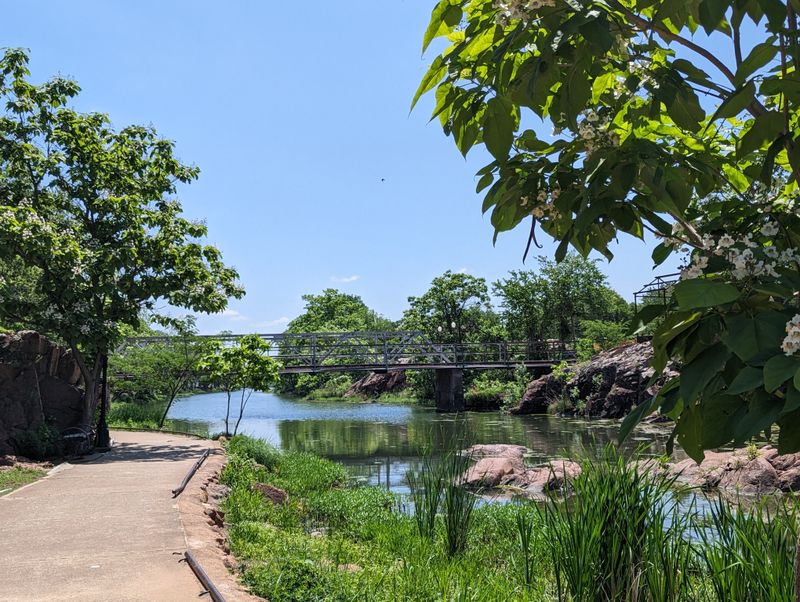
Medicine Park’s unique personality has been diluted by the generic tourist culture that Bath Lake’s popularity attracted. The quirky, authentic small-town vibe that made this Oklahoma destination special has been replaced by standardized tourist experiences you could find anywhere.
Local color has faded into beige commercialism.
I remember when the few businesses in town were run by families who had lived here for generations, each with distinctive personalities and stories. Now chain-style souvenir shops and cookie-cutter tourist services dominate, offering the same mass-produced merchandise found at every tourist trap.
The individuality that gave Medicine Park its soul has been systematically erased.
Conversations with visitors reveal that many have no idea about the area’s history or cultural significance. They’re here for a photo opportunity and a swim, not to connect with the place or its people.
The shallow engagement that characterizes modern tourism leaves nothing meaningful behind and takes away the depth that made this location worth preserving.
Long-term residents describe feeling like strangers in their own town, surrounded by temporary visitors who don’t understand or appreciate what made this place worth discovering.
The authentic relationships and shared history that bound the community together have been overshadowed by transactional tourist interactions.
Locals Now Avoid Their Own Lake During Peak Times
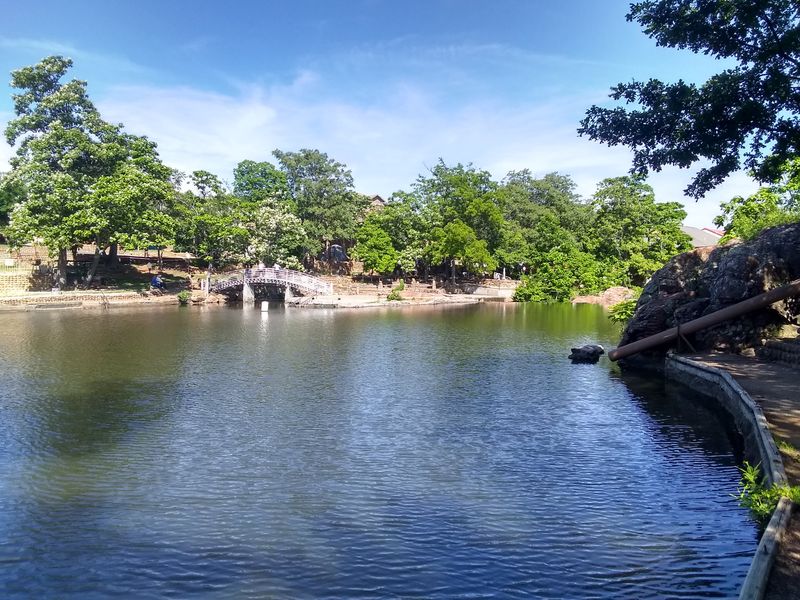
The ultimate irony is that Medicine Park residents now avoid Bath Lake during the times they would most like to use it. Weekends, holidays, and summer afternoons that were once prime swimming time for locals have become no-go periods due to overwhelming crowds.
People who live minutes away now drive hours to find the peace they used to enjoy in their own backyard.
I’ve adapted my visits to early mornings or late evenings, the only windows when the lake resembles its former self. Watching the sunrise over the water with just a handful of other swimmers provides a glimpse of what this Oklahoma treasure used to offer all day long.
But these brief moments only highlight what’s been lost.
Some longtime residents have stopped visiting altogether, finding the compromise of off-peak hours insufficient to recapture the experience they cherished. The emotional loss runs deep for people who built life memories around this place.
Their relationship with Bath Lake has been fundamentally severed by forces beyond their control.
The displacement of locals from their own community resources represents a troubling trend in tourist-dependent areas nationwide. When the people who protected and preserved a place for generations can no longer access it, something essential about community and stewardship has been broken.
Bath Lake shows how sudden fame can transform a place, sometimes leaving locals behind.
Dear Reader: This page may contain affiliate links which may earn a commission if you click through and make a purchase. Our independent journalism is not influenced by any advertiser or commercial initiative unless it is clearly marked as sponsored content. As travel products change, please be sure to reconfirm all details and stay up to date with current events to ensure a safe and successful trip.
