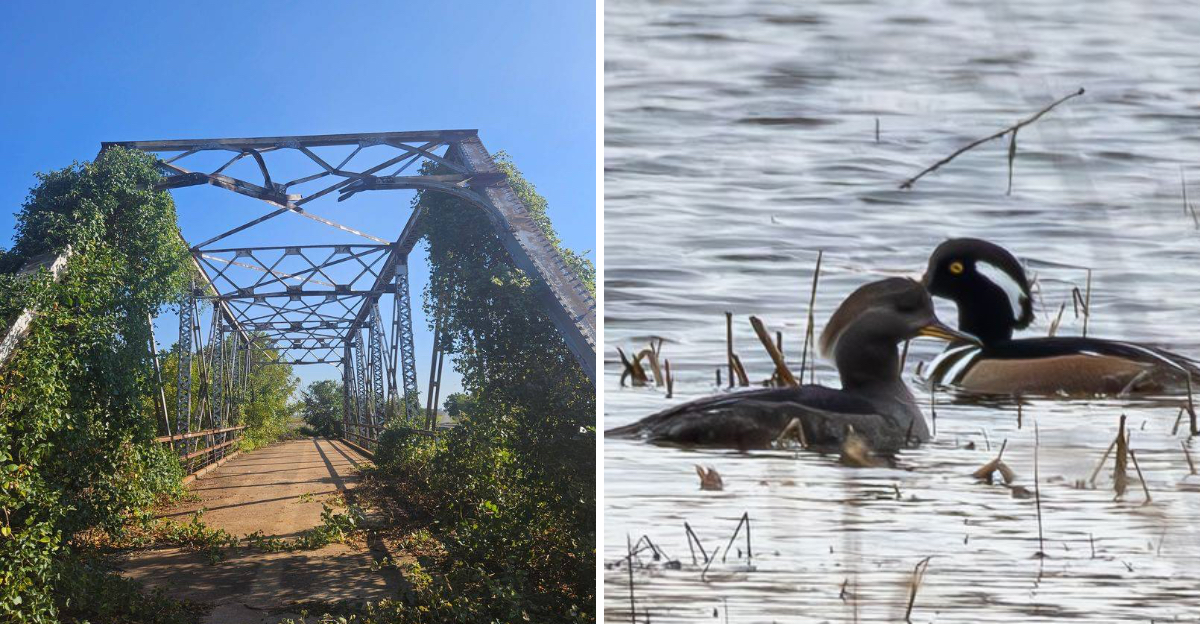
I drove out to Washita National Wildlife Refuge expecting the kind of peaceful solitude that Oklahoma’s wide-open spaces promise. Instead, I found something unsettling: a place that once belonged to locals and wildlife alike, now struggling under the weight of visitor traffic it was never designed to handle.
The refuge lies between farmland and Foss Lake, and it’s become a cautionary tale about what happens when tourism outpaces infrastructure. Longtime residents who used to walk these trails at dawn now avoid the place entirely, frustrated by crowded parking areas and trampled vegetation.
The wildlife that gives this refuge its name has retreated deeper into the backcountry, and the quiet mornings that defined this corner of Oklahoma have vanished.
Overcrowded Trails Have Changed Everything
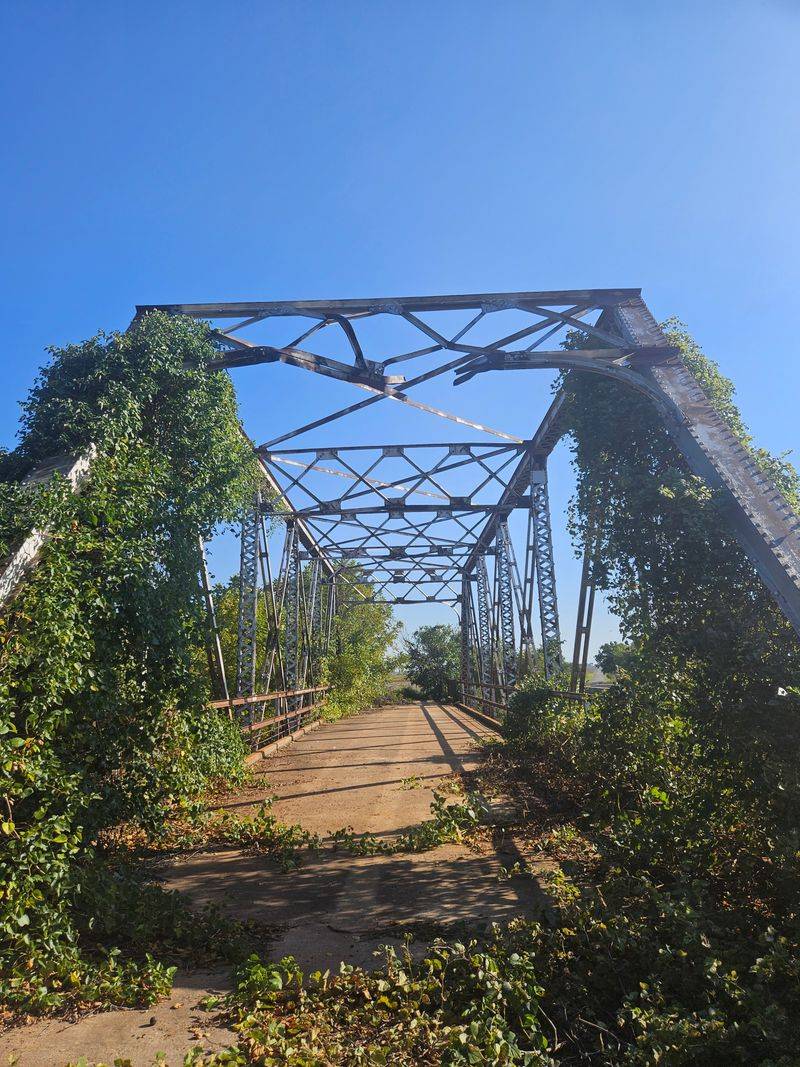
Walking the auto tour route at Washita feels different now than it did just a few years back. Where I once spotted deer grazing at dawn, I now see lines of vehicles creeping along, engines idling, visitors leaning out windows with cameras.
The refuge wasn’t built for this level of traffic. Its narrow dirt roads crumble at the edges, and the designated pullouts overflow with cars during peak seasons.
Local families who spent Sunday mornings here tell me they’ve stopped coming. One woman from Butler mentioned she used to bring her grandchildren to watch the birds migrate through Oklahoma, but the crowds made it impossible to enjoy the quiet they came for.
The trails themselves show the wear. Vegetation along the paths has been trampled back several feet in places, and the wildlife has learned to avoid the busiest areas entirely.
Rangers do their best with limited resources, but they’re managing a facility designed for a fraction of current visitor numbers. The professional staff works hard to maintain what they can, but infrastructure upgrades haven’t kept pace with demand.
What was once a hidden treasure has become just another crowded destination, and the magic has faded considerably.
The Visitor Center Stays Locked Most Days
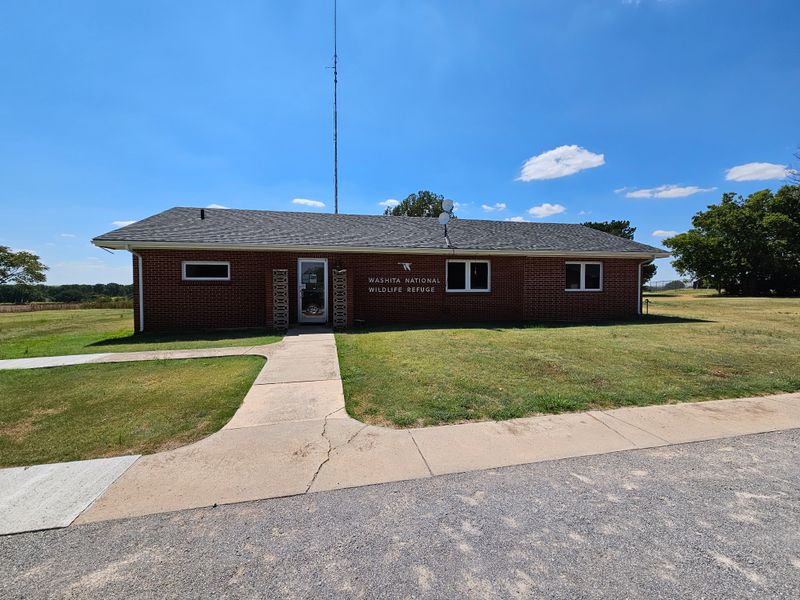
I arrived on a Saturday morning, eager to learn about the refuge’s ecosystems and pick up trail maps. The visitor center doors were locked tight, with a small sign indicating Monday through Friday hours only.
This scheduling creates real problems for weekend travelers who make the long drive to this remote part of Oklahoma. Families planning day trips from Oklahoma City or beyond find themselves without the orientation materials or guidance that would enhance their visit.
The limited hours stem from budget constraints and staffing limitations, but the impact on visitor experience is significant. Without access to educational displays or knowledgeable staff, tourists wander the refuge without understanding its conservation mission or proper wildlife viewing etiquette.
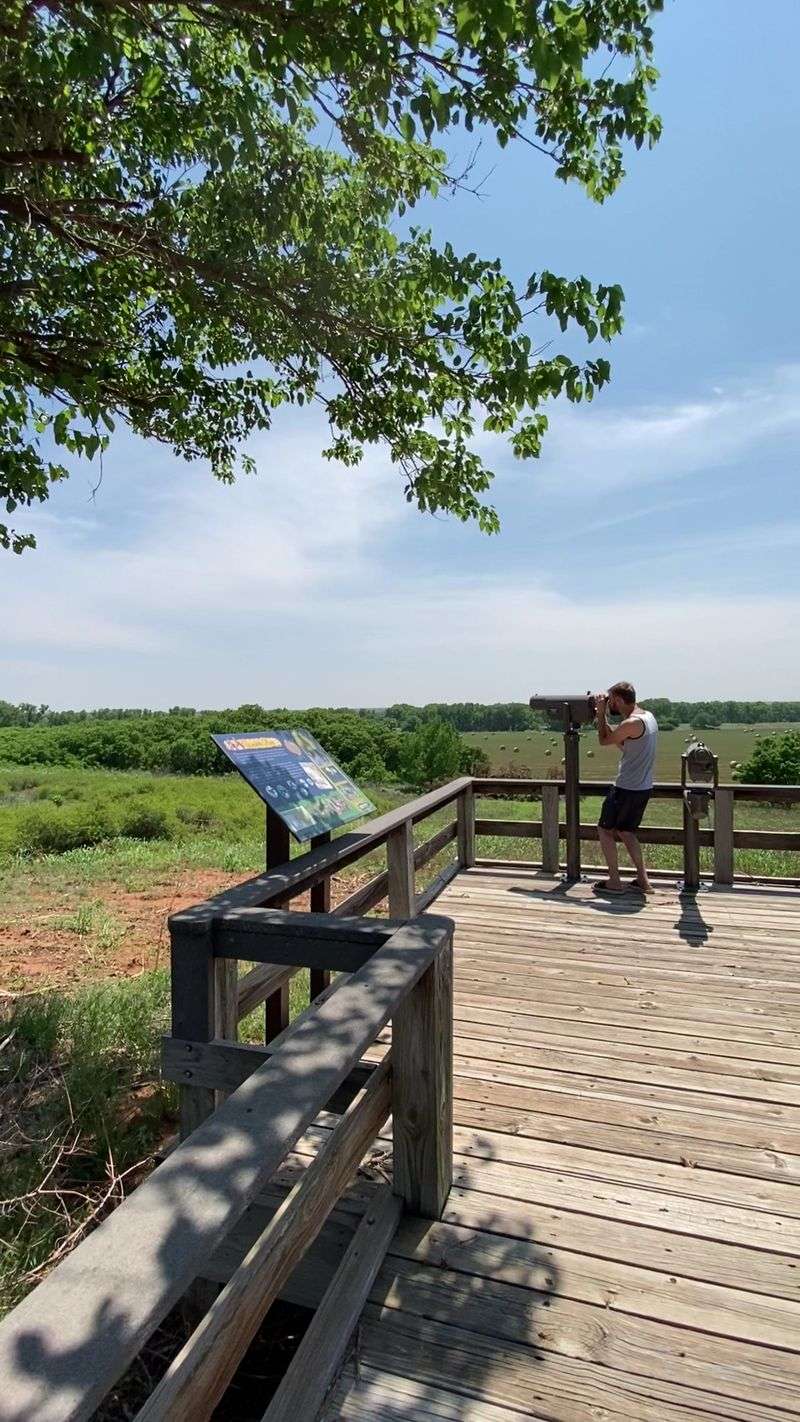
Several reviews mention this frustration, with visitors driving hours only to find no resources available. The taller observation scope at the nearby overlook works well, but the shorter one has been broken for years, and there’s no one around on weekends to report maintenance issues to.
Locals who remember when the center buzzed with school groups and nature programs feel the loss deeply. The refuge has become less of a community resource and more of a drive-through attraction that disappoints as often as it delights.
Wildlife Has Retreated From Public Areas
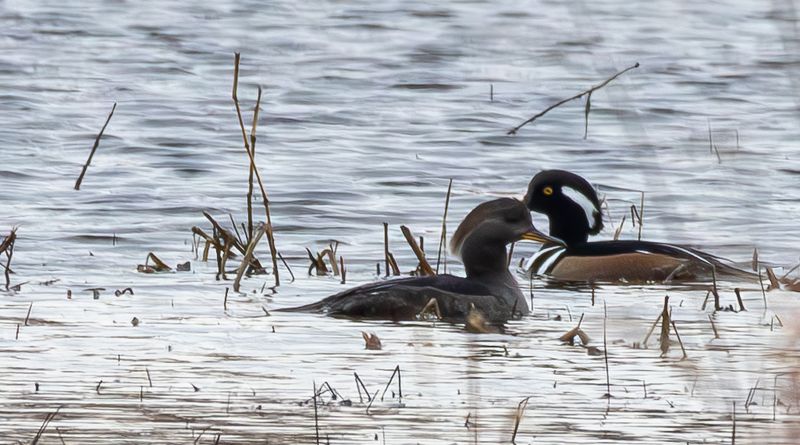
The irony isn’t lost on me: people come to Washita National Wildlife Refuge to see animals, but their presence has pushed the creatures away. During my visit, I saw plenty of open land and farms, but the wildlife remained frustratingly elusive.
This wasn’t always the case. Older visitors recall when white-tailed deer, wild turkeys, and countless bird species felt comfortable near the main viewing areas.
Now the animals have learned that human activity means disturbance. They’ve shifted their patterns, feeding and resting in the refuge’s more remote sections where visitor access is limited or nonexistent.
The refuge sits along important migratory routes, and birds still pass through Oklahoma during spring and fall migrations. But they spend less time in the easily accessible areas where people can observe them.
One reviewer mentioned not being lucky enough to see any animals despite the beautiful surroundings, and that experience has become increasingly common. The very thing that draws people here disappears because too many people come looking for it.
Professional wildlife managers understand this pattern well, but solving it requires either limiting visitor numbers or expanding infrastructure to disperse crowds better, neither of which seems likely given current funding realities.
Inadequate Signage Leaves Visitors Lost
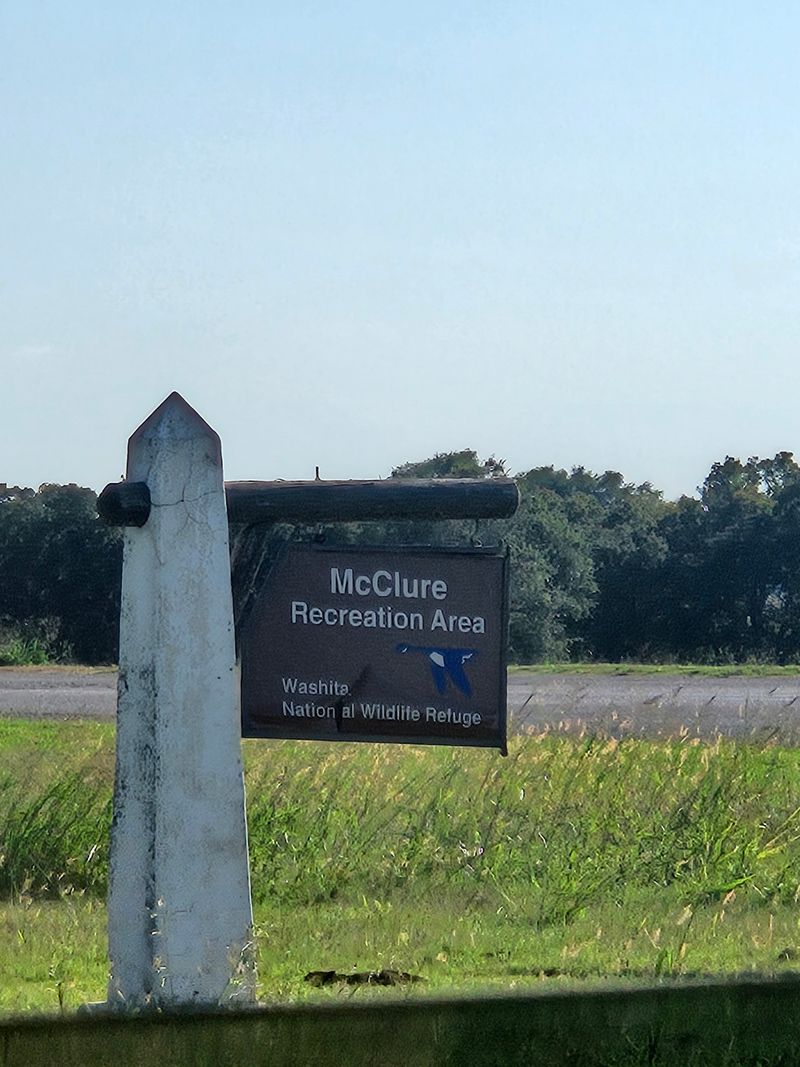
Finding Washita National Wildlife Refuge requires determination and a good GPS unit. Road signs pointing the way are sparse to nonexistent, and I drove past my turnoff twice before finally locating the entrance.
Once inside the refuge boundaries, the situation doesn’t improve much. Trail markers are minimal, and without the visitor center open to provide maps, many tourists end up driving or walking in circles.
One reviewer specifically mentioned that more signs on the road would be helpful, and I couldn’t agree more. The lack of clear wayfinding contributes to visitor frustration and probably increases the environmental impact as people wander off designated paths trying to find points of interest.
This problem particularly affects first-time visitors from outside Oklahoma who aren’t familiar with the area’s geography. They arrive expecting a well-marked national refuge with clear directions, only to find themselves navigating by guesswork.
Local knowledge helps, but requiring that kind of insider information effectively excludes casual visitors who might otherwise enjoy and support the refuge. Better signage would cost relatively little compared to other infrastructure improvements, yet it remains neglected.
The refuge feels like a secret that’s been discovered but not properly prepared for public access, leaving everyone involved dissatisfied with the experience.
The Auto Tour Disappoints More Often Than Not
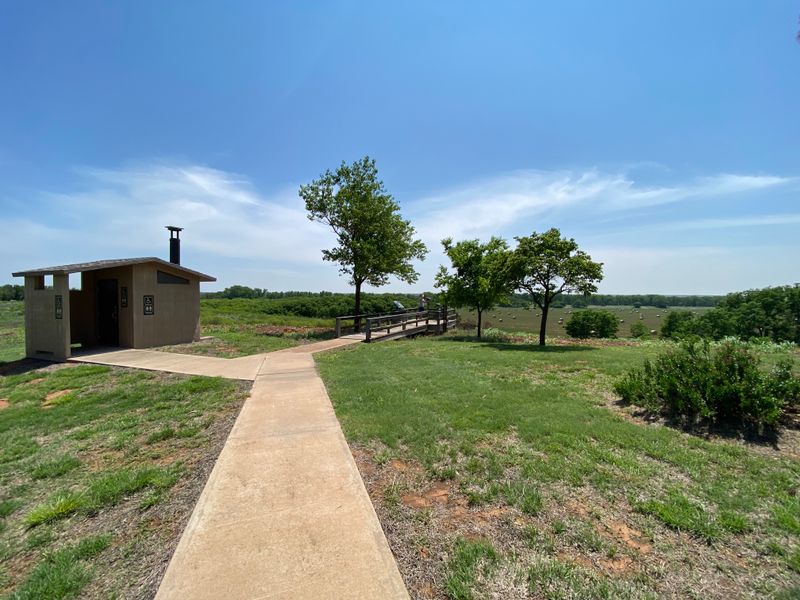
Washita’s auto tour is supposed to be the main attraction, allowing visitors to see the refuge without leaving their vehicles. I found it underwhelming, and apparently I’m not alone in that assessment.
The route winds through the refuge for several miles, but the scenery doesn’t vary much. Flat grasslands stretch in every direction, punctuated by occasional ponds and distant tree lines.
Without wildlife visible along the route, the drive feels long and monotonous. One reviewer bluntly stated they didn’t see much on the auto tour and felt the long drive was for nothing.
Part of the problem is timing. The refuge comes alive during migration seasons when thousands of birds pass through Oklahoma, but visit during the wrong month and the landscape looks empty.
The closed visitor center means tourists can’t learn when the best viewing times are before making the drive.
Compared to other wildlife refuges in Oklahoma, Washita is relatively small, and the auto tour doesn’t offer the variety of habitats and viewing opportunities found at larger facilities. It’s best experienced as an addition to a trip to nearby Foss Lake State Park rather than as a standalone destination.
The professional staff maintains the route well, but maintenance can’t compensate for the fundamental mismatch between visitor expectations and what the refuge actually offers.
Parking Areas Overflow During Peak Times
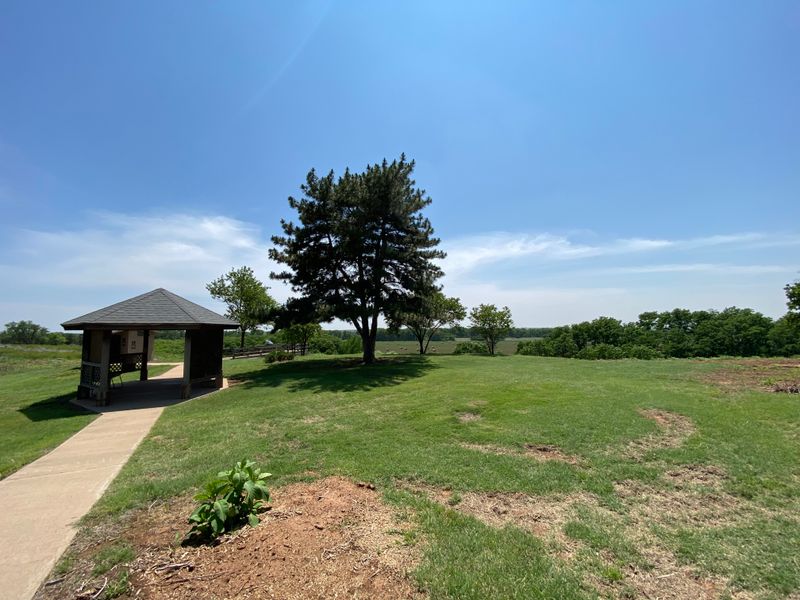
I visited on a weekday morning and found parking manageable, but locals tell me weekends and migration seasons bring chaos. The refuge’s small parking areas fill quickly, forcing visitors to create their own spaces along roadsides and in unauthorized areas.
This uncontrolled parking damages vegetation and creates safety hazards. Emergency vehicles would struggle to navigate the narrow roads when cars line both sides, and the informal parking spreads visitor impact across areas that should remain undisturbed.
The refuge wasn’t designed for its current popularity. When it was established, planners anticipated modest visitation from Oklahoma residents and serious birders, not the steady stream of tourists it now receives.
Budget limitations prevent expanding parking facilities, even as the need becomes more obvious each season. The professional staff does what they can to manage traffic flow, but they lack the resources to implement real solutions.
Some locals suggest the refuge should require advance reservations during peak times to control visitor numbers, but that would require staffing and systems that don’t currently exist.
Others argue the refuge should remain freely accessible to everyone, even if that means accepting some environmental degradation.
The parking situation perfectly illustrates the broader problem: a facility overwhelmed by demand it cannot sustainably meet, slowly deteriorating under pressure it was never built to withstand.
Maintenance Falls Behind Growing Needs
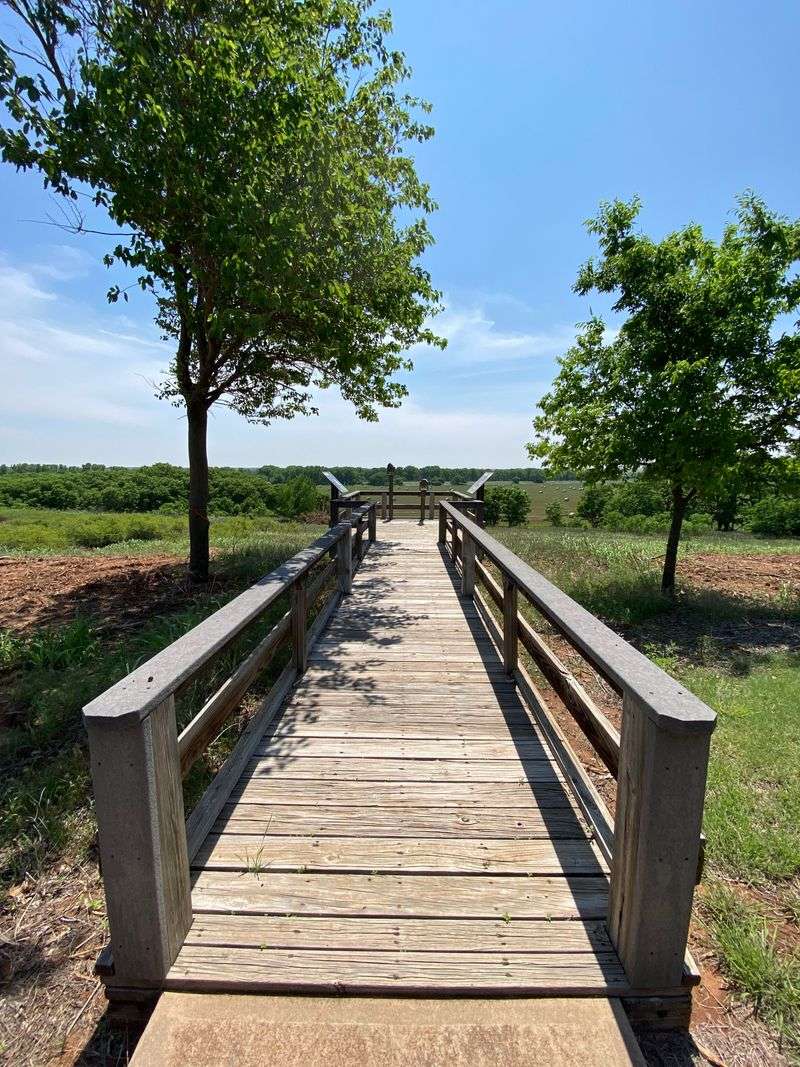
The broken focus knob on the shorter observation scope has been broken for years, according to reviews. That small detail reveals a larger problem: maintenance at Washita can’t keep up with the wear and tear that increased visitation creates.
I noticed other signs of deferred maintenance during my visit. Information signs showed weather damage, and some trail markers had faded to illegibility.
The professional staff works hard to maintain what they can with limited funding, but prioritization becomes necessary when resources are scarce. Critical safety issues get addressed first, while amenities like observation equipment wait for budgets that never seem to materialize.
This creates a downward spiral. As facilities deteriorate, visitor satisfaction drops, which makes it harder to justify increased funding, which leads to further deterioration.
Oklahoma’s wildlife refuges compete for limited state and federal dollars, and smaller facilities like Washita often lose out to larger, more prominent locations. The refuge remains well-managed overall, but the gap between maintenance needs and available resources continues to widen.
Locals who remember when everything worked properly feel frustrated watching the slow decline. They’ve stopped reporting problems because they know nothing will change, and that resignation speaks volumes about how the community’s relationship with the refuge has shifted over time.
Social Media Brought Unwanted Attention
Washita’s troubles accelerated when photos from the refuge started appearing on social media. What locals had quietly enjoyed for decades suddenly became an Instagram backdrop, and visitor numbers surged accordingly.
The problem isn’t photography itself, but the behavior it encourages. I watched visitors step off trails and approach wildlife too closely, prioritizing the perfect shot over the refuge’s conservation mission.
Oklahoma has plenty of beautiful natural areas, but social media algorithms favor novelty, and Washita’s relative obscurity made it appealing to influencers looking for undiscovered locations to feature. Each viral post brought new waves of visitors who saw the refuge as content rather than as habitat.
Local residents feel powerless watching their quiet woodland become a trending destination. They understand that public lands belong to everyone, but they also see the damage that comes from sudden, unmanaged popularity.
The refuge lacks the infrastructure that popular destinations develop to handle crowds. There are no designated photo areas, no guidelines for responsible social media use, and no staff available on weekends to educate visitors about proper etiquette.
Some locals have stopped visiting entirely rather than compete with the crowds. They’ve walked away from a place they loved, ceding it to tourists who will move on to the next trending location without looking back.
Combined Trips Work Better Than Standalone Visits
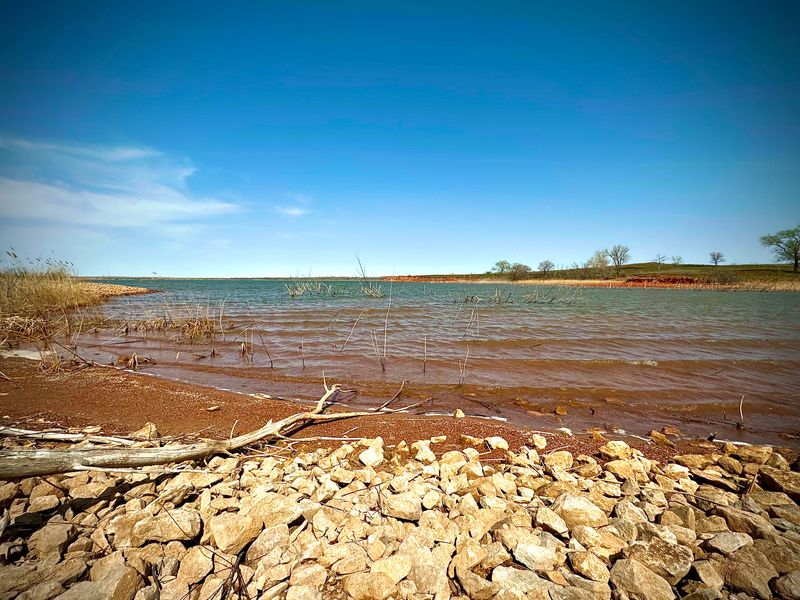
I took advice from a three-star review and combined my Washita visit with time at Foss Lake State Park, and that approach makes much more sense than treating the refuge as a primary destination. The lake offers swimming, fishing, and developed recreational facilities that the refuge cannot provide.
Foss Lake sits close enough to Washita that visiting both in one day requires minimal extra driving. The state park has the amenities and infrastructure to handle crowds, while the refuge offers a quieter natural experience for those willing to explore it.
This combination helps manage expectations. Visitors come for the lake and add the refuge as a bonus, rather than driving hours specifically for Washita and leaving disappointed.
Oklahoma has many places where state parks and wildlife refuges sit near each other, and that proximity creates opportunities for balanced recreation that serves different needs. The problem arises when people expect refuge facilities to match state park amenities.
Locals suggest this combined approach to out-of-town friends and family, hoping to prevent the disappointment that comes from visiting Washita alone. It’s a practical solution that acknowledges the refuge’s limitations while still allowing people to experience what it does offer.
The professional staff at Washita would probably prefer visitors understood this dynamic before arriving, but the closed weekend visitor center prevents them from communicating it effectively.
Locals Have Given Up and Moved On
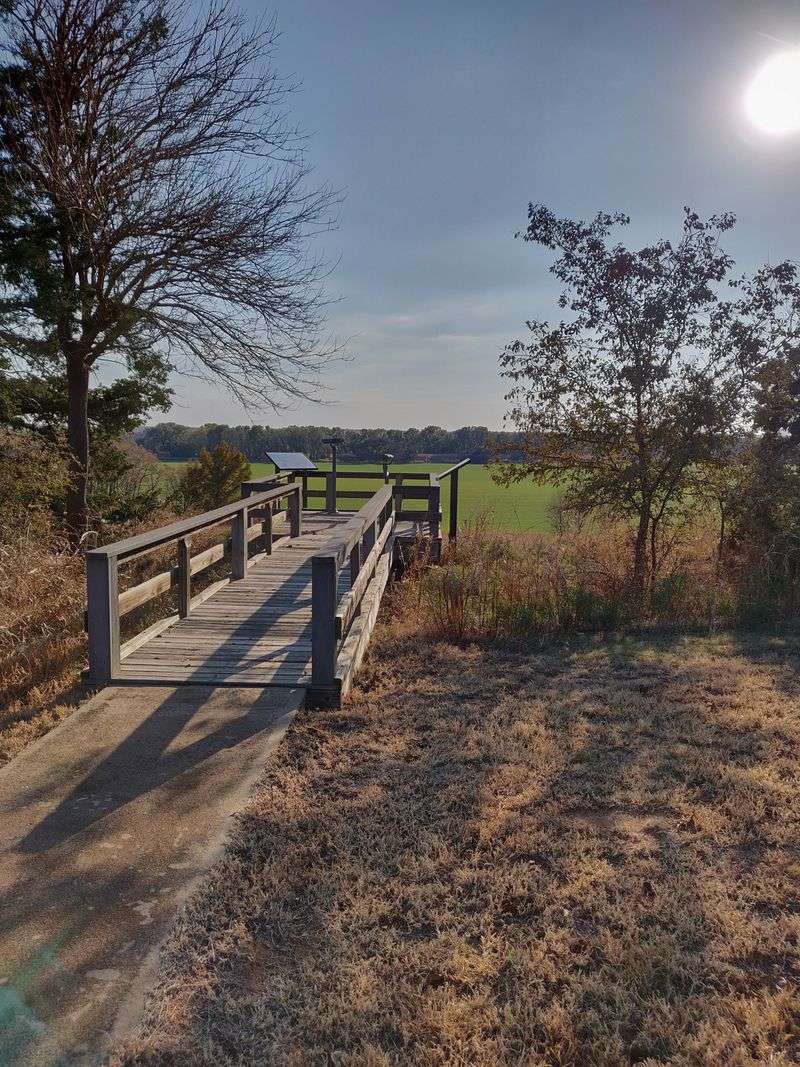
The saddest part of Washita’s story is watching longtime users abandon a place they once cherished. I spoke with several Butler residents who described the refuge as it used to be: peaceful, uncrowded, and genuinely wild.
They’ve stopped coming because the experience they valued no longer exists. The quiet dawn walks are interrupted by other visitors.
The wildlife they knew intimately has become scarce and skittish.
These locals haven’t just walked away physically; they’ve emotionally disconnected from a place that was once part of their community identity. They feel like they’ve lost something important, and there’s grief in how they talk about it.
Oklahoma has other natural areas where they can find solitude, so they’ve redirected their attention rather than fight crowds at Washita. But those alternatives lack the specific character and familiarity that made this refuge special to them.
The loss goes beyond individual disappointment. When local communities stop engaging with nearby natural areas, those places lose their most invested advocates and stewards.
Locals notice problems early, volunteer for maintenance projects, and support funding initiatives.
Without that local connection, Washita becomes just another tourist stop rather than a valued community resource, and its long-term future becomes less certain as a result.
Location: 20834 E 940 Rd, Butler, Oklahoma 73625
Dear Reader: This page may contain affiliate links which may earn a commission if you click through and make a purchase. Our independent journalism is not influenced by any advertiser or commercial initiative unless it is clearly marked as sponsored content. As travel products change, please be sure to reconfirm all details and stay up to date with current events to ensure a safe and successful trip.
