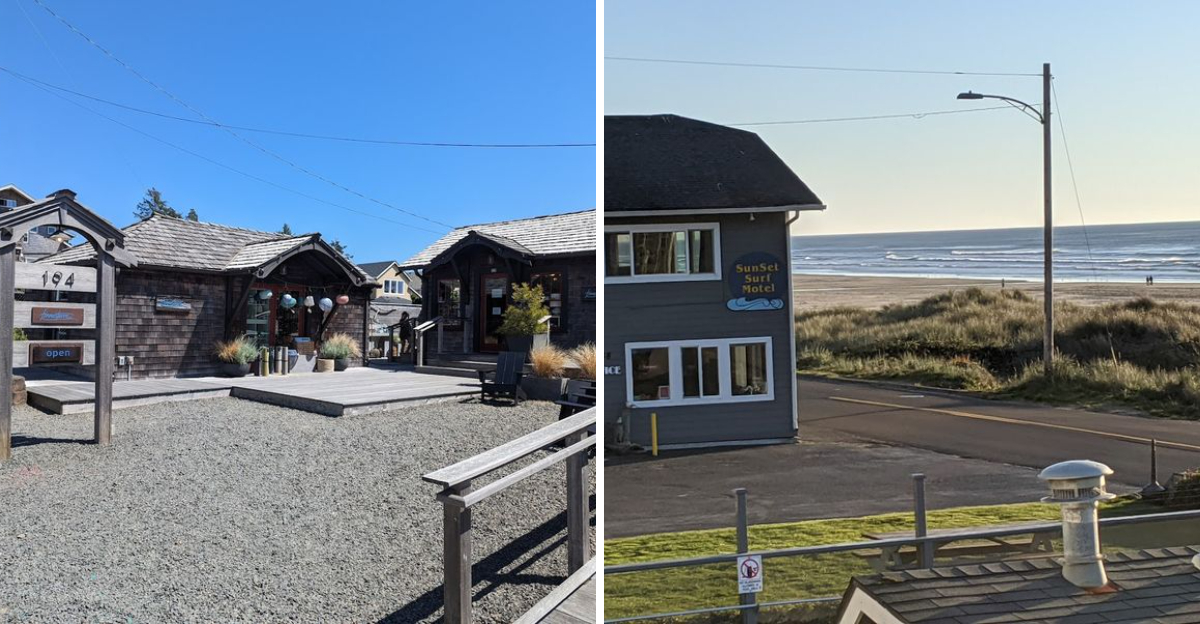
After hearing locals reminisce about a seaside spot they once called home, I set out to understand how a once-peaceful Oregon beach town became a hotspot for tourists. The locals spoke of evenings spent on a modest pier.
They remembered low-key cafés where regulars chatted over coffee, and a shoreline that felt like a private retreat.
Today, the same streets are lined with souvenir stalls. The quiet is broken by endless photo-snap sessions, and the original spirit seems to be fading under the weight of visitor traffic.
I’m putting together the story of this transformation. I hope it sparks a thoughtful look at how we enjoy beautiful places without erasing the memories that made them special.
The Small-Town Charm That Put Manzanita on the Map
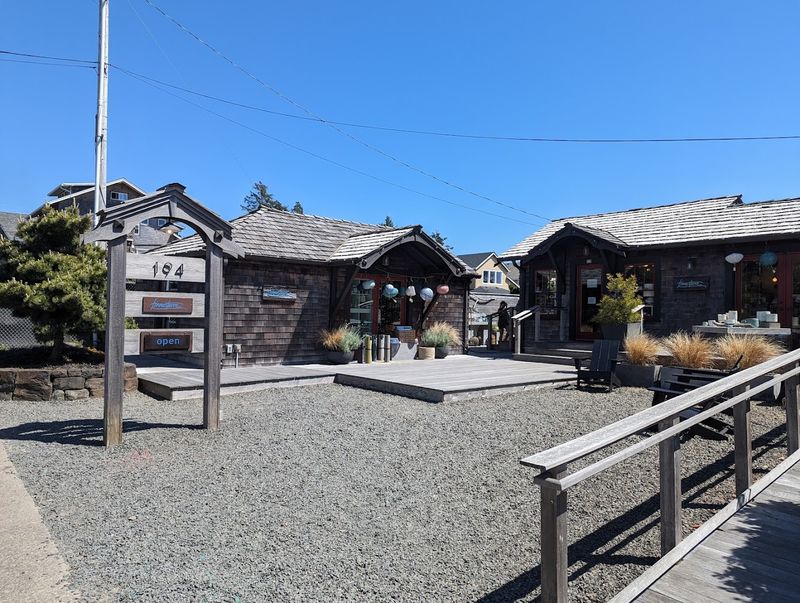
Walking into Manzanita for the first time feels like stepping into a postcard. The streets are lined with small wooden shops.
Pine trees press up close to the sidewalks.
For years, this town operated on a kind of quiet magic. Locals knew each other by name.
The bakery on Laneda Avenue smelled like cinnamon rolls before 8 a.m. Nobody was in a rush.
That relaxed energy was the whole point. Manzanita never tried to be a resort town.
It just existed, peacefully, on the northern Oregon coast. People who lived there liked it exactly that way.
The town sits along U.S. Route 101, about 25 miles from both Seaside and Tillamook.
That central location made it accessible. Maybe too accessible, as it turned out.
Once travel bloggers started posting about it, the slow mornings and quiet streets began to change. The charm that made Manzanita special is also what drew the crowds that threatened to erase it.
Neahkahnie Mountain Trails Got Loved to Death
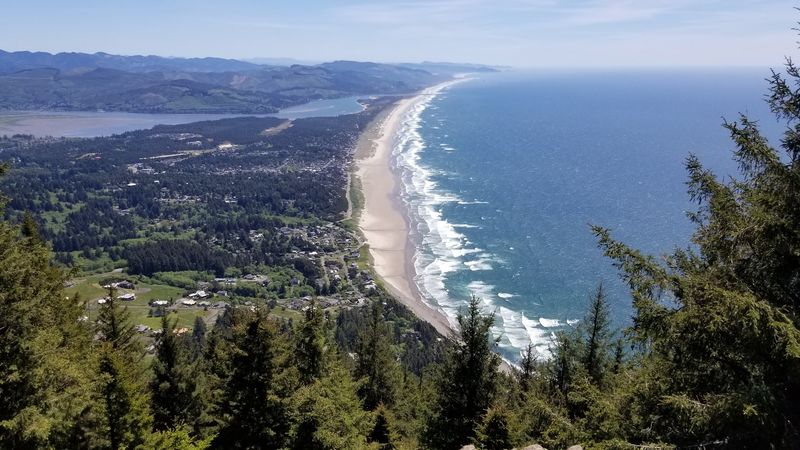
Neahkahnie Mountain looms just south of Manzanita like a quiet giant. The trails up there used to be the kind of place you could hike without seeing another soul.
Now, on a summer weekend, the trailhead parking lot fills up before 9 a.m.
The views from the top are genuinely stunning. You can see the coastline stretching in both directions.
The Pacific looks endless from up there.
But the trail itself has taken a beating. Erosion has widened certain sections.
Some spots off the main path show signs of people cutting corners, literally.
Volunteers and local conservation groups have put real effort into maintaining the trail. They deserve a lot of credit.
Still, the damage from overuse is visible to anyone paying attention.
If you plan to hike here, go early on a weekday. Stay on marked paths.
Pack out everything you bring in. The mountain has been here for thousands of years.
It deserves a little respect from the people passing through.
Manzanita Beach Went From Peaceful to Packed
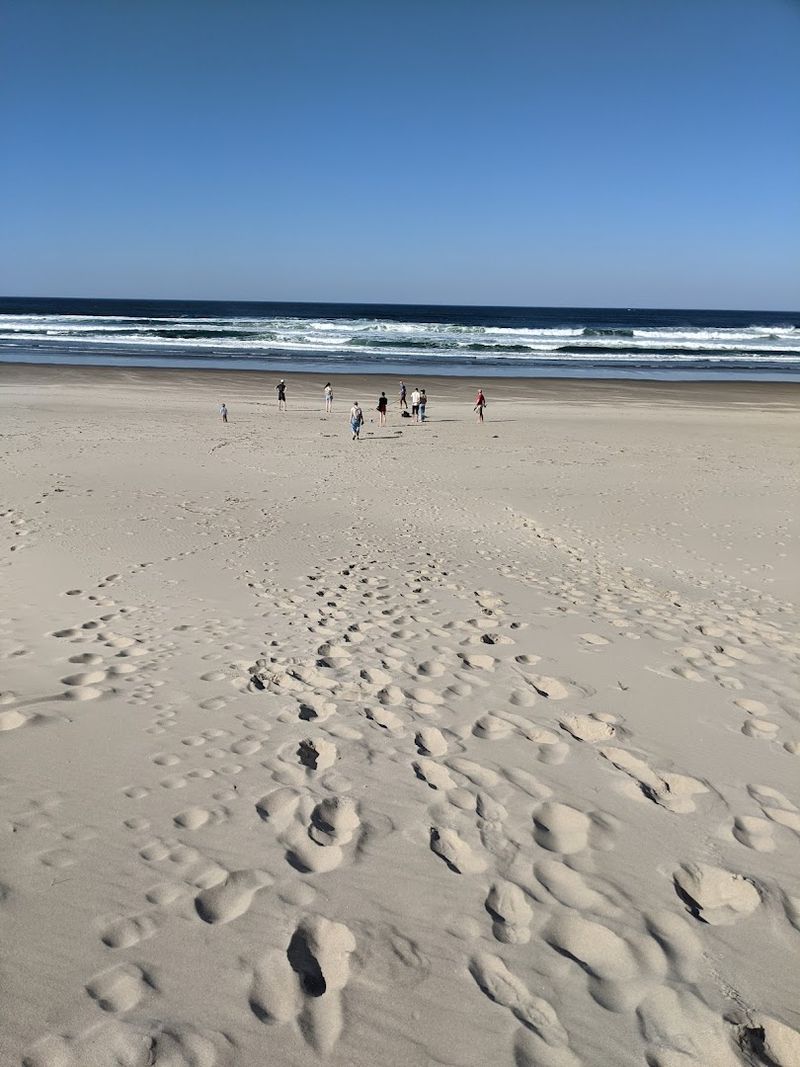
Manzanita Beach stretches for nearly seven miles. That sounds like plenty of room.
But on a peak summer weekend, it can feel surprisingly tight near the main access points.
The beach itself is still beautiful. Waves roll in steadily from the Pacific.
The sand is dark and wide, typical of the Oregon coast.
What changed is the atmosphere. Years ago, locals would bring their dogs down in the evening.
It was calm and unhurried. Now those same spots are packed with visitors setting up canopies and playing loud music.
Litter has become a real issue too. Despite trash cans placed along the access paths, some visitors leave things behind.
Locals have organized beach clean-up days to manage the mess.
The beach is public land, and everyone has a right to enjoy it. That part is not up for debate.
The question is whether visitors are treating it with the same care as the people who call this place home year-round. That answer, lately, has been mixed.
Local Businesses Transformed Under Tourist Pressure
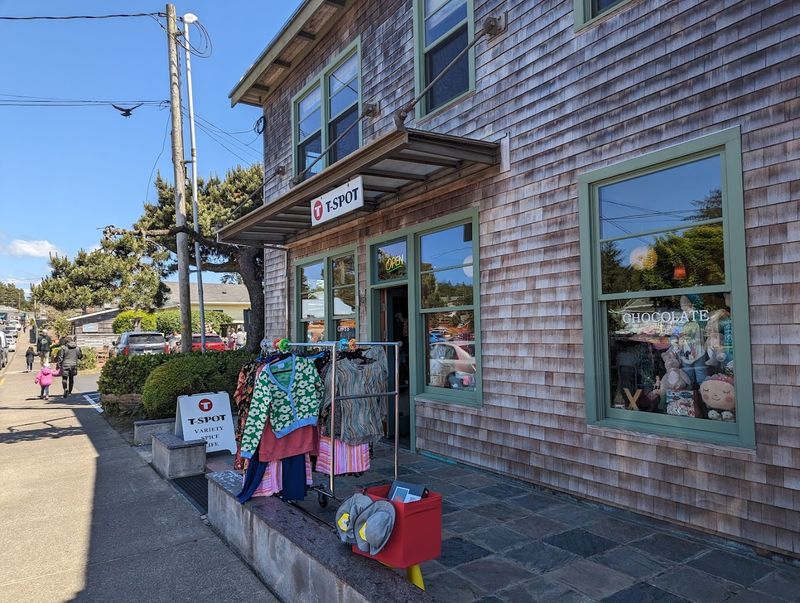
Laneda Avenue is the main commercial street in Manzanita. It used to have a quiet, neighborhood feel.
A few shops, a coffee spot, maybe a place to grab a sandwich.
Tourism changed the business landscape noticeably. Some longtime local businesses closed.
Newer shops catering to visitors took their place. The shift was gradual, then suddenly obvious.
Rent went up as foot traffic increased. Small operations that had been running for years found it harder to justify staying.
A few beloved spots quietly shut their doors without much fanfare.
New businesses are not inherently bad. Some of the newer cafes and galleries are genuinely good.
But locals noticed the character of the street shifting toward something more curated and less authentic.
The town still has warmth to it. You can feel it in conversations with shop owners who have been there for decades.
They are proud of Manzanita. They just want the version of it they built to survive the attention it now receives every single summer weekend.
Short-Term Rentals Squeezed Out Year-Round Residents
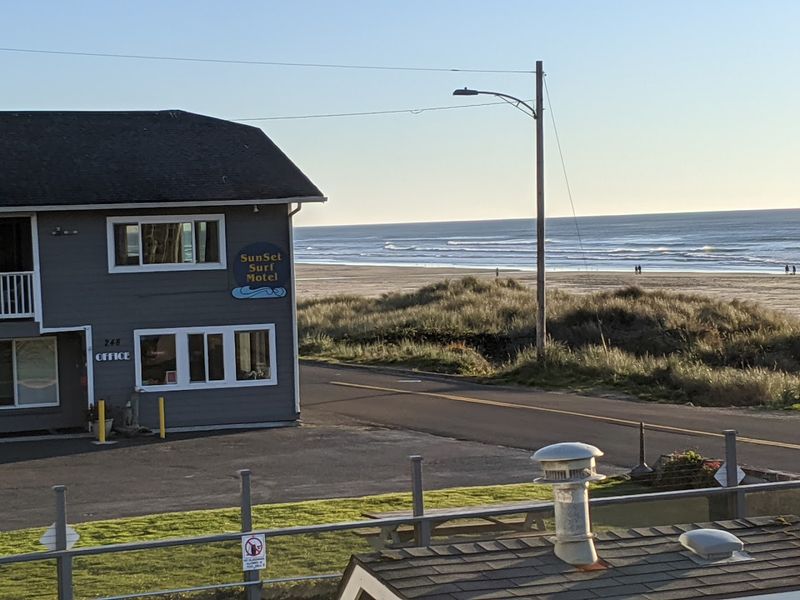
Housing in Manzanita has become a complicated subject. As tourism grew, so did the appeal of converting homes into short-term vacation rentals.
The math made sense for property owners. It made less sense for people trying to live there full time.
The town had around 603 residents at the 2020 census. That number tells part of the story.
Many homes sit empty most of the year, waiting for weekend visitors.
Longtime renters found themselves priced out. Some families who had lived in Manzanita for generations had to move further inland.
That kind of displacement is quiet but deeply felt.
The city has worked to regulate short-term rentals. There are permit requirements and rules about usage.
Enforcement, though, is an ongoing challenge for a small municipal government.
This is not a problem unique to Manzanita. Coastal towns across Oregon face the same tension.
But in a place this small, the impact is immediate and personal. Every empty house on a Tuesday is a reminder of who used to live there.
The Traffic Problem Nobody Warned You About
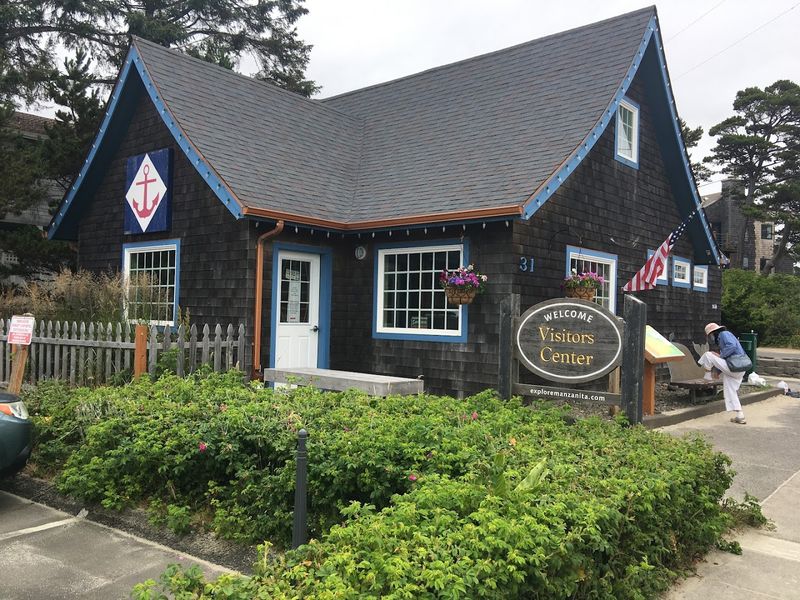
Getting into Manzanita on a summer Friday used to take about two minutes from the highway. Now it can take considerably longer.
Traffic backs up on U.S. Route 101 as visitors pour in from Portland and the Willamette Valley.
Parking inside town is limited. The streets were not designed for this volume of cars.
Visitors end up circling blocks, parking on lawns, or blocking driveways.
Residents have raised this issue repeatedly at city council meetings. Solutions are hard to implement quickly in a town this size.
Infrastructure takes time and money.
Some visitors have started parking at the north end of the beach and walking in. That helps a little.
But the core problem remains on peak weekends.
If you are planning a visit, arriving on a Thursday or leaving by Saturday morning makes a genuine difference. Midweek trips in spring or fall are even better.
The town is still wonderful when it is not gridlocked. You just have to be strategic about when you show up.
Nehalem Bay State Park Bears the Brunt of Overuse
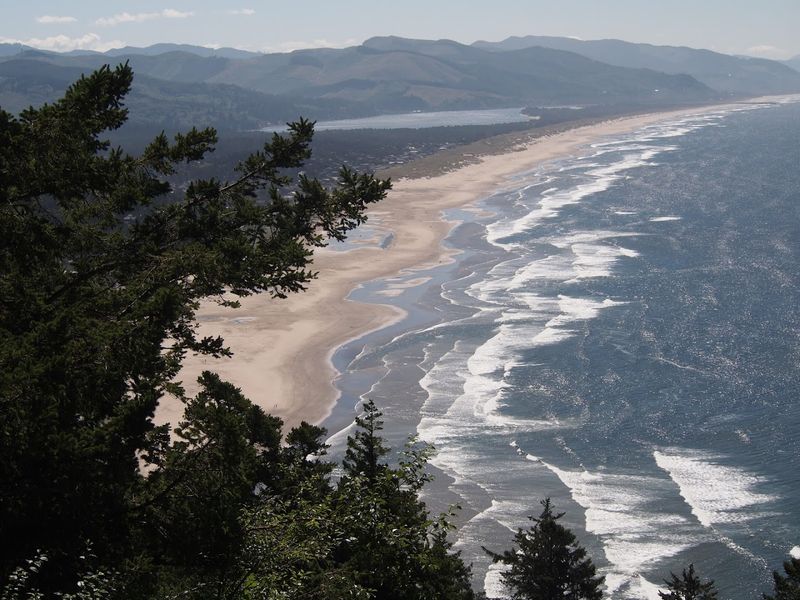
Just south of Manzanita, Nehalem Bay State Park sits at the tip of a sandy peninsula. It has a campground, beach access, and a bay side perfect for kayaking.
For years it was a local favorite. Now it books out weeks in advance.
The campground fills up fast during summer months. Reservations open months ahead and disappear quickly.
Walk-in spots are almost nonexistent on weekends.
The park itself has held up reasonably well. Oregon State Parks does solid maintenance work.
But the sheer number of visitors puts pressure on facilities, trails, and the natural environment around the bay.
Wildlife that used to move freely through the area has become more skittish. Shorebirds and harbor seals are sensitive to human activity.
Increased foot traffic near nesting areas has been a documented concern.
Visiting during the off-season, particularly fall, gives you a completely different experience. The park is quieter, the light is golden, and the bay feels like it belongs to you.
That version of Nehalem Bay is still very much worth finding.
Social Media Turned a Hidden Gem Into a Hashtag
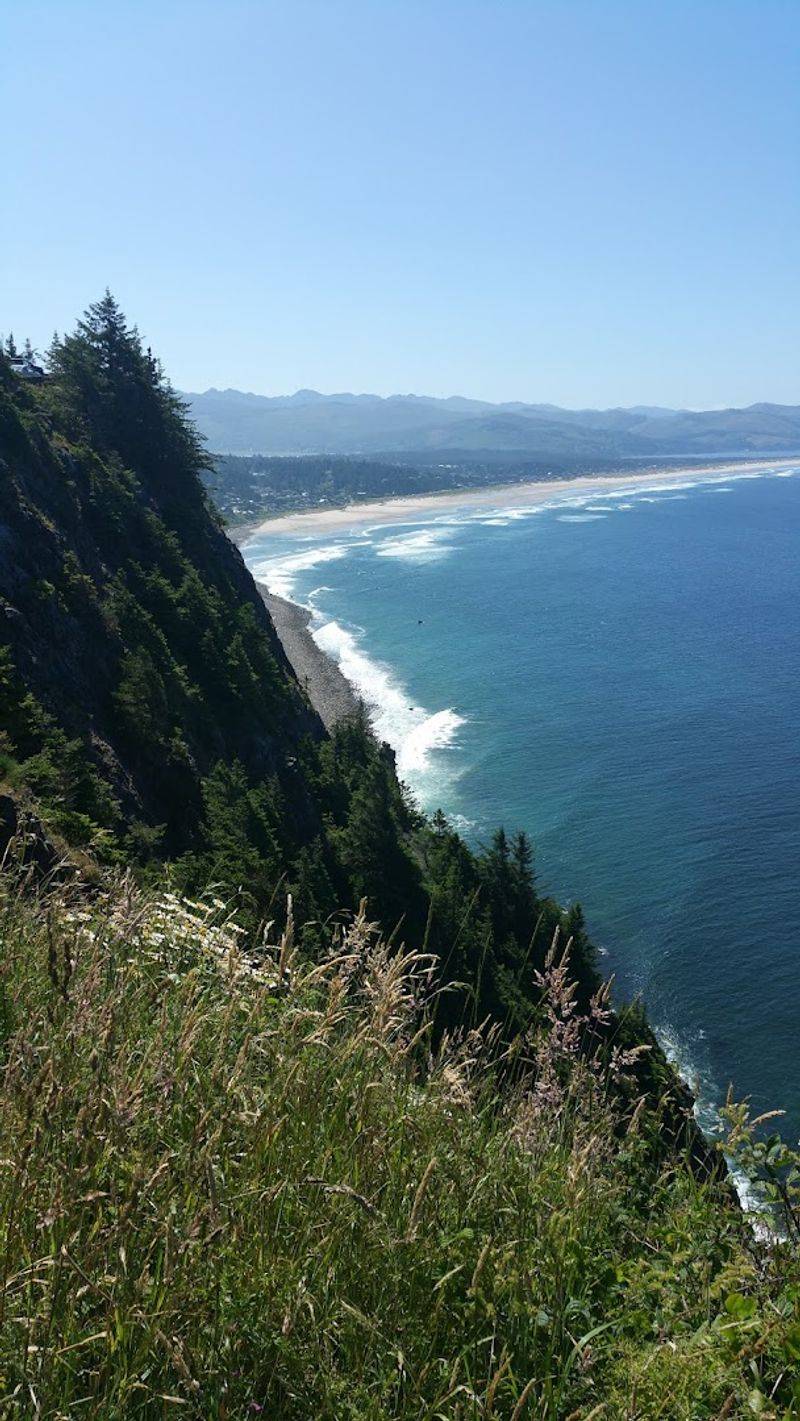
There is a specific moment when a place stops being a secret. For Manzanita, that moment arrived somewhere around the mid-2010s.
Travel accounts started posting photos. Hashtags formed.
The algorithm did the rest.
Suddenly, people who had never heard of Manzanita were adding it to their Oregon road trip lists. The images were gorgeous, honestly.
The beach at sunset, the misty mountains, the cozy storefronts all photographed beautifully.
But photos flatten a place. They remove the context.
They do not show the parking chaos or the noise or the impact on the people who actually live there.
Locals watched the town they knew get repackaged into content. That feeling is hard to describe.
It is like watching your living room become a backdrop for strangers.
Social media is not going away. That reality is clear.
The better question is whether visitors can use it responsibly. Geotagging sensitive natural areas, for instance, has real consequences.
Sometimes the kindest thing you can do for a place is keep it a little bit to yourself.
What Locals Actually Want Visitors to Know
Locals in Manzanita are not hostile to visitors. That point matters.
Most people who live there understand that tourism supports the local economy. They are not asking you to stay away.
What they are asking for is consideration. Simple things.
Pick up after yourself. Do not park in front of someone’s driveway.
Keep the noise down in residential areas after dark.
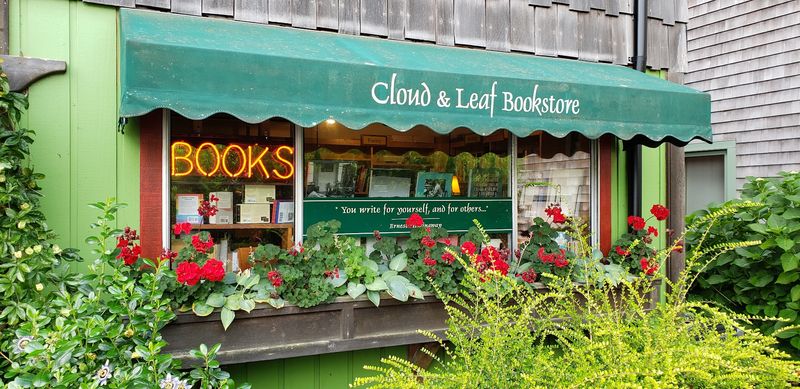
They want you to support local businesses, not just chain stops on the highway. The coffee shop on Laneda Avenue, the bookstore, the small gallery, these places matter to the community fabric.
They also appreciate visitors who slow down. Manzanita is not a theme park.
It is a real town where real people live. The pace there is intentional.
Matching that pace even briefly makes you a better guest.
One thing I heard more than once from people connected to the area: stay longer. Day-trippers cause a lot of impact for very little economic return.
Spending a few nights, eating locally, and actually exploring the surrounding area helps the community far more than a quick beach selfie ever could.
Can Manzanita Find Balance Before It Is Too Late
The tension in Manzanita is real, but the story is not over. The town still has its soul.
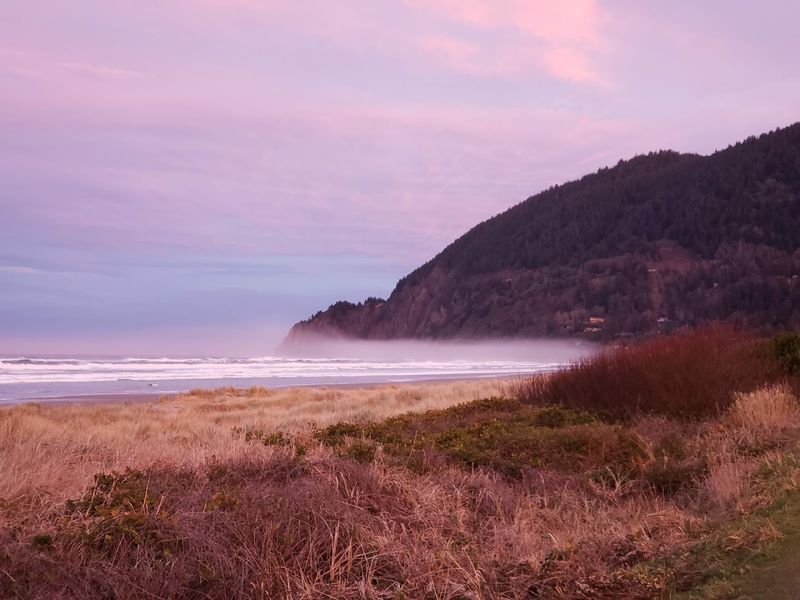
You can feel it on a quiet Tuesday morning in October when the fog sits low over the beach and the coffee shop has two people in it.
City officials have been working on visitor management strategies. Conversations about sustainable tourism happen at the local level.
Progress is slow but it is happening.
Some residents have become vocal advocates for thoughtful travel. They show up to meetings, write letters, and engage with visiting journalists.
That kind of civic energy matters enormously in a small town.
Manzanita is also physically resilient. The beach is wide.
The mountains are strong. The bay is still full of life.
Nature here can recover if given the chance.
The real question is whether the culture of visiting will shift before the character of the town disappears entirely. Places like Manzanita are worth protecting.
Not by keeping them secret, but by treating them with the same care you would want someone to show your own neighborhood.
Dear Reader: This page may contain affiliate links which may earn a commission if you click through and make a purchase. Our independent journalism is not influenced by any advertiser or commercial initiative unless it is clearly marked as sponsored content. As travel products change, please be sure to reconfirm all details and stay up to date with current events to ensure a safe and successful trip.
