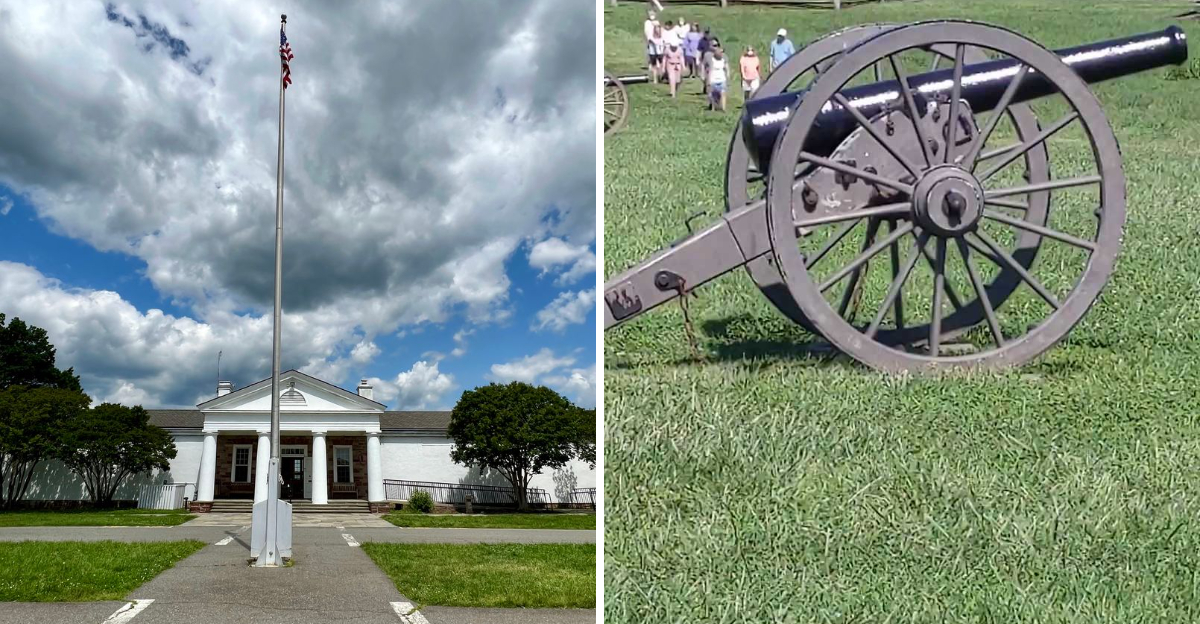
Picture this: you’re standing where history literally unfolded, trying to imagine the first major clash of the Civil War, but instead of soaking in the gravity of the moment, you’re dodging selfie sticks and fighting for a spot near the monuments. Sound familiar?
Manassas National Battlefield Park in Virginia has become a victim of its own popularity, with tour groups flooding the grounds and turning sacred historical terrain into what feels like a theme park. Located at 6511 Sudley Rd, Manassas, VA 20109, this once peaceful memorial site now struggles under the weight of mass tourism.
The serene fields where soldiers fought have transformed into crowded photo ops, and the educational experience has taken a backseat to Instagram moments. Is this really how we honor the past?
The battle for a genuine historical experience at Manassas might be harder than the original conflict itself.
Visitor Center Chaos During Peak Hours
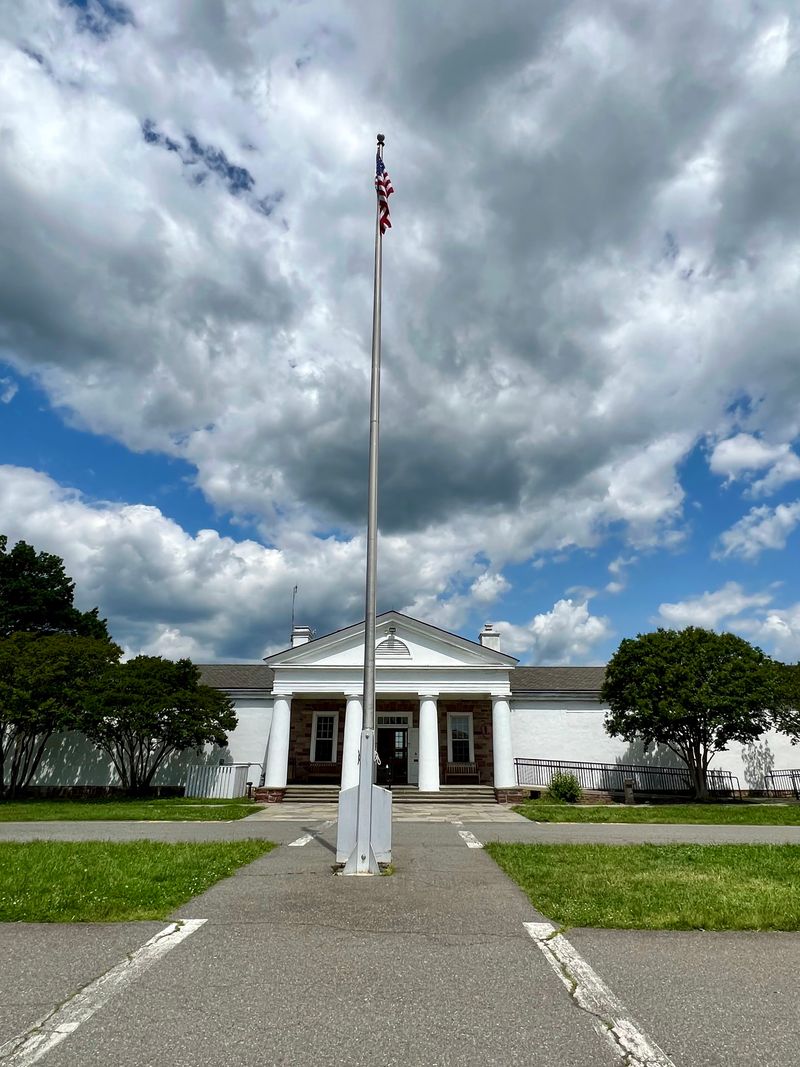
Walk into the visitor center on any Saturday afternoon and you’ll immediately understand the problem. Bodies everywhere, voices echoing off the walls, and good luck getting anywhere near those educational displays everyone raves about online.
The museum section, which features a brilliant light display mapping out the battle events, becomes nearly impossible to view when three tour groups descend simultaneously. You’re squished against strangers, craning your neck, and missing half the narration because someone’s kid won’t stop asking questions loudly.
Staff members do their absolute best to manage the flow, and they’re genuinely passionate about sharing history. But even the friendliest ranger can’t magically create more space when capacity is pushed beyond reasonable limits.
That introductory film everyone mentions? Plan on standing in the back if you arrive after morning hours.
The seating fills faster than concert tickets, and the experience loses its impact when you’re watching from a doorway.
Gift shop browsing becomes a contact sport. Forget leisurely examining books or selecting thoughtful souvenirs.
You’re navigating a human obstacle course while clutching your wallet and praying nobody steps on your feet. The educational foundation this center provides gets lost in the shuffle.
Stone House Overcrowding Drama
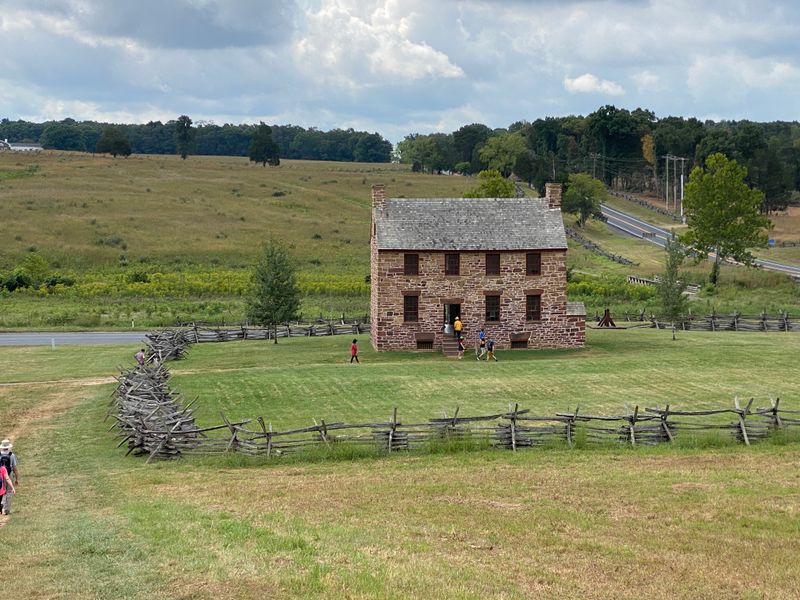
The Stone House stands as one of Manassas Battlefield’s most iconic structures, a building that actually witnessed both battles and served as a field hospital. Getting inside now requires patience bordering on meditation practice, assuming you can get in at all.
Capacity limitations mean long waits outside while current visitors explore the interior. You’re standing in Virginia sun or weather, watching minutes tick by, wondering if the inside view will justify the time investment when your parking meter might be expiring.
Once inside, the experience feels rushed because you’re conscious of the line forming behind you. Thoughtful examination of the space becomes impossible when you’re being subtly pressured to keep moving so others can enter.
Historical appreciation shouldn’t feel like speed dating.
The exterior gets swarmed constantly by people photographing the building from every conceivable angle. Finding an unobstructed view for your own pictures means waiting for gaps in human traffic that may never materialize.
Reviews mention how cool it is to finally access the Stone House interior, and they’re right about its historical significance. But the overcrowded reality diminishes what should be a powerful connection to the past into just another tourist checkbox.
Field Space Vanishes Under Tourist Pressure
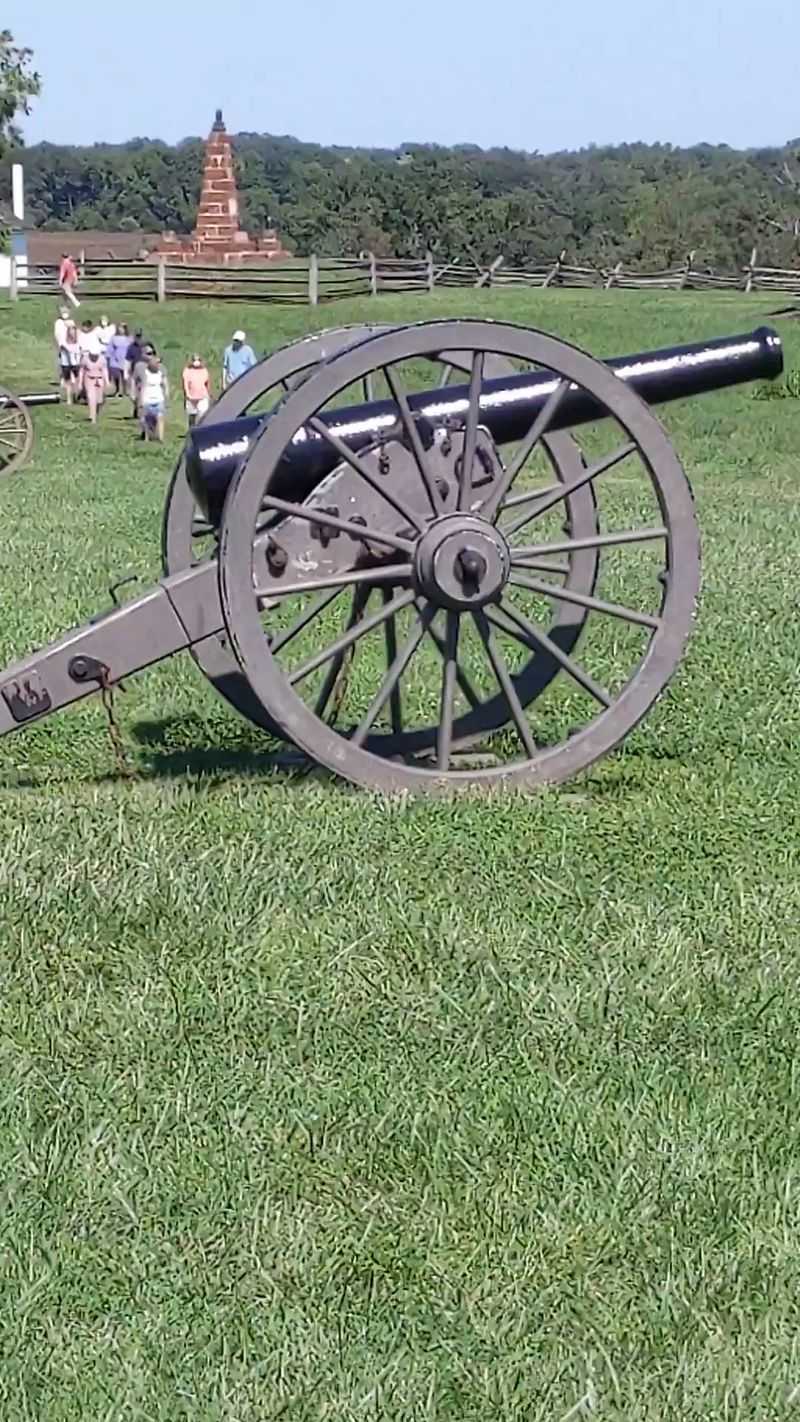
Vast open fields once offered space to truly visualize battle formations and understand the scope of conflict that unfolded here. That sense of scale disappears when fields are dotted with tourist clusters like mushrooms after rain.
Reviews mention breathtaking views and the nostalgic vibes of standing where history happened. Those feelings evaporate when your sightline includes dozens of other people also trying to capture the moment, phones raised, voices carrying across what should be contemplative space.
Sunset visits used to provide spectacular lighting and quieter atmospheres for reflection. Now sunset has become prime tourist time, with crowds actually increasing as people chase golden hour photography opportunities.
The fields become outdoor studios rather than memorials.
Dog walkers appreciate the trails and open areas, which is lovely for local residents seeking exercise space. But when combined with history tourists, hikers, joggers, and tour groups, the fields lose their capacity to absorb visitors without feeling overrun.
The well maintained grounds deserve credit for staying beautiful despite heavy use. But physical beauty can’t compensate for lost atmosphere when overcrowding fundamentally changes how a space feels and functions as a historic site meant for education and remembrance.
Educational Value Lost in Translation
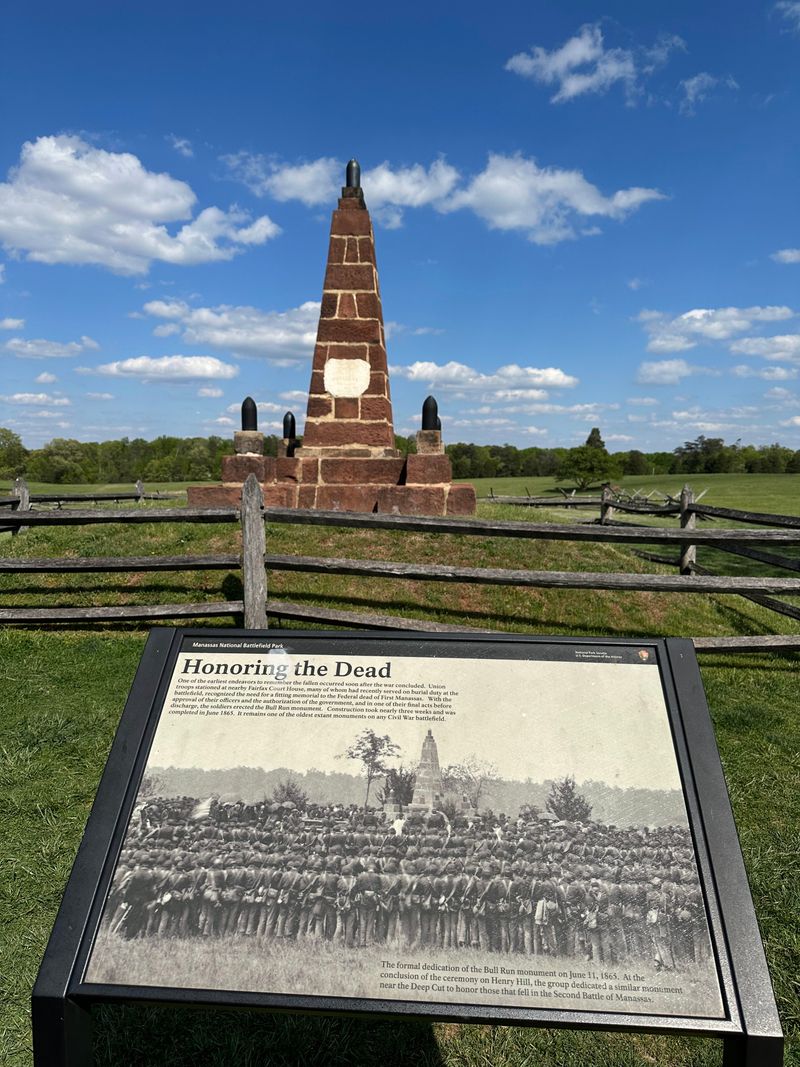
Manassas National Battlefield Park exists primarily for education, preserving and interpreting crucial Civil War history for current and future generations. That core mission suffers dramatically when visitor volume overwhelms the park’s ability to provide meaningful learning experiences.
Interpretive signs positioned throughout the grounds offer detailed information about battle progression, tactical decisions, and human stories from the conflict. Reading them becomes challenging when you’re competing for position with multiple other people, all trying to absorb the same content simultaneously.
The light display with audio description in the museum represents exactly the kind of innovative educational tool that makes history accessible and engaging. Its effectiveness plummets when viewers can’t hear narration over crowd noise or see the map clearly because they’re stuck in back rows.
Children participating in Junior Ranger programs deserve space to learn and engage with activities designed for their age group. Overcrowding turns these programs into exercises in crowd management rather than age appropriate historical education that could inspire lifelong interest in American history.
Staff knowledge and passion shine through consistently in reviews, proving the park has incredible human resources for teaching visitors. But even the most skilled educator struggles when student to teacher ratios become unmanageable and physical space constraints prevent effective communication.
Seasonal Surge Creates Impossible Conditions
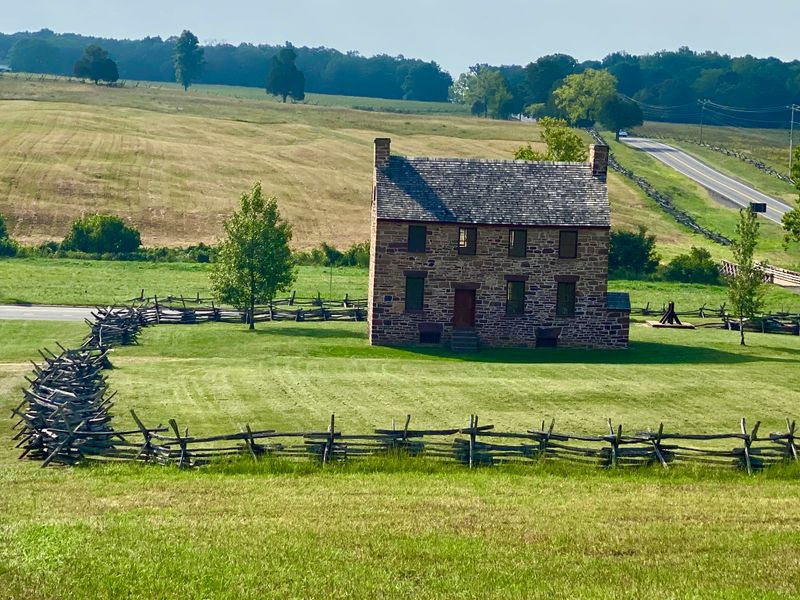
Summer months bring predictable visitor surges to outdoor attractions across Virginia, and Manassas National Battlefield Park experiences this seasonal pressure intensely. What remains manageable during off peak times becomes absolute chaos when schools release and vacation season hits full stride.
Mosquito warnings in summer reviews hint at another layer of misery when overcrowding meets weather challenges. Standing in insect clouds while waiting your turn at popular stops tests patience beyond reasonable limits, especially for families with children already struggling with heat and crowds.
Spring and fall offer better weather for hiking those multi mile trails, which sounds ideal until you realize everyone else had the same brilliant idea. Comfortable temperatures draw even larger crowds than summer heat, creating counterintuitive situations where pleasant weather guarantees unpleasant overcrowding.
Special event weekends and holiday periods push visitor numbers beyond any sustainable level. Reenactments and commemorative programs serve important educational purposes but concentrate so many people into limited timeframes that the park infrastructure simply cannot handle the load effectively.
Winter provides the only real respite from overcrowding, but reduced operating hours and weather concerns make cold weather visits less appealing for many tourists. The park needs visitors year round to justify its existence, yet lacks capacity to serve them properly during times when people actually want to come.
Local Resident Access Compromised
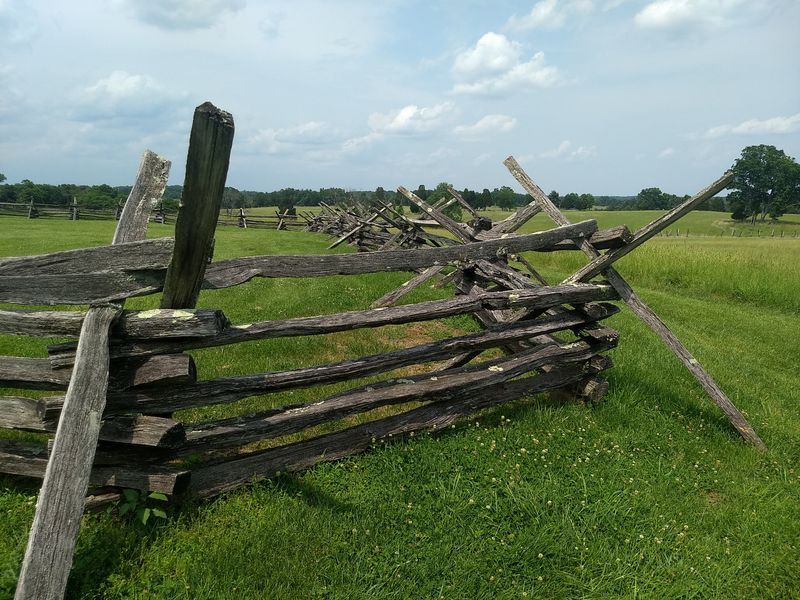
Reviews from local residents who regularly walk dogs or hike the trails every few weeks reveal an important constituency being squeezed out by tourist traffic. These Virginia neighbors treat Manassas Battlefield as their backyard nature space, and they’re watching it transform before their eyes.
Regular users who’ve hiked nearly every inch of the park over years have deep connections to these grounds that differ from tourist relationships. They’re not checking boxes on vacation itineraries but maintaining ongoing relationships with a place they love.
Overcrowding disrupts that bond significantly.
The horse trail running along the southern side of the field offers an alternative route that locals appreciate for avoiding the worst congestion. But even secondary trails see increased pressure as visitors seek escape from main pathway crowds, pushing congestion into previously peaceful areas.
Locals understand seasonal patterns and adjust their visit timing accordingly, arriving early or choosing weekdays when possible. But they shouldn’t have to strategize around tourist schedules just to access their own community’s historical and recreational resources.
That’s fundamentally unfair to residents.
The park serves dual purposes as both national historic site and local outdoor amenity. Current management prioritizes tourist accommodation, inadvertently marginalizing the very community members who could become long term stewards and advocates for proper preservation and sustainable visitor policies.
Preservation Concerns Under Foot Traffic
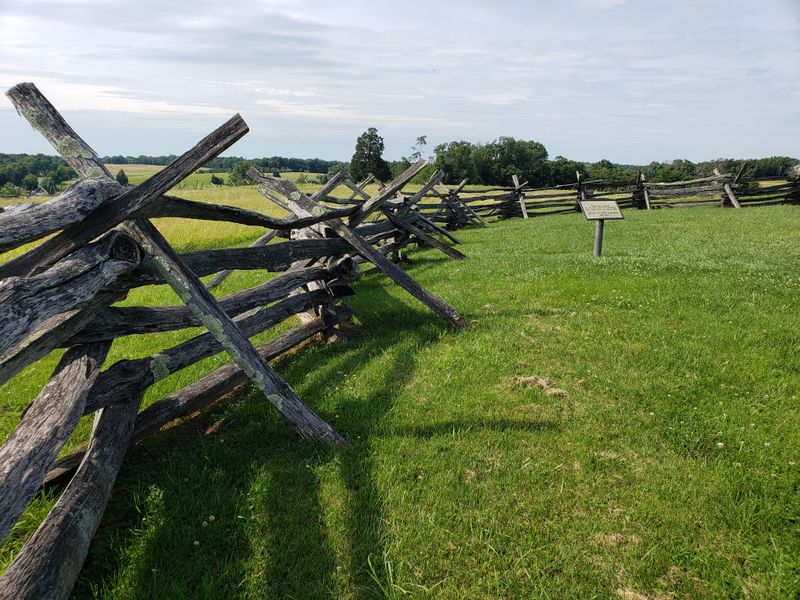
Beautiful and well maintained grounds earn consistent praise in reviews, testament to dedicated park staff working hard to preserve this National Historic Site. But no amount of maintenance can fully counteract damage from excessive foot traffic trampling grounds where historic events unfolded.
Grass worn down to dirt paths, eroded areas around popular monuments, and vegetation damage near frequently photographed locations all indicate that visitor numbers exceed the land’s carrying capacity. We’re literally wearing away the very ground we claim to want preserved for future generations.
Split rail fences require regular repair and replacement as tourists lean on them, sit on them, and generally treat historic landscape features as casual props rather than protected elements of a preserved battlefield. Each replacement costs money and uses resources that could support educational programming instead.
Monuments and markers face accelerated weathering from constant human contact. Touching, leaning, climbing, and posing against historical installations causes cumulative damage that restoration efforts struggle to keep pace with given current visitor behavior patterns and volume levels.
The National Park Service faces an impossible balancing act between public access and preservation. Free admission democratizes history, making it available to everyone regardless of economic status.
But unlimited access without crowd management ultimately threatens the very resources the park exists to protect, creating a tragic irony that benefits nobody long term.
Dear Reader: This page may contain affiliate links which may earn a commission if you click through and make a purchase. Our independent journalism is not influenced by any advertiser or commercial initiative unless it is clearly marked as sponsored content. As travel products change, please be sure to reconfirm all details and stay up to date with current events to ensure a safe and successful trip.
