The wind still whips through the gorge like it always has. The vibe though, that has changed.
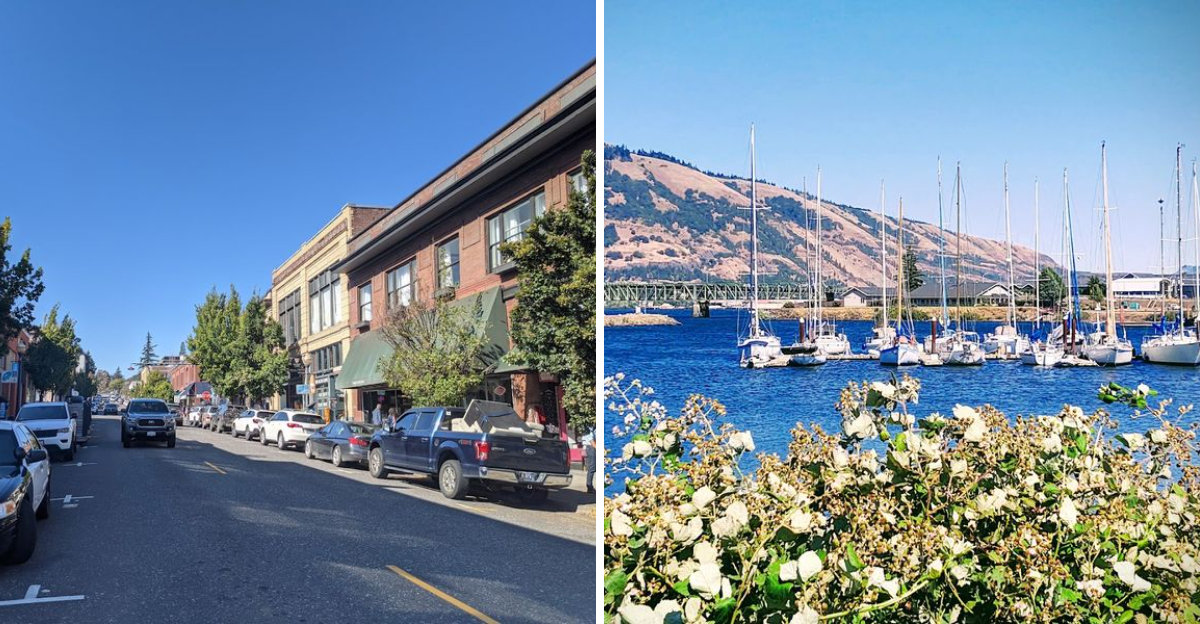
Oregon has a town that was once a quiet playground for windsurfers and locals who liked it that way. Now the main street feels more like a souvenir mall than a community.
T-shirt shops, fudge stores, and the same trinkets you can buy in every tourist town across America. The people who built the town can barely afford to live there anymore.
Veterans of the sport shake their heads over coffee, remembering when you could park for free and launch your board without fighting for beach access. The windsurfing is still world class, but getting to the water now requires patience and a parking strategy.
Locals are heartbroken, watching their home become a backdrop for vacation photos instead of a place to actually live. The wind does not care about any of it, but the people sure do.
The Windsurfing Culture That Put Hood River on the Map
Long before the souvenir shops arrived, the wind did. Hood River sits in the Columbia River Gorge, where powerful thermal winds funnel through the canyon with almost mechanical reliability.
That made it a magnet for windsurfers starting in the early 1980s, when athletes from around the world showed up with boards strapped to old station wagons.
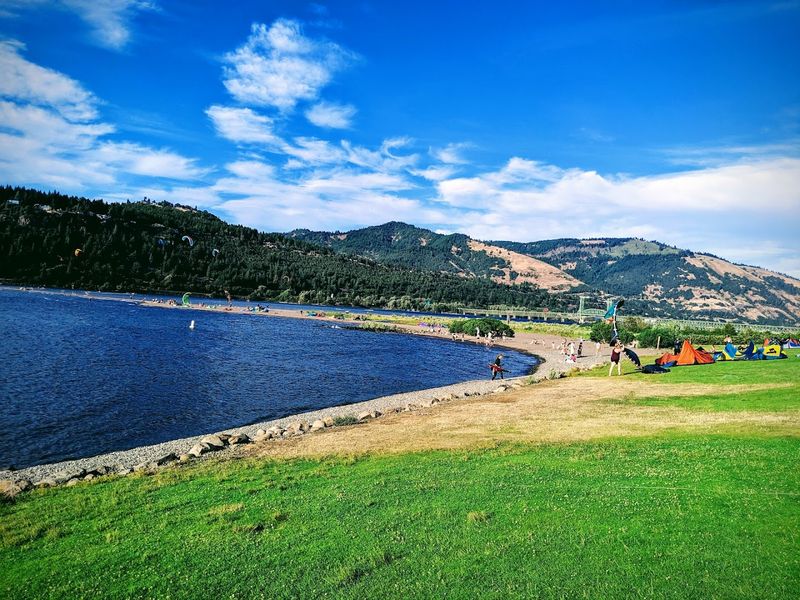
The Event Site, located along Portway Avenue, became the heartbeat of that scene. You can still watch riders launch into whitecapped water on breezy afternoons, their colorful sails snapping tight against the sky.
That original culture gave Hood River its identity. It shaped the cafes, the gear shops, the casual confidence of the people who settled here.
Visitors who skip the water and head straight for the shops are missing the whole point of why this town exists. The wind is still free.
It still howls. And it still belongs to everyone.
Oak Street and the Slow Disappearance of Local Shops
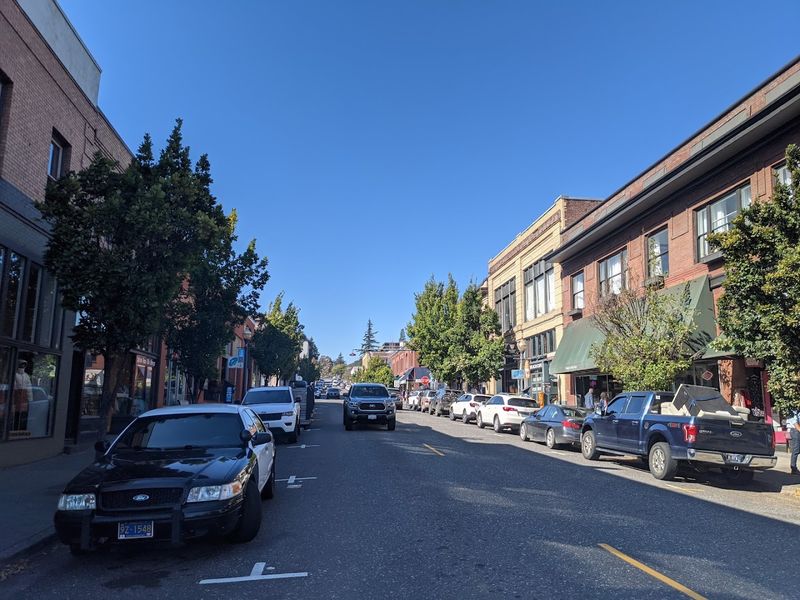
Oak Street used to feel like a neighborhood. Longtime residents remember hardware stores, a family-run diner, a barbershop that never changed its sign.
Now it reads more like a curated marketplace designed for people passing through on a long weekend.
Souvenir boutiques, lifestyle clothing stores, and artisan candy shops have steadily replaced the practical, everyday businesses that locals actually used. Rents climbed.
Small operators left. The storefronts got prettier and less useful.
Walking Oak Street today, you notice the polish. Everything looks intentional, Instagram-ready, and slightly anonymous.
A town can have charming shops and still feel hollow if the people who live there year-round have nowhere to buy a bag of nails or sit down for a regular Tuesday lunch.
The street still has energy and life. But it is performing tourism now, rather than simply living.
That difference is subtle on the surface and enormous underneath, and locals feel it every single time they walk through downtown.
The Columbia River Gorge and Why It Attracts Millions
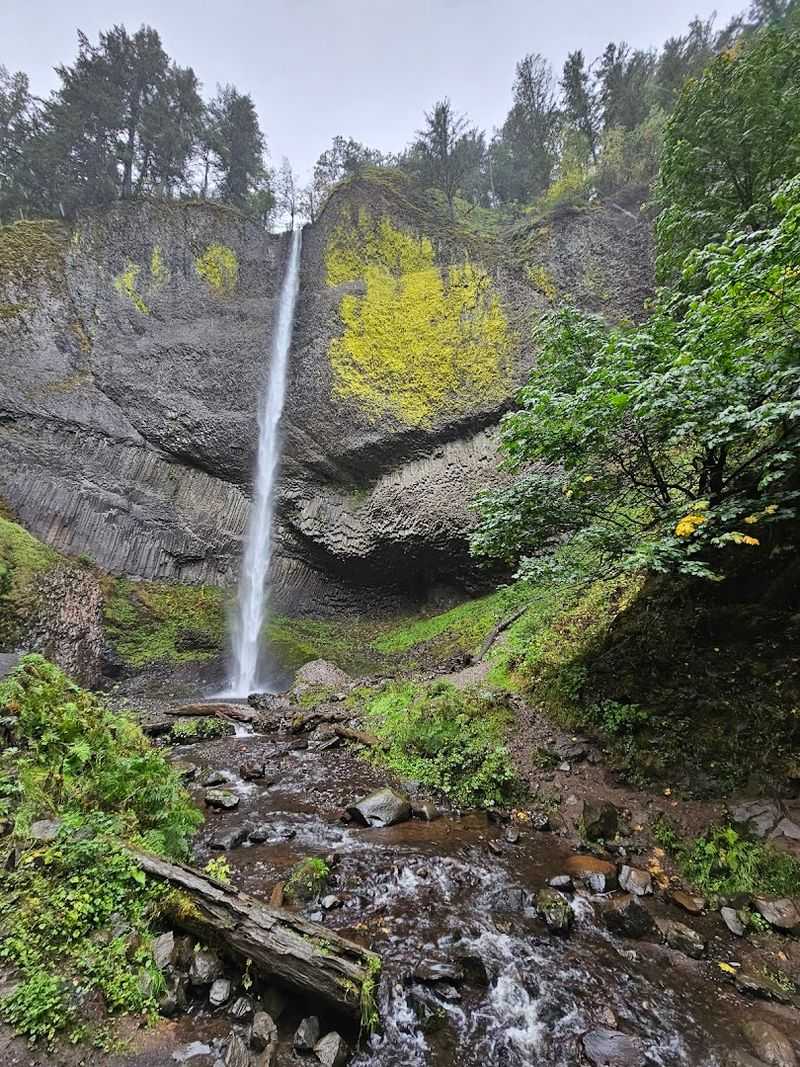
The Columbia River Gorge is one of the most dramatic landscapes in the American West. Basalt cliffs drop hundreds of feet to the river below, waterfalls spill through moss-covered canyons, and the light shifts in ways that make every hour feel different from the last.
Hood River sits right at the eastern edge of this natural corridor, which means it captures visitors heading both directions along the Historic Columbia River Highway. That geographic luck turned the town into a stopping point for millions of travelers each year.
The gorge itself is staggering. Multnomah Falls, one of the tallest waterfalls in the United States, draws enormous crowds just west of town.
Vista House at Crown Point offers views that feel almost unreal on a clear morning.
All that natural beauty feeds Hood River economically. But it also floods the town with visitors who may not stay long or spend thoughtfully.
The Event Site: Still the Soul of the City
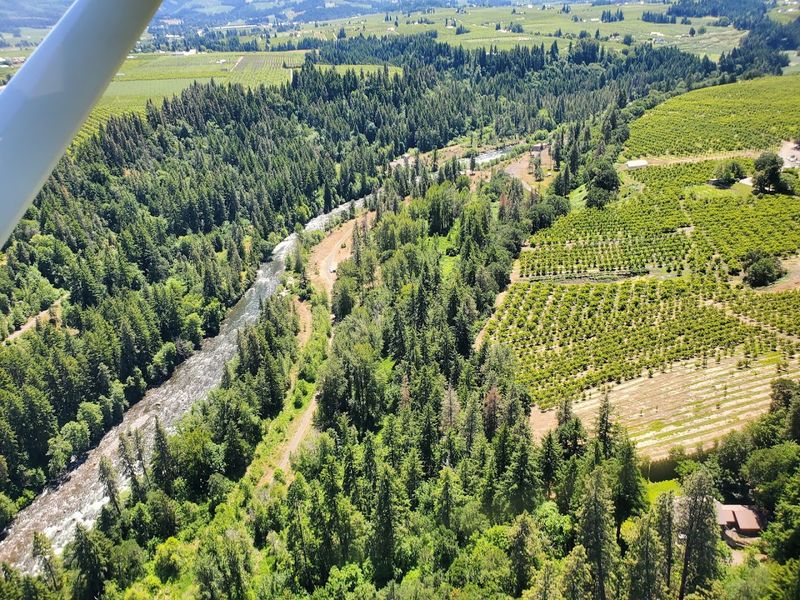
There is a gravel lot near the water on Portway Avenue that does not look like much at first glance. Then the wind picks up, and suddenly the whole place transforms.
Sails rise, kites fill the sky, and the Columbia River turns into a stage for some of the most skilled wind athletes anywhere in the country.
The Event Site has hosted professional competitions, beginner lessons, and every level of rider in between. It is the one place in Hood River where tourism and local life still genuinely overlap without friction.
Watching someone launch a kiteboard into a 25-knot wind is genuinely thrilling. You feel the spray, hear the lines snap, and understand immediately why people rearranged their whole lives to live near this stretch of water.
The Event Site reminds you that Hood River earned its reputation honestly. No marketing campaign invented this.
The wind showed up first, and the people followed. That origin story still lives right here, in plain view.
The Fruit Loop: Orchards That Predate the Tourism Boom
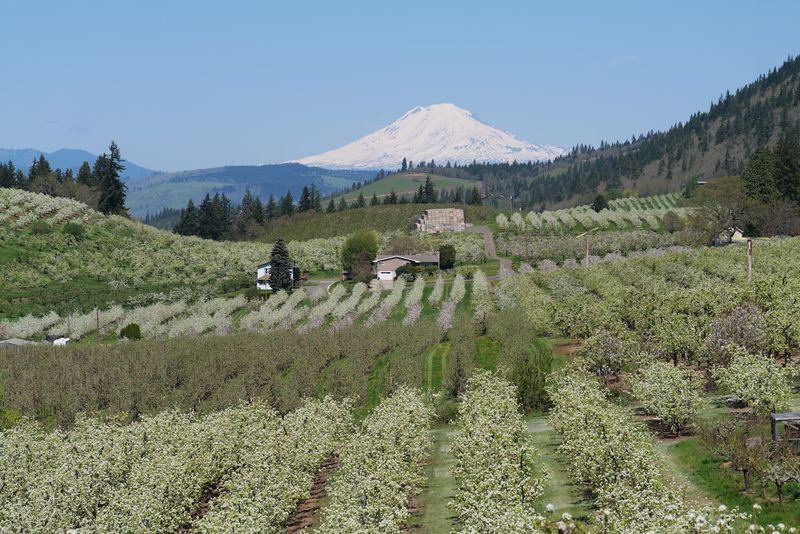
Before the kayakers and the kite shops, Hood River Valley was orchard country. The volcanic soil and cool nights produce some of the finest pears and apples in the Pacific Northwest, and the farms that grow them have been here for generations.
The Fruit Loop is a 35-mile scenic drive that winds through the valley past working orchards, farm stands, and u-pick operations. It is genuinely lovely, and it connects visitors to the agricultural roots that shaped this region long before it became a destination.
Stopping at a roadside stand to buy a bag of Bartlett pears feels nothing like shopping on Oak Street. The transactions are honest and direct.
The people running the stands are the same people who planted the trees.
Tourism has touched the Fruit Loop too, adding more signage and seasonal events. But the orchards themselves remain grounded in real work.
Visiting them is one of the best ways to understand Hood River beyond its windsurf-and-shop reputation. The land here has memory.
Housing Costs and the Locals Being Priced Out
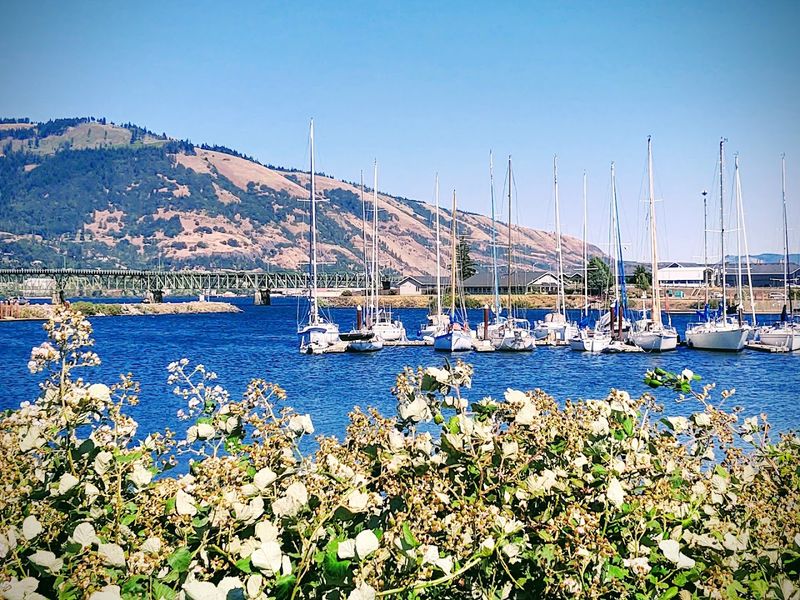
The tourism economy brought money into Hood River, but it did not distribute that money evenly. Property values climbed sharply as vacation rentals multiplied and second-home buyers discovered the gorge.
For working families who had lived here for decades, the math stopped making sense.
Teachers, mechanics, restaurant workers, and longtime small business owners found themselves priced out of the neighborhoods they grew up in. Some moved to nearby towns.
Others left the region entirely.
A town that loses its working residents loses something harder to replace than a hardware store. It loses the institutional knowledge, the neighborly familiarity, the unspoken culture that makes a place feel alive rather than staged.
Hood River is still a real community. People here fight hard for affordable housing policies and local business protections.
But the pressure is constant, and the outcomes are not always in the community’s favor.
Full Sail Brewing and the Craft Beer Legacy
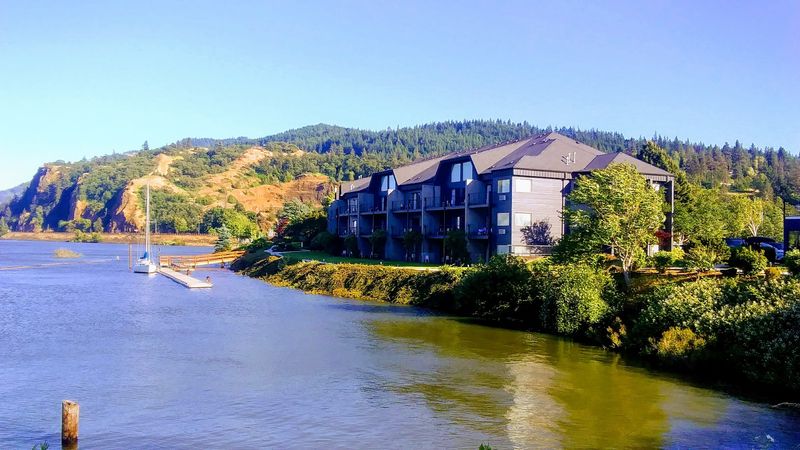
Full Sail Brewing opened in Hood River in 1987, back when the town was still finding its identity. It became one of the most recognizable craft breweries in the Pacific Northwest and helped put Hood River on the map for a different kind of traveler.
The brewery sits on a bluff above the Columbia River, and the view from the pub deck is the kind that makes you stop mid-sentence. On a clear day, you can see the gorge stretching east and west, the river catching light below.
Full Sail has always felt rooted here rather than transplanted. It grew with the town, hired locally, and stayed independent long after larger companies came calling.
That history matters in a place where so much else has changed hands.
Visiting the taproom feels like stepping into a version of Hood River that still belongs to itself. The food is straightforward and good.
The atmosphere is relaxed. It is one of the places in town where locals and visitors still genuinely mix without anyone performing for anyone else.
Kiteboarding Culture and the New Generation of Riders
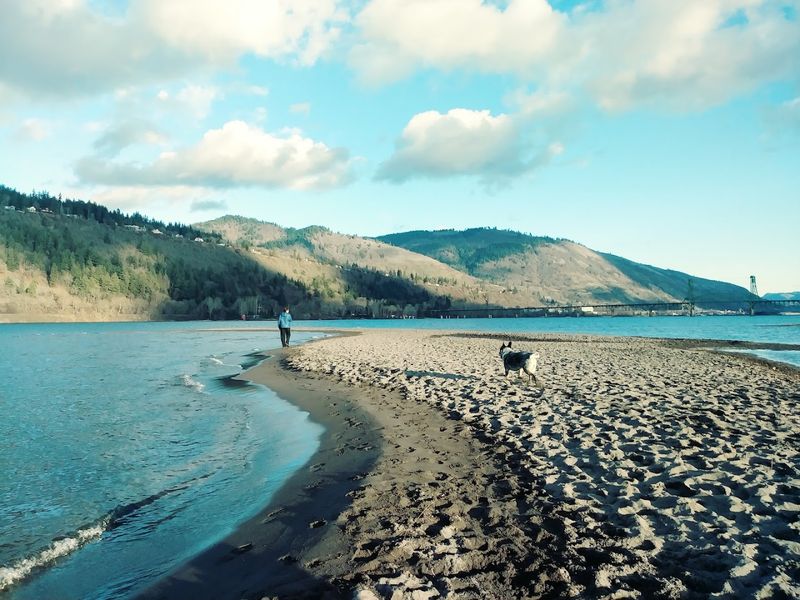
Windsurfing opened the door, and kiteboarding kicked it wide open. By the early 2000s, a younger generation of riders arrived in Hood River with bigger kites and a slightly different attitude.
The sport is faster, louder, and more visually dramatic than windsurfing, and it drew a new wave of enthusiasts to the gorge.
Kiteboarding schools, gear rental operations, and coaching clinics multiplied along the waterfront. The Event Site adapted to accommodate both communities, and somehow the coexistence mostly works.
What strikes you watching kiteboarders is the commitment involved. These are not casual hobbyists.
Many of them relocated specifically for the wind, taking remote jobs or seasonal work just to stay close to the water.
That level of dedication is part of what makes Hood River’s outdoor culture feel authentic rather than manufactured. The athletes are real.
The conditions are real. The sport demands skill and respect for the river, and the people who pursue it here understand that completely.
The Souvenir Economy and What Gets Lost in Translation
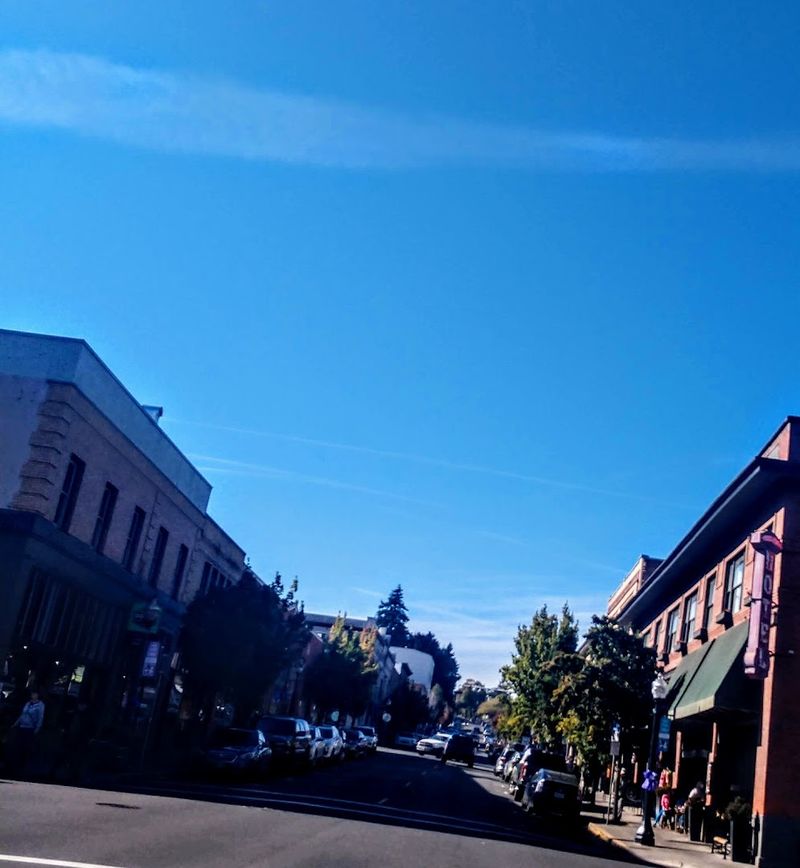
Hood River branded gear is everywhere now. Hoodies, hats, stickers, tote bags, and novelty items fill shop windows up and down the main corridors.
Some of it is well-made and genuinely local. Much of it is mass-produced and shipped in from somewhere else entirely.
The souvenir economy is not inherently bad. Towns need revenue.
Visitors want mementos. But when the retail identity of a place starts to overshadow everything that made it worth visiting, something tilts out of balance.
Longtime residents describe watching shops they loved close, replaced by storefronts selling the same branded merchandise you could find in a dozen other tourist towns. The specificity of Hood River gets diluted with each generic wind-themed keychain.
What a place sells says something about what it thinks of itself. Hood River at its best is gritty, windswept, and genuinely skilled.
At its most tourist-facing, it can feel like a theme park version of that story.
The real Hood River is still there. You just have to look past the display windows to find it.
Why Hood River Still Deserves a Visit, Despite Everything
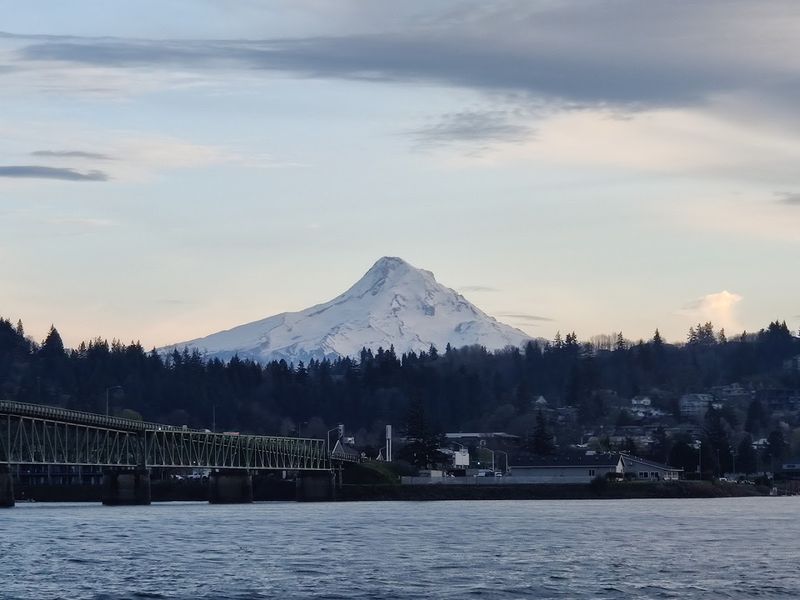
Complicated places are often the most interesting ones. Hood River is navigating a tension that dozens of beloved small towns face, and it is doing so with more self-awareness than most.
Locals organize, advocate, and push back. The conversation about what this town should be is ongoing and alive.
The gorge is still breathtaking. The wind still comes.
The orchards still bloom every spring in colors that make you pull over and stare.
Visiting with open eyes means enjoying the beauty while acknowledging the cost. Skip the generic souvenir shops and spend money at businesses that have been here for years.
Talk to people. Ask where they eat on a regular Tuesday.
Hood River rewards curiosity. It punishes passive tourism.
Show up ready to actually engage with the place, and it will give you something worth remembering.
The heartbreak locals feel is real, but so is their love for this town. That love is contagious if you let it be.
Hood River, Oregon is still worth every mile of the drive.
