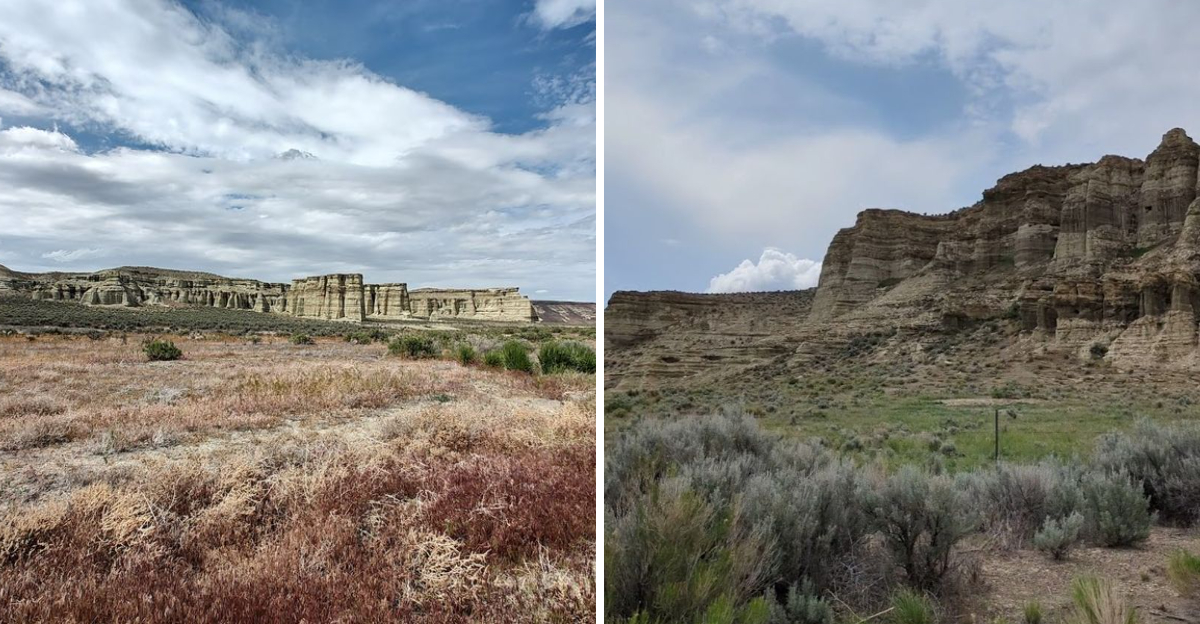
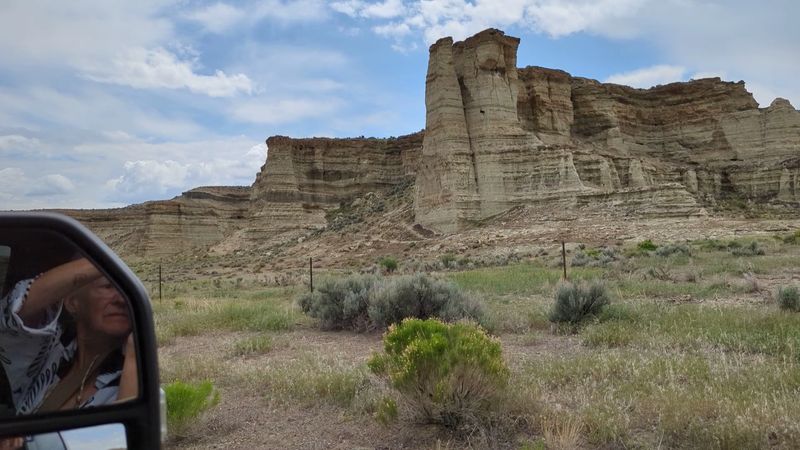
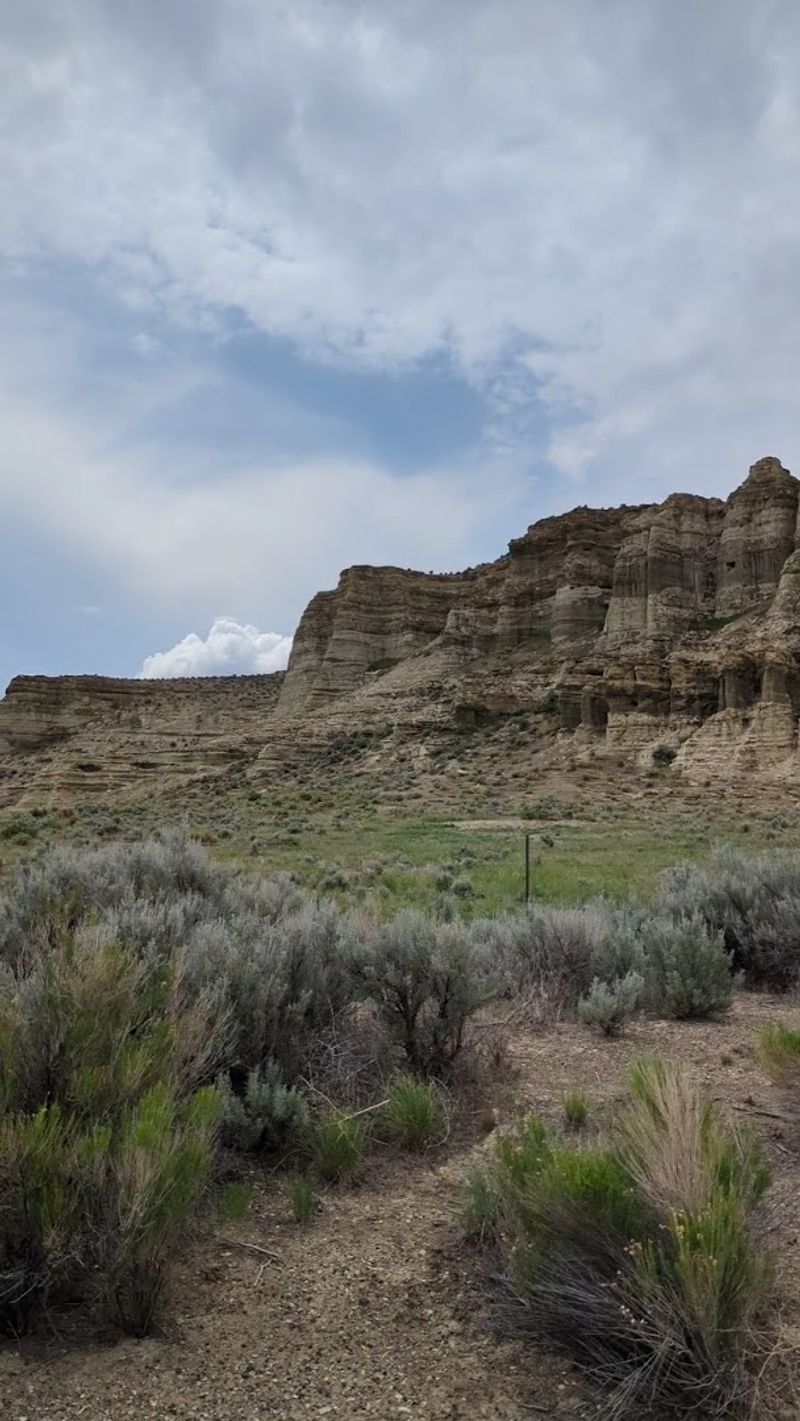
Driving up to these towering pale cliffs feels like stumbling onto a movie set. They rise nearly one hundred feet high with deep grooves and soft curves that resemble ancient Roman ruins.
This Oregon landmark once guided pioneers across the tough terrain of the Oregon Trail and you can understand why instantly. Those early travelers must have felt a wave of relief seeing these white giants rising against the brown landscape.
The cliffs stand out from everything around them like a natural cathedral in the middle of nowhere. You can walk right up to the base and touch the crumbly clay that has been standing here for thousands of years.
The wind carved every ridge and hollow slowly over time with no help from human hands. Birds nest in the crevices and wild grasses grow in patches at the top.
Oregon does not advertise this spot as heavily as other landmarks and maybe that is a good thing. The silence hits you first. Then the scale. Then the strange realization that pioneers saw the exact same view generations ago.
Bring water because the area is dry and exposed. Bring a camera because your phone will not do it justice.
What Exactly Are the Pillars of Rome?
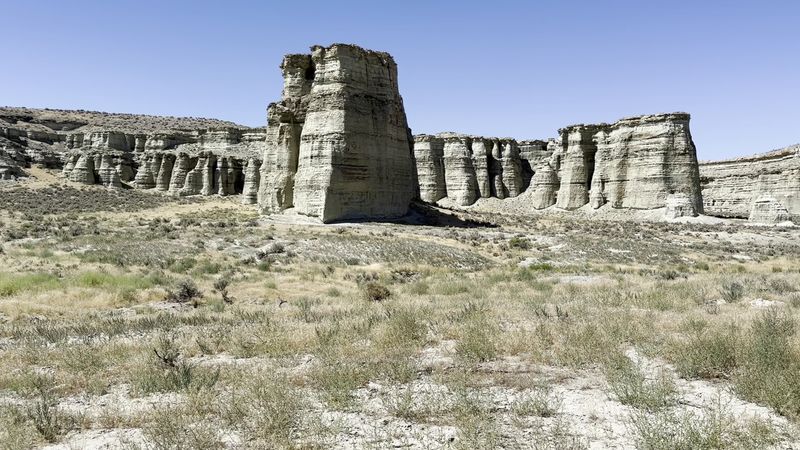
Pale, towering, and completely unexpected, the Pillars of Rome are a geological formation that stops most people mid-sentence. They rise sharply from the flat desert floor of southeastern Oregon.
The effect is almost theatrical.
These cliffs stretch roughly five miles long and two miles wide. They reach heights of about 100 feet.
The material is ancient volcanic clay, layered over millions of years by geological forces that shaped the entire region.
Fossil-bearing sediments run through the clay. That means the walls around you hold pieces of prehistoric life.
Visitors often feel a quiet sense of awe just standing near them.
The formations sit near Rome Station along Old Ion Highway, just outside Jordan Valley. A short gravel road leads you there.
The drive takes only a few minutes from Highway 95.
No hiking trails cut through the area. The cliffs sit on private property behind a fence.
Still, the view from the road is genuinely stunning and worth every mile of the detour.
How the Pillars Got Their Very Roman Name
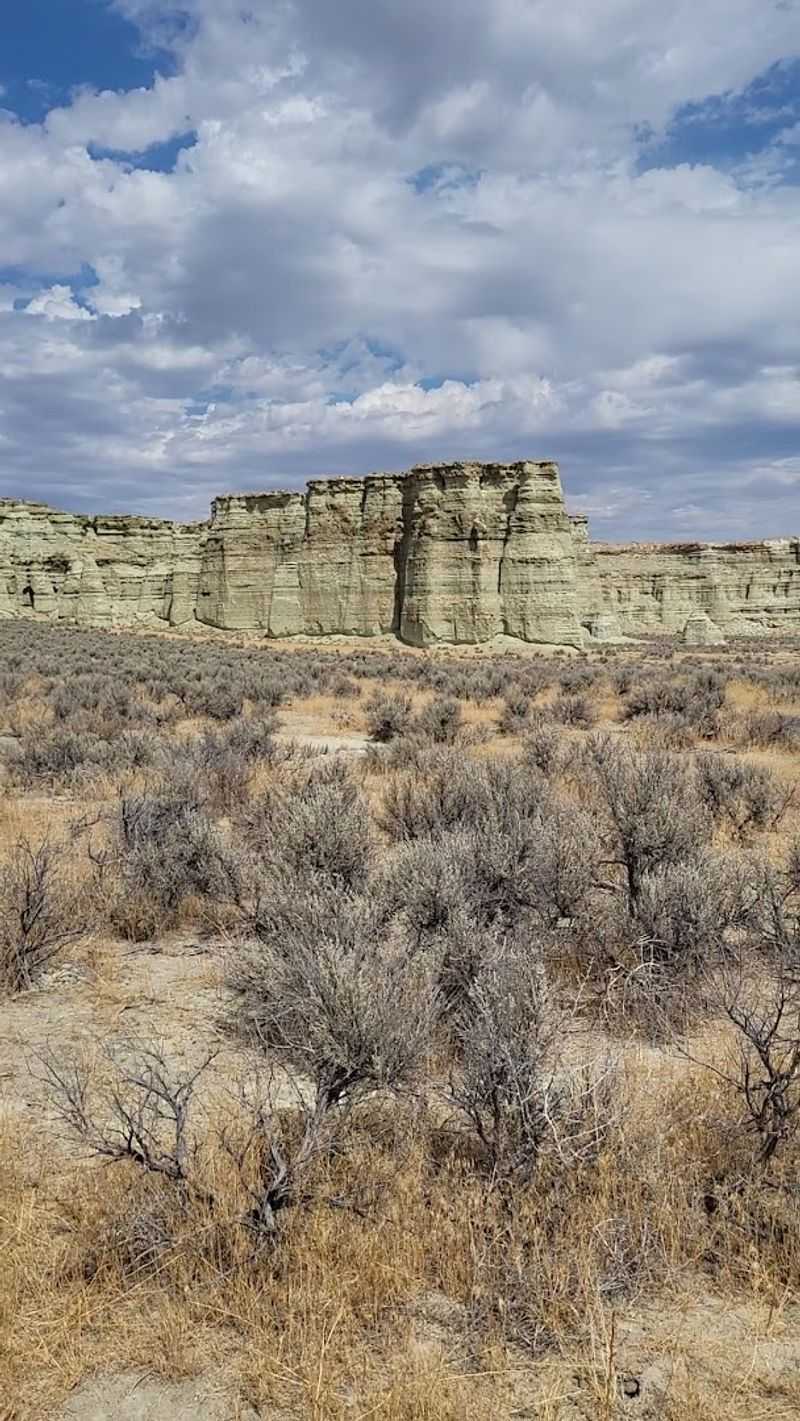
The name is not a stretch. Standing in front of these formations for the first time, the resemblance to ancient Roman ruins is immediate and striking.
Rows of pale columns rise in broken, uneven lines that genuinely look like crumbled architecture.
Early settlers and Oregon Trail travelers noticed the likeness right away. The formations reminded them of illustrations of Rome they had seen in books and maps back east.
The name stuck, and it has never needed changing.
Nearby Rome Station, a tiny roadside community on Highway 95, shares the same namesake. The whole area carries this Roman identity quietly.
It feels a little surreal to find it so deep in the Oregon desert.
The visual comparison becomes even stronger at certain times of day. Late afternoon light makes the pale clay look almost golden, adding to the ancient, crumbled-city atmosphere.
Photographs taken at that hour often look like they belong in a history book.
The Oregon Trail Connection That Made These Cliffs Famous
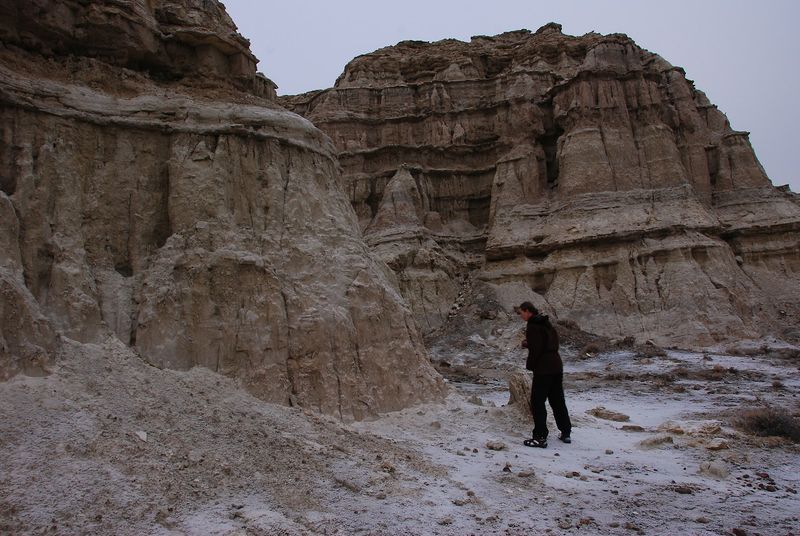
Wagon wheels once rolled within sight of these pale clay cliffs. Pioneer travelers on the Oregon Trail used the Pillars of Rome as a landmark during their long journey westward.
In a landscape where everything looked the same for days, these formations stood out dramatically.
Seeing them meant you were on track. It offered a moment of reassurance in a journey full of uncertainty.
For families traveling with everything they owned, a recognizable landmark carried real emotional weight.
The Oregon Trail passed through the Owyhee region of southeastern Oregon. This remote corridor was harsh and demanding.
Water was scarce, the terrain was unforgiving, and distances between stops were long.
The Pillars served as a visual anchor. Travelers wrote about distinctive rock formations in their journals, and historians believe these cliffs were among the landmarks noted along this stretch of the trail.
The connection adds a layer of human history to an already powerful natural site.
Getting There: The Dirt Road Drive Worth Taking
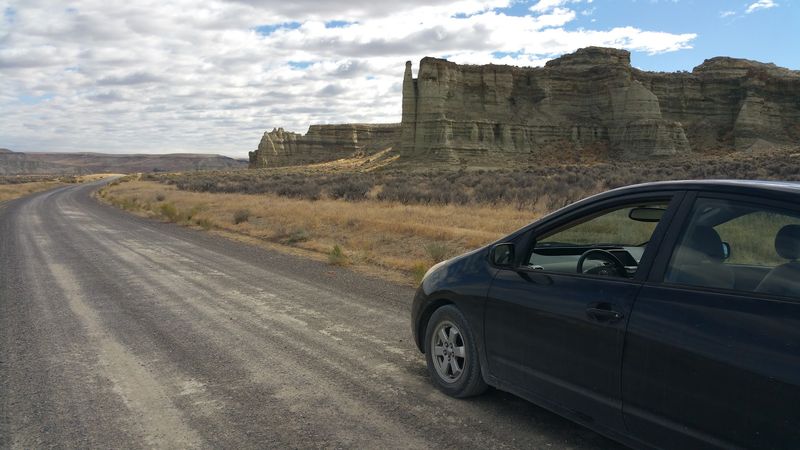
Reaching the Pillars of Rome requires a short detour off Highway 95. The turnoff is near Rome Station, a small community south of Jordan Valley.
One sign marks the way, and after that, you are on your own.
The gravel road runs about one to four miles depending on which direction you approach from. It is generally manageable in a regular vehicle.
The surface is rough in spots, so slow and steady is the right approach.
No cell service covers much of the area. Download your maps before leaving the highway.
A fully charged phone and a full tank of fuel are both smart choices out here.
The surrounding landscape is open farmland and sagebrush desert. Fences line the road in places, marking private property.
Keep to the road and respect the boundaries around the formations.
Plan for a stop of about 30 minutes, that is enough time to park, walk close to the fence line and take photos.
The Ancient Volcanic Origins Behind the Cliffs
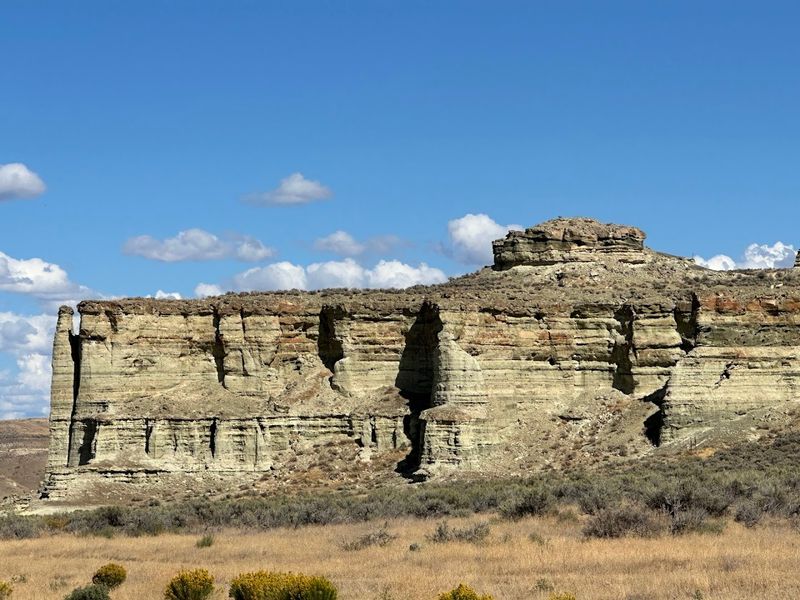
Long before humans ever walked through southeastern Oregon, volcanic activity was quietly building something remarkable. The Pillars of Rome formed from ancient volcanic deposits that settled, hardened, and eroded over millions of years.
Time did most of the sculpting.
Wind and water carved the soft clay into columns and ridges. The pale, almost white color comes from the specific mineral composition of the volcanic ash.
Rain and seasonal temperature changes continue shaping the formations slowly.
Fossils embedded in the clay hint at the creatures that once roamed this landscape. The high desert of eastern Oregon holds some of the most dramatic geological records in the Pacific Northwest.
Places like this make that history visible.
The cliffs change appearance throughout the day. Morning light gives them a soft glow.
By midday, the pale clay almost shimmers in the sun, and by late afternoon the shadows cut dramatic lines across every column and ridge.
Private Property and Viewing Etiquette at the Site
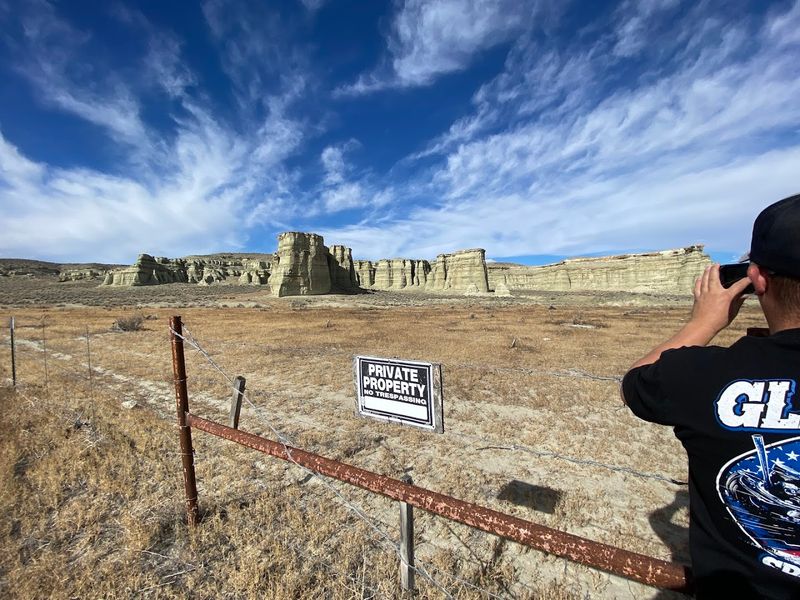
The Pillars of Rome sit on privately owned land. A fence runs around the formations, keeping visitors at a respectful distance.
This is not a managed park with rangers or facilities.
Local landowners have allowed public viewing access from the road and fence line. That generosity deserves genuine respect.
Climbing fences, crossing onto private land, or leaving trash behind are all ways to put that access at risk for future visitors.
The view from outside the fence is still impressive. You can get close enough to appreciate the scale and texture of the cliffs.
A good camera with a zoom lens helps capture the detail from a distance.
There are no restrooms at the site. No picnic tables, no information boards, no drinking water.
Bring everything you need before turning off the highway. A hat and sunscreen matter a lot on warm days in the open desert.
The landowners sharing this landscape are doing something genuinely kind, and that is worth honoring with good behavior every single visit.
The Best Time of Day to See the Cliffs
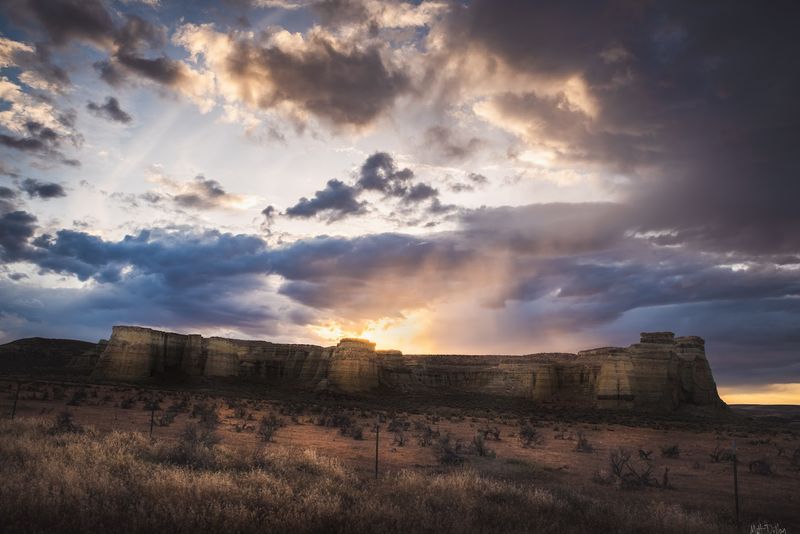
Timing your visit makes a real difference here. The pale clay of the Pillars of Rome responds to light in dramatic ways.
Colors shift from cool white in the morning to warm gold in the late afternoon.
Sunset is widely considered the best time to visit. The low angle of the light throws deep shadows across the columns and ridges.
The formations seem to glow, and the surrounding desert turns amber and rose.
Sunrise is equally rewarding for early risers. The quiet of the high desert at dawn adds something intangible to the experience.
One visitor camped nearby at the Owyhee River put-in just to be close enough for a morning visit.
Midday visits are still worthwhile, but the harsh overhead light flattens the texture of the cliffs. The pale clay can look washed out under a midday sun.
Morning and evening simply show more of what makes this place special.
Spring and fall bring pleasant temperatures to southeastern Oregon. Summer mornings are ideal.
Winter visits are possible but cold and occasionally icy on the gravel approach road.
What Makes the Cliffs Look Different Every Season
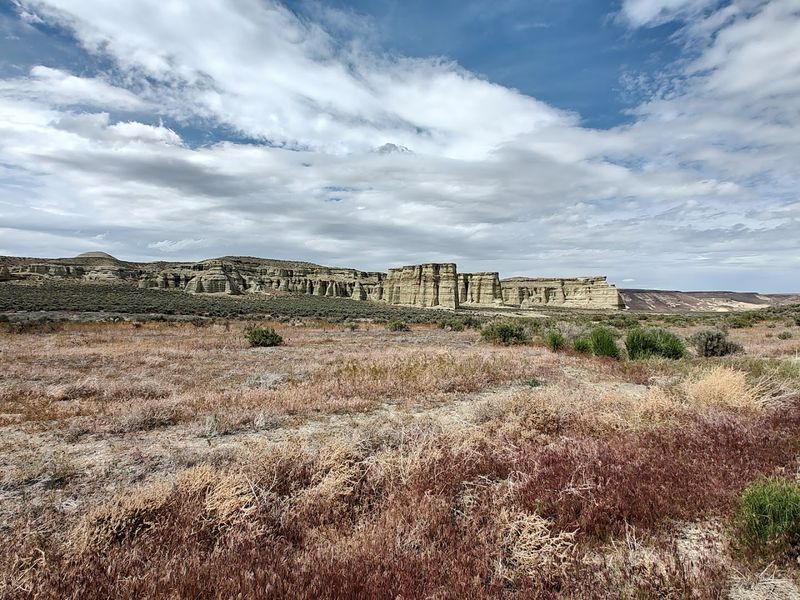
One of the quieter pleasures of this site is how much it changes across seasons. The pale clay catches different qualities of light depending on the time of year.
Summer sun bleaches the surface to an almost blinding white.
In spring, the surrounding desert blooms with small wildflowers and new grass. The contrast between green desert scrub and pale white cliffs is striking.
It is one of the more photogenic combinations the high desert offers.
Autumn brings cooler temperatures and a lower sun angle that stays dramatic all day. The shadows are longer and more defined.
The cliffs look more textured, more layered, more ancient.
Winter visits are rare but memorable. A light dusting of snow on the pale clay creates an almost monochromatic scene.
Cold air sharpens the edges of the formations and makes the silence feel even deeper.
Clouds also play a role, overcast skies soften the light and bring out subtle color variations in the clay.
Nearby Attractions Worth Adding to Your Route
The Pillars of Rome sit in a corner of Oregon that rewards explorers willing to keep driving. Leslie Gulch is one of the most dramatic canyons in the state and sits within reach of this area.
A 4×4 or all-wheel drive vehicle is strongly recommended for the back roads connecting the two.
The Owyhee River put-in, just a few miles up Highway 95, offers free camping with water, picnic tables, and fire rings. It is a peaceful overnight option for anyone wanting to spread out their time in the region.
The night sky out here is exceptional.
Coffeepot Crater is another geological curiosity in the area. The road connecting it to the Pillars is rocky and rough.
Only take that route in a capable vehicle with good clearance.
Jordan Valley, the nearest town, sits a short drive north. It has basic services and a quiet, working-ranch character that feels authentically eastern Oregon.
Why the Pillars of Rome Deserve a Spot on Your Oregon Road Trip
There is a particular kind of travel reward that comes from finding something extraordinary in an unexpected place. The Pillars of Rome deliver that feeling without any fanfare.
No visitor center, no entrance fee, no crowd control.
Just a gravel road, a fence line, and 100-foot pale clay towers that look like they belong somewhere in the Mediterranean. The contrast with the surrounding high desert makes the discovery feel personal.
Like you found it yourself.
Road trippers heading between Idaho and southern Oregon often drive right past the turnoff without knowing what they are missing. Adding this stop requires maybe 30 to 45 minutes total.
The payoff is a view that most people have never seen in their lives.
The wind at the site is worth mentioning. It moves through the open desert with a kind of presence.
Standing near the fence and just listening for a moment adds something to the experience that photographs cannot fully capture.
