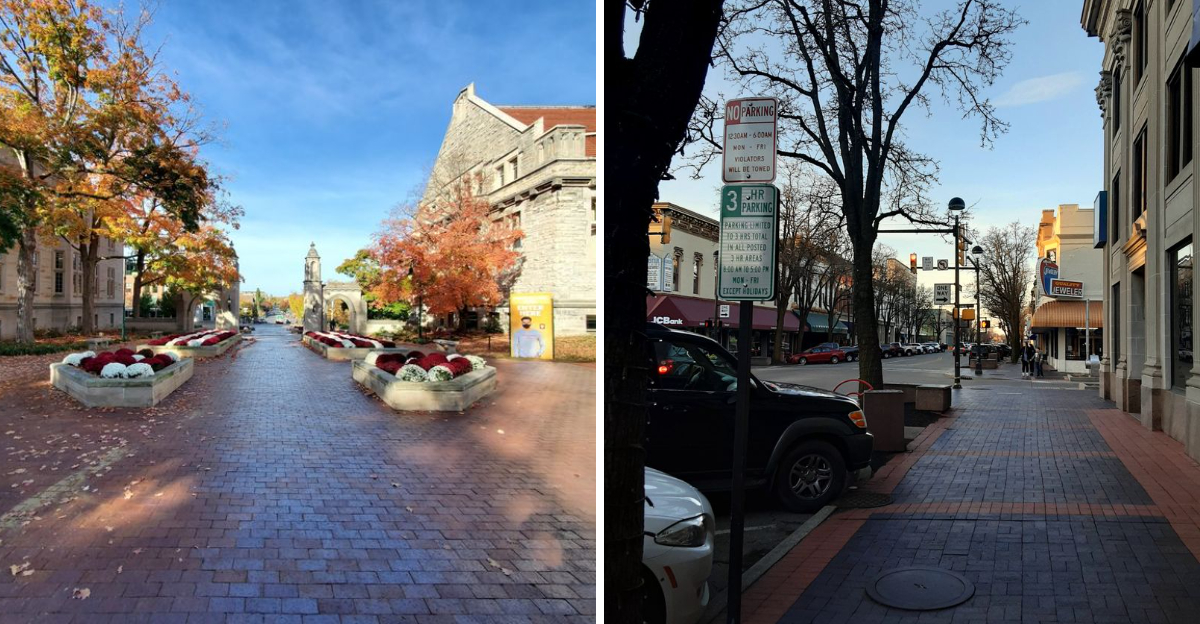
Indiana might not be the first place that comes to mind when you think of charming walkable downtowns, but this Midwestern state is packed with delightful surprises. Small towns across Indiana have preserved their historic main streets, transforming them into vibrant hubs filled with locally owned boutiques, cozy cafés, and welcoming storefronts.
Walking through these communities feels like stepping back in time, where neighbors greet each other by name and shop owners take pride in their craft. The sidewalks are wide, the architecture tells stories of generations past, and the pace of life slows down just enough to let you enjoy the moment.
Whether you are searching for unique antiques, handmade goods, or just a peaceful afternoon stroll, these Indiana towns offer experiences you will not find in big-box shopping centers. Each destination has its own personality, from artsy college towns to historic river communities.
These seven towns prove that some of the best shopping and exploring happens on foot. Every corner reveals something new, and every shop has a story worth discovering.
1. Nashville, Indiana
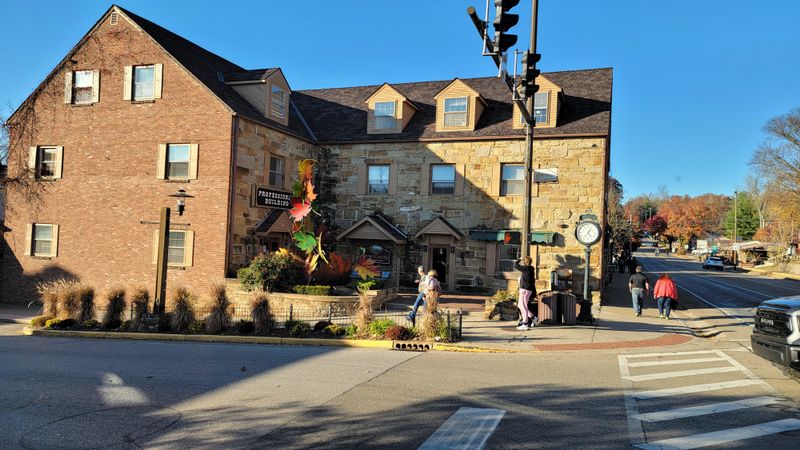
Nestled in the rolling hills of Brown County, Nashville has earned its reputation as one of Indiana’s most charming destinations for pedestrian-friendly exploration. The downtown area spans just a few blocks, making it easy to park once and spend hours wandering from shop to shop without moving your car.
Art galleries line the streets, showcasing works from local painters, sculptors, and craftspeople inspired by the surrounding landscape. You will find everything from traditional landscape paintings to quirky folk art, much of it created right in the studios you are visiting.
Boutiques selling handmade jewelry, pottery, candles, and textiles occupy beautifully restored buildings with wooden facades and vintage signage. Many shops feature items made by Indiana artisans, giving visitors a chance to take home something truly unique.
The owners often work in their stores and enjoy sharing the stories behind their merchandise.
When hunger strikes, Nashville delivers with locally owned restaurants serving everything from homestyle cooking to gourmet sandwiches. The Nashville House Restaurant at 25 South Van Buren Street has been feeding visitors since 1927 and is famous for its fried biscuits and apple butter.
Sidewalks remain busy year-round, but fall brings spectacular foliage that transforms the town into a kaleidoscope of reds, oranges, and golds. Spring and summer offer pleasant weather perfect for leisurely strolls.
Winter adds a cozy charm with twinkling lights and holiday decorations.
Brown County State Park sits just minutes away, making Nashville an ideal base for combining outdoor adventures with downtown shopping. After hiking through Indiana’s largest state park, returning to Nashville’s walkable streets feels like the perfect way to unwind and explore at a gentler pace.
2. Zionsville, Indiana
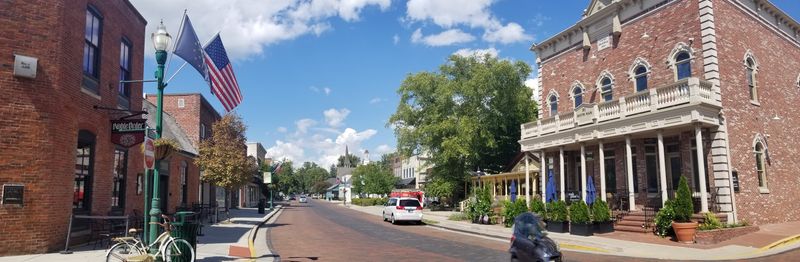
Picture brick streets lined with gas lamps, flower boxes overflowing with seasonal blooms, and a downtown that looks like it was designed specifically for afternoon strolls. Zionsville, a town just northwest of Indianapolis, has mastered the art of creating a pedestrian paradise while maintaining its small-town character.
The village area centers around Main Street, where brick pavers replace asphalt and create a distinctive clickety-clack sound as cars slowly pass by. Most visitors leave their vehicles in the public lots and explore on foot.
Every season brings new reasons to visit, from spring flower displays to winter holiday markets.
Shopping here means discovering independently owned boutiques that you will not find anywhere else. Clothing stores carry carefully curated collections, while home décor shops feature unique pieces that add personality to any space.
Several stores specialize in gifts.
Food options range from casual cafés to upscale dining. Cobblestone Bar & Grill at 30 South Main Street serves American fare in a historic building, while other establishments offer everything from wood-fired pizza to fresh sushi.
Many restaurants offer outdoor seating during warmer months.
The town hosts frequent events that bring the community together, including farmers markets, art fairs, and seasonal celebrations that fill the streets with music and activity.
Families appreciate the safe, welcoming atmosphere where kids can walk ahead without worry. Couples enjoy the romantic ambiance created by historic architecture and thoughtful landscaping.
The combination of accessibility, variety, and charm makes Zionsville a standout among Indiana’s walkable towns.
3. Madison, Indiana
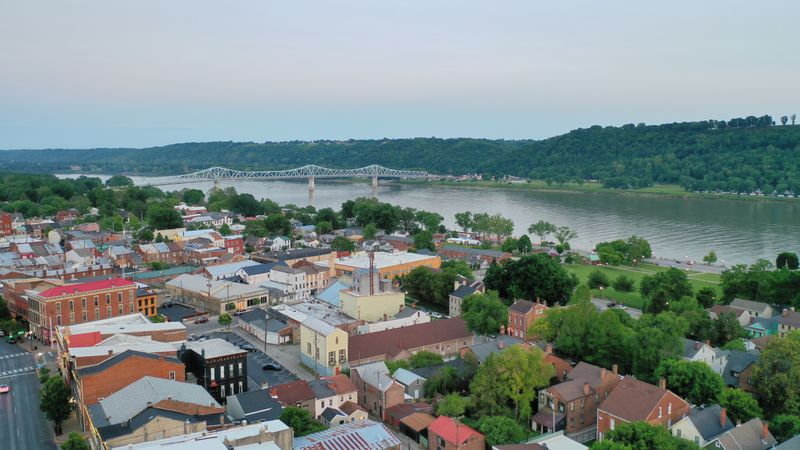
Perched along the Ohio River, Madison boasts one of the largest collections of historic architecture in the United States. Over 133 blocks are designated as a National Historic Landmark District.
Walking through downtown feels like traveling through different eras of American history. Buildings dating from the early 1800s are carefully preserved and repurposed as shops, restaurants, and galleries.
Main Street runs parallel to the river, creating a natural corridor for exploration. The downtown stretches for several blocks, each packed with locally owned businesses that reflect the town’s commitment to preserving its heritage while supporting modern entrepreneurship.
You’ll find antique stores filled with treasures from past centuries. Bookshops have creaky wooden floors, and boutiques sell contemporary fashion.
Architecture enthusiasts could spend hours admiring the buildings themselves. Many structures feature interpretive signs explaining their history, turning a shopping trip into an educational experience.
The Lanier Mansion State Historic Site at 601 West First Street offers tours of an 1844 Greek Revival home that exemplifies the wealth and sophistication of Madison’s golden age.
Local eateries serve up Midwestern comfort food alongside more adventurous cuisine. Several restaurants occupy historic buildings, adding atmosphere to every meal.
Coffee shops provide perfect rest stops where you can recharge before continuing your exploration.
The riverfront location means you can combine downtown shopping with walks along the water. Benches and green spaces invite you to pause and watch boats pass by.
Madison’s commitment to walkability extends beyond the main commercial district. Residential streets are equally pleasant for strolling.
Seasonal events like the Chautauqua Festival of Art bring additional vibrancy to the already lively downtown. Artists set up booths, and performers entertain crowds throughout the streets.
4. Bloomington, Indiana
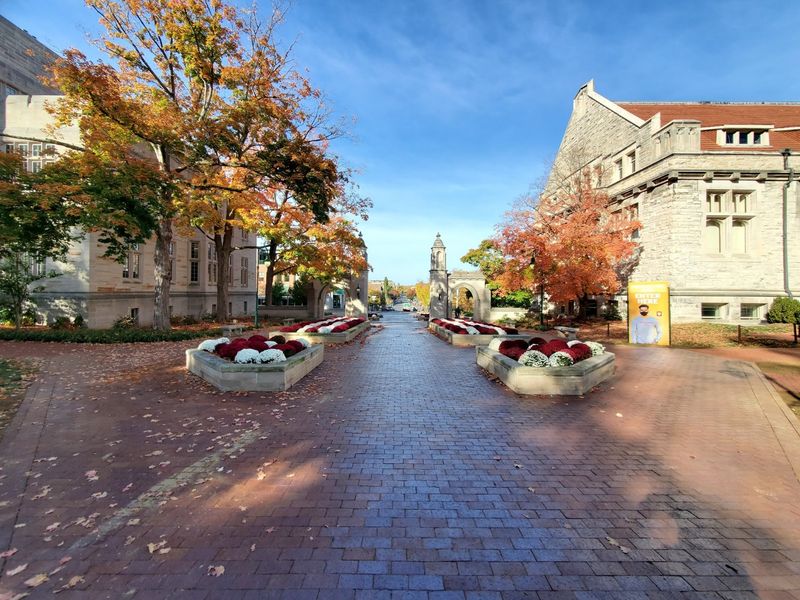
Home to Indiana University, Bloomington pulses with youthful energy. The town maintains the walkability and local charm that defines the best small towns.
The downtown square sits adjacent to the campus, creating a unique blend of college-town vibrancy and community-focused commerce. Both students and long-time residents feel welcome here.
Kirkwood Avenue serves as the main artery connecting campus to downtown. Restaurants, bars, and shops line the street, catering to diverse tastes and budgets.
Venture off this busy street, and you’ll discover quieter blocks filled with bookstores, record shops, and boutiques that have served the community for decades. The presence of the university means these businesses benefit from a constant influx of curious minds seeking interesting goods and new experiences.
Independent bookstores thrive here in a way they’ve disappeared from many communities. Shelves are stocked by people who genuinely love literature and can recommend titles based on your interests.
Music stores sell vinyl records alongside CDs and offer listening stations where you can preview before purchasing. Vintage clothing shops attract bargain hunters and fashion-forward students alike.
The food scene reflects Bloomington’s diversity. International restaurants serve authentic cuisine from around the world, farm-to-table establishments source ingredients from nearby farms, and classic diners serve breakfast all day to accommodate student schedules.
The Runcible Spoon at 412 East Sixth Street has been a beloved café since 1976, serving organic fare and locally roasted coffee.
Public art installations add visual interest throughout downtown. Murals decorate building walls, and sculptures occupy pocket parks.
The B-Line Trail, a converted railroad corridor, provides a car-free pathway for walking and cycling. It connects different neighborhoods to the downtown core.
Weekend farmers markets bring local producers into town. Shoppers can buy fresh produce, baked goods, and handmade crafts directly from the people who made them.
5. West Lafayette, Indiana
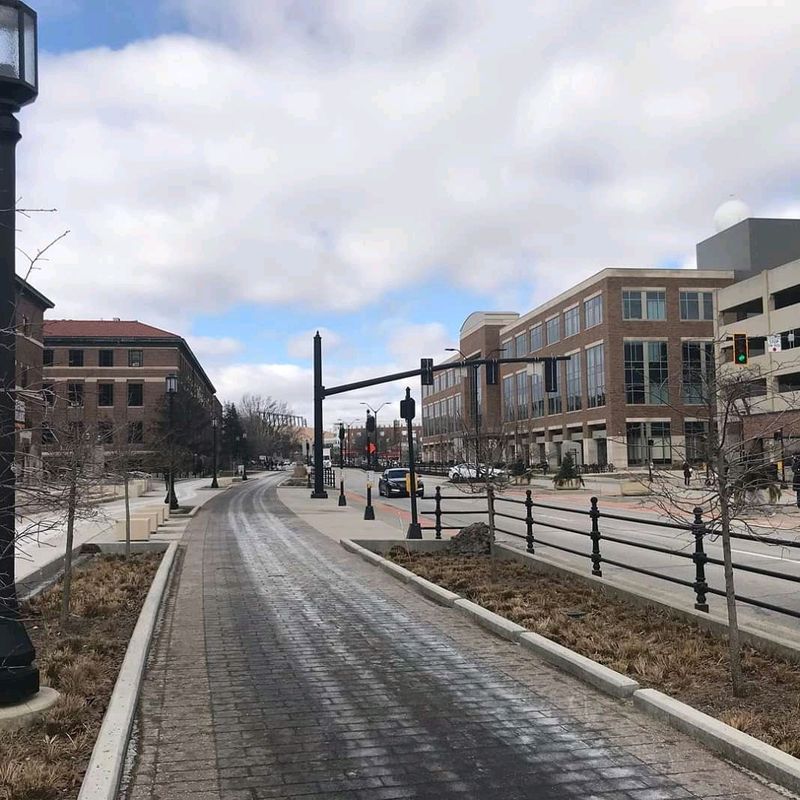
While Purdue University dominates the landscape, West Lafayette has cultivated a downtown district that serves both the campus community and local families. The Village area, centered around State Street and Chauncey Avenue, creates a compact, highly walkable zone where you can accomplish errands, grab meals, and browse shops without ever feeling rushed.
Engineering students and professors mix with young families on sidewalks that remain busy from morning coffee runs through late-night pizza pickups. This constant activity creates a safe, welcoming environment.
Businesses stay open later than in typical small towns, and the streets feel alive with possibility.
Local shops lean toward practical needs mixed with college-town quirks. You’ll find everything from office supplies to Purdue gear, from specialty food stores to tech accessories.
Look beyond the obvious, and you’ll discover boutiques selling handmade jewelry, bookstores with carefully curated selections, and gift shops featuring items from Indiana makers.
Dining options span the globe. Restaurants serve Thai, Mexican, Indian, Chinese, and classic American cuisine all within easy walking distance.
Harry’s Chocolate Shop at 329 West State Street, despite its name, is actually a beloved bar and restaurant that’s been serving the community since 1919. It’s famous for burgers and its extensive beer selection.
The Wabash Heritage Trail runs through West Lafayette. The paved pathways are perfect for walking, running, or cycling along the river.
The trail system connects to downtown, making it easy to incorporate nature into your shopping trip or use the paths for car-free transportation.
Farmers markets and street festivals regularly activate public spaces. Vendors and entertainment fill the heart of the walkable district, showcasing the strong community bonds that exist despite the transient college population.
6. Columbus, Indiana
Architecture enthusiasts travel from around the world to see Columbus, a city of about 50,000 that boasts more than 70 buildings designed by renowned architects like I.M. Pei, Eero Saarinen, and Robert Venturi.
But you don’t need to be an architecture expert to appreciate how this commitment to design excellence has created one of Indiana’s most pleasant downtown areas for walking and shopping.
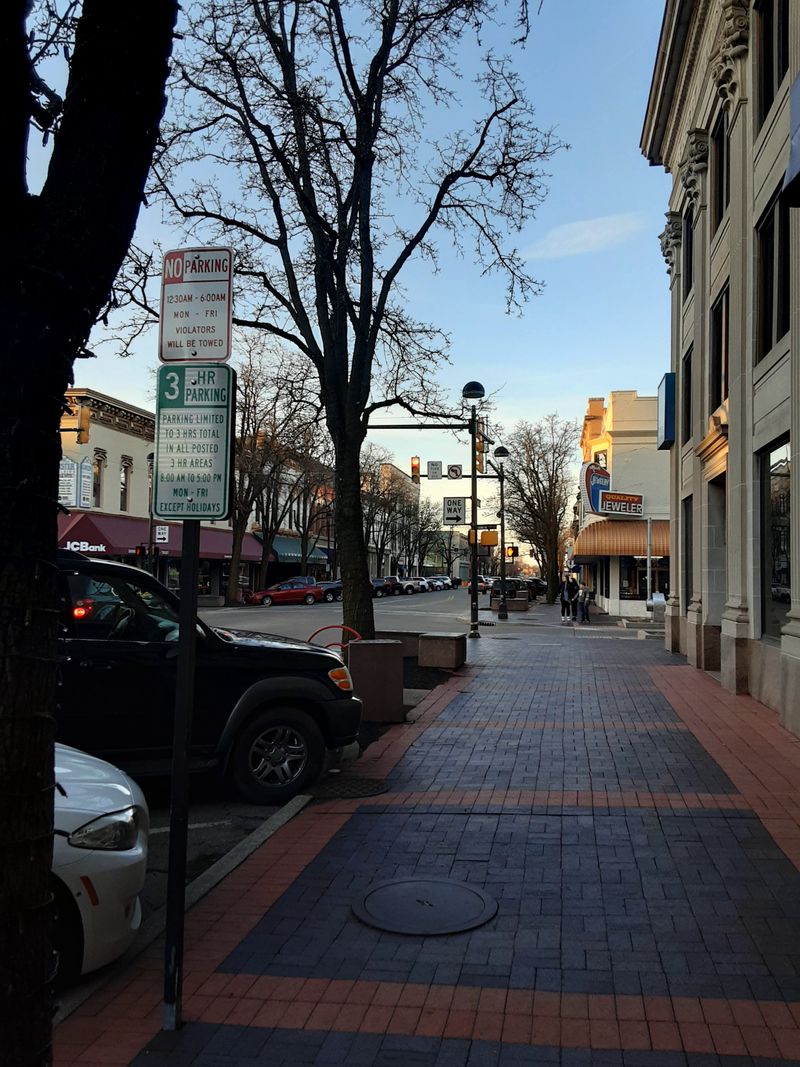
Washington Street forms the commercial heart, with wide sidewalks, public art installations, and buildings that range from historic to cutting-edge contemporary. The juxtaposition of old and new creates visual interest at every turn.
The city’s flat terrain makes walking effortless for people of all ages and abilities.
Local businesses occupy both vintage storefronts and modern structures. You’ll find antique malls housed in century-old buildings next to sleek boutiques in award-winning new construction.
This mix ensures that shopping here never feels monotonous or predictable.
The Columbus Area Visitors Center at 506 Fifth Street offers free architecture tours that depart from downtown. Even without a formal tour, simply walking the streets provides an informal architecture lesson.
Restaurants and cafés reflect the same commitment to quality that defines Columbus’s architectural program. Several establishments feature outdoor seating where diners can enjoy meals while watching the downtown activity.
Mill Race Park, designed by Michael Van Valkenburgh, sits adjacent to downtown and provides green space for picnicking, playing, or simply relaxing between shopping excursions. The park’s innovative design includes a covered bridge, an amphitheater, and a lake, all seamlessly integrated into the landscape.
Columbus proves that thoughtful urban design enhances walkability. It makes every pedestrian experience more enjoyable, turning routine errands into opportunities for discovery.
7. Carmel, Indiana
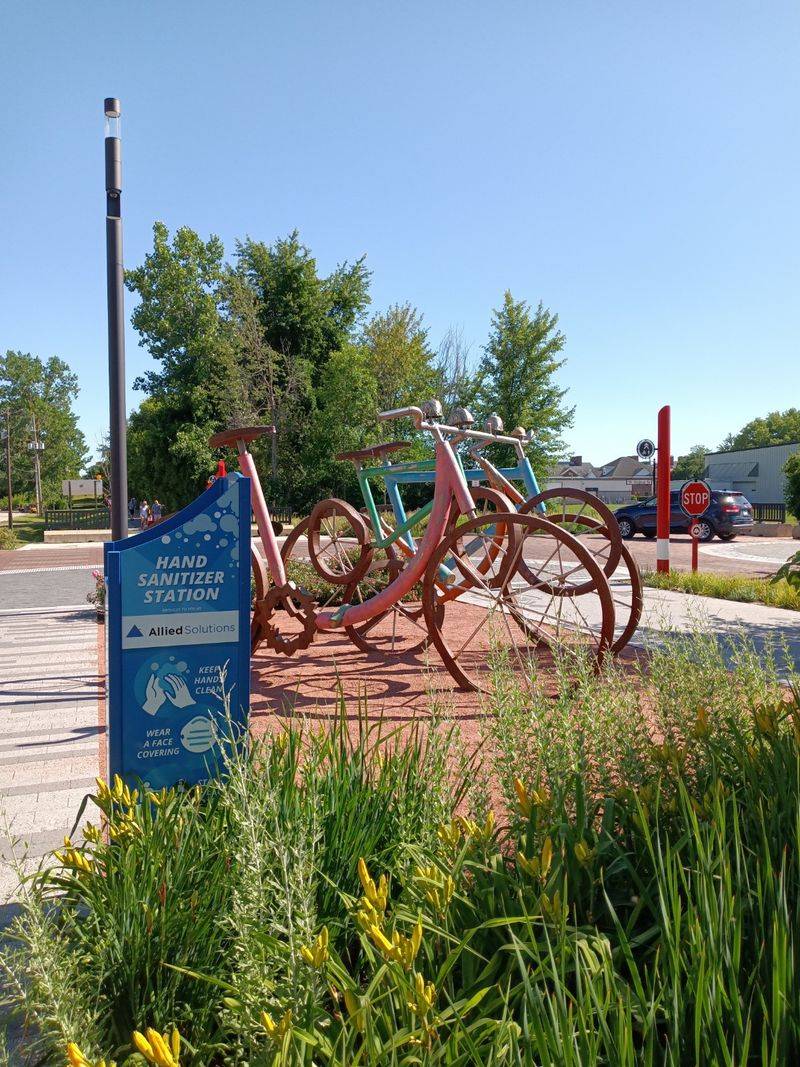
Once a sleepy suburb north of Indianapolis, Carmel has transformed itself into a destination worthy of its own recognition. The Arts & Design District and City Center create walkable urban villages that rival anything in much larger cities.
The city’s commitment to pedestrian-friendly development shows in every detail. Roundabouts calm traffic, and wide sidewalks accommodate crowds during festivals.
The Arts & Design District centers around Main Street and Range Line Road. Galleries, studios, and shops occupy historic buildings and new construction designed to complement the existing streetscape.
You can watch artists at work in their studios. Browse finished pieces in galleries, and purchase everything from paintings to pottery to take home.
City Center, Carmel’s downtown area, features the Palladium concert hall surrounded by mixed-use buildings containing apartments, offices, restaurants, and retail spaces. This intentional density creates the foot traffic necessary for a thriving pedestrian district.
Residents live above the shops they frequent, and workers grab lunch at nearby restaurants.
The Monon Trail, a rails-to-trails conversion stretching for miles through central Indiana, runs directly through Carmel’s walkable districts. This trail provides a car-free transportation option and recreational pathway.
You could theoretically walk or bike from Indianapolis to Carmel. Explore both cities’ downtowns without ever sitting in traffic.
Dear Reader: This page may contain affiliate links which may earn a commission if you click through and make a purchase. Our independent journalism is not influenced by any advertiser or commercial initiative unless it is clearly marked as sponsored content. As travel products change, please be sure to reconfirm all details and stay up to date with current events to ensure a safe and successful trip.
