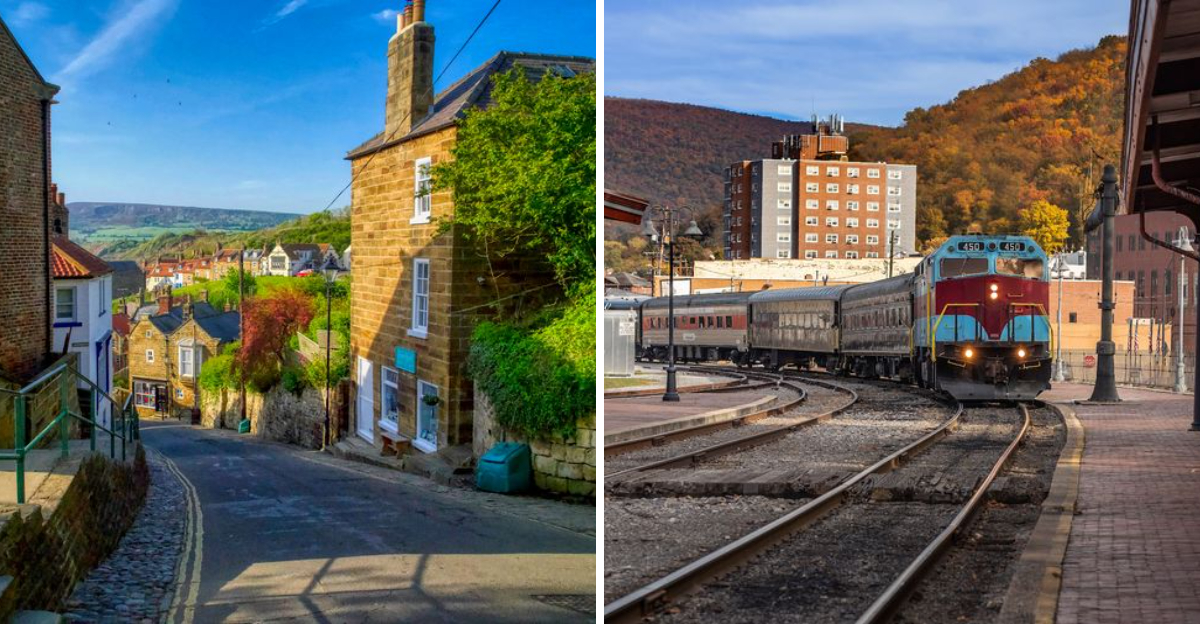
Life gets loud. Work, traffic, notifications.
Sometimes you just need to escape to a place where the only noise is birds and wind. Maryland has those towns, and locals know exactly where to go.
Small, peaceful, and off the tourist radar. You can walk down a quiet main street, sit by the water, or just breathe without a single worry.
No crowds, no long lines, just calm. Some towns are nestled in the mountains.
Others hug the bay. All of them offer a break from the chaos of everyday life.
Locals keep these spots to themselves for good reason. They are the perfect antidote to a busy world.
That is the beauty of a quiet Maryland town. A moment of peace, a chance to recharge, and a reminder that quiet still exists.
1. Berlin
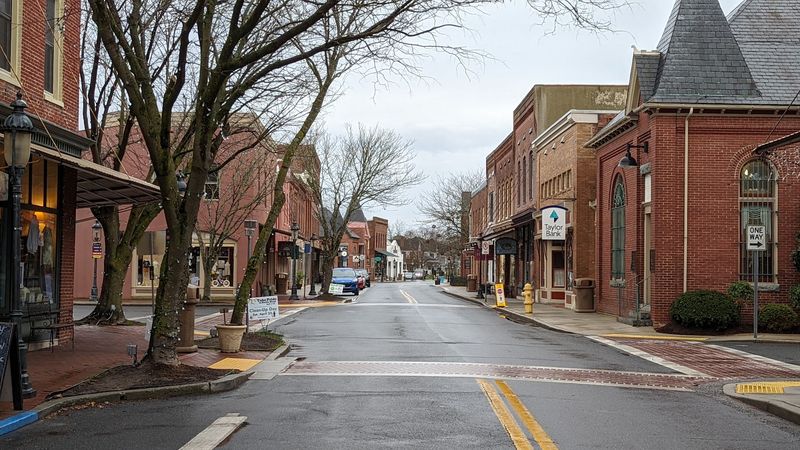
There is something almost theatrical about Berlin, Maryland, in the best possible way. The downtown looks like it was designed by someone who loved old movies and wanted to preserve every detail of small-town America.
Historic storefronts line the main street, and the whole place has a warm, unhurried quality that makes an afternoon here feel longer than it actually is.
Berlin sits about ten miles inland from Ocean City, which means it gets none of the coastal crowds but all of the good weather. Antique shops and local boutiques fill the ground floors of buildings that have been standing since the 1800s.
The arts scene here is surprisingly lively for a town this size, with galleries and small venues that feel genuinely community-driven rather than tourist-facing.
Voted Maryland’s Coolest Small Town, Berlin carries that title without being smug about it. The pace is slow by design.
People actually say hello to strangers on the sidewalk, which feels almost revolutionary these days.
What I appreciate most about Berlin is how complete it feels. You can spend a full day here without rushing, moving from a quiet coffee shop to a bookstore to a shaded bench in a small park.
There is no pressure to do anything in particular. The town just exists, cheerfully and without apology, and it invites you to exist right alongside it for as long as you want to stay.
2. Chestertown
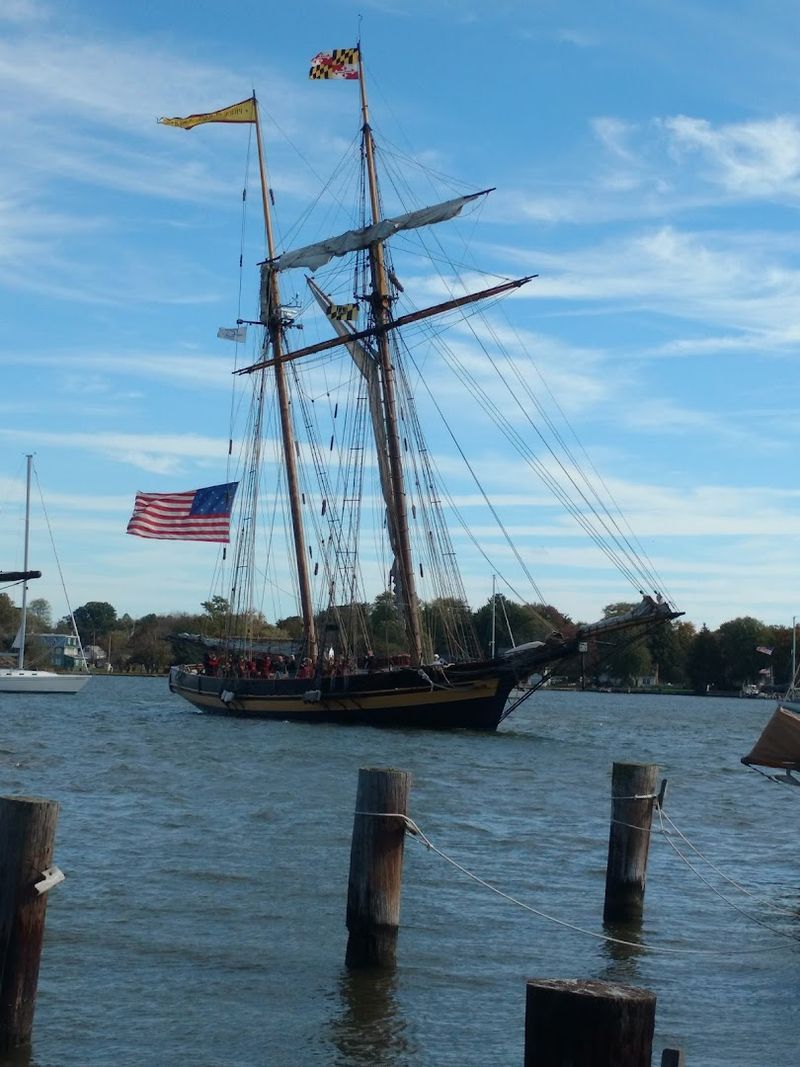
Chestertown has the kind of beauty that sneaks up on you. You arrive expecting a quiet river town and then find yourself completely absorbed by the layered history sitting right there on the surface of every block.
The colonial architecture along the Chester River waterfront is remarkably intact, with 18th-century homes that look like they belong in a living history exhibit but are actually just, you know, where people live.
The town sits on Maryland’s Eastern Shore and carries a calm that feels deeply rooted rather than performed for visitors. Wilmer Park stretches along the river with shaded benches and soft grass, and it is the kind of spot where an hour disappears without you noticing.
The walkable downtown has independent shops and local restaurants that feel like they have been there forever, because many of them have.
Washington College adds a quiet intellectual energy to the place. You get the sense that people here read actual books and have long conversations over long meals.
That unhurried quality seeps into everything, from the pace of the foot traffic to the way locals move through their morning routines.
Chestertown also has a genuine sense of civic pride without being precious about it. The town takes care of itself, and it shows.
If you are looking for somewhere to clear your head and remember what a slower life feels like, this stretch of the Chester River is a very good place to start.
3. St. Michaels
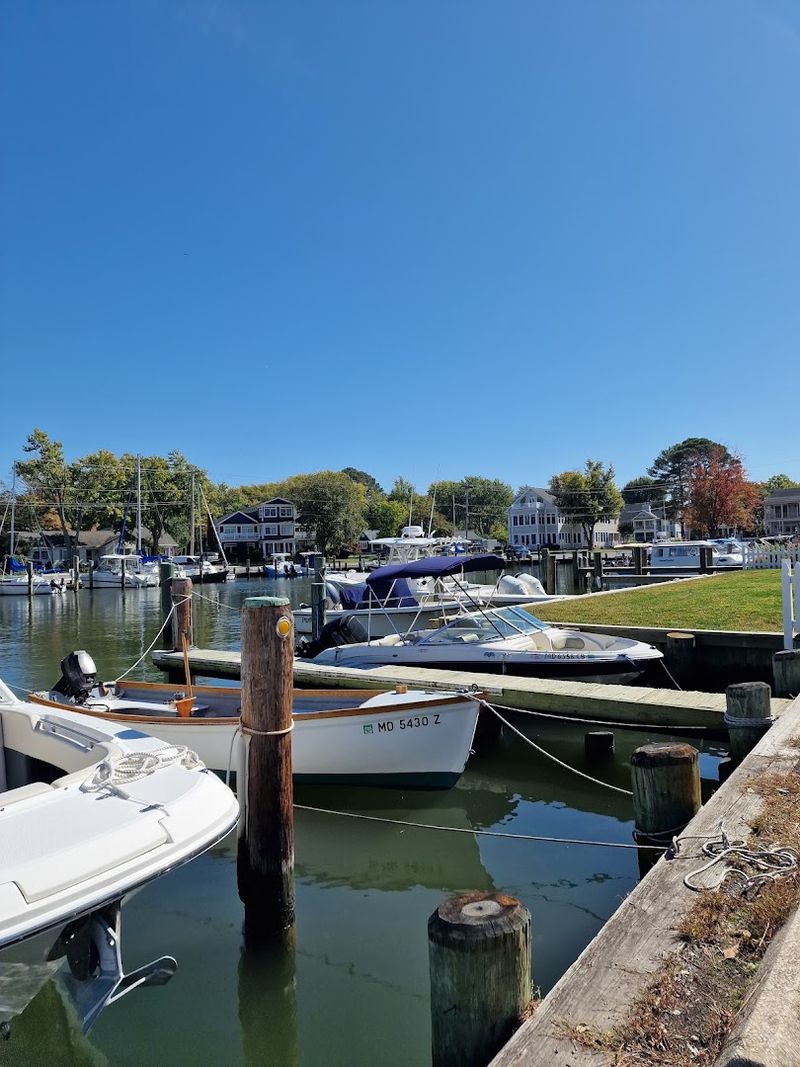
St. Michaels is the kind of town that makes you want to slow your walking pace the moment you arrive. The harbor is almost unreasonably pretty, with boats bobbing gently and the smell of salt air drifting through the streets at all hours.
Talbot Street, the main commercial drag, is lined with red brick sidewalks and Victorian storefronts that give the whole place a polished but genuinely historic feel.
The Chesapeake Bay Maritime Museum is the anchor attraction here, and it earns every bit of its reputation. The exhibits tell the story of life on the Bay with real depth and affection, covering everything from skipjacks to crabbing culture to the watermen who shaped this region.
Even people who do not consider themselves history enthusiasts tend to find themselves lingering longer than planned.
What makes St. Michaels work as a quiet escape is the scale of it. Everything is walkable, nothing feels overwhelming, and the waterfront offers an easy rhythm for anyone who just wants to sit and watch the water move.
There are unique shops hidden along side streets that reward slow exploration.
I have found that mornings here are especially good. The light on the harbor is something else entirely, soft and golden and completely still.
Most visitors have not yet emerged from their accommodations, and for a little while the town feels like it belongs only to you and the seagulls. That kind of quiet is genuinely hard to find.
4. Havre de Grace
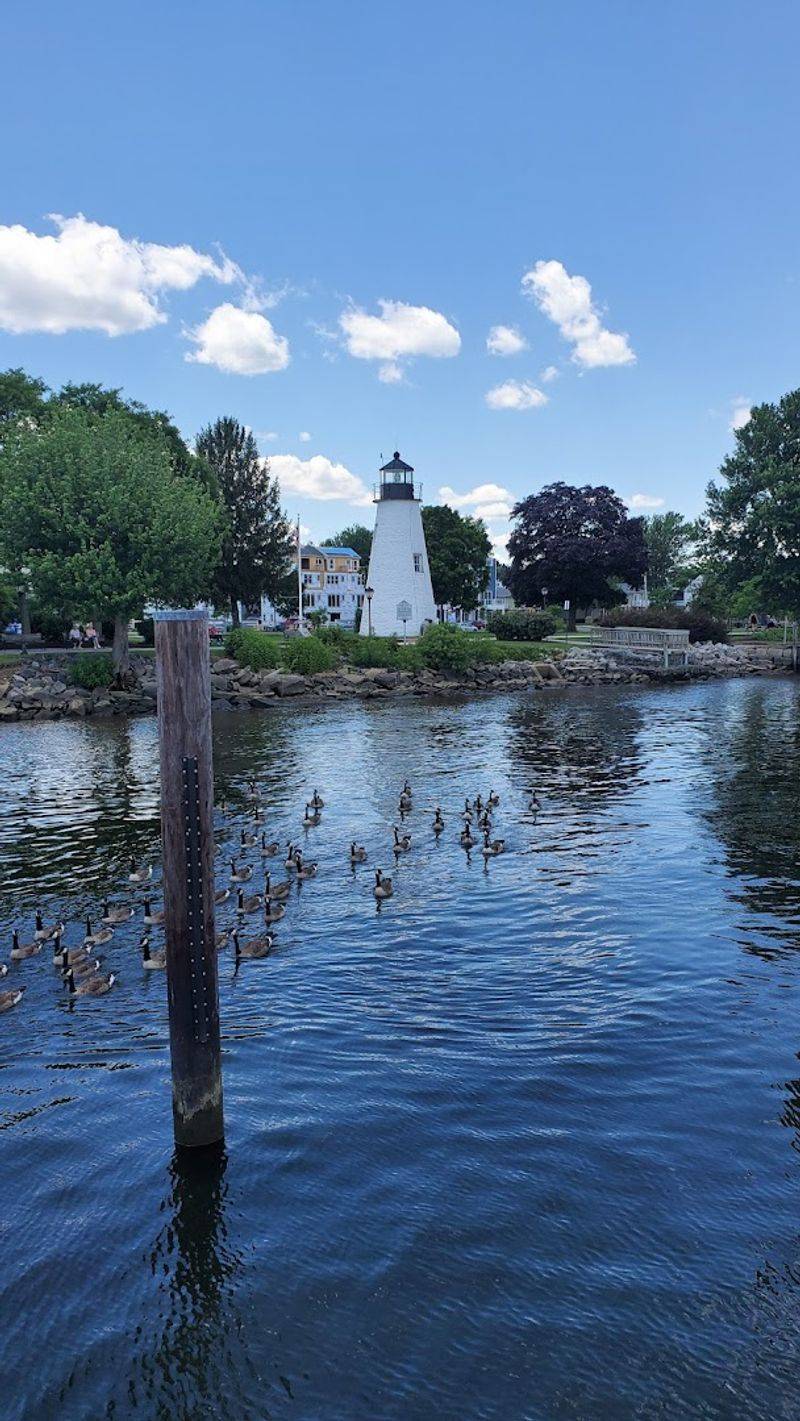
Havre de Grace sits at the point where the Susquehanna River meets the Chesapeake Bay, and that geographic fact shapes everything about the town’s personality. The water is everywhere here, not just as scenery but as a constant presence that seems to slow time down.
The promenade along the waterfront is one of the most genuinely pleasant walks in all of Maryland, breezy and calm with wide views that stretch out toward the Bay.
The Concord Point Lighthouse stands at the edge of town and has been doing so since 1827. It is one of the oldest continuously operated lighthouses on the East Coast, and seeing it in person gives you a quiet jolt of historical perspective.
The surrounding area is peaceful and photogenic, especially in the early morning when the mist is still sitting on the water.
Downtown Havre de Grace has a character that feels a bit old-fashioned, and that is absolutely meant as a compliment. Antique shops line the main streets, and the whole commercial district has an unhurried quality that feels rare and valuable.
Nothing here is trying too hard to impress you.
The town also has a strong sense of community identity. People are proud of this place in a quiet, unpretentious way.
I noticed it in small details, the well-kept storefronts, the community gardens, the way locals nod at strangers on the promenade. Havre de Grace does not shout about itself.
It just sits there, calm and lovely, waiting for you to notice.
5. Oxford
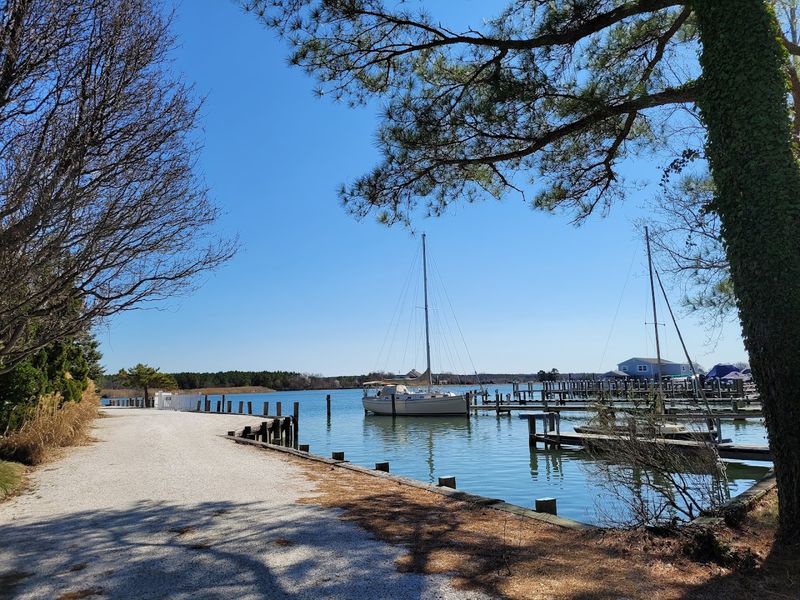
Oxford might be the quietest town on Maryland’s Eastern Shore, and that is saying quite a lot given the competition. It sits on a narrow peninsula between the Tred Avon River and Town Creek, and the water is visible from almost everywhere you go.
The feeling here is one of genuine remoteness, even though Easton is only a short drive away. Oxford has the atmosphere of a place that decided a long time ago to stay small and has never regretted it.
The Oxford-Bellevue Ferry, which has been running since 1683, connects the town to the other side of the Tred Avon River. Taking it is less about transportation and more about the experience itself, the slow crossing, the view of the shoreline, the particular silence of being on the water with nothing urgent to do.
It is one of those small pleasures that stays with you.
The town’s residential streets are lined with colonial homes and old trees that form full canopies overhead. There are no traffic lights in Oxford.
That detail tells you almost everything you need to know about the pace of life here.
A handful of local spots offer waterfront dining and a small marina gives the town a gentle nautical energy without ever feeling busy. Oxford rewards visitors who are content to simply be somewhere rather than constantly doing something.
If your idea of a perfect afternoon involves a bench by the water and absolutely nothing scheduled, this town will feel like a personal gift.
6. Crisfield
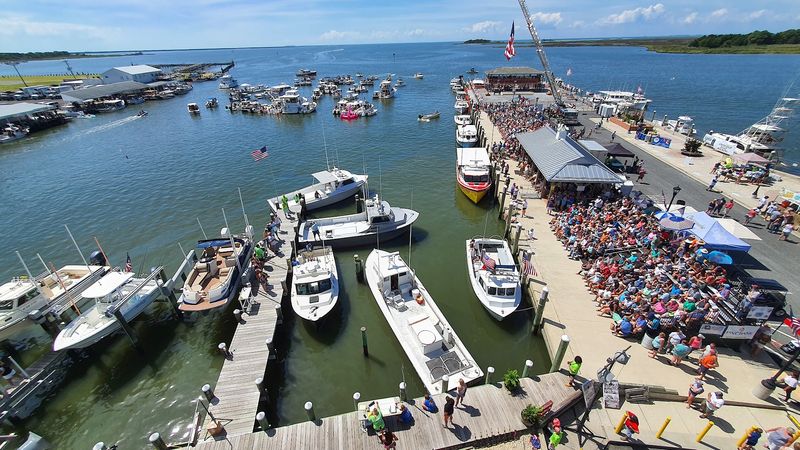
Crisfield is not polished, and that is precisely what makes it worth visiting. This is a working waterman’s town on the lower Eastern Shore, the kind of place where the fishing boats are out before sunrise and the docks smell like salt and effort.
It sits at the edge of the Chesapeake Bay with a frankness about itself that feels almost refreshing in a world full of over-curated destinations.
Known historically as the Crab Capital of the World, Crisfield built its identity around the blue crab industry, and that heritage is still very much alive. The J.
Millard Tawes Historical Museum tells the story of the watermen and the Bay economy with genuine care and detail. It is a small museum with a big sense of place.
The town serves as the departure point for ferries to Smith Island and Tangier Island, two of the most isolated communities on the East Coast. Even if you do not make the crossing, there is something stirring about standing at the dock and looking out toward those distant specks of land rising from the water.
The Bay feels enormous from here.
Crisfield is the kind of town that rewards patience and an open mind. It is not trying to charm you with boutique shops or clever branding.
The quiet here is a working quiet, punctuated by boat engines and the cry of gulls. For people who find beauty in authenticity rather than aesthetics, Crisfield offers something genuinely rare and worth the long drive down.
7. Snow Hill

Snow Hill is the kind of town that feels like a secret, even to many Marylanders. Sitting along the Pocomoke River in Worcester County, it has a preserved, almost untouched quality that makes it feel like time has moved through here more gently than elsewhere.
The main street has 19th-century brick storefronts that are well-maintained without being over-restored, which gives the town an honest, lived-in character.
The Pocomoke River is the defining natural feature of the area, dark and slow-moving with the distinctive tannin-stained color of a blackwater river. Kayaking or canoeing here is a meditative experience, with cypress trees lining the banks and the forest pressing close on both sides.
The Pocomoke River State Park and Forest provide access to trails and water that feel genuinely wild despite being right on the edge of a small town.
Snow Hill’s historic district includes some impressive examples of Federal and Victorian architecture. The All Hallows Episcopal Church dates to 1748 and anchors the older part of town with quiet authority.
History here does not feel like a performance. It just exists, embedded in the buildings and the layout of the streets.
There are a handful of local shops and a small arts community that give Snow Hill a gentle creative energy. The overall pace is slow and unhurried, the kind of town where you might spend an afternoon wandering without any real agenda and come away feeling genuinely rested.
It is an underrated gem in the lower Eastern Shore that deserves far more attention than it gets.
8. Cumberland
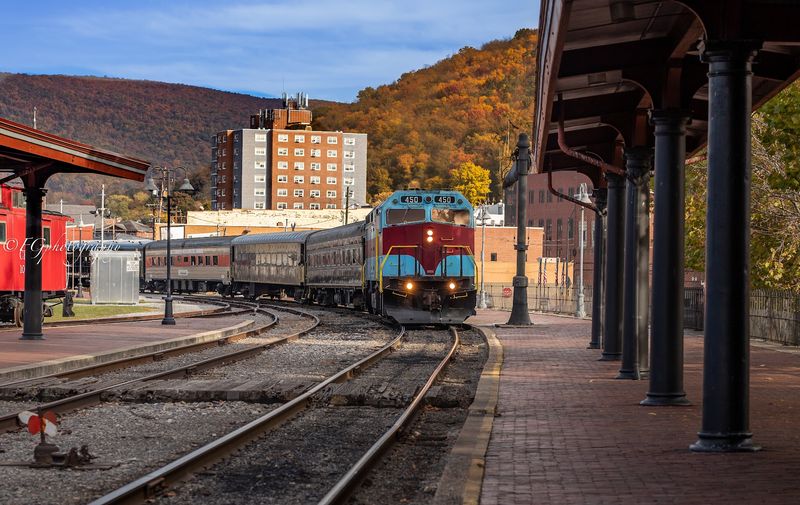
Cumberland occupies a dramatic geographic position that immediately sets it apart from every other town on this list. Hidden into a narrow valley where Wills Creek meets the North Branch of the Potomac River, it is ringed on all sides by the Allegheny Mountains, and the effect is both enclosed and spectacular.
The mountains are not a backdrop here. They are an active presence, visible from nearly every street in town.
The historic downtown has a faded grandeur that I find genuinely compelling. Cumberland was once one of the most important cities in western Maryland, a hub of the canal and railroad era, and the architecture reflects that ambition.
The Washington Street Historic District is lined with impressive 19th-century buildings that tell the story of a city that once thought very big about its own future.
The Great Allegheny Passage trail begins in Cumberland and stretches 150 miles to Pittsburgh, making this a serious destination for cyclists and long-distance hikers. The C&O Canal Towpath also starts here, running 184.5 miles to Washington D.C.
For outdoor enthusiasts, Cumberland is essentially a gateway to an enormous network of quiet, beautiful trail experience.
The surrounding mountains offer hiking, overlooks, and the kind of scenery that makes you stop mid-step to take it in properly. Rocky Gap State Park is just a short drive away and provides lake access and forested trails.
Cumberland is a place that rewards curiosity, the more you explore its layers, both historical and natural, the more it gives back.
9. Tilghman Island
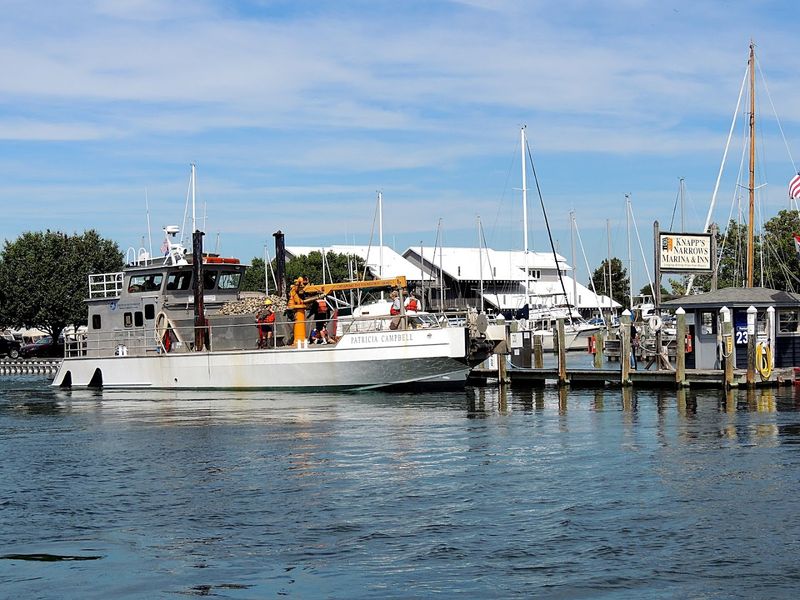
Tilghman Island sits at the end of a long road on the tip of a peninsula, and the drive out there is half the experience. The land gets flatter and wider as you go, the sky takes up more and more of your view, and by the time you cross the drawbridge onto the island itself, the mainland feels genuinely far away.
That sense of remoteness is not an illusion. Tilghman is one of the last working waterman communities on the Chesapeake Bay, and it wears that identity with quiet pride.
The skipjacks docked at Dogwood Harbor are one of the most iconic sights in all of Maryland. These traditional wooden sailing vessels were once the workhorses of the oyster industry, and a small fleet of them still operates out of Tilghman.
Seeing them up close is a humbling reminder of how much labor and skill went into feeding this region for generations.
The island is small enough to explore slowly by bicycle, which is exactly the right pace for a place like this. Marshland stretches out in every direction, and the birdlife is extraordinary.
Great blue herons, ospreys, and egrets are common sights along the water’s edge.
There are no chain restaurants here, no franchise anything. What you get instead is a genuine sense of place, unhurried and unpretentious.
I came here once expecting a quick stop and ended up staying through sunset, watching the light turn the Bay into something that looked almost too beautiful to be real. Tilghman does that to people.
10. Boonsboro
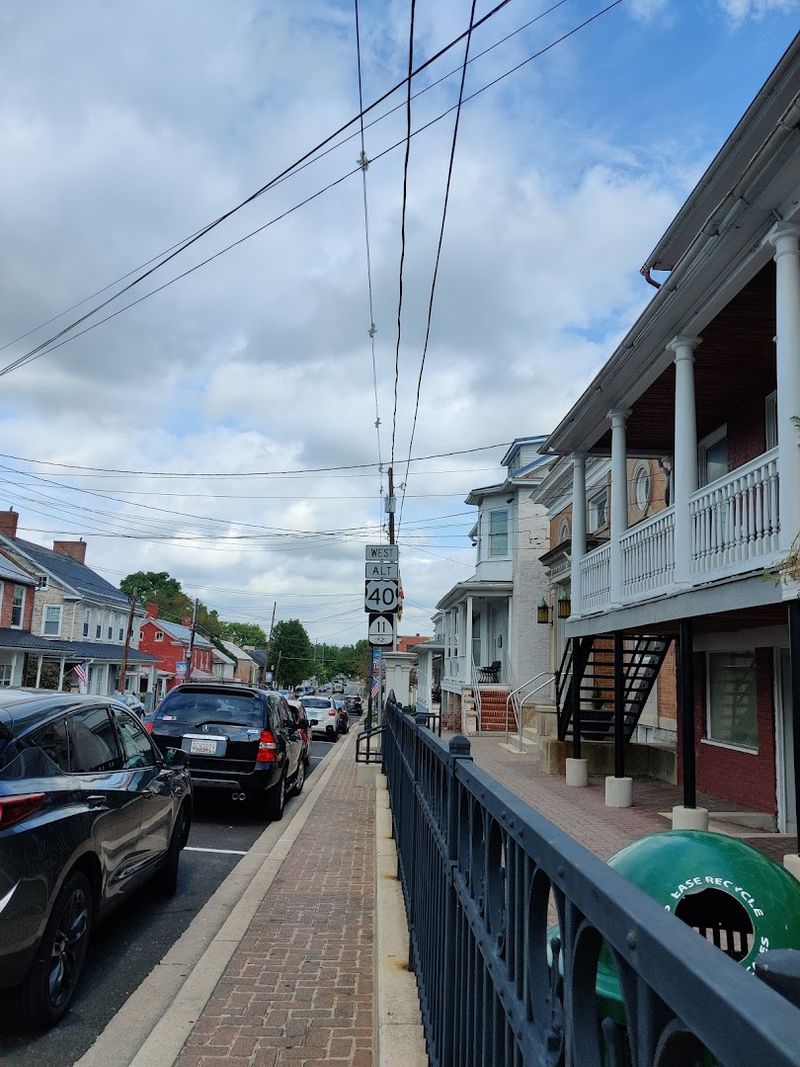
Boonsboro is a small Washington County town sitting comfortably in the shadow of South Mountain, and it has a calm, rooted quality that is easy to fall into.
The main street is compact and walkable, with historic brick buildings that have housed various businesses over the decades without losing their original character.
There is a genuine town-square feeling here, the kind that has mostly disappeared from American life but survives in places like this.
The surrounding landscape is the real draw for many visitors. South Mountain State Park and the Appalachian Trail are both accessible from Boonsboro, offering hiking through dense forest with ridge-top views that stretch for miles.
Washington Monument State Park, which sits on the mountain above town, contains the first monument built to honor George Washington, completed by local citizens in 1827. The hike to the top is short but the view is long.
Crystal Grottoes Caverns, located just outside town, offers a genuinely unique underground experience with stalactites and stalagmites that have been forming for millions of years. It is the only commercial cavern in Maryland, and the tours are intimate and unhurried.
Boonsboro also has a small but enthusiastic arts and community scene, with local events that bring the town together without overwhelming it. The pace here is intentionally slow, and the people reflect that.
You get the sense that residents have made a conscious choice to live somewhere manageable and meaningful. For visitors, that choice is immediately contagious and surprisingly hard to leave behind.
11. Leonardtown
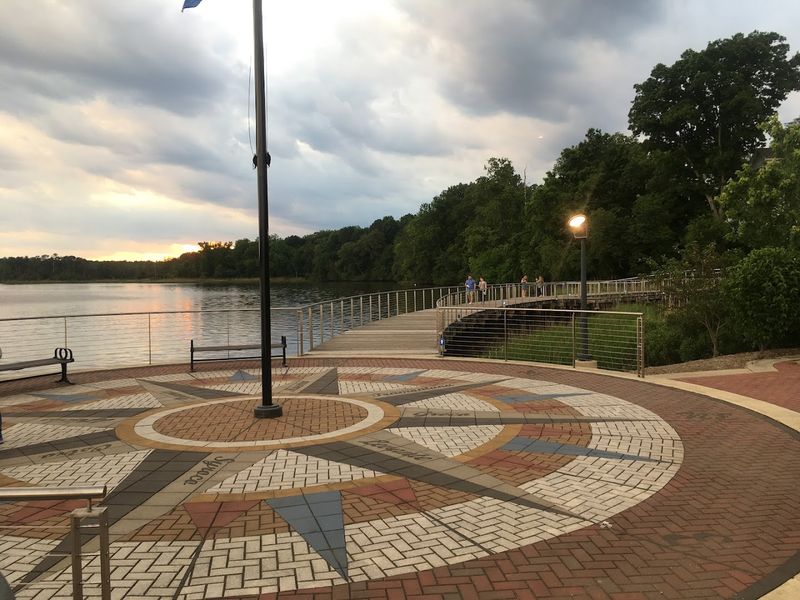
Leonardtown has a personality that is hard to pin down in a single description, which is part of what makes it so appealing. It is the county seat of St. Mary’s County in Southern Maryland, and it carries that civic weight with a relaxed confidence.
The historic downtown is anchored by a proper town square with 18th-century architecture that gives the whole area a sense of permanence and care.
The Leonardtown Wharf is a genuine highlight, a peaceful waterfront area on Breton Bay where the light on the water does something quietly spectacular in the late afternoon. There are walking paths and open green space that make it an easy place to spend an unplanned hour.
The bay here is calm and wide, and the surrounding marshland gives the landscape a soft, layered quality.
Leonardtown holds the distinction of being the only designated Arts and Entertainment District in Southern Maryland. That designation is not just a title.
The downtown genuinely reflects it, with galleries, studios, and creative businesses that feel embedded in the community rather than imported for tourism purposes. Local events throughout the year draw people together without overwhelming the town’s natural quietude.
The restaurant and shop scene along Washington Street is walkable and varied, offering enough to keep you occupied without ever feeling like a commercial strip.
Leonardtown rewards the kind of visitor who is content to wander slowly and pay attention to small details, the carved stonework on old buildings, the boats tied up at the wharf, the unhurried rhythm of a town that knows exactly what it is.
12. North East
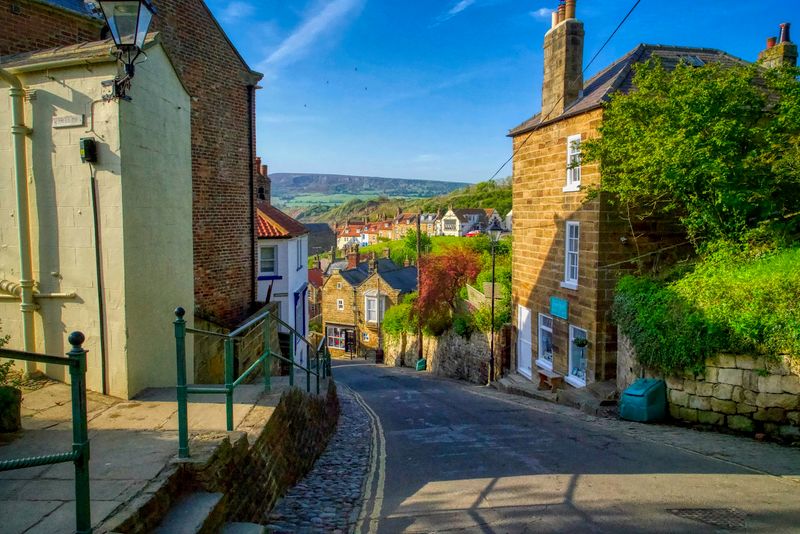
North East is one of those towns that surprises you with how complete it feels. Sitting at the very top of the Chesapeake Bay in Cecil County, it has a compact, self-contained character that makes it easy to settle into for an afternoon or a full weekend.
The downtown features brick sidewalks and well-preserved historic buildings that give the main street a tidy, unhurried quality without feeling overly curated.
The water is the defining feature of North East. The town has a beautiful park right along the bay where you can sit under old trees and watch boats move through the water at a pace that mirrors the town’s own rhythm.
A constant breeze comes off the Chesapeake, and on warm days it makes the whole experience feel effortlessly comfortable. The bay views from the park are genuinely lovely, especially in the golden hour before sunset.
The surrounding area offers access to elk Neck State Park, which sits on a peninsula between the Elk River and the North East River and provides hiking trails, sandy beaches, and forested bluffs with wide water views.
The Turkey Point Lighthouse, perched at the tip of the peninsula, is one of the more dramatic spots in the region and well worth the hike to reach it.
North East does not overcomplicate itself. It is a small, charming, and uncomplicated town in the best sense of those words, and there is real value in that simplicity.
For Marylanders who want somewhere close but genuinely removed from the noise, North East delivers with quiet consistency.
