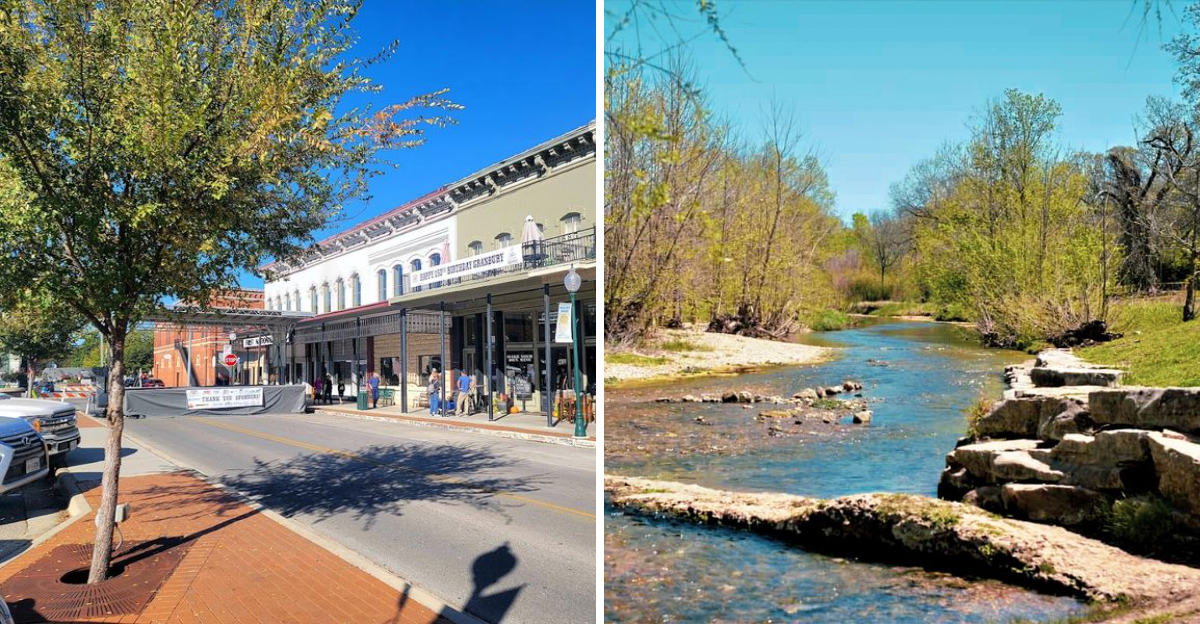
The big cities get all the noise, the traffic, and the endless construction. Sometimes you just need to disappear.
These 12 small towns are where Texans go when they want to hear themselves think. You will find main streets with no stoplights and diners where the waitress already knows your order before you sit down.
The only traffic jam might be a tractor moving slow. People wave at you for no reason, and the loudest sound is a screen door slamming.
It is the kind of quiet that resets something in your brain.
1. Fredericksburg
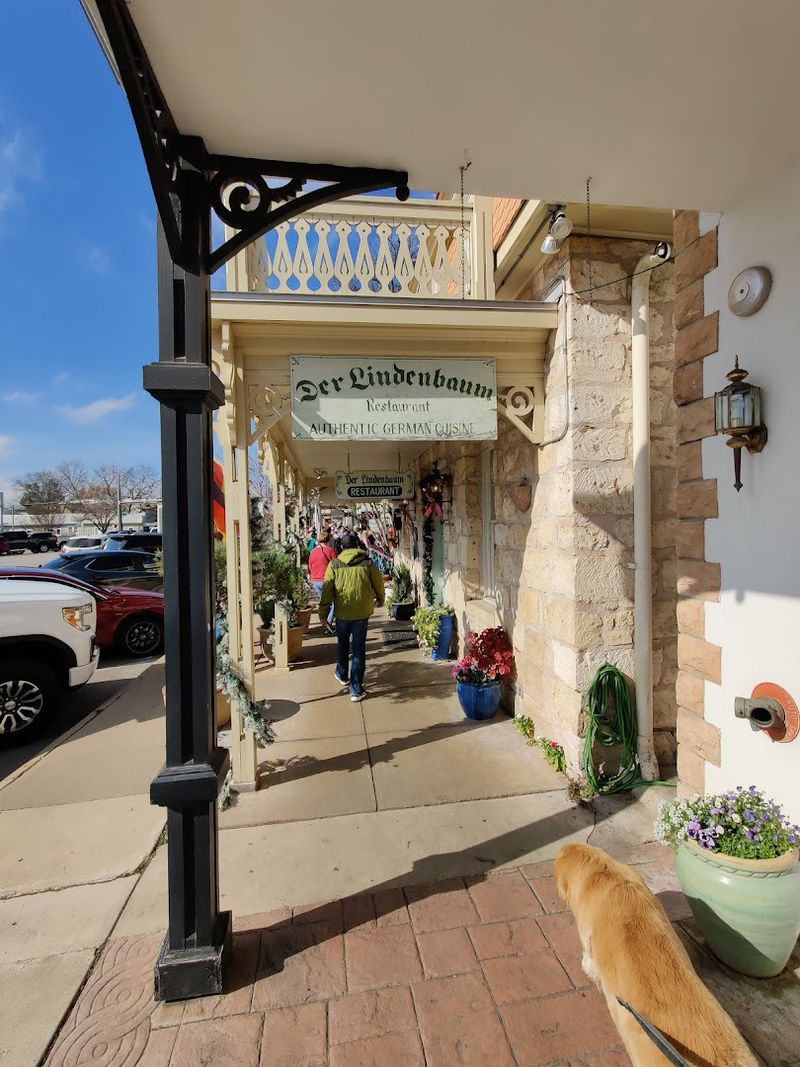
There is something almost disorienting about Fredericksburg in the best possible way. The streets slow you down without asking you to.
German limestone buildings line the main road, and the whole place carries a kind of architectural calm that feels earned rather than designed.
The Texas Hill Country wraps around the town like a soft border, with peach orchards and wildflower fields stretching out in every direction. Spring is stunning here, but honestly, any season has its own quiet reward.
I remember stopping at a roadside stand once and just standing there for a while, eating a peach, watching nothing in particular happen.
Enchanted Rock State Natural Area sits just outside of town, offering a giant pink granite dome that rewards even a modest hike with sweeping views. The trail is not brutal, but it earns you a perspective that is hard to shake.
Fredericksburg is the kind of place that makes you wonder why you ever rushed anywhere in the first place.
2. Granbury
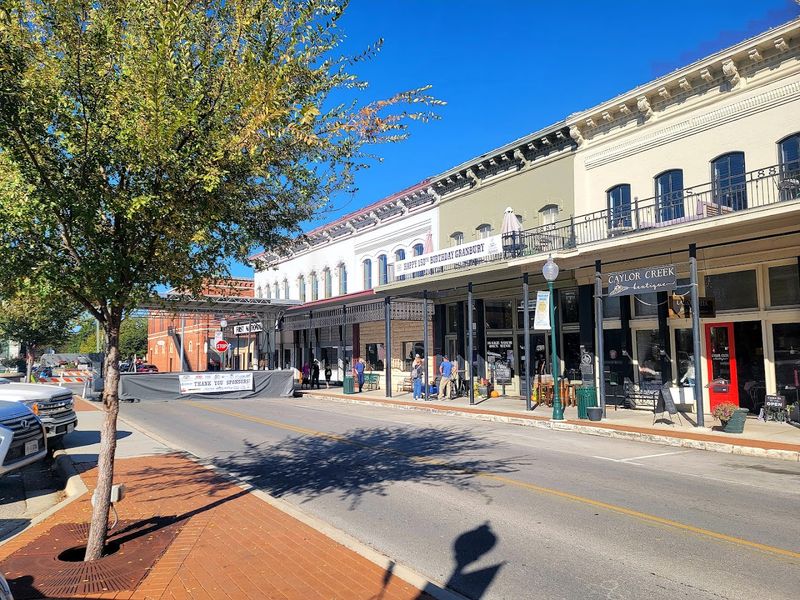
Granbury has the kind of downtown square that makes you want to park the car and just wander. The Hood County Courthouse sits at the center of it all, and the surrounding storefronts feel genuinely lived-in rather than staged for visitors.
It is one of the best-preserved historic squares in the state, and that matters when so many small towns have lost theirs.
Lake Granbury adds a whole other layer to the experience. On a calm morning, the water is glassy and still, and the paddleboards barely ripple the surface.
The lake is not enormous, but it does not need to be. It gives the town a certain ease, a sense that there is always something soft to look at when the day feels heavy.
About an hour southwest of Fort Worth, Granbury is close enough for a weekend but feels far enough to actually exhale. The boutiques and live music spots along the square make evenings easy and unhurried.
It is the kind of place you end up staying longer than planned, simply because leaving never quite feels urgent.
3. Fulton
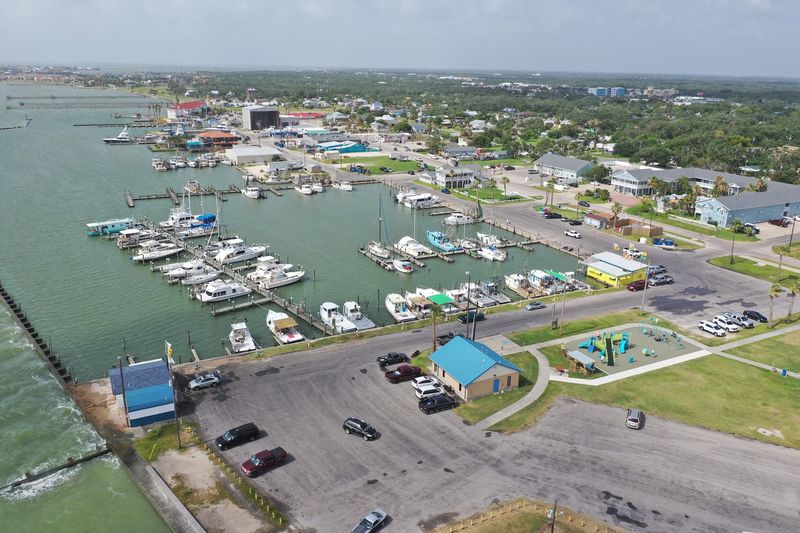
Fulton does not try to impress you, and that is exactly what makes it so good. Sitting just north of Rockport along the Texas Gulf Coast, it is the kind of place that feels more like a neighborhood than a destination.
The bayfront is calm, the pace is unhurried, and nobody seems to be in a rush to get anywhere.
Fishing here is taken seriously in the most relaxed way possible. Locals set up along the docks in the early morning, coolers nearby, conversation optional.
Birdwatching is another quiet pleasure, since the area sits along a major migratory flyway and the skies can put on a real show depending on the season.
Fulton draws fewer crowds than bigger coastal spots, which means you can actually hear the water. Fresh Gulf seafood is easy to find at the small spots along the bay, and the portions tend to be generous.
I appreciate how little Fulton demands of you. There are no must-see attractions screaming for attention, just salt air, open water, and the particular comfort of a place that has not tried too hard to become something it is not.
4. Wimberley
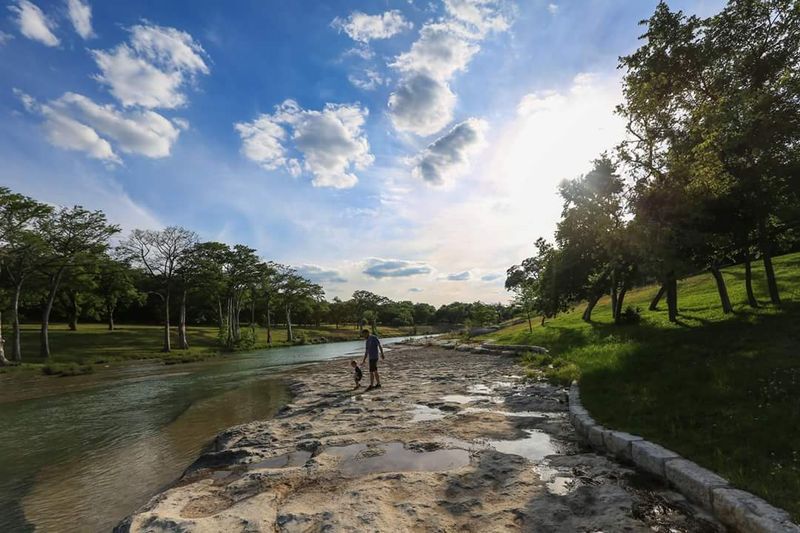
Austin locals have been quietly slipping away to Wimberley for years, and once you see it, the appeal is obvious. The town sits in a valley where the Blanco River cuts through limestone cliffs and old cypress trees lean over the water like they are listening for something.
It has a natural beauty that does not need any embellishment.
Jacob’s Well is probably the most talked-about spot in the area, a natural spring that bubbles up from the earth with an almost unreal clarity. Blue Hole is another favorite, shaded and cool even in the middle of summer.
These are not manufactured attractions. They are just places where the land does something extraordinary on its own.
The town itself has a creative streak that feels genuine rather than curated. Art galleries and small studios are scattered through the area, and the Saturday market draws makers and growers from across the Hill Country.
Old Baldy, locally known as Prayer Mountain, offers a short hike with a view of the whole Blanco River valley below. Wimberley rewards the kind of traveler who is happy to follow curiosity without a firm itinerary.
5. Uncertain
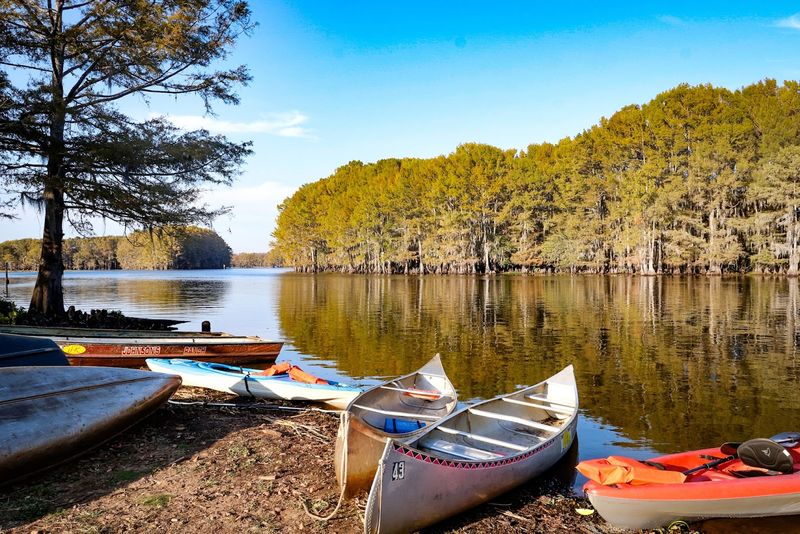
After the chaos of daily life, nothing resets the soul like the deep, enveloping quiet of Uncertain, Texas.
Hidden away on the shores of Texas’ only natural lake, this tiny town, home to less than 100 people? is famous not for its bustling streets, but for its profound stillness. Here, time slows down.
Mornings begin with a paddle through the glassy waterways of Caddo Lake, weaving through a surreal world of towering cypress trees draped in ethereal Spanish moss.
If you’re looking for big crowds, you’ve come to the wrong place. Instead, expect to find your own rhythm: kayaking at your own pace, fishing, or simply sitting on a cabin porch, watching the sun set in a blaze of color over the water.
As the mist rises from the swamp and the only sounds are the calls of herons, the peace you’ve been chasing is finally found right in the heart of the Piney Woods.
6. Alpine
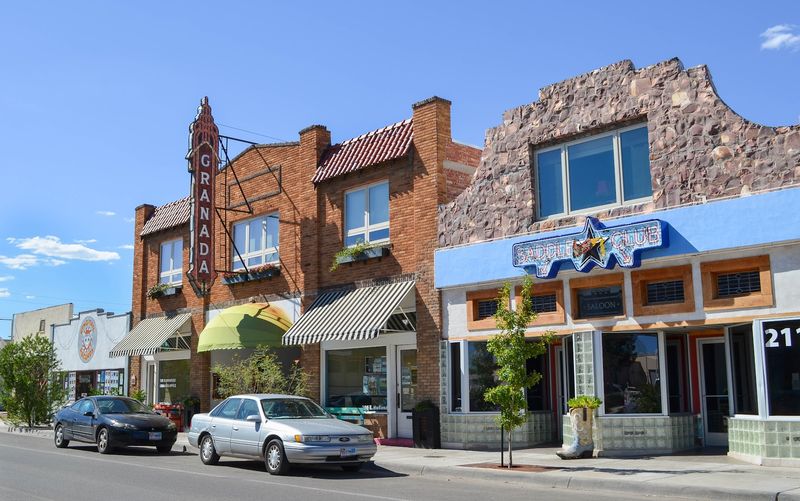
Out in West Texas, Alpine occupies a particular kind of solitude that is hard to find anywhere else in the state. The Chihuahuan Desert surrounds the town, and the sky here is enormous in a way that feels almost aggressive at first.
You adjust to it, and then you start to crave it.
Alpine has developed a quiet identity as a place where creative types and outdoor adventurers overlap comfortably. Sul Ross State University gives the town a subtle intellectual energy, and the local art scene punches well above its weight for a place this size.
The galleries and studios feel like genuine expressions of the landscape rather than decorations imported from somewhere else.
For anyone heading toward Big Bend National Park, Alpine makes a natural base camp. The park is roughly an hour south, and the road between them is one of the better drives in Texas.
But Alpine earns a stop on its own terms. The evenings cool down dramatically, the stars are extraordinary, and the town moves at a pace that feels like a deliberate choice rather than an accident of geography.
It is quiet in a way that actually fills you up.
7. Jefferson
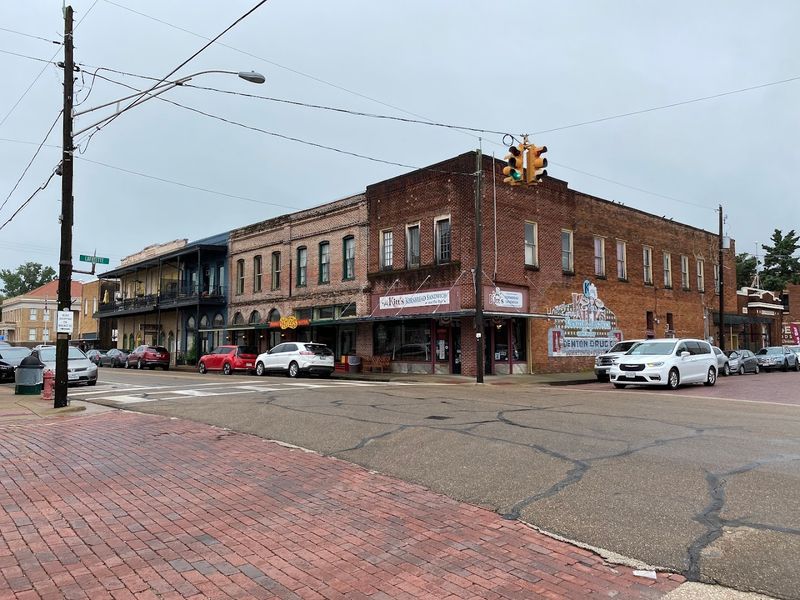
Jefferson carries its history without making a performance of it. This East Texas town was once one of the most important inland ports in the South, a fact that still shows in the grand old homes and wide streets that feel slightly oversized for the population that fills them today.
There is a quiet dignity to all of it.
The antique shops here are the real thing, not curated boutiques with price tags that require a deep breath. You can find actual objects with actual stories, and the shop owners tend to know those stories and share them freely.
I spent more time in one store than I had planned simply because the conversation was good.
Jefferson is also known for its festivals, which bring the town to life a few times a year without permanently disrupting its natural rhythm. Outside of those events, the streets settle into a comfortable calm.
The Big Cypress Bayou runs nearby, adding a slow, watery beauty to the edge of town. Jefferson is the kind of place that rewards the traveler who appreciates texture and age over polish and novelty.
It feels like a chapter from a longer story that is still being written.
8. Salado
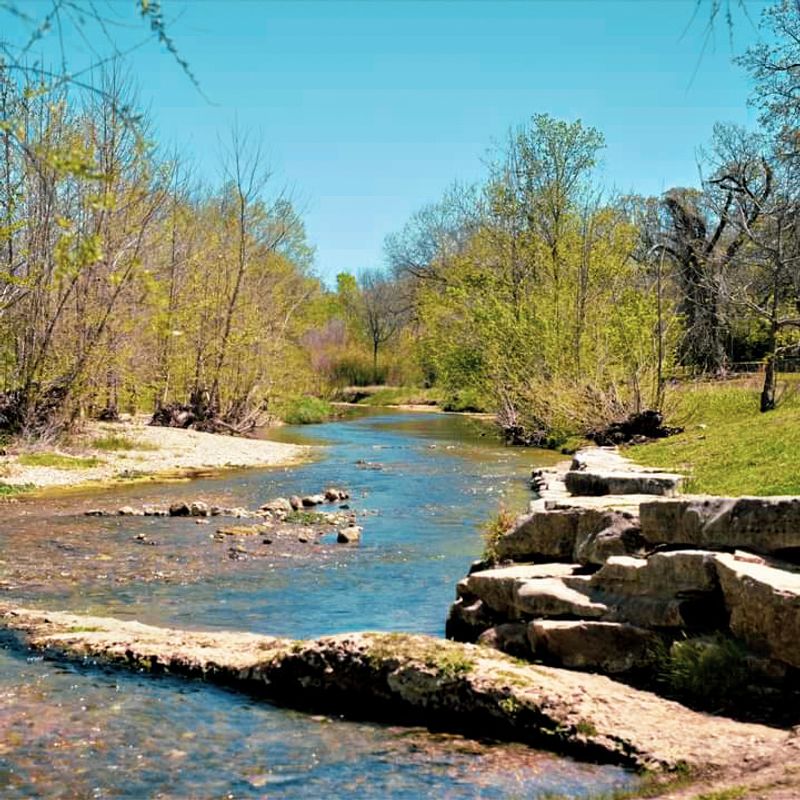
Salado is small enough that you can walk the whole thing in an afternoon and still feel like you missed something worth going back for.
The village sits along Salado Creek in Bell County, and the sound of the water running over the limestone is the kind of background noise that does something good to your nervous system after a week of city sounds.
The creative identity here is real and rooted. Galleries and studios are woven into the fabric of the town rather than tacked on as an afterthought.
Local artists actually live and work here, and that makes a difference in how the work feels when you encounter it. There is intention behind everything on display.
Salado also has a long history as a stopping point, sitting along the old Chisholm Trail route, and that sense of being a place people have always paused at lingers in an interesting way. The creek itself invites you to slow down.
Kids wade in it. Adults sit on the banks and stare at nothing in particular.
Salado does not demand much from you, and that generosity of spirit is exactly what makes it worth the detour.
9. Boerne
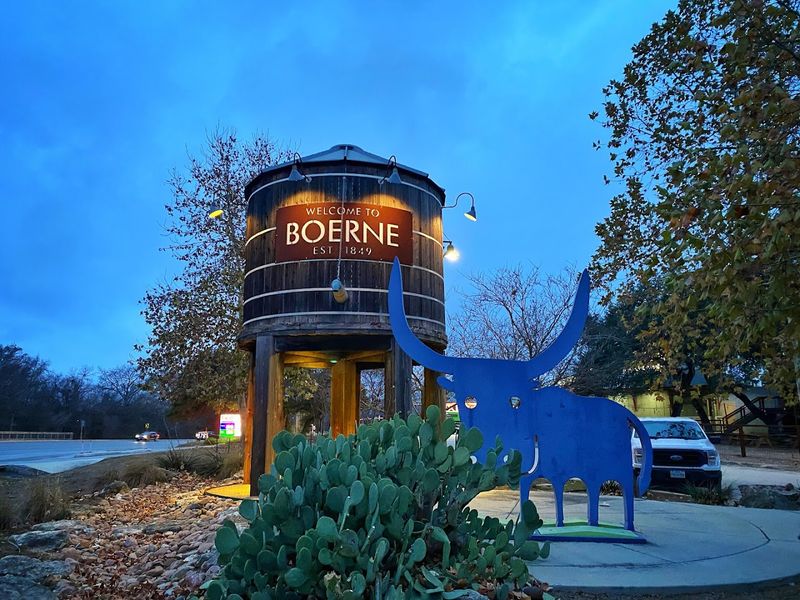
Boerne has a quality that is difficult to name but easy to feel. The limestone architecture and tree-lined streets give it a European unhurriedness, but it is unmistakably Texan in character.
The Hill Country wraps around it, and the whole place feels like it was designed for long mornings and slow afternoons.
The Cibolo Nature Center is right in town, which is a genuinely rare thing. Trails wind through creek corridors, open meadows, and restored prairie, and you can be walking through tall grass within minutes of parking your car on Main Street.
That kind of immediate access to nature changes how a town feels to live in, even temporarily.
Shopping along the Hill Country Mile on Main Street leans toward the independent and handcrafted. The stores feel personal rather than commercial, and the pace of browsing matches the pace of everything else in Boerne.
Evenings here tend to be gentle, with the light going golden over the hills and the temperature dropping just enough to make sitting outside feel like a reward. I find myself thinking about Boerne on hard weeks, which is probably the best thing you can say about a small town.
10. Rockport
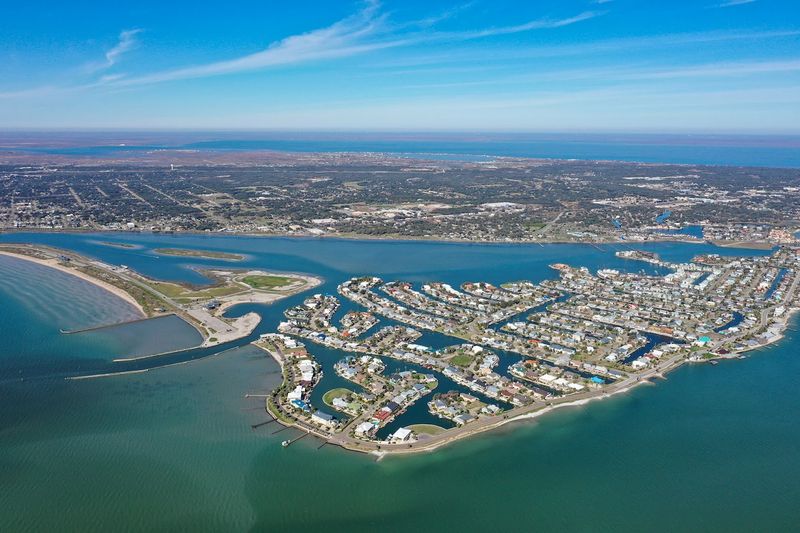
Rockport earns its reputation as one of the more laid-back spots on the Texas coast without having to work particularly hard at it. The town has a genuine fishing village character that has not been entirely swallowed by tourism, and that balance makes it feel welcoming rather than exhausting.
The pace here is set by the tides, not the calendar.
Rockport Beach holds the distinction of being Texas’s first Blue Wave Beach, a certification that speaks to its cleanliness and facilities. It is a family-friendly stretch of coastline that manages to stay uncrowded on most weekdays.
The water is calm and shallow near shore, and the birding along the waterfront is some of the best in the state.
Fishing, kayaking, and simply watching the boats come and go from the harbor are the main events here, and none of them require a reservation or an itinerary. The local seafood spots near the waterfront serve what was caught that morning, and you can taste the difference.
Rockport is the kind of coastal town that does not try to be a resort, and that honest simplicity is its greatest asset for anyone genuinely looking to decompress.
11. Medina
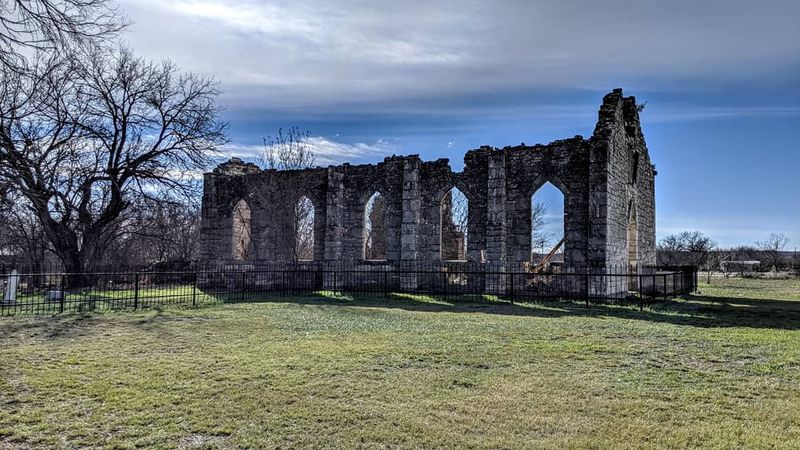
With a population of around 500 people, Medina is about as quiet as a town can get while still appearing on a map. Nestled in Bandera County along the clear waters of the Medina River, it has a smallness that feels intentional, like the town decided long ago that it preferred depth over size.
That choice has aged well.
Medina calls itself the Apple Capital of Texas, and the orchards surrounding the area give that title real substance. The annual apple festival brings a seasonal energy that is cheerful without being overwhelming.
Outside of that, the town settles back into its natural rhythm without much fuss.
The river is the heart of the place. Kayaking and fishing draw people out in the mornings, and the afternoon light on the water is the kind of thing that makes you reach for a camera and then put it away because no photo will quite capture it.
The surrounding Hill Country offers hiking through cedar and live oak, with views that open up in unexpected places along the trails. Medina is not a destination you stumble upon accidentally.
You have to choose it, and choosing it feels like a small act of self-care.
12. Matagorda
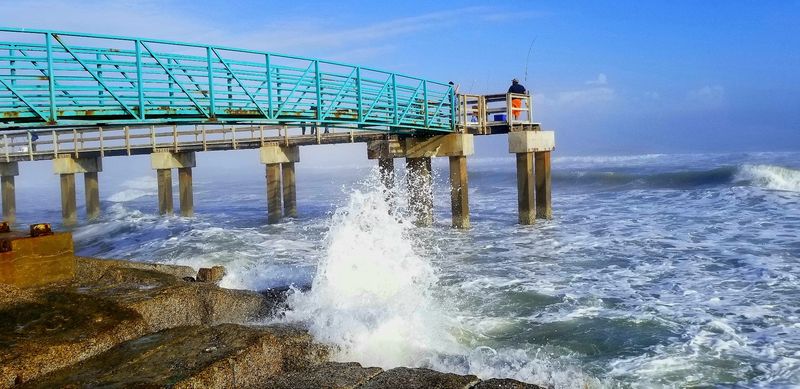
Matagorda is for the traveler who genuinely wants to disappear for a while. About two hours from Houston, this small fishing town sits at the mouth of the Colorado River where it meets the Gulf, and the surrounding landscape has a raw, unhurried beauty that more famous beach towns simply cannot match.
The shoreline here stretches for nearly 60 miles, and on most days, you can walk for a long time without seeing many other people.
Inshore fishing and kayaking through the wetlands are the main draws for those who want to stay active. The Colorado River offers a different kind of paddle than the open coast, slower and more sheltered, with herons standing in the shallows and the occasional alligator sunning on a bank.
It feels like a place still in conversation with its own wildness.
Matagorda Bay Nature Park provides access to protected lands where birding and hiking trails wind through coastal prairie and wetland habitat. Beachcombing along the less-trafficked shores turns up shells and interesting debris without the competition of a crowded beach.
Matagorda rewards patience and a loose agenda. It is not a place that performs for you.
It simply exists, quietly and completely, and invites you to do the same.
