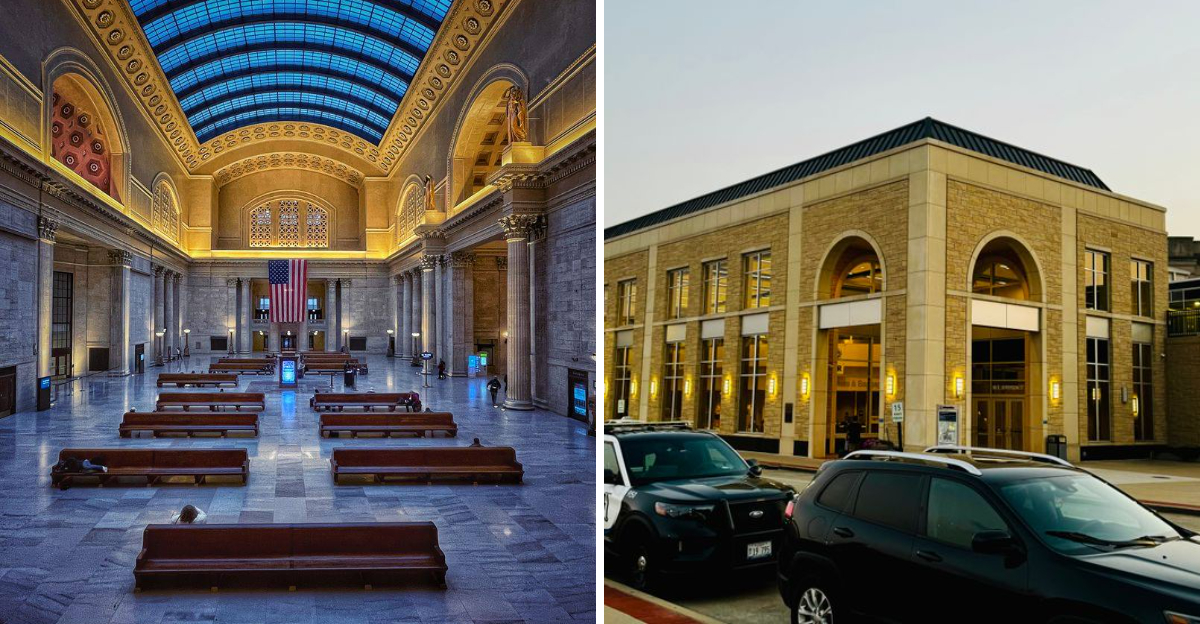
Illinois has long been a crossroads of American railroading, and some of its train stations still capture the romance and elegance of a bygone era.
These architectural treasures showcase vaulted ceilings, intricate stonework, and historic charm that modern travelers can still experience today.
Whether you’re catching a commuter train or embarking on a long-distance journey, these stations offer more than just a place to wait.
They stand as monuments to the golden age of rail travel, blending history with everyday function.
From the bustling heart of Chicago to quiet small-town stops across Illinois, each station tells its own story through design and detail.
Walking through their halls feels like stepping into a time when rail travel was the height of sophistication and adventure.
These grand stations continue to serve passengers while preserving the craftsmanship and ambition of their original builders.
Exploring them offers a unique glimpse into the past and a reminder of how important railroads were to shaping Illinois.
1. Chicago Union Station
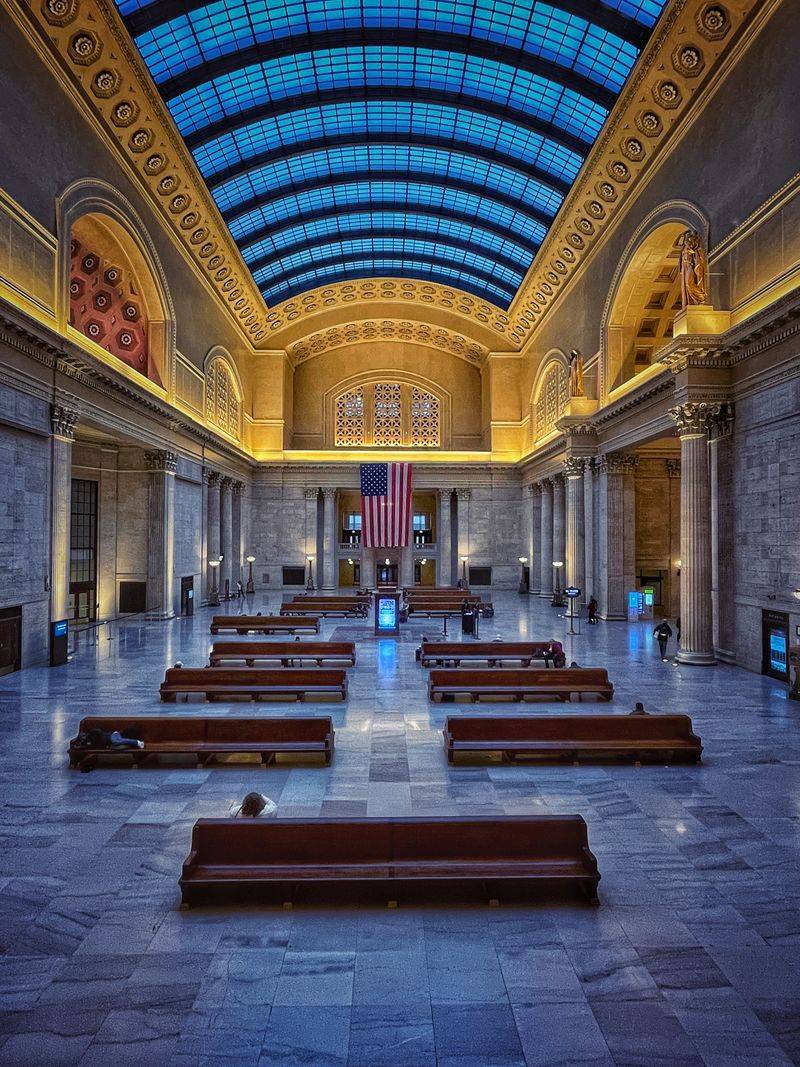
Standing at 225 South Canal Street, Chicago Union Station represents the pinnacle of early twentieth-century rail architecture.
The Beaux-Arts design showcases a breathtaking Great Hall that leaves visitors awestruck upon entry.
Massive Corinthian columns rise toward a barrel-vaulted ceiling that seems to touch the sky.
Original marble floors still gleam underfoot, polished by millions of travelers over the decades.
This terminal remains the last of Chicago’s grand intercity rail stations still operating in its original capacity.
Amtrak and Metra trains arrive and depart constantly, making it a living, breathing hub rather than a museum piece.
The craftsmanship evident in every corner speaks to an era when public spaces were designed to inspire awe.
Natural light pours through tall windows, illuminating the intricate architectural details that might otherwise go unnoticed.
Travelers rushing to catch trains pause momentarily to appreciate the grandeur surrounding them.
The station has appeared in countless films, cementing its status as an iconic American landmark.
Even during peak commuting hours, the space retains its sense of majesty and importance.
Chicago Union Station proves that functional spaces can also be works of art worth preserving for future generations.
2. Union Station Springfield
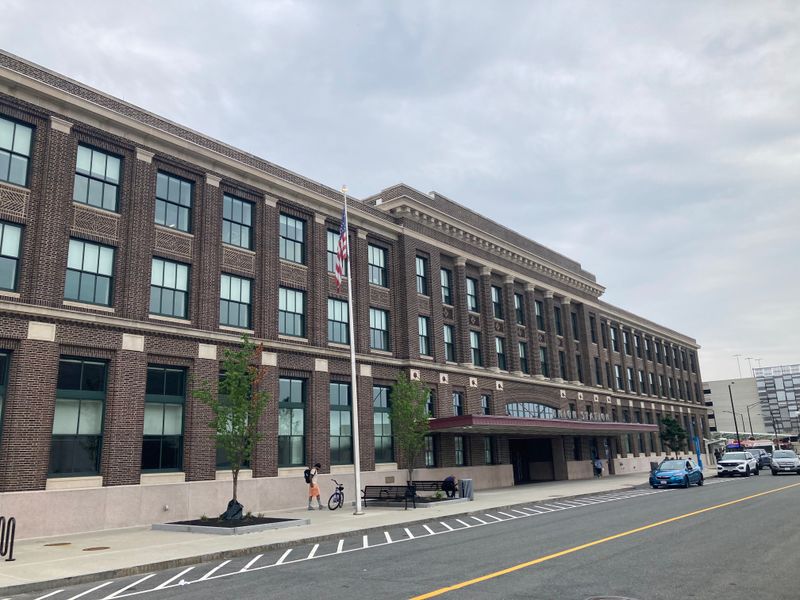
Located at 500 East Madison Street in Springfield, this station holds deep historical significance for Illinois.
The building now functions as part of the Abraham Lincoln Presidential Library and Museum complex.
Its classic architecture has been carefully preserved, allowing visitors to experience authentic period design.
Walking through the entrance feels like crossing a threshold into another century.
The state capital’s connection to rail history runs deep, and this station embodies that legacy.
Original architectural elements remain intact, telling stories of countless passengers who passed through over the years.
The integration with the presidential library adds layers of meaning to an already significant structure.
Visitors can appreciate both the transportation history and the political heritage housed within these walls.
The building’s exterior maintains the dignified appearance expected of a capital city’s main station.
Inside, careful restoration work has highlighted rather than hidden the passage of time.
Springfield’s Union Station serves as a reminder that Illinois played a crucial role in connecting the nation through rail.
The station stands as a testament to the importance of preserving historic structures for educational and cultural purposes.
Its continued relevance demonstrates how adaptive reuse can honor the past while serving present needs.
3. Macomb Thomas C. Carper Station
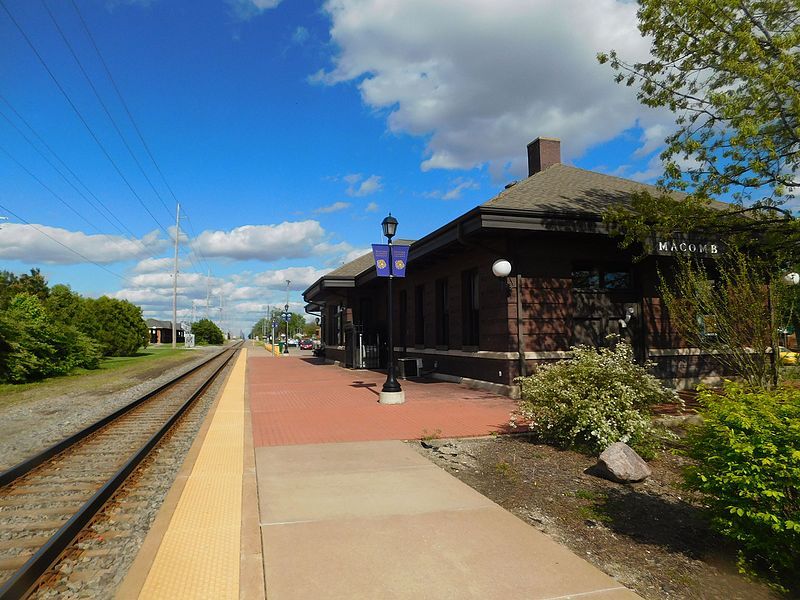
At 120 East Calhoun Street in Macomb, this station transports passengers back to the early twentieth century.
Constructed around the time when rail travel was reaching its peak, the building retains remarkable authenticity.
Tall, beveled ceilings create a sense of spaciousness that modern stations often lack.
Original wooden benches still offer seating for waiting passengers, worn smooth by generations of use.
The ticket office area remains largely unchanged, with period fixtures and architectural details intact.
Amtrak passengers today experience the same spatial qualities that travelers enjoyed over a century ago.
The preservation of this station demonstrates how smaller communities valued their connection to the broader world.
Every architectural element speaks to an era when stations were designed with both function and beauty in mind.
The building’s continued use prevents it from becoming a lifeless relic, keeping its purpose alive.
Visitors often comment on the authentic atmosphere that permeates the waiting areas.
The station serves as a living history lesson, showing how rail infrastructure shaped small-town America.
Macomb’s commitment to maintaining this structure honors the community’s railroad heritage.
Standing inside feels like participating in a tradition that spans multiple generations of travelers.
4. Quincy Station
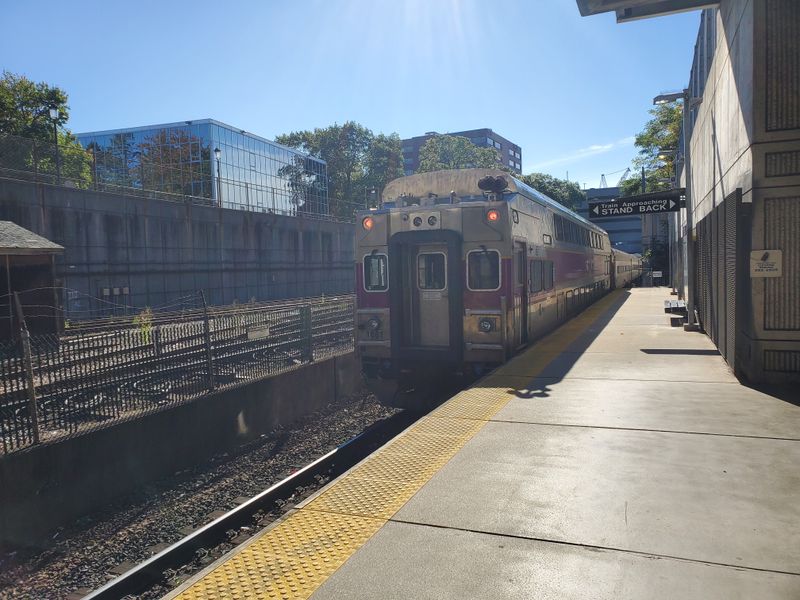
The Quincy station on Wisman Lane continues to serve Amtrak passengers with historic charm.
This building captures the essence of early twentieth-century rail travel through its preserved design.
The structure reflects an era when even smaller cities took pride in their railway facilities.
Architectural details reveal the care that went into creating welcoming spaces for travelers.
The station’s continued operation keeps it connected to its original purpose rather than becoming a museum.
Passengers waiting for trains can imagine the countless journeys that began or ended at this very spot.
The building stands as evidence of Quincy’s historical importance as a transportation hub.
Original features have been maintained through the years, creating an authentic experience for modern travelers.
The station’s design reflects the optimism and ambition of an era when railroads were expanding rapidly.
Walking through the entrance connects visitors to generations of travelers who came before.
The building’s modest size doesn’t diminish its significance or its classic appeal.
Quincy’s station proves that grandeur isn’t always about scale but about quality of design and preservation.
The structure remains a functional part of the community while honoring its historical roots.
5. Galesburg Station
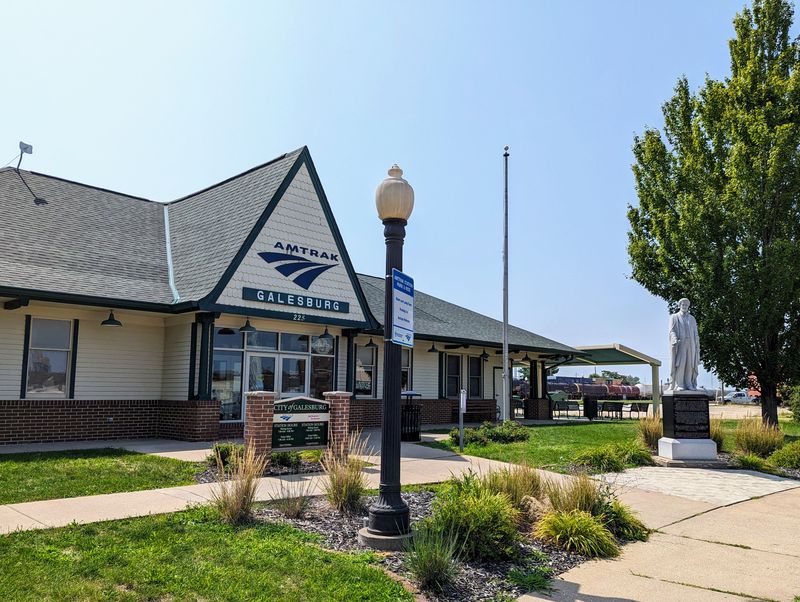
Galesburg’s station at 225 South Seminary Street sits in a city deeply intertwined with railroad history.
The building itself embodies the architectural confidence of the bustling rail era.
This location served as a crucial junction point, and the station’s design reflects that importance.
Classic architectural elements have been preserved, maintaining the building’s period character.
The city’s railroad legacy is woven into every brick and beam of this structure.
Travelers passing through can sense the significance this station held for the community.
The design speaks to an era when stations were civic landmarks as much as transportation facilities.
Galesburg’s commitment to maintaining this building honors generations of railroad workers and passengers.
The station continues to function as a key stop, keeping its historical purpose alive.
Architectural features reveal the attention to detail that characterized railway construction of the period.
The building stands as a monument to the role railroads played in shaping Midwestern cities.
Inside and out, the station communicates the importance of preserving transportation heritage.
Visitors can appreciate how the structure connects past and present through continuous use.
Galesburg Station remains a proud symbol of the city’s enduring relationship with the railroad industry.
6. Joliet Gateway Center
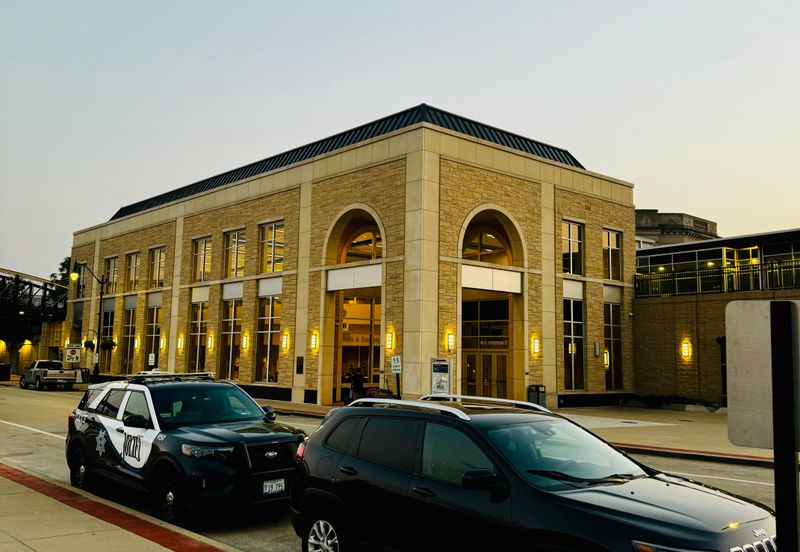
The Joliet Gateway Center represents a modern interpretation of grand station design.
While the current facility is new, it was built with deep respect for the location’s railroad heritage.
Efforts to create a sense of grandeur succeed in honoring Joliet’s significant rail history.
The center functions as a major hub for both Amtrak and Metra, serving thousands of passengers.
Architectural choices reference the past while providing contemporary amenities and comfort.
The design demonstrates that new construction can evoke the spirit of historic stations.
Spacious interiors and thoughtful details create an experience worthy of Joliet’s railroad legacy.
The location has witnessed rail travel through multiple eras, and the current building acknowledges that continuity.
Passengers benefit from modern convenience without losing connection to the romance of rail travel.
The Gateway Center proves that grandeur can be achieved through respectful contemporary design.
Joliet’s commitment to creating an impressive station reflects the city’s pride in its transportation history.
The building serves as a gateway in both name and function, welcoming travelers with style.
This station shows how Illinois communities continue to value their railroad connections in the modern era.
7. Bloomington Normal Station
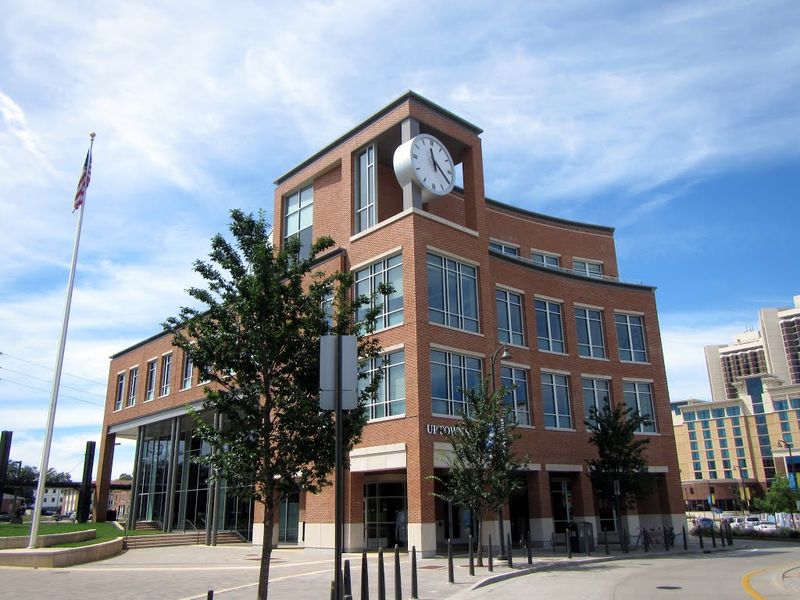
Bloomington Normal Station represents a contemporary approach to maintaining station grandeur.
The current facility replaced older structures but kept the spirit of important rail hubs alive.
Its location on the high-speed rail corridor makes it a vital link in Illinois transportation.
The design balances modern efficiency with the welcoming atmosphere of traditional stations.
Well-designed spaces create a sense of importance and occasion for travelers.
The station’s prominence reflects Bloomington Normal’s continued relevance in the rail network.
Architectural choices emphasize openness and light, creating an inviting environment.
The facility demonstrates that grandeur doesn’t require Victorian ornamentation or Beaux-Arts columns.
Clean lines and thoughtful proportions can achieve similar effects through different means.
Passengers appreciate the comfortable waiting areas and clear sightlines throughout the building.
The station serves as a point of civic pride for the twin cities it represents.
Its design shows how Illinois communities adapt to changing transportation needs while honoring tradition.
Bloomington Normal Station proves that modern construction can create memorable, grand spaces for travelers.
The building successfully bridges past and future in its approach to railway architecture.
8. Kankakee Station
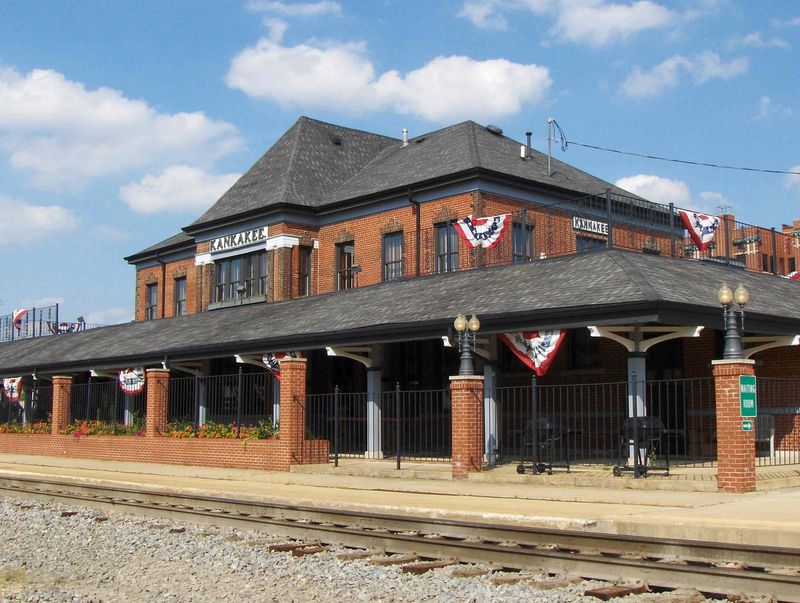
Kankakee Station at 199 South E Avenue offers a glimpse into classic American rail infrastructure.
The historic structure continues to function as an active Amtrak station, maintaining its original purpose.
Architectural elements reflect the straightforward, functional design typical of smaller rail stops.
The building’s preservation allows modern passengers to experience authentic period atmosphere.
Every detail speaks to an era when even modest stations were built to last generations.
The structure’s continued use prevents deterioration and keeps it connected to the community.
Kankakee’s station demonstrates how smaller cities maintained their links to the broader rail network.
The building stands as evidence of the widespread importance of rail transportation in Illinois.
Original features remain visible, providing historical context for contemporary travelers.
The station’s modest scale doesn’t diminish its significance as a preserved piece of transportation history.
Passengers waiting for trains can appreciate the craftsmanship evident in the construction.
The building connects past and present through its continuous service to the community.
Kankakee Station shows how preservation efforts extend beyond major urban centers to smaller cities.
The structure remains a functional landmark, honoring the city’s place in Illinois railroad history.
9. Mendota Station
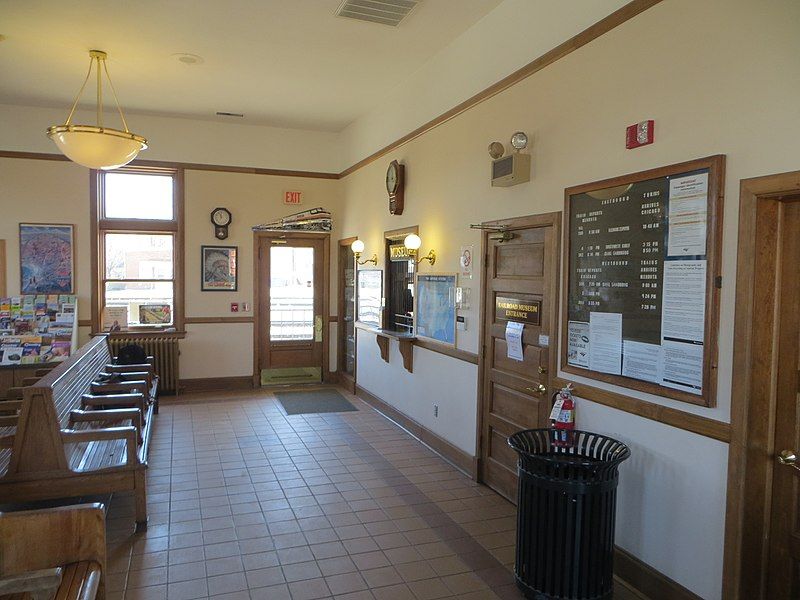
Mendota Station at 783 Main Street exemplifies the classic small-town rail experience.
This well-maintained stop along current Amtrak lines preserves traditional railway architecture.
The building’s condition reflects the community’s commitment to honoring its transportation heritage.
Architectural details reveal the care that went into constructing even smaller stations.
The structure provides a traditional rail experience that larger, modernized facilities cannot match.
Passengers appreciate the authentic atmosphere that permeates the waiting areas.
Mendota’s station demonstrates how small communities valued their connection to the national rail network.
The building’s preservation ensures that future generations can experience this piece of history.
Original features have been carefully maintained, creating continuity with the past.
The station serves as both a functional facility and a reminder of the railroad’s importance to small-town America.
Its modest scale makes the preservation effort no less significant than that of grander urban stations.
Walking through the entrance connects visitors to generations of travelers who relied on this stop.
Mendota Station proves that grandeur can be found in simplicity and authenticity.
The building remains a point of local pride and a working link to Illinois rail history.
10. Alton Amtrak Station
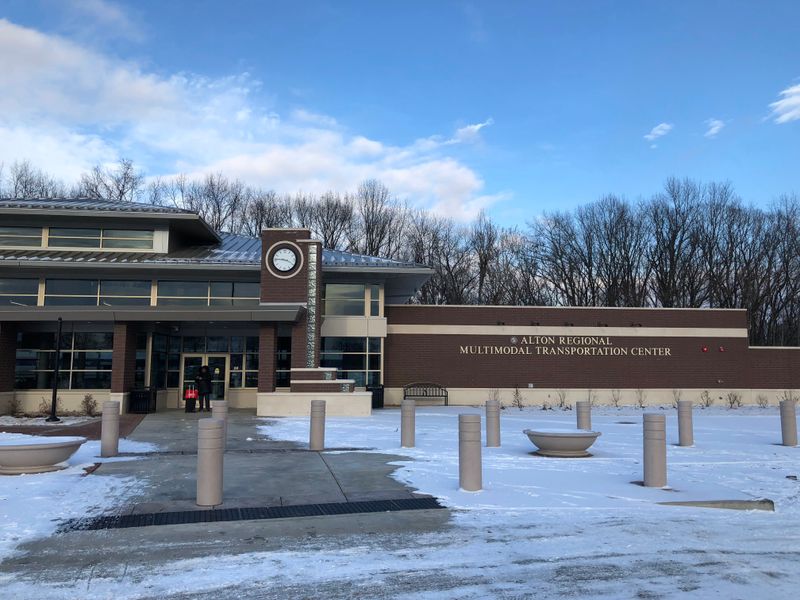
Alton Amtrak Station at 1 Golf Road resulted from recent redevelopment efforts.
The project created a modern yet grand gateway that honors the city’s historic rail significance.
Design choices reflect an understanding of Alton’s importance in Illinois transportation history.
The station successfully balances contemporary needs with respect for the past.
Architectural elements create a sense of arrival and departure befitting a significant rail stop.
The redevelopment demonstrates how communities can revitalize transportation facilities while maintaining character.
Passengers benefit from updated amenities within a space that feels substantial and welcoming.
The station’s design acknowledges Alton’s long relationship with rail transportation.
Thoughtful planning ensured the new facility would serve as a source of civic pride.
The building proves that grandeur can be achieved through careful modern design.
Alton’s investment in this station reflects the community’s commitment to maintaining rail connections.
The facility serves as both a functional transportation hub and a symbol of renewal.
Its grand character ensures that travelers experience more than just a utilitarian waiting area.
Alton Amtrak Station shows how Illinois cities continue to value their railroad heritage in contemporary contexts.
Dear Reader: This page may contain affiliate links which may earn a commission if you click through and make a purchase. Our independent journalism is not influenced by any advertiser or commercial initiative unless it is clearly marked as sponsored content. As travel products change, please be sure to reconfirm all details and stay up to date with current events to ensure a safe and successful trip.
