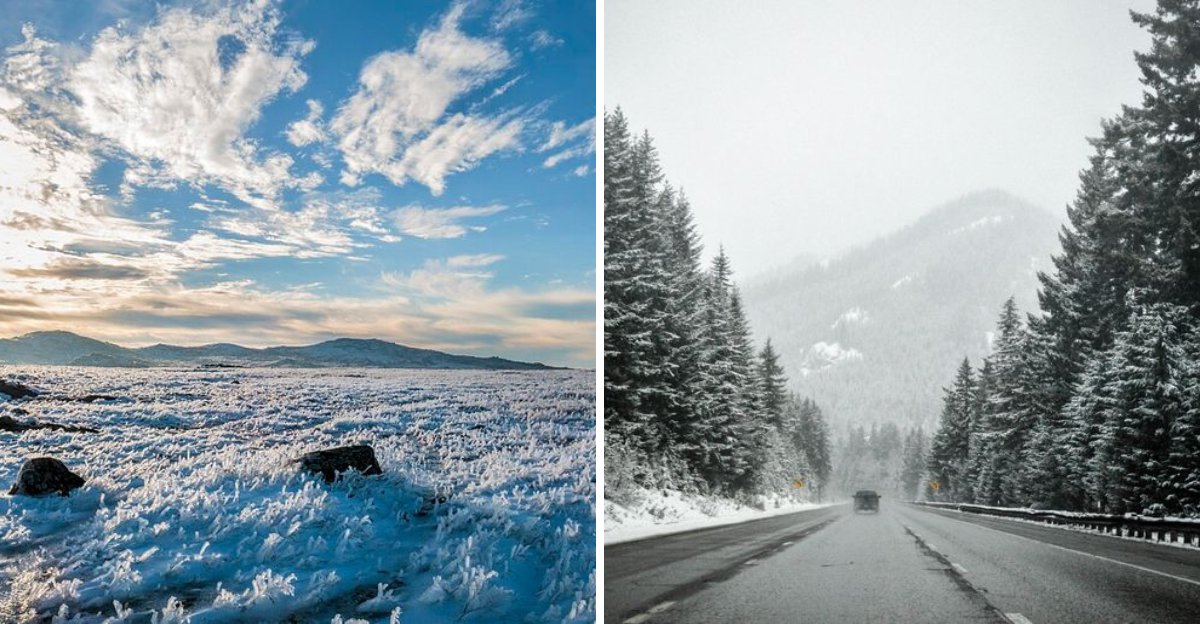
Here’s the truth nobody wants to admit: winter storms don’t end when the snow stops falling. Right now, Oklahoma sits frozen under a thick blanket of ice and bitter cold that’s turning every road into a gamble and every trip outside into a test of survival skills.
Some say Oklahomans are tough enough to handle anything Mother Nature throws their way, but is bravado really worth risking your life on black ice you can’t even see? The storm that rolled through over the weekend left behind more than just snow.
It created a dangerous landscape where bridges refreeze overnight, rural roads remain untouched by plows, and temperatures stay so low that melting isn’t even on the agenda. Emergency crews are working overtime, but they can’t be everywhere at once.
So the real question is: are you prepared to handle what’s out there, or are you one broken-down car away from a serious emergency? Let’s talk about what every traveler in Oklahoma needs to know right now to stay safe when the ice refuses to quit.
Black Ice Lurking on Every Road
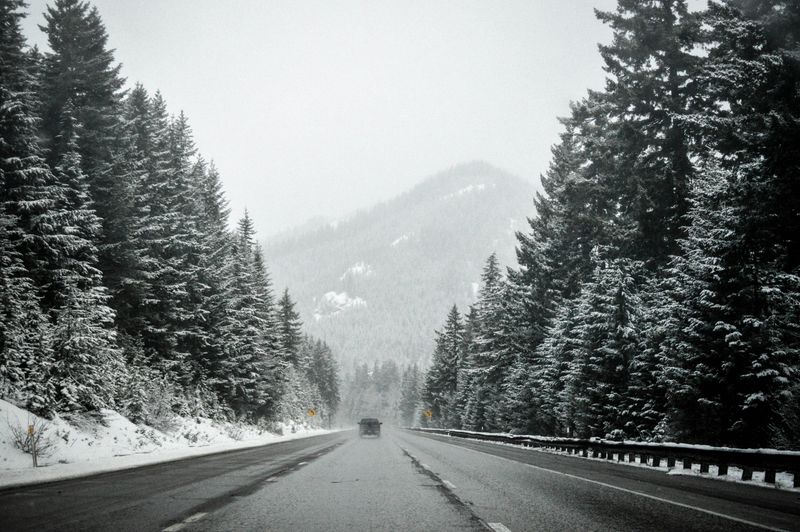
You can’t see it, you can’t predict it, and by the time you feel your tires losing grip, it’s already too late. Black ice forms when temperatures hover right at or below freezing, creating a nearly invisible glaze on pavement that sends even experienced drivers into a spin.
Oklahoma’s current weather pattern is perfect for black ice production. Daytime temperatures barely creep above freezing in some areas, allowing just enough moisture to form on the road surface before refreezing once the sun dips.
Bridges and overpasses are especially vulnerable because cold air circulates above and below them, dropping their surface temperatures faster than regular road sections.
Shaded stretches under trees or alongside buildings stay icy all day long, never getting enough direct sunlight to thaw. Morning and evening commutes become the most dangerous times, when temperatures drop and visibility decreases.
Even roads that look perfectly clear can harbor patches of black ice in low spots where water collects.
The best defense is slowing down and increasing your following distance dramatically. Assume every bridge, every overpass, and every shaded curve could be slick.
Smooth, gentle movements with your steering wheel and brakes give you the best chance of maintaining control if you do hit a patch.
Secondary Roads Remain Snow-Packed and Treacherous
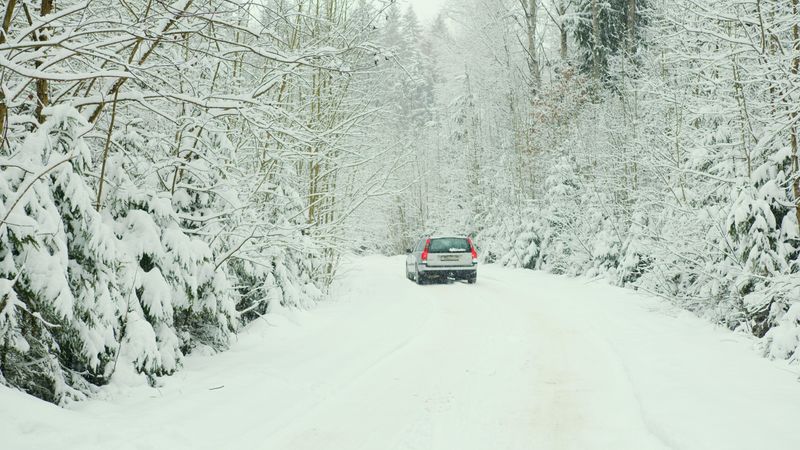
While major highways around Oklahoma City and other urban centers have seen steady attention from road crews, secondary roads tell a completely different story. These smaller routes, connecting neighborhoods to main thoroughfares and linking rural communities, remain buried under compacted snow and ice.
Plows prioritize high-traffic corridors first, which makes sense from a logistics standpoint but leaves thousands of miles of roadway in hazardous condition. Each vehicle that travels over uncleared snow packs it down harder, transforming fluffy powder into a slick, rutted surface that’s incredibly difficult to navigate.
Side streets in residential areas often won’t see a plow at all, relying instead on gradual melting that simply isn’t happening in these sustained cold temperatures.
Rural roads face even grimmer prospects. With lower traffic volumes and limited municipal resources, many county roads will stay snow-covered until weather patterns shift significantly.
Drivers venturing onto these routes need to understand they’re essentially on their own, with help potentially hours away if something goes wrong.
Four-wheel drive helps but doesn’t make you invincible. Slow speeds, careful steering, and realistic assessment of your vehicle’s capabilities matter more than any mechanical advantage.
If a secondary road looks impassable, trust your instincts and find an alternate route.
Prolonged Freezing Temperatures Preventing Melting
Normally, Oklahoma winters feature cold snaps followed by warmer breaks that help clear roads naturally. This time, that pattern has abandoned the state entirely.
Temperatures are staying consistently below freezing, day and night, creating conditions where ice and snow have nowhere to go except deeper into the pavement.
Meteorologists tracking the system note that this cold air mass shows no signs of moving out quickly. Without daytime highs climbing above 32 degrees Fahrenheit, the sun’s warmth can’t generate meaningful melting even on south-facing surfaces that usually thaw first.
What little moisture does appear during brief warming moments simply refreezes once shadows return or evening arrives.
This persistence transforms the entire landscape into a frozen hazard zone. Snow that fell days ago remains as treacherous as when it first landed.
Ice accumulations grow thicker with each freeze-thaw-refreeze cycle, building layers that become progressively harder to remove. Road treatment chemicals lose effectiveness in extreme cold, meaning even salted or sanded surfaces may not provide the traction drivers expect.
Oklahoma residents accustomed to winter weather moving through quickly need to adjust their thinking. This isn’t a one-day inconvenience but an extended period requiring sustained caution and modified travel plans.
Emergency Crews Focused on Problem Corridors
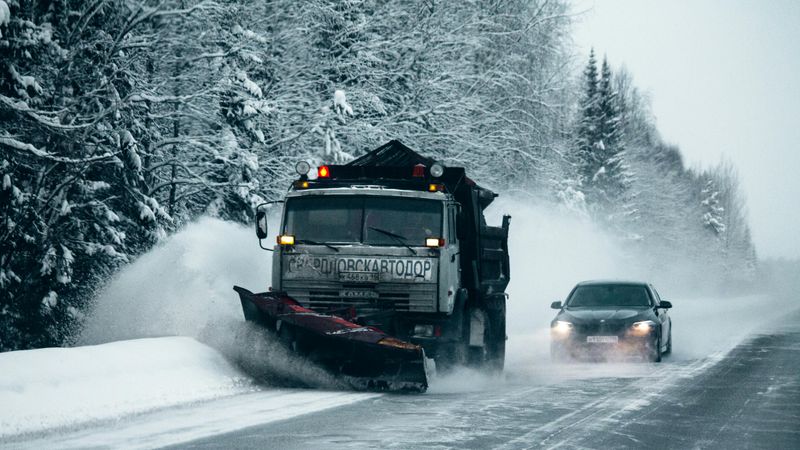
Road crews across Oklahoma are working around the clock, but they’re fighting a losing battle against geography and weather. Priority routes get repeated attention while less-traveled roads wait their turn, creating a patchwork of cleared and dangerous stretches that shifts constantly.
Major interstates and state highways receive the bulk of treatment resources. Sand trucks, salt spreaders, and plows concentrate on keeping these arteries open because they carry the highest traffic volumes and serve as emergency response corridors.
Even with this focused effort, crews can only treat surfaces so many times before needing to circle back as conditions deteriorate again.
Problem spots demand repeated visits. Intersections where traffic stops and starts create polished ice surfaces.
Hills challenge both vehicles and treatment efforts, requiring extra material and attention. Construction zones with altered traffic patterns confuse drivers already stressed by winter conditions.
Local municipalities face resource constraints that limit their response capabilities. Smaller towns may have only one or two trucks available to cover extensive road networks.
Equipment breaks down under constant use in harsh conditions. Personnel work exhausting shifts trying to keep up with demand.
Travelers need to understand that even on treated roads, conditions can change rapidly. A road that was passable an hour ago might be skating-rink slick now.
Frostbite and Hypothermia Risks for Stranded Drivers
Cars break down. Accidents happen.
Tires go flat. What seems like a minor inconvenience during normal weather becomes a life-threatening emergency when temperatures plunge and wind chills drop even lower.
Oklahoma’s current cold snap doesn’t forgive mistakes or bad luck.
Frostbite can develop in exposed skin within minutes when wind chill factors push temperatures into dangerous territory. Fingers, toes, ears, and noses are most vulnerable, losing feeling before damage becomes apparent.
Hypothermia sets in more gradually but just as dangerously, as core body temperature drops and physical and mental functions deteriorate.
Stranded drivers face a terrible choice: stay with the vehicle and risk running out of fuel for heat, or venture out seeking help and risk exposure. Neither option is great, which is why preparation matters so much.
A vehicle stranded on a rural Oklahoma road might wait hours for assistance, especially if emergency services are overwhelmed with calls.
Layered clothing, blankets, hand warmers, and high-calorie snacks can make the difference between discomfort and disaster. Keeping your gas tank at least half full ensures you can run the engine periodically for heat without worrying about running dry.
A fully charged phone provides your lifeline to help.
False Confidence After the Snow Stops
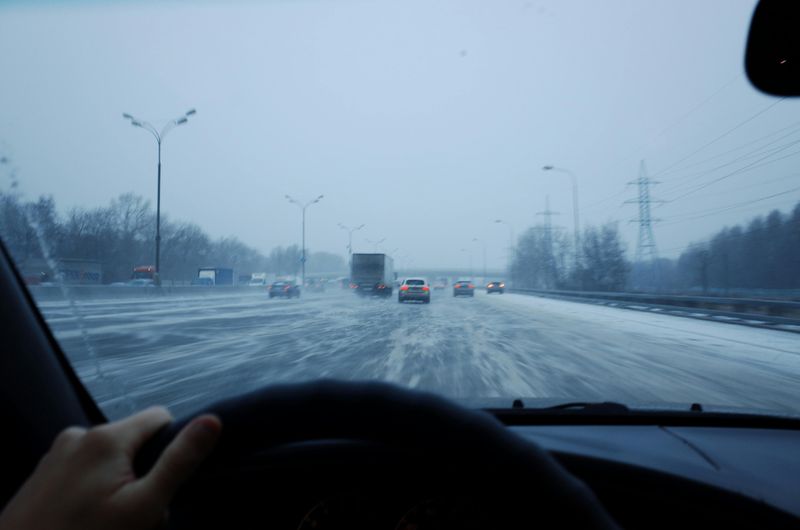
The most dangerous moment in any winter storm comes after the precipitation ends. Skies clear, the sun comes out, and people assume the worst is over.
That assumption kills people every year, and Oklahoma is experiencing that exact scenario right now.
Psychological factors play a huge role in winter driving safety. When snow is actively falling, drivers naturally exercise more caution, reduce speeds, and think carefully about whether trips are necessary.
Once the storm passes, that heightened awareness evaporates even though road conditions remain terrible. Clear skies create an illusion of safety that doesn’t match reality on the ground.
Roads that look fine from inside a warm house often tell a different story up close. Melted snow refreezes into smooth ice.
Plowed surfaces develop new slick spots overnight. What appears to be wet pavement is actually a thin layer of ice waiting to send vehicles sliding.
Oklahoma drivers, known for their resilience and independence, sometimes let pride override good judgment. The storm is over, so normal life should resume, right?
Wrong. The storm’s impact continues long after the last snowflake falls, and underestimating that continuation is where people get hurt.
Stay cautious even when conditions appear to improve. Test your brakes gently on empty stretches before you need them urgently.
Sometimes the bravest decision is staying home. Emergency officials across Oklahoma are repeating this message constantly, yet people continue venturing out for trips that could easily wait.
Every unnecessary vehicle on the road increases risk for everyone, including the emergency responders who might need to rescue you.
Work-from-home options, grocery delivery services, and postponed social plans aren’t signs of weakness during extreme weather. They’re smart risk management.
The meeting can be rescheduled. The grocery run can wait a day or two.
The visit to friends can happen when roads are actually safe.
Essential travel still happens, of course. Medical appointments, critical work duties, and genuine emergencies require people to drive despite conditions.
Those travelers face enough hazards without adding leisure traffic to the mix. Fewer vehicles on dangerous roads means better response times for accidents, more effective road treatment by crews, and reduced overall risk.
Oklahoma’s independent spirit sometimes works against safety. There’s a cultural expectation of toughness, of not letting weather dictate behavior.
But there’s nothing tough about creating preventable emergencies that strain resources and endanger lives. Real strength includes knowing when to wait.
Check road conditions before leaving. If your route includes problem areas, seriously reconsider whether your trip is truly necessary right now.
Winter Survival Kit Essentials for Your Vehicle
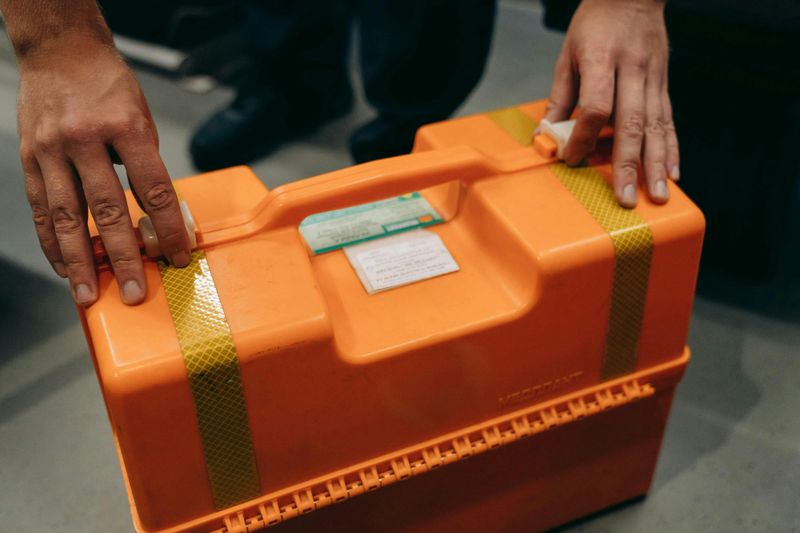
Hope for the best, prepare for the worst. That old saying becomes critical advice when traveling through Oklahoma during extended winter weather.
Your vehicle should carry supplies that could save your life if you end up stranded in freezing conditions far from help.
Start with warmth. Heavy blankets or sleeping bags rated for cold weather provide insulation if your engine dies or fuel runs low.
Hand and foot warmers offer quick heat for extremities. Extra winter clothing, including hats, gloves, and insulated boots, should stay in your trunk year-round during winter months.
Water and non-perishable, high-calorie food give your body fuel to generate heat and maintain energy during a long wait for rescue. Granola bars, nuts, and dried fruit pack easily and store well in cold temperatures.
A gallon of water per person covers hydration needs.
Communication tools matter desperately. A fully charged phone, plus a backup battery pack or car charger, keeps you connected to emergency services.
A bright flashlight or headlamp helps you signal for help and perform tasks in darkness. Reflective triangles or flares warn other drivers of your presence.
Basic tools round out the kit: ice scraper, small shovel, sand or kitty litter for traction, jumper cables, and a first aid kit. These items take up minimal space but provide maximum benefit when you need them most.
Physics doesn’t negotiate. When ice replaces friction, stopping distances multiply dramatically and steering response disappears.
The driving techniques that work perfectly on dry pavement become recipes for disaster on winter roads, yet many drivers fail to adjust their behavior until after they’ve already crashed.
Doubling your normal following distance is the minimum adjustment for icy conditions. Tripling it is better.
The vehicle ahead of you might stop suddenly because they hit ice or encountered an obstacle. You need enough space to react and brake gently without slamming into them.
Tailgating on ice is essentially choosing to crash.
Speed limits assume normal conditions. Driving the posted limit on ice-covered roads is reckless regardless of what the sign says.
Slow down to a speed where you feel genuinely in control, where steering inputs produce expected results and braking doesn’t trigger slides. If that speed feels painfully slow, you’re probably doing it right.
Allow ridiculous amounts of extra time for trips. What normally takes 20 minutes might require 45 in winter conditions.
Rushing creates pressure to drive faster than conditions allow, leading directly to accidents. Leave early, accept that you’ll arrive slowly, and reduce the stress that causes dangerous decisions.
Oklahoma roads will eventually clear and warm. Until then, patience and caution are your best friends.
Dear Reader: This page may contain affiliate links which may earn a commission if you click through and make a purchase. Our independent journalism is not influenced by any advertiser or commercial initiative unless it is clearly marked as sponsored content. As travel products change, please be sure to reconfirm all details and stay up to date with current events to ensure a safe and successful trip.
