Visiting the Amish countryside around Cashton in Monroe County feels like stepping into a different era where modern life fades away and simplicity takes center stage.
Travelers often describe this place as somewhere that bends time itself, slowing down the frantic pace of everyday routines and replacing it with peaceful moments that linger in memory long after the trip ends.
The rolling hills, horse-drawn buggies, and handcrafted traditions create an atmosphere so different from our digital world that many visitors say they lose track of hours and days in the best possible way.
Horse-Drawn Buggies Replace Rush Hour Traffic
Nothing changes your perception of speed quite like watching a horse-drawn buggy clip-clop past your car window at a leisurely eight miles per hour.
Around Cashton, these black carriages aren’t tourist attractions or historical reenactments but actual transportation that Amish families use every single day for errands, visiting neighbors, and traveling to church.
When you slow your vehicle to safely pass one of these buggies, something interesting happens to your brain.
Your foot eases off the gas pedal, your shoulders relax, and suddenly the idea of rushing anywhere seems completely ridiculous.
The rhythmic sound of horseshoes hitting pavement creates a natural metronome that your heartbeat seems to match without you even realizing it.
Children wave from buggy windows with genuine smiles that aren’t interrupted by tablets or phones, reminding you of a simpler way to experience a journey.
Many visitors report that after encountering just a few buggies, they find themselves driving slower throughout their entire trip, not from frustration but from a newfound appreciation for taking things easy.
The Amish community’s commitment to this traditional transportation method isn’t about being stubborn or old-fashioned.
Rather, it reflects a deliberate choice to maintain human-scale speed and connection with their environment.
When you’re traveling at horse speed, you notice details that blur past at sixty miles per hour.
You see wildflowers along fence lines, smell fresh-cut hay, and hear birds singing in ways that feel almost impossibly vivid.
This shift from highway velocity to buggy pace fundamentally alters how your mind measures distance and duration, making a ten-minute buggy ride feel more substantial and memorable than an hour on the interstate.
Farms Operating on Seasonal Rhythms Instead of Alarm Clocks
Amish farms around Cashton don’t run on the same clock as the rest of America.
Instead of checking smartphones for the time, farmers here read the sun’s position, the animals’ behavior, and the season’s progression to know what needs doing and when.
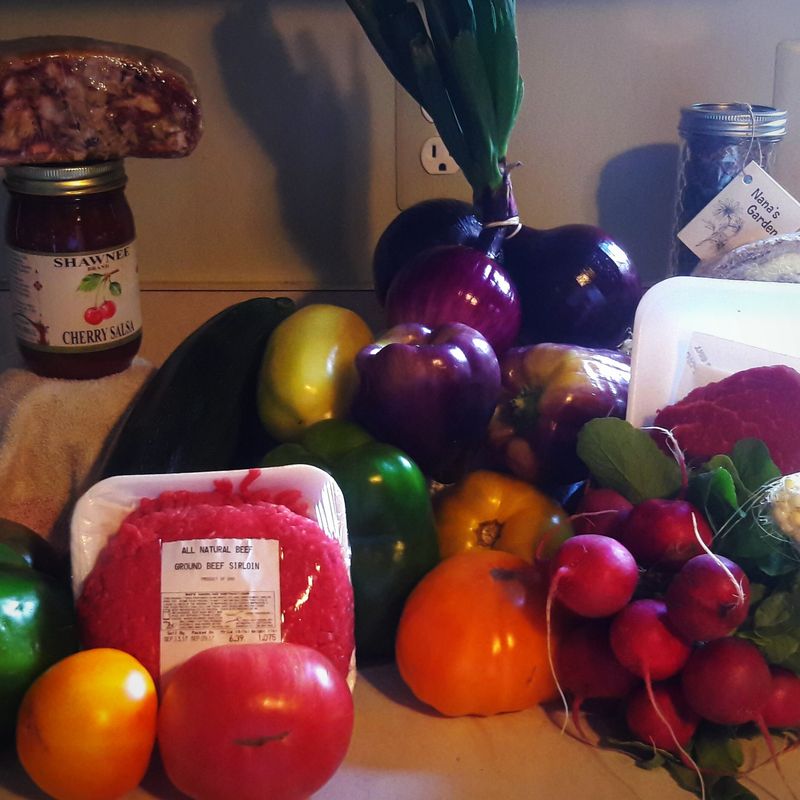
This ancient way of organizing work creates a completely different relationship with time that visitors immediately sense when they stop at roadside produce stands or watch farmers working their fields.
Cows get milked when they need milking, not because a digital alarm says it’s five o’clock.
Crops get harvested when they’re ready, not because a corporate schedule demands it.
This flexibility might sound chaotic to people used to minute-by-minute planning, but it actually creates a steadier, more sustainable rhythm that reduces stress and increases satisfaction.
Walking through these working farms, you’ll notice the absence of tractors roaring across fields in desperate races against weather forecasts.
Instead, you might see teams of draft horses pulling plows with farmers guiding them through neat rows, a process that takes longer but connects the worker directly to the soil’s texture and moisture.
The Amish approach to farming rejects the industrial agriculture mindset that treats land as a factory floor requiring maximum efficiency.
Here, farming remains a relationship between people, animals, plants, and weather patterns that unfold according to natural law rather than quarterly profit reports.
Visitors often comment that spending an afternoon watching this kind of farming makes their usual daily routines seem frantic and disconnected.
Time spent in genuine partnership with nature’s pace feels fuller and more meaningful than hours crammed with back-to-back appointments.
Handmade Quilts That Represent Hundreds of Patient Hours

Walking into an Amish quilt shop near Cashton confronts you with a stunning reality about time investment that our instant-gratification culture has almost forgotten.
Each quilt hanging on the wall represents between 200 and 400 hours of meticulous hand stitching, pattern planning, and fabric selection.
That’s not a typo or an exaggeration.
A single queen-size quilt might contain over 100,000 individual stitches, each one placed by hand with a needle and thread by someone who values quality over speed.
Running your fingers across the tight, even stitches creates an almost meditative experience as you try to comprehend the patience required to complete such work.
In a world where we complain if a webpage takes three seconds to load, these quilts stand as beautiful protests against hurry.
The women who create them don’t view the time investment as a burden but as an opportunity for contemplation, prayer, and connection with a craft tradition passed down through generations.
Many quilters work on their projects during winter evenings when farm work slows down, transforming cold months into productive creative seasons.
The geometric patterns aren’t random decorations but carry names and meanings that reflect Amish values and community identity.
Designs like Log Cabin, Nine Patch, and Sunshine and Shadow tell stories through fabric and thread in ways that mass-produced bedding never could.
Purchasing one of these quilts means bringing home not just a functional blanket but a tangible piece of someone’s life measured in patient hours.
Visitors frequently report that owning an Amish quilt changes how they think about possessions, making them more appreciative of items that carry genuine human investment rather than factory efficiency.
Roadside Produce Stands Running on the Honor System
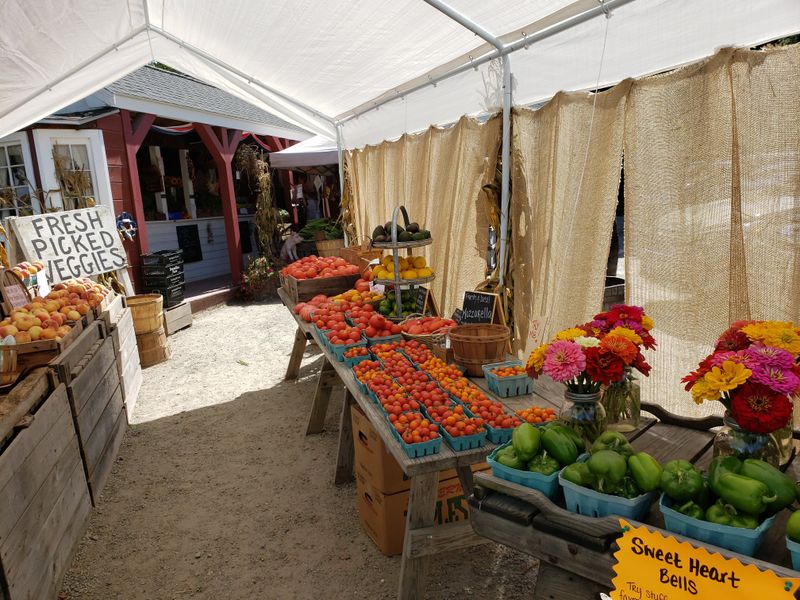
Scattered along the back roads around Cashton, you’ll discover small wooden stands displaying fresh vegetables, baked goods, jams, and eggs with nothing but a coffee can or small box for payment.
No cashier, no security camera, no electronic payment system.
Just a handwritten sign listing prices and an assumption that customers will leave the correct amount.
For travelers accustomed to scanning items, entering PIN codes, and receiving digital receipts for every transaction, these honor system stands feel like portals to a different century.
The first time you place money in that can and take your strawberries without any human interaction or verification, something shifts in your understanding of community and trust.
These stands operate on a time scale that prioritizes relationship over transaction speed.
The Amish farmers who stock them aren’t trying to maximize profit per square foot or optimize customer flow.
They’re simply sharing the abundance of their gardens with neighbors and visitors in a way that respects everyone’s time and integrity.
Many stands include small touches that reveal the unhurried care behind them.
You might find recipe cards tucked beside unusual vegetables, hand-tied herb bundles wrapped in brown paper, or jars of jam with fabric toppers secured with twine.
Each detail whispers that whoever prepared this display had time to think about the customer’s experience beyond the basic exchange of goods for money.
Visitors often sit in their cars after making a purchase, holding their tomatoes or zucchini bread, marveling at how this simple interaction felt more substantial than a week’s worth of regular shopping trips.
The honor system transforms a mundane errand into a moment of reflection about trust, community, and the pace at which meaningful exchanges happen.
Church Services Lasting Three Hours Without Entertainment
Amish church services in the Cashton area typically run about three hours, conducted entirely in Pennsylvania Dutch, with no musical instruments, no multimedia presentations, and no cushioned seating.
For context, that’s roughly the length of a Marvel movie, except instead of explosions and special effects, you get hymns sung slowly in unison, lengthy sermons, and extended periods of silent prayer.
While visitors don’t typically attend these private worship services, the community’s commitment to this unhurried spiritual practice influences the entire area’s atmosphere.
Sunday mornings feel noticeably quieter around Cashton as Amish families gather in homes or barns converted into temporary worship spaces.
The absence of church buildings with steeples and parking lots reflects the Amish belief that faith happens in community rather than in specialized structures.
Services rotate between members’ homes, distributing the hosting responsibility and keeping worship connected to daily life.
This three-hour commitment to worship without distraction represents a radical rejection of our culture’s entertainment-saturated approach to attention.
No one checks phones during these services because no one brings phones.
Children learn from infancy to sit through long periods of adult conversation and singing, developing attention spans that seem almost superhuman by modern standards.
The practice of slow, unaccompanied hymn singing creates a sound unlike anything you’ll hear in contemporary churches.
Voices blend without instrumental guidance, creating harmonies that rise and fall with organic unpredictability.
Each hymn might take ten minutes to complete, with verses unfolding at a pace that allows every word to carry weight.
Even if you never experience an Amish service directly, knowing they happen every other Sunday in the community around you somehow slows down your own weekend, making leisure time feel less frantic and more purposeful.
Children Playing Outside Without Screens or Schedules

Drive past any Amish farm on a pleasant afternoon and you’ll likely see something increasingly rare in America.
Children actually playing outside, running through yards, climbing trees, chasing each other, and inventing games with sticks, stones, and imagination.
No tablets, no scheduled playdates, no parents hovering with antibacterial wipes.
Just kids being kids in ways that would look perfectly normal in a photograph from 1950 but seem almost exotic today.
These children aren’t outside because their parents read an article about the benefits of nature exposure or downloaded an app to limit screen time.
They’re outside because that’s where childhood happens in Amish culture, and it always has.
Without televisions, video games, or smartphones competing for attention, outdoor play remains the default entertainment rather than a special activity requiring parental motivation.
Watching these kids play reveals how much time children naturally have when it’s not chopped into 30-minute increments of soccer practice, music lessons, and tutoring sessions.
An Amish child might spend an entire afternoon building a fort, modifying it, abandoning it, returning to it, and finally perfecting it without any adult direction or schedule pressure.
This unstructured time allows for the kind of deep, imaginative play that child development experts say is crucial for creativity and problem-solving.
The games themselves often have a timeless quality passed down through generations rather than tied to current entertainment trends.
You might see kids playing variations of tag, hide-and-seek, or simple ball games that their great-grandparents would instantly recognize.
For visitors with their own children, watching Amish kids play often triggers both nostalgia and a slight sense of guilt about how scheduled and screen-dominated their own children’s lives have become.
Bakeries Where Everything Still Rises on Its Own Schedule
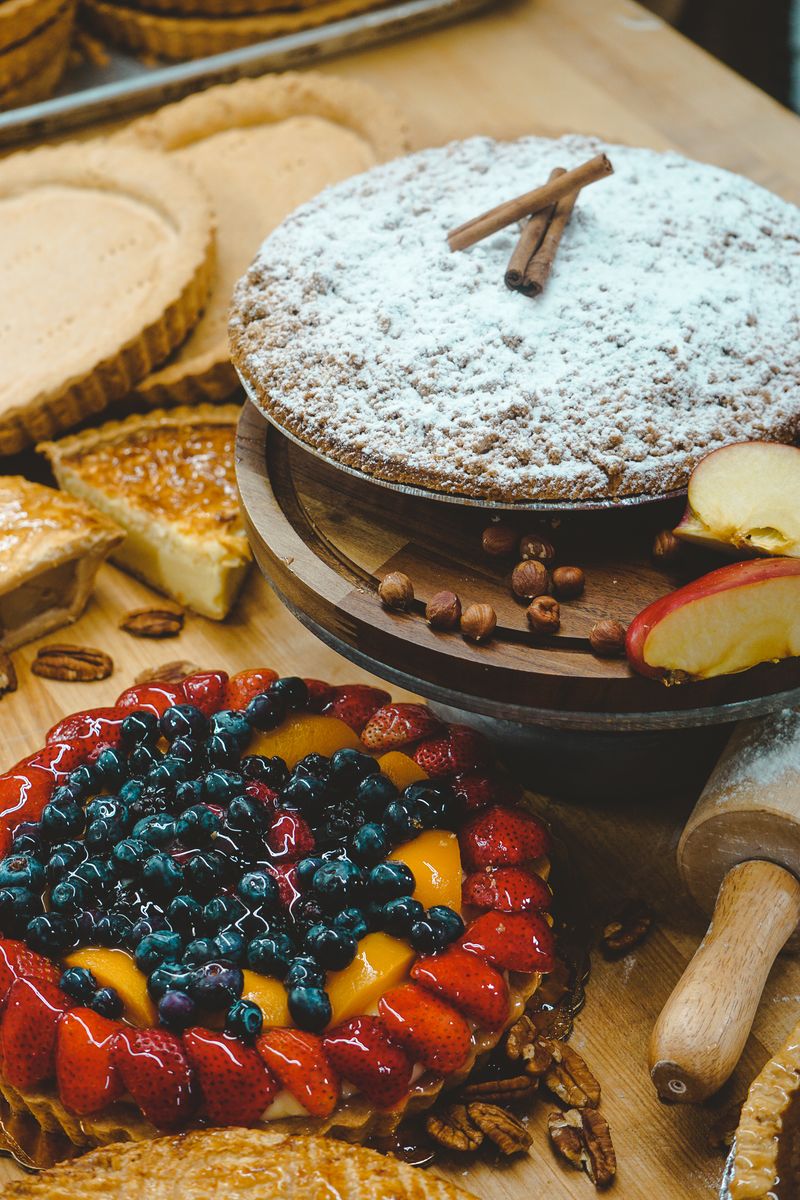
Amish bakeries around Cashton operate according to bread’s natural timeline rather than customer convenience, and that fundamental difference changes the entire experience of buying baked goods.
Bread dough rises when it’s ready, not when a timer beeps.
Pies come out of the oven when they’re perfectly golden, not when a production schedule demands.
If you arrive at certain times, you might find empty shelves because the next batch simply isn’t done yet, and no amount of modern efficiency hacks will speed up chemistry and biology.
This refusal to rush the baking process results in products that taste noticeably different from grocery store equivalents.
Bread has actual texture and flavor because it developed slowly through proper fermentation rather than being artificially accelerated with dough conditioners and extra yeast.
Cinnamon rolls achieve their perfect balance of soft interior and slightly crispy edges because they baked for exactly as long as they needed, not one minute less to maximize throughput.
Many bakeries operate out of home kitchens or small outbuildings, with customers entering through side doors into spaces that smell like vanilla, yeast, and butter.
The lack of commercial equipment means smaller batches and more attention to each item.
A baker might make five pies at a time instead of fifty, allowing for quality control that large operations can’t match.
Visitors often describe the experience of waiting for a specific item to finish baking as surprisingly pleasant.
Instead of feeling impatient, they find themselves chatting with other customers, watching birds outside the window, or simply sitting with their thoughts.
The bakery’s refusal to operate on fast-food principles creates a pocket of slowness that seems to expand time rather than waste it.
Dear Reader: This page may contain affiliate links which may earn a commission if you click through and make a purchase. Our independent journalism is not influenced by any advertiser or commercial initiative unless it is clearly marked as sponsored content. As travel products change, please be sure to reconfirm all details and stay up to date with current events to ensure a safe and successful trip.
