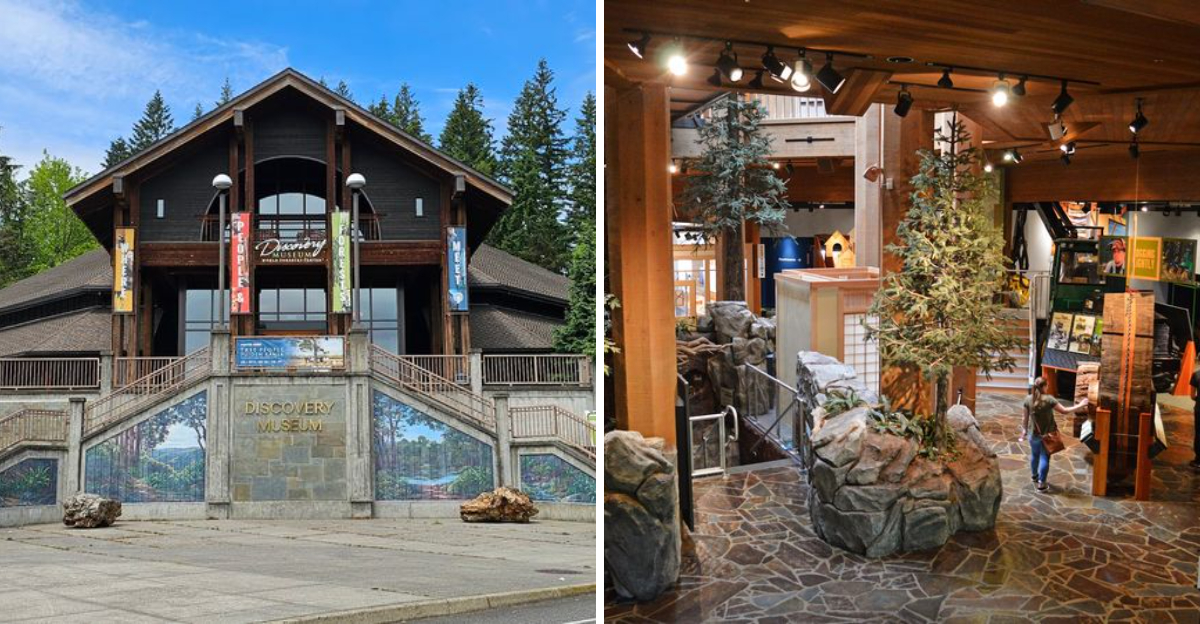
Tucked deep inside an Oregon forest, a museum appears like it was carefully placed there just to surprise you. I walk up expecting something simple, then instantly realize the building itself is part of the exhibit.
Glass, wood, and light blend into the trees so naturally it almost feels unreal.
Inside, everything is quiet in that “don’t rush this” kind of way. Locals move through like they already know the secret, while I keep stopping just to take it all in.
Even the forest outside feels like it’s framing the experience on purpose. And leaving it behind feels a little like stepping out of a painting you weren’t ready to finish looking at.
The Towering Tree That Greets You at the Door
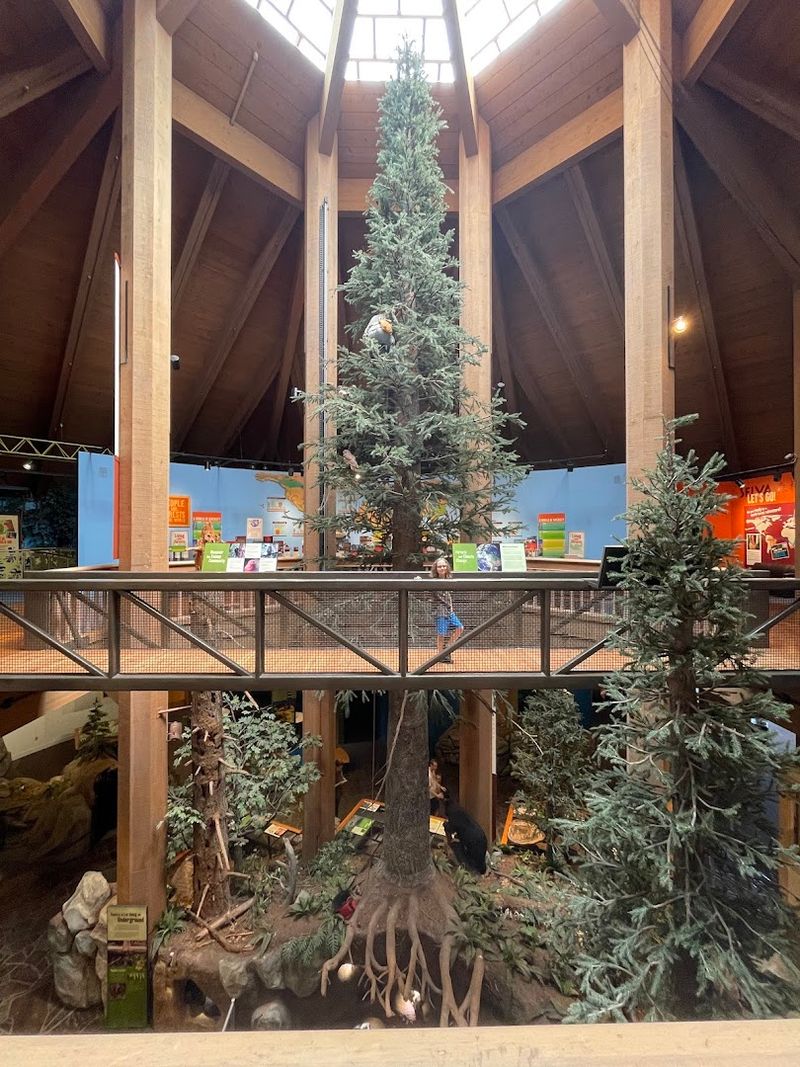
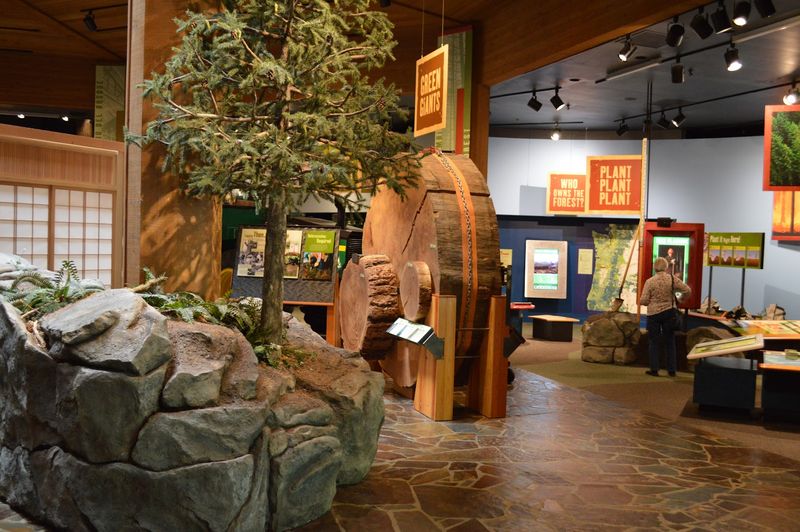
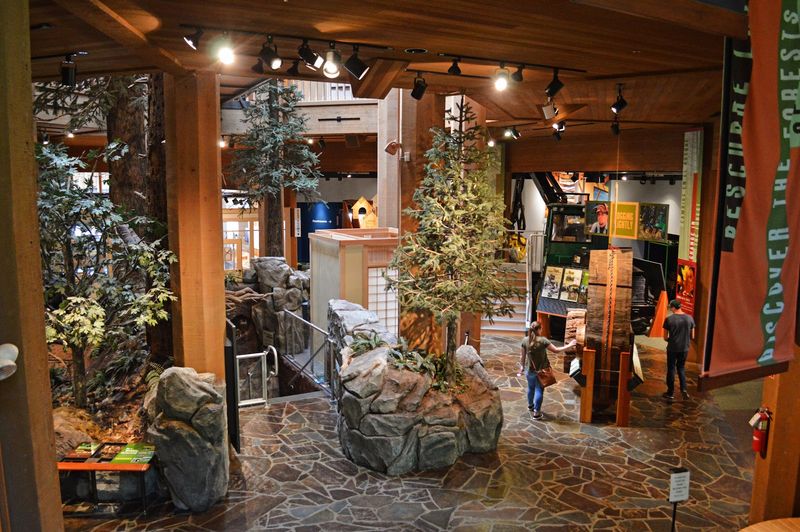
Walking through the front entrance, the first thing that stops you cold is a giant tree rising straight through the center of the building. It reaches all the way up to the second floor.
The sheer scale of it makes you tilt your head back and just stare.
This centerpiece sets the tone for everything else inside the museum. It is not just decoration.
It is a bold reminder of why this place exists. Trees are not background scenery.
They are the whole story.
Kids especially go wide-eyed at the sight of it. Adults slow their pace and pull out their phones.
The tree anchors the space in a way that no painting or display case ever could. It feels alive, even indoors.
The surrounding exhibits fan out from this central point naturally. You feel drawn outward from the tree, like following roots through the soil.
Starting here makes the whole visit feel intentional and grounded in something real and ancient.
Interactive Exhibits That Actually Teach You Something
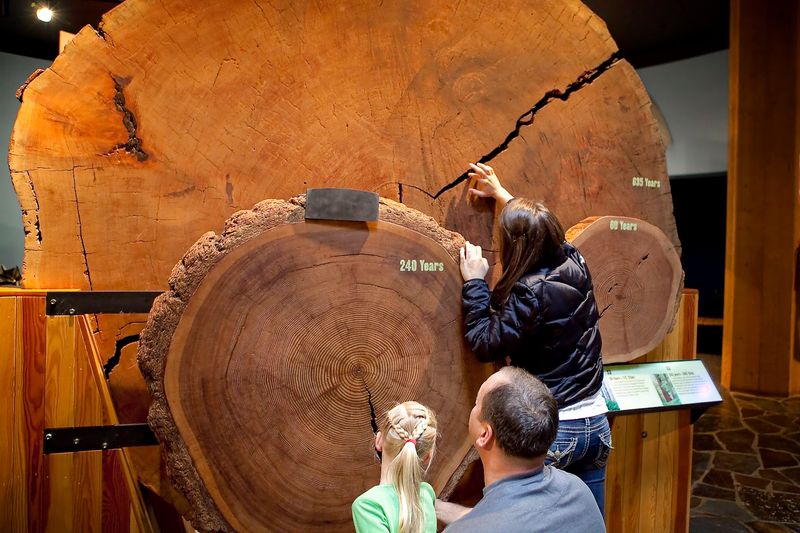
Most museum exhibits ask you to look and move on. Here, you actually get to touch, push, pull, and explore.
The hands-on approach makes the information stick in a way that reading a sign never quite does.
There are stations where you can feel different types of wood, compare tree ring samples from trees of various ages, and learn how forests grow and change over time. It sounds simple.
It is surprisingly fascinating.
I watched a group of kids huddle around a display for a solid ten minutes, completely absorbed. That kind of engagement does not happen by accident.
The exhibits are designed with real thought behind them.
Adults get just as pulled in. The educational content is layered, meaning younger visitors get the basics while older ones find deeper details to explore.
Nothing feels dumbed down or overly technical. The balance is just right, and that is a harder thing to achieve than it looks.
The Sasquatch Exhibit Upstairs That Nobody Expects
Nobody warns you about the Sasquatch exhibit, and honestly, that is part of the fun. You climb the stairs expecting more forestry science and then suddenly there it is.
A full display dedicated to the legendary creature of the Pacific Northwest woods.
It is playful without being silly. The exhibit explores the mythology, the reported sightings, and the cultural history of Bigfoot in Oregon and beyond.
There is real regional identity packed into this corner of the museum.
Kids absolutely love it. There is something thrilling about the idea that something massive and mysterious might be out there in those dense Oregon forests.
The exhibit leans into that sense of wonder without pretending to have all the answers.
For adults, it is a fun detour from the more serious ecological content downstairs. The contrast actually works well.
It keeps the visit feeling fresh and surprising rather than predictable. Just when you think you know what kind of museum this is, Sasquatch shows up to remind you otherwise.
Logging Equipment That Shows the Scale of the Industry
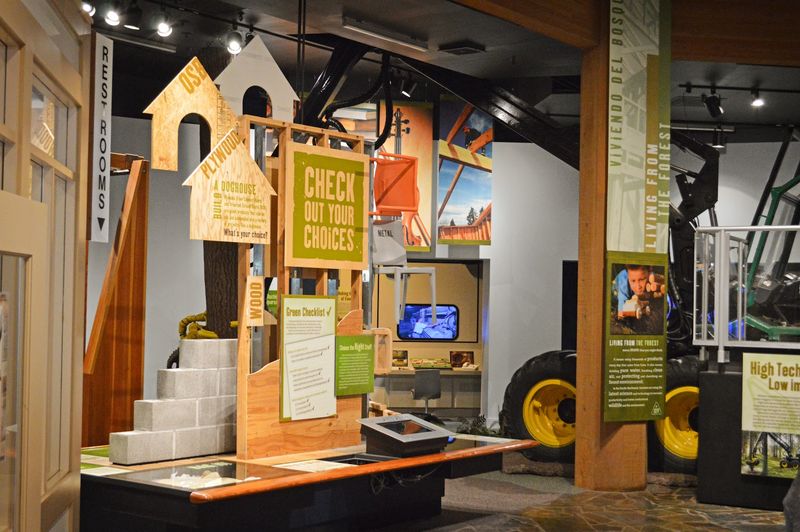
There is a tractor inside this museum that you can actually climb into, and that alone is worth mentioning. It is enormous.
Sitting in the cab gives you a real sense of just how massive the logging industry is in the Pacific Northwest.
The equipment on display is not just for show. It tells a story about the history of Oregon’s timber industry, the people who worked it, and how technology changed the landscape over generations.
The machines feel important, not just impressive.
Seeing a debarking machine up close is genuinely startling. Watching a demonstration of how logs are stripped and processed in seconds makes you understand the industry in a completely new way.
Reading about it is one thing. Standing next to the machine is another entirely.
This section of the museum does a good job of presenting the industry honestly. It does not romanticize or condemn.
It shows the tools, explains the work, and lets visitors form their own understanding of the relationship between people and forests.
The Architecture of the Building Itself Is Worth Seeing
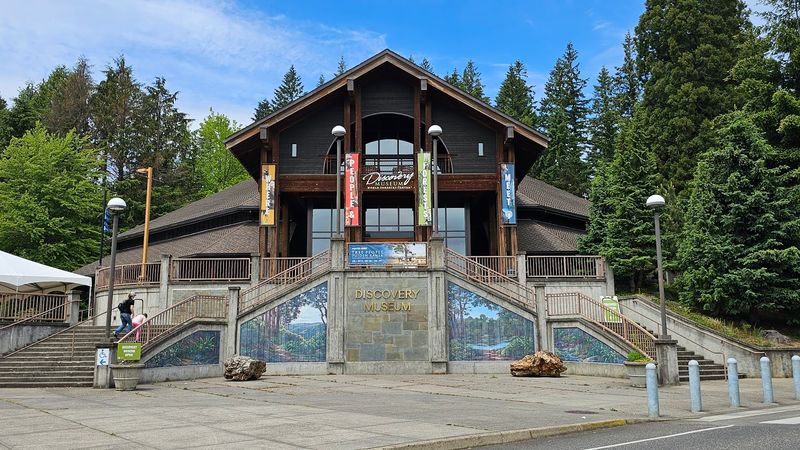
Before you even walk inside, the building makes an impression. The World Forestry Center was designed with the surrounding landscape in mind, and it shows.
The structure feels like it belongs among the trees rather than sitting apart from them.
The clean lines and use of natural materials give the exterior a warmth that a lot of modern buildings lack. It looks permanent and purposeful.
Like it was built to last and to mean something specific to this place.
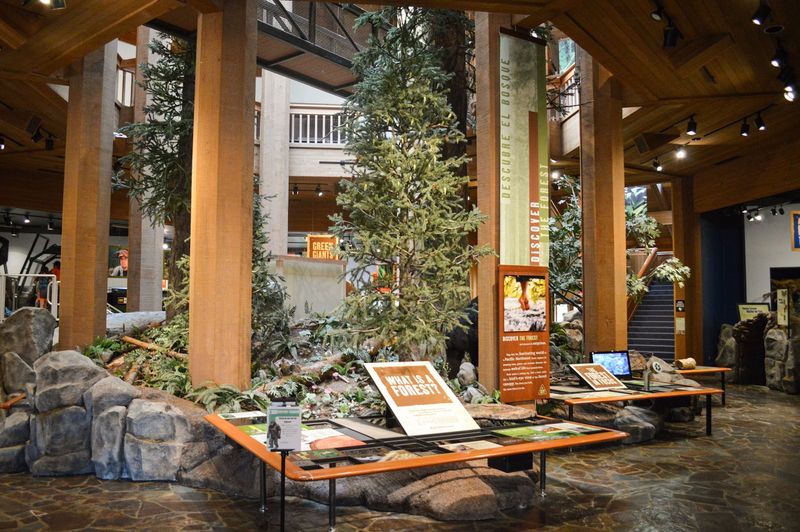
Inside, the architecture continues to impress. High ceilings let in natural light and create a sense of open space that feels almost forest-like.
The proportions are generous without being overwhelming. Everything feels considered.
For anyone who appreciates design, this building is a quiet highlight of the visit. It does not shout for attention the way some landmark buildings do.
It earns its place gradually, through the way it frames exhibits, guides movement, and connects the interior experience to the natural world just outside the windows.
Fluffy the Rainbow Trout and the Wildlife Surprises Inside
There is a rainbow trout named Fluffy hiding somewhere inside the museum, and finding it becomes an unofficial game for visiting kids. The name alone makes children immediately invested.
Adults find themselves scanning the exhibits just as eagerly.
The wildlife elements woven throughout the museum go beyond fish. There are displays on forest animals, underground creatures, and the ecosystems that trees support.
The cave exhibit filled with stuffed animals is a particular favorite for younger visitors.
What makes these sections work so well is how they connect animals to forests rather than treating them as separate topics. You start to understand that a healthy forest means healthy wildlife.
The relationship is made clear without being preachy.
The underground animals display offers a perspective that most people never consider. What lives beneath the forest floor is just as important as what grows above it.
That kind of layered thinking is exactly what makes this museum more than just a collection of pretty things to look at.
The Photography and Art Exhibits That Add Unexpected Depth
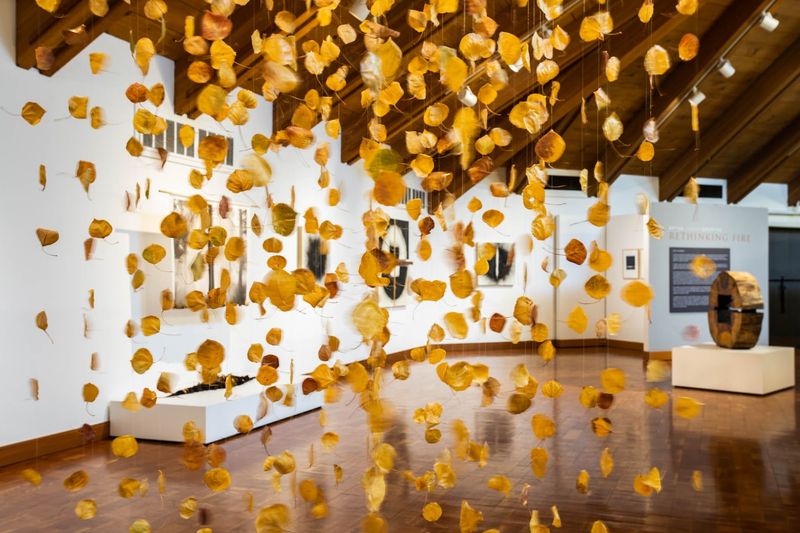
Not every museum pairs science with art this naturally. The photography exhibits at the World Forestry Center have a way of stopping you mid-step.
The images are large, detailed, and emotionally resonant in ways that data panels simply cannot replicate.
Past exhibits have explored wildfire photography in the Pacific Northwest, showing the raw power and ecological complexity of fire in forests. Seeing those images up close is a moving experience.
The scale and color are hard to shake.
Art and science share the same floor here without competing. One informs the other.
A photograph of a burned hillside takes on new meaning after reading about forest regeneration just a few feet away. The sequencing feels intentional.
Rotating exhibits mean the museum always has something new to offer on a return visit. That is a smart decision for a space this size.
It keeps the experience fresh and gives regular visitors a reason to come back. The creative programming adds real cultural value to an already rich destination.
The Arboretum Walking Paths Just Outside the Museum
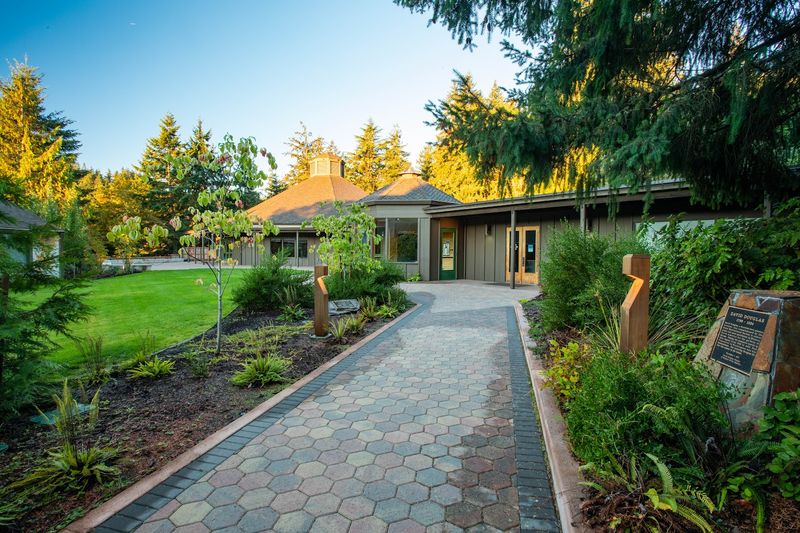
Right outside the museum doors, a large arboretum stretches out with walking paths that feel genuinely removed from city life. The trees here are mature and varied.
In fall and spring especially, the colors are remarkable.
After spending time absorbing information inside, stepping out onto these paths feels like a natural exhale. The transition from exhibit hall to living forest is seamless and satisfying.
You take what you just learned and suddenly see the trees around you differently.
The paths are well-maintained and peaceful. Families stroll slowly.
Some visitors sit on benches and simply listen to the wind move through the canopy. There is no rush out here, and the atmosphere encourages that unhurried pace.
Being adjacent to the Japanese Garden and the Portland Zoo, this whole corner of Washington Park rewards a full afternoon of exploration. The arboretum ties it all together.
It is not just a bonus feature of the museum visit. It is a destination in its own right, quiet and genuinely beautiful in every season.
The Gift Shop and Its Surprisingly Charming Finds
Gift shops at museums can feel like afterthoughts. This one has actual personality.
The items lean into the forest theme without being cheesy, and there are enough genuinely fun finds to make browsing worthwhile.
A wood slice pillow that looks almost real has become something of a fan favorite. Visitors mention it with a kind of delighted disbelief, like they cannot believe such a thing exists and also cannot leave without it.
That is exactly the kind of item a good museum shop should carry.
Shirts, pins, and nature-themed educational toys round out the selection. The Woodsy Owl merchandise is a nostalgic nod to a beloved conservation mascot that Pacific Northwest visitors especially appreciate.
It connects the shop to something with actual cultural history.
The shop is smaller than it once was, but there are plans to expand the selection gradually. Even in its current form, it delivers.
A thoughtful souvenir from a meaningful visit lands differently than something grabbed from a generic tourist shop. This place understands that distinction.
Why This Museum Is Worth Every Minute of Your Time
Some places earn their reputation slowly, visit by visit, word by mouth. The World Forestry Center is that kind of place.
A visit typically takes between one and two hours, depending on how deeply you explore. That is a satisfying amount of time.
Long enough to feel immersed, short enough to stay energized throughout. Nothing here overstays its welcome.
The museum is open Wednesday through Sunday, 10 AM to 4 PM. It is closed on Mondays and Tuesdays, so planning ahead matters.
Arriving with kids, with a group, or even solo, the experience adjusts naturally to whoever is visiting.
Portland has no shortage of things to see. But the World Forestry Center offers something specific: a quiet, thoughtful, and genuinely beautiful space that connects people to forests in a way that feels personal.
It earns its place among the city’s best destinations easily.
Address: 4033 SW Canyon Rd, Portland, OR 97221
Dear Reader: This page may contain affiliate links which may earn a commission if you click through and make a purchase. Our independent journalism is not influenced by any advertiser or commercial initiative unless it is clearly marked as sponsored content. As travel products change, please be sure to reconfirm all details and stay up to date with current events to ensure a safe and successful trip.
