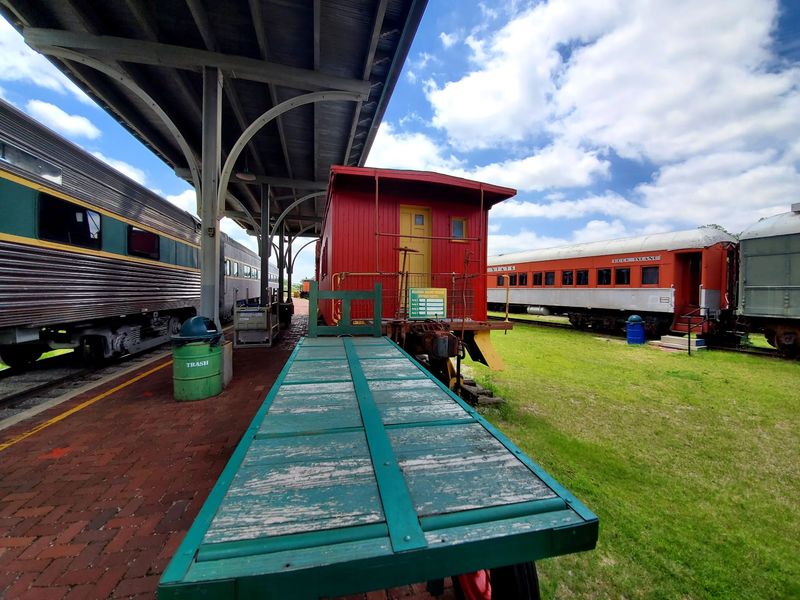
I only meant to kill a slow Saturday morning, and somehow I ended up sitting in a caboose, grinning like a kid. The place looked like a quiet rail yard from the road, nothing fancy at all.
Then the whistle blew, the car lurched forward, and a friendly volunteer started telling stories that made the old steel feel alive. It turns out Oklahoma has a spot where history does not sit behind glass, it rolls down the track, and the ticket costs less than lunch.
A Rail Yard on NE Grand Boulevard
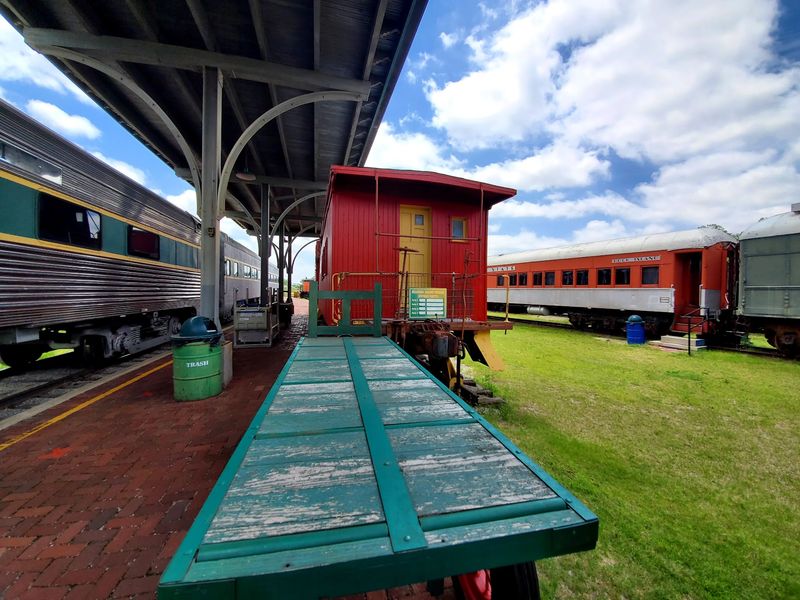
Tucked along 3400 NE Grand Blvd on the northeast side of Oklahoma City, the Oklahoma Railway Museum sits quietly among neighborhood streets. From the road, you might mistake it for a working rail yard.
Pull in, though, and you find rows of restored locomotives, coaches, and cabooses waiting to be explored.
At heart, the museum is a preserved slice of Oklahoma railroading. Restored train cars, a 19th-century depot, and displays of memorabilia fill the property, with seasonal train rides adding motion to the history.
Visitors often describe it as a living exhibit rather than a stuffy hall of plaques.
Getting there is simple for most metro folks. It sits a short drive from downtown, and anyone rolling in from Tulsa can make the trip in under two hours, an easy yes for a weekend outing.
Families from Norman, Edmond, or Shawnee may find it closer than they ever realized.
Hours are fairly compact, so plan ahead. The grounds typically open Thursday through Saturday from 9 a.m. to 5 p.m., and they stay closed Sunday through Wednesday.
Calling ahead at 405-424-8222 can help confirm details before you load up the car.
Volunteers Keeping the Wheels Turning
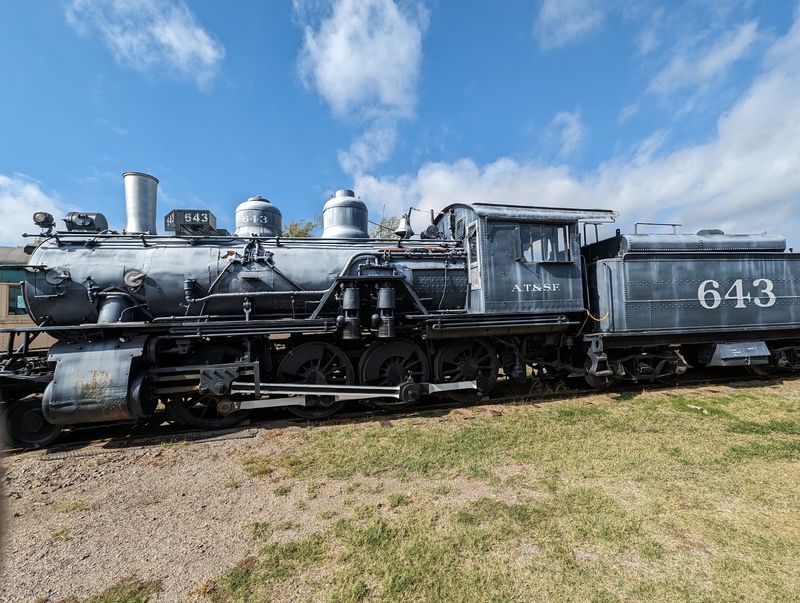
Here is something that surprises many first-timers. According to visitors, the museum runs on sales and donations rather than state or federal aid, and much of the work is handled by volunteers.
That means every polished handrail and fresh coat of paint reflects someone giving up their free time.
Those volunteers are a big part of the charm. Guests mention meeting an older gentleman who once performed maintenance on one of the very trains on display.
Others praise guides who answered question after question with patience and real knowledge.
Restoration is slow, careful work. New pieces arrive periodically, but they often need serious attention before they are ready for the public.
Some guests encourage fellow visitors to leave a donation, even though admission to the grounds is free.
Giving is easy. Folks report a card-friendly tip jar in the gift shop that accepts donations in $5 increments.
Donations are welcomed rather than required, so nobody feels pressured at the door.
Knowing all that changes the feel of a visit. You are not just touring old equipment, you are supporting a hometown effort to keep Oklahoma rail history rolling for the next generation of kids and grandkids.
Free Gates and Wide-Open Wandering
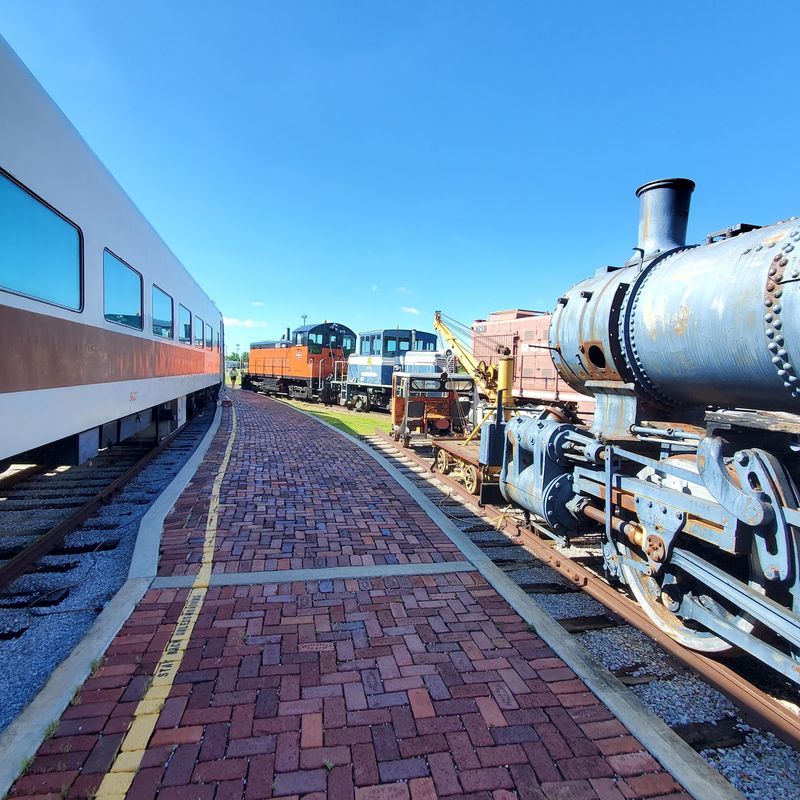
Zero dollars. That is what it costs to walk the grounds, peek at the exhibits, and soak up the sight of big iron machines lined up in the sun.
Plenty of families mention free admission as a happy shock.
Wandering here feels relaxed. The museum usually is not packed, so you can take your time around each car without feeling rushed or crowded out.
Even on busier weekends, guests describe it as lively but never overwhelming.
Photographers find plenty to love too. One visitor who admitted to not caring much about trains still enjoyed strolling the property and snapping industrial-style photos.
Rust, rivets, and chunky couplers make for striking pictures.
A fun sensory detail comes up often. On some locomotives, the smell of grease and oil still lingers, giving the whole place an authentic working-yard feel.
It is the kind of scent that sticks with you long after you leave.
Dogs are welcome, according to guests, which makes it an easy stop for the whole household. Just keep an eye on paws around tracks and uneven ground.
Free entry plus pet-friendly grounds makes this a budget outing that is hard to beat anywhere in the metro.
The $12 Ride Itself
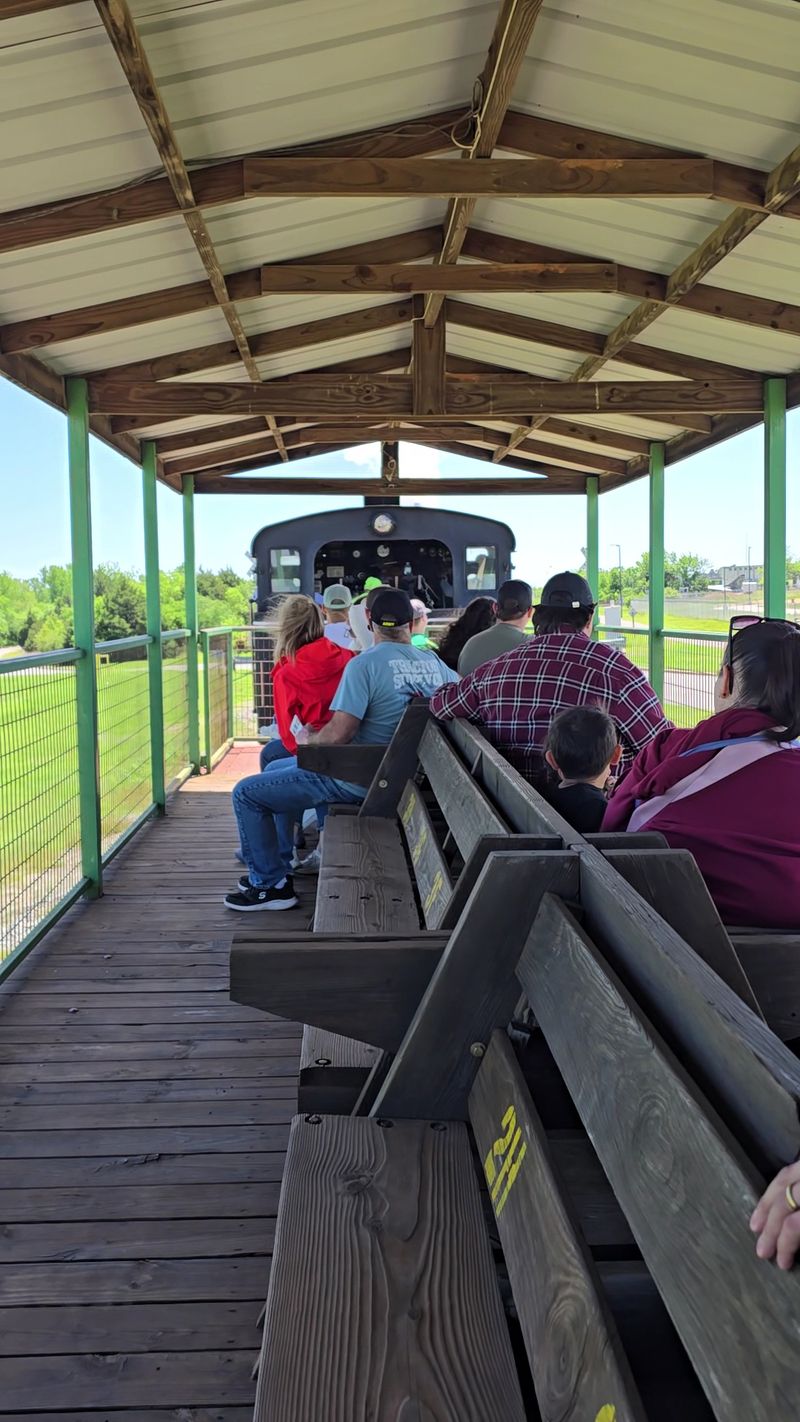
Twelve bucks. For that modest price, adults climb aboard a restored train for a 45-minute trip that many visitors call the highlight of their day.
Kids ages 3 to 12 ride for $5, and little ones under three can ride free on a parent’s lap.
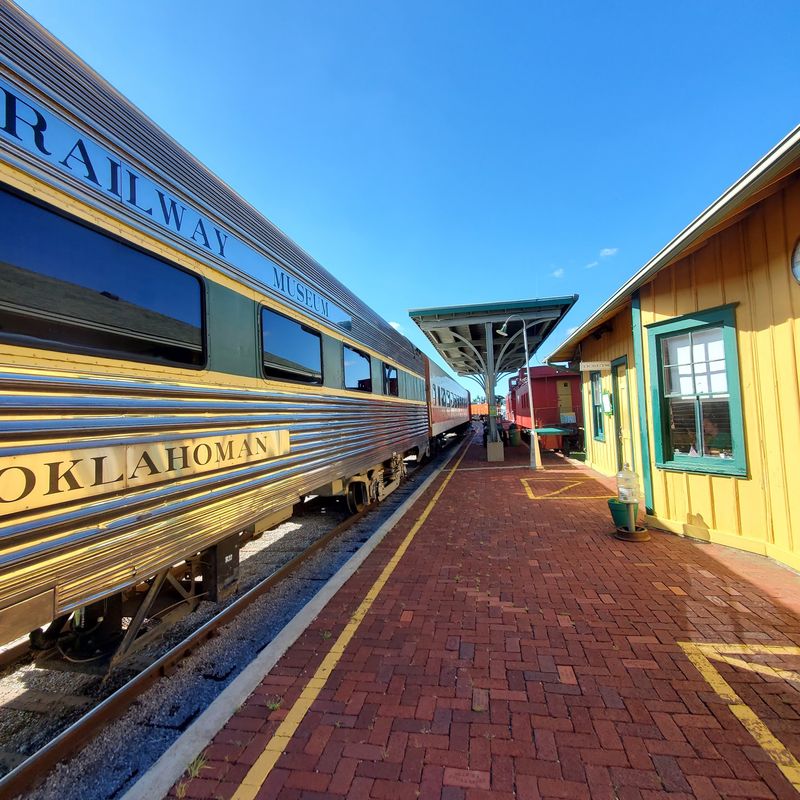
Rides depart from the Oakwood Depot on the museum grounds, pulled by vintage diesel power. Along the way, crew members share history about the locomotives and the railroad.
Guests describe it as engaging and educational without ever feeling like a lecture.
Set your expectations correctly, though. One visitor noted the train travels forward and then back along the line rather than looping around a circuit.
Most folks do not mind, since the stories and the sway of the car are the real reward.
Compare that ticket to a movie with popcorn, and the value jumps out. A family of four with two children can ride for about $34, a price that feels friendly for a memorable afternoon.
Prices and schedules can shift from season to season, so checking the museum website before you go is a smart move. Buying ahead may also shave time off your wait at the depot.
Three Ways to Ride
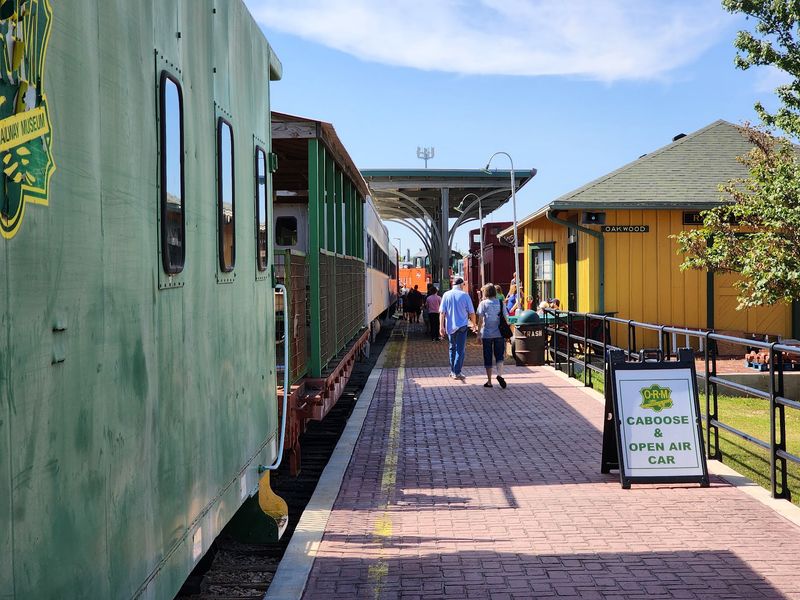
Choices make a ride more fun. Visitors report the train typically offers three different car options, so each trip can feel a little different depending on where you sit.
The open-air car tends to be the crowd favorite. Wind in your hair, the rumble of wheels right beneath you, and nothing between you and the Oklahoma sky make it a hit with kids and grown-ups alike.
The museum itself has called it a lot of fun.
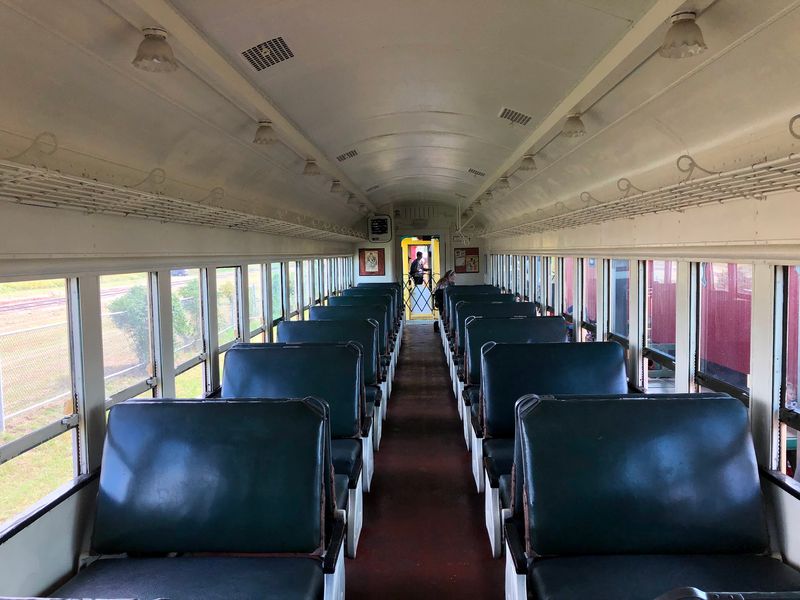
Prefer something more traditional? Enclosed vintage coaches give you the classic passenger experience, with rows of seats and windows framing the passing scenery.
On a hot or breezy day, that shelter may feel especially welcome.
Accessibility matters here too. The museum notes a wheelchair lift and an accessible coach, so riders with mobility needs can join the journey alongside everyone else.
Here is a tip worth tucking away: try a different car each visit. Regulars who return several times a year often rotate seats just to compare the feeling.
Some swear the open-air ride wins on cool spring mornings, while enclosed coaches make more sense once July heat settles in over the state.
Caboose Cupola Seats 5A and 5B
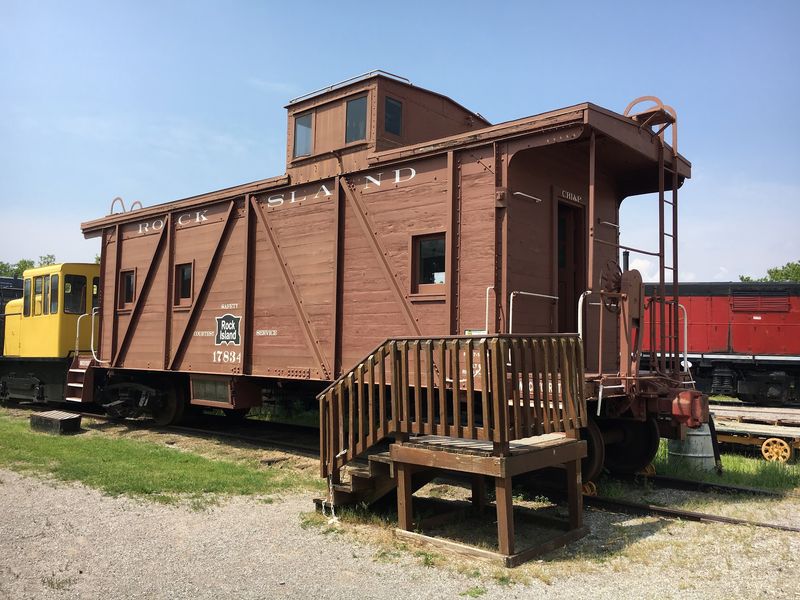
Want the best seat in the house? One rider tipped fellow passengers off to seats 5A and 5B in the caboose, promising awesome views.
The museum confirmed those spots sit up in the caboose cupola.
For anyone who has never been inside one, a cupola is the little raised lookout perched on top of a caboose. Back in the day, conductors and brakemen rode up there to keep watch over the long line of cars ahead.
Sitting in that same perch feels like borrowing a railroader’s job for 45 minutes.
Even when you are not riding, cabooses on the grounds are open for exploring. Visitors describe climbing up into the top section where crews once rode.
It is a simple thrill that kids tend to remember for a long time.
A fair warning for little legs: getting up into old rail cars takes some effort. One guest mentioned the steps require a bit of strength to pull yourself up, so toddlers may need a boost.
Quick fun fact. Many railroads phased out cabooses in the 1980s, which makes a ride in one today a rare treat worth bragging about back home.
Walk-Through Cars and Rolling Stock
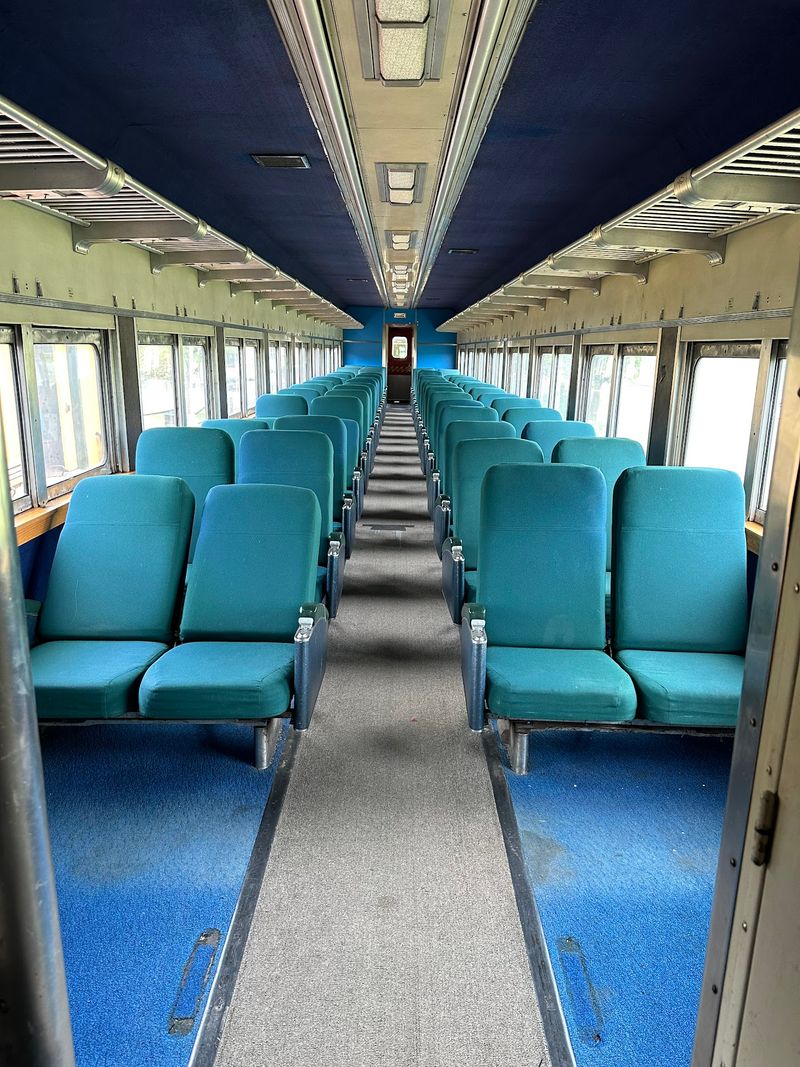
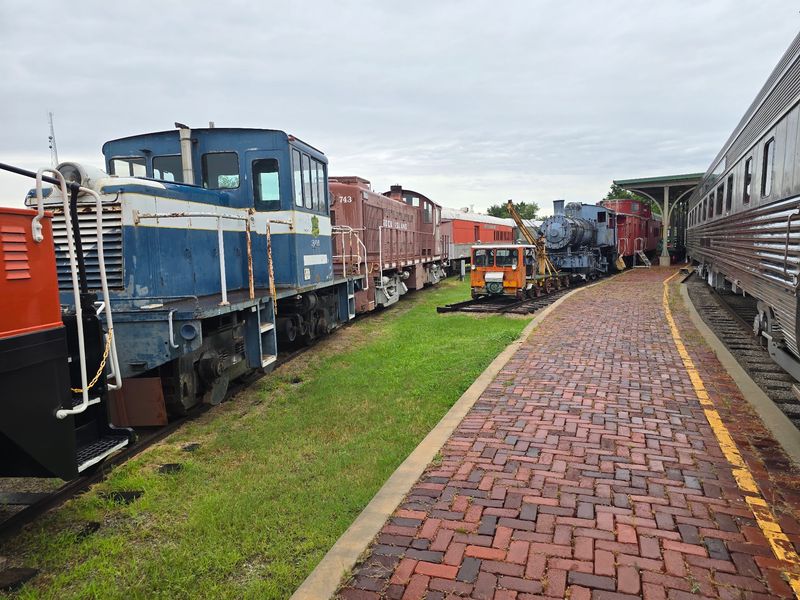
Rolling stock is railroad talk for anything on wheels, and this place has a lot of it. Visitors rave about the sheer amount of equipment to see, from hefty locomotives to passenger coaches and cabooses.
Many outdoor cars have been restored and turned into walk-through exhibit spaces. Instead of staring from behind a rope, you step inside and feel the scale of the thing.
The narrow aisles and old fixtures tell their own quiet story about how people once traveled.
Inside, a small indoor museum and memorabilia displays round things out. Guests describe an excellent collection of railroad artifacts that fills in the history behind the machines.
It is compact, but thoughtfully arranged.
Not everyone finds it huge. One visitor wished there were a bit more to see, so treat it as a relaxed couple of hours rather than an all-day marathon.
What makes it memorable is how hands-on it feels. You can touch worn metal, peer through old windows, and picture passengers heading off to visit family decades ago.
For grandparents who remember riding trains as kids, walking these cars can spark stories worth hearing on the drive home.
An HO Scale Layout With Air Conditioning
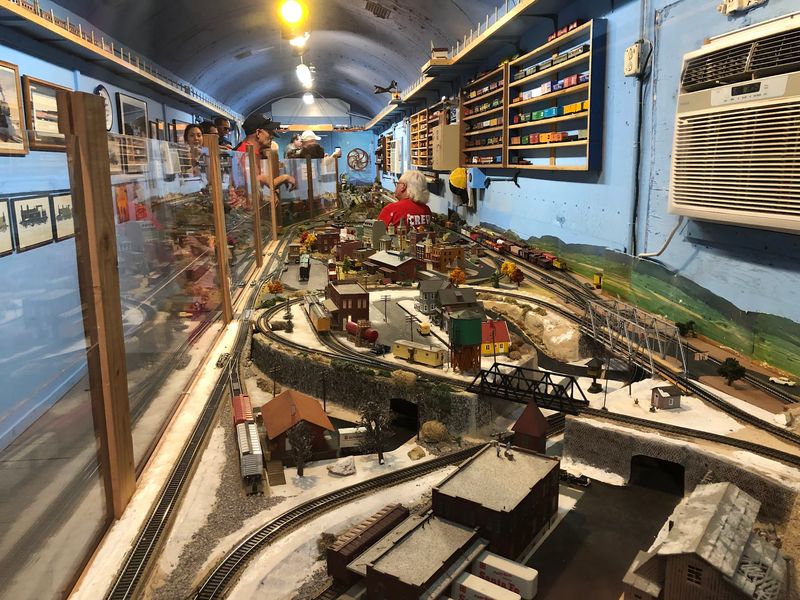
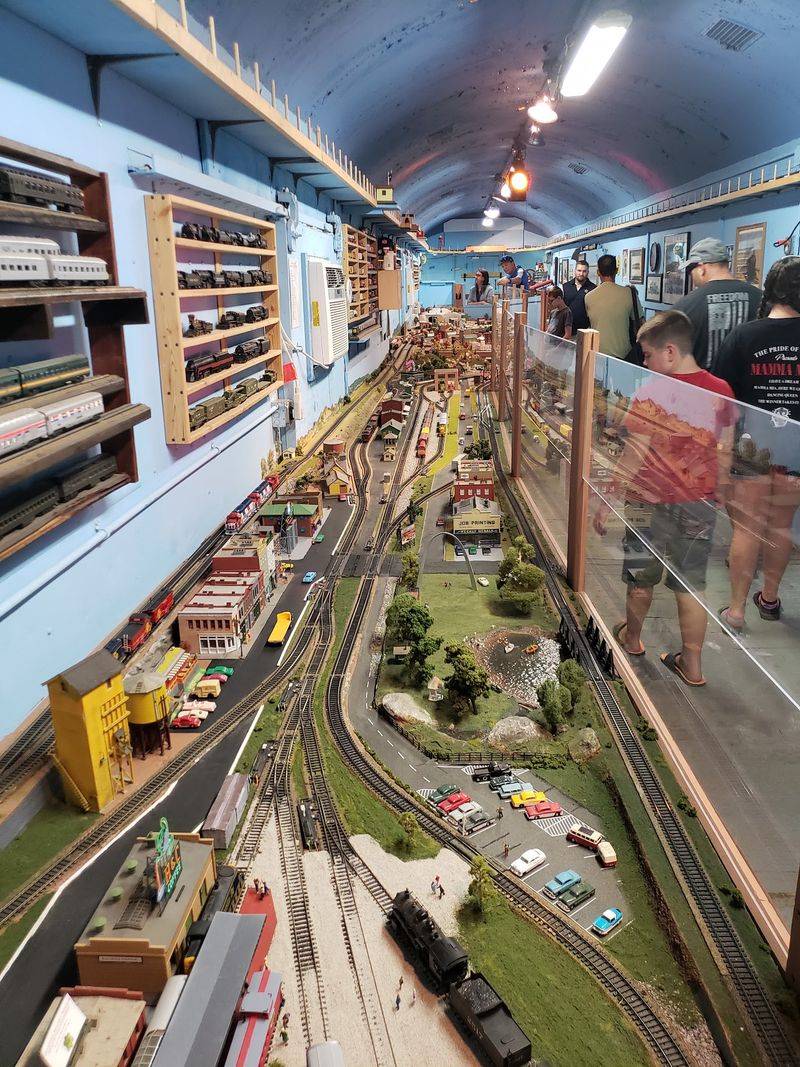
Tiny trains, big smiles. Tucked inside one of the old coaches or baggage cars, an operational HO scale model railroad layout wins praise from railfans and casual visitors alike.
One guest described it as very well laid out for the space. Miniature engines chug past little scenes, and kids tend to press close to catch every detail.
Folks who love the miniature train display mention it as a favorite stop on the grounds.
Here is a bonus Oklahoma summers make you appreciate. That model car reportedly has air conditioning, making it a welcome cool-down break between outdoor exhibits.
Plan to linger when the afternoon heat kicks in.
Found the door locked? A visitor shared that staff will open the model train exhibit if you simply ask.
A quick, friendly request is usually all it takes.
Fun fact for curious kids: HO scale runs at roughly 1:87, meaning a real locomotive is about 87 times bigger than its little model twin. Standing between the full-size giants outside and the pocket-sized versions inside makes that difference really click.
It is a neat way to help young minds grasp just how massive these machines truly are.
Storytellers in Conductor Caps
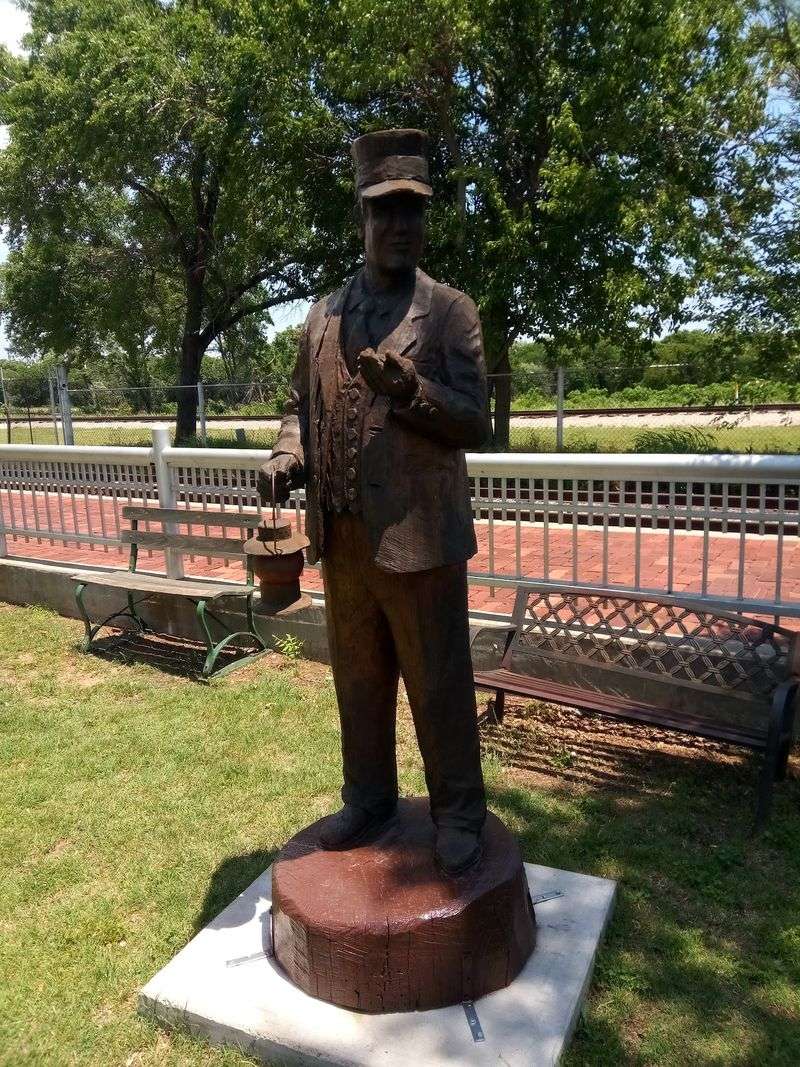
Ask almost anyone about their ride, and they will bring up the people. Crew members punch tickets, crack jokes, and share anecdotes that keep whole cars laughing.
Visitors describe conductors who knew the railroad inside and out. One family took their 7-year-old great-granddaughter along, and she loved every minute.
Another rider’s husband had never been on an American train before and enjoyed the experience right along with her.
Guests even mention volunteers by name, thanking them for patience and friendly answers. That kind of personal shout-out tells you the warmth is real, not rehearsed.
What stands out is how the crew adjusts to the crowd. Train buffs can dig into technical questions, while kids get simple, fun explanations.
Nobody gets left out of the conversation.
A small tip: sit near the front of your car if you want to catch every word. The chatter and the clatter can compete a bit, and you will not want to miss the best stories.
And do not be shy. Folks say questions are welcomed without hesitation, so bring your curiosity.
Sometimes the best history lesson of the day comes from a simple question asked at the right moment.
Polar Express Magic in Pajamas
Picture a whole train car full of people in pajamas, adults included. That is the scene visitors describe on the museum’s Polar Express rides, easily one of its most talked-about events.
Families rave about the interactive show. Cast members engage with each rider, giving extra attention to the littlest guests, and the kids love the hot chocolate.
One grandparent brought a 3-year-old for a birthday surprise and watched her get swept up in the magic while walking around the little town and depot.
Planning helps a lot. Guests suggest buying tickets ahead and arriving about an hour early, as recommended at purchase.
One family noted grabbing an entire row so everyone could sit together, which they felt was the best choice.
Coach seats earned praise for being big and comfortable. Prices run higher than the regular $12 ride, and some call it a splurge, though many say it was absolutely worth it.
Since it is a holiday event, it pairs nicely with other Oklahoma winter traditions like light displays. Watch the museum website for dates, because these seats tend to be popular with families across the region.
A Calendar Full of Special Trains
Fall brings a whole lineup. The museum has mentioned a Steam Train, a Halloween Train, and the Polar Express as seasonal events, giving families reasons to return once the heat breaks.
Themed rides add a fresh twist to familiar tracks. Kids who already rode in summer get something new, and grown-ups get to see the same old coaches dressed up for the season.
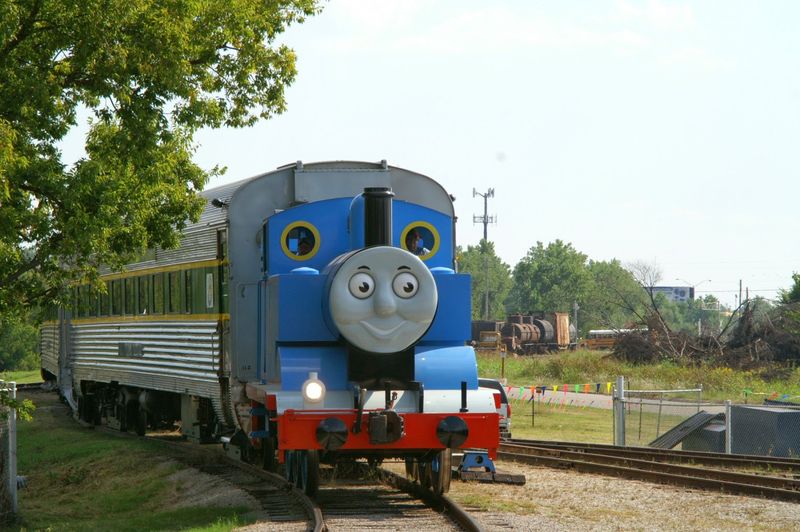
Past visitors also mention Day Out With Thomas, a favorite among young fans of a certain blue engine. Events like that tend to draw bigger crowds, so buying early may help.
Monthly activities pop up throughout the year too. One couple recommended checking out whatever the museum has going each month, since there always seems to be something new.
Looking further out, one guest shared that the Historical Society plans to move in and upgrade the experience over the next several years. Folks seem excited, saying they will be back to see what changes.
Because schedules vary, the museum website is your best friend here. A quick look before planning a weekend can save you from arriving on a quiet day, and it can help you snag seats for the events that sell out fastest.
Who Will Love It Most
Teenagers, of all people, might surprise you. One parent worried two teenage boys would be bored, yet they were all over the exhibits almost as soon as they stepped out of the car.
Trains have a way of hooking every age. Toddlers gawk at the giant wheels, school-age kids scramble into cabooses, and grandparents often start swapping memories of rides long ago.
Even visitors who admit they are not train fans still find the engines interesting.
Railfans are a natural fit, of course. Enthusiasts praise the knowledgeable guides and the chance to see models alongside real equipment, old and new.
One lifelong rider skipped the excursion but still loved the artifacts.
Families with young kids get extra perks. Visitors mention a play area with a bounce house and putt putt, though one family found the kid activities closed during their stop, so it helps to check ahead.
Budget-minded travelers win here too. Free grounds, a cheap ticket, and a relaxed pace make it an easy pick for a grandparent day or a rainy-season backup plan.
It suits anyone who treasures preserved Oklahoma places over flashy, pricey attractions.
Schedules, Weather, and Smart Timing
Timing is everything with this one. Regular train rides typically run on the first and third Saturdays of the month through the warm season, with departures around 11:15 a.m., 1:15 p.m., and 3:15 p.m.
For 2026, summer rides are expected to begin in May.
Show up early. The museum encourages arriving 15 to 20 minutes before departure so boarding goes smoothly.
Visiting on a non-ride day is still fine, just different. One guest found no trains running but enjoyed looking at the equipment anyway.
The museum also mentions that tours can be scheduled.
Weather deserves real attention. Most of the collection sits outdoors, so Oklahoma sun, wind, and sudden storms can shape your day.
Visitors suggest bringing sunscreen and water on hot days.
Remember the general hours too: Thursday through Saturday, 9 a.m. to 5 p.m., closed the rest of the week. Hours and ride dates may shift, so a quick call or website check is wise.
Comfortable shoes help, since climbing into cars and walking the grounds adds up. Spring and early fall mornings often bring the most pleasant conditions for exploring outside.
Worth the Ticket, and Then Some
Some outings cost a fortune and fade by Monday. This one costs about the price of a burger combo and sticks with you far longer.
Everything here leans modest, and that is the point. Free grounds, a $12 adult ticket, $5 for kids, and volunteers who genuinely love what they do make for an afternoon that feels honest.
Nothing about it tries too hard.
Is it massive? No. Is the ride a grand loop through the countryside?
Not quite. But the stories, the caboose views, and the sway of an old coach deliver a kind of joy that bigger attractions often miss.
Visitors keep leaving with the same feeling: thankful. Thankful someone kept these machines from rusting away, and thankful they could share them with kids and grandkids.
So pick a first or third Saturday, pack water and sunscreen, and point the car toward NE Grand Boulevard. Drop a few dollars in the donation jar on your way out if you can.
Chances are good you will be the one telling relatives about it next, maybe even tagging them in a photo from the cupola with a promise to bring them along next time.
